
Moderate
Yellow leaves
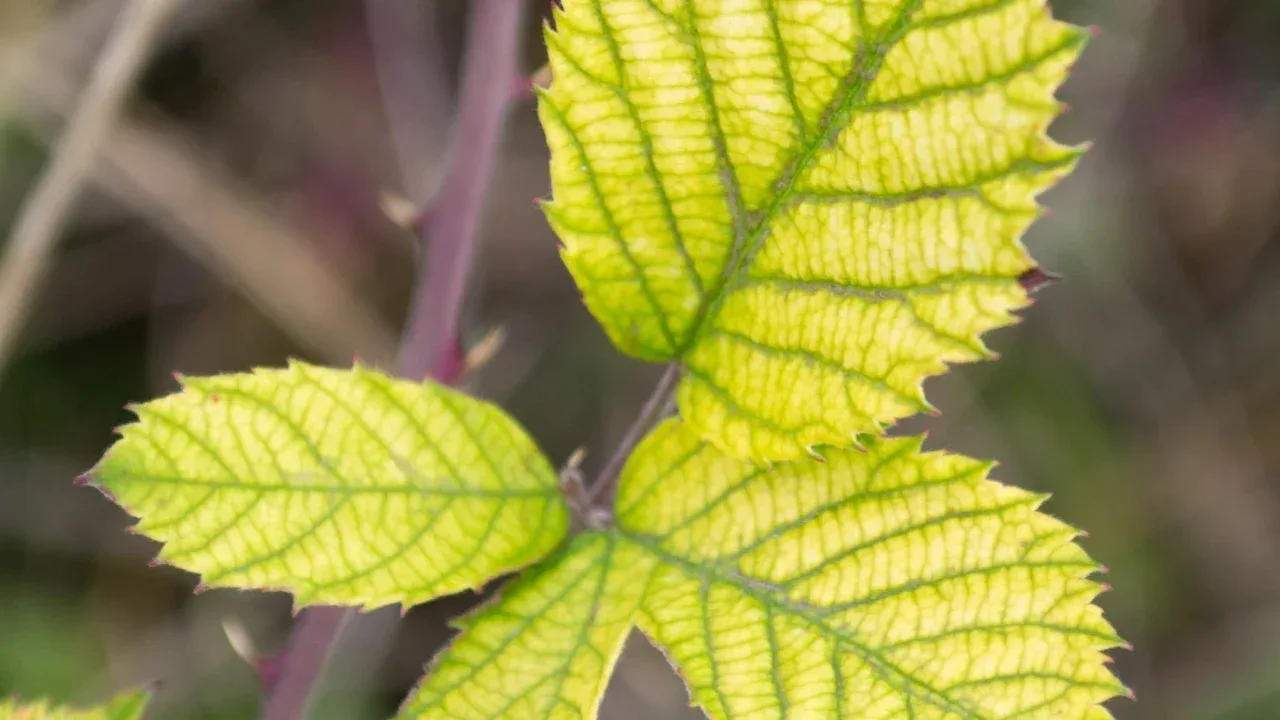
Leaves fade from green to yellow, often starting at the bottom.
Cause: Too much water and airless roots (most common)
Is your plant turning yellow, dropping leaves or covered in tiny bugs? Don't panic. Most plant problems come from just a few things: too much water, too little light, dry air or pests. Pick the symptom you see below, check the soil, and we'll point you to the most likely cause and a fix that is safe for your plant and your home.
Reviewed by Mark Tremblay, BSc Environmental Biology, McGill; ISA Certified Arborist · Updated Nov 15, 2026
Tap to pinpoint issue by location & moisture
Not sure? Push a finger 5 cm into the soil first. Wet or dry soil changes the answer more than anything else.
Directory
Leaves fade from green to yellow, often starting at the bottom.
Leaf tips and edges turn dry, brown and papery.
Stems and leaves hang limp even though the plant was recently fine.
Many leaves fall in a short time, sometimes still green.
Leaves cup, roll or twist instead of lying flat.
Scattered brown blotches on the leaf blade, not only the tip.
Variegated leaves come in greener, or whole shoots turn fully green.
Corky or blistered spots on leaf undersides after the plant takes up more water than it can lose.
Whole leaves look washed out, not spotted.
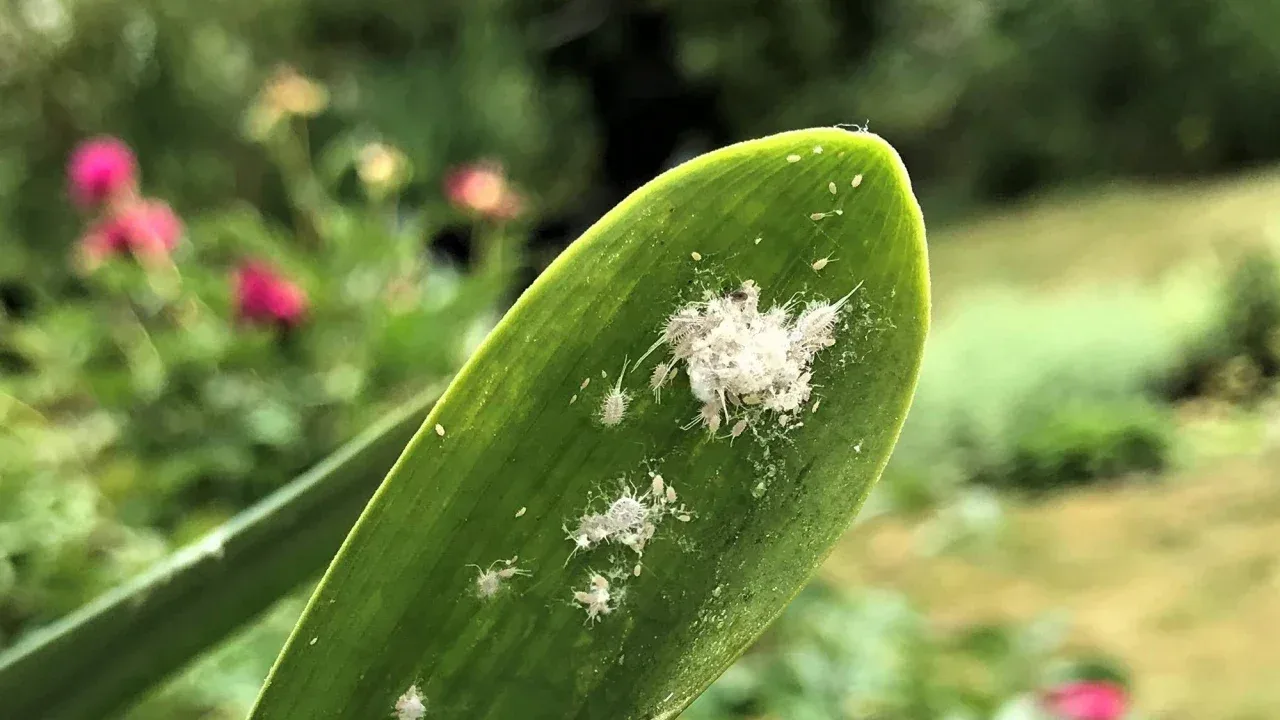
White cottony clumps in leaf joints, often with sticky honeydew.
Fine webbing and pale speckled leaves, worse in dry heated rooms.
Tiny dark flies hover around wet potting mix.
Hard or soft brown bumps stuck to stems and leaf ribs, often with sticky honeydew.
Silvery streaks and twisted new leaves, sometimes with black specks of frass.
Clusters of small soft insects on new tips, often sticky.
Tiny white insects fly up in a cloud when you touch the plant.
Roots turn brown and mushy in soil that stays wet.
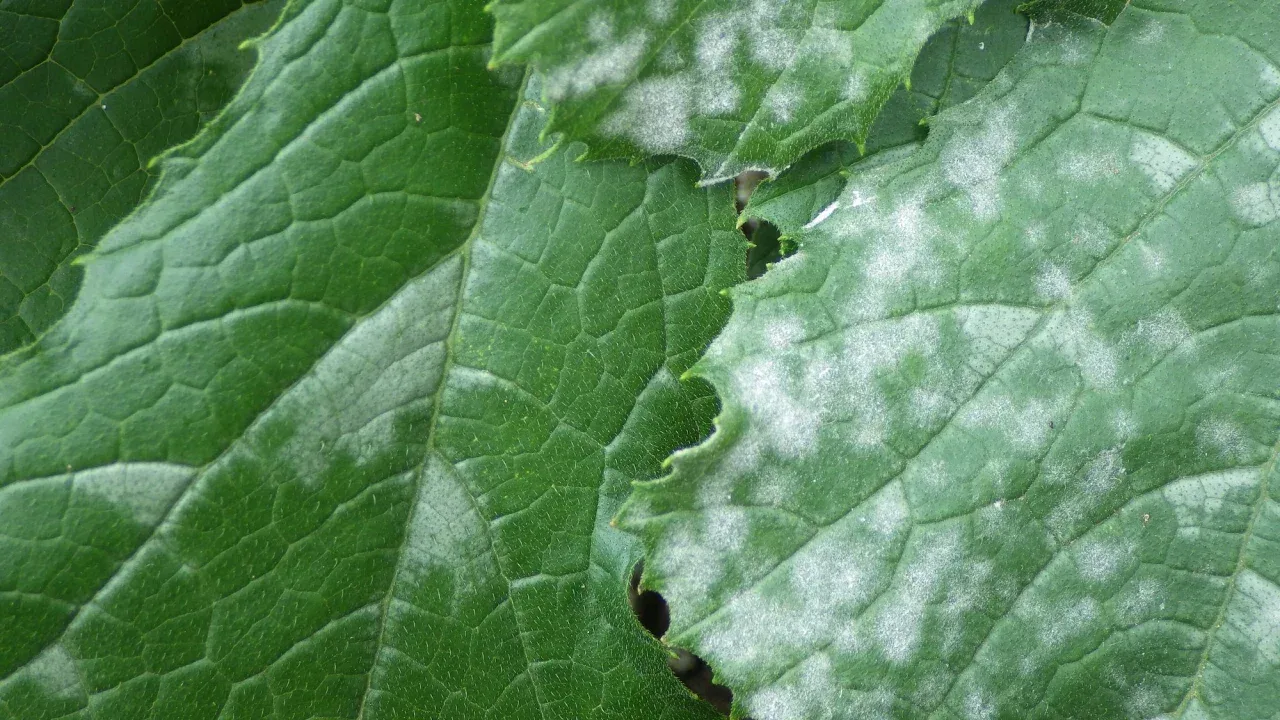
A white powdery film on leaves, usually in still, humid air with dry soil at the roots.
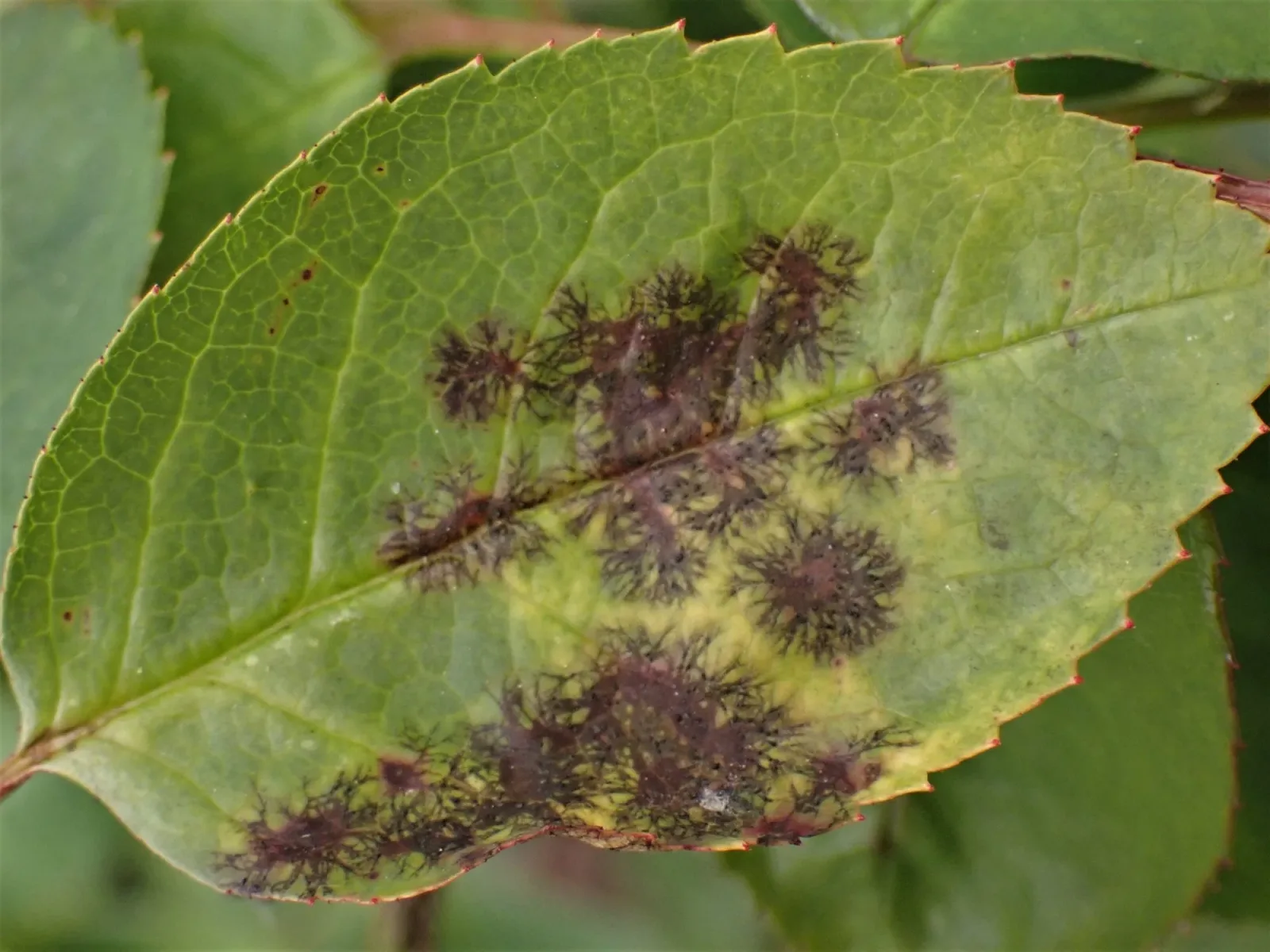
Brown or tan spots with a yellow halo, sometimes with tiny dots in the centre.
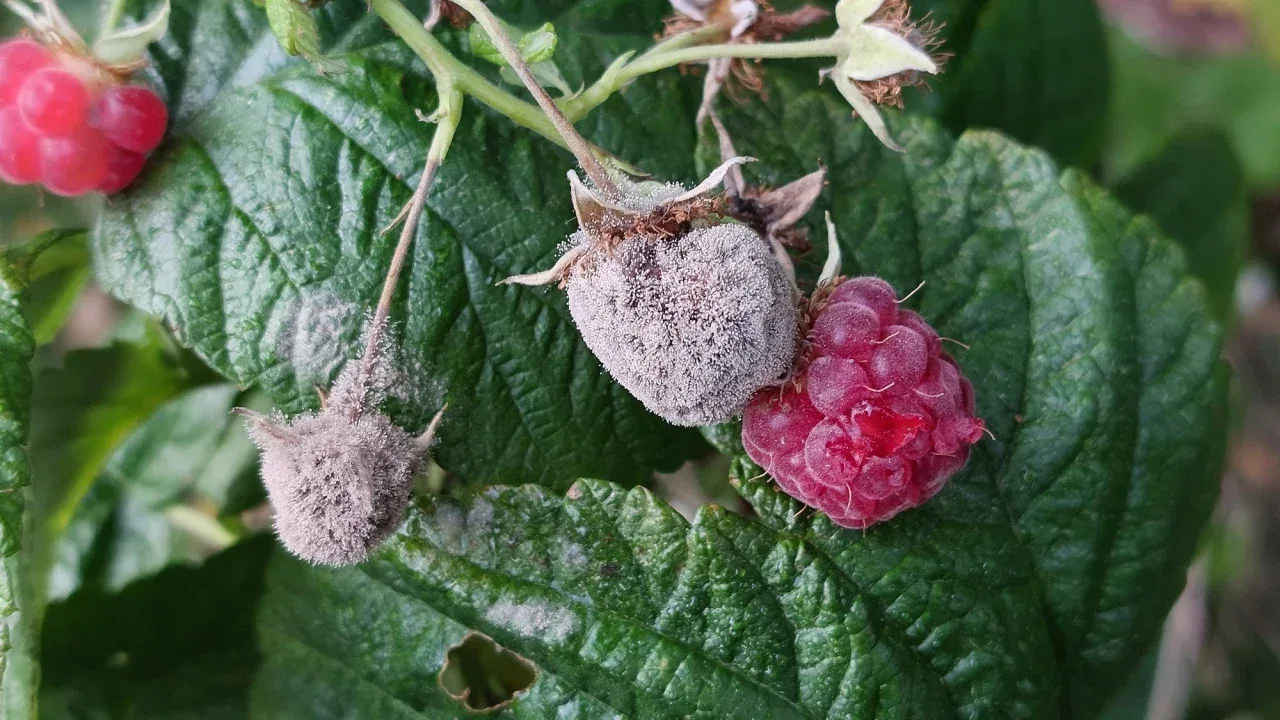
Fuzzy grey mould on faded flowers, damaged leaves or soft stems.
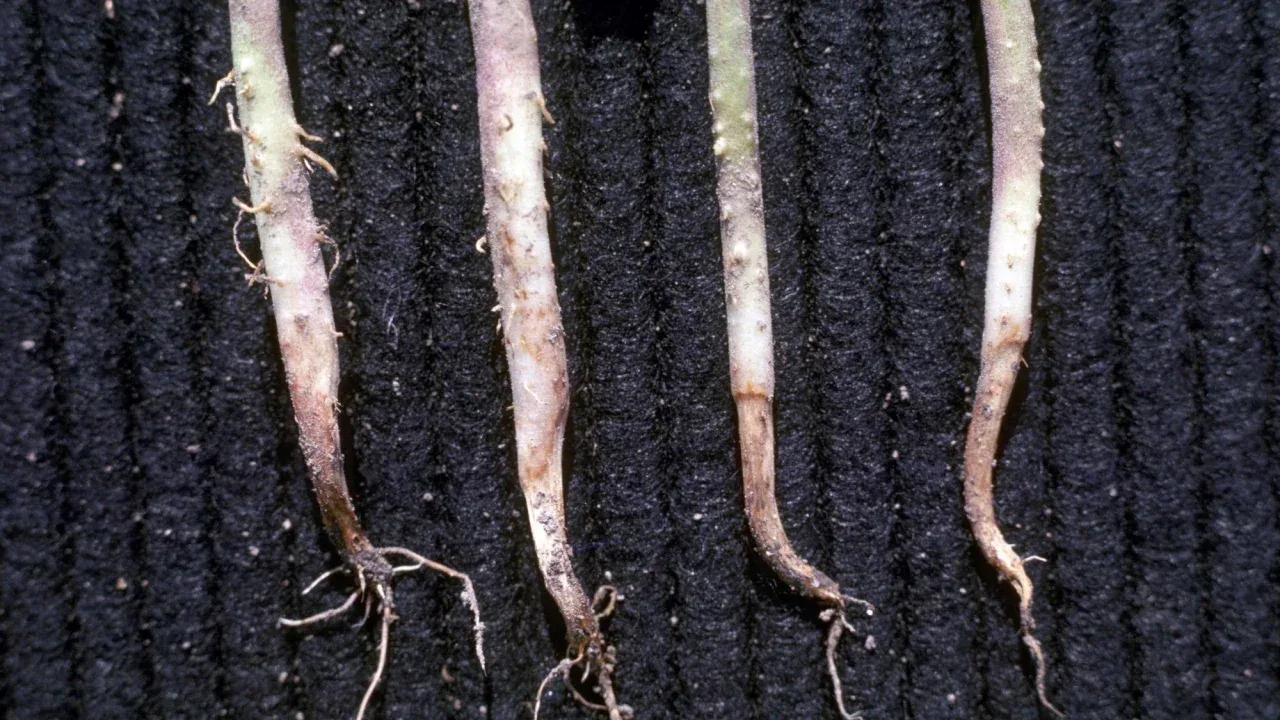
The stem goes soft, dark or black at soil level and the top collapses.
Long weak stems with big gaps between small leaves, leaning to the window.
Soil stays wet, leaves yellow or droop, and the pot feels heavy.
Soil is bone dry and leaves are crispy, curled or dull.
Bleached or crispy patches on the side that faces strong sun.
Dark, water-soaked or blackened patches after a cold night or an AC blast.
A flowering houseplant stays leafy and will not bloom.
A white or yellow crust on the soil surface or pot rim.
Overall pale growth, or yellowing between veins, on a plant that is otherwise watered well.
Water races down the inside of the pot and the root ball stays dry, or the mix is a hard brick.
Tap any issue below for symptoms, causes, test checks, and step-by-step treatments.
One or more leaves turn yellow. Soft yellow leaves with wet soil usually mean too much water. Crispy yellow leaves with dry soil usually mean too little water. Slow yellowing of the oldest bottom leaves is often normal ageing.
Push a finger 5 cm into the soil. Wet, limp yellow leaves point to overwatering. Bone-dry, crispy yellow leaves point to underwatering. If only the lowest older leaves yellow slowly and the rest look fine, it is usually ageing.
Tips look burnt or paper-thin, often with a thin yellow halo. The rest of the leaf may still be green. Common on calathea, spider plant, ferns and palms.
Feel the air and the soil. If indoor air is dry (forced-air heating) and tips are crispy while the soil moisture is normal, dry air is the likely cause. A white crust on the soil points to salts.
The plant looks collapsed. Leaves may be soft. Check the soil before you water — drooping in wet soil is not thirst.
Feel the soil 5 cm down. Bone dry: the plant needs a thorough soak. Wet and droopy: unpot and check roots for brown mush.
A sour or stagnant smell from the pot. The base of the stem may feel soft. Leaves yellow or droop while the soil is still wet. Healthy roots are firm and pale; rotten roots are brown or black and slide off when pulled.
Slide the plant out. Wash some soil away. Healthy roots are firm and light. Rotten roots are brown, mushy and may smell sour.
Tiny white, cotton-like clusters in stem joints, leaf undersides and new tips. Leaves may look sticky. Ants may visit the honeydew.
Look closely at leaf axils with a phone torch. The white fluff does not wipe off like dust — you will see small oval insects.
Internodes (the gaps between leaves) get longer. Stems look pale and bend toward the brightest window. New leaves are smaller than old ones.
Compare the new growth with older, compact growth. If the plant is reaching hard in one direction, it needs more light, not more water.
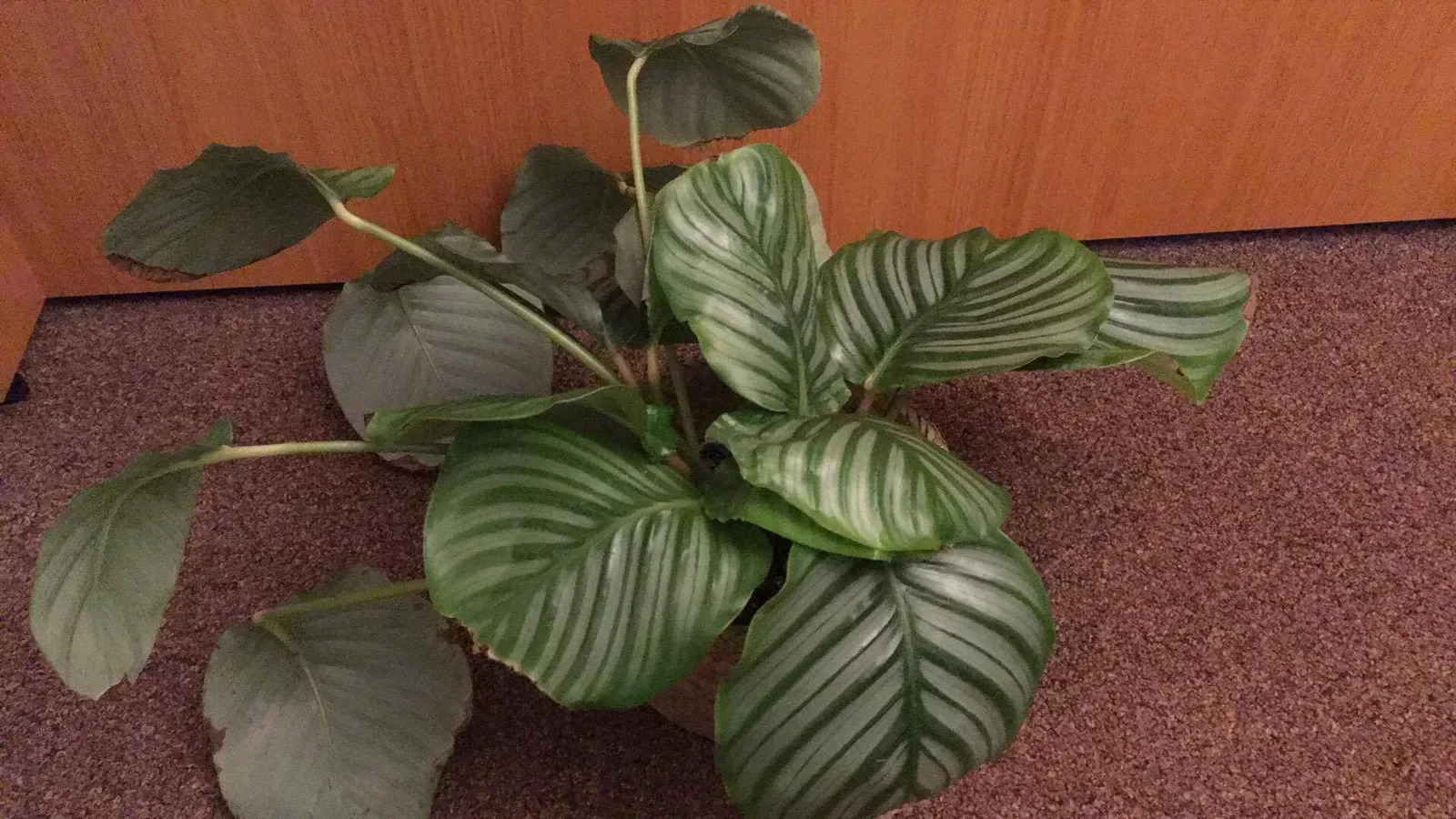
Goeppertia / Calathea spp.
Pet Safe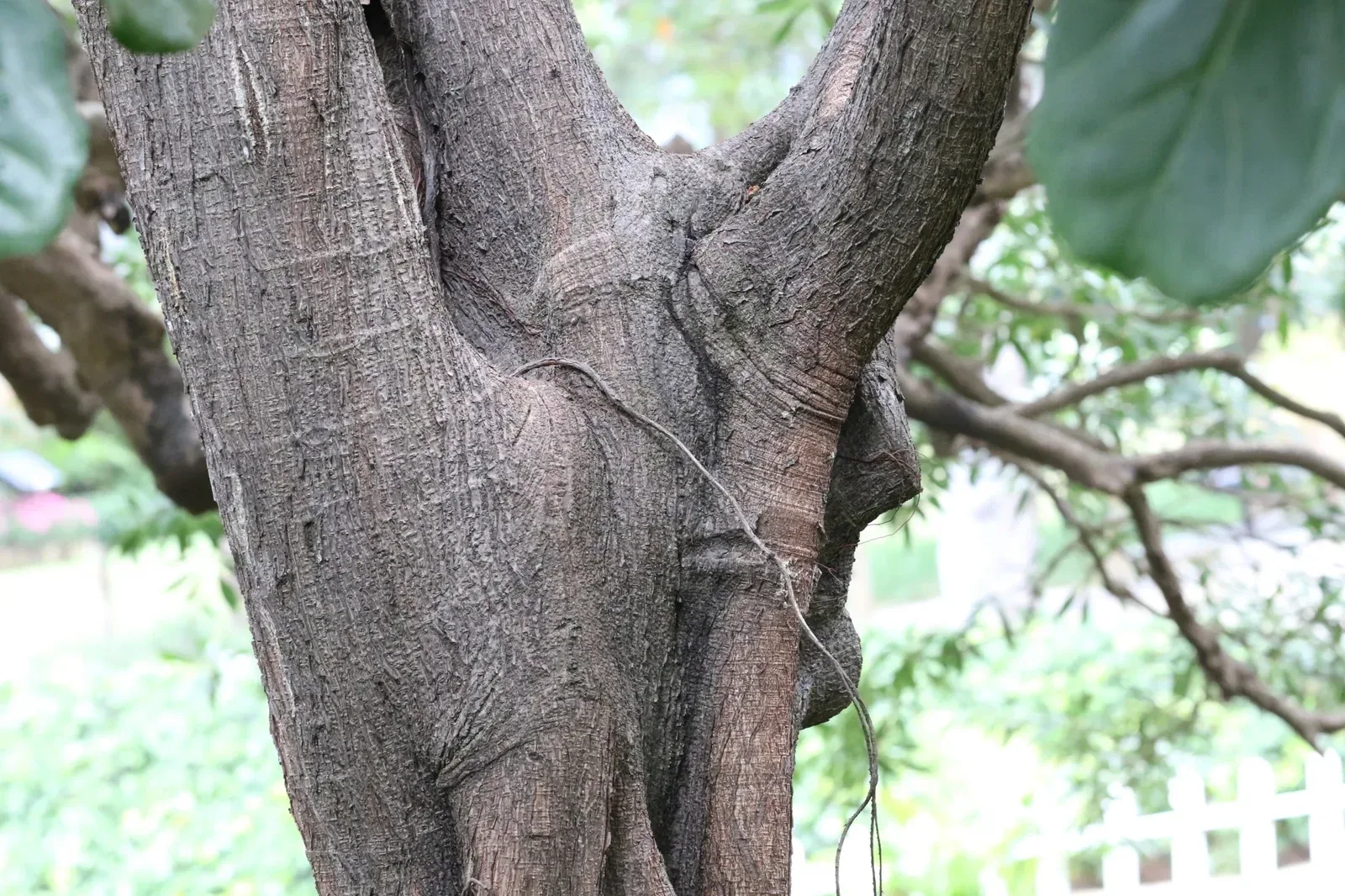
Ficus lyrata
Toxic to Pets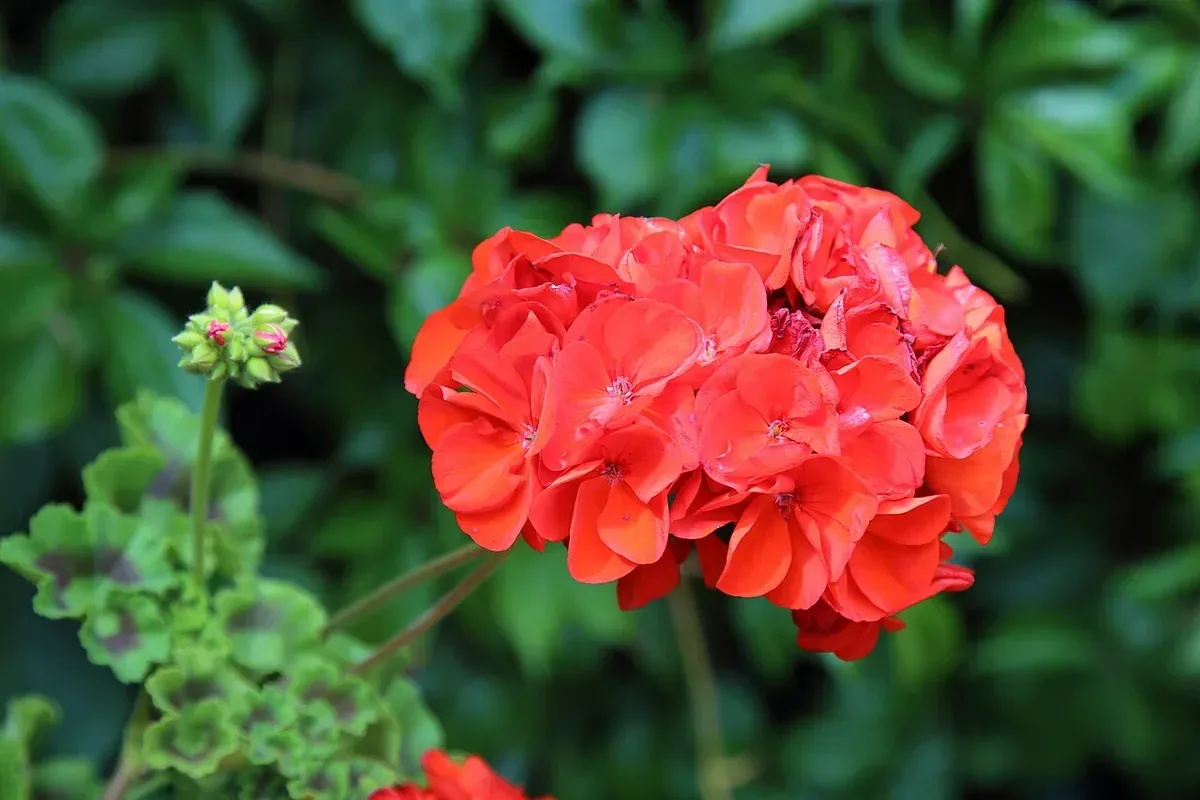
Pelargonium × hortorum (syn. Pelargonium × hybridum)
Toxic to Pets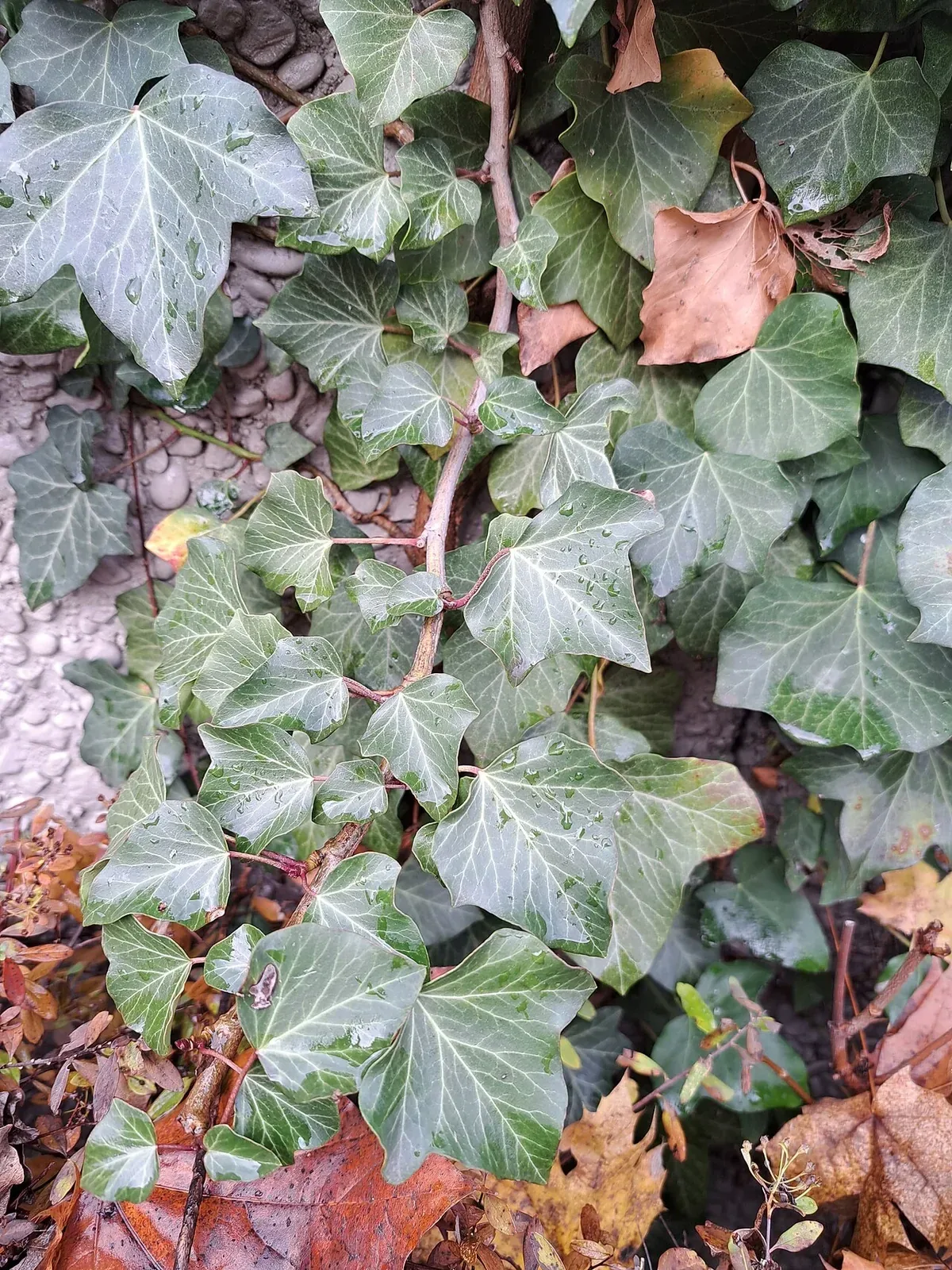
Hedera helix
Toxic to Pets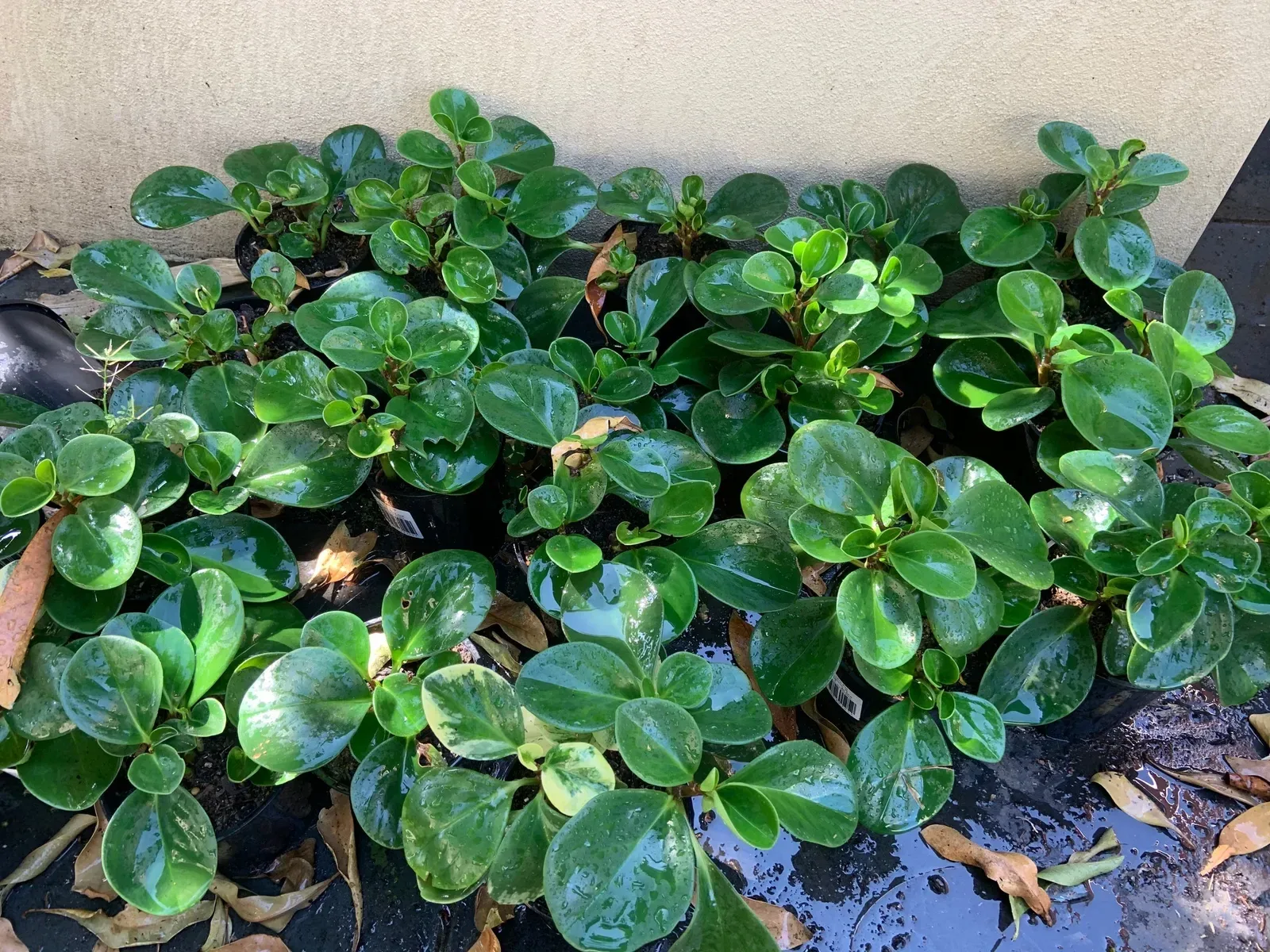
Peperomia obtusifolia
Pet Safe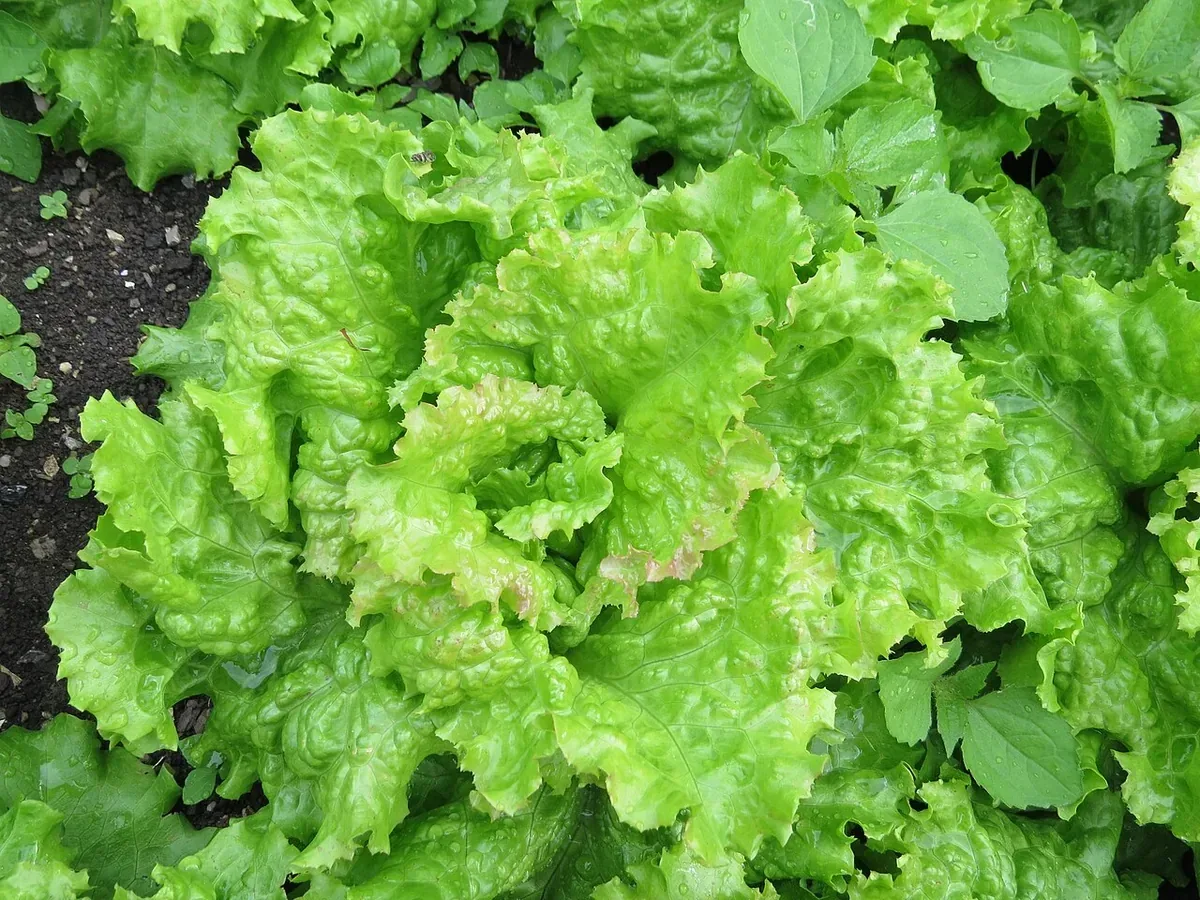
Lactuca sativa
Pet safety not verified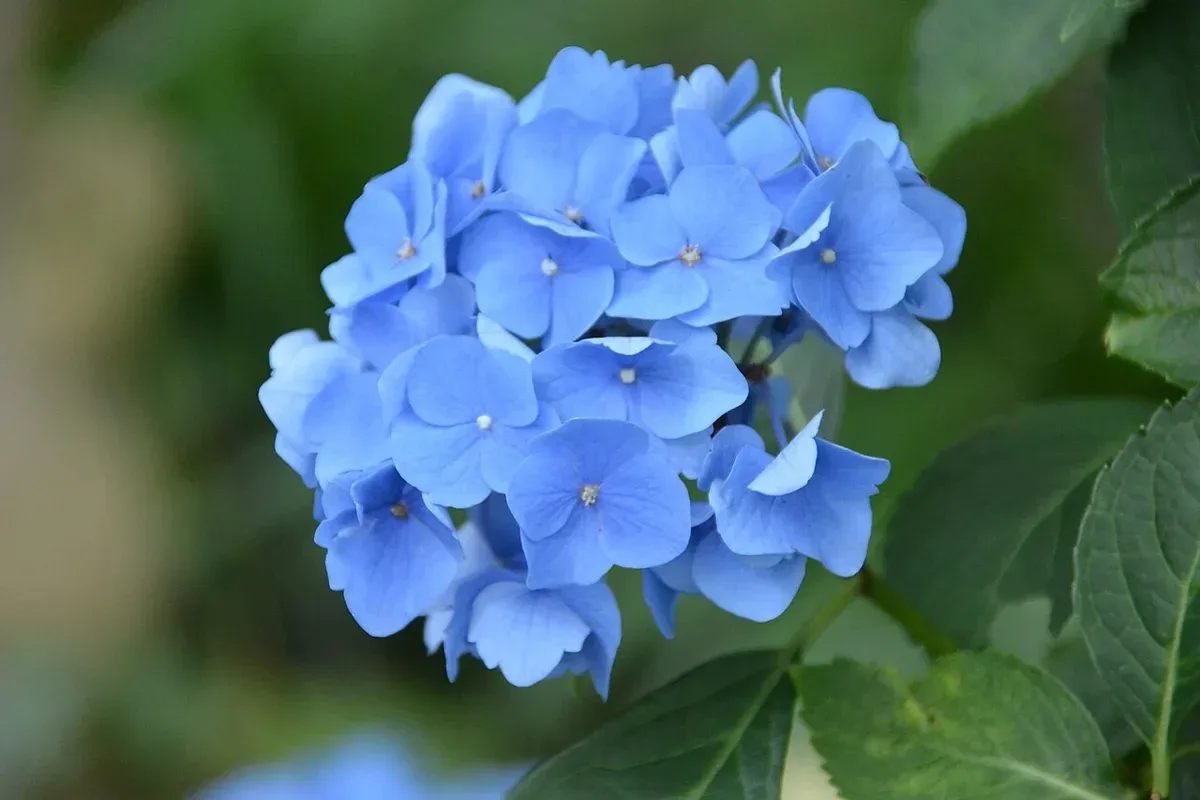
Hydrangea macrophylla
Toxic to Pets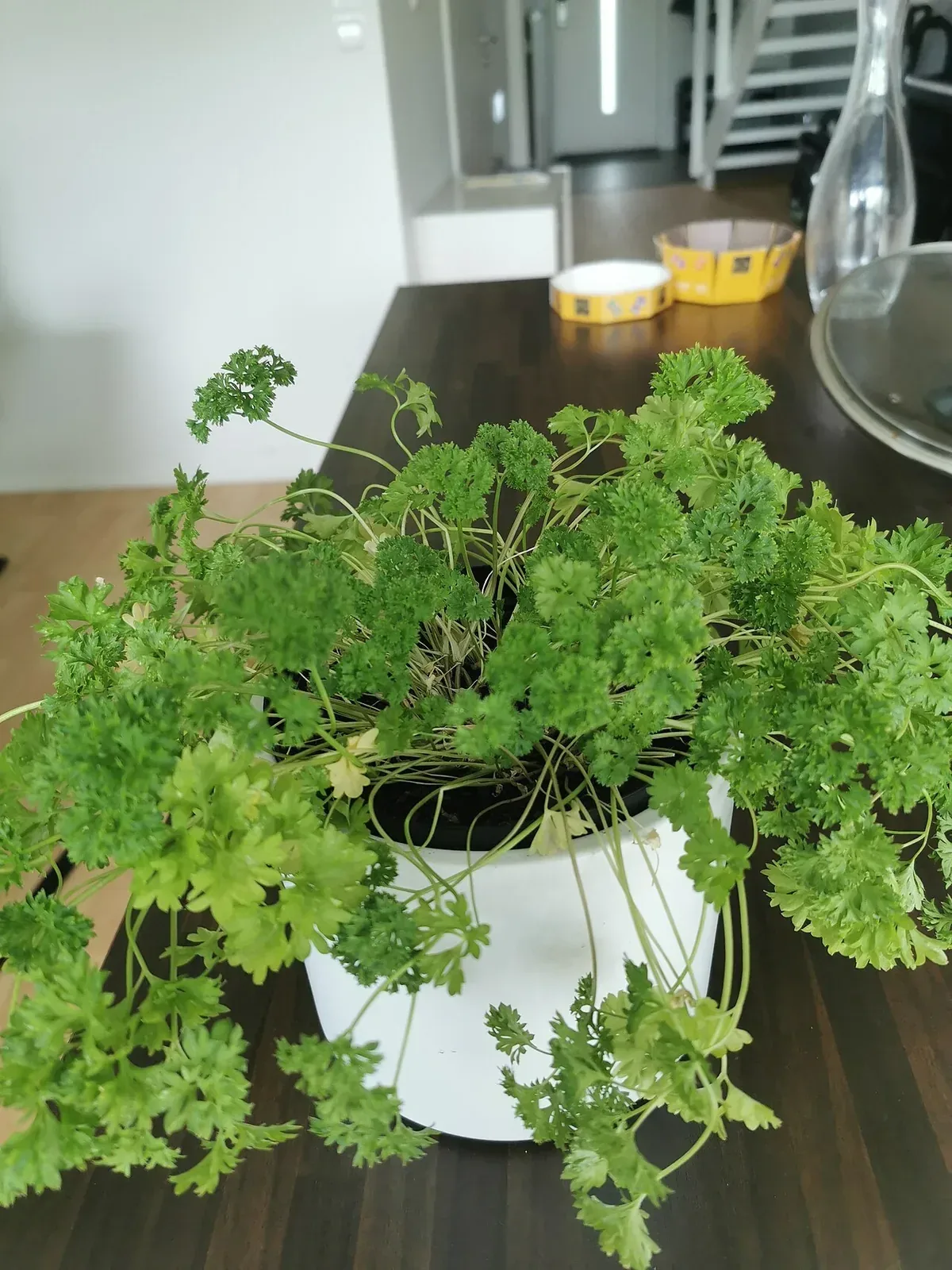
Petroselinum crispum
Toxic to Pets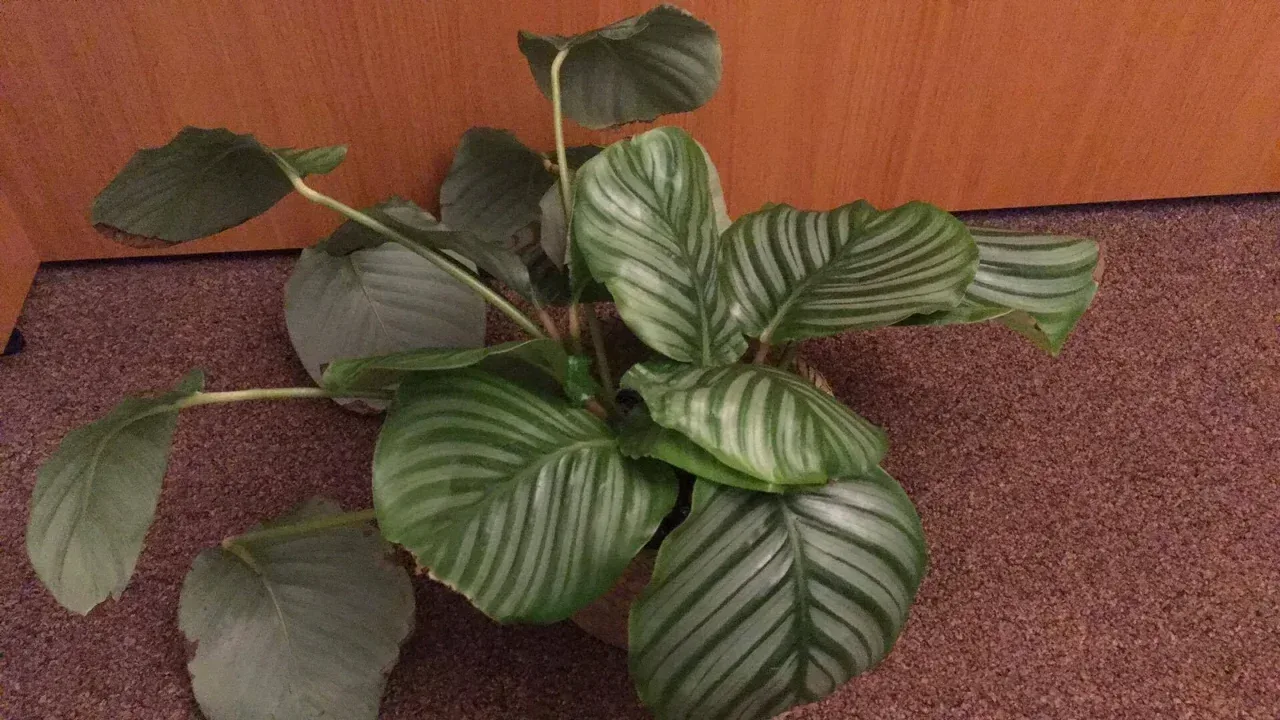
Nov 22, 2026
Nov 22, 2026
Nov 21, 2026
Nov 21, 2026
Nov 21, 2026
Nov 21, 2026
Nov 21, 2026
Nov 21, 2026
Dry furnace air leads to brown tips and spider mites. Short days mean less water and no feeding. Cold window glass causes chill spots.
Repot, start feeding, and watch for fungus gnats after the first heavy watering.
Sun scorch when plants first go outside, and moving them outside or in brings pests.
Check plants for pests before bringing them back indoors, and reduce water.
The most common reason is too much water. The roots sit in wet soil and can't breathe. Feel the soil 5 cm down. If it is still wet, wait before watering again and make sure the pot drains. If only one or two of the oldest bottom leaves turn yellow slowly, that is usually normal ageing.
Check the soil, not the calendar. Wet soil with soft, yellow or drooping leaves points to overwatering. Bone-dry soil with crispy, curled leaves points to underwatering. If the soil is wet and the plant still droops, slide it out of the pot and look at the roots.
Often, yes, if some roots are still white and firm. Cut off the brown, mushy roots with clean scissors, repot in fresh, airy potting mix in a pot with a drainage hole, and water lightly. If almost all the roots are gone, take a few healthy stem cuttings and root them instead.
In Canadian homes, furnace heat makes indoor air very dry, often below 30% humidity. Thin-leaved plants like calathea, spider plant and ferns get crispy tips first. A small humidifier nearby helps more than misting. Also keep plants away from heat vents and cold window glass.
They are usually fungus gnats. They breed in soil that stays wet. Let the top few centimetres dry out between waterings, use yellow sticky traps to catch the adults, and empty any water left in the saucer. They are a nuisance but rarely kill a healthy plant.
First, move the plant away from your other plants. Wipe off the bugs with a cotton swab dipped in rubbing alcohol. Then spray the whole plant, including under the leaves, with an insecticidal soap labelled for houseplants. Repeat every week for about three weeks, because new bugs hatch from eggs.
Ask our community of botanists with a photo or check your plant score.