
| ☀️ Light | Bright indirect light |
|---|---|
| 💧 Water | Low (allow soil to dry) |
| 🪴 Soil | Loose, fast-draining mix high in organic matter (orchid bark/perlite blend); pot with drainage holes |
| 🌡️ Temp | 10°C – 27°C |
| 🐾 Safety | Cats: non-toxic · Dogs: non-toxic (ASPCA Animal Poison Control) |
| 🏔️ Hardiness | Indoors only in Canada. Outdoors hardy in USDA zones 10-11. |
| 📏 Mature size | 5.0 m |
Where It Grows & Climate Tolerance
Pet & Companion Animal Toxicity (Wax Plant (Hoya))
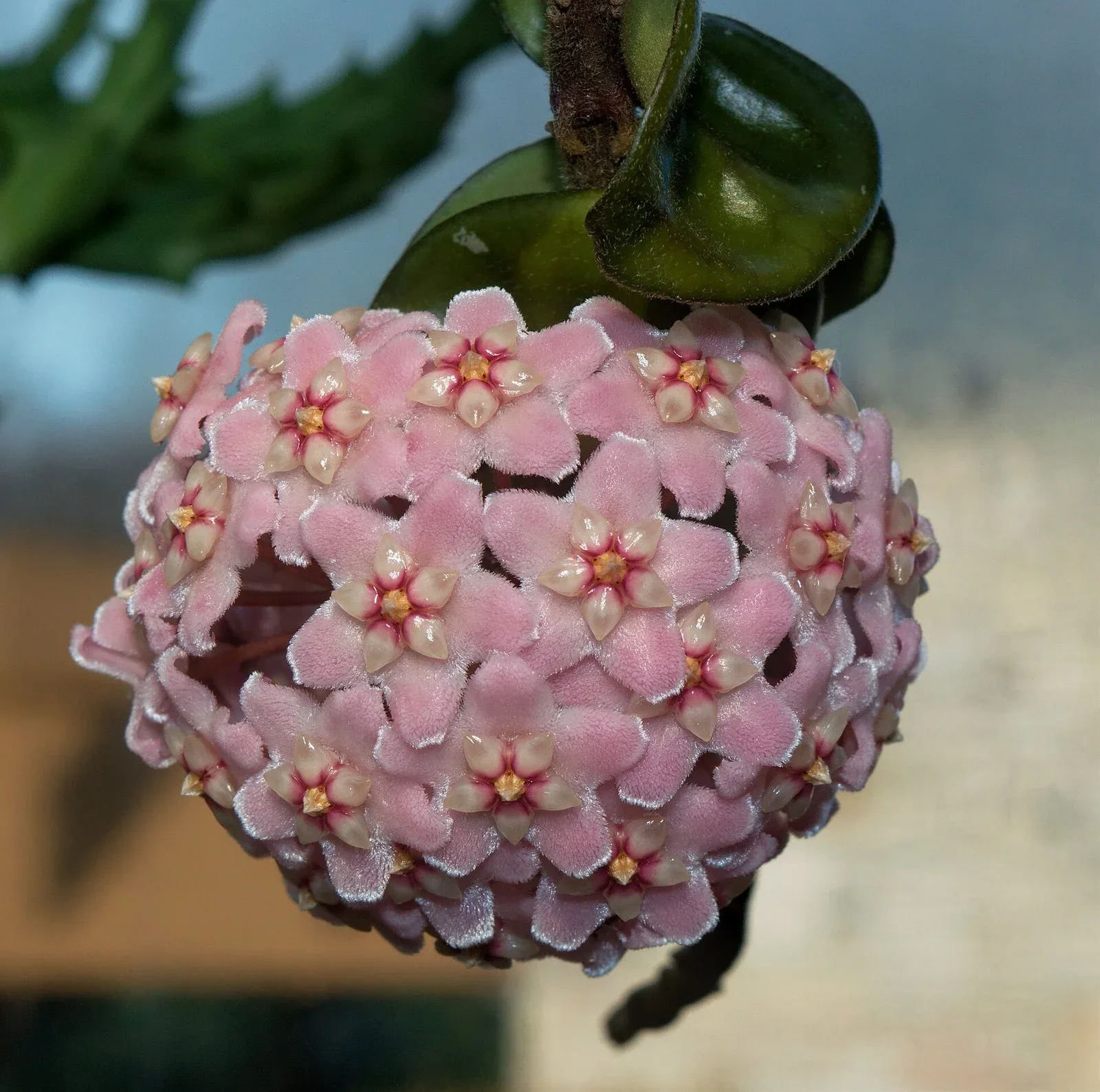
Climbing vine with waxy leaves and fragrant star-shaped flower clusters. Likes bright light, dry-out between waterings and a snug pot. Pet-safe.
Care instructions
Care Guide & Maintenance Routine
Bright indirect light. Let the soil dry between waterings. Keep slightly pot-bound and never cut flower spurs. Water every 3-4 weeks in winter, no fertilizer October-February. Non-toxic to cats and dogs.
Light & Sunlight
Bright indirect light with gentle morning sun; avoid harsh midday sun and north windows
Watering Schedule
Low to moderate: let the soil dry between waterings; every 3-4 weeks in winter
Potting Mix & Drainage
Loose, fast-draining mix high in organic matter (orchid bark/perlite blend); pot with drainage holes
Temperature & Humidity
Indoors only in Canada; bring in before nights fall below about 10 C
Wax plant (Hoya carnosa), also called porcelain flower, is a vining epiphyte from Southeast Asia, Japan and Taiwan with thick, glossy, slightly succulent leaves. Its fragrant, star-shaped, waxy-looking flowers form round clusters (umbels), and blooming can occur in spring, summer or fall once the plant is two to three years old. The ASPCA lists the wax plant as non-toxic to dogs and cats.
A good Canadian houseplant if you give it light
Hoya is only an indoor plant in Canada. In winter, the limiting factor here is light, since daylight roughly halves between June and December. Give it the brightest indirect light you have, with some gentle morning sun. An east window is close to ideal, and a south or west window behind a sheer curtain also works. Keep it a few centimetres off the glass in winter, because the air next to single-pane windows can be colder than the room.
Water and soil
As an epiphyte it wants a loose, fast-draining mix high in organic matter, in a pot with drainage holes. Let the soil dry out between waterings. Both too wet and too dry soil can cause leaf drop. In winter stretch watering to every three or four weeks and stop fertilizing from October to February. Use room-temperature water, since cold water can shock it.
Encouraging flowers
- Be patient: most plants do not flower until they are 2-3 years old.
- Give bright light.
- Keep it slightly pot-bound; it does not mind crowded roots. The new pot should be no more than 2 inches (5 cm) larger.
- Never cut off the peduncle, the short spur where flowers formed, because it flowers again from the same spur over several years.
- A cool, dry winter rest at 13-16 C can help trigger spring flowers.
Summer outdoors
It can spend summer on a patio in partial shade. Bring it back in when nights approach about 10-13 C, and check carefully for mealybugs first.
Pests
Mealybugs, fungus gnats in too-wet mix, and spider mites in dry air are the usual problems. Prune only in early spring, before rapid growth begins.
Seasonal rhythm
Seasonal Calendar
A month-by-month calendar for Wax Plant (Hoya) in Canada is coming soon. See the light, water and temperature notes above.
Diagnostics
Common Problems & Troubleshooting
- No flowers | Cause: Plant too young, too little light, pot too large, or flower spurs removed | Fix: Wait 2-3 years, give brighter light, keep slightly pot-bound and leave the peduncles - Leaf drop | Cause: Soil too wet or too dry, or cold water | Fix: Let soil dry between waterings and use room-temperature water - Mealybugs | Cause: Common on hoyas, especially after summer outdoors | Fix: Inspect before bringing indoors and treat early - Spider mites | Cause: Air that is too dry | Fix: Raise humidity and rinse foliage
- Mealybugs — White cottony clumps in leaf joints, often with sticky honeydew.
Care encyclopedia · 3 guides
Guides & Articles for Wax Plant (Hoya)
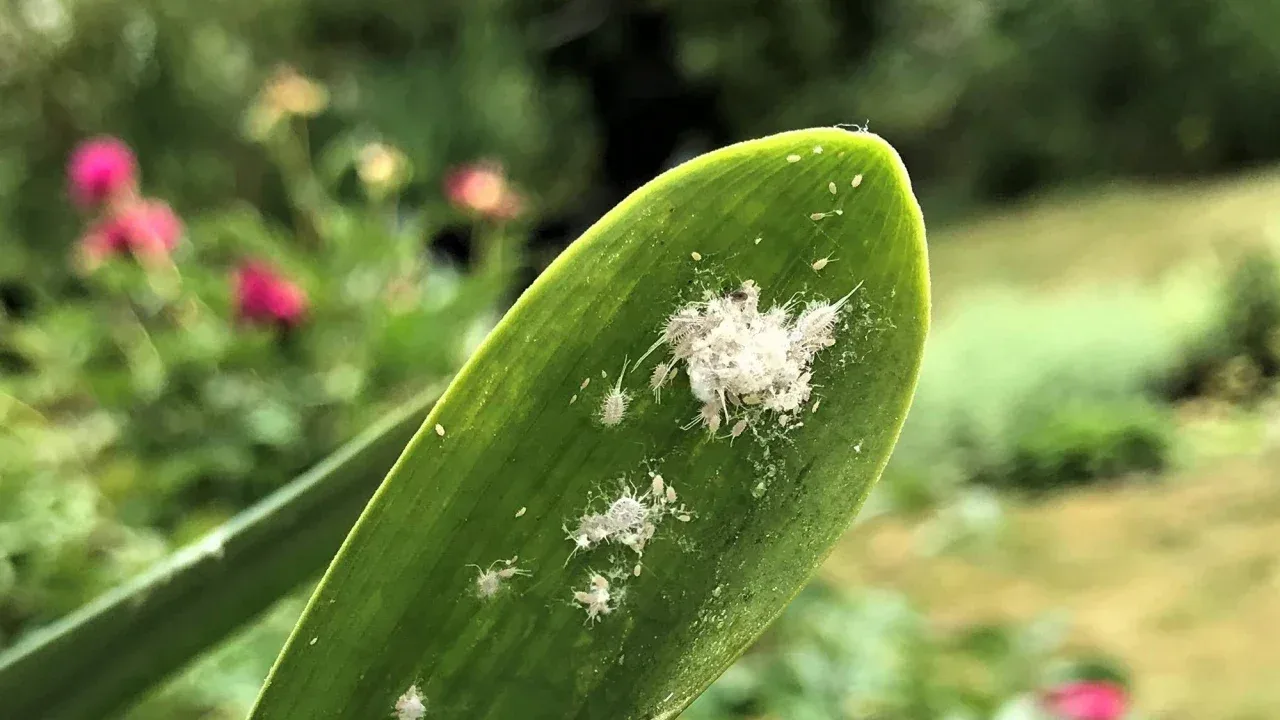
Common Indoor Plant Pests: How to Identify and Treat Spider Mites, Fungus Gnats, Mealybugs, Scale and Aphids
Sticky leaves, tiny flies or cottony fluff on your houseplants? Learn how to identify and treat the five most common indoor plant pests, spider mites, fungus gnats, mealybugs, scale and aphids, with safe methods and PMRA-registered products.
Read guide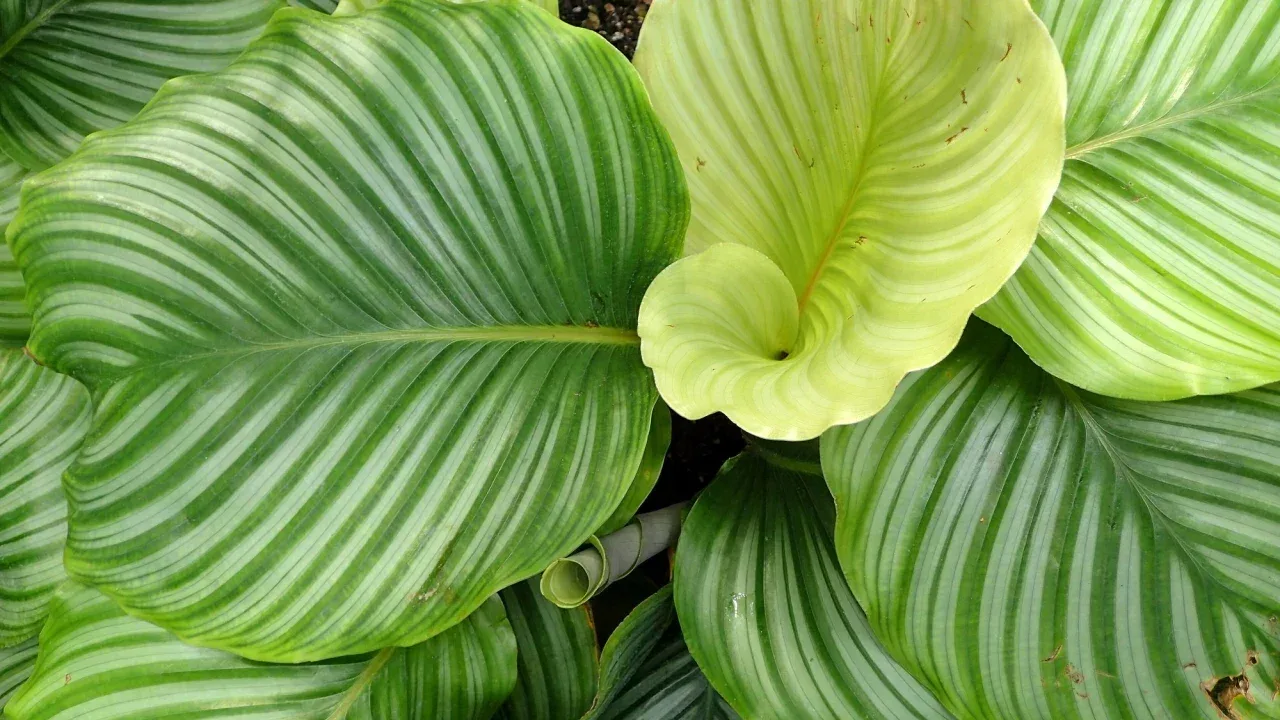
Top 10 Pet-Safe Houseplants for Canadian Homes
Snake plant, pothos and lilies are common in Canadian homes but toxic to pets. These 10 houseplants are listed as non-toxic to both cats and dogs by the ASPCA, and they cope with short days and dry winter air.
Read guide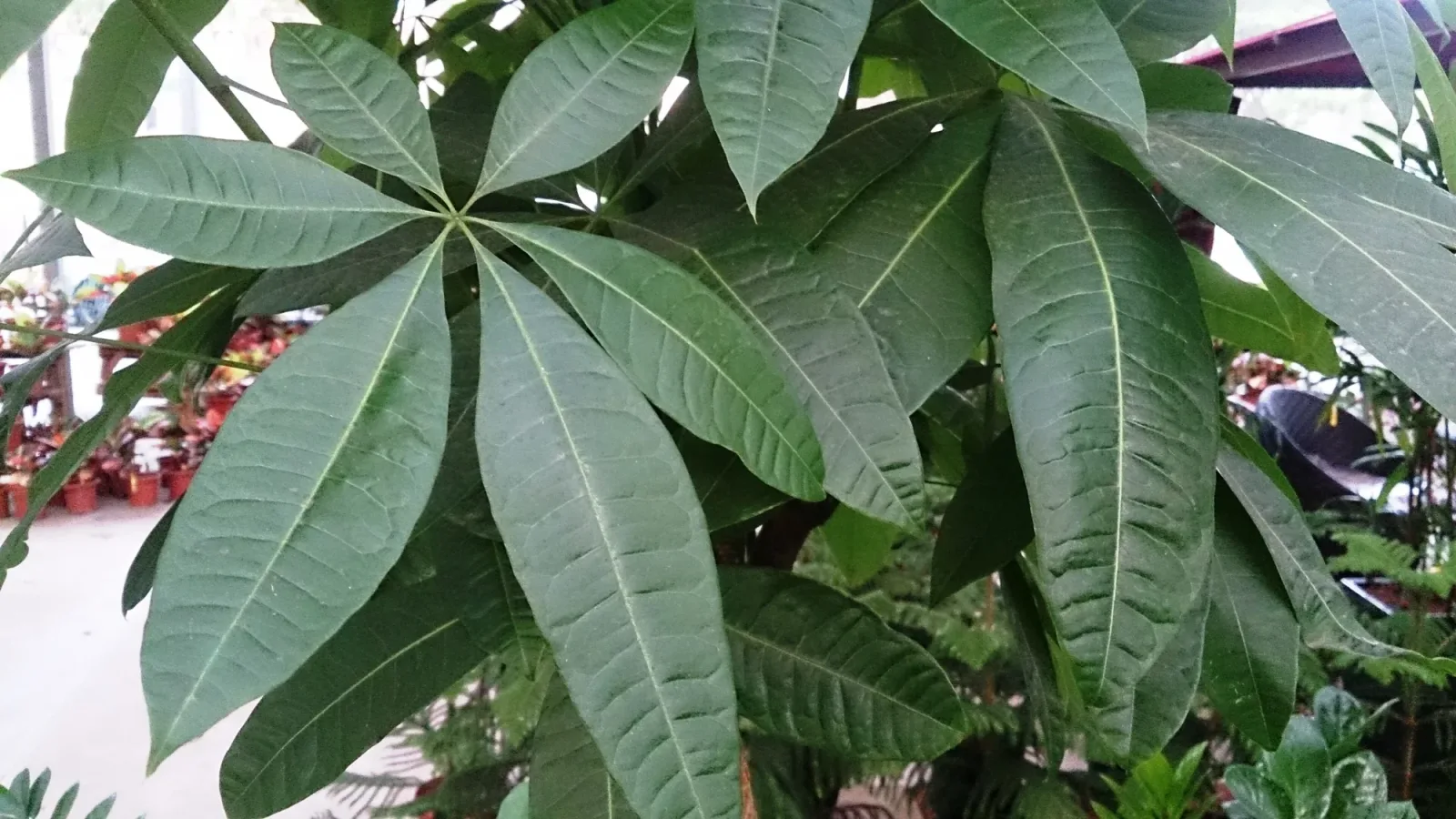
14 Pet-Safe Houseplants for Canadian Homes With Cats and Dogs
A spider plant, a parlor palm or a Christmas cactus is a solid start if you want houseplants in a home with cats or dogs. All fourteen plants below have a Canada profile and an ASPCA non-toxic listing. That is not the same as safe to eat.
Read guideQ&A
Frequently Asked Questions
Is Hoya carnosa safe for cats and dogs?
Yes. The ASPCA lists the wax plant (Hoya carnosa) as non-toxic to dogs and cats.
Why isn't my hoya blooming?
Common reasons are age (it needs about 2-3 years), too little light, a pot that is too big, or cut-off flower spurs.
Should I remove the old flower stalks?
No. Do not cut the peduncle, as it flowers again from the same spur.
How often should I water a hoya in winter?
Every three to four weeks, once the soil has dried, and with no fertilizer from October to February.
Similar Botanical Matches
Keep exploring
Related plants
Grower field notes
Reader Field Notes in Canada
Share how this plant performs in your local Canada climate.