
| ☀️ Light | Bright indirect light |
|---|---|
| 💧 Water | Moderate (lightly moist) |
| 🪴 Soil | Moisture-retentive houseplant mix that drains freely |
| 🐾 Safety | Cats: non-toxic · Dogs: non-toxic |
Where It Grows & Climate Tolerance
Pet & Companion Animal Toxicity (Zebra Plant (Aphelandra))
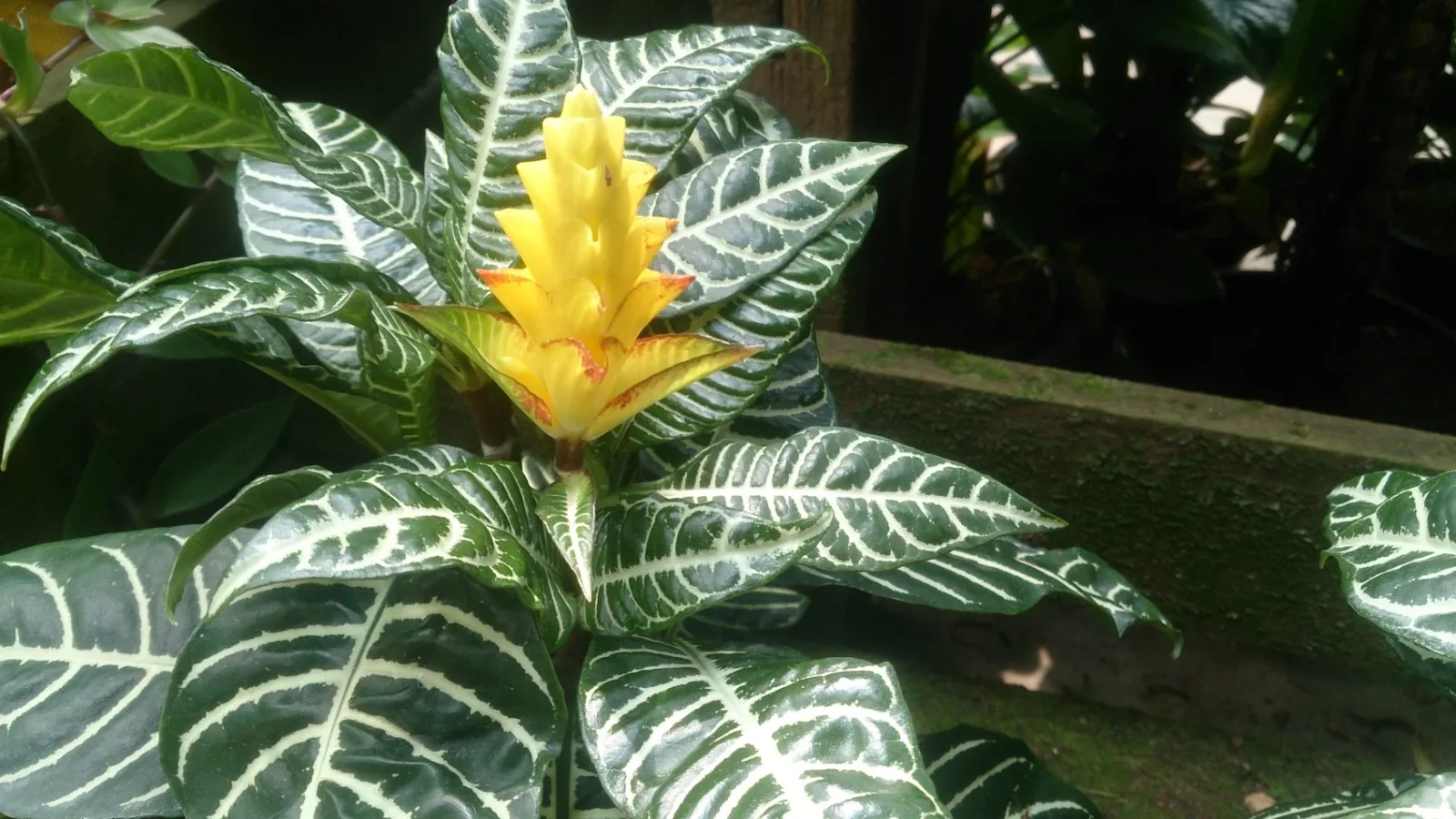
Aphelandra squarrosa has broad dark leaves traced with pale veins. When conditions suit it, a yellow spike of bracts adds a second display. A bright spot with stable warmth and humidity helps the plant retain its lower leaves.
Care instructions
Care Guide & Maintenance Routine
Choose bright filtered light and keep the root ball lightly moist. Drain the pot after watering. Keep the plant away from heating vents and cold draughts, and provide humidity with enough air movement.
Light & Sunlight
Place the plant in strong indirect light. Move it closer to daylight when winter growth stretches, keeping it clear of cold glass.
Watering Schedule
Water when the surface just begins to dry. Check below the surface if the leaves droop and empty standing water after watering.
Potting Mix & Drainage
Moisture-retentive houseplant mix that drains freely
Temperature & Humidity
Keep it warm and out of abrupt cold or hot air currents. A spot near a furnace vent or an opening exterior door makes moisture difficult to manage.
Aphelandra squarrosa has broad dark leaves traced with pale veins. When conditions suit it, a yellow spike of bracts adds a second display. A bright spot with stable warmth and humidity helps the plant retain its lower leaves.
Start with a bright place you can reach
Put the plant where it gets indirect light and where you can lift or feel the pot easily. The leaves can lose their quality when the plant repeatedly dries out or sits in a cold draught. A humid room is useful if the window provides enough light.
Check the root ball when the leaves sag
A dry pot may need a thorough drink. A heavy pot that is damp several days after watering needs a drainage check. Test the mix before deciding which problem you have. Use a humidifier when household air is very dry and give the foliage space.
Look after the yellow spike
The showy yellow parts are bracts. Leave a healthy spike in place while it looks good, then trim the faded spike. Watch fresh leaves for a compact shape and clear veins when adjusting the position.
Growing in India, Canada and Australia
India
Try a bright east-facing window or filtered balcony light. In dry heat, check the pot before the leaves wilt and keep it away from the hottest paving. In humid monsoon weather, use airflow and drainage to prevent the mix from staying saturated for days.
Canada
Look for a bright spot away from a radiator or forced-air vent. On dark winter days, give the plant useful light without letting its leaves touch cold glass. Where indoor air is very dry, keep the root zone evenly moist and use a humidifier if the room can support one.
Australia
Shelter the leaves from hot western windows in summer. In a cooler southern winter, move the plant to bright filtered light and check how quickly the pot dries before watering. Keep it in a warm room and leave a gap between the foliage and cold window glass.
Read more on GardenOrbit. GardenOrbit Canada · Grow lights for houseplants
Sources
- NC State Extension · Aphelandra squarrosa
- Royal Horticultural Society · Zebra plant
- ASPCA · Aphelandra and pets
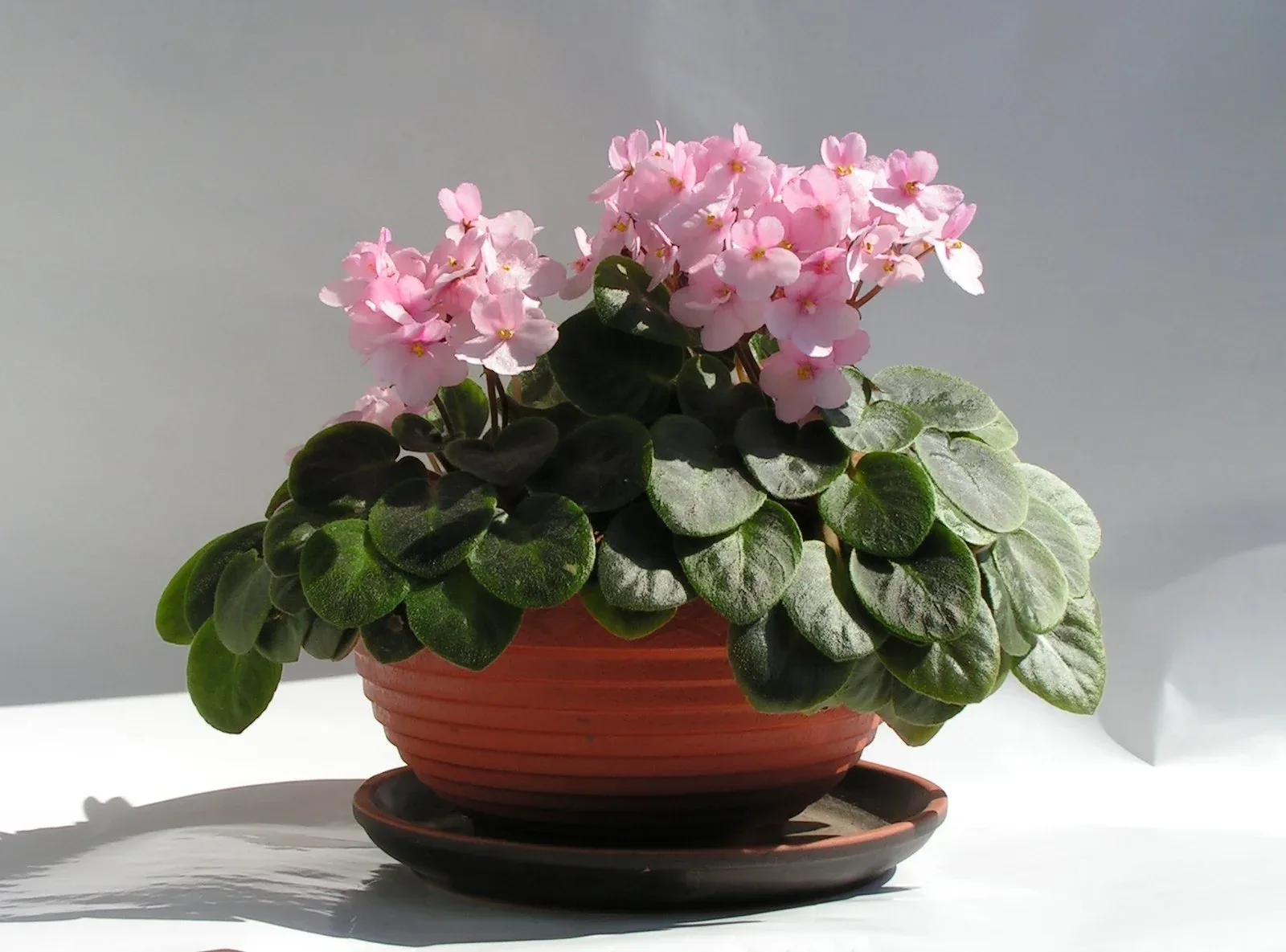
Featured photo by Mokkie via Wikimedia Commons. CC BY-SA 3.0. Resized for display.
Seasonal rhythm
Seasonal Calendar
A month-by-month calendar for Zebra Plant (Aphelandra) in Global is coming soon. See the light, water and temperature notes above.
Diagnostics
Common Problems & Troubleshooting
Leaf drop can follow dry soil, cold or low humidity. If the soil stays wet during wilting, check the roots. Look for pests along leaf veins, underneath leaves and around the stems.
Q&A
Frequently Asked Questions
Why is my zebra plant dropping leaves?
Check the soil, indoor humidity and air movement. A plant repeatedly exposed to dry mix, cold draughts or hot vent air can drop lower leaves.
Is Aphelandra zebra plant toxic to cats or dogs?
The ASPCA lists Aphelandra squarrosa as non-toxic to cats and dogs. Use the scientific name to identify the plant because several unrelated plants are sold as zebra plants.
Similar Botanical Matches
Keep exploring
Related plants

Grower field notes
Reader Field Notes in Global
Share how this plant performs in your local Global climate.