
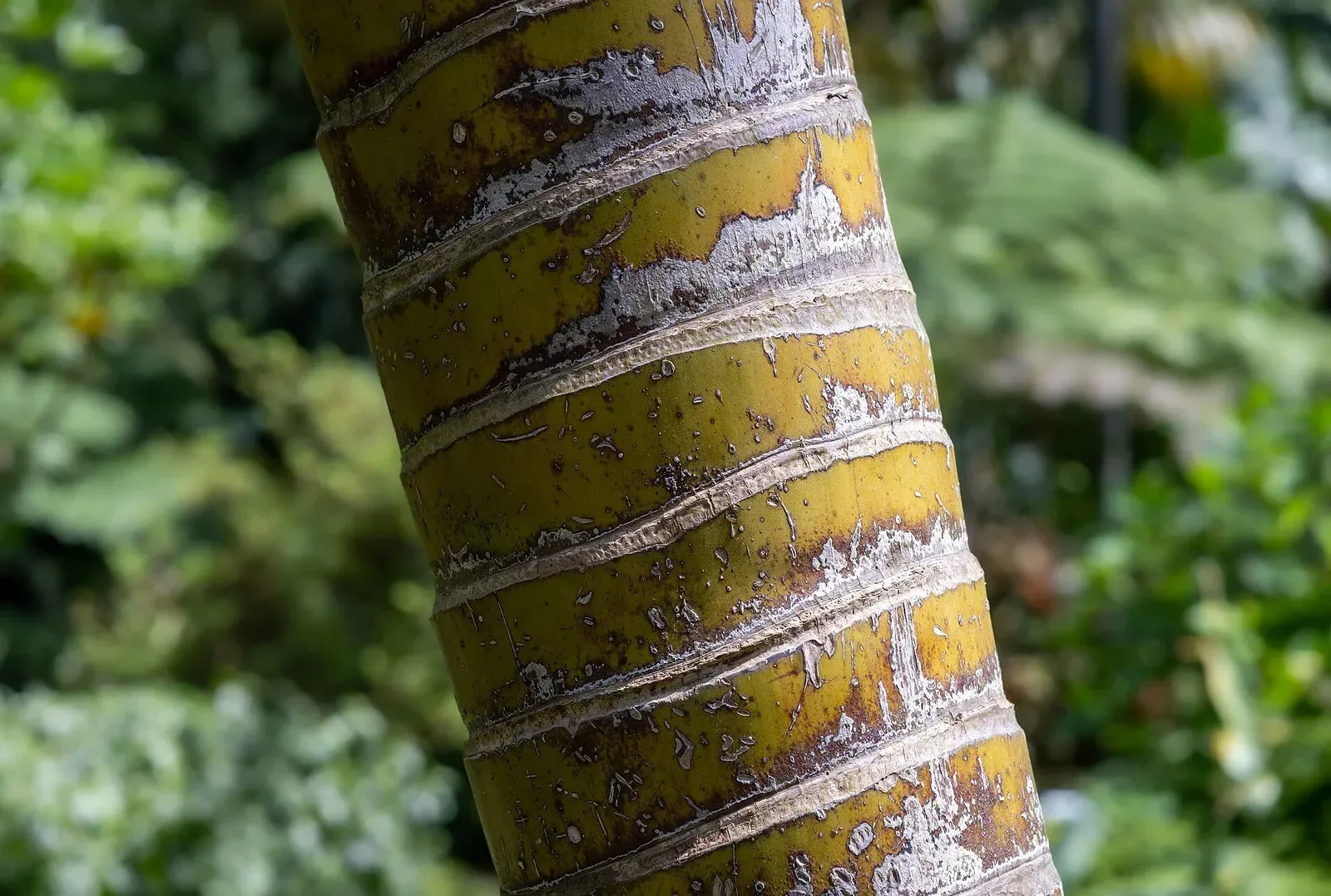
| ☀️ Light | Bright indirect light |
|---|---|
| 💧 Water | Moderate (lightly moist) |
| 🪴 Soil | Light, well-draining potting mix |
| 🌡️ Temp | 15°C – 35°C |
| 🐾 Safety | Cats: non-toxic · Dogs: non-toxic (ASPCA Animal Poison Control) |
| 📏 Mature size | 1.8 m |
Where It Grows & Climate Tolerance
Pet & Companion Animal Toxicity (Areca Palm)
Feathery fronds that soften interiors and help humidify dry rooms.
Care instructions
Care Guide & Maintenance Routine
Bright indirect light, even moisture, high humidity. Avoid salty tap water when possible.
Light & Sunlight
Needs bright filtered light. South/east balcony behind curtain works. Low light causes sparse fronds.
Watering Schedule
Water when top 3–4 cm dries. Keep slightly moist in summer; reduce in winter.
Potting Mix & Drainage
Light, well-draining potting mix
Temperature & Humidity
Sensitive to cold; bring indoors below 12°C.
Areca Palm is a staple statement plant for Indian living rooms. Bright light and humidity keep fronds lush and green.
Seasonal rhythm
Seasonal Calendar
A month-by-month calendar for Areca Palm in India is coming soon. See the light, water and temperature notes above.
Diagnostics
Common Problems & Troubleshooting
Brown tips = fluoride/chlorine in water or low humidity. Yellow fronds = overwatering.
Pests & seasonal watch: Spider mites in dry air — wipe fronds and increase humidity. Scale on stems.
- Brown tips — Leaf tips and edges turn dry, brown and papery.
- Mealybugs — White cottony clumps in leaf joints, often with sticky honeydew.
- Spider mites — Fine webbing and pale speckled leaves, worse in dry heated rooms.
- Aphids — Clusters of small soft insects on new tips, often sticky.
- Leaf spot — Brown or tan spots with a yellow halo, sometimes with tiny dots in the centre.
- Underwatering — Soil is bone dry and leaves are crispy, curled or dull.
- Brown spots — Scattered brown blotches on the leaf blade, not only the tip.
- White crust — A white or yellow crust on the soil surface or pot rim.
- Cold damage — Dark, water-soaked or blackened patches after a cold night or an AC blast.
- Nutrient shortage — Overall pale growth, or yellowing between veins, on a plant that is otherwise watered well.
- Pale leaves — Whole leaves look washed out, not spotted.
Care encyclopedia · 3 guides
Guides & Articles for Areca Palm
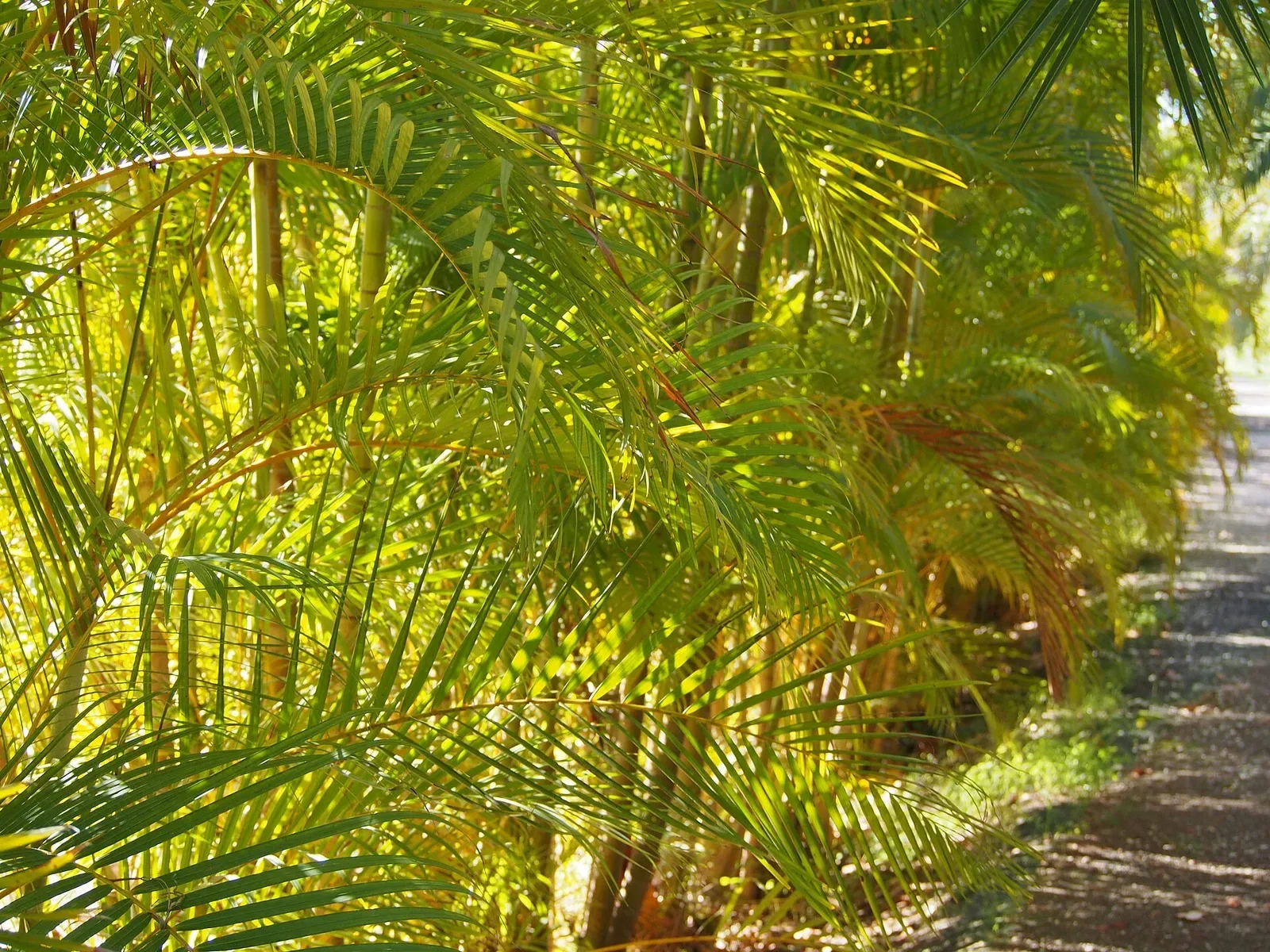
Areca Palm Light and Humidity Routine
Keep fronds lush with bright filtered light and daily humidity habits.
Read guide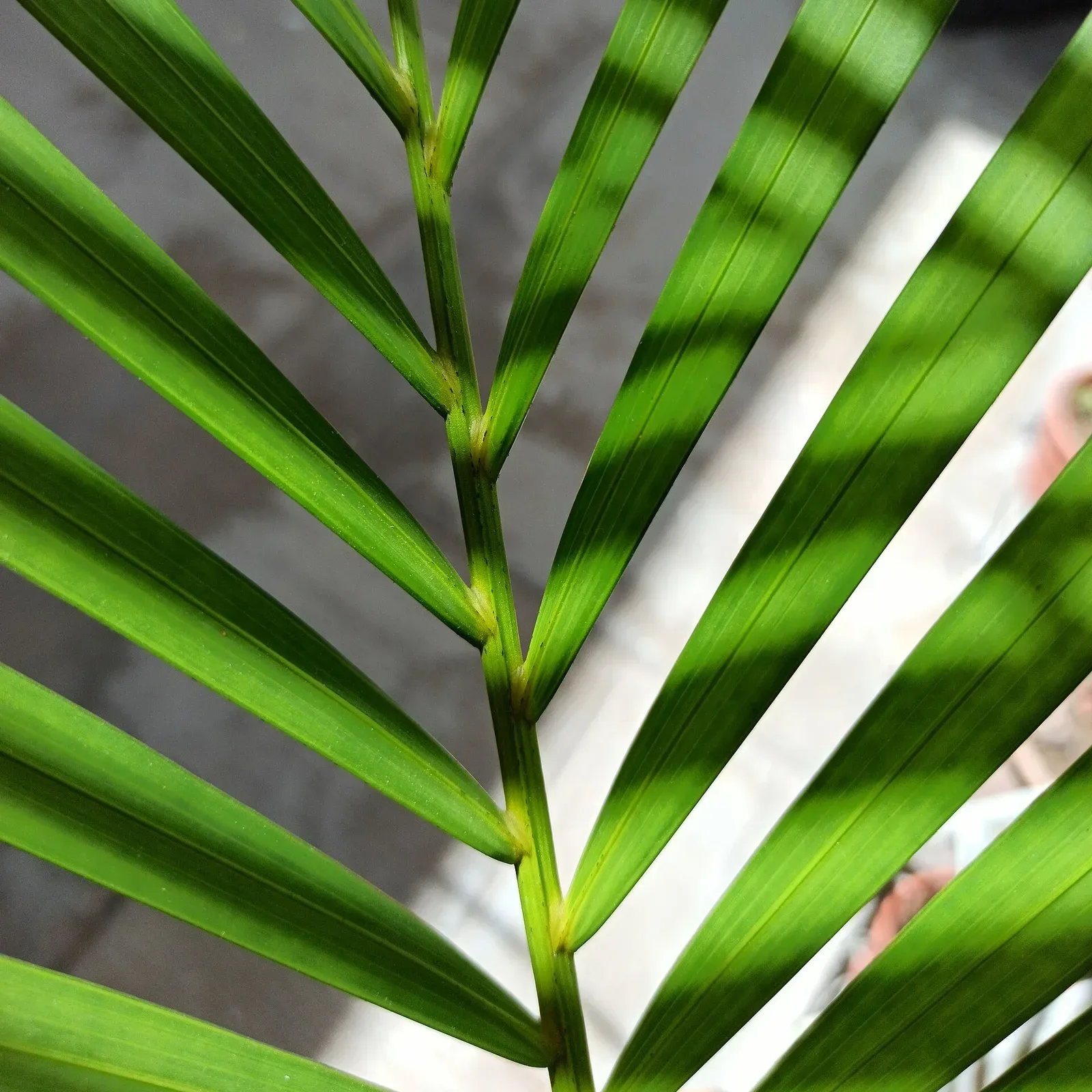
Areca Palm Brown Tips: Water and Salt Fixes
Brown frond tips are common — here is how to stop them spreading.
Read guide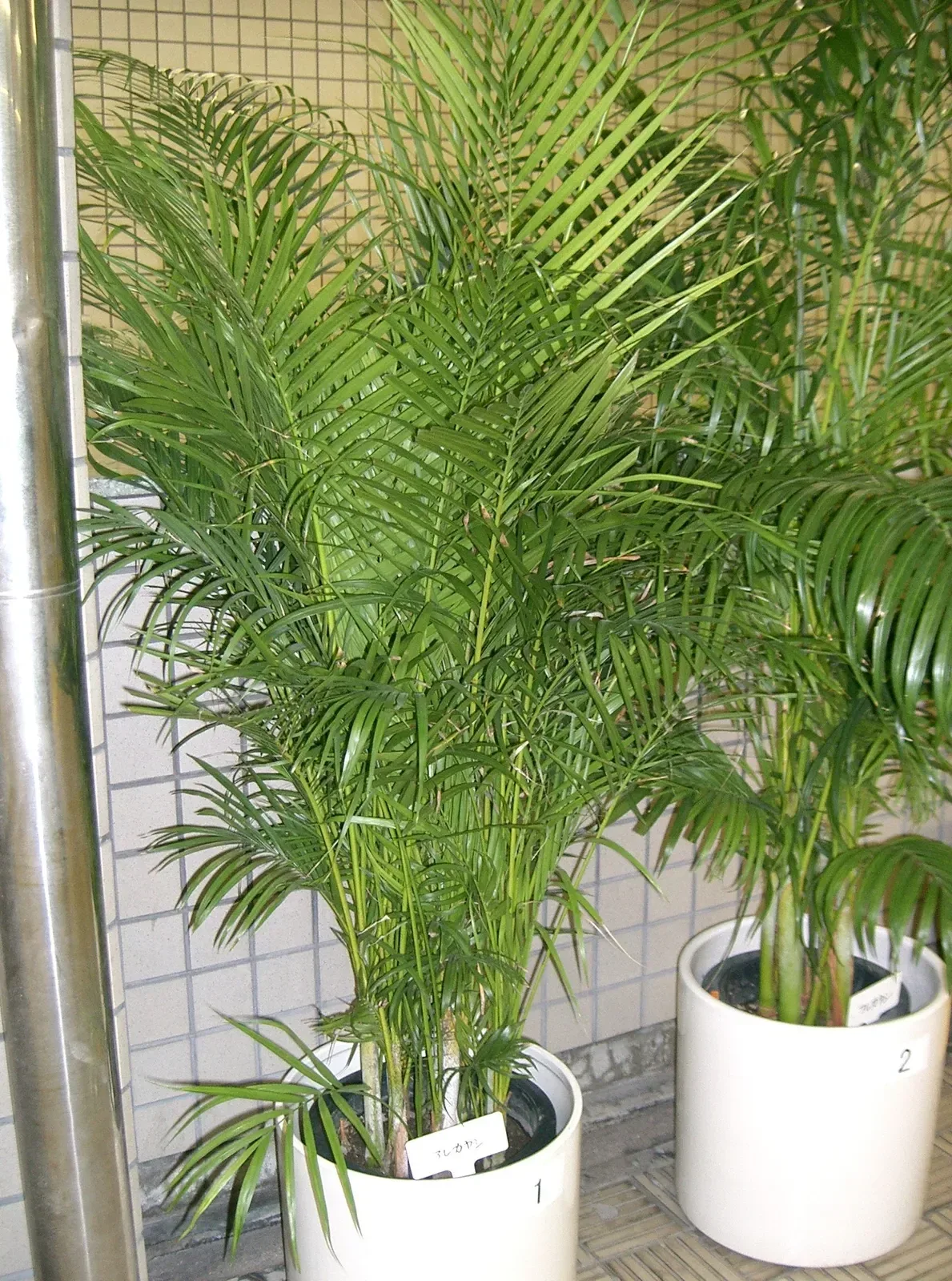
Living Room Plant Ideas for Indian Homes
Practical living room plant ideas for Indian homes, from bright balcony doors to AC corners, with plants that fit floors, shelves and side tables.
Read guideQ&A
Frequently Asked Questions
How often should I water Areca Palm in India?
Let the top soil dry between waterings. Water less in monsoon; check more often in peak summer heat.
Is Areca Palm beginner-friendly?
It needs a bit more attention; follow the care calendar for seasonal tips.
Can Areca Palm stay outdoors in monsoon?
Only with excellent drainage and airflow. Move to a covered balcony if pots stay soggy.
Similar Botanical Matches
Keep exploring
Related plants
Grower field notes
Reader Field Notes in India
Share how this plant performs in your local India climate.