
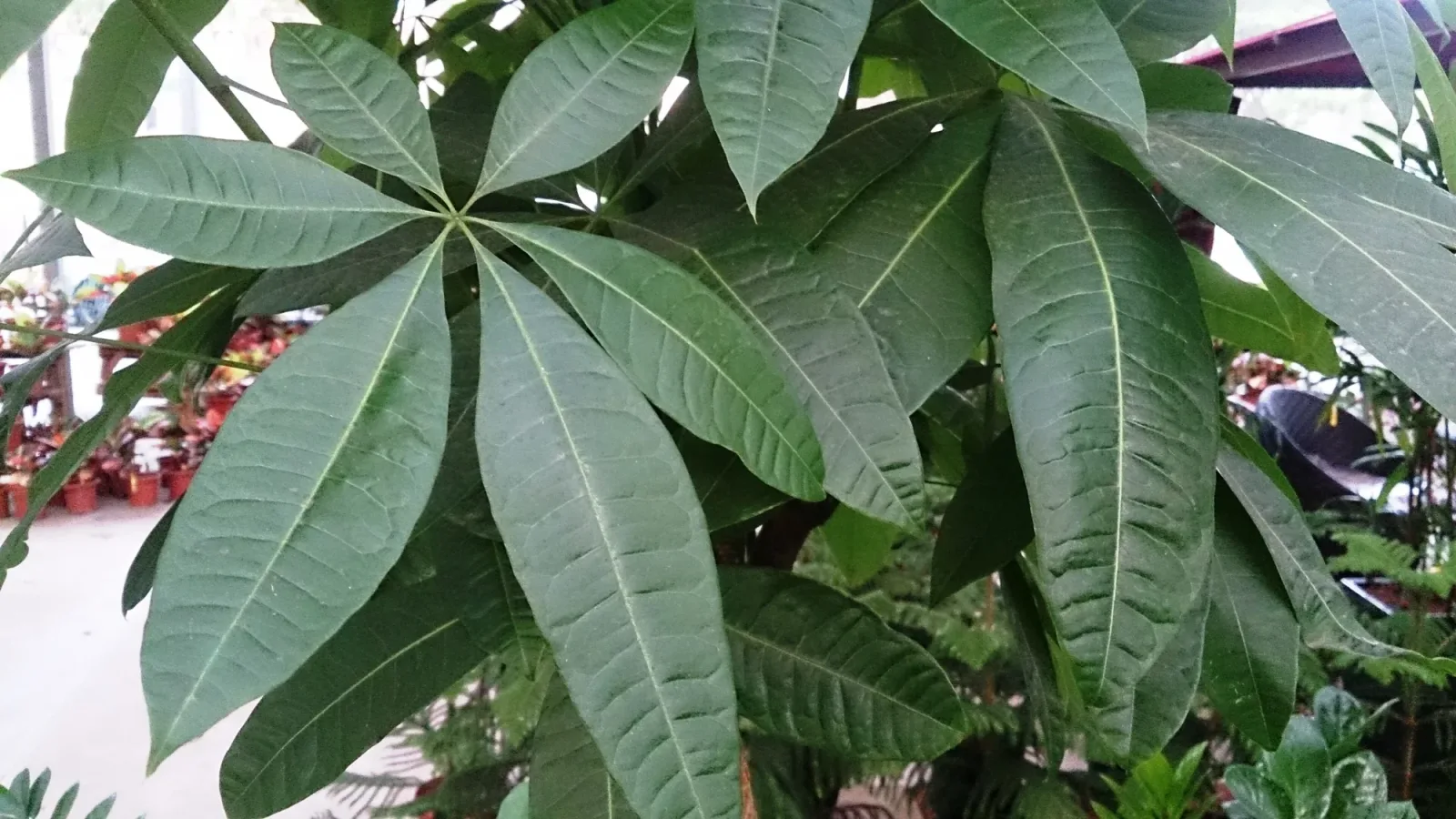
If you want indoor plants in a home with cats or dogs, start with a spider plant, a parlor palm or a Christmas cactus. The ASPCA lists all three as non-toxic to cats and dogs. That does not mean they are food. Any plant can upset a stomach if a pet chews a lot of it, and some cats go after spider plants in particular, so hang those out of easy reach if you need to.
The fourteen plants below all have a live Canada profile, and each one was checked against the current ASPCA plant pages on 15 November 2026 (IST). We say “listed as non-toxic,” not “safe to eat.” A species with no ASPCA page is left off the main list. GardenOrbit also has a smaller pet-safety database with a handful of profiles; this guide is the longer reading list, not a replacement for that tool or for a veterinarian.
Quick picks
- Easiest to keep: spider plant, cast-iron plant and peperomia
- A flowering windowsill plant: African violet, Christmas cactus or moth orchid
- A floor plant: parlor palm, kentia palm or ponytail palm
- Patterned leaves: prayer plant and calathea
- A trailing plant: hoya or a hanging spider plant
Comparison at a glance
| Plant | Light | Water | Size in a pot | Pet safety (ASPCA) | Difficulty | Best for | Canadian winter note |
|---|---|---|---|---|---|---|---|
| Spider plant | Medium; tolerates lower | When the top of the mix is dry | 30–50 cm, plus plantlets | Non-toxic to dogs and cats | Easy | A hanging pot, if a cat will leave it alone | Indoor. Brown tips are common in dry air. |
| Cast-iron plant | Low to medium | When the top of the mix is dry | 40–80 cm | Non-toxic to dogs, cats and horses | Easy | A dim hallway | Indoor everywhere. Keep leaves off cold glass. |
| Boston fern | Medium, indirect | Evenly moist | 40–80 cm | Non-toxic to dogs and cats | Fussy in dry rooms | A bathroom with a window, or a cool, bright room | Indoor. Dry furnace air is the usual winter problem. |
| Parlor palm | Low to medium | Even moisture, not soggy | 60–150 cm | Non-toxic to dogs and cats | Easy to moderate | A table or small floor pot | Indoor. Tips brown in very dry air. |
| Kentia palm | Low to medium | When the top of the mix is dry | 1–3 m over years | Non-toxic to dogs and cats | Moderate | A large, slow floor palm | Indoor. Very slow in winter. |
| Prayer plant | Medium, indirect | Evenly moist, not soggy | 20–40 cm | Non-toxic to dogs, cats and horses | Moderate | A table away from a vent | Indoor. Dry heat marks the leaves. |
| Calathea | Medium, indirect | Evenly moist, not soggy | 30–80 cm | Non-toxic to dogs, cats and horses | Fussy in dry rooms | A room that is not baked by a vent | Indoor. See the winter leaf guide. |
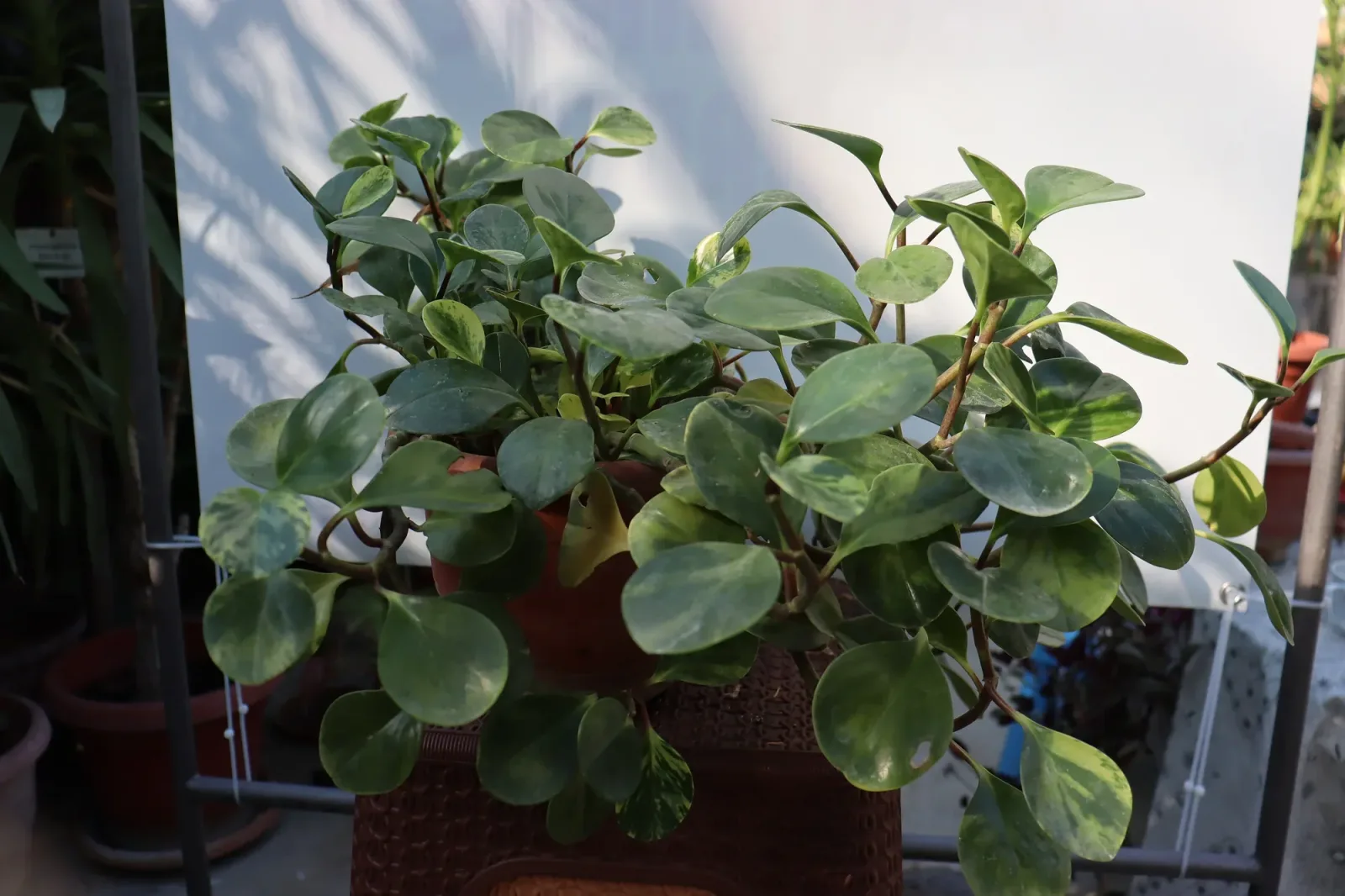
| Peperomia (baby rubber plant) | Medium | When the mix is dry well down | 15–30 cm | Non-toxic to dogs and cats | Easy | A desk or a small shelf | Indoor. Easy to overwater in short days. |
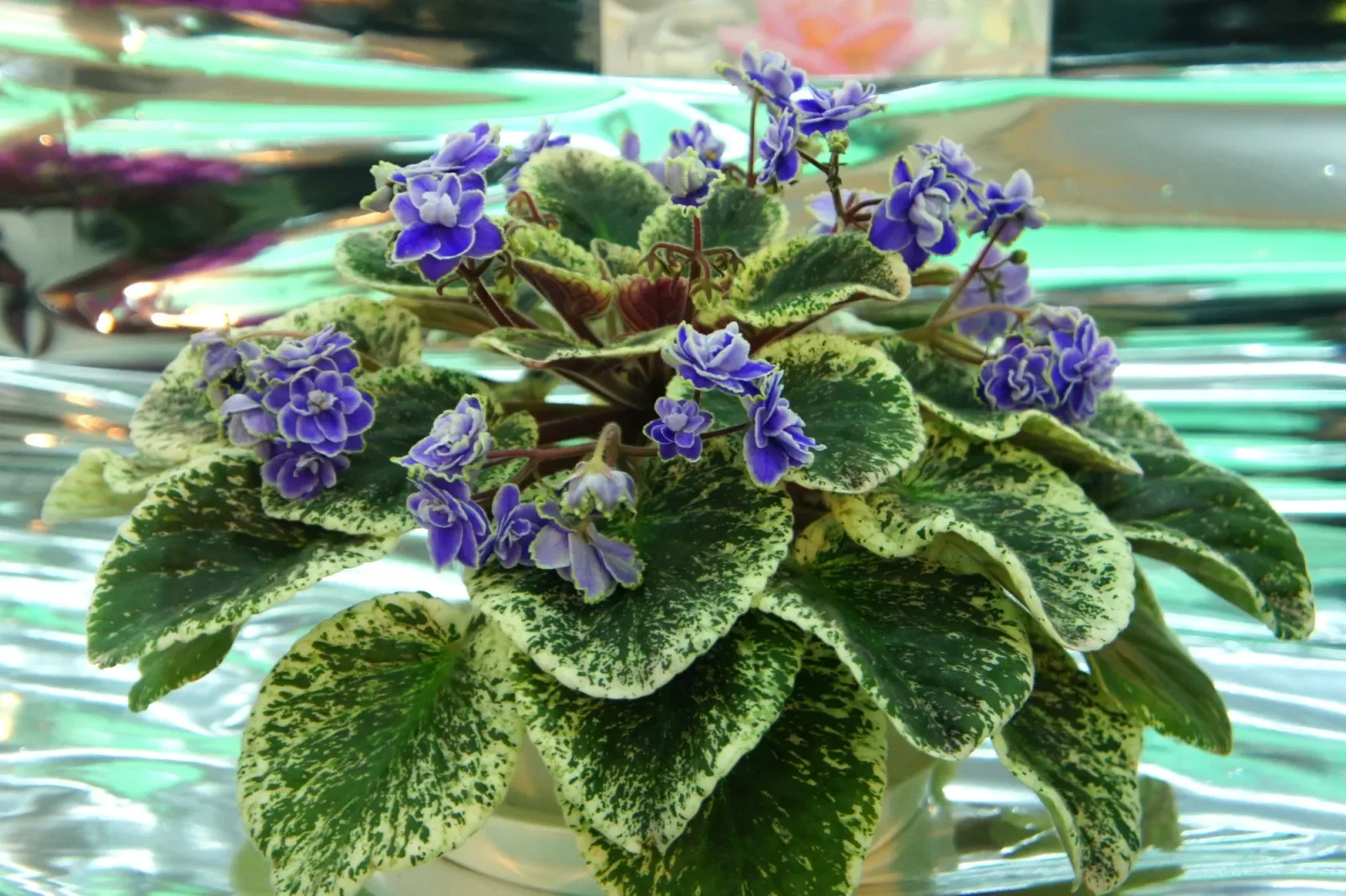
| African violet | Bright, indirect | When the surface is dry; water the mix, not the crown | 10–25 cm | Non-toxic to dogs, cats and horses | Moderate | A bright winter windowsill | Indoor. A cool, bright east window suits it in winter. |
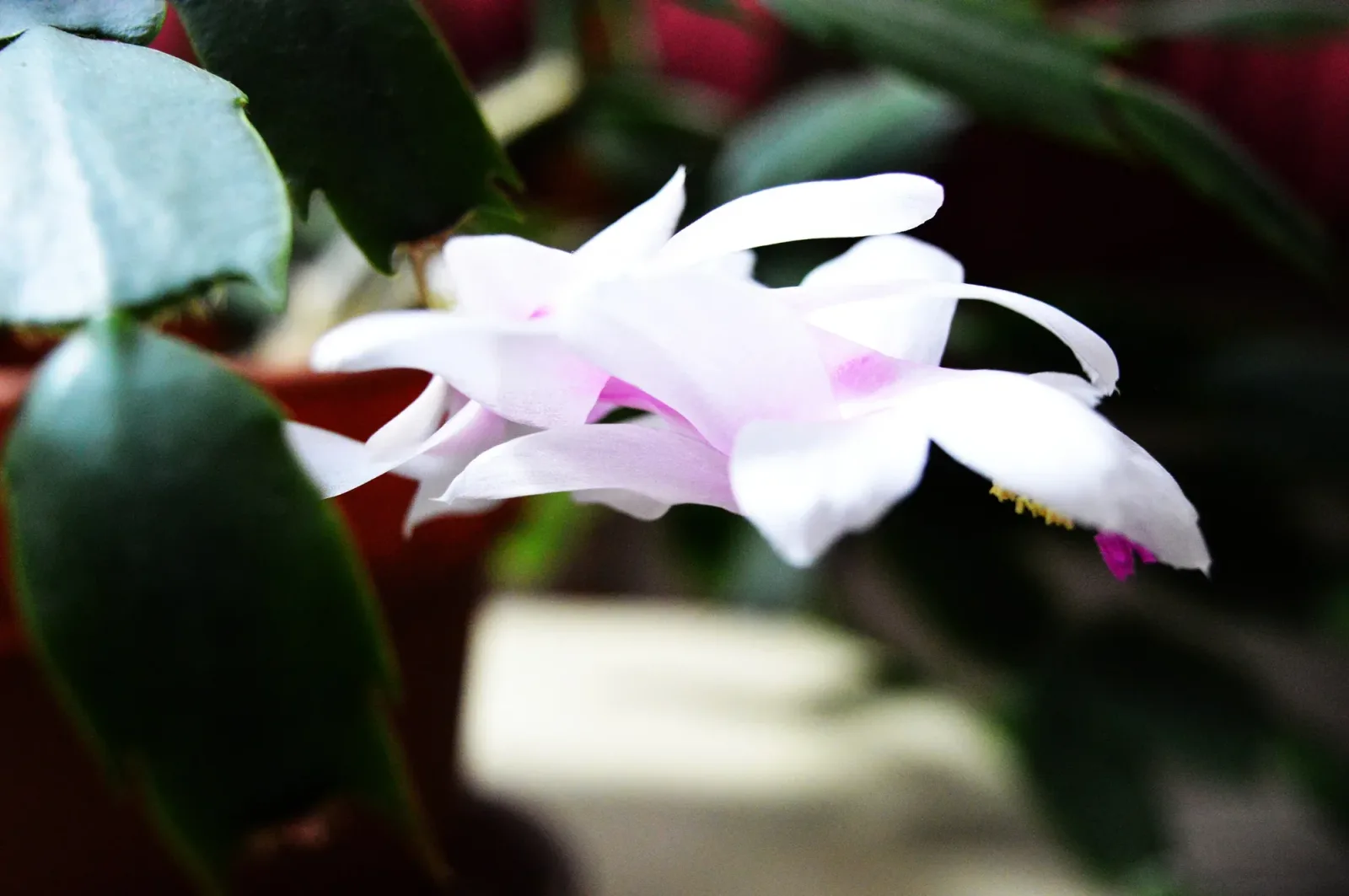
| Christmas cactus | Bright, indirect | When dry to the touch | 20–40 cm, trailing | Non-toxic to dogs, cats and horses | Easy | A holiday plant you can keep for years | Indoor. See our Christmas plants guide. |
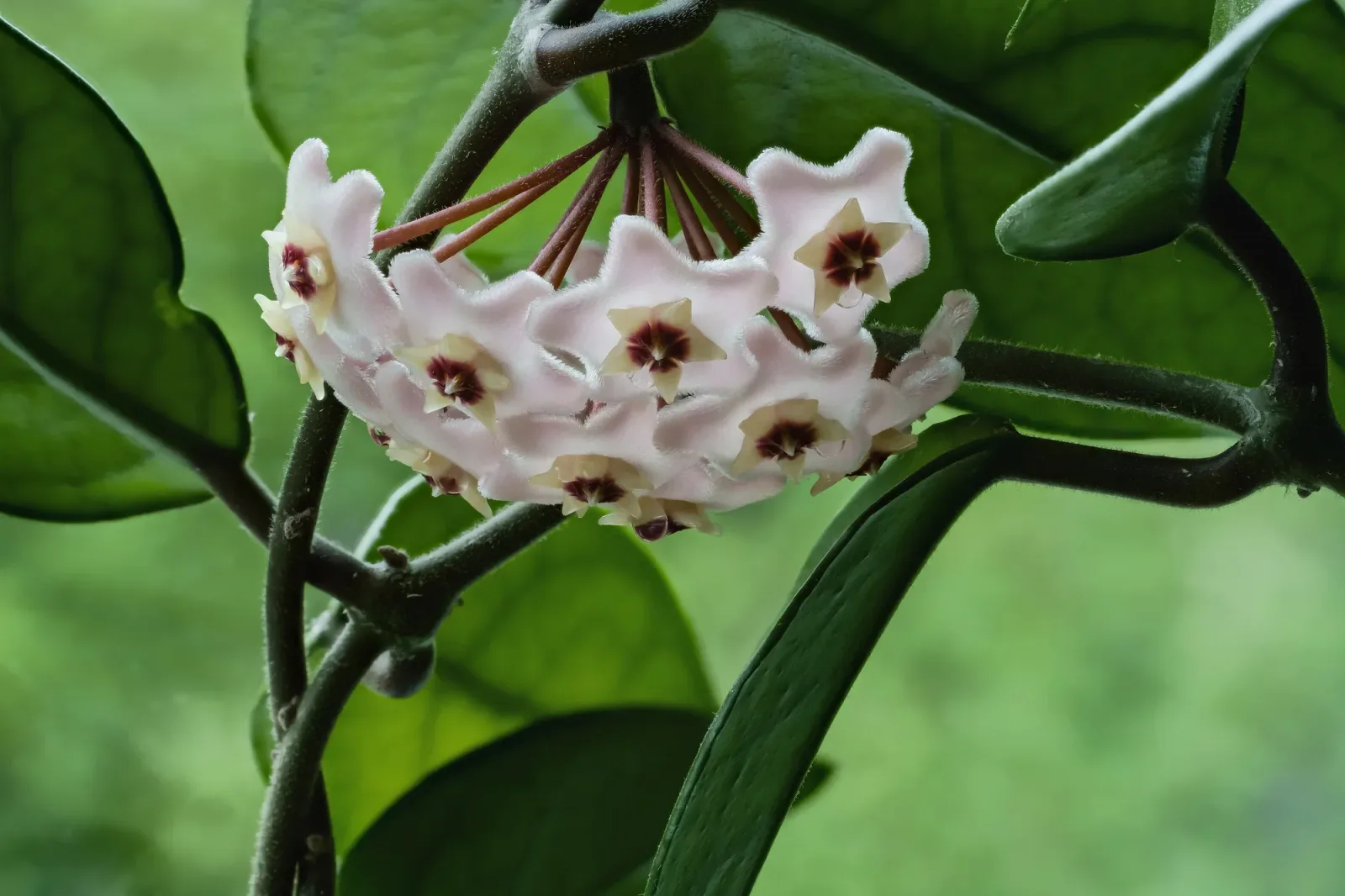
| Hoya carnosa | Bright, indirect | When the mix is dry | Trailing, often 30–100 cm | Non-toxic to dogs and cats, listed as wax plant | Easy | A hanging pot or a trellis | Indoor. Flowers more reliably in brighter light, not in a dark hallway. |
| Moth orchid | Bright, indirect | When the mix or bark is nearly dry | 20–40 cm, plus the flower spike | Non-toxic to dogs, cats and horses | Easy to bloom once; moderate to keep | A bright table, out of reach of a jumping cat if you want the flowers intact | Indoor. A common Canadian grocery-store orchid. See the Christmas plants guide. |
| Money tree (Pachira aquatica) | Bright, indirect | When the top of the mix is dry | 80–180 cm | Non-toxic to dogs, cats and horses | Moderate | A braided indoor tree, if you mean this species and not a jade plant | Indoor. Do not confuse it with jade (Crassula), which the ASPCA lists as toxic. |
| Ponytail palm | Bright | When the mix is dry | 40–150 cm | Non-toxic to dogs, cats and horses, listed as pony tail | Easy | A bright, dryish windowsill or floor pot | Indoor. It wants more light than a parlor palm, and far less water. |
Spider plant (Chlorophytum comosum)
- Light: Medium, with some tolerance for lower light.
- Water: When the top of the mix is dry.
- Size in a pot: A 30–50 cm clump, plus hanging plantlets.
- Pet safety: Listed as non-toxic to dogs and cats by the ASPCA.
- Difficulty: Easy.
- Region note: Indoor everywhere. Brown tips are common in dry Canadian winter air.
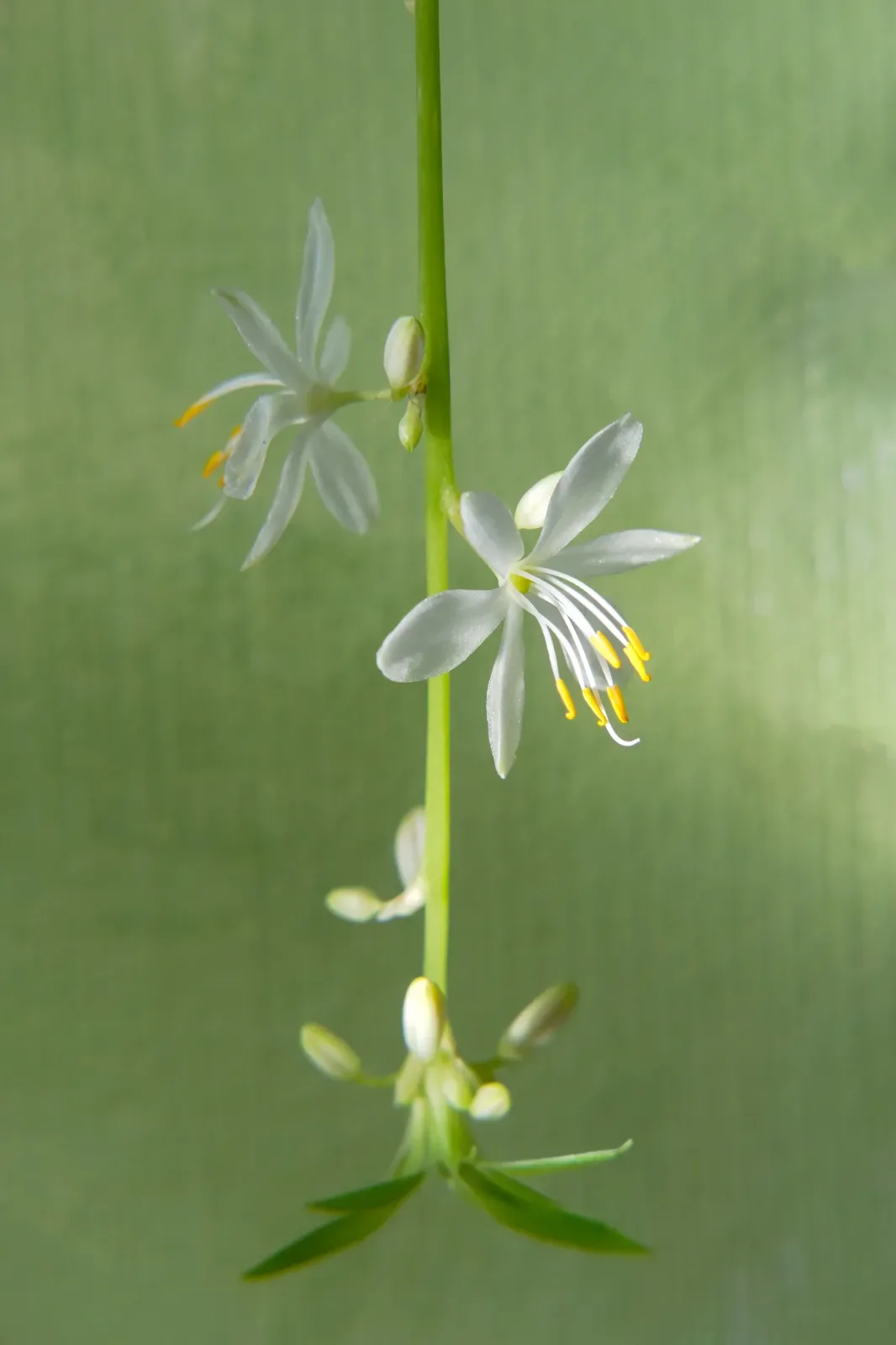
Spider plant is the usual first recommendation, and for good reason. It is easy, it is widely sold, and the ASPCA lists it as non-toxic. That still does not make it a toy. Some cats chew the leaves or play with the hanging plantlets, and a large meal of any fibrous plant can cause mild stomach upset. If your cat is a chewer, hang the pot or pick a tougher-leaved plant such as a ponytail palm. The drawback is those brown tips, which show up in many heated Canadian homes every winter. Full care guide →
Cast-iron plant (Aspidistra elatior)
- Light: Low to medium.
- Water: When the top of the mix is dry.
- Size in a pot: About 40–80 cm.
- Pet safety: Listed as non-toxic to dogs, cats and horses by the ASPCA.
- Difficulty: Easy.
- Region note: Indoor everywhere. Keep the leaves off icy glass in a deep freeze.
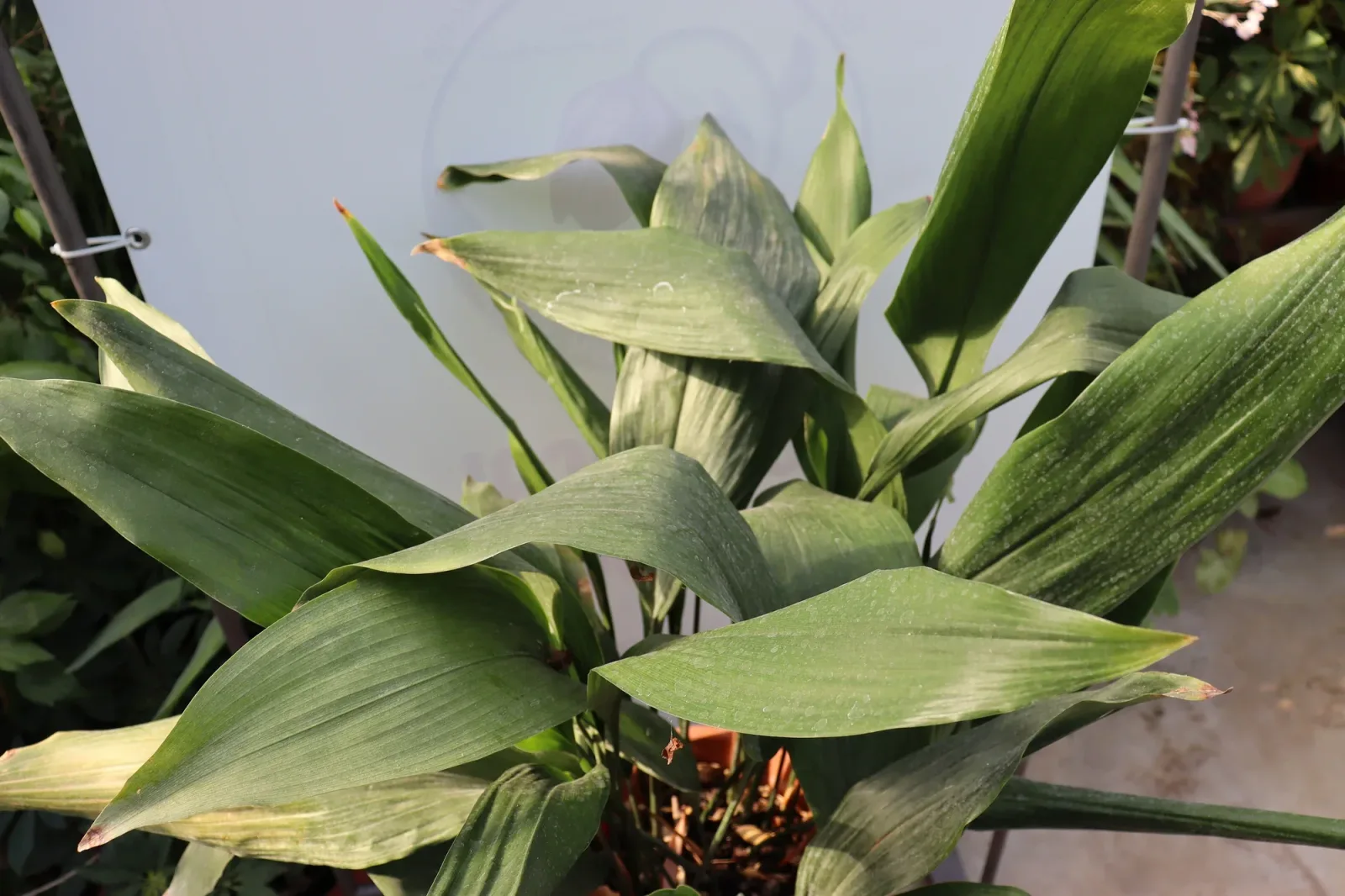
Cast-iron plant is the low-light option on this list that also has an ASPCA non-toxic listing. It grows slowly, which is fine in a hallway, and it does not need the humidity a fern wants. The drawback is speed, and the fact that a variegated plant will want a little more daylight than a plain green one. If you need both dim-room tolerance and a non-toxic listing, this is one of the more realistic pairs. Full care guide →
Boston fern (Nephrolepis exaltata)
- Light: Medium, indirect. A dark corner will thin it out.
- Water: Evenly moist, never bone dry, never sitting in a puddle.
- Size in a pot: About 40–80 cm.
- Pet safety: Listed as non-toxic to dogs and cats by the ASPCA.
- Difficulty: Fussy in a dry house.
- Region note: Indoor everywhere. A bathroom with a window, or a cool bright room, beats a vent-facing living room in January.
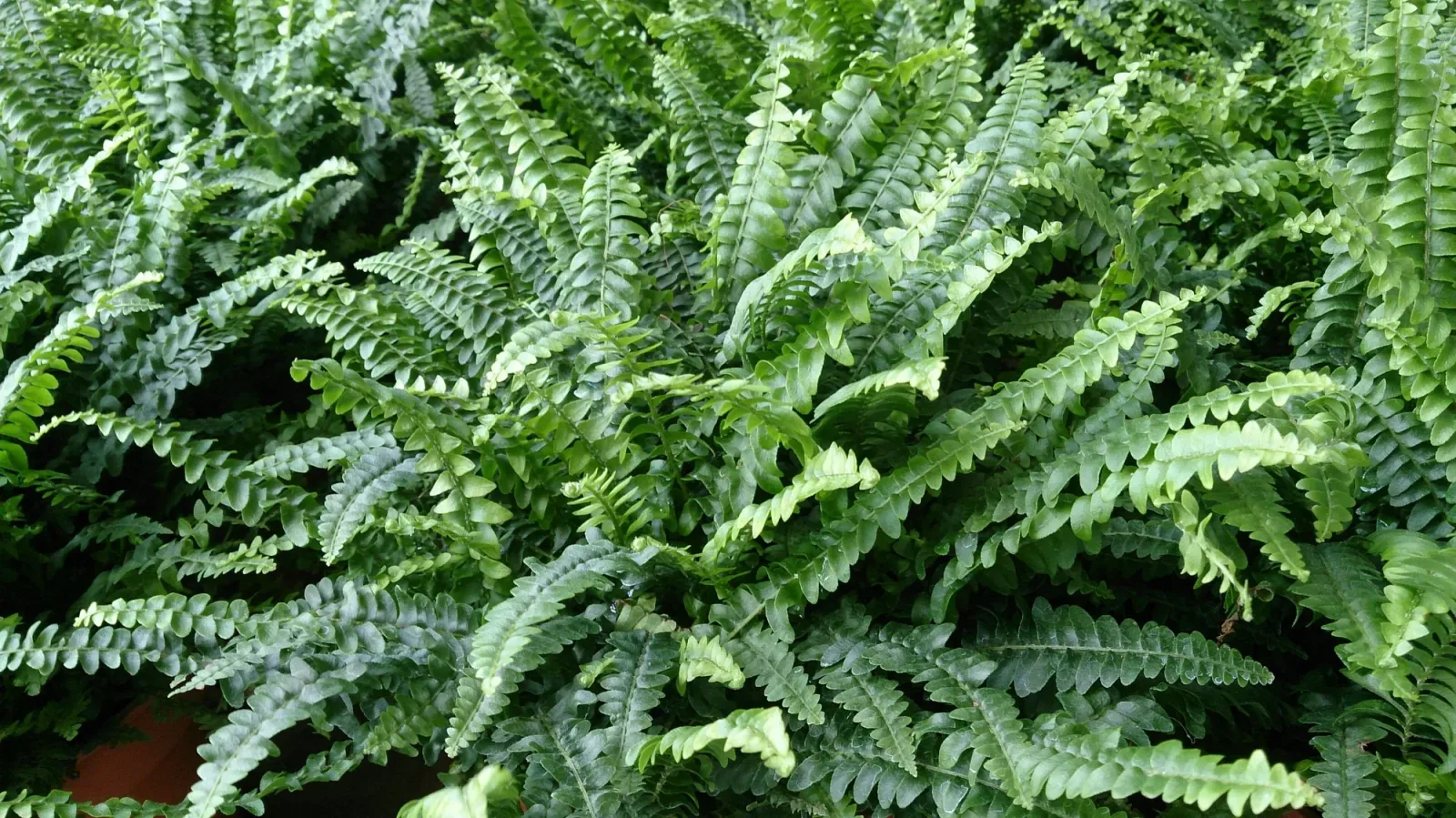
Boston fern is a classic hanging or stand plant, and the ASPCA lists it as non-toxic. That is the good news. The honest problem is Canadian winter air. In a dry apartment on the Prairies, or beside a heater in an Ontario high-rise, the fronds crisp unless you can keep the plant away from the vent and the mix from drying out. If you cannot do that, choose a parlor palm or a peperomia instead. Full care guide →
Parlor palm (Chamaedorea elegans)
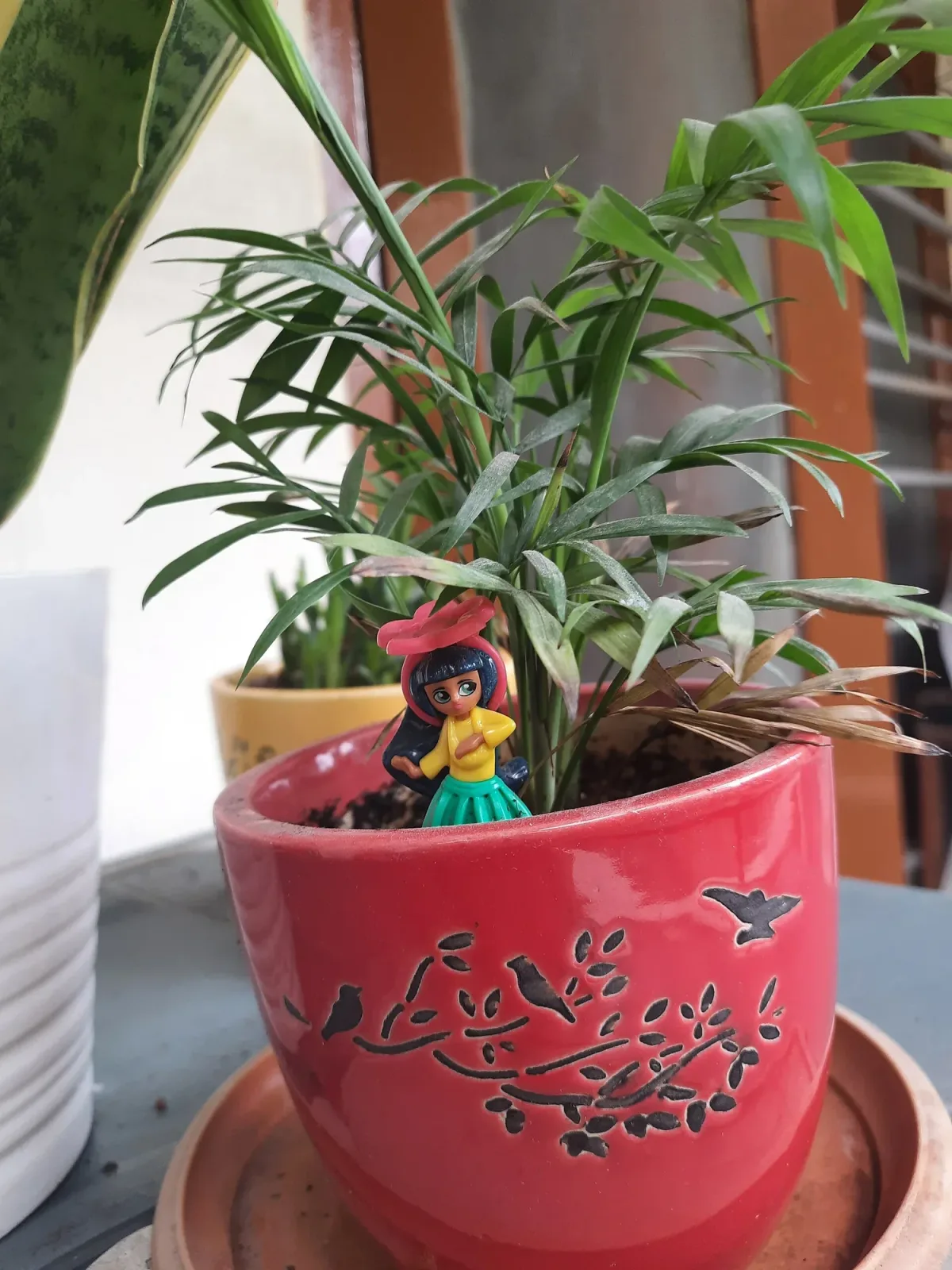
- Light: Low to medium.
- Water: Even moisture, not a wet saucer.
- Size in a pot: About 60–150 cm.
- Pet safety: Listed as non-toxic to dogs and cats by the ASPCA.
- Difficulty: Easy to moderate.
- Region note: Indoor everywhere. Dry air browns the tips.
Parlor palm is a small indoor palm that suits a table or a modest floor pot, and it has an ASPCA non-toxic listing. It is a better winter choice than a majesty palm in a dry room, though it still dislikes a heat vent. The drawback is those brown tips, which are usually about air and watering, not a hidden pest. Full care guide →
Kentia palm (Howea forsteriana)
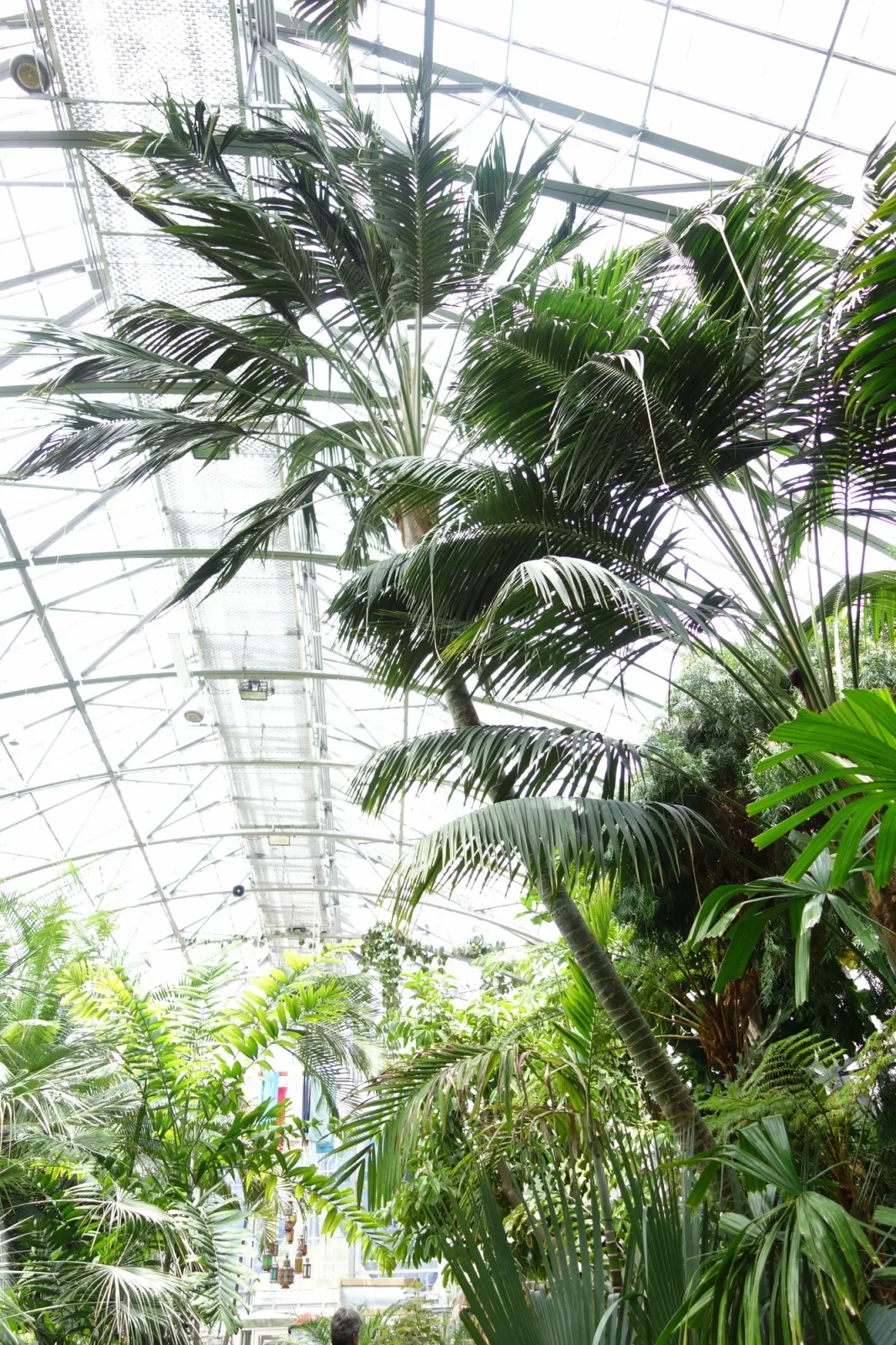
- Light: Low to medium.
- Water: When the top of the mix is dry.
- Size in a pot: Slow, eventually 1–3 m.
- Pet safety: Listed as non-toxic to dogs and cats by the ASPCA.
- Difficulty: Moderate.
- Region note: Indoor everywhere. Winter growth is very slow.
Kentia is the larger, slower palm if you want a floor plant the ASPCA lists as non-toxic and you can give it some daylight, even if that is only a north room. It will not fill a corner in one season. The drawback is price and patience, plus the usual winter risk of a wet, tight pot. Full care guide →
Prayer plant (Maranta leuconeura)
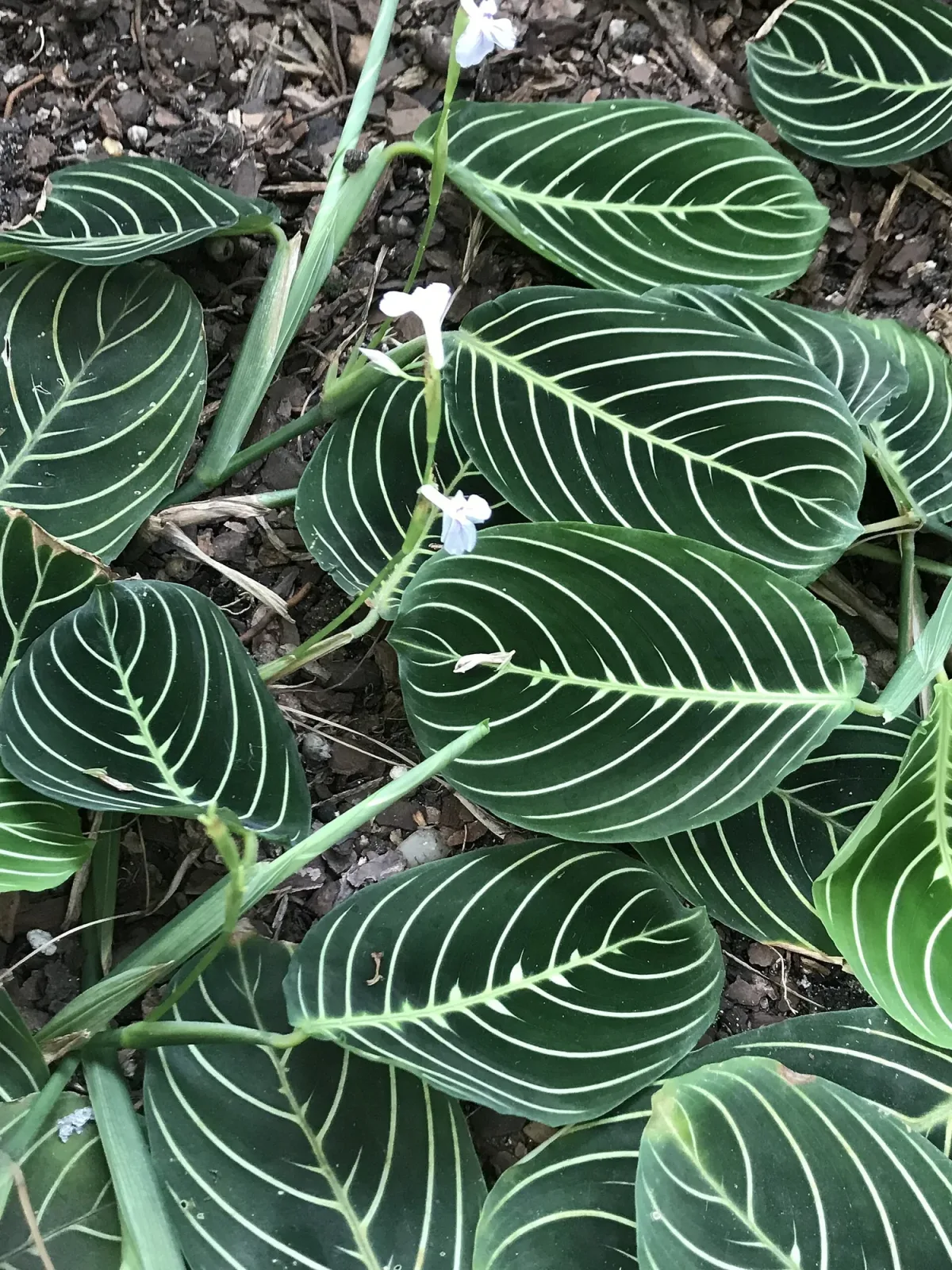
- Light: Medium, indirect.
- Water: Evenly moist, not soggy.
- Size in a pot: About 20–40 cm.
- Pet safety: Listed as non-toxic to dogs, cats and horses by the ASPCA.
- Difficulty: Moderate in a dry house.
- Region note: Indoor everywhere. Keep it away from vents and cold drafts.
Prayer plant gives you patterned leaves with an ASPCA non-toxic listing. It is not the toughest plant on this page. Dry heat is the usual winter complaint, and a table away from the vent will do more than any feeding schedule. The drawback is those brown edges if the room is baked from November to March. Full care guide →
Calathea (Goeppertia / Calathea species)
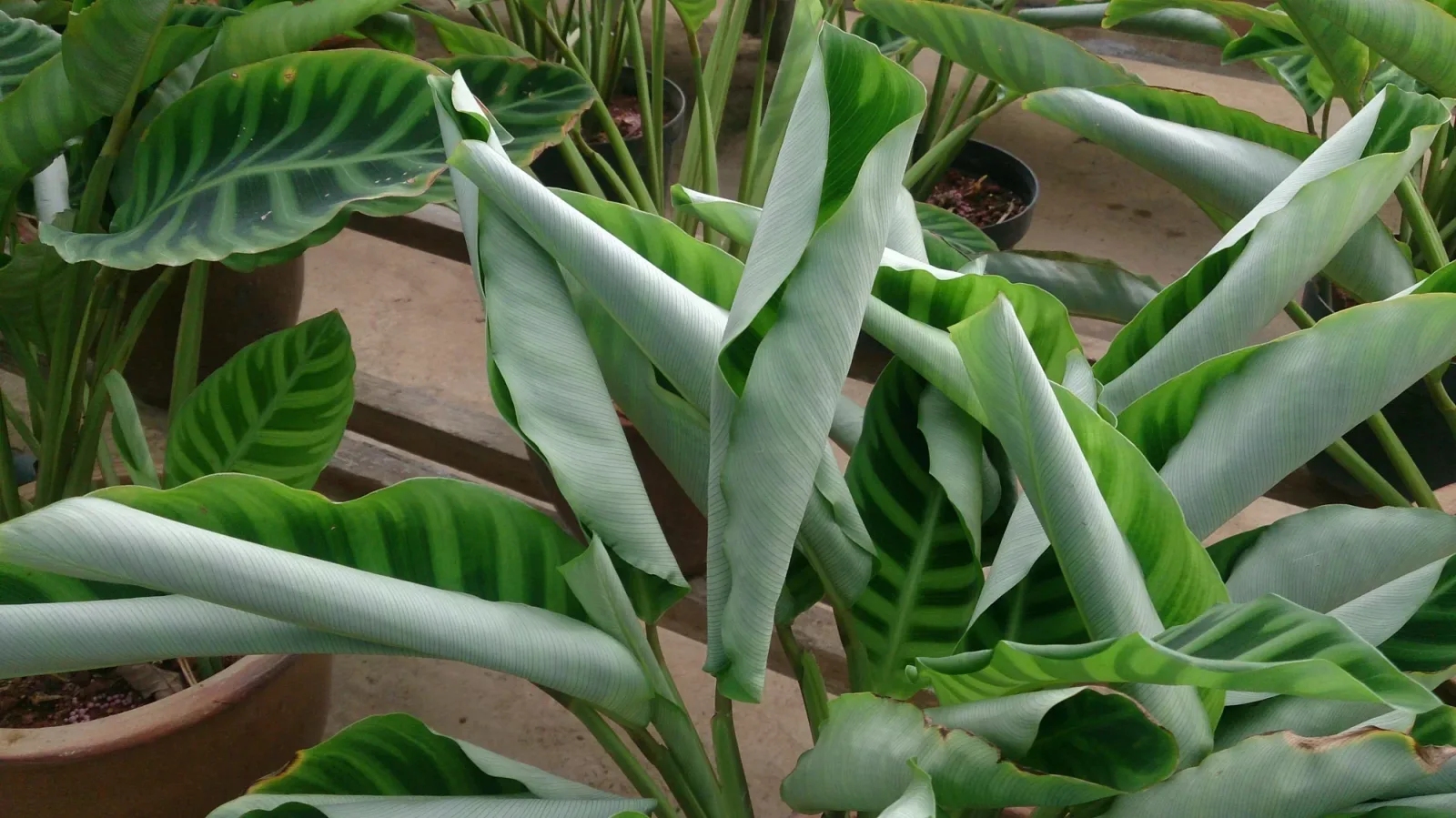
- Light: Medium, indirect.
- Water: Evenly moist, not a wet pot.
- Size in a pot: About 30–80 cm, depending on the species.
- Pet safety: Listed as non-toxic to dogs, cats and horses by the ASPCA.
- Difficulty: Fussy in dry rooms.
- Region note: Indoor everywhere. Brown edges are common in winter; see the calathea winter-leaf guide.
Calathea is here because the leaves are striking and the ASPCA lists the group as non-toxic. It is a poor match for a vent-facing prairie living room. If you can give it gentler air and even moisture, it earns its place. If you cannot, it will spend the winter looking burnt at the edges, and that is usually the room, not a disease you should treat from a photograph. Full care guide →
Peperomia, baby rubber plant (Peperomia obtusifolia)
- Light: Medium.
- Water: When the mix is dry well down.
- Size in a pot: About 15–30 cm.
- Pet safety: Listed as non-toxic to dogs and cats by the ASPCA as baby rubber plant.
- Difficulty: Easy, if you do not overwater.
- Region note: Indoor everywhere. In short days it may need water only occasionally.
Baby rubber plant is a compact, glossy peperomia that suits a desk. The ASPCA lists this species as non-toxic. Watermelon peperomia is also listed, but this profile is for P. obtusifolia, which is the plant on our Canada peperomia page. The drawback is rot in a dim, kind-hearted January watering routine. Full care guide →
African violet (Saintpaulia / Streptocarpus sect. Saintpaulia)
- Light: Bright, indirect. A dim room will stop it flowering.
- Water: When the surface is dry. Water the mix, not the crown, and avoid leaving the pot in a dish of water.
- Size in a pot: About 10–25 cm.
- Pet safety: Listed as non-toxic to dogs, cats and horses by the ASPCA.
- Difficulty: Moderate, mostly because of watering and light.
- Region note: Indoor everywhere. A cool, bright east window is a fair Canadian winter home.
African violet is the small flowering plant on this list, and the ASPCA lists it as non-toxic. It wants more light than a cast-iron plant, so it belongs on a windowsill, not in a hallway. The drawback is the crown: water left sitting in the leaves, or a pot that never dries, is how many of these fail, not a lack of fertilizer. Full care guide →
Christmas cactus (Schlumbergera)
- Light: Bright, indirect.
- Water: When the mix is dry to the touch.
- Size in a pot: About 20–40 cm, often trailing.
- Pet safety: Listed as non-toxic to dogs, cats and horses by the ASPCA.
- Difficulty: Easy.
- Region note: Indoor everywhere. It can spend the summer outdoors in light shade after frost, then come back in before the first fall frost.
Christmas cactus is one of the few holiday plants that both looks festive and has an ASPCA non-toxic listing. It is a better long-term houseplant than a poinsettia, and it is already on our Christmas plants for Canadian homes guide. The drawback is confusion at the shop: a true Christmas cactus is Schlumbergera, not a holiday cactus with a different habit, and it still needs a bright spot and a pot that is not kept wet. Full care guide →
Hoya, wax plant (Hoya carnosa)
- Light: Bright, indirect. It will live in lower light but rarely flower there.
- Water: When the mix is dry. Thick leaves store some water.
- Size in a pot: A trailing or climbing vine, often 30–100 cm in the house.
- Pet safety: Listed as non-toxic to dogs and cats by the ASPCA as wax plant (Hoya carnosa).
- Difficulty: Easy.
- Region note: Indoor everywhere. A bright east or west window is more realistic than a north hallway if you want flowers.
Hoya carnosa, the wax plant, is a trailing plant with thick leaves and, in good light, waxy flower clusters. The ASPCA lists it as non-toxic. It is slower and less “jungle-like” than a pothos, which is an advantage if you want a hanging plant without using a species the ASPCA lists as toxic. The drawback is light: in a dim Canadian winter it may not bloom, and a pot that stays wet will rot before it flowers. Full care guide →
Moth orchid (Phalaenopsis)
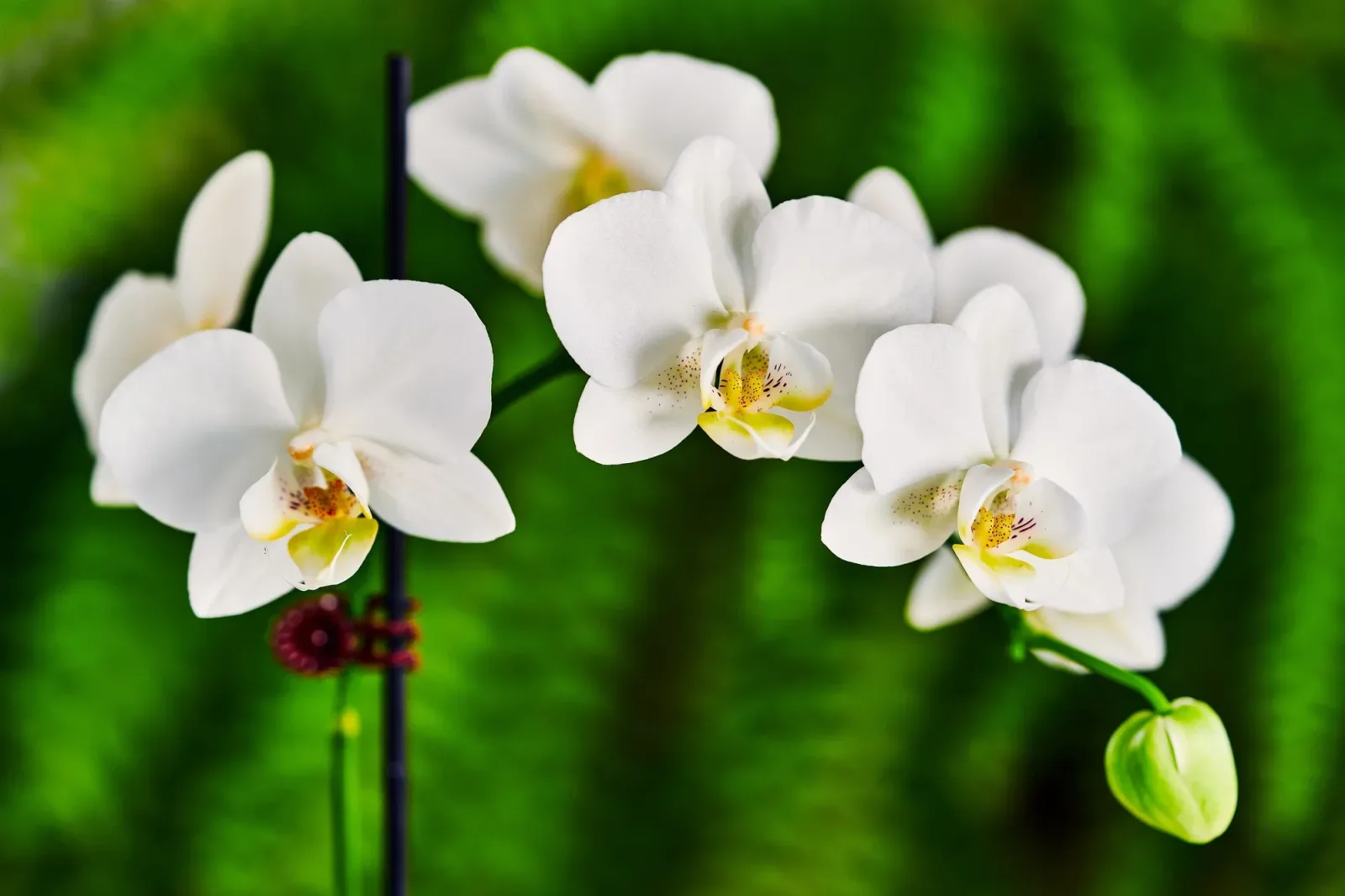
- Light: Bright, indirect. A dim room will not keep it in flower.
- Water: When the bark or mix is nearly dry. Do not leave it standing in water.
- Size in a pot: About 20–40 cm, plus the spike.
- Pet safety: Listed as non-toxic to dogs, cats and horses by the ASPCA.
- Difficulty: Easy to enjoy in bloom; moderate to keep going and bloom again.
- Region note: Indoor everywhere. A common Canadian grocery-store plant from fall through winter.
Moth orchid is the flowering gift plant the ASPCA lists as non-toxic, which is why it also appears in our Christmas plants guide. The flowers can last for weeks in a bright, even room. A jumping cat can still break a spike, so placement matters even when toxicity is not the issue. The drawback is after-bloom care: many plants are thrown out because the pot was kept wet, or left in a foil sleeve with no drainage. Full care guide →
Money tree (Pachira aquatica)
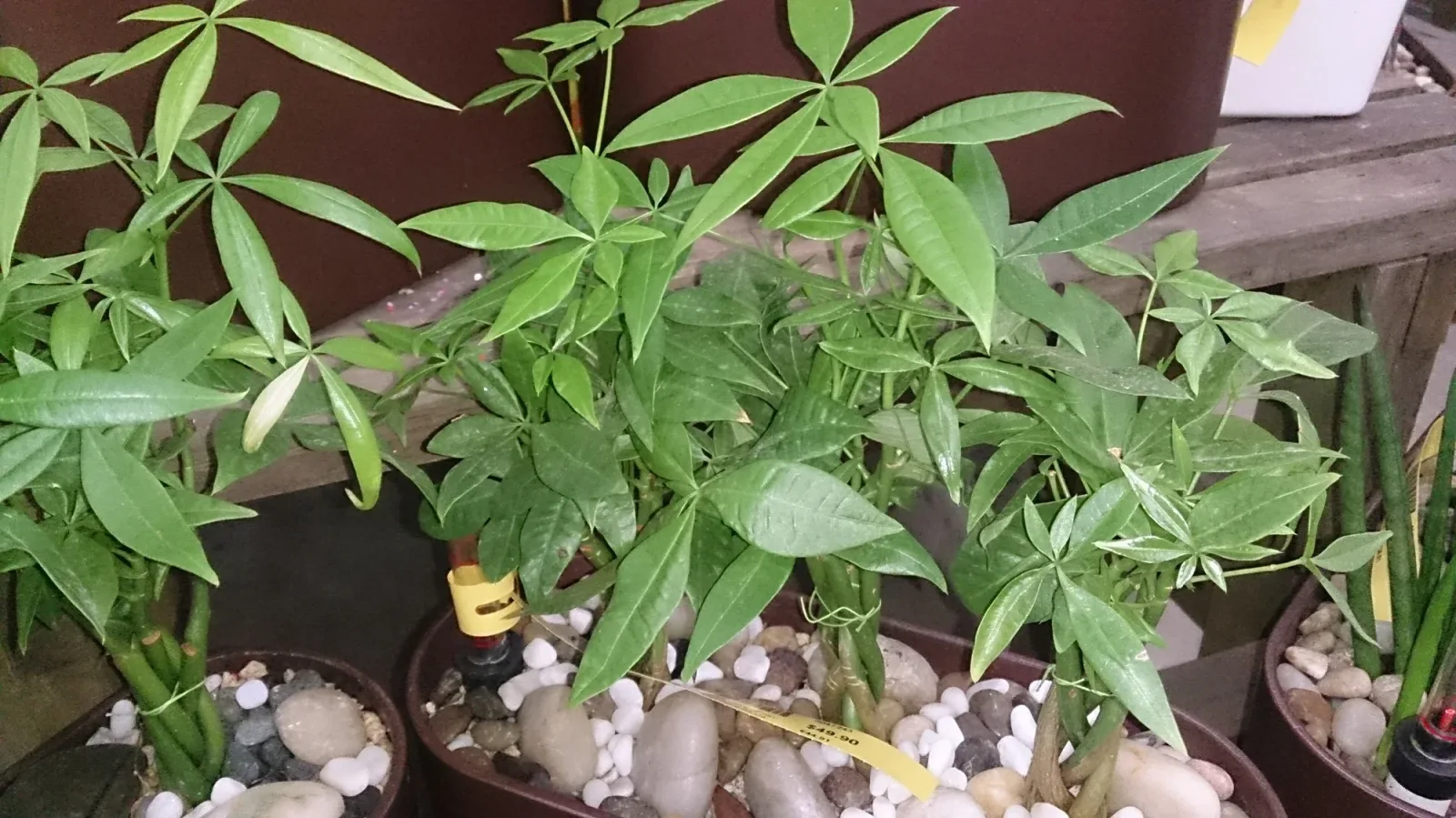
- Light: Bright, indirect.
- Water: When the top of the mix is dry.
- Size in a pot: Often 80–180 cm, usually sold with a braided stem.
- Pet safety: Listed as non-toxic to dogs, cats and horses by the ASPCA, as money tree, Pachira aquatica.
- Difficulty: Moderate.
- Region note: Indoor everywhere. Leaf drop in winter is often about wet mix or a sudden move, not a need for more fertilizer.
This is the important naming point on the list. Money tree, in the ASPCA sense, is Pachira aquatica, a tropical tree with palmate leaves, often braided in the pot. It is not jade plant (Crassula ovata), which is also sometimes sold as a “money plant” and which the ASPCA lists as toxic to dogs, cats and horses. Check the leaves before you buy. The drawback for Pachira is indoor winter care: it wants decent light and a pot that can dry a little, and a dim, wet corner is a poor match. Full care guide →
Ponytail palm (Beaucarnea recurvata)
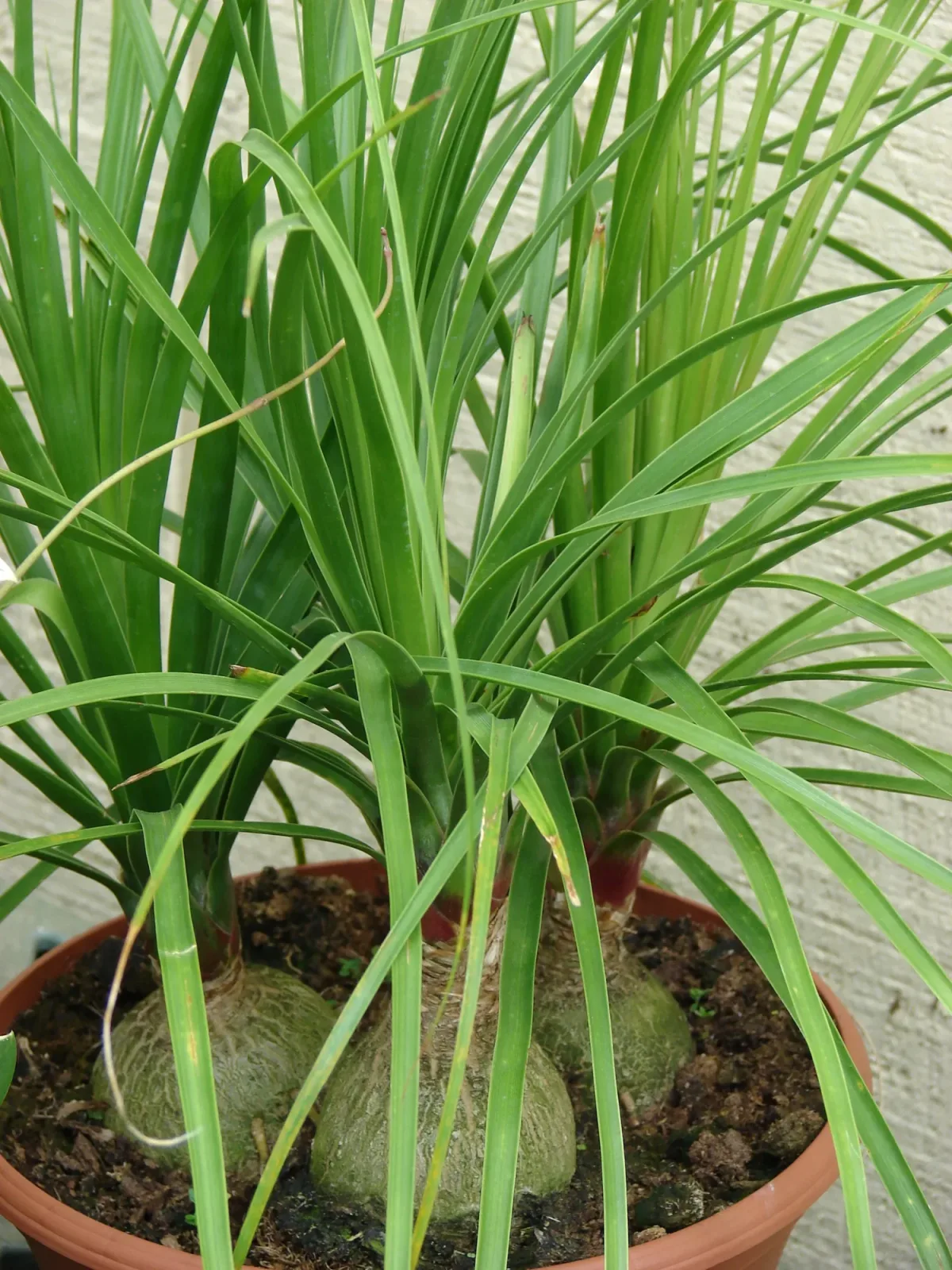
- Light: Bright. It is not a deep-shade plant.
- Water: When the mix is dry. The swollen base stores water.
- Size in a pot: About 40–150 cm in the house, slowly.
- Pet safety: Listed as non-toxic to dogs, cats and horses by the ASPCA as pony tail, Beaucarnea recurvata.
- Difficulty: Easy in the right light.
- Region note: Indoor everywhere. A bright window in a Canadian winter is a fair home; a north hallway is not.
Ponytail palm is a succulent tree, not a true palm, with a swollen base and a spray of narrow leaves. The ASPCA lists it as non-toxic. It wants more light and less water than a parlor palm, so it is a poor swap if your only free corner is dark and damp. The drawback is overwatering, especially in short days, and the temptation to treat it like a fern. Full care guide →
How to use a “non-toxic” list
The ASPCA's own lists say they are not complete, and that eating any plant material may cause vomiting or stomach upset in dogs and cats. “Non-toxic” is not the same as “edible,” and it is not a guarantee that a particular animal will ignore the plant. If you think a pet has eaten a plant and is unwell, contact a veterinarian or the ASPCA Animal Poison Control Center. We are not giving treatment advice for animals here.
Clemson University's pet-safe houseplant fact sheet also treats the ASPCA list as the starting point, not as a licence to leave toxic and non-toxic plants mixed at nose height. If you already have plants the ASPCA lists as toxic, moving them out of reach is more useful than throwing out a listicle.
For winter watering and cold glass, use our winter watering and cold-window guides. This page does not give fertilizer or pesticide doses.
How this changes across Canada
On the Prairies, dry indoor air is the main winter limit, not the toxicity listing. Ferns, calathea and prayer plant ask more of a Regina or Saskatoon living room than a peperomia, a ponytail palm or a cast-iron plant.
In Ontario and Québec, the same dry-air problem shows up in apartments with the heat on. A bathroom with a window can carry a Boston fern that would fail in the living room. Inspect any plant that spent the summer on a balcony before it comes back inside.
On the south coast of British Columbia, some of these plants can spend warm months outdoors in a sheltered spot, then come in before the wet winter or the first real cold snap. For outdoor questions, use the Atlas of Canada plant hardiness map. Indoors, they are houseplants in every province and territory.
Plants we left out and why
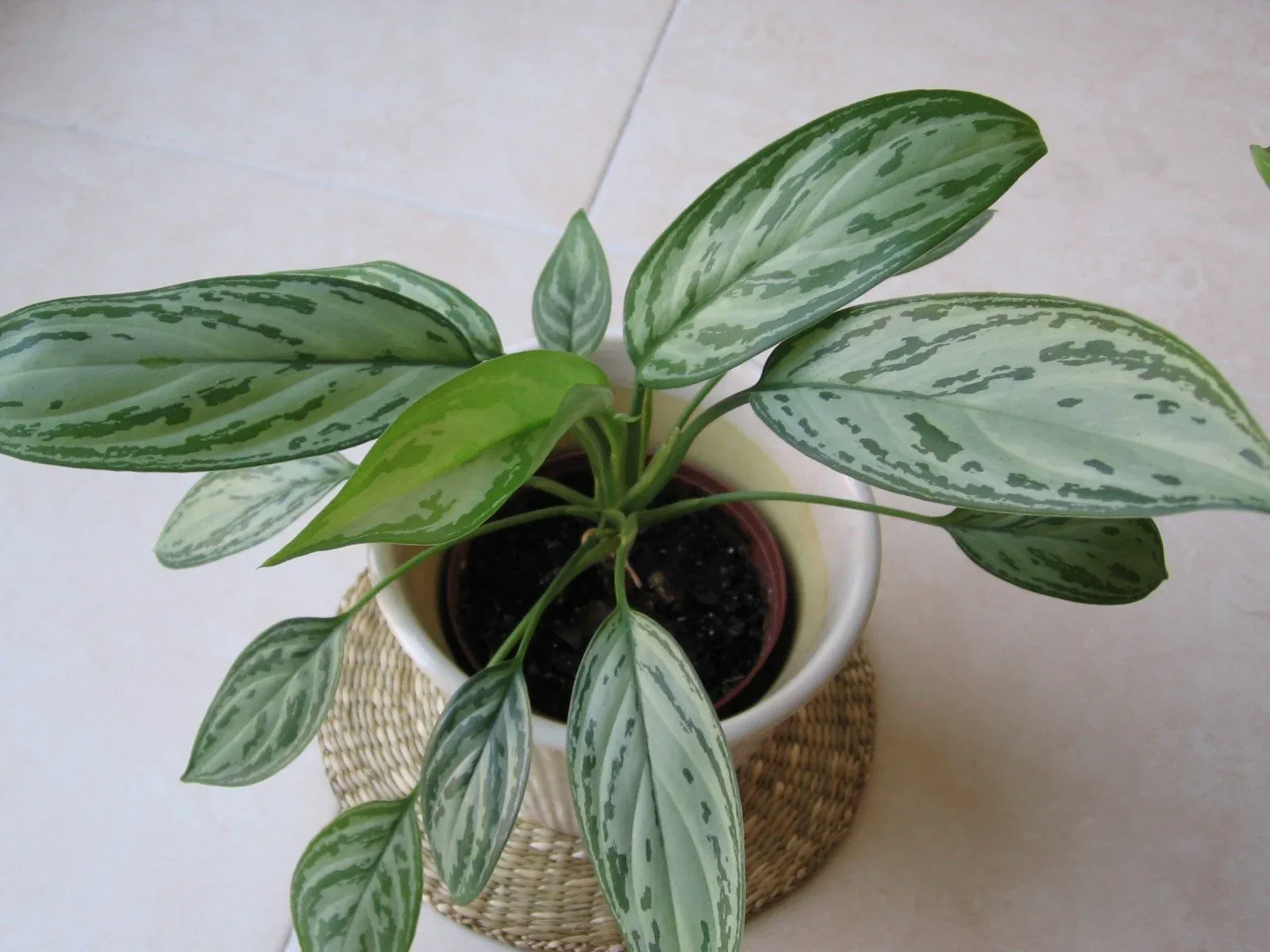
- Popular plants the ASPCA lists as toxic, including pothos, heartleaf philodendron, peace lily, snake plant, Chinese evergreen, corn plant and other dracaenas, English ivy, dieffenbachia, jade, aloe and sago palm. Sago palm is a serious poisoning risk, not a mild stomach upset. We do not link Canada profiles for snake plant, pothos or peace lily because those /ca URLs are not live Canada pages.
- Bird's nest fern and maidenhair fern. We could not find ASPCA pages for those species, so we will not call them non-toxic here.
- Polka-dot plant. The ASPCA lists it as non-toxic, but the same page gives the toxic principles as unknown. It has a Canada profile, and we left it off the main fourteen for that uncertainty, not because we found a toxicity listing.
- ZZ plant. It has no Canada profile we can link, and we did not find a clear ASPCA species page under the names we checked.
Sources
- ASPCA: individual plant pages linked above, plus the cat and dog lists
- Clemson Home & Garden Information Center: Pet-Safe Indoor Houseplants
- GardenOrbit: Canada pet-safety database, the Canada profiles linked above, Christmas plants for Canadian homes, calathea winter leaves, winter watering and cold windows
- Natural Resources Canada, Atlas of Canada: Plant hardiness zones of Canada
Updated 15 November 2026 (IST): new guide. ASPCA pages cited here were checked the same day. No named reviewer is listed, pending confirmation of real reviewers.


Comments
No comments yet — share what worked in your climate.