
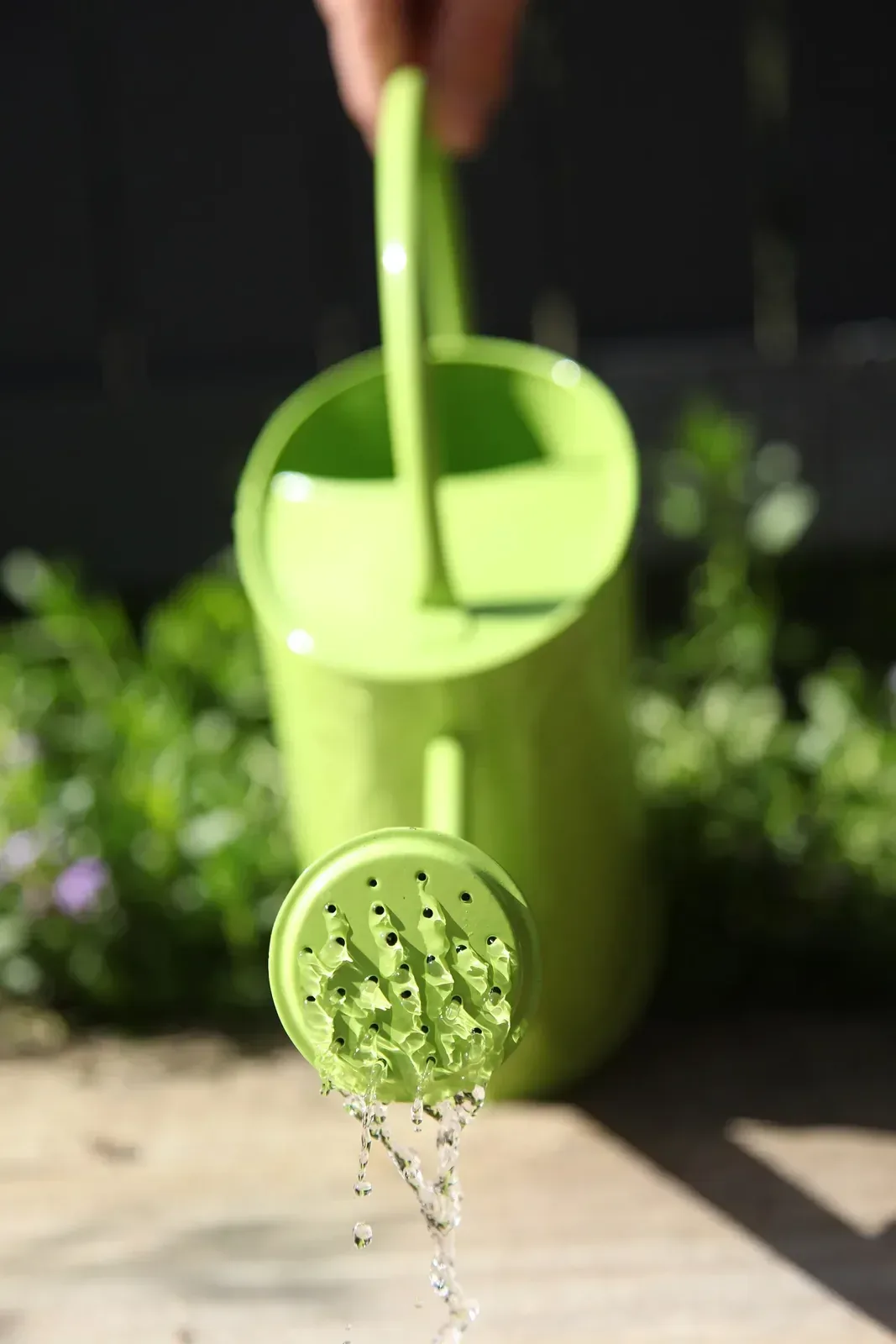
In a Canadian winter, most houseplants need less water than in summer, but there is no single schedule that works for every plant or every home in Canada. Short days mean less light, plants grow slowly, and the mix in the pot stays damp for longer. At the same time, furnace heat dries the air and can dry the top of the soil quickly while the bottom stays wet. The answer is to stop watering by the calendar and start checking each pot before you water.
Iowa State University Extension puts it simply: houseplants generally need less frequent watering in winter, and how often depends on the species, the potting mix, temperature, light, humidity and other factors. This guide shows you how to read those factors in your own home.
Why plants need less water in winter
- Less light: from November to February, days are short and the sun is low. Plants make less food, grow less, and use less water.
- Cooler roots: pots near windows and on floors can be cooler than the room. Cool, wet roots are prone to rot.
- Dry air: heated air dries the soil surface and leaves, which can trick you into thinking the whole pot is dry.
The result is that overwatering, not underwatering, is the most common winter problem. University of Vermont Extension says winter care for all houseplants starts with reducing water, and that people tend to over-love their plants with too much water in winter.
How to tell when a pot needs water
Use two or three of these together. After a few weeks you will know your plants well enough to tell at a glance.
The finger test
Push a finger into the mix. Iowa State suggests watering when it is dry about 2.5 cm (one inch) down; University of Illinois Extension suggests testing to about 5 cm (two inches). For small pots, the shallower check is fine. For large pots, go deeper.
The chopstick test
UVM Extension suggests pushing a chopstick into the mix. If soil sticks to it when you pull it out, the mix is still moist. This is handy for big pots where your finger cannot reach the root zone.
The weight test
Lift the pot just after a thorough watering, and again when it is dry. The difference is easy to feel with small and medium pots, and it becomes the quickest check of all.
A moisture meter
UVM Extension also mentions moisture meters. They are useful, especially for big pots, but readings vary with the mix, so treat them as a guide and confirm with your finger.
How to water when it is time
- Water thoroughly. Iowa State says to keep going until water flows out of the bottom of the pot. A small splash wets only the top and leaves the roots below dry.
- Empty the saucer. Iowa State and Illinois both say to discard the excess, and not to leave pots standing in water.
- Use room-temperature water. Illinois advises against cold water. Water straight from the cold tap in January can be well below room temperature.
- Avoid softened water. Illinois advises against it for houseplants, because softeners add sodium.
- Water in the morning if you can, so the surface has the day to dry, which also discourages fungus gnats.
Bottom watering
Illinois describes sub-irrigation: stand the pot in a few centimetres of water in a sink or saucer, and remove it once moisture has wicked up to the surface. This works well for plants that dislike wet leaves, such as African violets, and keeps the surface drier. Water from the top now and then to flush salts out.
Not all plants need the same: three winter watering groups
| Group | Examples | Winter approach |
|---|---|---|
| Dry-tolerant | Snake plant, cacti, most succulents, ponytail palm | Let the mix dry completely, then wait a little more. Some need water only every month or two in a cool room. |
| Most foliage plants | Pothos, philodendron, monstera, Chinese evergreen, spider plant | Water when the top few centimetres are dry. Gaps between waterings get longer than in summer. |
| Even-moisture lovers | Calathea, prayer plant, Boston fern, African violet | Water when the surface is just dry; do not let them dry right out, but do not keep them soggy either. |
For plant-specific winter advice, see our guides to snake plant soft leaves, calathea brown leaves, spider plant winter care and philodendron winter care.
Things that change how fast a pot dries
- Pot material: Illinois notes that plants in unglazed clay pots need water more often than those in plastic, because clay is porous.
- Pot size: large pots hold more water and dry slowly. A small pot near a heat register can dry in a couple of days.
- Drainage: a pot with no hole, or a plastic pot in a decorative cachepot, can hold water at the bottom where you cannot see it. Always lift and check.
- Position: plants near heat registers, baseboards or wood stoves dry faster; plants on a cold windowsill or tile floor dry slower.
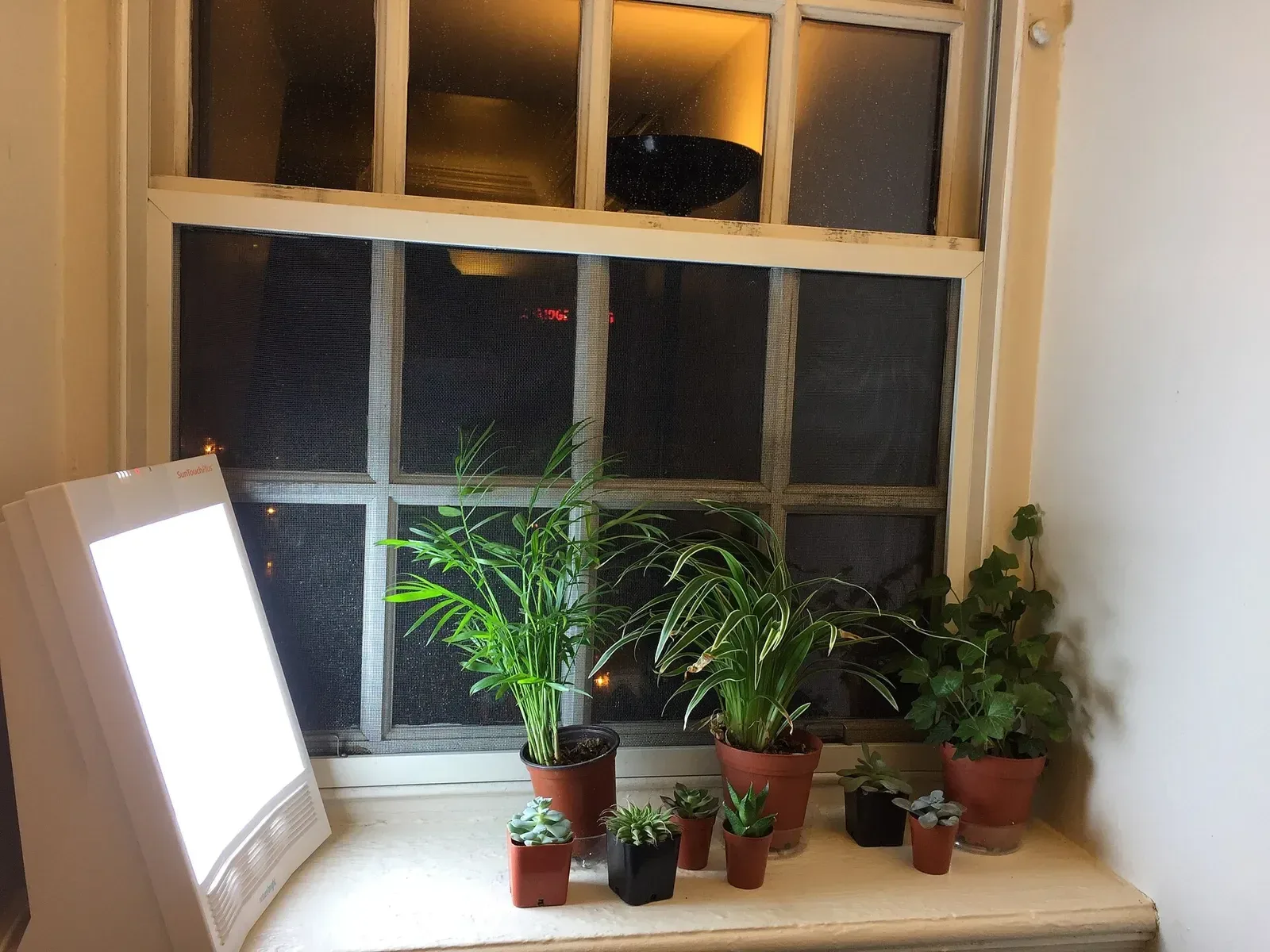
- Light: a plant under a grow light grows and drinks more than one in a dim corner.
- Potting mix: peat-heavy mixes hold water; chunky mixes with bark or perlite drain faster.
Our watering calculator gives a starting point based on plant and pot. Use it as a reminder to check, not as a fixed schedule.
Watering and humidity are different problems
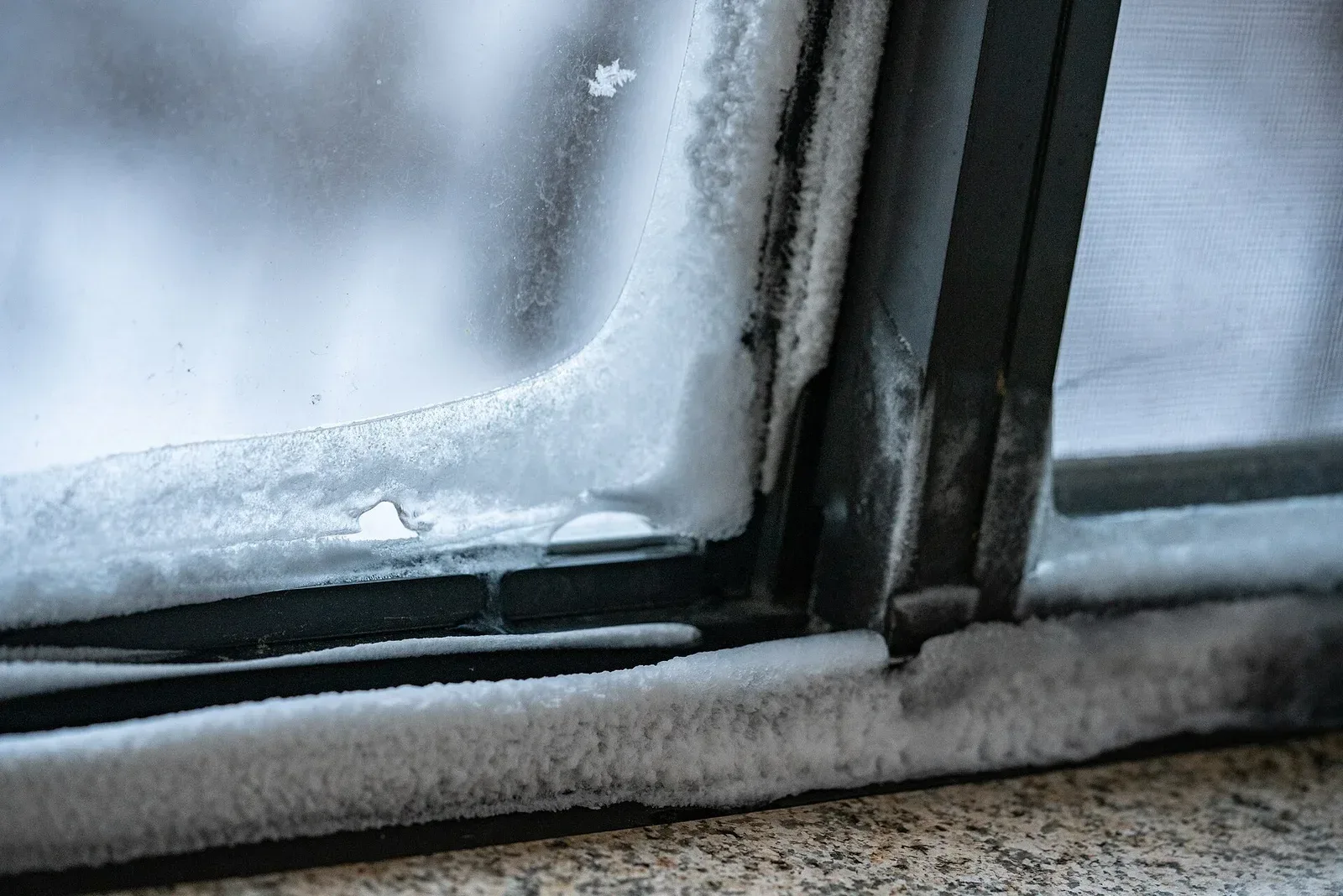
Dry air causes crispy leaf edges, but adding more water to the pot does not fix it. It only waterlogs the roots. Raise humidity instead, with a humidifier, by grouping plants, or with pebble trays, as UVM suggests. Keep plants away from heat sources and cold drafts. See our guide to cold windows and drafts.
Signs you are watering too much or too little
| Too much | Too little |
|---|---|
| Mix still wet days later, pot heavy | Mix dry and pulling away from the pot edge, pot light |
| Lower leaves yellow and soft, sometimes brown spots | Leaves limp, curling or crisp, then yellow |
| Fungus gnats, musty smell | Water runs straight through without soaking in |
| Stems soft at the base | Wilting that recovers quickly after watering |
If water runs straight through a very dry pot, stand it in a bowl of water for 20 to 30 minutes so the mix can rewet, then drain. More help: overwatering, underwatering and fungus gnats.
Going away in winter
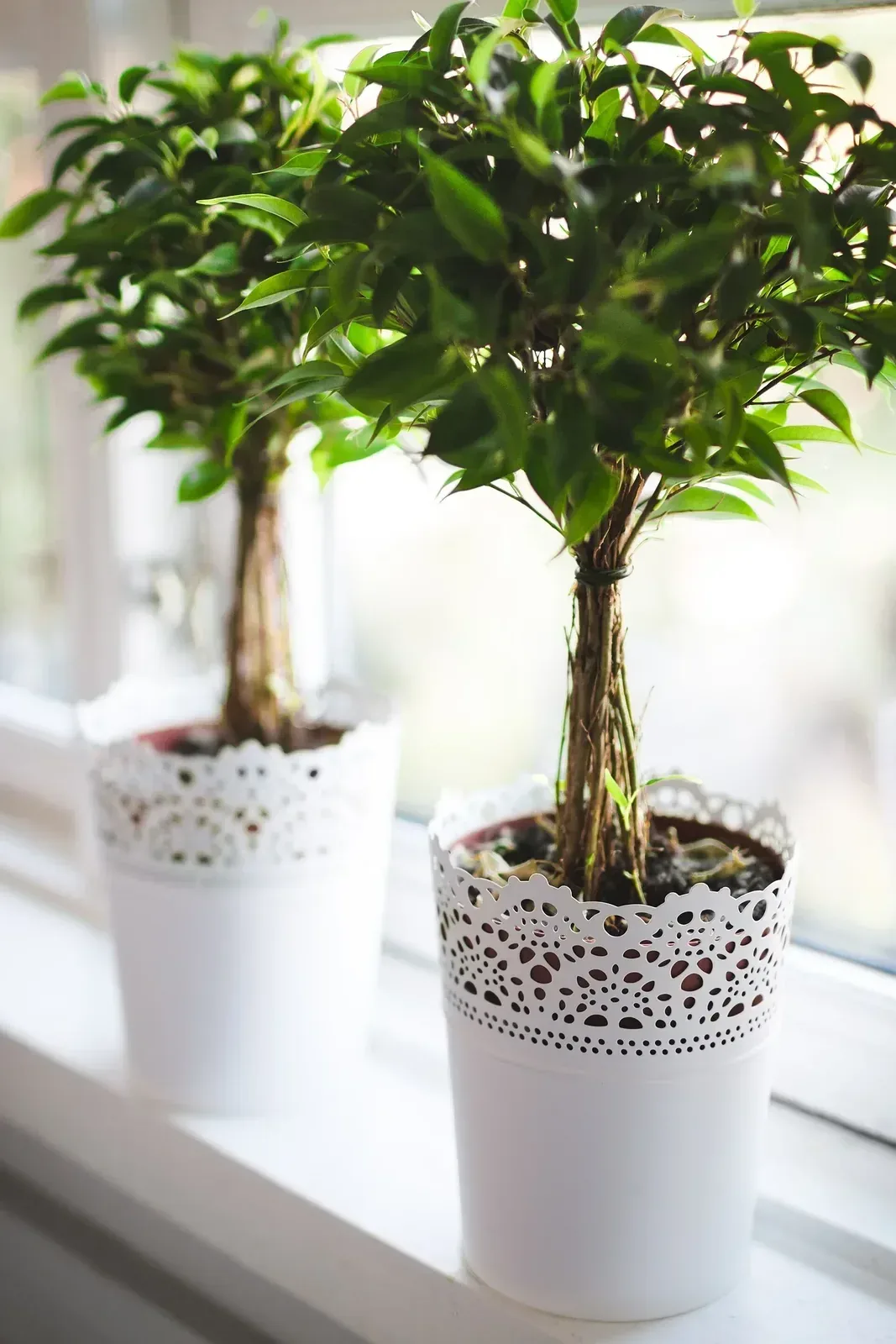
Winter holidays are easier on plants than summer ones, because pots dry slowly. Water thoroughly a day or two before you leave, move plants away from heat registers and cold windows, and group them together. For trips longer than a couple of weeks, ask someone to check them, and leave a note of which plants need water and which do not.
A simple winter watering routine
- Pick one day a week to check every plant, but only water the ones that need it.
- Check by finger, chopstick or weight.
- Water thoroughly with room-temperature water, then empty saucers.
- Stop fertilizing until spring, unless a plant is under grow lights and actively growing.
- From March, as days lengthen, check more often. Plants start drinking more before they show new growth.
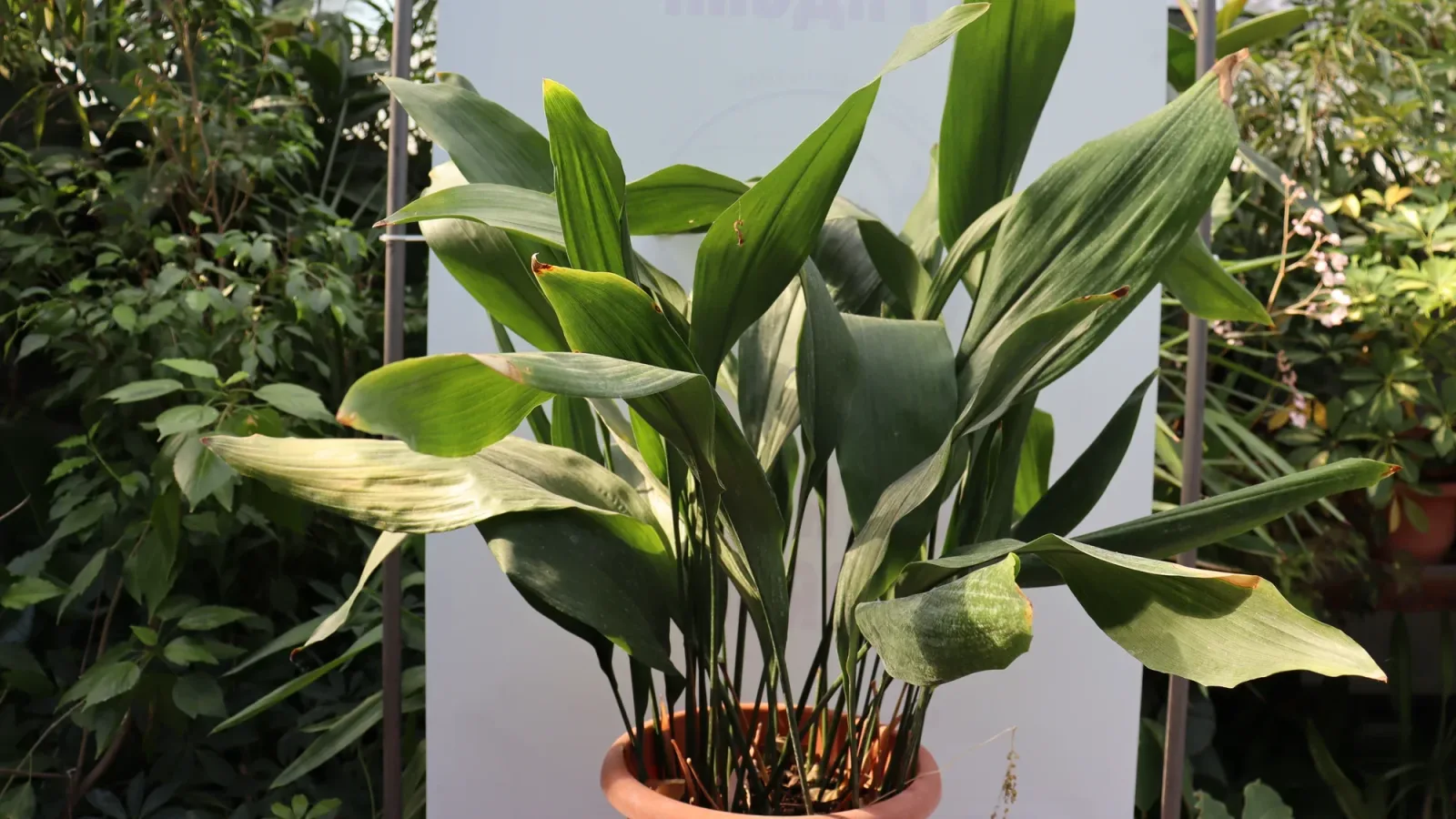
Plant profiles that show the three groups: Chinese evergreen, spider plant, cast iron plant and Boston fern.
Watch: a video walk-through
The Plant University gives a short beginner guide to watering houseplants in winter. It pairs well with the finger, chopstick and weight checks above.
Sources
Sources last checked 10 November 2026. Advice varies with your home, region and plant; use these as a starting point.
- Iowa State University Extension: How often should houseplants be watered during the winter months?
- University of Illinois Extension: Watering houseplants
- University of Vermont Extension: Houseplant care during the winter months
- RHS: How to grow sansevierias
- NC State Extension Plant Toolbox: Dracaena trifasciata
Comments
No comments yet — share what worked in your climate.