
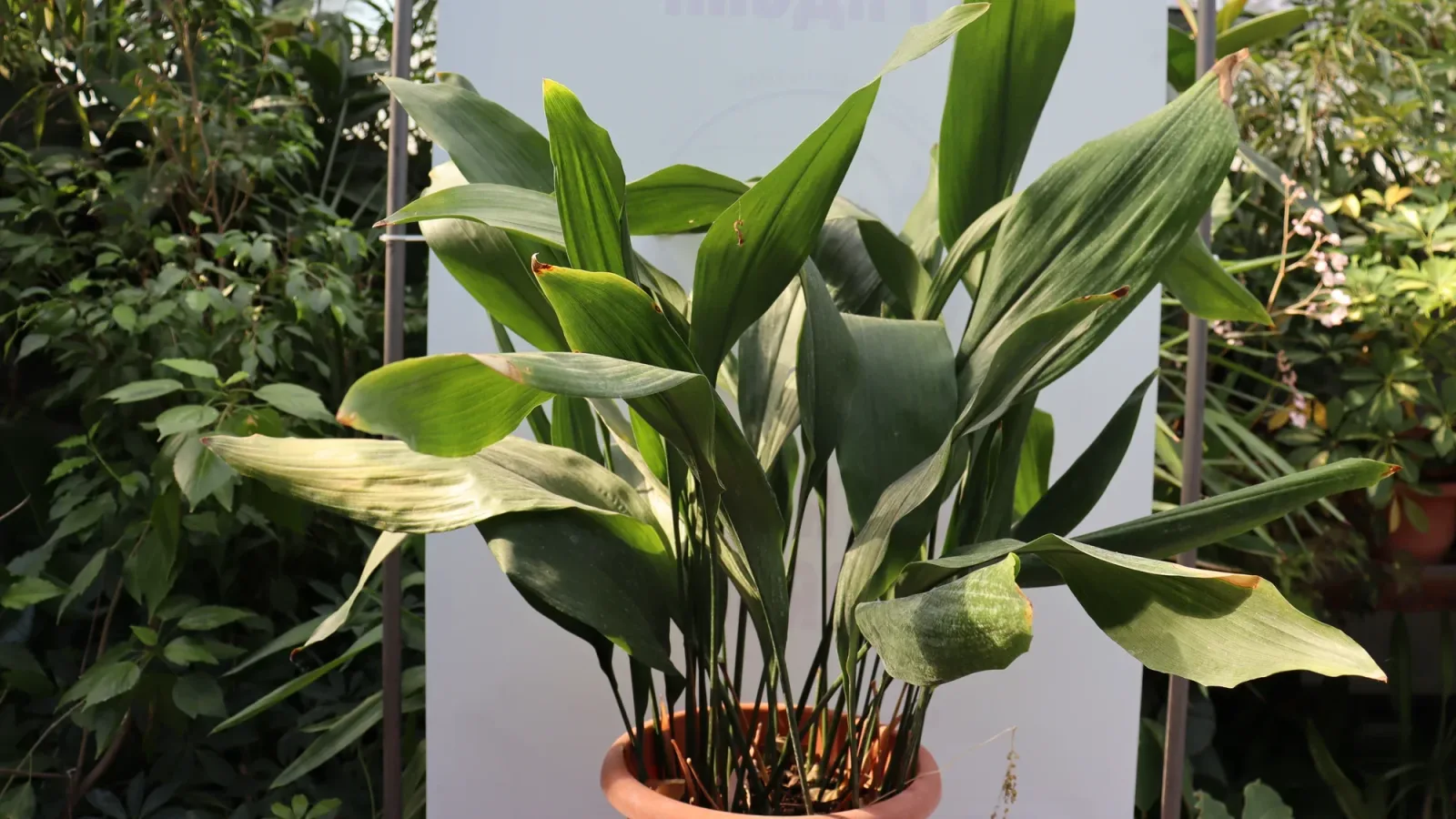
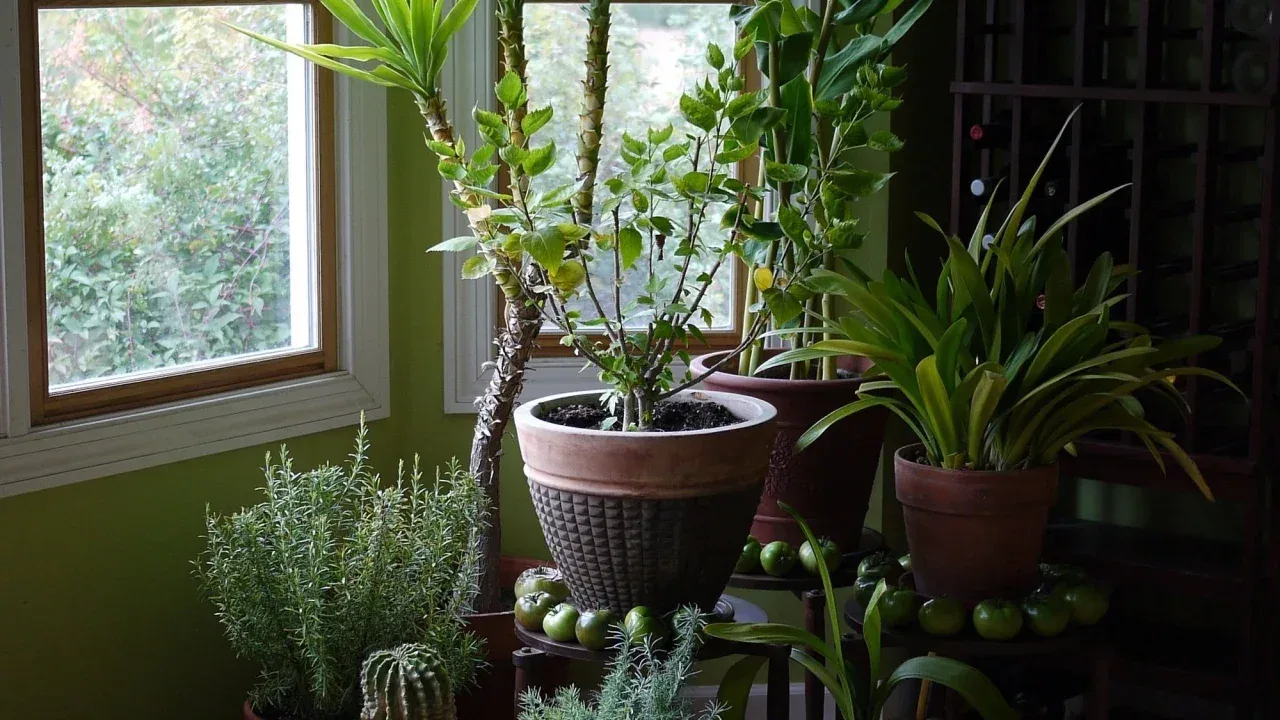
If you need a houseplant that can cope with a dim Canadian winter, start with a cast-iron plant, a Chinese evergreen or a parlor palm. None of them will grow in a closet with the door shut. They will, though, hold up in a north window, or a few metres back from the glass, better than most plants sold as “low light.”
The fifteen plants below all have a live Canada care profile. We chose them for how they behave in short days, from November to February, and we checked pet-safety notes against the ASPCA plant lists. A plant listed as non-toxic is not a snack. Deeper care lives on each profile, and in our guides to winter watering and cold windows.
Quick picks
- Most forgiving in a dim room: cast-iron plant and Chinese evergreen
- Listed as non-toxic by the ASPCA, and decent in lower light: cast-iron plant, parlor palm, spider plant and peperomia
- A taller floor plant: kentia palm or corn plant
- Patterned leaves: prayer plant and calathea
- Often sold as low light, but it wants more: haworthia
Comparison at a glance
| Plant | Light | Water | Size in a pot | Pet safety | Difficulty | Best for | Canadian winter note |
|---|---|---|---|---|---|---|---|
| Cast-iron plant | Low to medium | When the top of the mix is dry | 40–80 cm | Non-toxic | Easy | A dim hallway or north room | Indoor everywhere. Keep off cold glass. |
| Chinese evergreen | Low to medium | When the top 2–3 cm is dry | 30–80 cm | Toxic | Easy | A first low-light foliage plant | Indoor. Pale or highly variegated types want a bit more light than the darker ones. |
| Heartleaf philodendron | Low to medium | When the top of the mix is dry | Trailing, 1–2 m of vine | Toxic | Easy | A shelf or hanging pot | Indoor. In midwinter it slows down; do not keep the pot wet. |
| Parlor palm | Low to medium | Even moisture, not soggy | 60–150 cm | Non-toxic | Easy to moderate | A table or a small floor pot | Indoor. Dry heat browns the tips; a cool room is kinder than a vent. |
| Dracaena marginata | Medium; tolerates lower | When the top of the mix is dry | 1–2 m over time | Toxic | Easy | A slim corner plant | Indoor. It stretches in a truly dark room. Keep off icy glass. |
| Corn plant | Medium; tolerates lower | When the top of the mix is dry | 1–2 m | Toxic | Easy | A living-room floor plant | Indoor. The yellow stripe fades in very low light. |
| Spider plant | Medium; tolerates lower | When the top of the mix is dry | 30–50 cm, with hanging plantlets | Non-toxic | Easy | A hanging pot or a bright-enough shelf | Indoor. Brown tips are common in dry winter air, and are not a pest on their own. |
| Prayer plant | Medium, indirect; dimmer than a south window | Evenly moist, not soggy | 20–40 cm | Non-toxic | Moderate | A table away from a vent | Indoor. Dry heat and cold drafts both mark the leaves. See also our calathea winter-leaf guide. |
| Kentia palm | Low to medium | When the top of the mix is dry | 1–3 m over years | Non-toxic | Moderate | A large, slow floor palm | Indoor. Slow in winter. Dry air and a tight pot are the usual complaints. |
| Lady palm | Low to medium | When the top of the mix is dry | 80–180 cm | Non-toxic | Moderate | A fan-leaved floor or hallway plant | Indoor. Takes dry air a little better than a majesty palm, but still dislikes a heat vent. |
| Peperomia | Medium; some types tolerate lower | When the mix is dry well down | 15–30 cm | Non-toxic (baby rubber plant, P. obtusifolia) | Easy | A desk or a small shelf | Indoor. Easy to overwater in short days. |
| Haworthia | Bright; only pretends in deep shade | When the mix is dry | 8–15 cm | Non-toxic | Easy in the right light | A bright windowsill, not a dark corner | Indoor. In a north room in January it stretches. It is on this list so we can be honest about that. |
| Philodendron Xanadu | Medium; tolerates lower | When the top of the mix is dry | 60–120 cm, wide | No separate ASPCA page under this name; not called safe or toxic here | Easy to moderate | A wide, low floor plant | Indoor. Growth slows hard in midwinter. |
| Calathea | Medium, indirect | Evenly moist, not soggy | 30–80 cm, depending on species | Non-toxic | Fussy in dry rooms | A room where you can keep the air from baking | Indoor. Brown edges are common from November to March. See the winter leaf guide. |
| Bird's nest fern | Low to medium, indirect | Evenly moist, not soggy in the crown | 30–60 cm | Not listed on the ASPCA pages we checked; not called safe or toxic here | Moderate | A bathroom with a window, or a kitchen away from a vent | Indoor. Dry winter air and water sitting in the crown are the usual problems. |
Cast-iron plant (Aspidistra elatior)
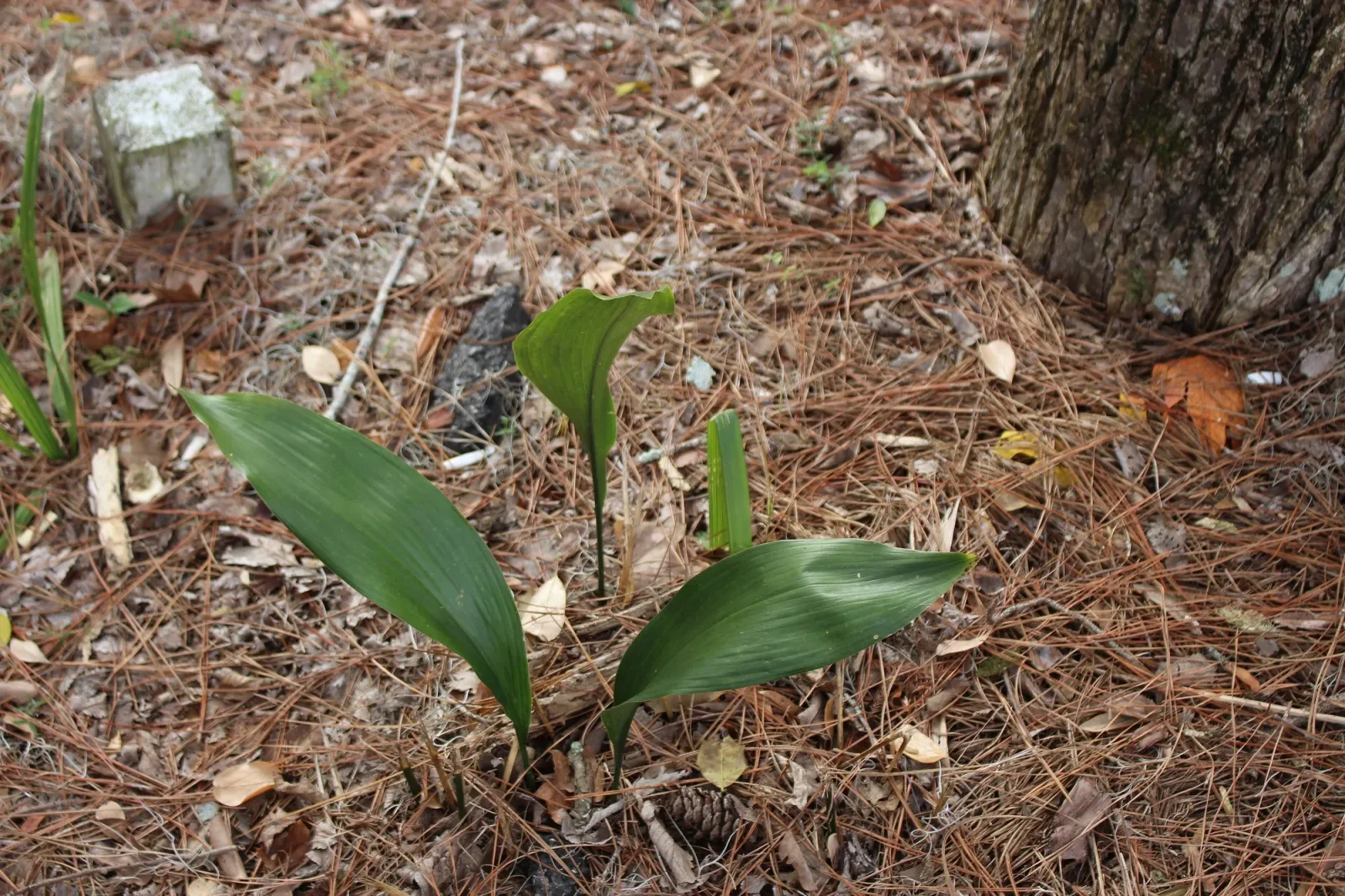
- Light: Low to medium. It is one of the few plants that stays decent in a dim hallway.
- Water: When the top of the mix is dry. It rots if the pot stays wet.
- Size in a pot: About 40–80 cm.
- Pet safety: Listed as non-toxic to dogs and cats by the ASPCA.
- Difficulty: Easy.
- Region note: Indoor in every province and territory. Keep the leaves off cold window glass in a January freeze.
This is the plant to try first if the room is honestly gloomy. It grows slowly, which is a virtue in winter, and it does not demand humidity the way a fern does. The leaves are broad and dark, and a well-grown plant looks like a small shrub in a pot. The drawback is pace: if you want a plant that fills a corner by March, this is not it, and a variegated form will want a little more light than a plain green one. Full care guide →
Chinese evergreen (Aglaonema)
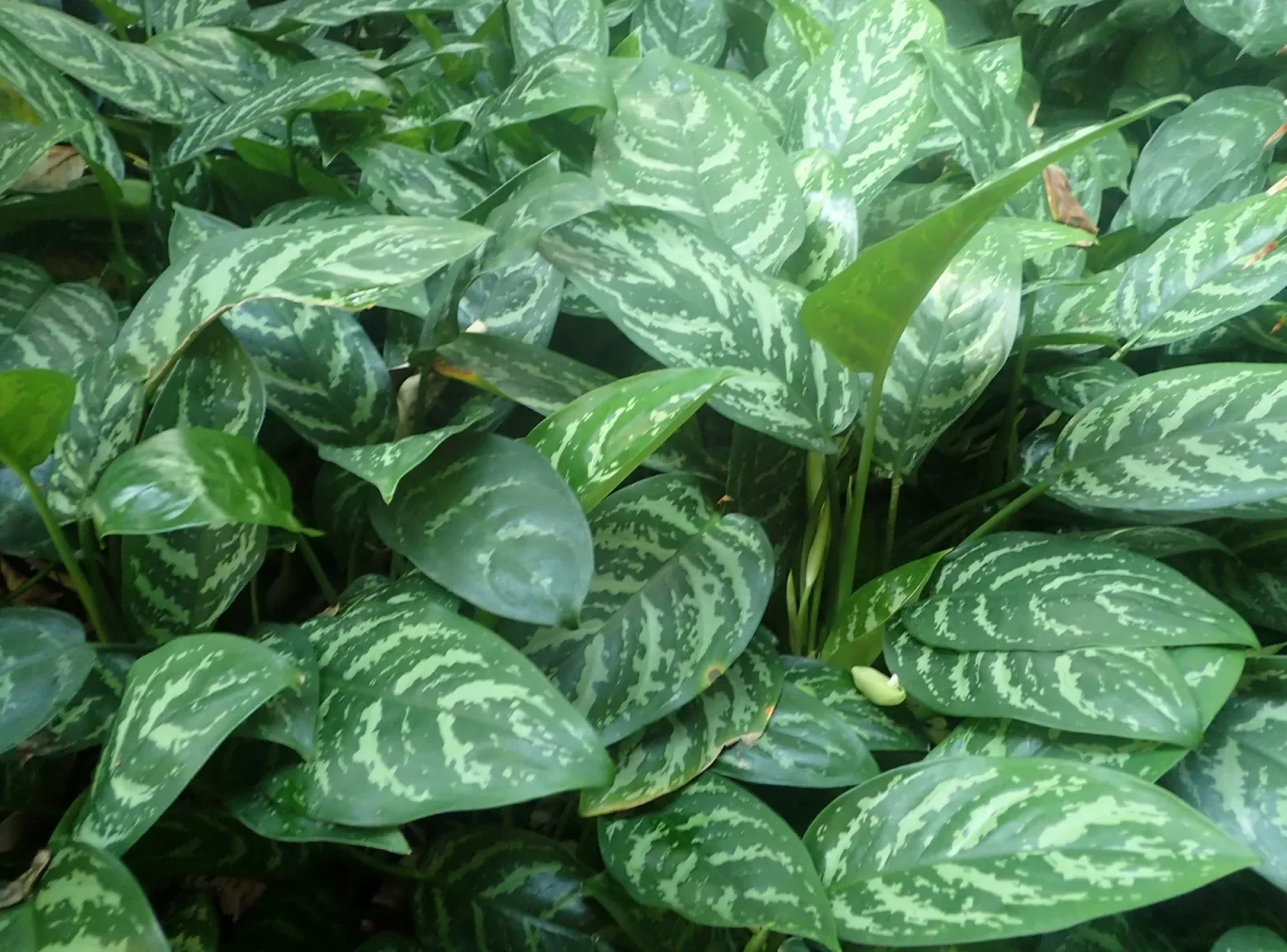
- Light: Low to medium. Darker leaves usually fare better in a north room than cream-heavy types.
- Water: When the top 2–3 cm of mix is dry.
- Size in a pot: About 30–80 cm.
- Pet safety: Listed as toxic to dogs, cats and horses by the ASPCA.
- Difficulty: Easy.
- Region note: Indoor everywhere. A slow, warm room is better than a cold window ledge in Winnipeg or Québec City.
Chinese evergreen is the colourful option in this group. Many types sold in Canadian shops have silver or pink markings, and they stay compact enough for a table or a stand. In midwinter, give it a spot with some daylight, even if that is only a north window, and let the mix dry a little between waterings. The drawback, besides the ASPCA toxicity listing, is that the palest cultivars fade or scorch if you bounce them between a dark corner and a sudden patch of strong sun. Full care guide →
Heartleaf philodendron (Philodendron hederaceum)
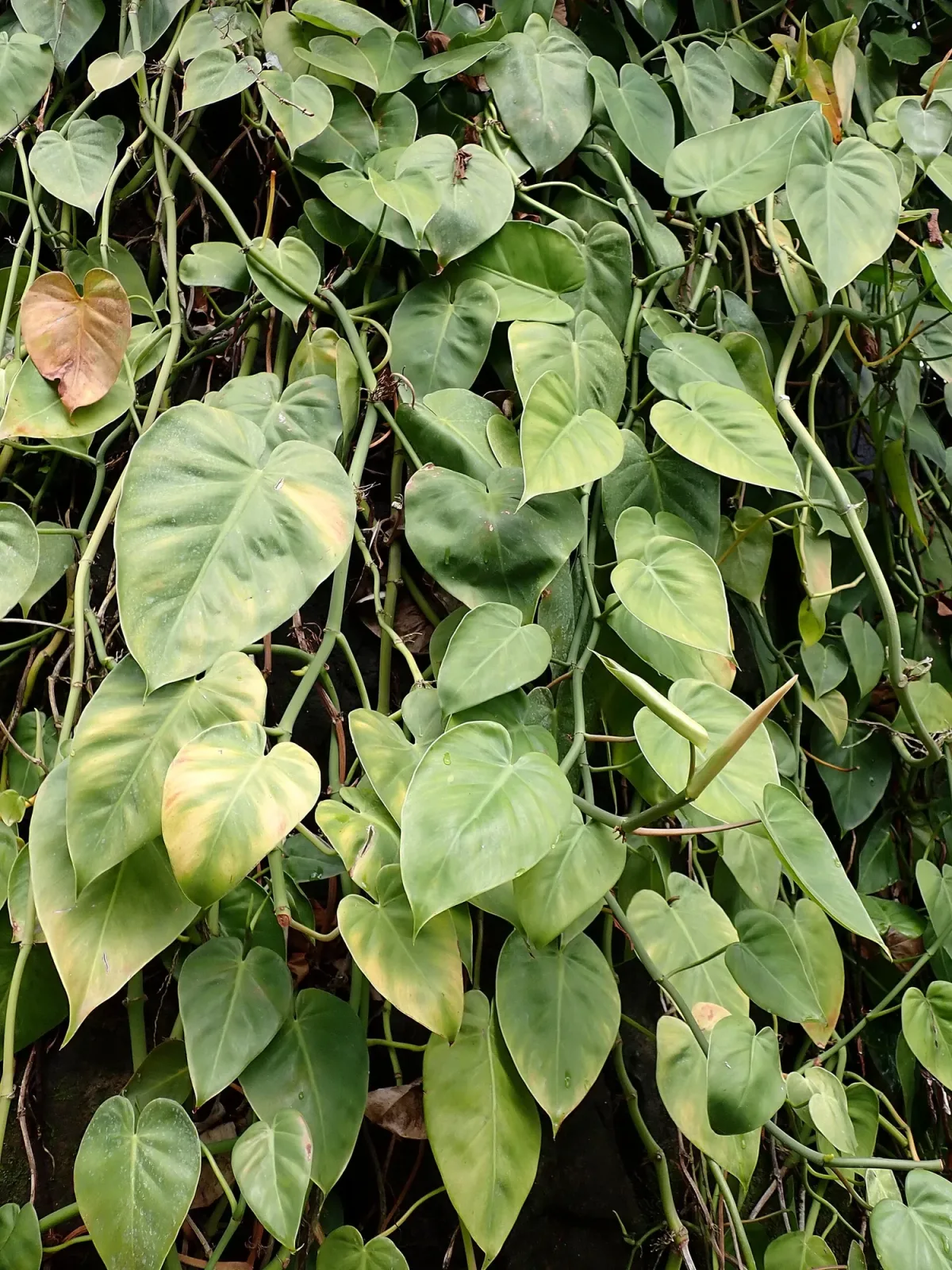
- Light: Low to medium, out of strong midday sun.
- Water: When the top of the mix is dry.
- Size in a pot: A trailing vine, often a metre or more if you let it grow.
- Pet safety: Listed as toxic to dogs, cats and horses by the ASPCA.
- Difficulty: Easy.
- Region note: Indoor everywhere. Growth almost stops in December and January; wet mix then is the usual cause of trouble.
Heartleaf philodendron is the classic trailing plant for a bookcase. It copes with less light than a pothos often will, though it still prefers a little daylight. The cultivar Brasil, with a yellow-green stripe, is the same species; we did not give it its own photo because we could not find a wide enough licensed image, so treat Brasil as a heartleaf with slightly higher light needs if you want the stripe to stay clear. The drawback is the toxicity listing, and the way a pot can sit too wet through a dull Ontario January. Full care guide → A related trailing type, Philodendron Brasil, has its own Canada profile if you already grow that cultivar.
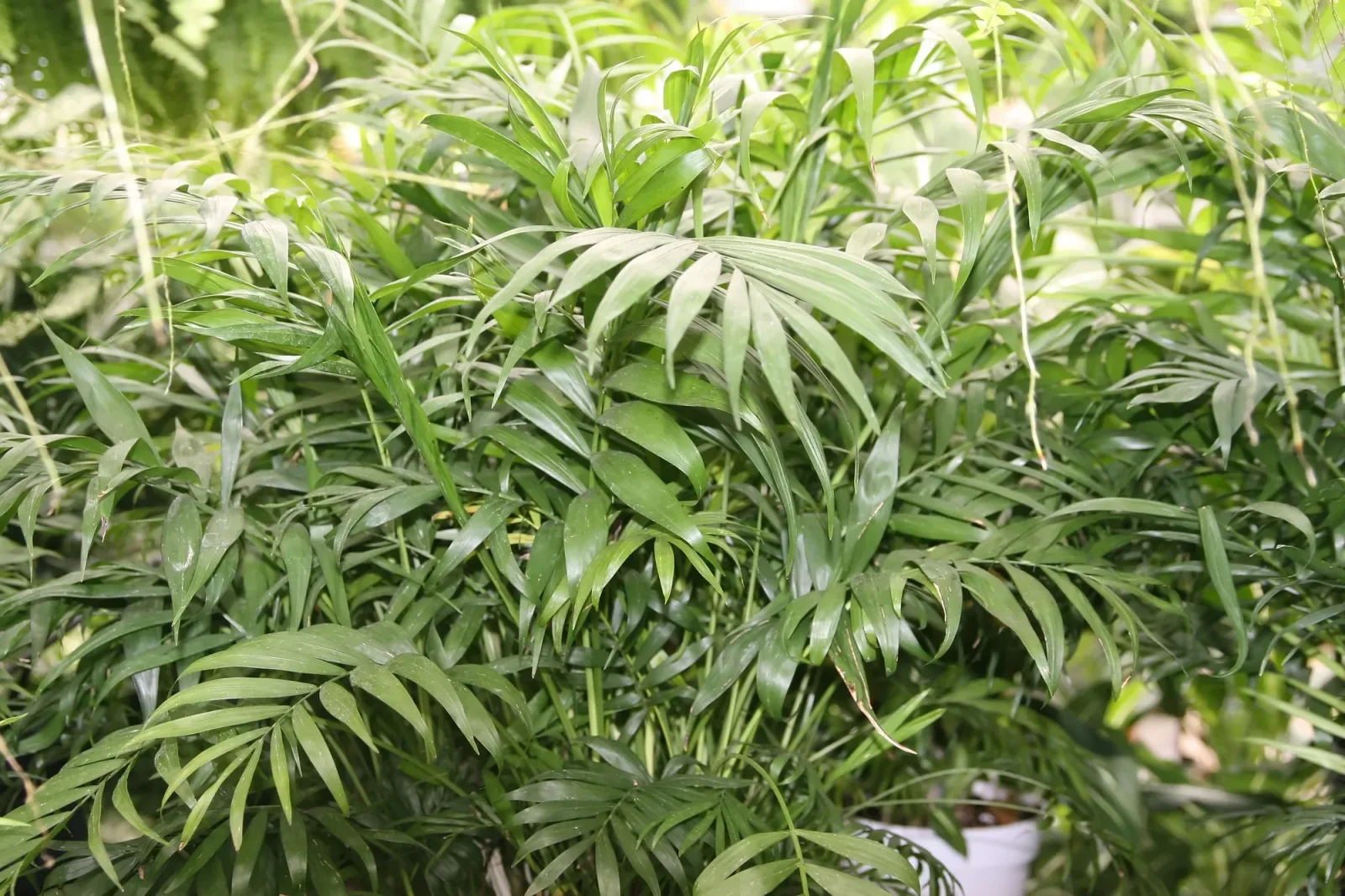
Parlor palm (Chamaedorea elegans)
- Light: Low to medium.
- Water: Keep the mix just moist. It hates sitting in a saucer of water.
- Size in a pot: About 60–150 cm.
- Pet safety: Listed as non-toxic to dogs and cats by the ASPCA.
- Difficulty: Easy to moderate.
- Region note: Indoor everywhere. Dry furnace air browns the tips, especially on the Prairies.
Parlor palm is a small, clumping palm that has been used in dim parlours for a long time, which is how it got the name. It is one of the better palm choices if you also want a plant the ASPCA lists as non-toxic. It will not thrive in a dark stairwell with no daylight at all, but a north living room is a fair home. The drawback is cosmetic: brown tips in a dry Canadian winter are common, and they are usually about air and watering, not a mystery disease. Full care guide →
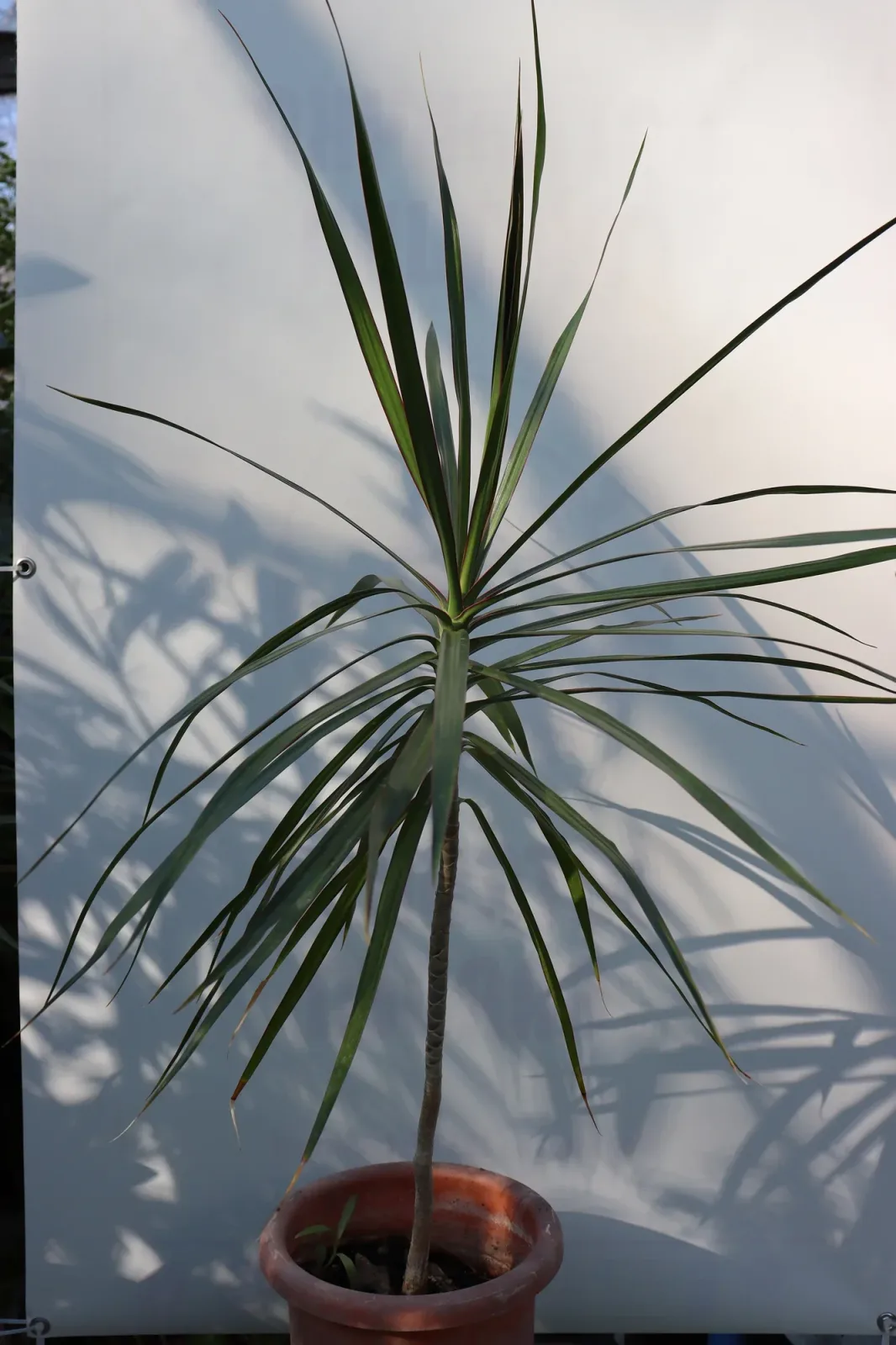
Dracaena marginata (Dracaena reflexa var. angustifolia)
- Light: Medium is better. It tolerates lower light, then grows leggy.
- Water: When the top of the mix is dry.
- Size in a pot: A slim plant that can reach 1–2 m over time.
- Pet safety: Dracaena species are listed as toxic to dogs and cats by the ASPCA.
- Difficulty: Easy, if you accept some stretching in a dark room.
- Region note: Indoor everywhere. Keep canes off a frozen windowpane.
The Madagascar dragon tree is sold as a tough, skinny floor plant, and it does survive in rooms that would disappoint a fig. Survival is not the same as looking its best. In a dim Canadian winter it leans and the gaps between leaves get longer. If you can give it a brighter east window, do that. The drawback, aside from the toxicity listing, is that once it has stretched, you cannot shorten those gaps without cutting the cane. Full care guide →
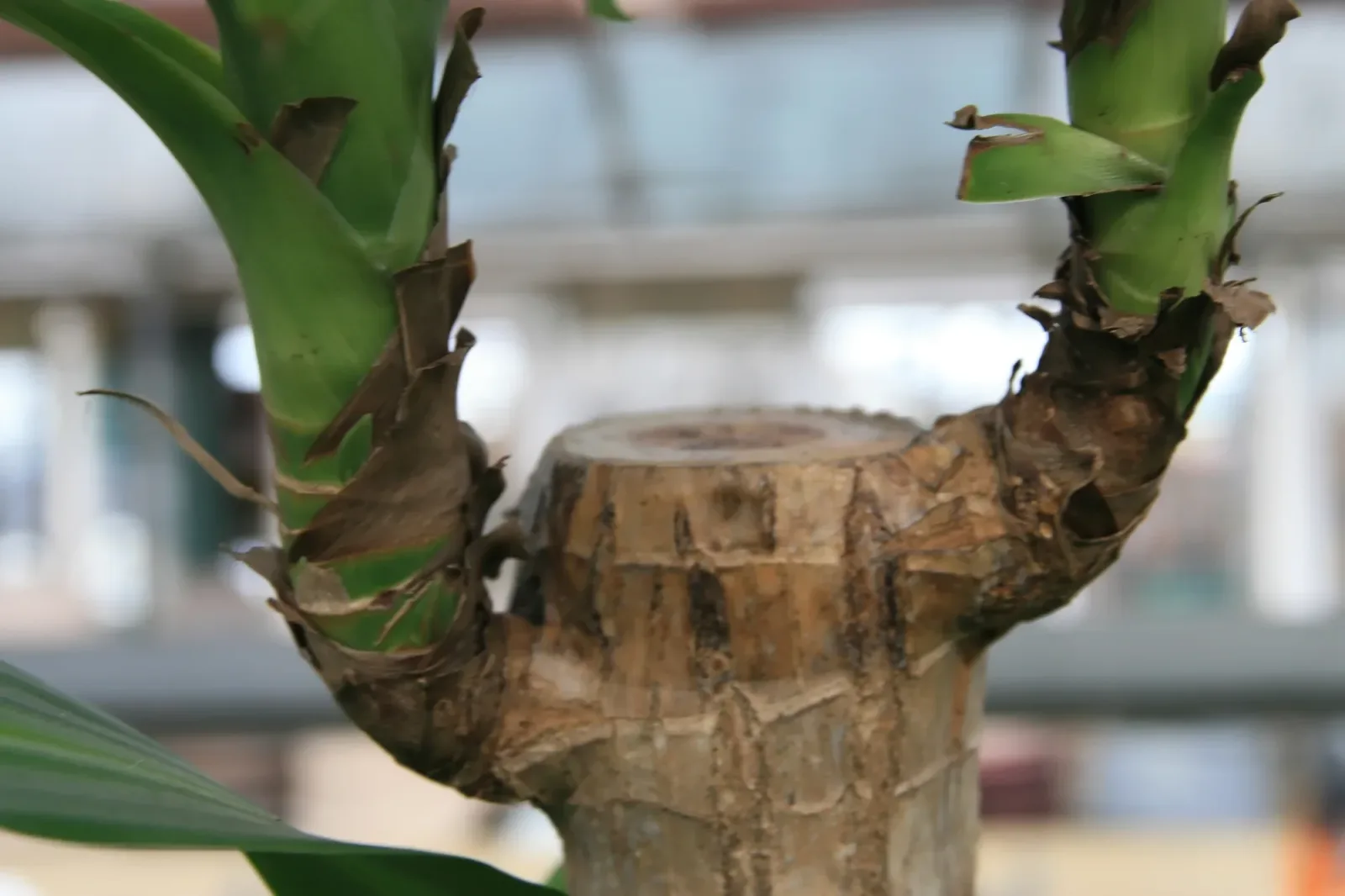
Corn plant (Dracaena fragrans)
- Light: Medium, with some tolerance for lower light.
- Water: When the top of the mix is dry. It is easy to overwater in winter.
- Size in a pot: Often 1–2 m on a cane.
- Pet safety: Listed as toxic to dogs, cats and horses by the ASPCA.
- Difficulty: Easy.
- Region note: Indoor everywhere. The yellow leaf stripe fades if the room is too dark from November to February.
Corn plant is a familiar Canadian living-room cane plant, usually the 'Massangeana' form with a yellow stripe. It copes with less light than people expect, but the stripe is the first thing to dull when days are short. Give it the brightest reasonable spot that is not a hot south window, and let the mix dry a little. The drawback is the same as other dracaenas: the ASPCA lists it as toxic, and a chronically wet pot in a dim room leads to soft canes, not faster growth. Full care guide →
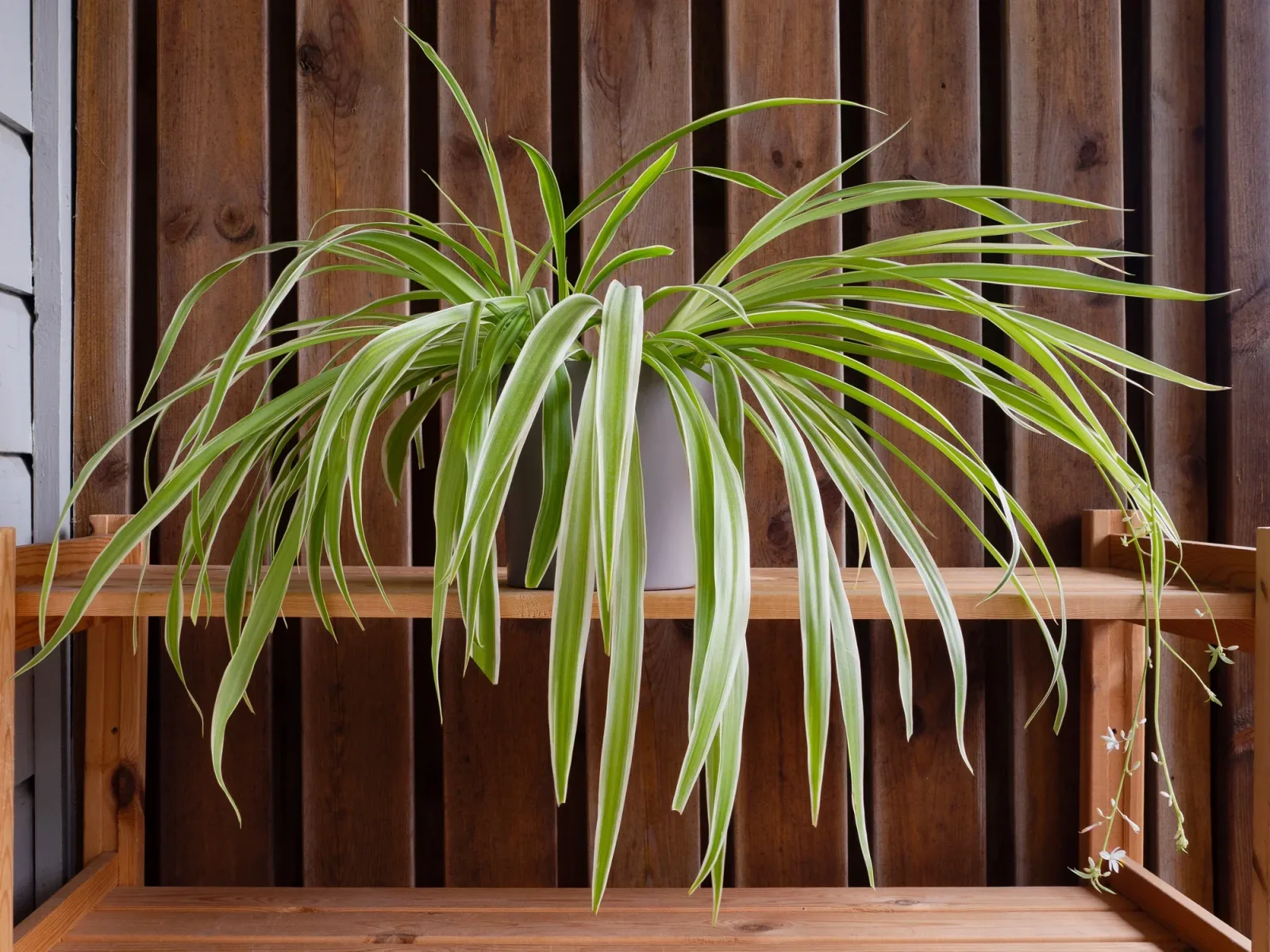
Spider plant (Chlorophytum comosum)
- Light: Medium is ideal. It survives lower light, then produces fewer plantlets.
- Water: When the top of the mix is dry.
- Size in a pot: A 30–50 cm clump, plus hanging stems.
- Pet safety: Listed as non-toxic to dogs and cats by the ASPCA.
- Difficulty: Easy.
- Region note: Indoor everywhere. Brown tips are common in dry winter air and with fluoride-sensitive types; they are not, by themselves, a pest or a disease.
Spider plant is an easy, familiar choice, and the ASPCA lists it as non-toxic, which is why it also appears on our pet-safe list. In a dim Canadian winter it will usually live, but it will make fewer of those hanging plantlets and the leaves may pale. A spot with decent daylight, even a bright north window, is kinder than a back hallway. The drawback is brown tips, which many Canadian growers see every winter and then blame on the wrong thing. Full care guide →
Prayer plant (Maranta leuconeura)
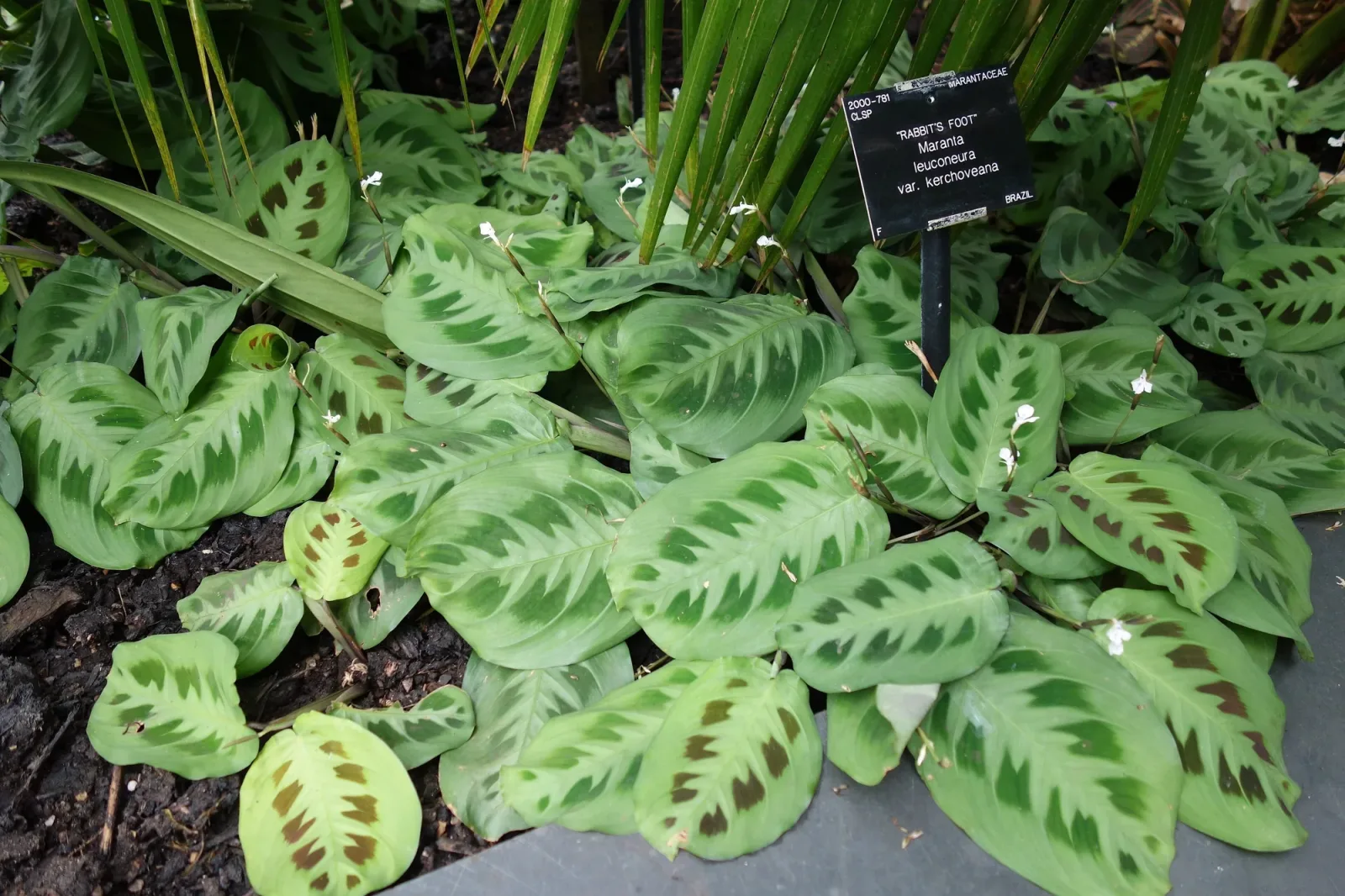
- Light: Medium, indirect. A dim corner mutes the pattern; a hot south window scorches it.
- Water: Evenly moist, never a soggy pot.
- Size in a pot: About 20–40 cm.
- Pet safety: Listed as non-toxic to dogs, cats and horses by the ASPCA. The ASPCA page uses an older name in its scientific field; our profile is Maranta leuconeura.
- Difficulty: Moderate in a dry house.
- Region note: Indoor everywhere. Dry heat and cold drafts both mark the leaves in winter.
Prayer plant is here for the patterned leaves, not because it is the toughest plant in a prairie apartment. It wants gentle light and air that is not blasted by a vent. In that kind of room it is a pleasure through the winter; beside a heater it is a source of brown edges. The drawback is humidity. If you cannot keep it away from dry heat, choose a cast-iron plant or a peperomia instead. Full care guide →
Kentia palm (Howea forsteriana)
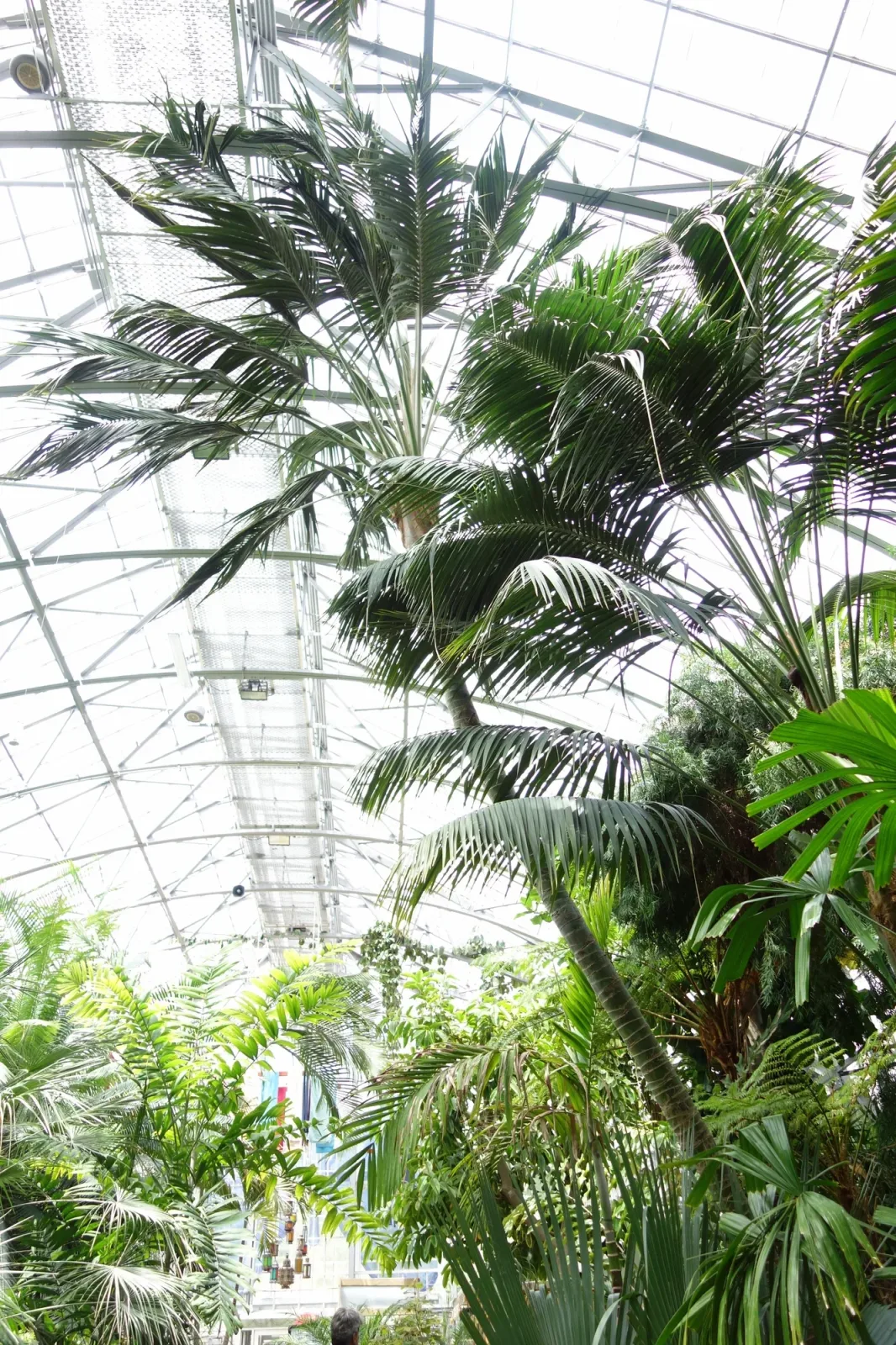
- Light: Low to medium. It is a classic dim-lobby palm.
- Water: When the top of the mix is dry.
- Size in a pot: Slow, eventually 1–3 m.
- Pet safety: Listed as non-toxic to dogs and cats by the ASPCA.
- Difficulty: Moderate, mostly because of size and slow recovery if the roots stay wet.
- Region note: Indoor everywhere. Winter growth is very slow. Dry air and a tight pot are the usual complaints.
Kentia is the large, patient palm for a corner that never gets a south window. It costs more than a parlor palm and grows more slowly, which is the point if you want a plant that will still be in scale in five years. The ASPCA lists it as non-toxic. The drawback is that a cheap, undersized pot and a wet winter watering habit can set it back for a long time, and you will not get a quick recovery in January. Full care guide →
Lady palm (Rhapis excelsa)
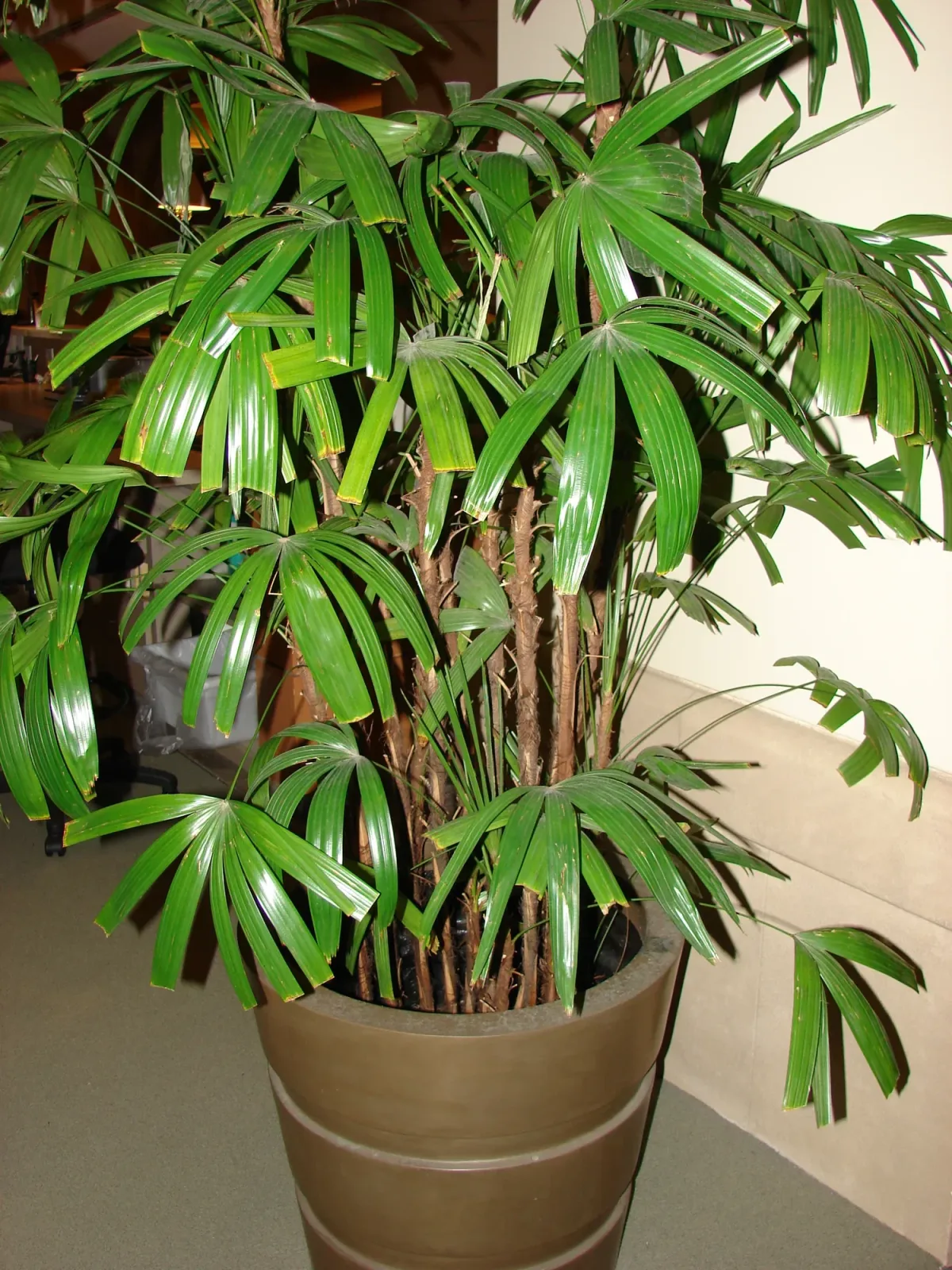
- Light: Low to medium.
- Water: When the top of the mix is dry.
- Size in a pot: About 80–180 cm, clumping.
- Pet safety: Listed as non-toxic to dogs and cats by the ASPCA, under the older scientific name Rhapis flabelliformus.
- Difficulty: Moderate.
- Region note: Indoor everywhere. It usually copes with dry air a little better than a majesty palm, but a heat vent is still a poor neighbour.
Lady palm has stiff, fan-shaped fronds and a clumping habit, so it reads as a denser plant than a kentia of the same height. It is a good hallway or living-room palm where the light is modest. The drawback is dust and brown edges in a very dry prairie house, and the fact that a large plant is awkward to move away from a cold window on a −30 °C night. Full care guide →
Peperomia (Peperomia obtusifolia)
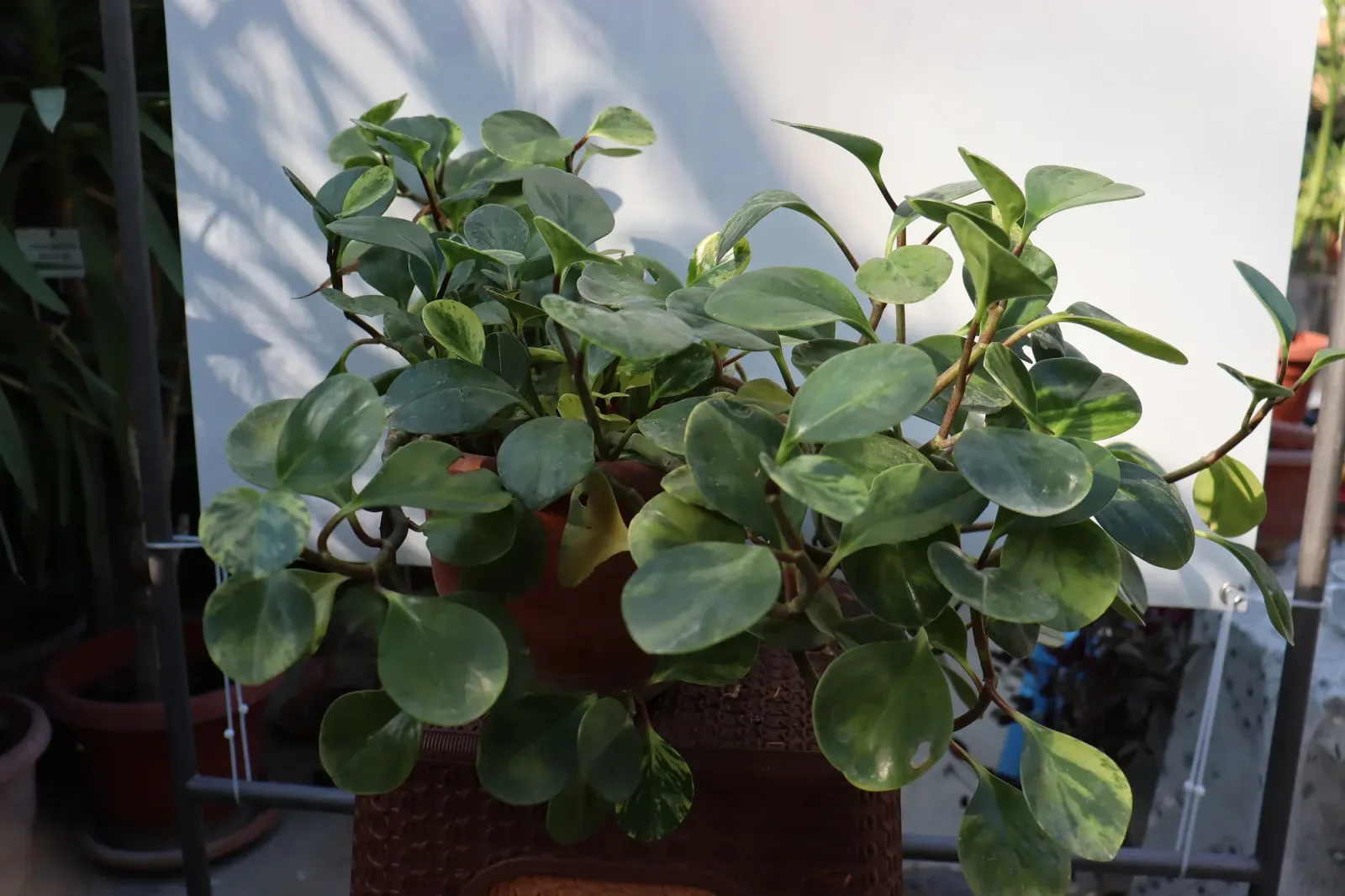
- Light: Medium. Some types tolerate lower light; the thick-leaved baby rubber plant is one of the more forgiving.
- Water: Let the mix dry well down. This is a plant people drown in winter.
- Size in a pot: About 15–30 cm.
- Pet safety: Listed as non-toxic to dogs and cats by the ASPCA as baby rubber plant.
- Difficulty: Easy, if you go easy on the watering can.
- Region note: Indoor everywhere. In a cool, dim room it may need water only occasionally from December to February.
Baby rubber plant is a small, glossy peperomia that suits a desk or a shelf. It is not a deep-shade specialist, but it copes with a modest winter window better than a succulent that wants a south sill. The ASPCA lists this species as non-toxic. The drawback is rot. A kind January watering habit for a fern is too much for this plant. Full care guide →
Haworthia (Haworthiopsis attenuata and related plants)
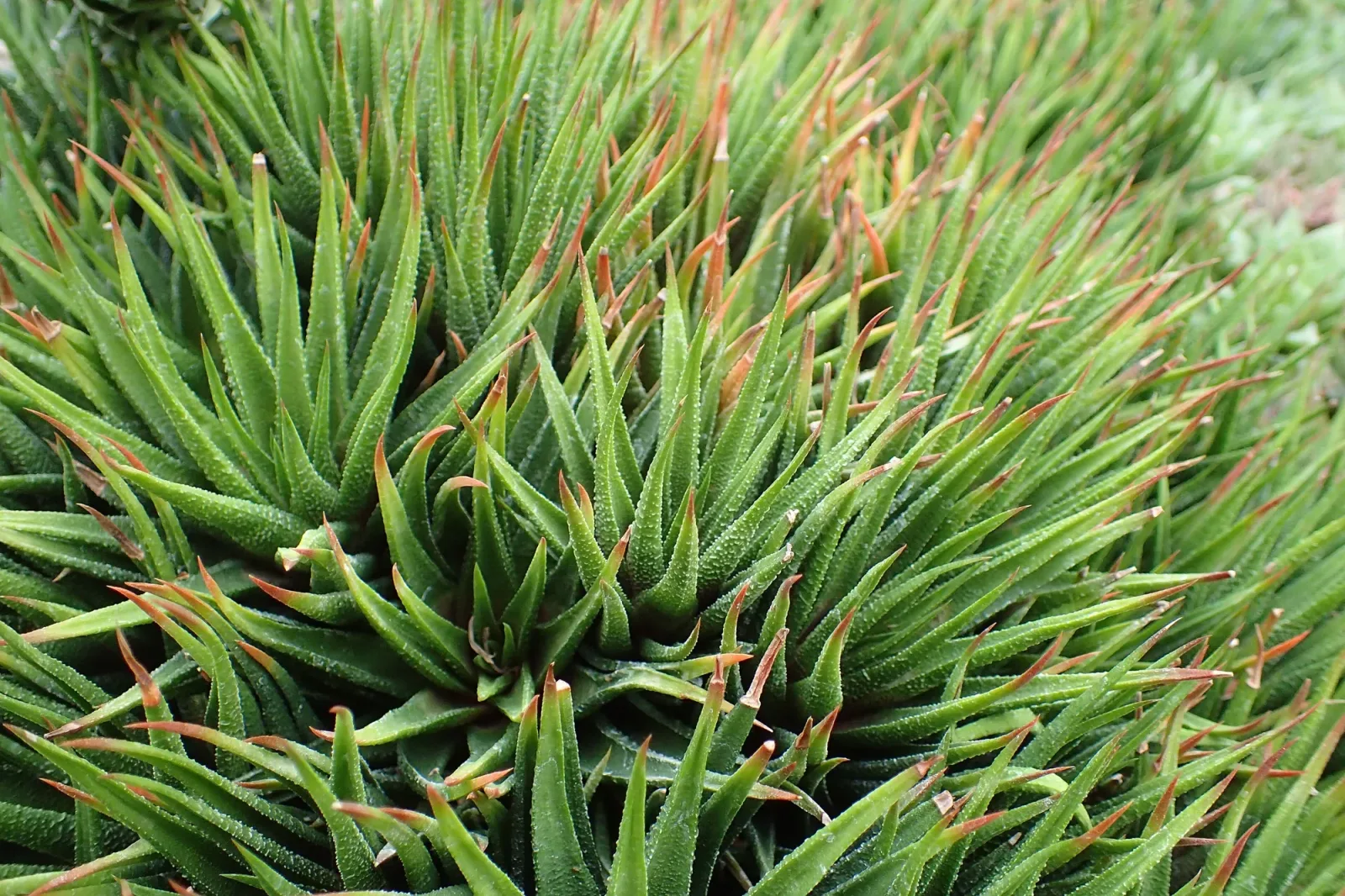
- Light: Bright. It only pretends to be a low-light plant.
- Water: When the mix is dry. Almost no water in a cold, dark month is better than a weekly soak.
- Size in a pot: About 8–15 cm.
- Pet safety: Listed as non-toxic to dogs and cats by the ASPCA.
- Difficulty: Easy on a bright sill; poor in a dark corner.
- Region note: Indoor everywhere. A south or east window in a Canadian winter is a fair home. A north room is not.
Haworthia is on this list because shops often sell it in the same “low light” cluster as a snake plant or a ZZ plant. It will live for a while in a dim room, then it stretches, the rosette opens, and the compact shape is gone. If you want a small plant the ASPCA lists as non-toxic, put it in a bright window and keep the watering light. The drawback is the mismatch between the sales pitch and the light it actually wants. Full care guide →
Philodendron Xanadu (Thaumatophyllum xanadu)
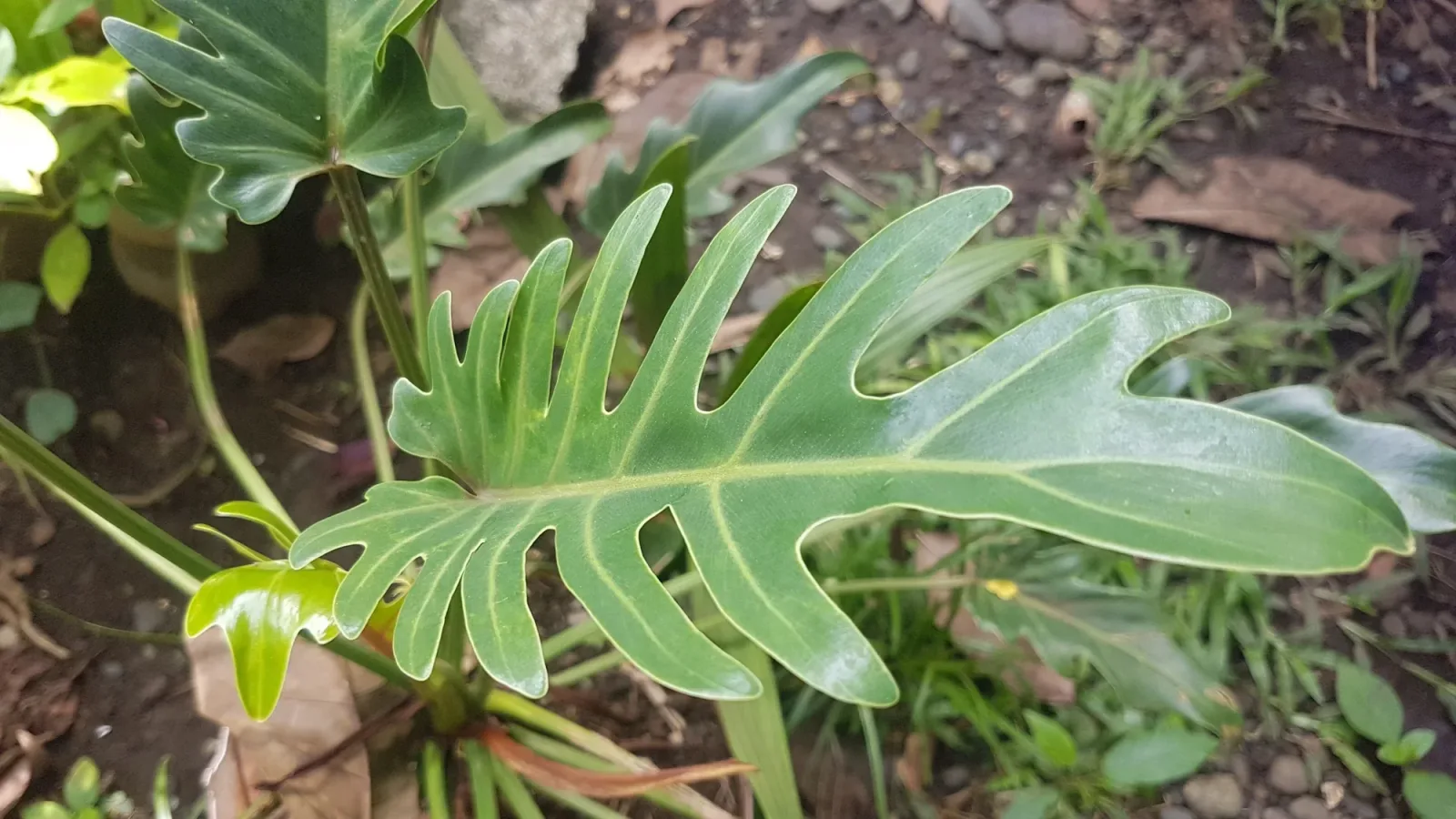
- Light: Medium; it tolerates lower light, then opens up and looks thinner.
- Water: When the top of the mix is dry.
- Size in a pot: A wide, low plant, often 60–120 cm across.
- Pet safety: We did not find a separate ASPCA page under Xanadu or Thaumatophyllum. We are not calling it safe or toxic here.
- Difficulty: Easy to moderate.
- Region note: Indoor everywhere. Growth slows hard in midwinter, so watering should slow with it.
Xanadu is a wide, lobed foliage plant, now placed in Thaumatophyllum rather than Philodendron, though shops still use the old name. It makes a good low floor plant in a room with some daylight, and it is less of a climber than heartleaf. The drawback is winter stall: if you water it like a July plant in a January living room, the stems go soft. Because we could not match it to an ASPCA page under the current name, do not use this entry as a pet-safety decision. Full care guide →
Calathea (Goeppertia / Calathea species)
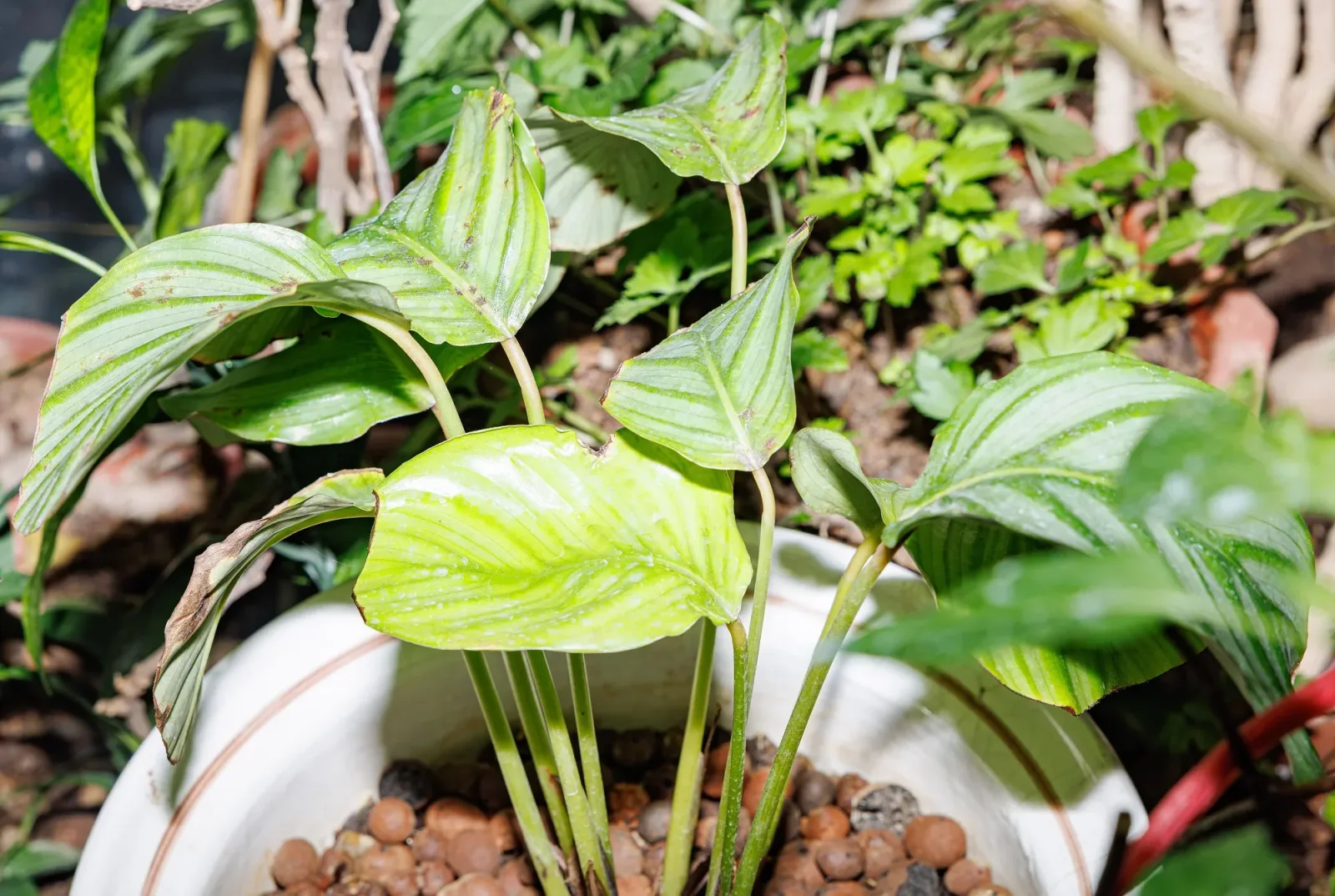
- Light: Medium, indirect. Deep shade fades the pattern; sun burns it.
- Water: Evenly moist, not a wet pot.
- Size in a pot: About 30–80 cm, depending on the species.
- Pet safety: Calathea is listed as non-toxic to dogs, cats and horses by the ASPCA.
- Difficulty: Fussy in a dry Canadian house.
- Region note: Indoor everywhere. Brown edges from November to March are common. See our calathea winter-leaf guide before you assume a disease.
Calathea, including plants now named Goeppertia, is on the list because people want those painted leaves in a room that is not a greenhouse. The ASPCA lists Calathea as non-toxic, which is a genuine advantage. The honest problem is winter indoor air. In a dry apartment in Calgary or a vent-facing room in Ottawa, the leaf edges go brown, and that is usually the room, not a pesticide job. If you cannot move it away from the heat and keep the mix reasonably even, pick a peperomia or a cast-iron plant instead. Full care guide →
Bird's nest fern (Asplenium nidus)
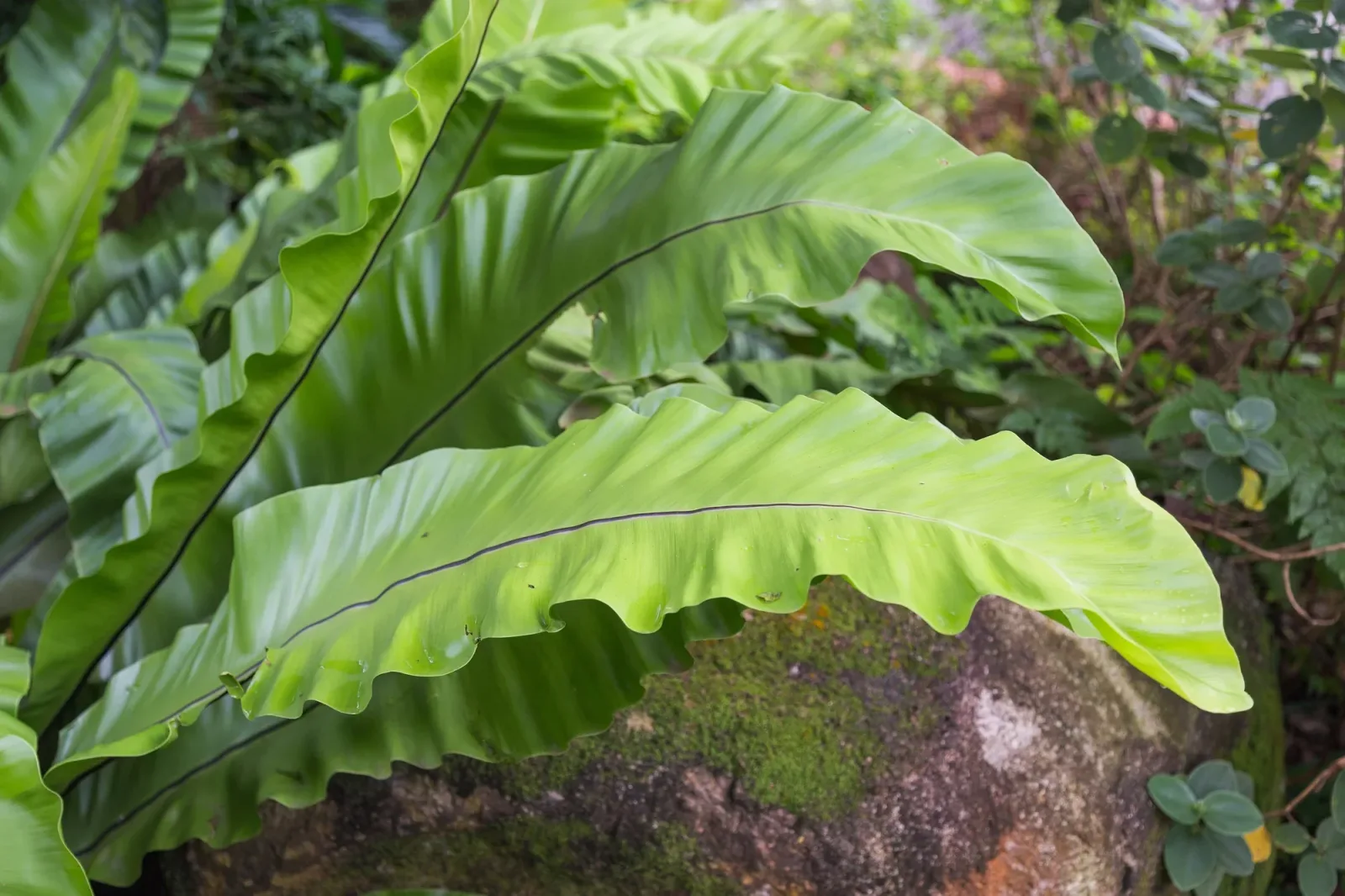
- Light: Low to medium, out of direct sun.
- Water: Evenly moist. Do not pour water into the centre of the nest and leave it there.
- Size in a pot: About 30–60 cm.
- Pet safety: We did not find this species on the ASPCA pages we checked, so we are not calling it safe or toxic.
- Difficulty: Moderate in a dry room.
- Region note: Indoor everywhere. A bathroom with a window, or a kitchen away from a vent, is kinder than a dry living room in January.
Bird's nest fern is a low-light foliage plant with a rosette of broad fronds, and it has a live Canada profile. It is not a desert plant. Dry winter air and water sitting in the crown are the two ways it usually fails. Because we could not find an ASPCA listing, do not use this entry as a pet-safety decision. The drawback is the same as other ferns: a prairie living room with the heat on can be a poor match unless you can keep it away from the vent. Full care guide →
Care that applies to all of them in winter
No houseplant grows in zero light. “Low light” here means a north window, or a room that still gets daylight, not a basement with the blinds down. If a corner is too dark to read in by late afternoon in December, a plant there will stall. A simple grow lamp can help, but this page will not prescribe a brand or a daily dose; follow the lamp's own instructions and keep it far enough from the leaves that they do not heat up.
Water less often than you did in June, and more carefully. Short days and cooler rooms slow roots. Our winter watering guide covers that in more detail, and the cold-window guide explains why a leaf against the glass can suffer on a −20 °C night even when the room feels warm. For potting mix, see potting mix for indoor plants in Canada. We are not giving fertilizer doses here.
How this changes across Canada
On the Prairies, winter days are short and indoor air is often very dry. Cast-iron plant, Chinese evergreen, peperomia and the tougher palms are more realistic than a calathea beside a vent in Regina or Edmonton. A bright, cool room is a gift if you have one.
In Ontario and Québec, apartments with only a north window are common, and that is exactly the setting this list is for. Watch the radiator and the glass more than the calendar. A plant that summered on a balcony needs a gradual move inside, and a check for pests, before the first hard frost.
On the south coast of British Columbia, daylight in December is still limited, but the air indoors is often a little milder. You still cannot treat a basement suite as a greenhouse. For any outdoor wintering, use the Atlas of Canada plant hardiness map; the plants in this article are indoor plants in every province and territory.
Plants we left out and why
- ZZ plant, snake plant, pothos and peace lily. They are the names people expect on a low-light list, but they do not have a Canada plant profile we can link. A /ca URL for those slugs either 404s or sends you to another market, so they stay off this page until a Canada profile is live.
- Philodendron Brasil as its own entry. It is a cultivar of heartleaf, and it has a Canada profile, but we could not find a licensed photo wide enough to use. It is described under heartleaf instead, with a link to its profile.
- Maidenhair fern. It can take lower light, but typical Canadian winter indoor air is a poor match unless you can really look after humidity.
- English ivy. It can grow in lower light, but the ASPCA lists it as toxic, and it is a known invasive concern in parts of British Columbia, so it does not belong on a simple indoor winter shortlist.
Sources
- ASPCA toxic and non-toxic plant lists for cats and dogs, and the individual pages linked above
- GardenOrbit Canada profiles linked from each plant, plus winter watering, cold windows, calathea winter leaves and potting mix
- Natural Resources Canada, Atlas of Canada: Plant hardiness zones of Canada
Updated 15 November 2026 (IST): new guide. No named reviewer is listed, pending confirmation of real reviewers.


Comments
No comments yet — share what worked in your climate.