
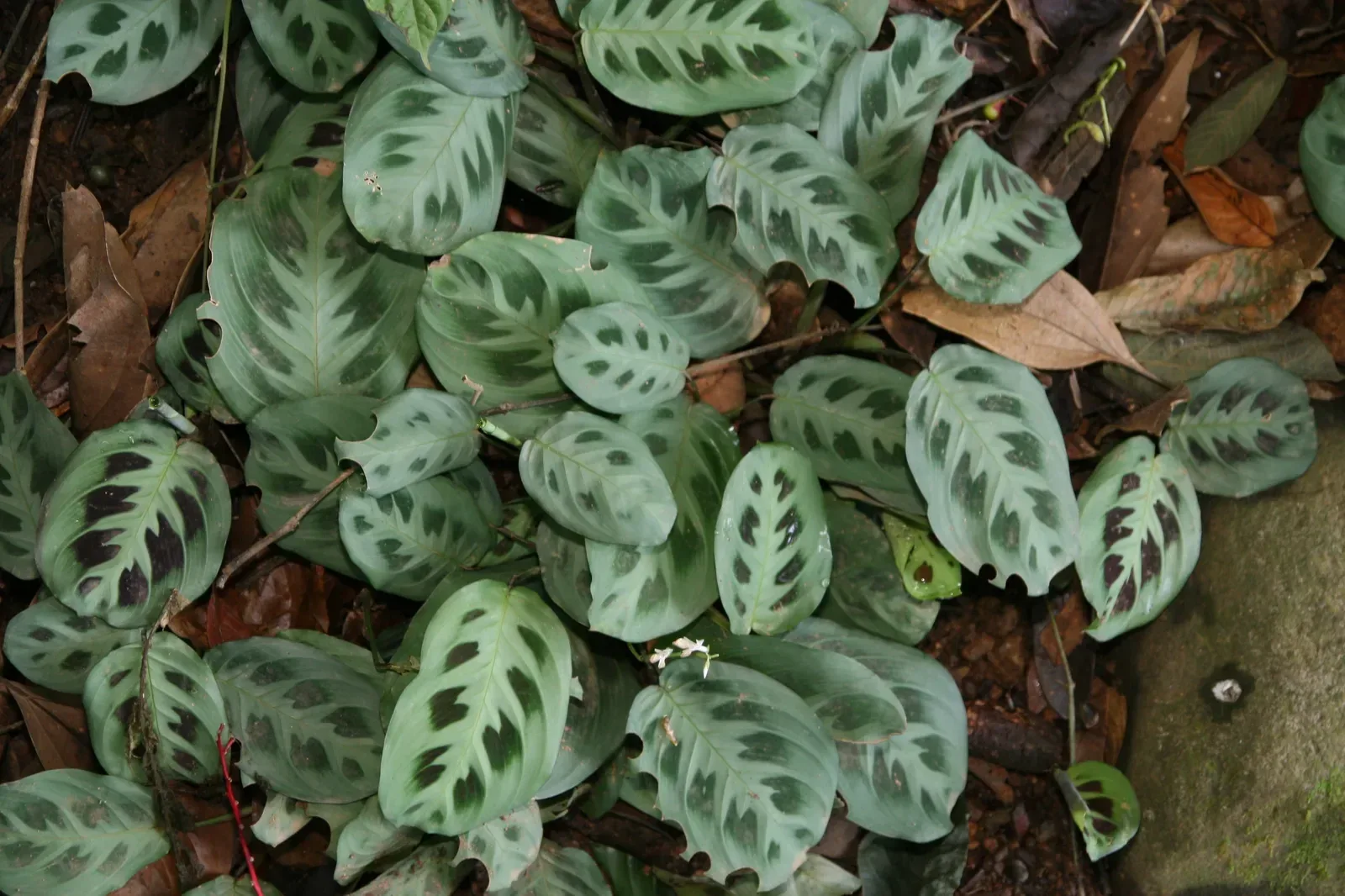
| ☀️ Light | Medium light |
|---|---|
| 💧 Water | Moderate (lightly moist) |
| 🪴 Soil | Peat- or coco-based indoor mix with perlite |
| 🌡️ Temp | 18°C – 27°C |
| 🐾 Safety | Cats: non-toxic · Dogs: non-toxic (ASPCA Animal Poison Control) |
| 📏 Mature size | 30 cm |
Where It Grows & Climate Tolerance
Pet & Companion Animal Toxicity (Prayer Plant)
Leaves fold up at night; pet-safe Maranta for medium light and humid corners of Canadian homes.
Care instructions
Care Guide & Maintenance Routine
Medium light, evenly moist soil, soft water, humidity above 50%.
Light & Sunlight
Medium indirect. Direct sun bleaches leaves.
Watering Schedule
Keep evenly moist; never soggy. Filtered water helps tips.
Potting Mix & Drainage
Peat- or coco-based indoor mix with perlite
Temperature & Humidity
Above 16 C; no cold drafts.
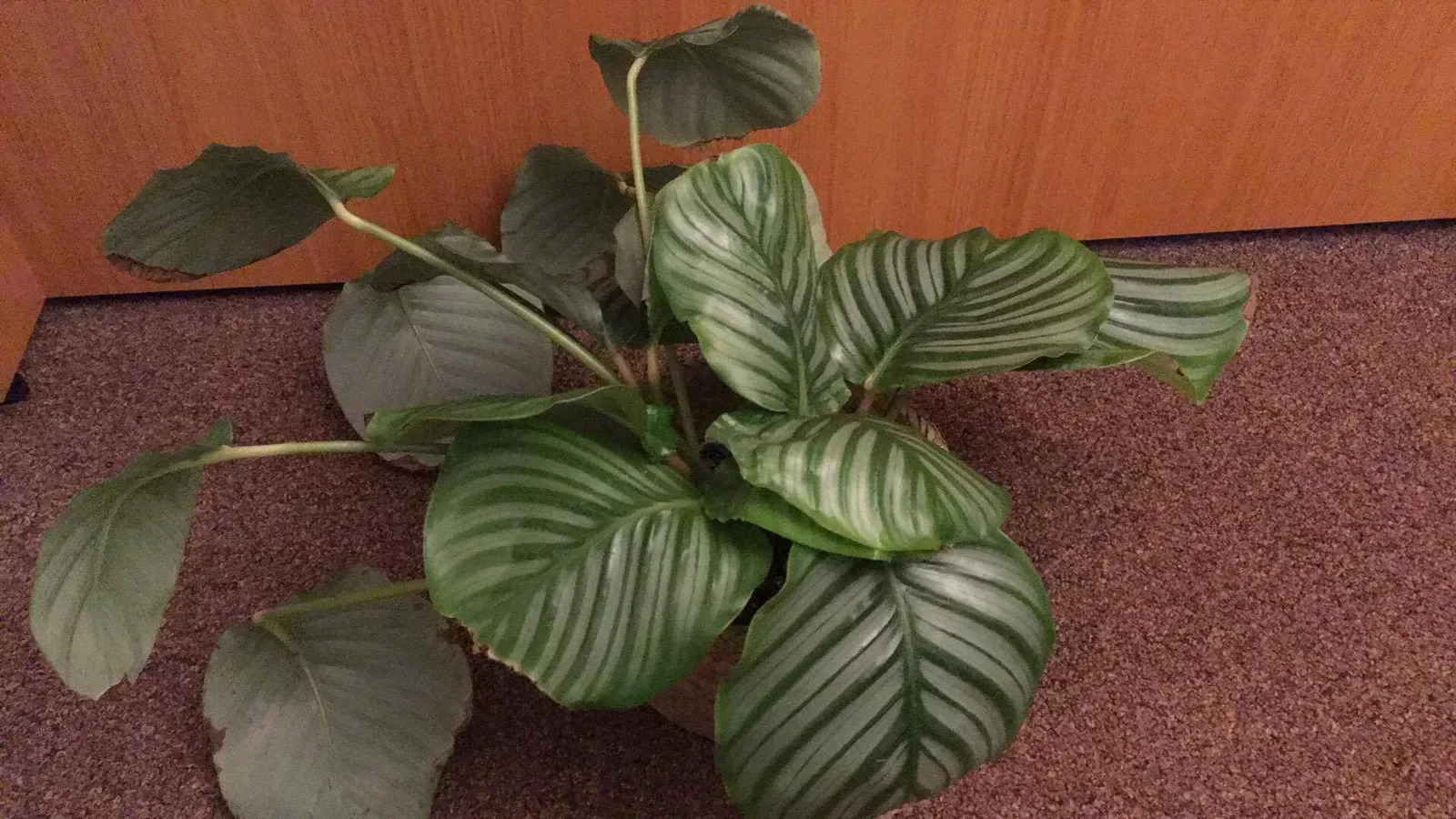
The prayer plant lifts its leaves at night like hands folding, which makes it a favourite on Canadian shelves.
Give medium indirect light and keep the mix evenly moist. Use filtered or rain water if your tap water is hard — tips brown fast from minerals. Direct sun bleaches the red veins.
Humidity matters most in Canadian winters. A pebble tray, humidifier or a bright bathroom helps. Keep the plant warm and away from cold windows. Trim leggy stems and root them in water.
Maranta is pet-safe per the ASPCA, which makes it a good choice for cat owners. If leaves curl, check soil moisture first, then humidity. A small, steady routine keeps this plant colourful through dark months.
Maranta is a strong pet-safe pick for Canadian cat owners who still want patterned leaves. Soft water matters — many municipal supplies leave brown tips. A jug of filtered water kept for houseplants solves that. Group it with calatheas on a pebble tray when the furnace runs.
Leaves that stay tightly curled by day usually need water or higher humidity. Direct sun through south glass in March can bleach the red veins quickly. Stem cuttings root in water on a warm shelf. With medium light and soft water, prayer plants keep their nightly fold through long winters.
If you see webbing, treat for mites at once — dry Canadian winters favour them on Maranta. Rinse foliage and raise humidity. Soft water and medium light remain the base recipe. Cuttings in water show roots clearly; pot them up before roots grow overly long and fragile.
Seasonal rhythm
Seasonal Calendar
A month-by-month calendar for Prayer Plant in Canada is coming soon. See the light, water and temperature notes above.
Diagnostics
Common Problems & Troubleshooting
Brown edges (dry air/tap water); curled leaves (thirst); pale leaves (too much sun).
Pests & seasonal watch: Spider mites in dry air.
- Yellow leaves — Leaves fade from green to yellow, often starting at the bottom.
- Brown tips — Leaf tips and edges turn dry, brown and papery.
- Drooping — Stems and leaves hang limp even though the plant was recently fine.
- Spider mites — Fine webbing and pale speckled leaves, worse in dry heated rooms.
- Sun scorch — Bleached or crispy patches on the side that faces strong sun.
Care encyclopedia · 3 guides
Guides & Articles for Prayer Plant
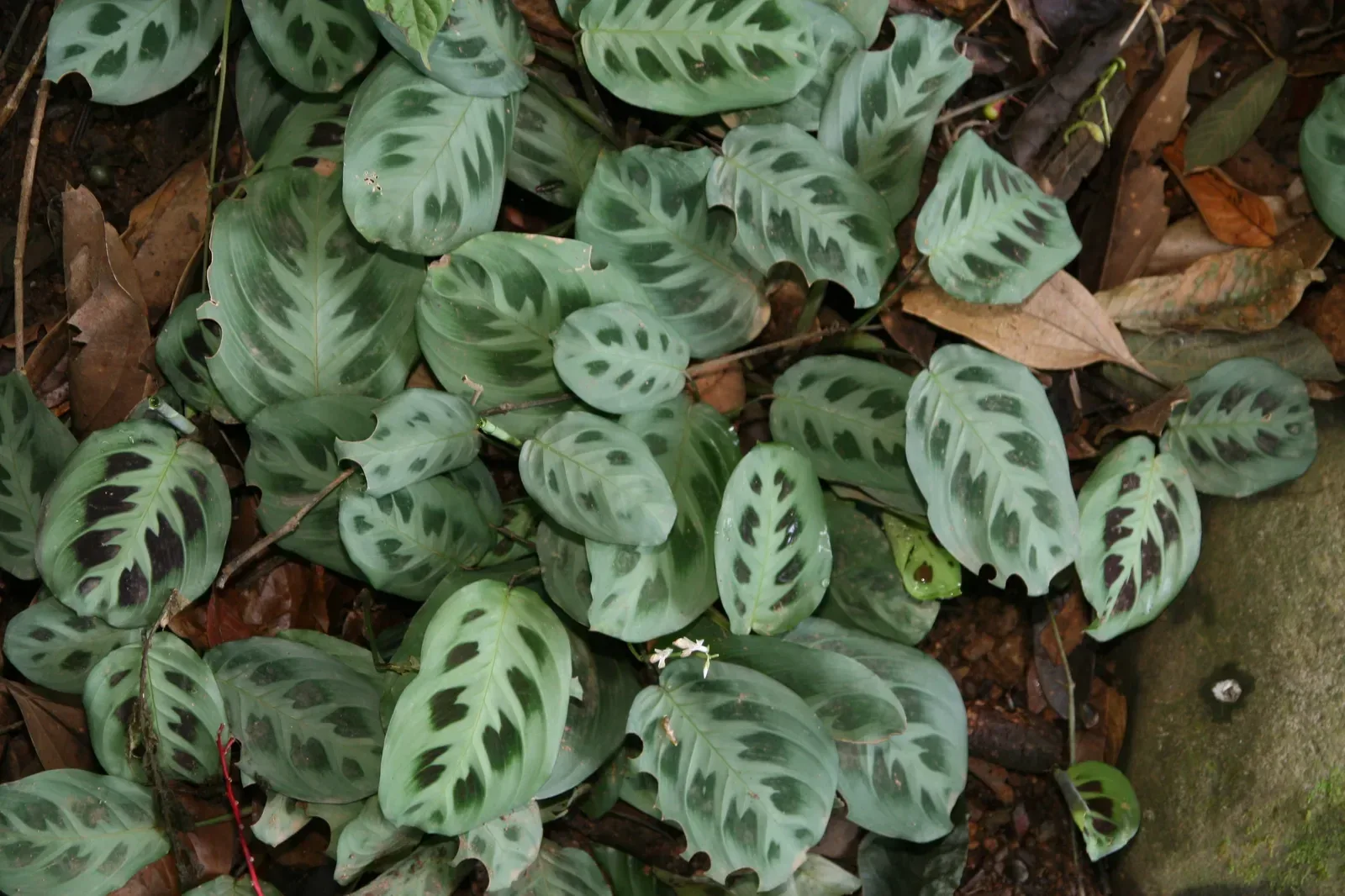
Prayer Plant Care Guide for Canada
A practical Canadian guide to prayer plant, with seasonal care, common problems, propagation and buying checks.
Read guide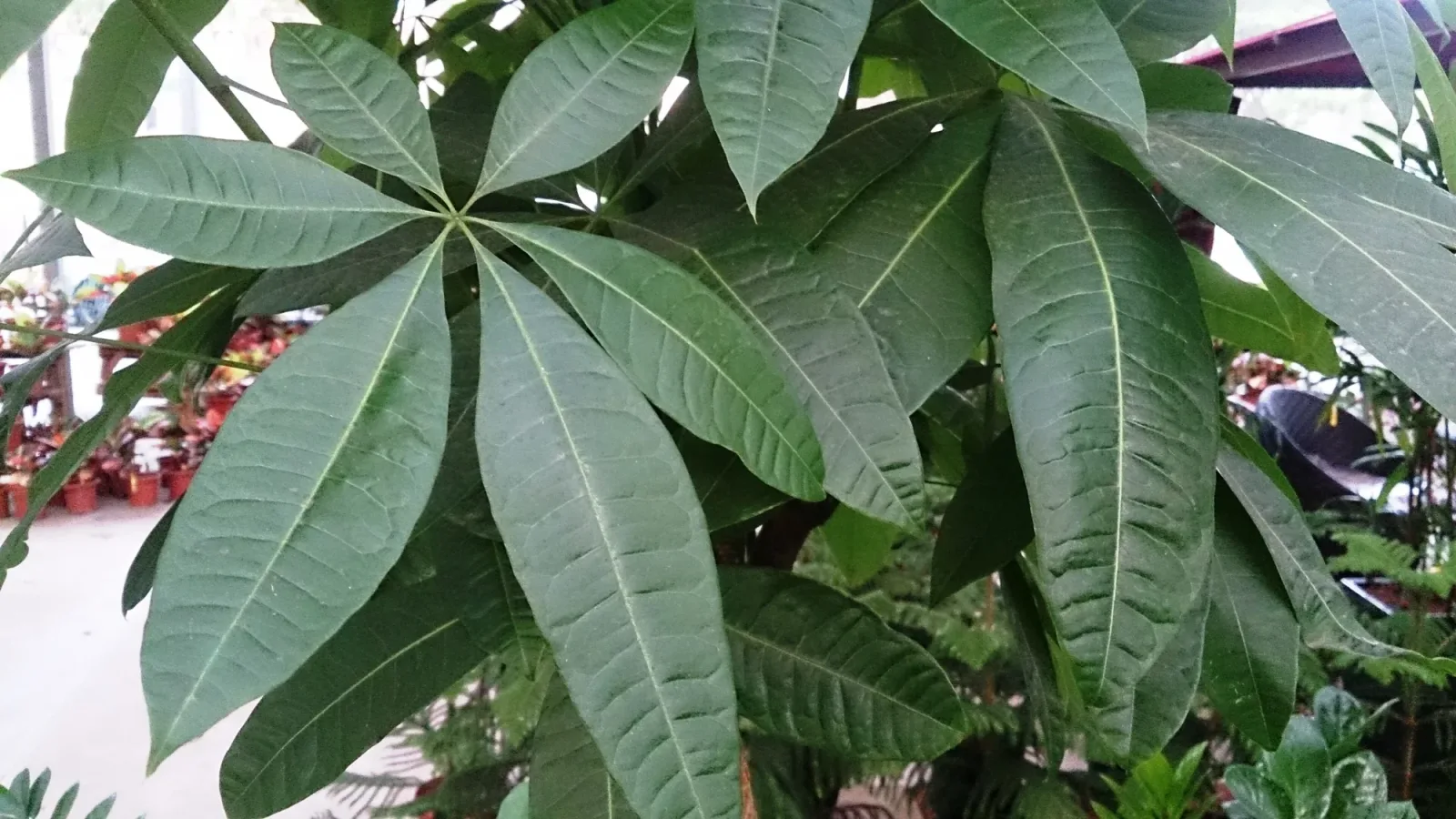
14 Pet-Safe Houseplants for Canadian Homes With Cats and Dogs
A spider plant, a parlor palm or a Christmas cactus is a solid start if you want houseplants in a home with cats or dogs. All fourteen plants below have a Canada profile and an ASPCA non-toxic listing. That is not the same as safe to eat.
Read guide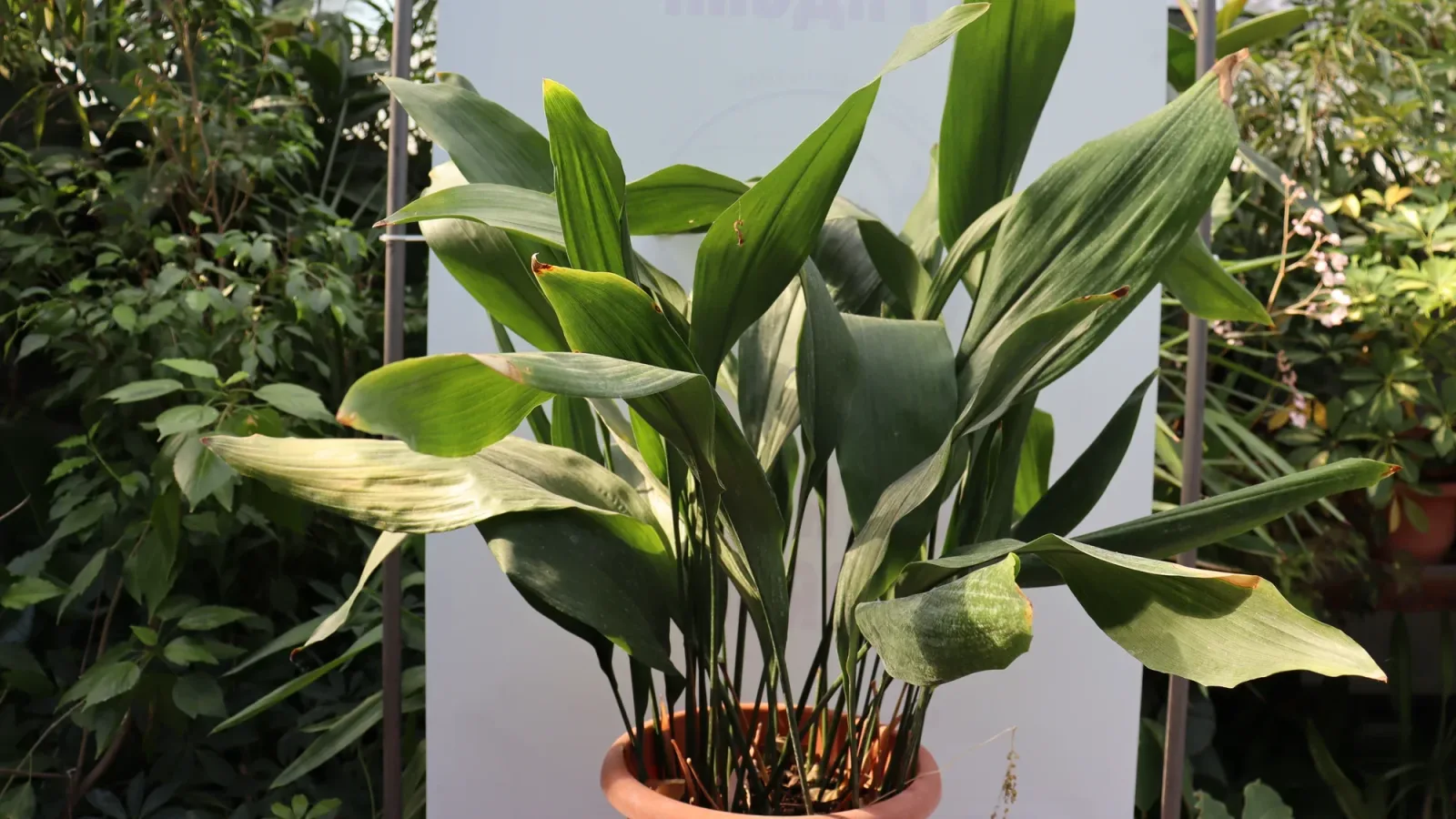
15 Low-Light Houseplants for Dim Canadian Winters
A cast-iron plant, a Chinese evergreen or a parlor palm is a realistic start in a dim Canadian winter room. Here are 15 plants with live Canada profiles, plus an honest note on a few that only pretend to like the dark.
Read guideQ&A
Frequently Asked Questions
Why does it fold its leaves?
It is a natural daily rhythm — leaves lift at night and lower by day.
Is it safe for cats?
Yes. Maranta is listed as non-toxic by the ASPCA.
Why are tips brown?
Dry air or minerals in tap water.
Can it hang?
Yes; it trails nicely in a hanging pot.
Similar Botanical Matches
Keep exploring
Related plants
Grower field notes
Reader Field Notes in Canada
Share how this plant performs in your local Canada climate.