
| ☀️ Light | Medium light |
|---|---|
| 💧 Water | Moderate (lightly moist) |
| 🪴 Soil | Rich, moist, organic |
| 🌡️ Temp | -35°C – 28°C |
| 🐾 Safety | Cats: non-toxic · Dogs: non-toxic (ASPCA Animal Poison Control) |
| 📏 Mature size | 70 cm |
Where It Grows & Climate Tolerance
Pet & Companion Animal Toxicity (Astilbe)
Shade perennial with feathery plumes; needs steady moisture in Canadian summers.
Care instructions
Care Guide & Maintenance Routine
Part shade, never let soil bake dry, mulch, divide every 3–4 years.
Light & Sunlight
Morning sun or dappled shade.
Watering Schedule
High — consistent moisture.
Potting Mix & Drainage
Rich, moist, organic
Temperature & Humidity
Zone 3 hardy.
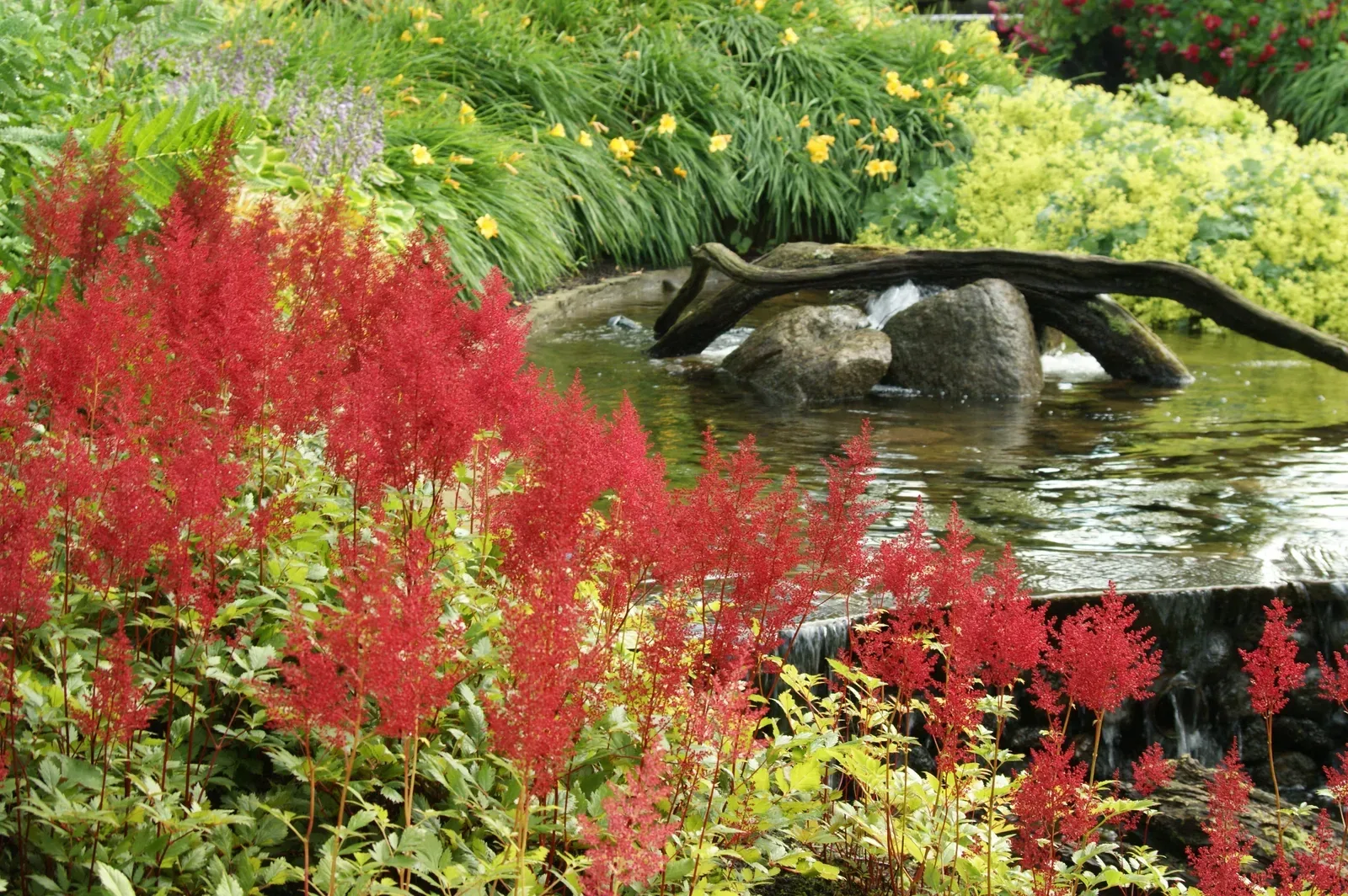
Astilbe brings feathery plumes to shady Canadian borders where many flowers fail.
Part shade and rich, moist soil are required. Mulch heavily and water in dry spells or leaves crisp.
Divide every few years in spring. Leave dried plumes for texture or cut after bloom.
Zone 3 hardy. Pair with hostas and ferns for a classic Canadian shade bed.
Astilbe is the test of whether a Canadian shade bed stays moist. Mulch and soaker hoses beat daily sprinkling. Morning sun with wet soil can work; hot afternoon sun without water will crisp foliage by August.
Divide in spring when clumps lift easily. Dried plumes add winter interest if left standing. Zone 3 hardy and generally pet-safer than many shade flowers, though chewing is still discouraged. Rich compost each spring replaces fertilizer for most home beds.
Canadian shade beds under maples dry out in high summer even when spring felt wet — check astilbe with a finger before you assume rainfall was enough. Soaker hoses on a timer through July save foliage. Colour ranges from white through pink to deep red; taller types need the back of the border. After frost, cut browned foliage and compost it. New eyes appear at the crown in spring; that is the moment to divide with a sharp spade and replant at the same depth.
Seasonal rhythm
Seasonal Calendar
A month-by-month calendar for Astilbe in Canada is coming soon. See the light, water and temperature notes above.
Diagnostics
Common Problems & Troubleshooting
Crispy leaves (dry soil); weak bloom (deep shade/need divide).
Pests & seasonal watch: Few.
Care encyclopedia · 2 guides
Guides & Articles for Astilbe
Astilbe Care Guide for Canada
A practical Canadian guide to growing astilbe, covering moist soil needs, partial shade placement, seasonal bloom care, and cold-hardy winter management.
Read guide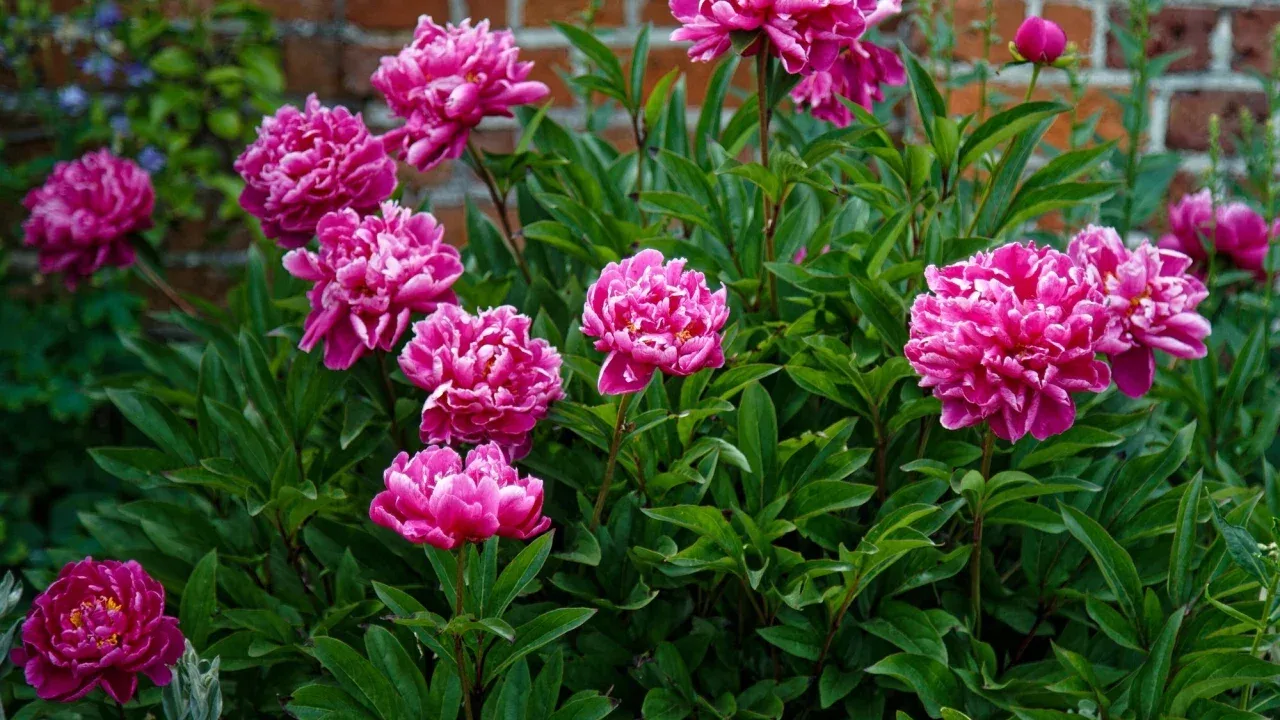
Top 10 Hardy Perennials for Zone 3–4 Prairie Gardens
Prairie winters, chinooks and dry wind kill many perennials sold in Canadian stores. These 10 are rated zone 3 or colder on Canada's hardiness scale, and most are rated zone 2, so they return reliably in zone 3–4 gardens.
Read guideQ&A
Frequently Asked Questions
Why crispy leaves?
The soil dried out; astilbe needs steady moisture.
Sun or shade?
Part shade is safest.
How hardy?
Astilbe is typically hardy to Zone 3.
When to divide?
Divide every 3–4 years in spring.
Similar Botanical Matches
Keep exploring
Related plants
Grower field notes
Reader Field Notes in Canada
Share how this plant performs in your local Canada climate.