
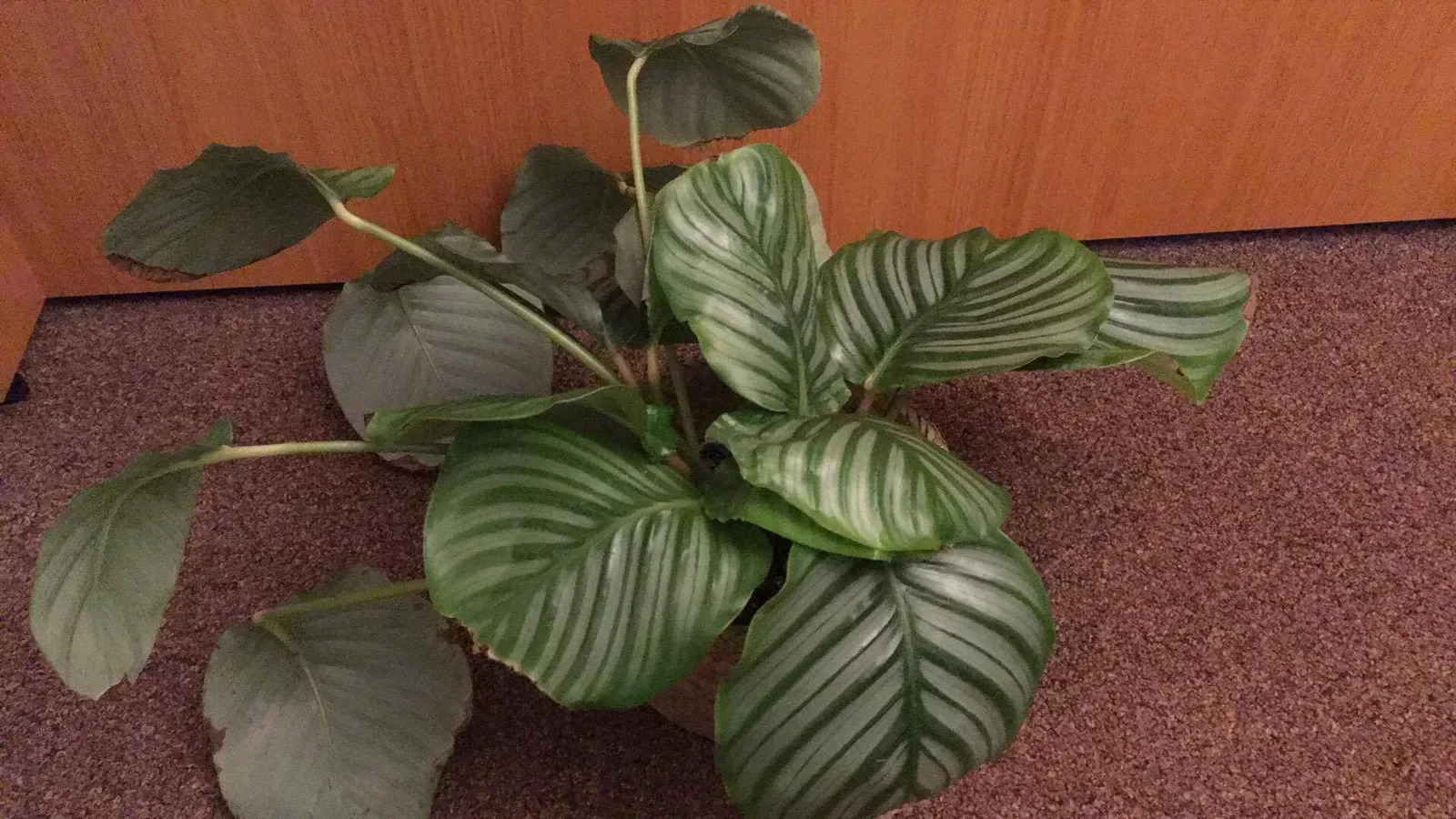
| ☀️ Light | Medium light |
|---|---|
| 💧 Water | Moderate (lightly moist) |
| 🪴 Soil | Light indoor mix with coco coir and perlite |
| 🌡️ Temp | 18°C – 26°C |
| 🐾 Safety | Cats: non-toxic · Dogs: non-toxic (ASPCA Animal Poison Control) |
| 📏 Mature size | 60 cm |
Where It Grows & Climate Tolerance
Pet & Companion Animal Toxicity (Calathea)
Patterned prayer-plant relative that likes medium light and higher humidity — a pet-safe pick for Canadian apartments.
Care instructions
Care Guide & Maintenance Routine
Medium indirect light, keep soil lightly moist with soft water, raise humidity above 50% in winter.
Light & Sunlight
East window or filtered south light. No harsh midday sun.
Watering Schedule
Keep evenly moist. Prefer filtered or rain water. Reduce slightly in winter; never bone dry.
Potting Mix & Drainage
Light indoor mix with coco coir and perlite
Temperature & Humidity
Keep above 16 C. Avoid cold drafts and heating vents.
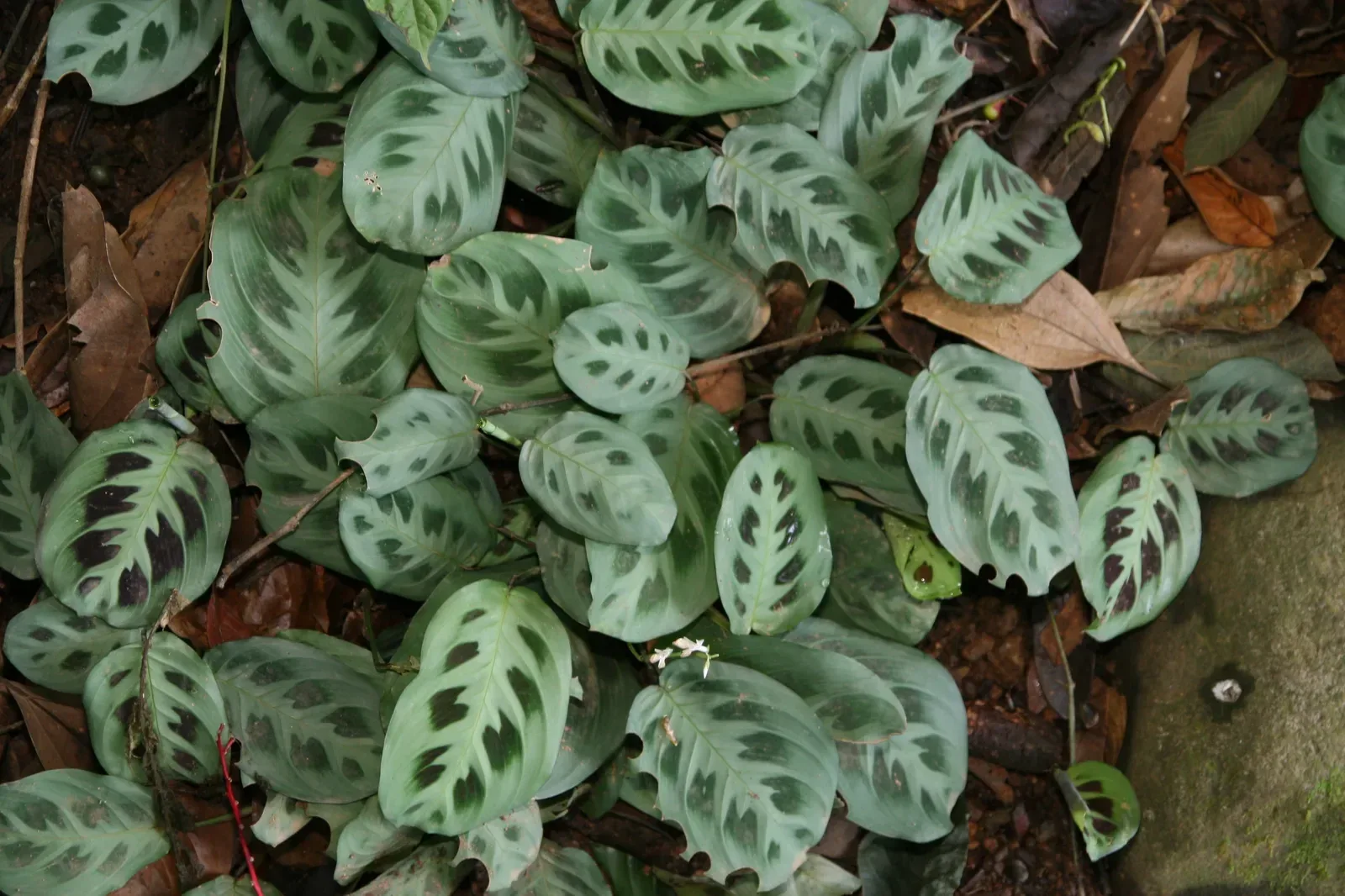
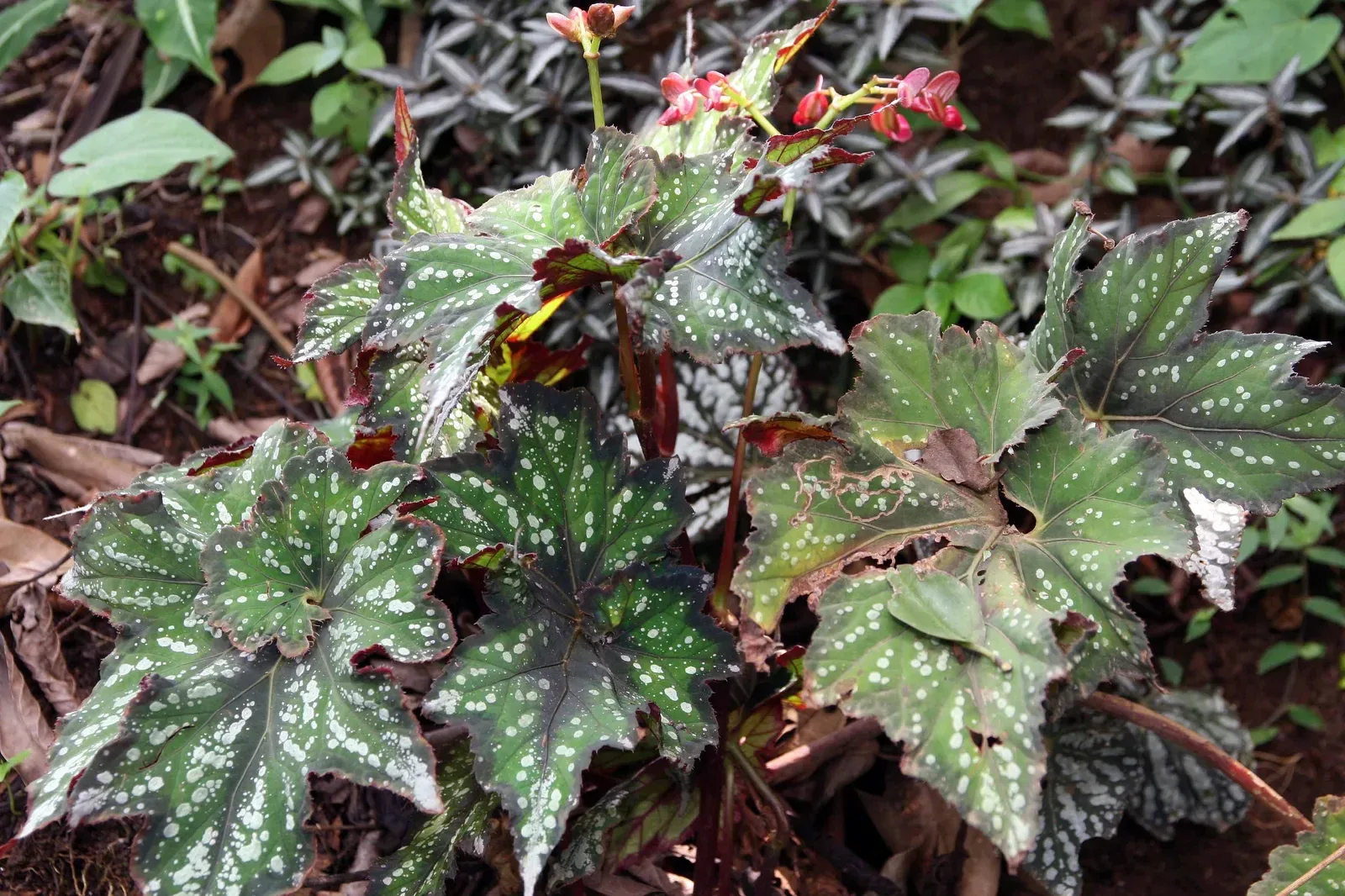
Calatheas (many now renamed Goeppertia) are loved for striped and painted leaves that fold slightly at night. In Canada they are popular in apartments because they stay compact and, unlike many tropicals, they are generally non-toxic to cats and dogs per ASPCA listings for Calathea.
Give medium, indirect light. Harsh sun fades the patterns and burns leaf edges. An east window or a few metres back from a south window works well. Keep the mix evenly moist but never soggy. Distilled, rain, or filtered water helps — fluoride and chlorine in some tap water brown the tips. In winter, water a little less but do not let the root ball go bone dry.
Humidity is the hard part in Canadian homes. Forced-air heat can drop indoor RH below 30%. Group plants, use a humidifier, or set the pot on a pebble tray. Ideal range is 50% or higher. Temperatures of 18 to 26 C suit them; keep off cold glass and blast from vents.
Use a light indoor mix with coco coir or peat and perlite. Feed lightly every month in spring and summer. Wipe leaves gently to remove dust. If edges crisp, raise humidity before you water more. With steady moisture and soft light, calatheas keep their colour through long Canadian winters.
Canadian growers often succeed with calatheas in bathrooms that have a bright frosted window, because steam from showers raises humidity without extra gear. If leaves curl into tubes, check moisture and humidity before you fertilize. Flush the pot with soft water every couple of months to clear mineral build-up from tap water. New leaves unfurl tightly; do not force them open. Keep the plant away from cold patio doors in January when night temperatures near the glass plunge.
Seasonal rhythm
Seasonal Calendar
A month-by-month calendar for Calathea in Canada is coming soon. See the light, water and temperature notes above.
Diagnostics
Common Problems & Troubleshooting
Crispy edges (dry air/tap water); faded colour (too much sun); curling (thirst or low humidity).
Pests & seasonal watch: Spider mites and thrips in dry air. Check leaf undersides weekly in winter.
- Yellow leaves — Leaves fade from green to yellow, often starting at the bottom.
- Brown tips — Leaf tips and edges turn dry, brown and papery.
- Drooping — Stems and leaves hang limp even though the plant was recently fine.
- Spider mites — Fine webbing and pale speckled leaves, worse in dry heated rooms.
- Fungus gnats — Tiny dark flies hover around wet potting mix.
- Thrips — Silvery streaks and twisted new leaves, sometimes with black specks of frass.
- White powder — A white powdery film on leaves, usually in still, humid air with dry soil at the roots.
- Leaf spot — Brown or tan spots with a yellow halo, sometimes with tiny dots in the centre.
- Overwatering — Soil stays wet, leaves yellow or droop, and the pot feels heavy.
- Underwatering — Soil is bone dry and leaves are crispy, curled or dull.
- Curling — Leaves cup, roll or twist instead of lying flat.
- Brown spots — Scattered brown blotches on the leaf blade, not only the tip.
- White crust — A white or yellow crust on the soil surface or pot rim.
- Sun scorch — Bleached or crispy patches on the side that faces strong sun.
- Cold damage — Dark, water-soaked or blackened patches after a cold night or an AC blast.
- Pale leaves — Whole leaves look washed out, not spotted.
Care encyclopedia · 6 guides
Guides & Articles for Calathea
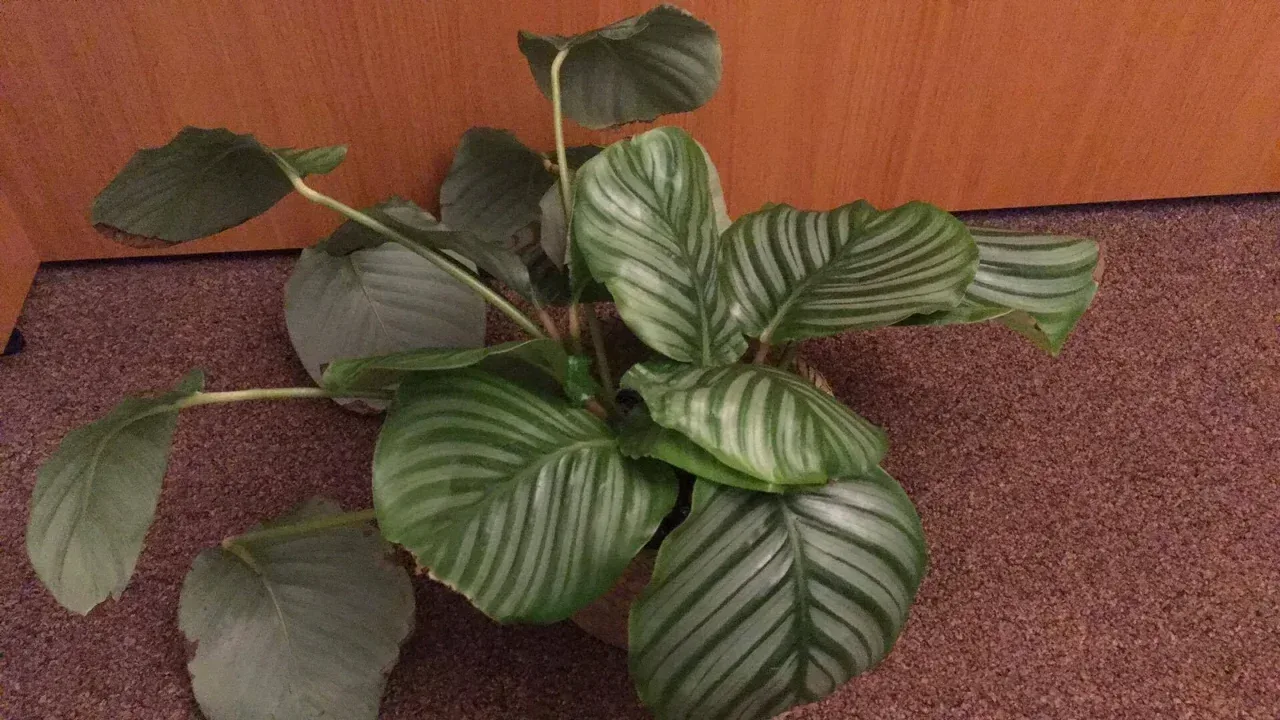
Calathea Care Guide for Canada
A practical Canadian guide to calathea, with seasonal care, common problems, propagation and buying checks.
Read guide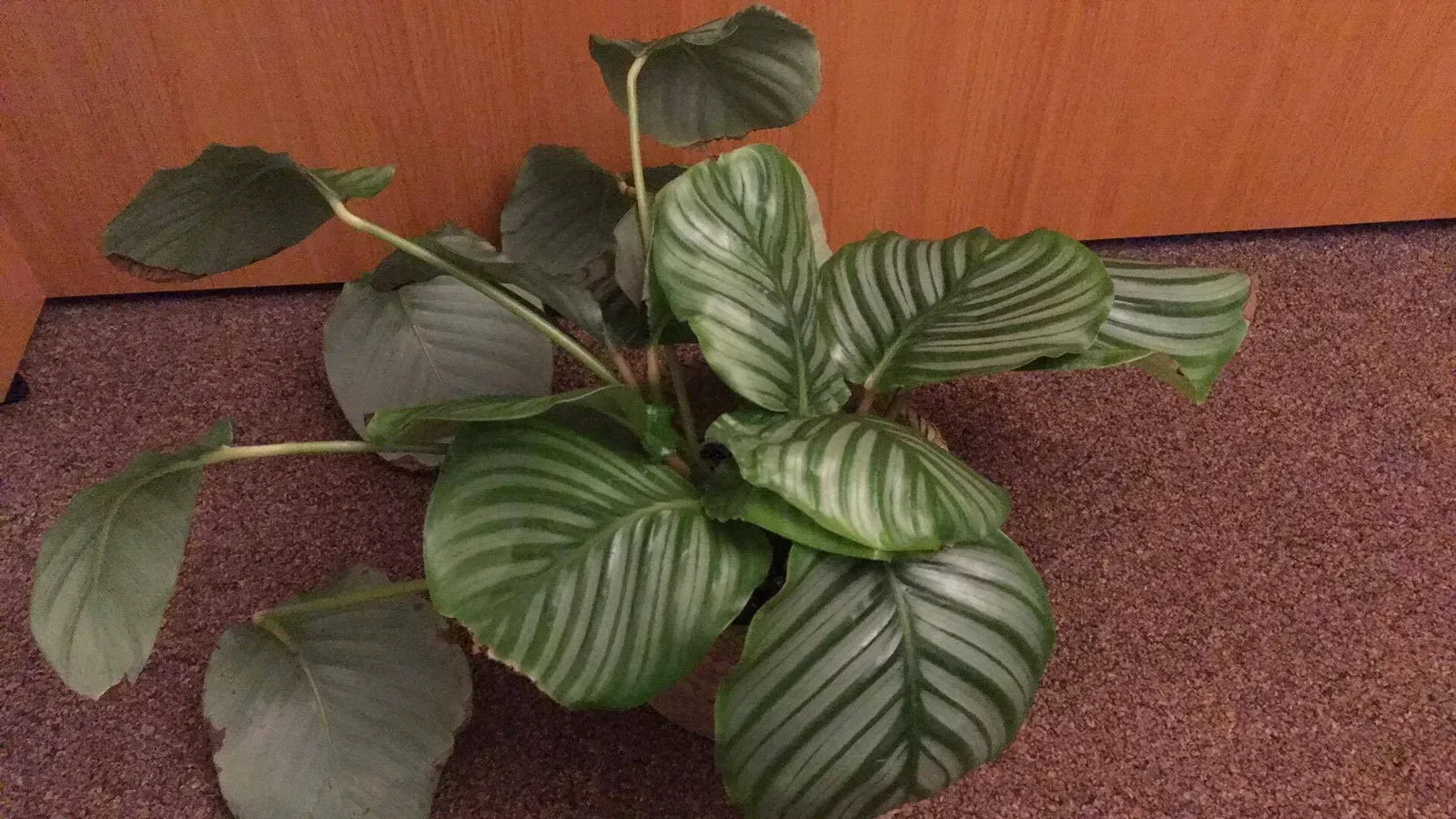
Calathea Leaves Turning Brown in Canadian Winter: How to Diagnose the Cause
Brown calathea edges in winter usually trace back to dry furnace air, water quality or a cold spot. Here is how to tell which one, and what to change.
Read guide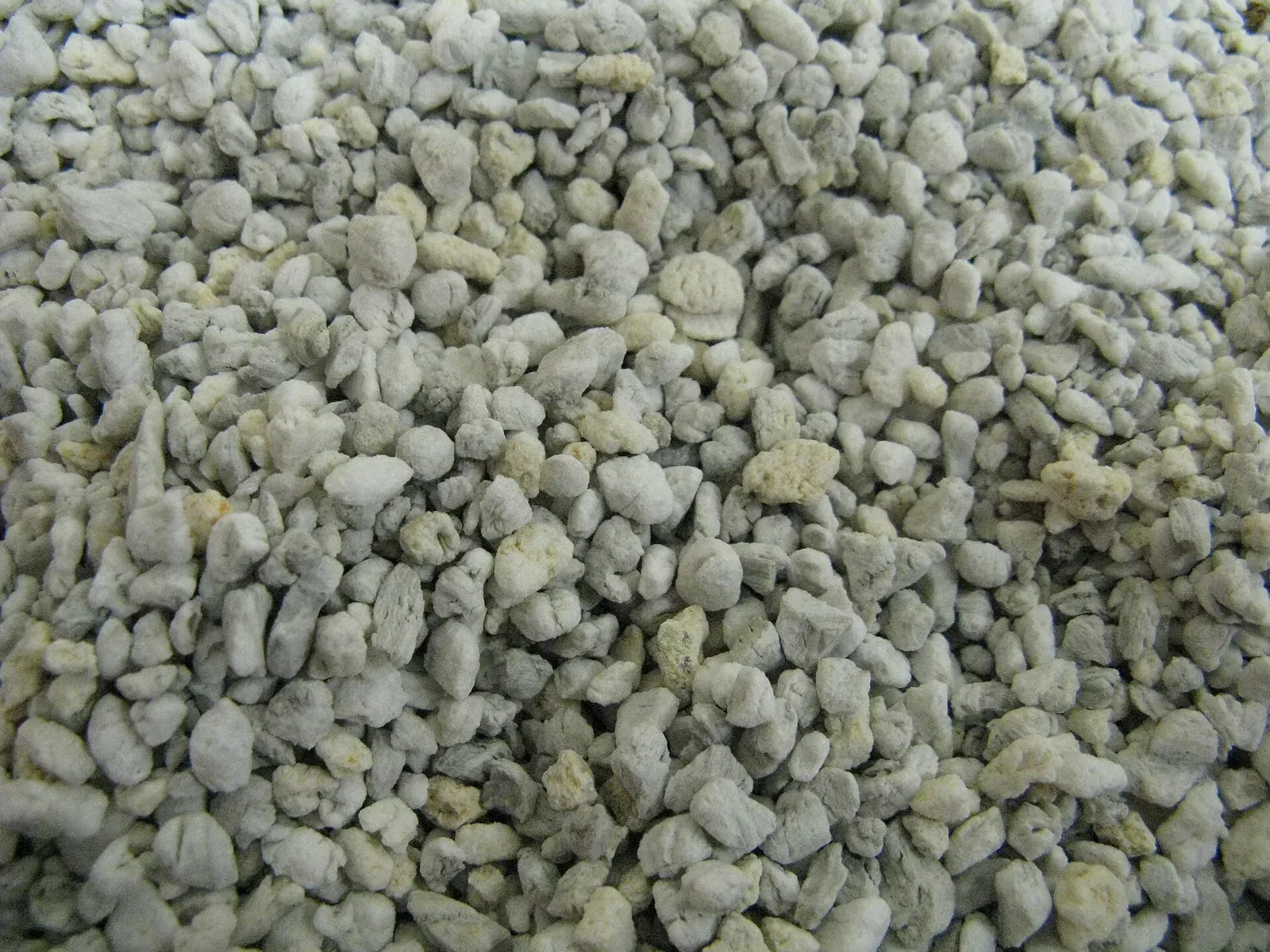
Potting Mix for Indoor Plants in Canada: Recipes and Repotting Guide
What goes into a good indoor potting mix, what to buy at Canadian stores, peat versus coir, simple recipes for each plant group, and how to tell when a plant needs repotting.
Read guide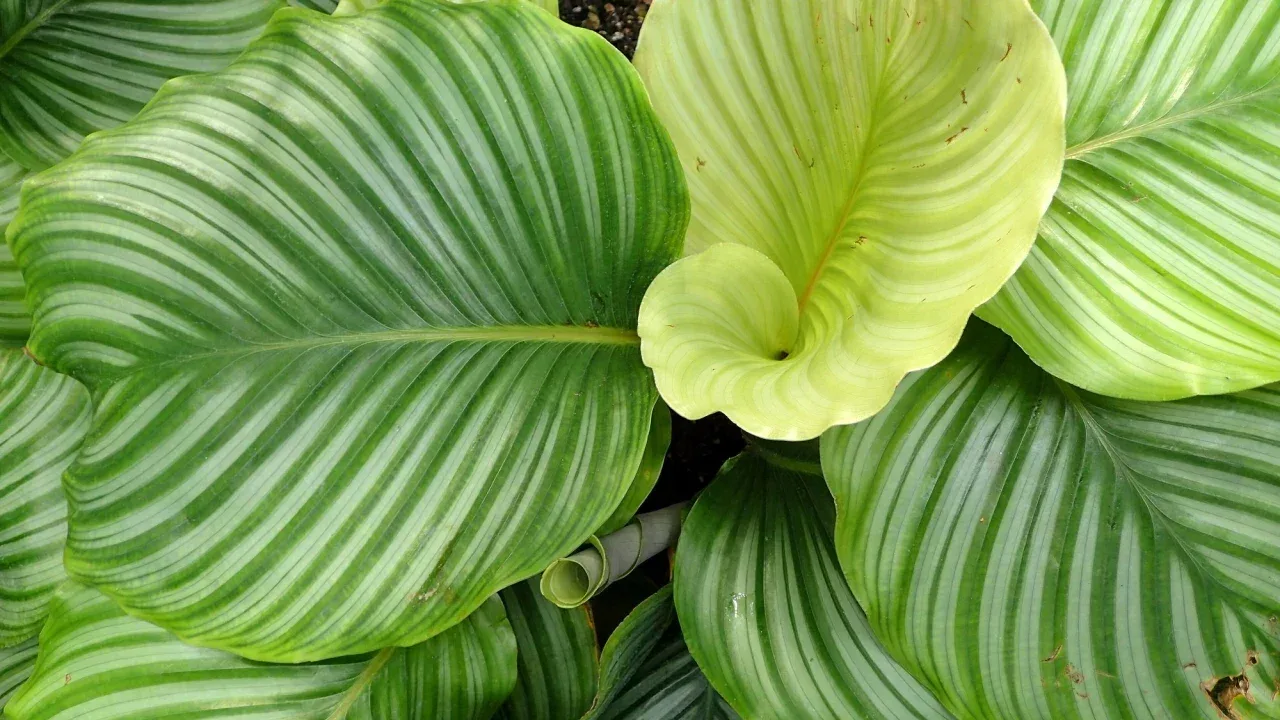
Top 10 Pet-Safe Houseplants for Canadian Homes
Snake plant, pothos and lilies are common in Canadian homes but toxic to pets. These 10 houseplants are listed as non-toxic to both cats and dogs by the ASPCA, and they cope with short days and dry winter air.
Read guide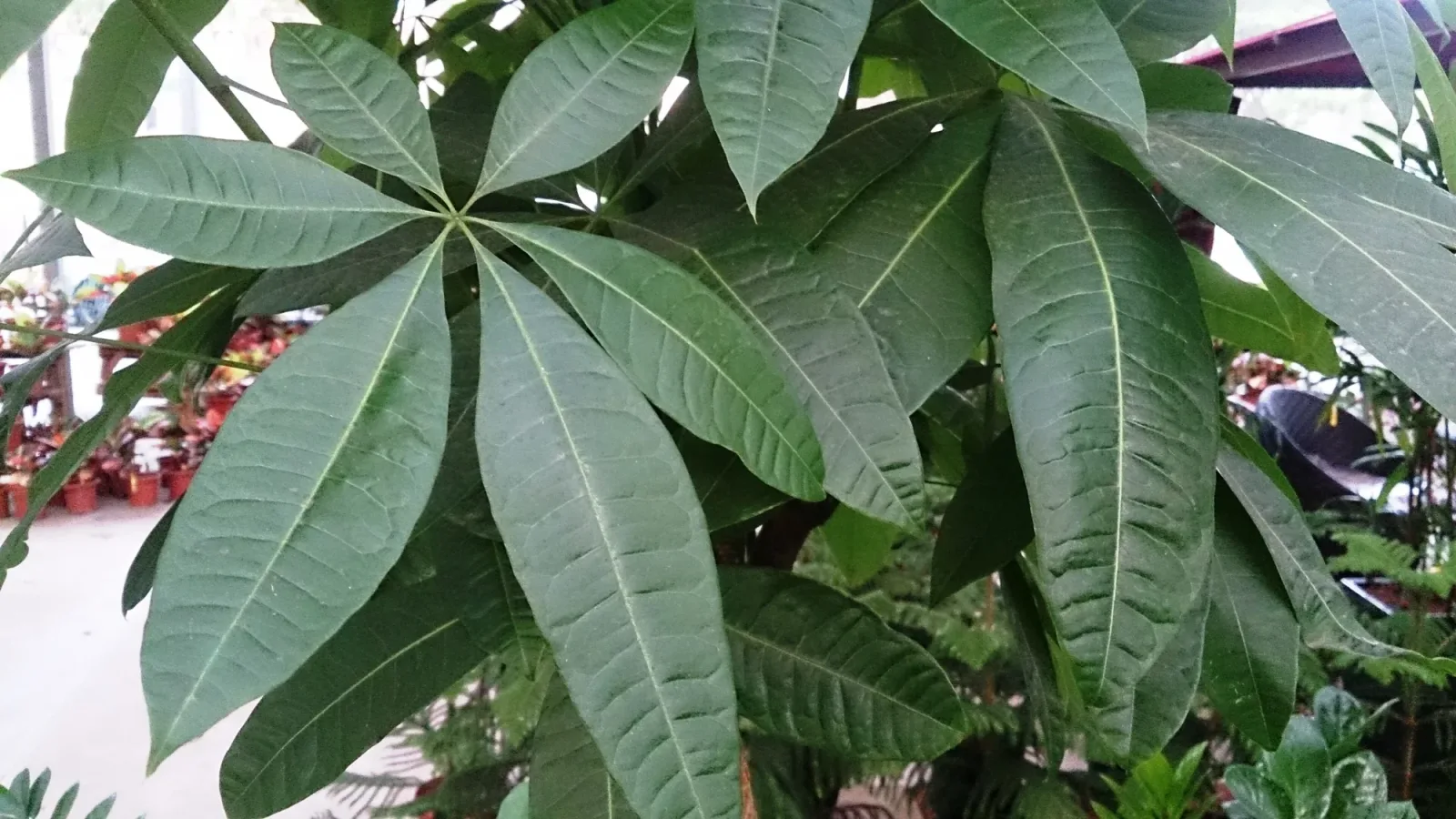
14 Pet-Safe Houseplants for Canadian Homes With Cats and Dogs
A spider plant, a parlor palm or a Christmas cactus is a solid start if you want houseplants in a home with cats or dogs. All fourteen plants below have a Canada profile and an ASPCA non-toxic listing. That is not the same as safe to eat.
Read guide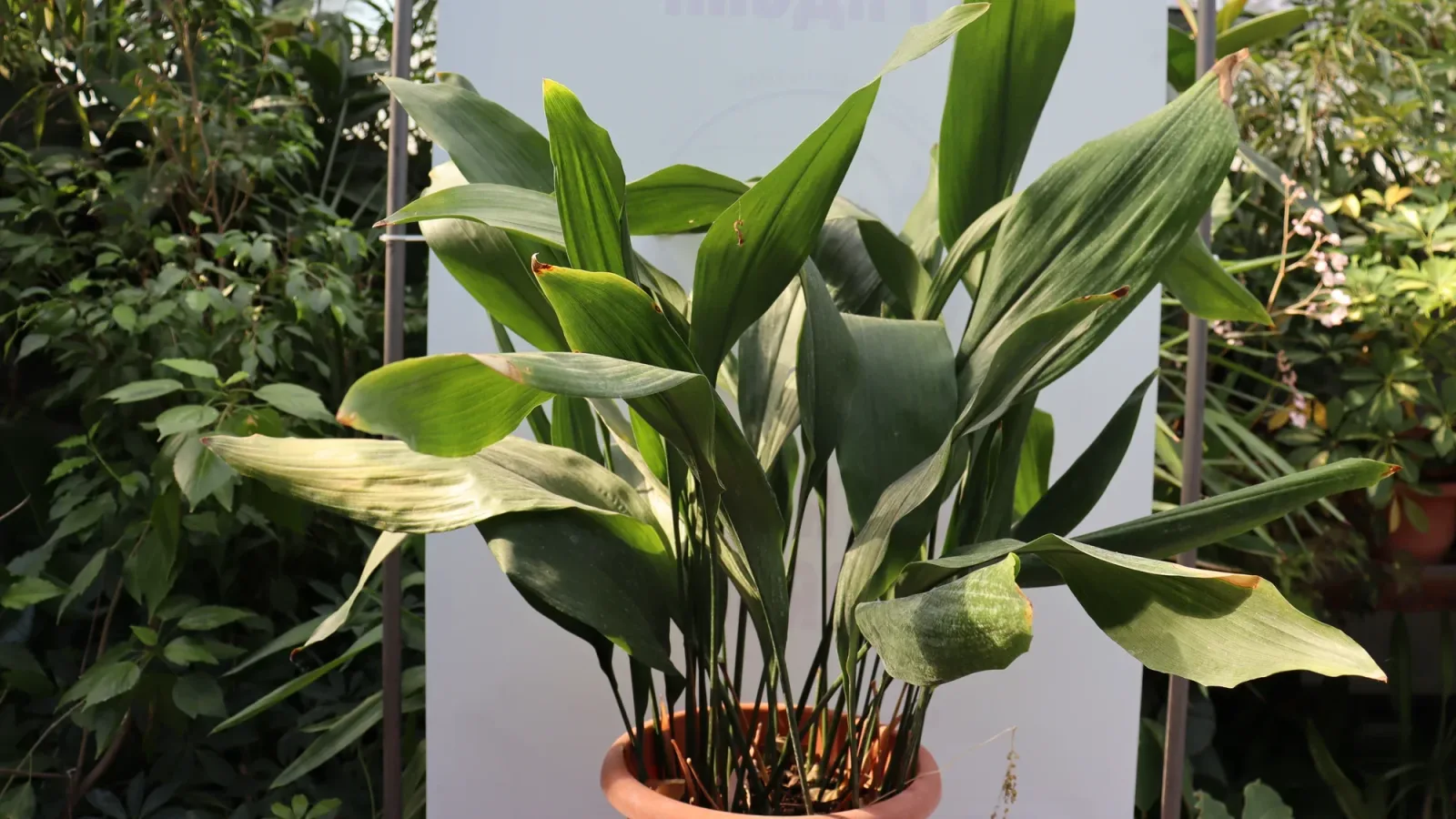
15 Low-Light Houseplants for Dim Canadian Winters
A cast-iron plant, a Chinese evergreen or a parlor palm is a realistic start in a dim Canadian winter room. Here are 15 plants with live Canada profiles, plus an honest note on a few that only pretend to like the dark.
Read guideQ&A
Frequently Asked Questions
Is calathea safe for cats?
Yes. Calathea is listed by the ASPCA as non-toxic to cats and dogs.
Why are calathea leaf edges brown?
Usually dry air or tap-water salts. Raise humidity and switch to filtered or rain water.
How much light does calathea need?
Medium indirect light. Too much sun fades patterns; too little slows growth.
Can calathea handle Canadian winter heat?
Only with extra humidity. Keep it off vents and use a humidifier if the air is very dry.
Similar Botanical Matches
Keep exploring
Related plants

Grower field notes
Reader Field Notes in Canada
Share how this plant performs in your local Canada climate.