
Powdery Mildew
Causes and how to fix it
Reviewed by Mark Tremblay, BSc Environmental Biology, McGill; ISA Certified Arborist · Updated Nov 15, 2026
What you see
Leaves look dusted with flour, often starting on older foliage. It does not wipe off like soil dust.
A white powdery film on leaves, usually in still, humid air with dry soil at the roots.
Seasonal timing (Canada)
Still rooms in fall and winter.
Likely causes
- Stale air
- Crowded plants
- Cool nights and dry roots
How to confirm
The white film is on the leaf surface and returns after wiping. Dust from soil rinses off; mildew does not.
Step-by-step fix
- Improve air flow. Space plants.
- Remove the worst leaves.
- Water the soil, not the leaves.
- A labelled houseplant fungicide is rarely needed; RHS favours hygiene and air first.
What NOT to do
Do not mist leaves if you see white powder.
When to give up or take a cutting
If most roots are gone, or the stem is soft all the way through, take a few healthy stem cuttings and root them instead of waiting on a plant that cannot drink.
Looks like
- Mealybugs — White cottony clumps in leaf joints, often with sticky honeydew.
- White Crust on Soil — A white or yellow crust on the soil surface or pot rim.
- Grey Mould (Botrytis) — Fuzzy grey mould on faded flowers, damaged leaves or soft stems.
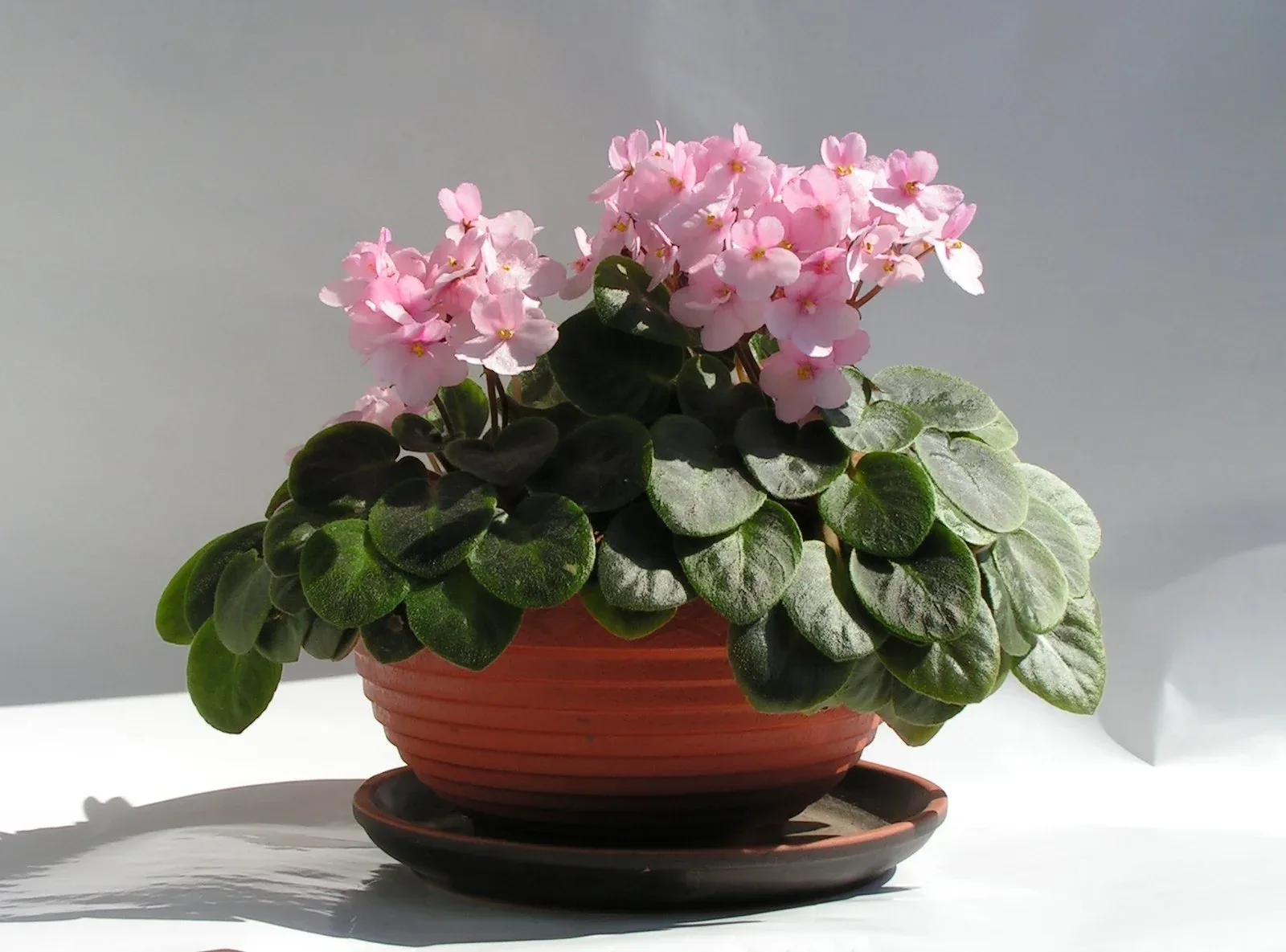
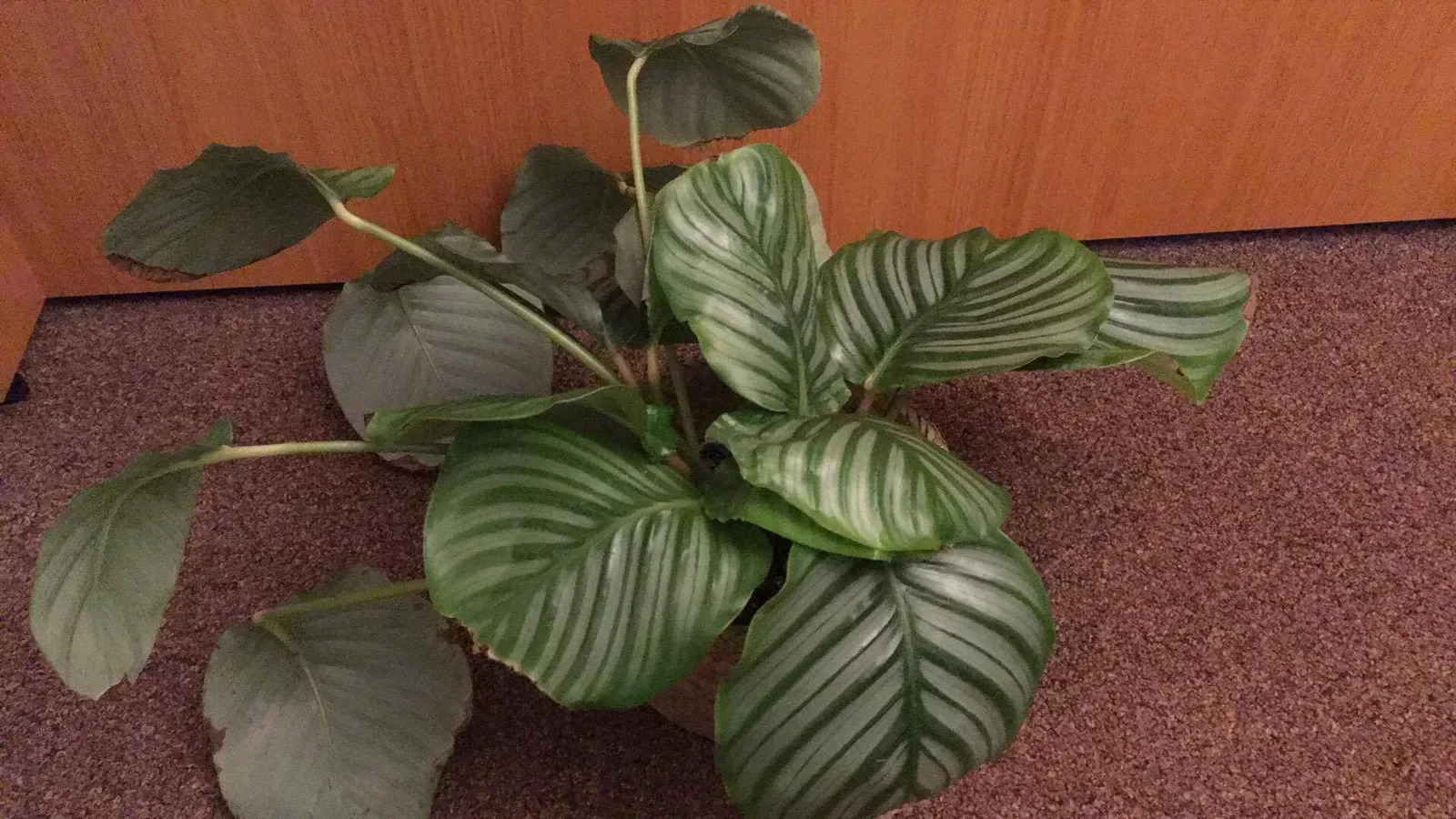
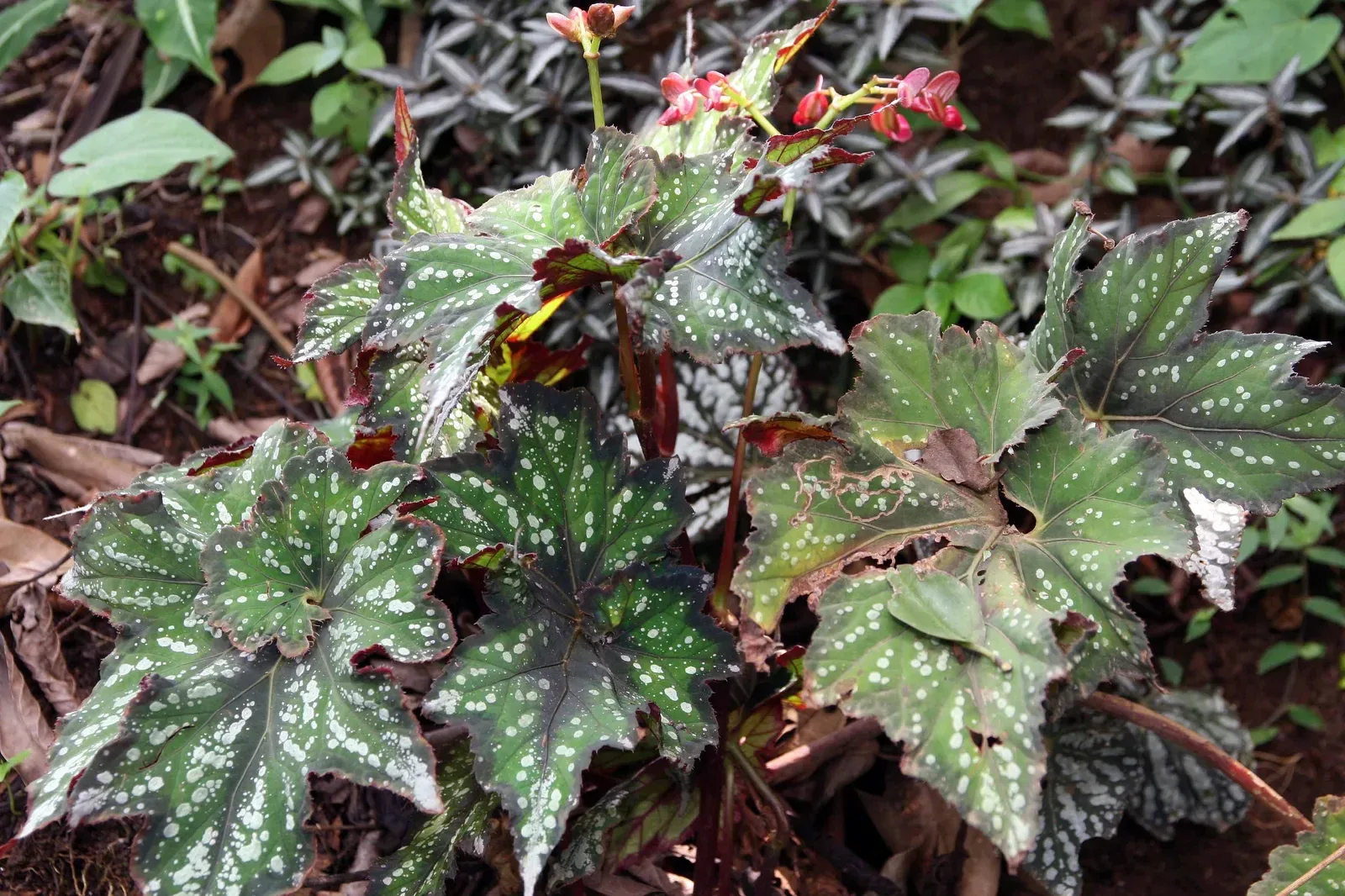
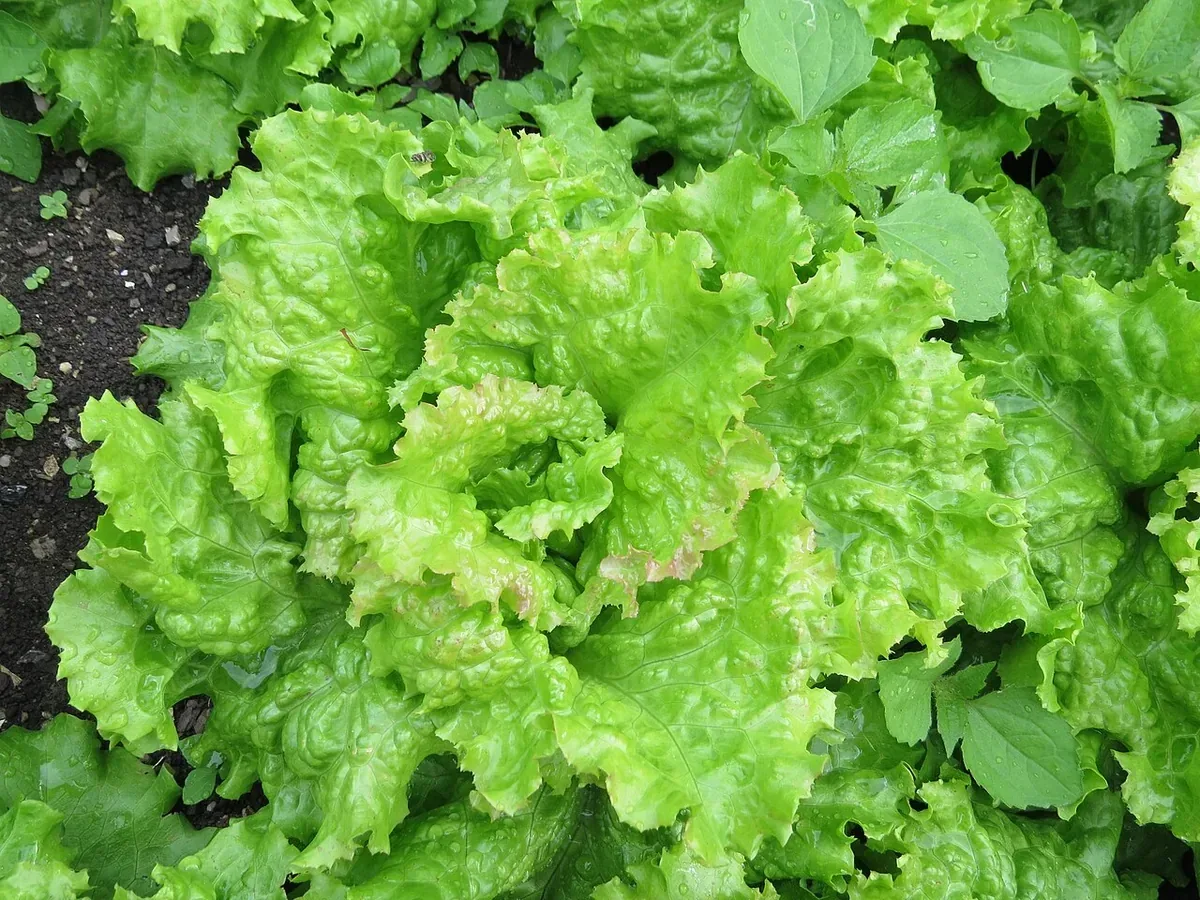
Plants commonly affected
Related guides
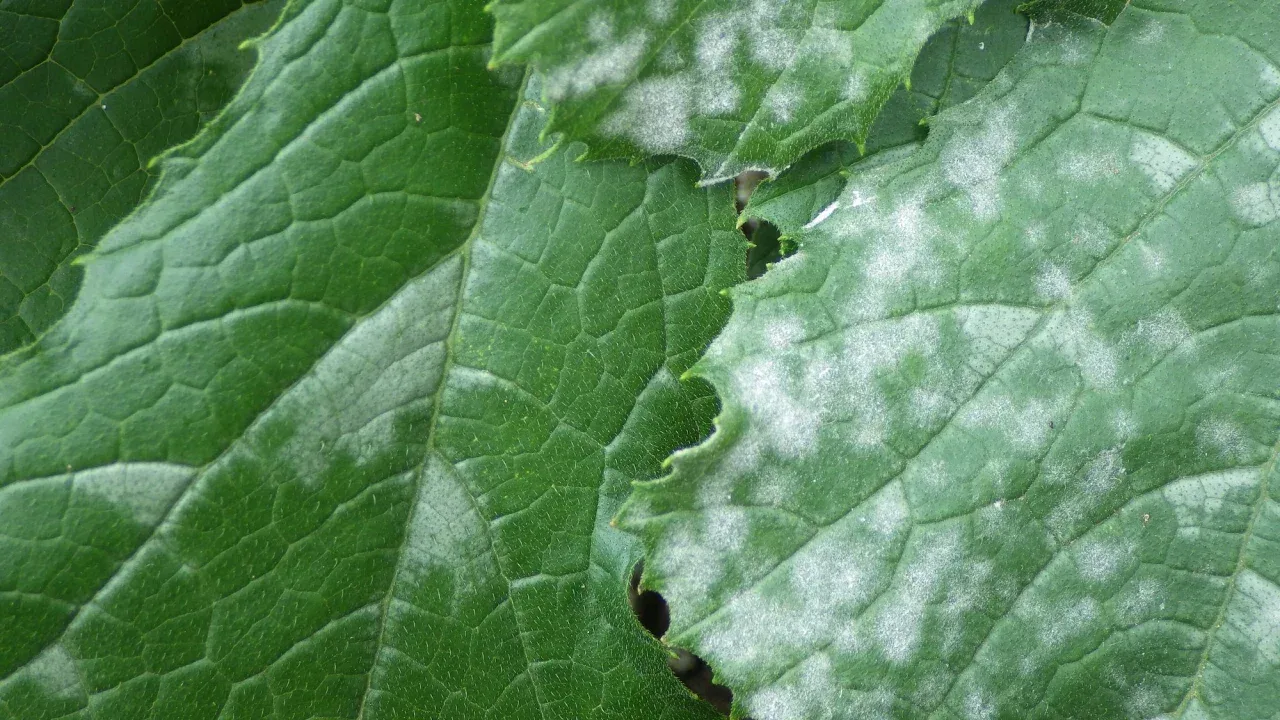
Powdery Mildew: How to Identify, Prevent and Treat It in Canada
Powdery mildew coats lilac, phlox, roses, squash and peas across Canada every summer. Learn how to identify it, why it thrives even in dry weather, how to prevent it, and which treatments are effective and allowed under Canadian and Ontario rules.
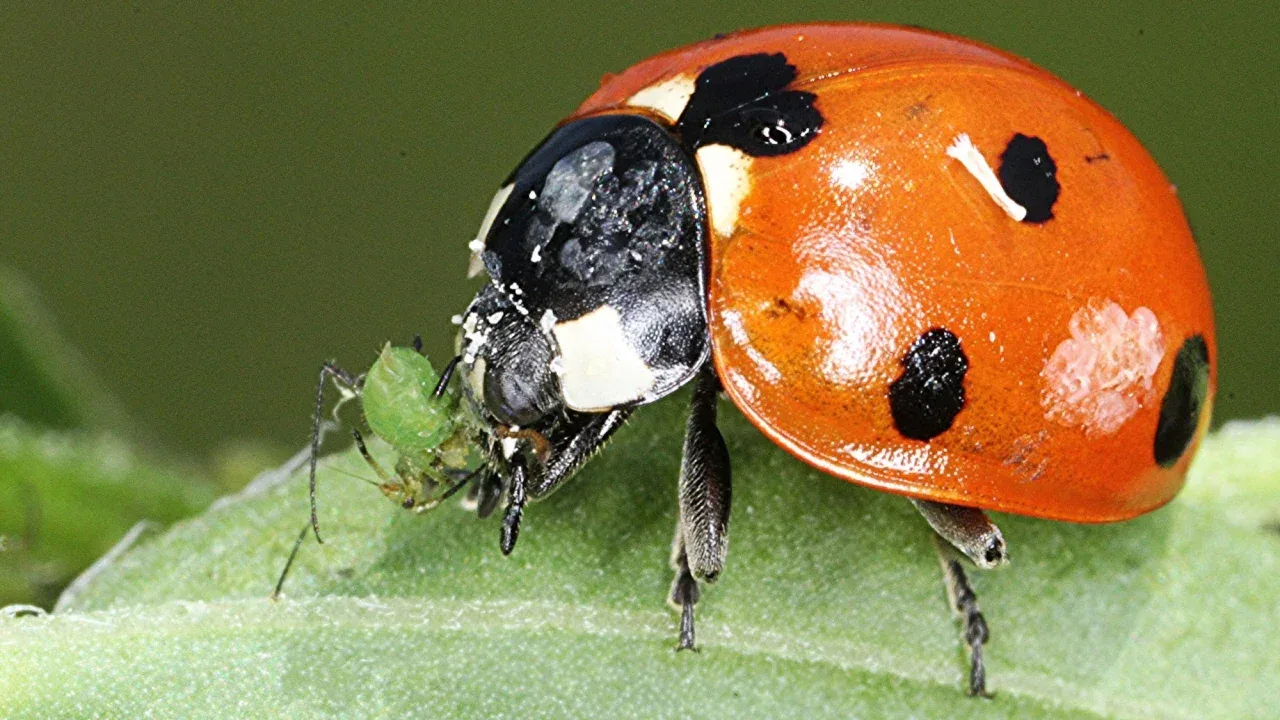
Natural vs Chemical Pest Control in Canada: What's Legal and What Actually Works
Is that garden spray legal where you live? Learn how Health Canada and each province regulate pesticides in 2026, from Ontario's and Quebec's cosmetic bans to BC's certificate rules, and which natural and low-risk methods actually work.
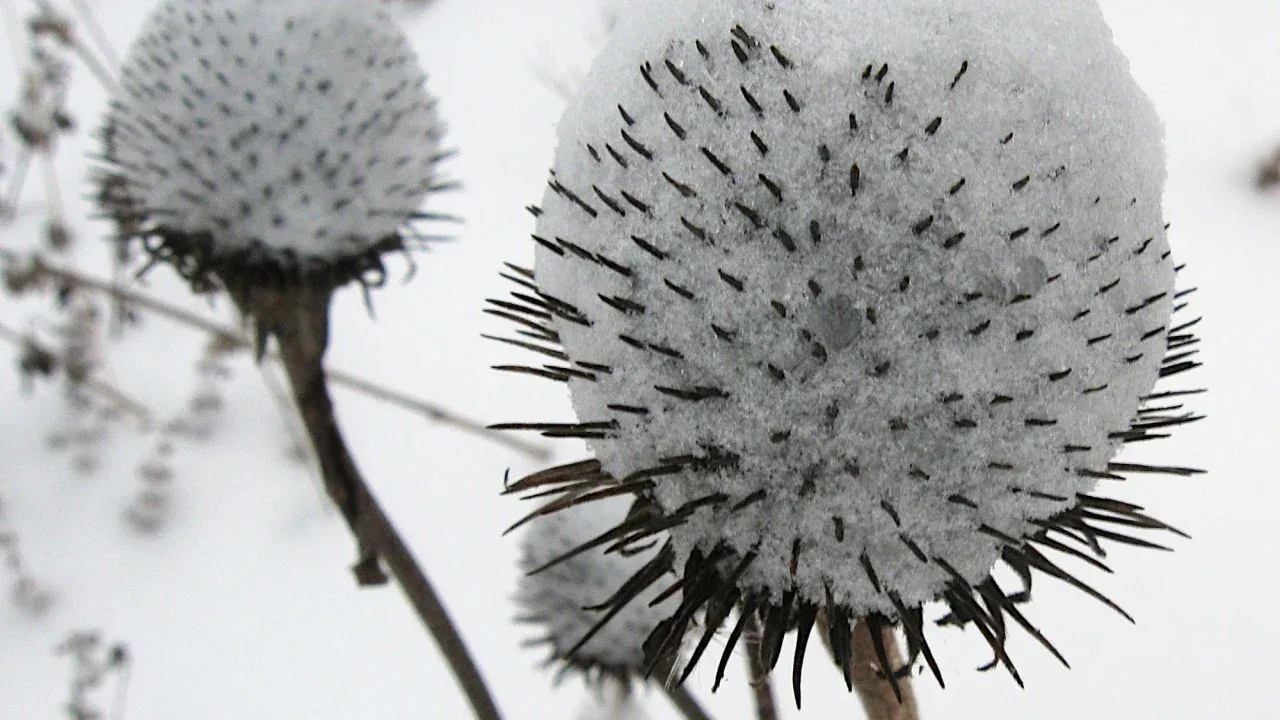
Fall Garden Cleanup Checklist for Canadian Gardens
A step-by-step fall cleanup checklist for Canadian gardens: what to remove, what to leave standing for birds and stem-nesting bees, how to handle leaves and the lawn, and how to put tools and water away for winter.
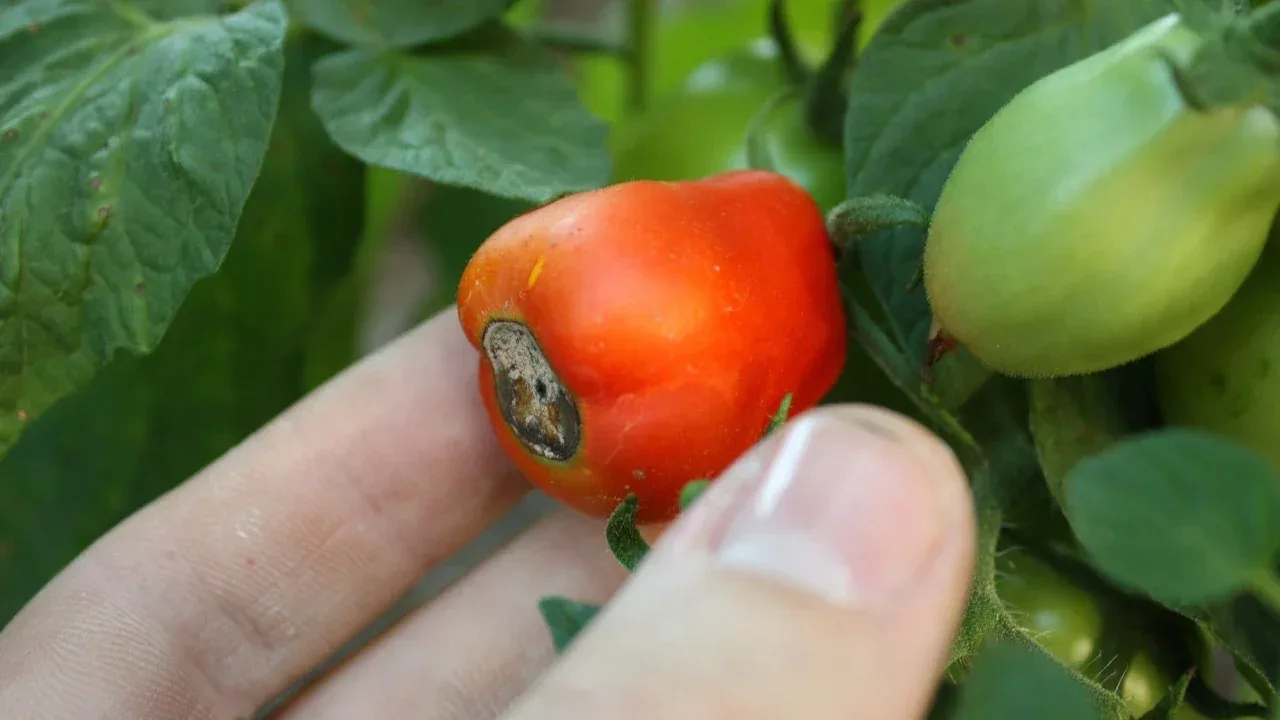
Plant Problem Diagnosis Guide: From Symptom to Cause to Fix
A step-by-step way to diagnose plant problems in Canada, with symptom tables that point from yellow leaves, spots, holes, wilting and winter browning to the likely cause and the GardenOrbit guide that fixes it.
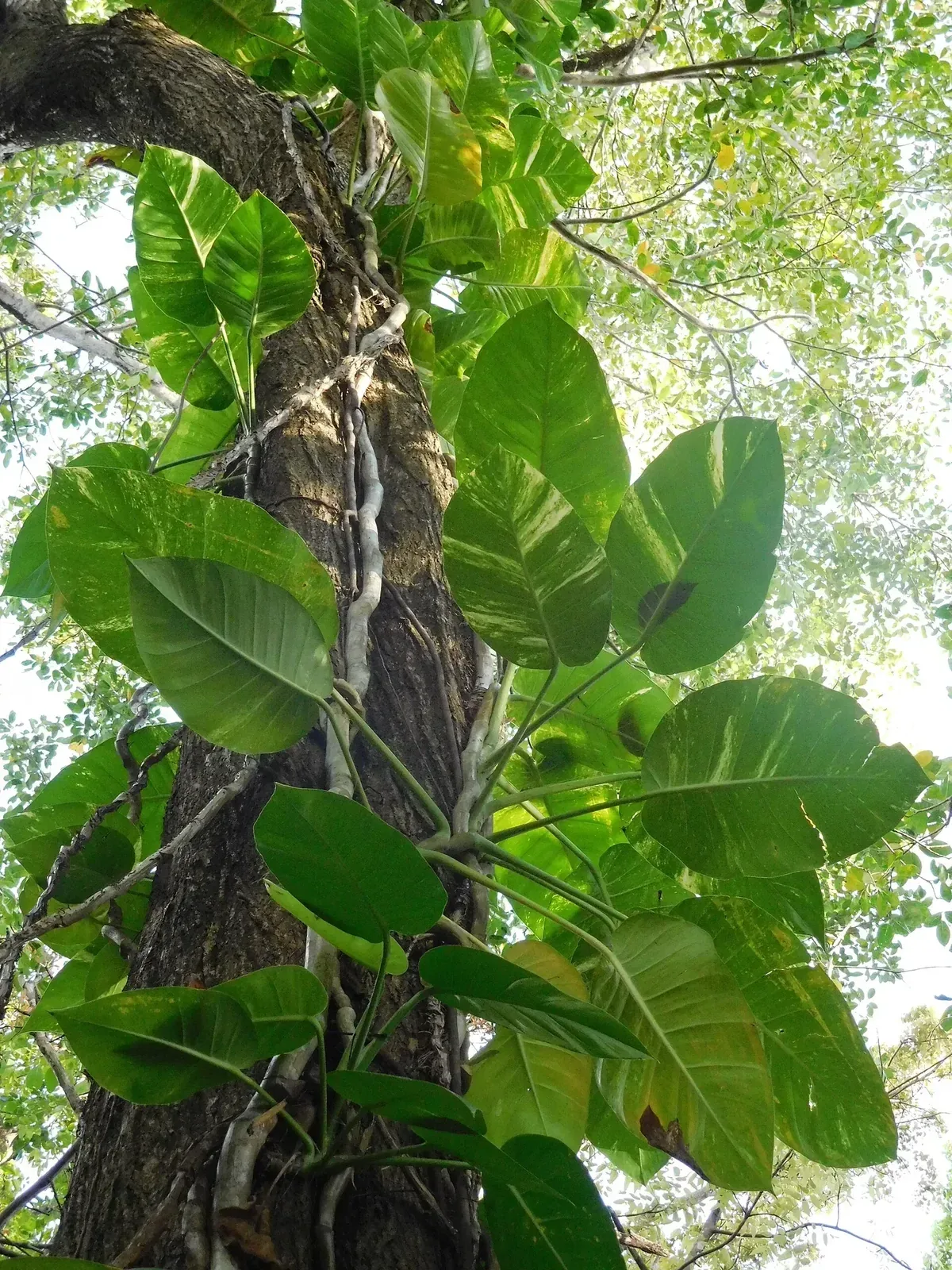
Pothos Yellow Leaves in Winter: Water, Light or Cold Window?
A yellow pothos leaf in winter is usually about water, light or cold. These checks show which one, and what to change before more leaves go.
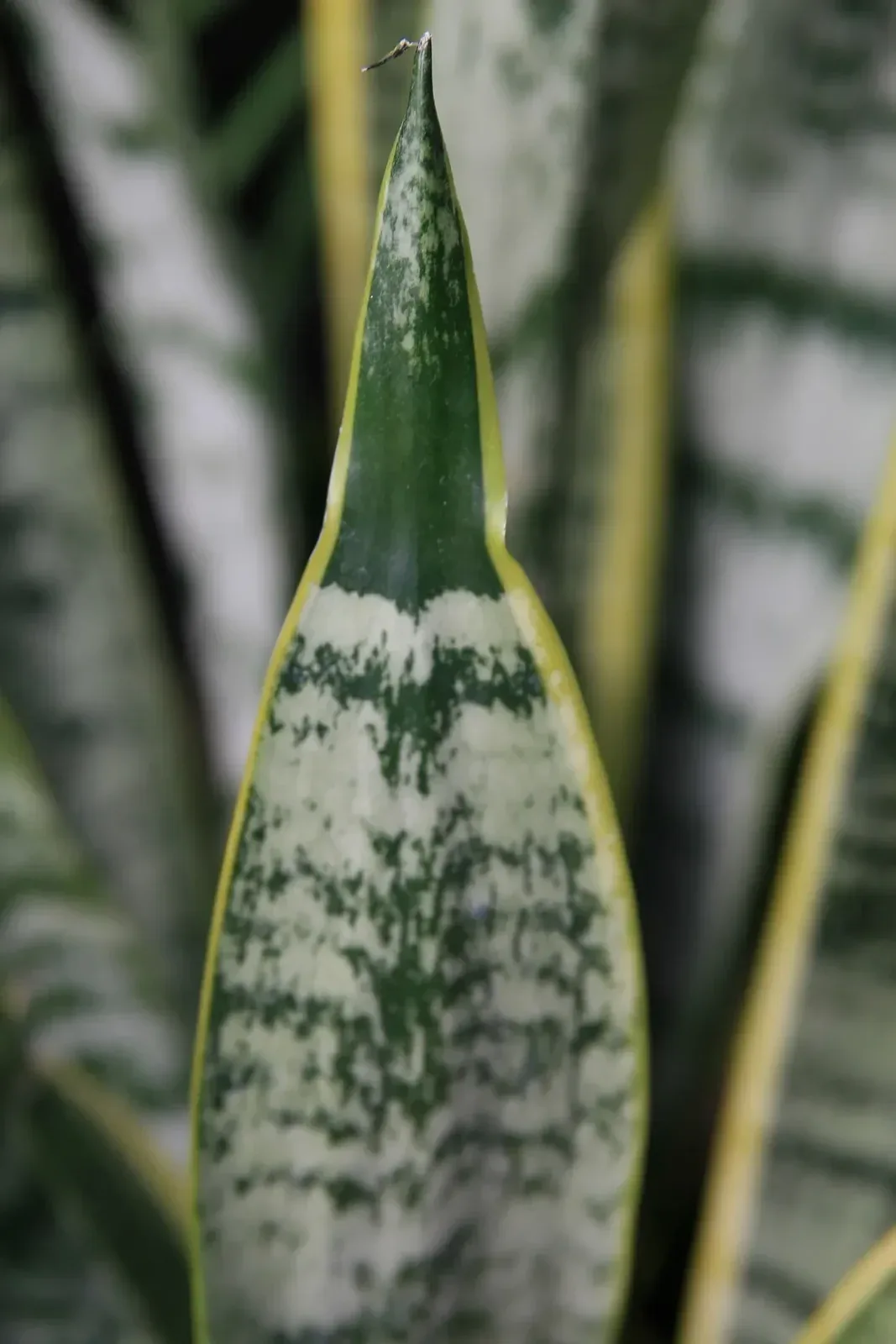
Snake Plant Soft Leaves in Winter: How to Check for Overwatering
Soft snake plant leaves in winter usually mean too much water in a cool, dim room. Here is how to check, what to cut, and how to save what is left.
FAQ
How fast will white powder improve?
You should see new growth look better within a few weeks. Damaged leaves will not un-spot.
Sources: www.rhs.org.uk (accessed 2026-11-10) · extension.umn.edu (accessed 2026-11-10)