
Powdery Mildew: How to Identify, Prevent and Treat It in Canada
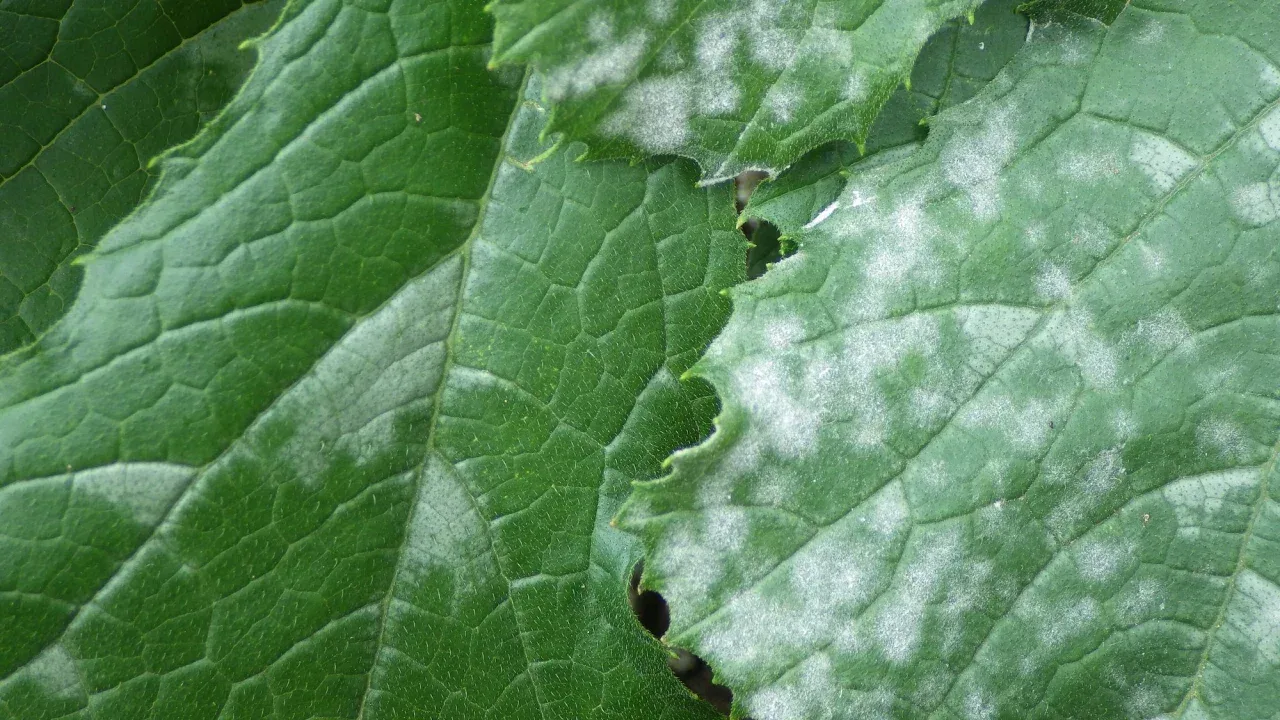
Powdery mildew is one of the easiest plant diseases to recognize and one of the most common in Canadian gardens. By mid to late summer it dusts the leaves of lilacs, roses, phlox, bee balm, peas, squash and cucumbers from British Columbia to the Maritimes, and it can turn up on houseplants too. Leaves look as if someone has sprinkled them with flour or talcum powder.
The good news is that powdery mildew rarely kills established plants. Manitoba Agriculture notes that lilac powdery mildew can reappear year after year with little impact. On other plants, such as squash, garden phlox and bee balm, it can cause heavy leaf loss and smaller harvests. This guide explains how to identify powdery mildew, why it thrives in Canadian summers, how to prevent it, and which treatments are allowed and effective in Canada, including Ontario's cosmetic pesticide rules.
What is powdery mildew?
Powdery mildew is not a single disease. It is caused by many closely related fungi, and most of them are fairly host-specific. The University of Wisconsin's Plant Disease Diagnostics Clinic explains that the powdery mildew fungus that infects phlox is not the same one that infects lilac, and Iowa State University Extension notes that the fungus on lilac will not infect roses. Seeing it on one plant does not mean it will jump to every plant in your yard, but it does mean the weather is favourable for powdery mildews in general.
Unlike most fungi, powdery mildews grow mainly on the outside of the plant. They are also obligate parasites: the University of Saskatchewan notes that they need living plant tissue to grow.
How to identify powdery mildew
Look for these signs, usually starting on older or shaded leaves:
- White to greyish powdery patches on the upper or lower leaf surface, stems, flower buds or fruit. The patches start as small spots and can spread until the whole leaf is covered.
- Tiny dark dots in the coating later in the season. Manitoba Agriculture explains that ageing mildew can turn light reddish-brown to grey as the fungus forms overwintering fruiting bodies.
- Yellowing and browning leaves that eventually drop. The University of Saskatchewan notes that infected cucurbit leaves may turn yellow or brown and fall off.
- Distorted leaves, flowers or shoots on some plants. Manitoba Agriculture notes leaf curling on infected strawberries, for example.
- Off-flavoured fruit. Heavily infected squash, pumpkins and melons may produce fruit with off-flavours that does not store as long.
| Plant | What you will see | How serious |
|---|---|---|
| Lilac | Grey-white coating on leaves in late summer | Usually cosmetic; no treatment needed |
| Garden phlox, bee balm, zinnia | White coating, then leaf loss | Can cause severe leaf loss |
| Roses | White patches on leaves, buds and young shoots | A typical host; worst in shade |
| Squash, pumpkins, cucumbers, melons | White spots that merge to cover leaves | Leaf loss; fruit may taste off |
| Peas | White coating on leaves and pods late in the season | The most common pea problem in Saskatchewan |
| Houseplants | White powdery spots on leaves | Improve light and air flow |
Why powdery mildew thrives in Canadian summers
Most fungal diseases need wet leaves to infect a plant. Powdery mildews do not. Manitoba Agriculture explains that powdery mildews do not need water droplets on the leaf surface, although they flourish in humid conditions. The University of Saskatchewan adds that the disease on cucurbits usually appears later in the season, when temperatures are about 20 to 27 °C and humidity is low, and that water can actually kill the spores.
Several conditions make outbreaks more likely:
- Shade and poor air circulation. Crowded plants, weedy beds and plants against walls or fences stay humid around the leaves. Iowa State University Extension notes that the disease is more severe in shade and where air moves slowly.
- Wind-borne spores. The University of Saskatchewan notes that the disease is spread by wind-borne spores, so it can travel between gardens.
- Too much nitrogen. Heavy fertilizing produces soft, dense growth that is easily infected.
- Water stress. NC State Extension notes that wild bergamot plants under drought stress are more susceptible to mildew.
- Infected debris. Agriculture and Agri-Food Canada notes that the fungus overwinters on fallen leaves of woody plants, and the University of Saskatchewan notes that most powdery mildew fungi overwinter in infected plant debris.
How to prevent powdery mildew
Prevention works better than treatment, because once a plant is heavily coated there is little you can do that season.
- Choose resistant varieties. Iowa State University Extension recommends resistant varieties of garden phlox and bee balm, where powdery mildew is particularly common. Native wild bergamot is a good choice: NC State Extension notes that it shows resistance compared with other bee balms (see our native pollinator plants guide). For cucumbers and squash, the University of Saskatchewan points to Cornell University's list of disease-resistant cucurbit varieties.
- Plant in full sun. The University of Saskatchewan and Iowa State both recommend full sun. For lilacs, peonies and roses, avoid spots that are shaded for long periods.
- Give plants room. Space plants further apart and thin crowded perennials so air can move through them. Remove weeds around vegetable plants and stake plants where possible.
- Water at the base, early in the day. Keep plants evenly watered so they are not stressed, but avoid overwatering, which raises humidity around the leaves. Mulch helps keep soil moisture steady.
- Go easy on nitrogen. Do not over-apply high-nitrogen fertilizer, which encourages lush, susceptible growth.
- Rotate vegetable crops. The University of Saskatchewan recommends rotating cucurbits, preferably on a three-year cycle.
- Clean up in fall. Rake up fallen leaves under lilacs, roses, crabapples and other susceptible shrubs, and remove infected vegetable and annual debris at the end of the season.
How to treat powdery mildew
Decide whether treatment is needed
Iowa State University Extension notes that on lilacs and shade trees, powdery mildew usually appears late in the season when the leaves have nearly finished their work for the year, so no management is typically recommended. For many ornamentals, the University of Wisconsin describes powdery mildew as a cosmetic, non-lethal disease. Treatment is most worthwhile for vegetables, roses and perennials such as phlox and bee balm that lose many leaves year after year. If you are planning a new bed, our hardy perennials guide for zone 3–4 Prairie gardens covers plants suited to prairie conditions.
Start with simple steps
- Prune out early infections. If only a few leaves are affected, the University of Saskatchewan recommends pruning them off. Bag them rather than leaving them on the ground.
- Rinse the leaves with water. The University of Saskatchewan notes that thoroughly spraying the leaves with plain water early in the day washes off spores and has been shown to reduce the severity of infection. Water in the morning so leaves dry by evening.
- Harvest promptly. On squash and cucumbers, pick fruit as soon as it is ready, since infections usually get worse late in the season. For peas, sowing early helps: the University of Saskatchewan notes that later-maturing peas are more susceptible to powdery mildew, and suggests growing mildew-resistant cultivars. Our short-season vegetable guide covers pea sowing dates.
Home remedies: what the evidence says
You will find many recipes for milk, baking soda and garlic sprays. The University of Saskatchewan notes that there is some evidence these can reduce the severity of powdery mildew, but they do not completely eradicate it. Health Canada advises against homemade pesticides in general, because they are not tested for safety or effectiveness and have no label directions. Ontario's Guide to Pesticide Classes also notes that homemade pesticides are not allowed for use in that province. If you want to spray, a registered product is the safer choice.
Registered fungicides
In Canada, every pesticide must be registered by Health Canada's Pest Management Regulatory Agency (PMRA). Look for a Pest Control Products (PCP) registration number on the label, make sure powdery mildew and your plant are listed, and follow the directions exactly. You can search registered products and their labels on the PMRA label search site.
Agriculture and Agri-Food Canada notes that chemical control is not usually required for trees and shrubs, but if infection is severe, fungicides containing sulphur are among the products available for crabapple, elder, lilac and rose. Keep these points in mind:
- Fungicides protect; they do not cure. Iowa State University Extension notes that most fungicides only help when applied before infection, and that sprays have little to no effect when applied in late summer after symptoms appear.
- Test first. The University of Wisconsin suggests testing any product on a few leaves before treating a whole plant, especially in warm weather. Sulphur can burn plants if label directions are not followed.
- Rotate products. Using the same synthetic fungicide over and over can lead to resistant strains, so the University of Wisconsin recommends alternating active ingredients.
Cosmetic pesticide rules in Ontario and other provinces
Ontario bans the cosmetic use of pesticides on lawns and gardens, except for products whose active ingredients are all on the province's Allowable List. The version of the list in Ontario's 2020 Guide to Pesticide Classes includes sulphur, lime sulphur, two strains of Bacillus subtilis (a biological fungicide), hydrogen peroxide and several copper compounds. The ban applies to pesticide use in, on or over land, so it does not cover houseplants indoors. Ontario updates the Allowable List from time to time, so check the current version before you buy.
Several other provinces and many municipalities also restrict cosmetic pesticide use. Check your provincial and municipal rules, especially for lawn and garden use.
Powdery mildew on houseplants
The University of Wisconsin notes that powdery mildews can also affect indoor houseplants. Indoors, the same principles apply: give plants bright light and space for air to move, remove affected leaves, and avoid crowding. If you use a product, choose one registered for indoor use on houseplants and follow the label.
Frequently asked questions
Is powdery mildew harmful to my plants?
Usually not fatal. Manitoba Agriculture notes that powdery mildews rarely kill their host plants, and lilac powdery mildew can reappear year after year with little impact. It can, however, cause heavy leaf loss on phlox, bee balm and zinnias, and smaller, poorer-quality harvests on squash, cucumbers and peas.
Can powdery mildew spread from my lilac to my roses?
Generally no. Most powdery mildew fungi are host-specific. Iowa State University Extension notes that the fungus that causes powdery mildew on lilac will not infect roses.
Does baking soda or milk cure powdery mildew?
No. The University of Saskatchewan notes that there is some evidence that milk, baking soda and garlic sprays can reduce the severity of powdery mildew, but they do not eradicate it. Health Canada recommends using registered pesticides rather than homemade ones.
Can I compost leaves with powdery mildew?
It is safest not to use a home compost bin. Iowa State University Extension notes that most home compost piles do not get hot enough to destroy the fungus. The University of Saskatchewan suggests hot composting; otherwise bag the debris or use your municipal yard-waste program.
What fungicides are allowed in Ontario for powdery mildew?
For lawns and gardens, only products whose active ingredients are all on Ontario's Allowable List can be used for cosmetic purposes. The list in the 2020 guide includes sulphur, lime sulphur, Bacillus subtilis, hydrogen peroxide and several copper compounds. Always confirm the product has a PCP number and lists powdery mildew on the label.
Why does powdery mildew appear in dry weather?
Powdery mildew does not need wet leaves to infect plants. The University of Saskatchewan notes that on cucurbits it usually appears later in the season at about 20 to 27 °C and low humidity, while Manitoba Agriculture notes that it flourishes in humid conditions around crowded plants.
Should I cut my plants back if they have powdery mildew?
Prune off the first infected leaves if the infection is minor. For perennials such as phlox and bee balm, cut back and remove infected stems in fall to reduce the amount of fungus that survives the winter.
Sources
- University of Saskatchewan, Gardening at USask: Powdery mildew and Peas.
- Manitoba Agriculture, Powdery Mildew and Humid Conditions.
- Agriculture and Agri-Food Canada, Powdery mildew.
- Health Canada, The risks of homemade pesticides and Pesticide label search.
- Government of Ontario, Using pesticides in Ontario and Guide to Pesticide Classes (PDF).
- University of Wisconsin–Madison Division of Extension, Powdery Mildew – Herbaceous Ornamentals.
- Iowa State University Extension, Powdery Mildew – Ornamental Plants.
- NC State Extension Plant Toolbox, Monarda fistulosa.
Image credits
- Featured image (Zucchini): Josef Schlaghecken / Wikimedia Commons / CC BY-SA 4.0. Source.
- Lilac: Famartin / Wikimedia Commons / CC BY-SA 4.0. Source.
- Rose: Jerzy Opioła / Wikimedia Commons / CC BY-SA 4.0. Source.
- Bee balm: Alex Abair / Wikimedia Commons / CC BY 4.0. Source.
- Squash: Dmitry Brant / Wikimedia Commons / CC BY-SA 4.0. Source.
Comments
No comments yet — share what worked in your climate.