
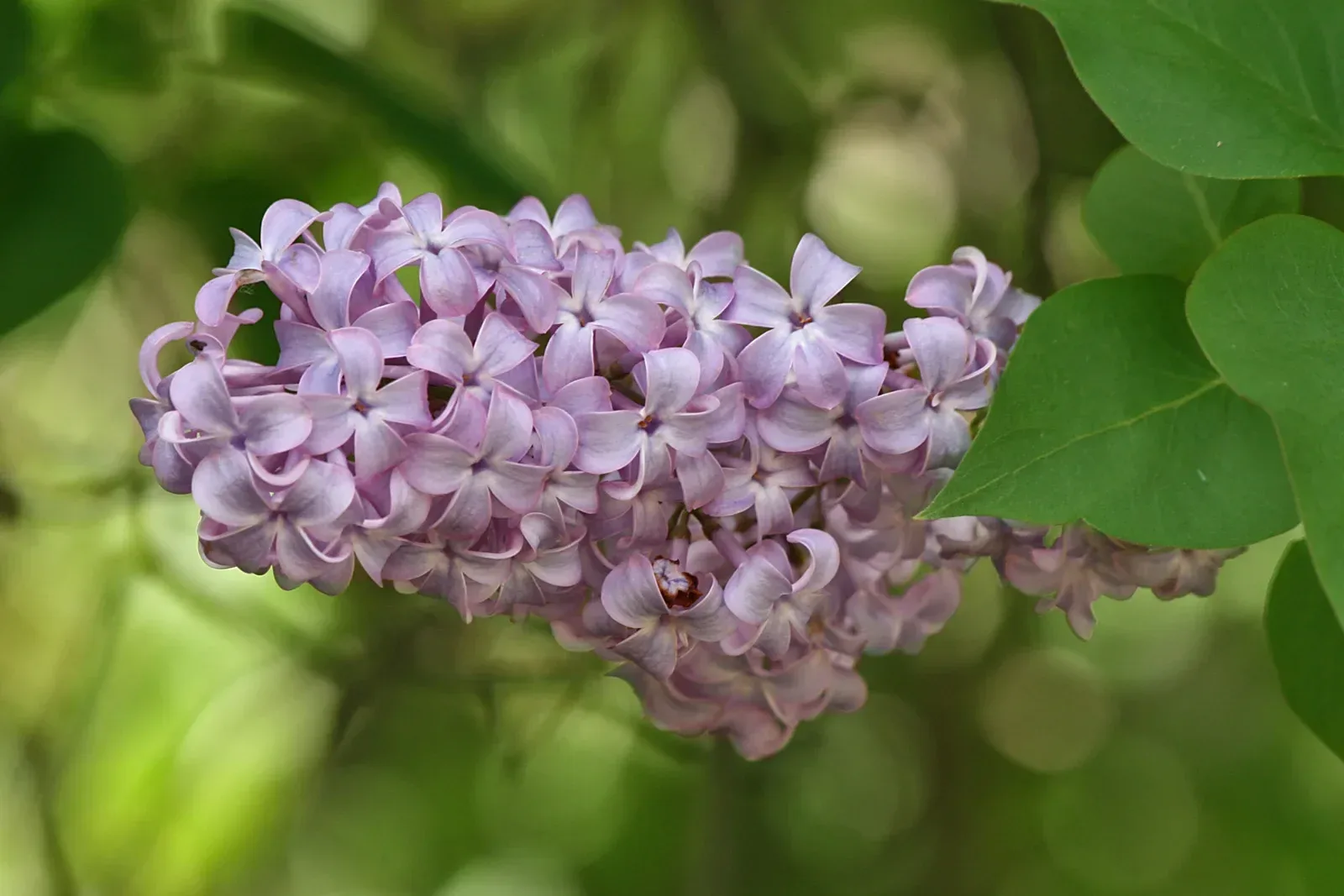
| ☀️ Light | Full sun |
|---|---|
| 💧 Water | Moderate (lightly moist) |
| 🪴 Soil | Average, well-drained garden soil; slightly alkaline OK |
| 🌡️ Temp | -40°C – 30°C |
| 🐾 Safety | Cats: non-toxic · Dogs: non-toxic (ASPCA Animal Poison Control) |
| 📏 Mature size | 3.5 m |
Where It Grows & Climate Tolerance
Pet & Companion Animal Toxicity (Common Lilac)
Fragrant spring shrub hardy to Zone 2; full sun and prune right after bloom for flowers next year.
Care instructions
Care Guide & Maintenance Routine
Full sun, Zone 2 hardy, prune only after bloom, well-drained soil, good air flow.
Light & Sunlight
Full sun for best bloom. Shade equals few flowers.
Watering Schedule
Water new plants regularly for 2 years. Established shrubs need water mainly in drought.
Potting Mix & Drainage
Average, well-drained garden soil; slightly alkaline OK
Temperature & Humidity
Zone 2 hardy. Needs winter cold for reliable bloom; mild coastal winters may reduce flowering.
Common lilac is a Canadian classic. Prairie farmyards and older neighbourhoods from coast to coast prove it can live for generations. Cold winters give the chilling hours lilacs need to bloom well — the Prairies and most of inland Canada are excellent lilac country.
Plant in full sun and well-drained soil. Lilacs bloom poorly in shade. Dig a wide hole, set the plant at the same depth it grew in the nursery, and water through the first two summers. Once established they handle ordinary dry spells. Space plants for air flow to limit powdery mildew.
Prune only right after flowering. Next year's buds form on summer wood, so fall or winter pruning removes the bloom. Remove spent flower clusters if you like, and thin a few old stems at the base each year to renew the shrub. Coastal BC gardeners with mild winters may get leafy shrubs that flower poorly — choose reblooming or lower-chill types there instead.
Hardiness is typically Zone 2 for common lilac. Deer may browse young shoots. The plant is generally considered non-toxic for casual contact; still discourage pets from chewing large amounts of any ornamental. With sun and after-bloom pruning, lilacs perfume Canadian springs for decades.
Old common lilacs can grow into informal hedges along Canadian laneways. To renew a neglected shrub, remove one-third of the oldest stems at ground level each year for three years rather than topping the whole plant. Suckers from grafted plants may revert to lesser blooms — cut those at the soil line. In chalky prairie soils lilacs often look their best; in very acid coastal soils a dusting of garden lime can help if leaves yellow between veins. Enjoy the scent near paths and windows where spring breezes carry it indoors.
Seasonal rhythm
Seasonal Calendar
A month-by-month calendar for Common Lilac in Canada is coming soon. See the light, water and temperature notes above.
Diagnostics
Common Problems & Troubleshooting
No flowers (shade or wrong pruning time); mildew (crowded, damp site); poor bloom on mild coast (low chill).
Pests & seasonal watch: Powdery mildew in humid, still air. Lilac borers on stressed trunks — keep plants watered and pruned open.
Care encyclopedia · 4 guides
Guides & Articles for Common Lilac
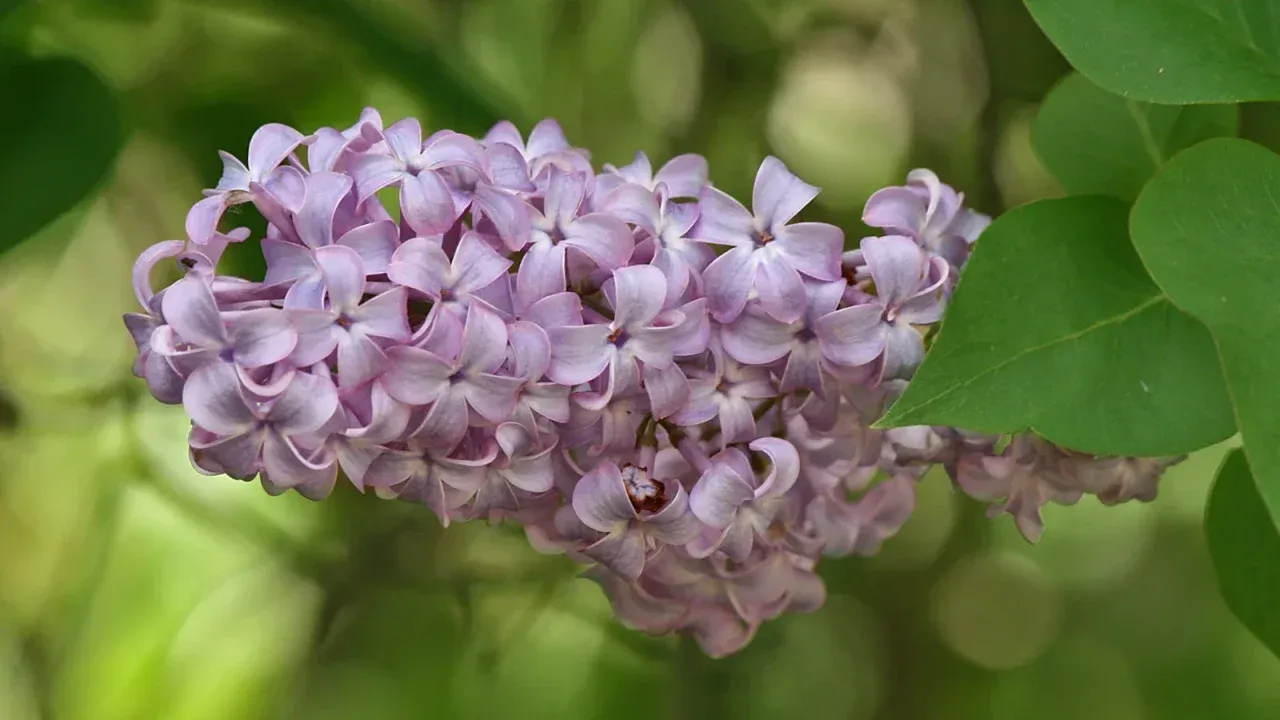
Common Lilac Care Guide for Canada
A practical Canadian guide to common lilac, with seasonal care, common problems, propagation and buying checks.
Read guide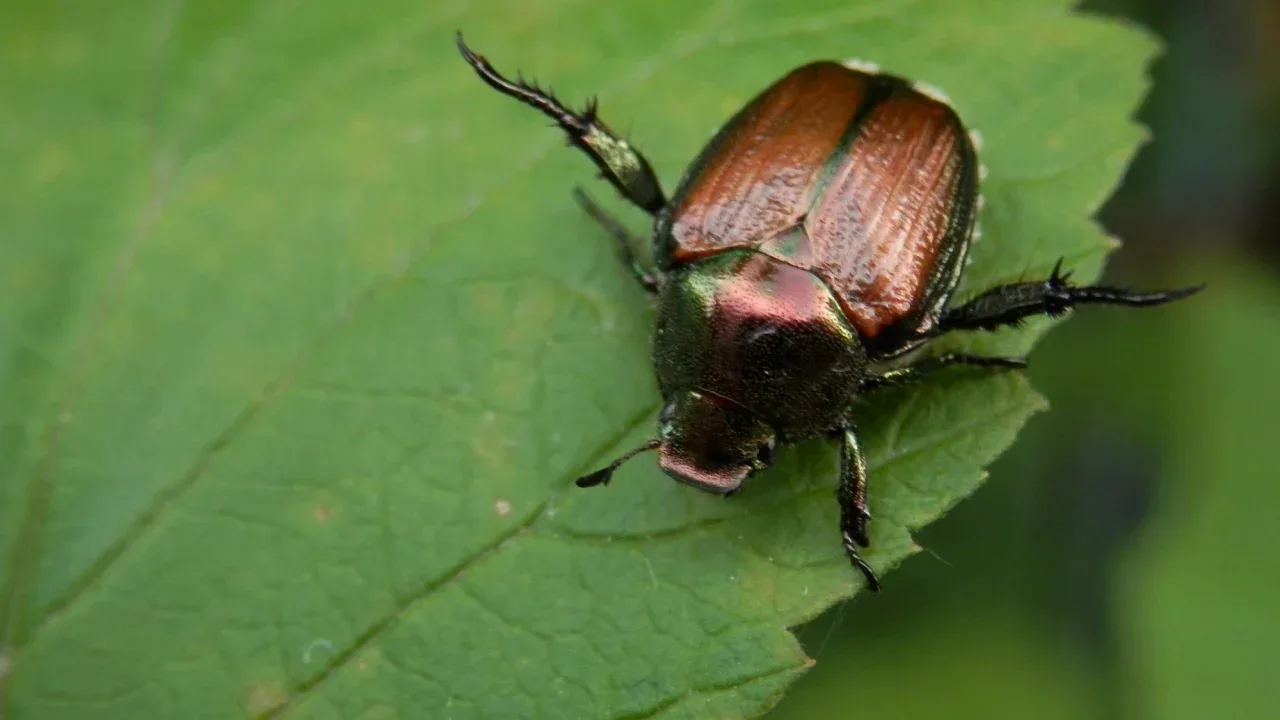
Japanese Beetle in Canada: How to Identify It, Control It and Where It's Regulated
Japanese beetles are established in Ontario, Quebec and the Maritimes, and CFIA is fighting them in BC and Newfoundland. Learn how to identify adults and grubs, where they are regulated in 2026, how to report a sighting, and how to protect your roses, raspberries and lawn.
Read guide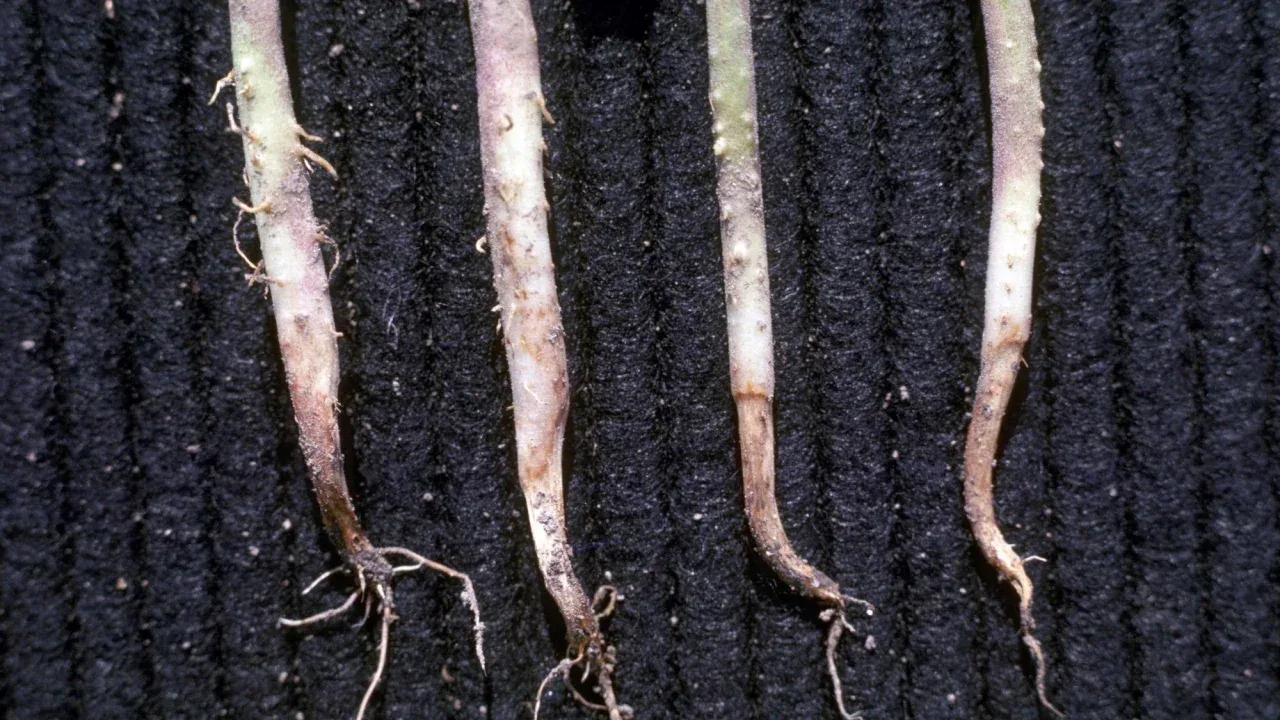
Root Rot in Houseplants and Garden Plants: Causes, Signs and How to Rescue Them
A plant that wilts in wet soil often has root rot. Learn what causes it, how to tell rotted roots from healthy ones, a step-by-step rescue for houseplants, and how to prevent root rot in pots and Canadian garden beds.
Read guide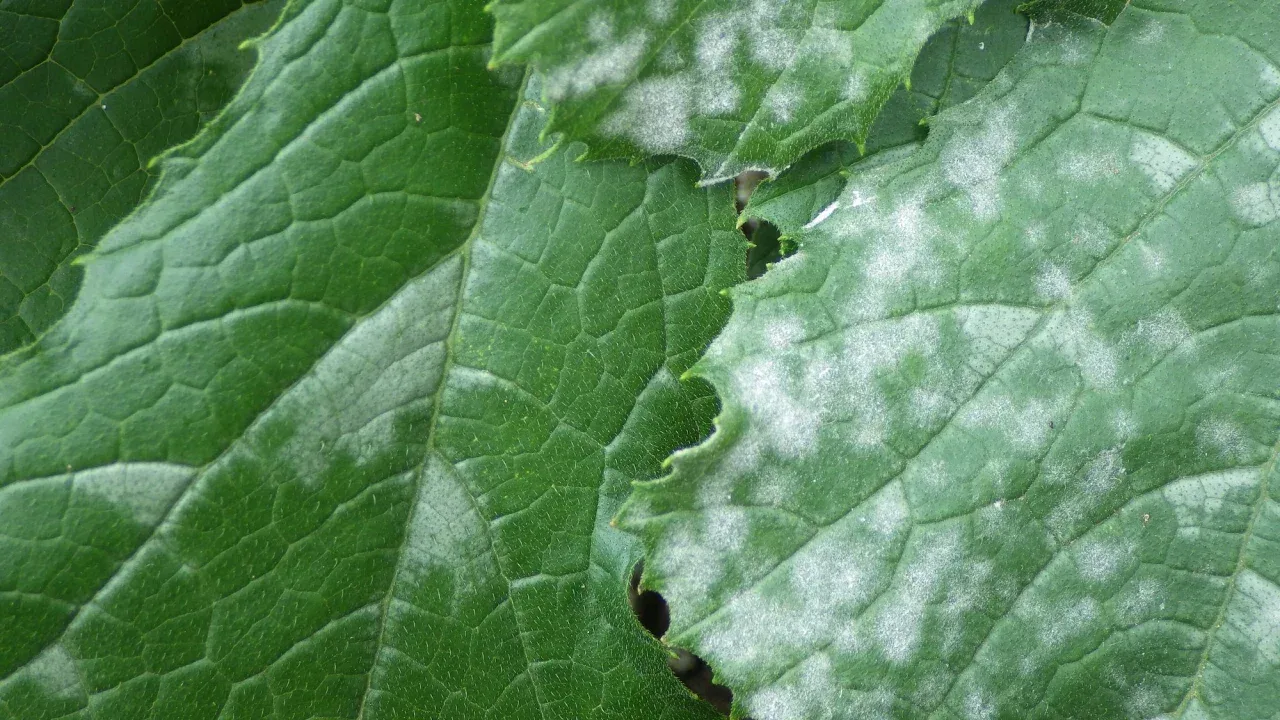
Powdery Mildew: How to Identify, Prevent and Treat It in Canada
Powdery mildew coats lilac, phlox, roses, squash and peas across Canada every summer. Learn how to identify it, why it thrives even in dry weather, how to prevent it, and which treatments are effective and allowed under Canadian and Ontario rules.
Read guideQ&A
Frequently Asked Questions
When should I prune lilac in Canada?
Right after flowering. Fall or winter cuts remove next year's buds.
Why is my lilac not blooming?
Too much shade, pruning at the wrong time, or (on the mild BC coast) not enough winter cold.
How hardy is common lilac?
Typically Zone 2 — one of the hardiest flowering shrubs for Canadian gardens.
How big does it get?
Often 2.5 to 4 m tall and wide if unpruned. Renew old wood to keep it manageable.
Similar Botanical Matches
Keep exploring
Related plants

Grower field notes
Reader Field Notes in Canada
Share how this plant performs in your local Canada climate.