
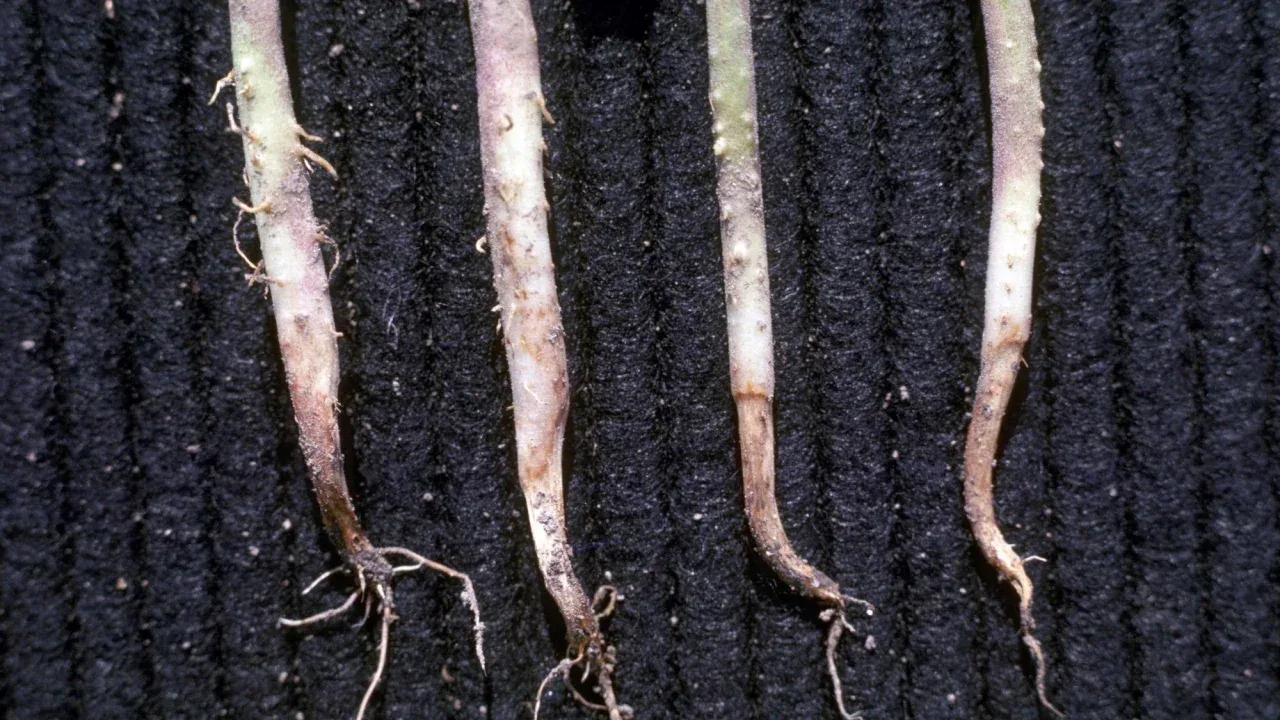
Root Rot in Houseplants and Garden Plants: Causes, Signs and How to Rescue Them
A plant that wilts while its soil is still wet is one of the most confusing problems a gardener can face. The natural reaction is to water it, and that is often exactly the wrong thing to do. Wilting in wet soil is a classic sign of root rot, a disease that destroys the roots so they can no longer take up water.
Root rot is a particular risk in Canada in winter. Iowa State University Extension calls root rot the most common indoor plant disease its clinic sees in winter, when houseplants grow very little and are easy to overwater. Outdoors, heavy clay soils, low spots that stay wet in spring, and long rainy spells can rot the roots of shrubs and perennials. This guide explains what causes root rot, how to recognize it, how to try to save an affected plant, and how to prevent it in pots and garden beds.
What causes root rot?
Root rot is a general term for any disease that breaks down a plant's root system. The University of Wisconsin's Plant Disease Diagnostics Clinic notes that most plants are susceptible, and that the most common causes are soil-borne fungi and fungus-like organisms: Pythium, Phytophthora, Rhizoctonia solani and Fusarium. These organisms have wide host ranges, so they can attack many different plants.
Most of them prefer wet soil. Iowa State University Extension explains that they thrive in wet, poorly drained soil and potting mix, and that they infect the roots of stressed or weakened plants. Constantly soggy soil also starves roots of air. The University of Saskatchewan describes this as roots "drowning" when containers drain poorly.
The most common triggers are:
- Overwatering, especially on a fixed schedule rather than when the plant needs it.
- Pots without drainage holes, or pots left standing in a saucer of water.
- Heavy or reused soil. Garden soil in pots compacts and can carry root rot organisms, and old potting mix may harbour spores.
- Low light and cool rooms in winter, when plants use far less water.
- Poorly drained garden soil, such as heavy clay or low areas where water pools in spring.
- Infected plants or tools that bring the organisms into your home or garden.
Signs of root rot
Above the soil
- Wilting even though the soil is wet. The University of Wisconsin notes that this is often the first thing gardeners notice. Iowa State adds that wilting usually starts on the lower leaves and can move upward until the whole plant collapses.
- Yellowing, browning and dropping leaves. The University of Maryland Extension lists yellowing, browning and dieback of the leaves among the main symptoms, and the University of Saskatchewan notes that both new and older leaves eventually turn yellow and fall.
- Slow or stunted growth. Plants may also show yellow or red leaves that look like a nutrient deficiency.
- Brown spots on leaf tips and soil that stays damp for days.
- A dark, soft stem base. Phytophthora can turn the lower stem black, brown or mushy.
Below the soil
The only way to be sure is to look at the roots. Slide the plant out of its pot, or dig carefully around a garden plant.
| Healthy roots | Rotted roots |
|---|---|
| Firm and white or light-coloured | Soft, mushy and brown, black or reddish |
| Many fine feeder roots | Few fine roots left |
| Outer layer stays attached | Outer layer slides off, leaving a thin thread |
Rotted roots may also have a bad odour, according to the University of Wisconsin.
These descriptions come from Iowa State University Extension, the University of Wisconsin and the University of Maryland Extension. The University of Maryland notes that with Pythium root rot, the outer part of the root pulls away easily and leaves a fine, hair-like core, and that when an infected plant is pulled from its pot, most of the roots may stay behind.
Root rot or thirst?
The University of Saskatchewan warns that a wilting houseplant may look dry when it has actually been overwatered and its roots are rotting, and that watering at that point can cause great harm. The surface of the mix may be dry while the soil deeper down is wet, so check about 5 cm below the surface or use a moisture meter before you water.
How to rescue a plant with root rot
Be realistic before you start. The University of Wisconsin notes that the most cost-effective approach is often to throw the plant out, and the University of Maryland advises discarding severely infected plants. Rescue is worth trying when part of the root system is still firm and white, or when the plant is valuable to you.
- Stop watering. Reducing soil moisture is the most important step, according to the University of Wisconsin.
- Remove the plant and inspect the roots. Gently ease the plant out of its pot and shake or rinse off the old mix so you can see which roots are firm and which are soft.
- Cut away rotted roots. Use clean, sharp scissors or pruners to remove soft, brown or black roots. Disinfect them when you finish.
- Repot in fresh, pasteurized potting mix. Use a clean pot with drainage holes, sized to the remaining roots. Do not reuse the old mix.
- Water lightly and wait. Water just enough to settle the mix, then let it dry to the appropriate depth before watering again. Keep the plant in bright, indirect light and out of cold drafts.
- Take cuttings as a backup. If the roots are mostly gone, the University of Maryland suggests taking stem cuttings from healthy tissue only.
- Clean up. The University of Wisconsin recommends disinfesting tools, work surfaces and clay pots with a 10% bleach or detergent solution, or alcohol, and throwing out plastic pots that held a plant with root rot, because they are hard to disinfest.
Should you use a fungicide?
The University of Wisconsin does not recommend chemical fungicides for root rot on houseplants, because few products are available to home gardeners and those that are available tend to be expensive. If you see a product advertised for root rot, check that it has a Pest Control Products (PCP) number from Health Canada's Pest Management Regulatory Agency and that the label lists your use. Health Canada does not recommend homemade pesticides, because they are not tested for safety or effectiveness.
Root rot in garden plants
Outdoors, root rot usually points to a drainage problem. Agriculture and Agri-Food Canada notes that several species of Phytophthora cause crown or collar rot in elder and dogwood, and crown rot or shoot blight in lilac. Poorly drained or excessively wet soil favours infection, because the organism can move through the soil to roots or be spread by rain splash.
Symptoms on trees and shrubs develop more slowly than on houseplants. Agriculture and Agri-Food Canada lists shoot dieback or wilt, stunting, small yellowish leaves, early fall colour, dead branches and eventually plant death. The inner bark at the base may show cinnamon-brown or dark brown streaks with a clear edge between infected and healthy tissue. Because other root problems look similar, a laboratory diagnosis is usually needed to confirm Phytophthora.
There are no chemical control options for Phytophthora crown and collar rot, according to Agriculture and Agri-Food Canada. Prevention is everything:
- Fix drainage. Correcting drainage in excessively wet soil may reduce the disease. Raised beds help in heavy clay.
- Plant healthy stock from a reputable nursery, and avoid planting elder or lilac in soil where those plants have already had crown rot.
- Avoid wounding the crown with mowers and string trimmers.
- Match the plant to the site. Save wet, low spots for plants that tolerate moist soil.
How to prevent root rot
For pots, the University of Wisconsin and the University of Saskatchewan agree on the basics:
- Use pots with drainage holes. Do not put gravel or rocks in the bottom; both universities note that a gravel layer actually hinders drainage.
- Use pasteurized commercial potting mix, not garden soil. The University of Saskatchewan recommends a soil-less mix of peat or coir with some perlite or vermiculite for containers.
- Never leave plants sitting in water. Empty saucers and cachepots after watering.
- Water by need, not by the calendar. Iowa State recommends watering according to each plant's needs rather than on a schedule.
- Water less in winter. The University of Maryland suggests letting most of the soil dry in winter, to about the dampness of a wrung-out dish towel, rather than keeping it wet. See our guide to low-light indoor plants for Canadian winters for winter watering tips.
- Do not reuse old potting mix or drainage water, both of which can carry root rot organisms.
- Inspect new plants. Check the roots of new plants before you put them beside your others. The University of Maryland suggests keeping infected plants separate from healthy ones.
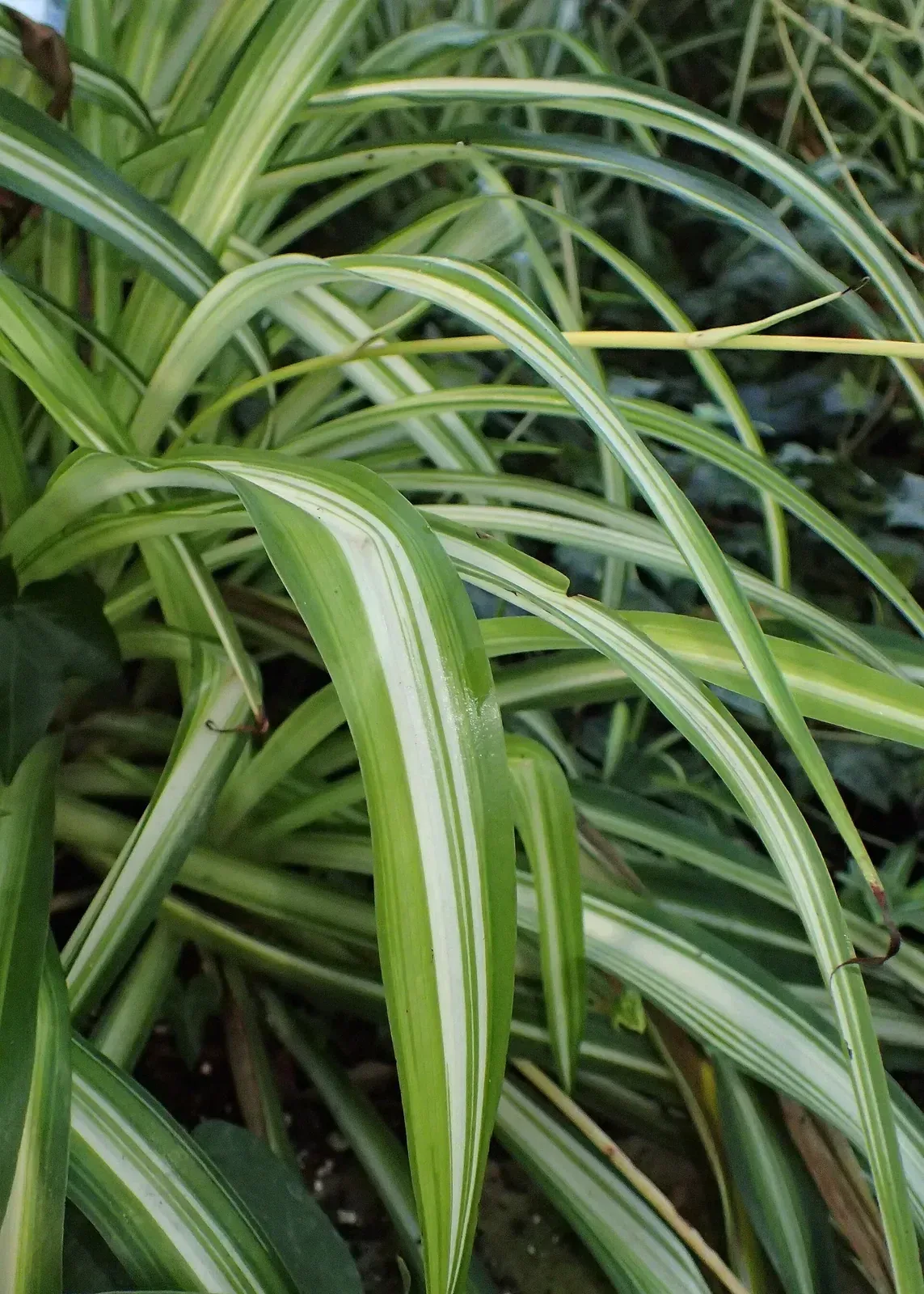
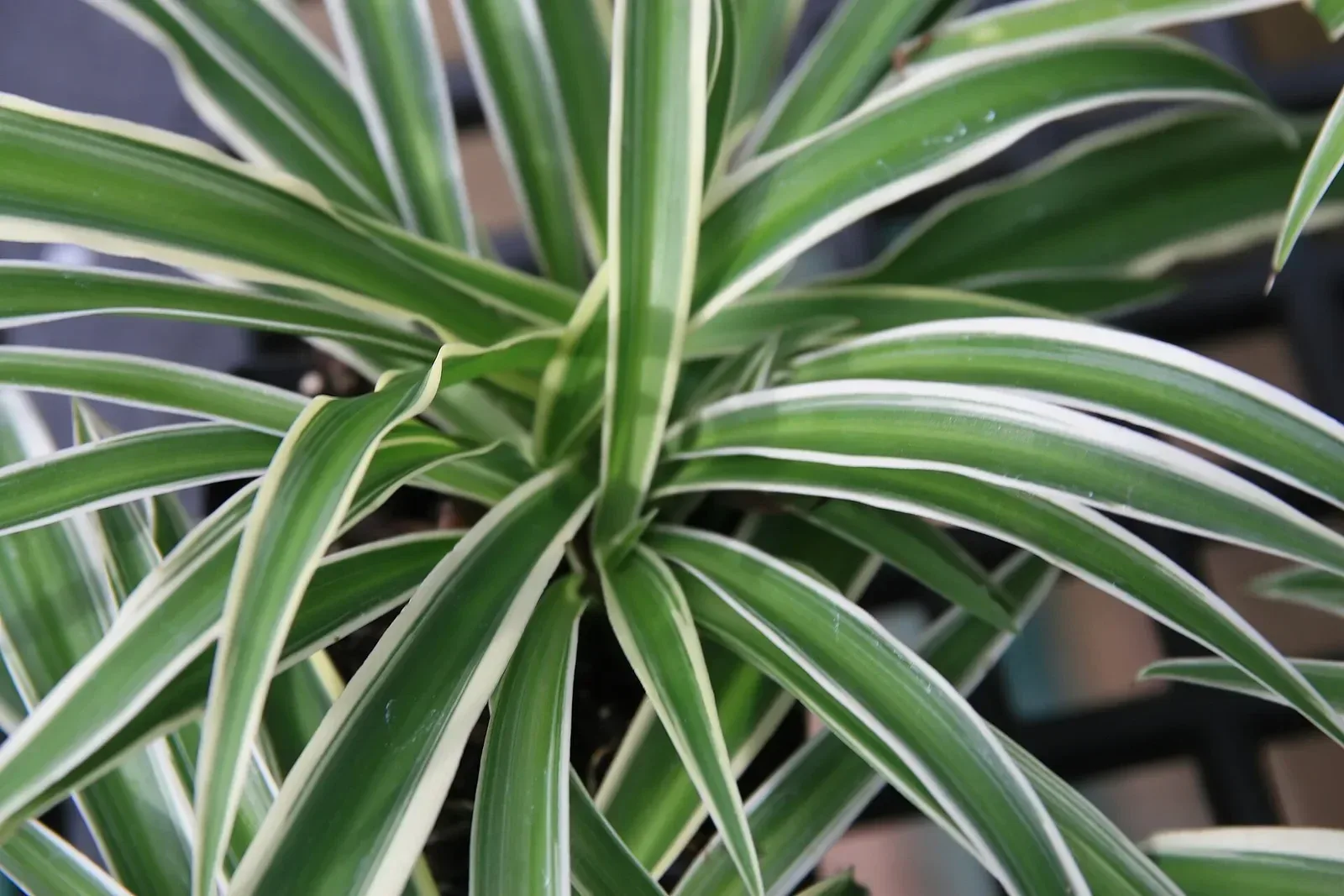
Some plants are more prone to root rot when overwatered. The University of Maryland shows examples on poinsettia and orchids, and the University of Wisconsin shows Pythium root rot on poinsettia. If you are choosing plants for a home with pets, our pet-safe houseplants guide includes watering advice for each plant. A healthy spider plant with firm, white roots is a good model of what roots should look like.
Frequently asked questions
Can a plant recover from root rot?
Sometimes. If part of the root system is still firm and white, removing the rotted roots, repotting in fresh mix and watering carefully can save it. The University of Wisconsin notes that discarding the plant is often the most cost-effective option, and the University of Maryland advises throwing away severely infected plants.
What does root rot smell like?
The University of Wisconsin notes that rotted roots are soft and brown and may have a bad odour. Healthy roots are firm and white or light-coloured.
Why is my plant wilting when the soil is wet?
Damaged roots cannot take up water, so the plant wilts even though the soil is wet. This is a classic sign of root rot. Check the roots before you water again.
Should I put gravel in the bottom of my pots?
No. The University of Wisconsin and the University of Saskatchewan both note that gravel or rocks in the bottom of a pot hinder drainage. Use a pot with drainage holes and a good potting mix instead.
Can I reuse a pot after root rot?
Clay pots can be disinfested with a 10% bleach or detergent solution, or alcohol. The University of Wisconsin recommends throwing out plastic pots that held a plant with root rot, because they are difficult to disinfest.
How often should I water houseplants in a Canadian winter?
There is no fixed schedule. Plants grow slowly in winter and use less water. Check the mix about 5 cm down and water only when it has dried to the depth that plant prefers.
Is there a fungicide for root rot in Canada?
The University of Wisconsin does not recommend chemical fungicides for root rot on houseplants. Agriculture and Agri-Food Canada notes that there are no chemical control options for Phytophthora crown and collar rot of elder, lilac and dogwood. Improving drainage and watering correctly are the real fixes.
Sources
- University of Wisconsin–Madison Division of Extension, Root Rots on Houseplants.
- Iowa State University Extension, Root Rots of Houseplants.
- University of Maryland Extension, Root Rots of Indoor Plants and Winter Indoor Plant Problems.
- University of Saskatchewan, Gardening at USask: Watering your indoor plants, Dealing with common problems and How to water outdoor containers.
- Agriculture and Agri-Food Canada, Crown/collar rot and shoot blight.
- Health Canada, The risks of homemade pesticides.
Image credits
- Featured image (Bean seedlings with Pythium): Howard F. Schwartz, Colorado State University, Bugwood.org / Wikimedia Commons / CC BY 3.0 US. Source.
- Spider plant roots: Keith Williamson / Wikimedia Commons / CC BY 2.0. Source.
- Plant removed from its pot: Tangopaso / Wikimedia Commons / Public domain. Source.
- Pots with drainage holes: Ragesoss / Wikimedia Commons / CC BY-SA 3.0. Source.
- Phytophthora rot: Scot Nelson / Wikimedia Commons / CC0. Source.
Comments
No comments yet — share what worked in your climate.