
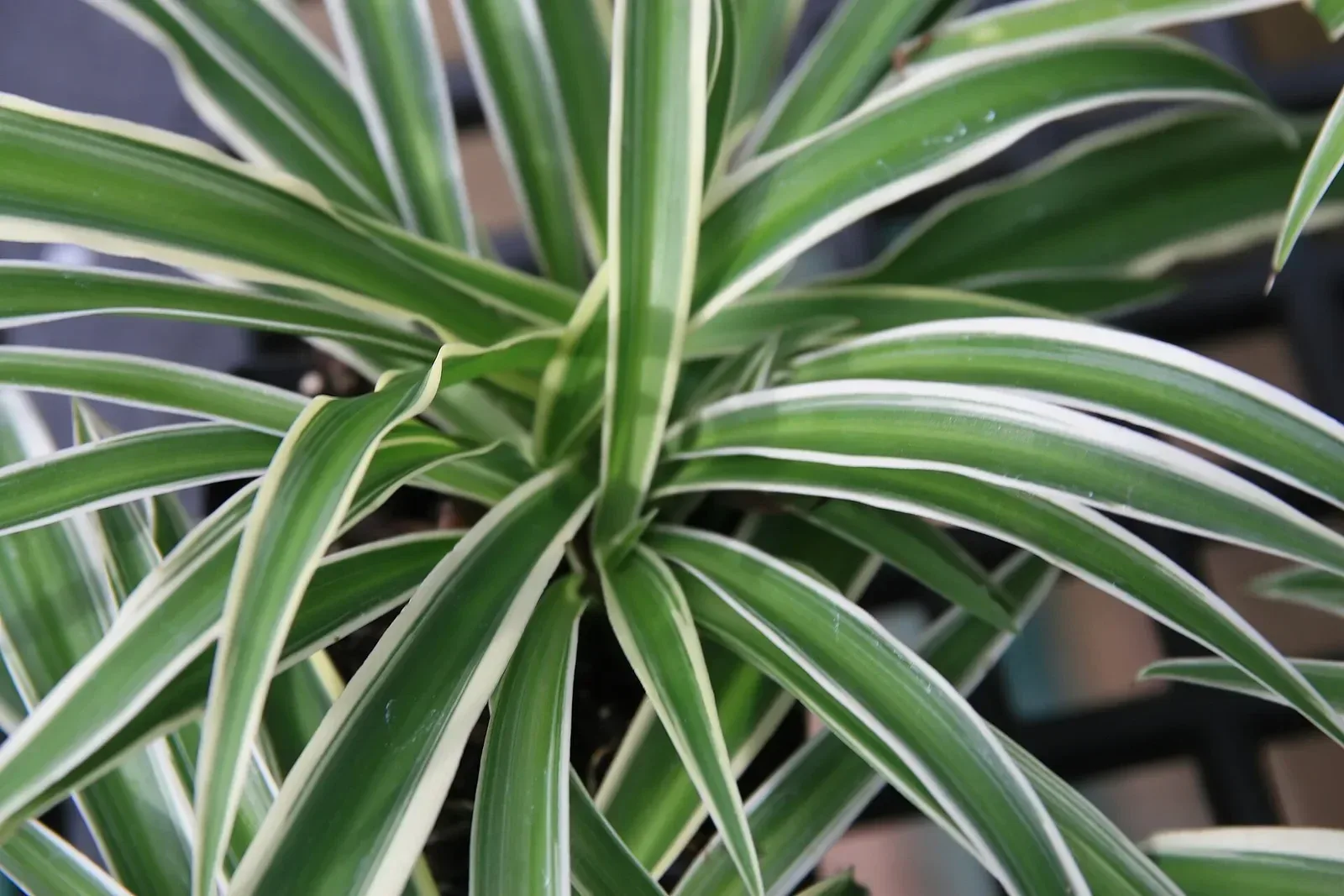
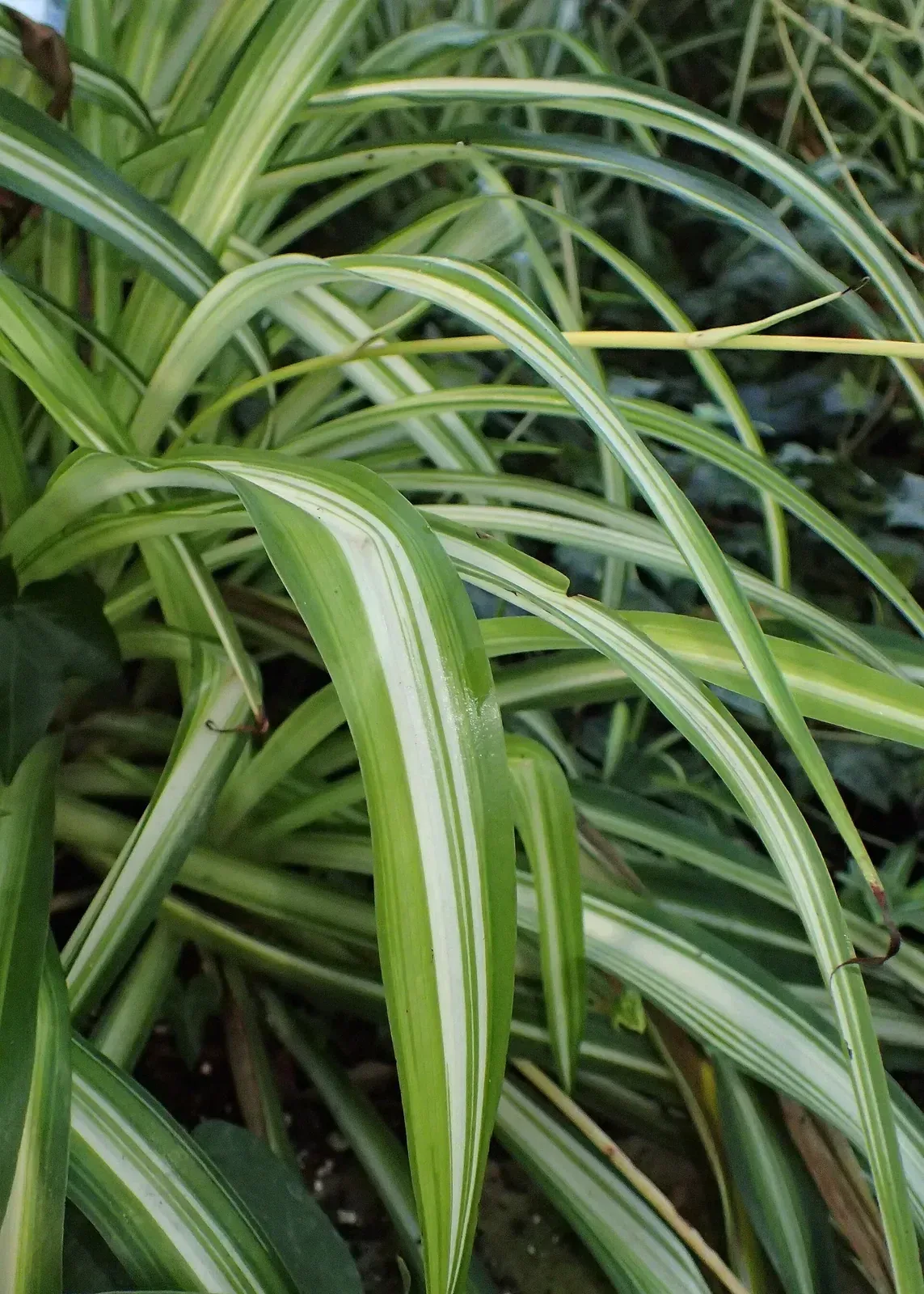
The spider plant is one of the easiest houseplants you can own. It has long, thin green leaves, often with a white stripe. It also grows little baby plants that hang down on long stems. That's where the name comes from. For quick facts, see our spider plant profile.
It's a tough plant. But a Canadian winter still changes how it grows. With a few small changes, yours will look good until spring.
What winter does to a spider plant
Spider plants come from warm parts of Africa. They never see snow there. In a Canadian home, from about November to March, three things get harder for them. Other low-light houseplants like the cast iron plant also handle short winter days well.
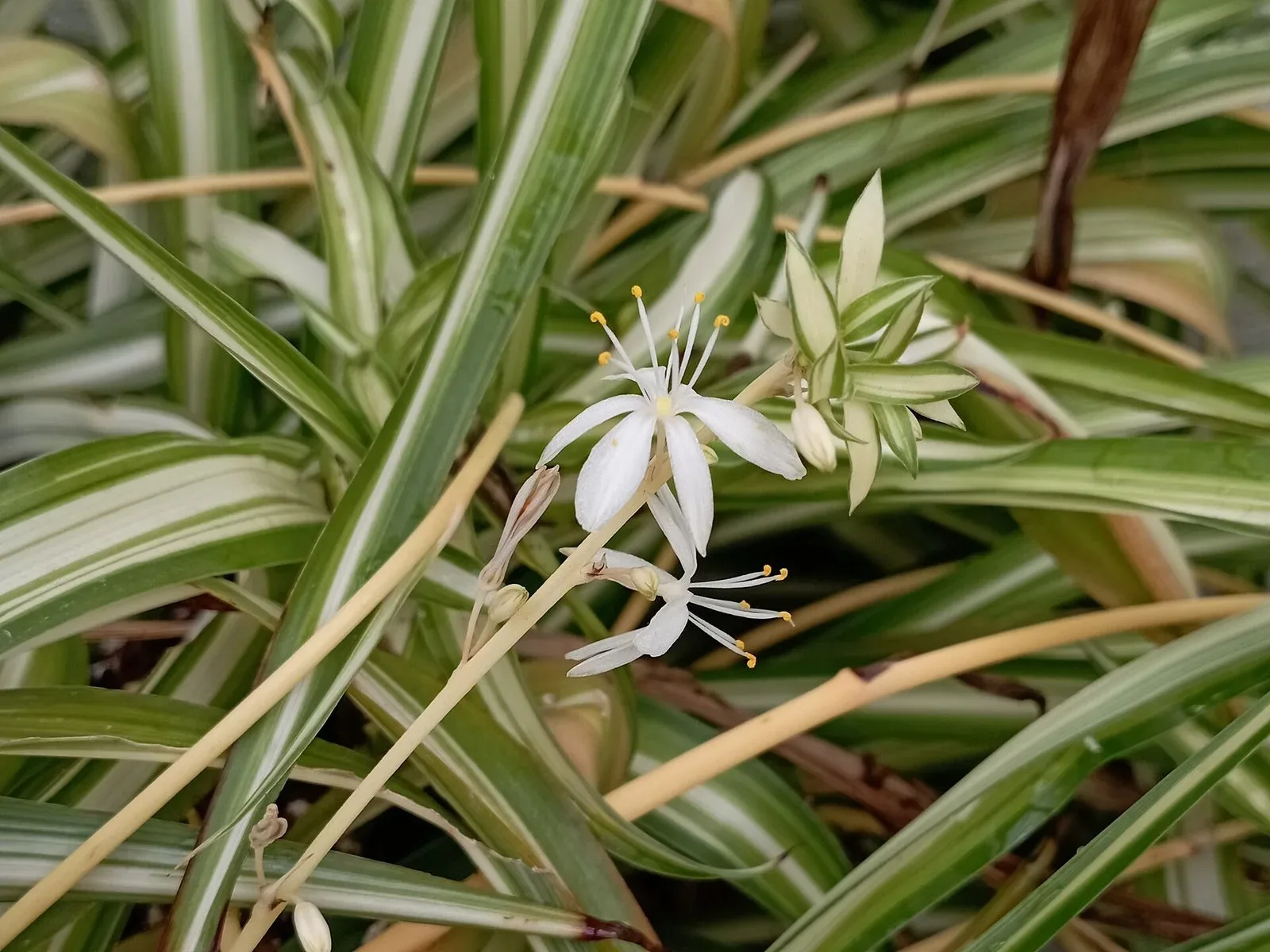
- Less light. The sun comes up late and goes down early. It's also weaker.
- Dry air. The furnace dries out the air in your home. Humidity (the amount of water in the air) can drop to 20% or less. Spider plants like 40% to 60%.
- Cold spots. A windowsill on a −25 °C night can get very cold.
So the plant slows down. It grows less and may not make babies. Don't worry. This is normal. In winter you're not trying to make it grow fast. You just want to keep it healthy.
Quick spider plant winter care chart
| What | In winter | Easy tip |
|---|---|---|
| Light | Bright, but not hot sun all day | Move it closer to a window |
| Room temperature | 16 to 24 °C | Keep leaves off cold glass |
| Water | When the top 3 to 5 cm of soil is dry | Often every 10 to 14 days |
| Air | Not too dry | A humidifier helps |
| Plant food | None | Start again in March or April |
Spider plant light in winter
In summer, strong afternoon sun can burn the leaves. In winter, the sun is much softer. So you can move your plant right up near a window. A window facing east or south is best. A west window is fine too.
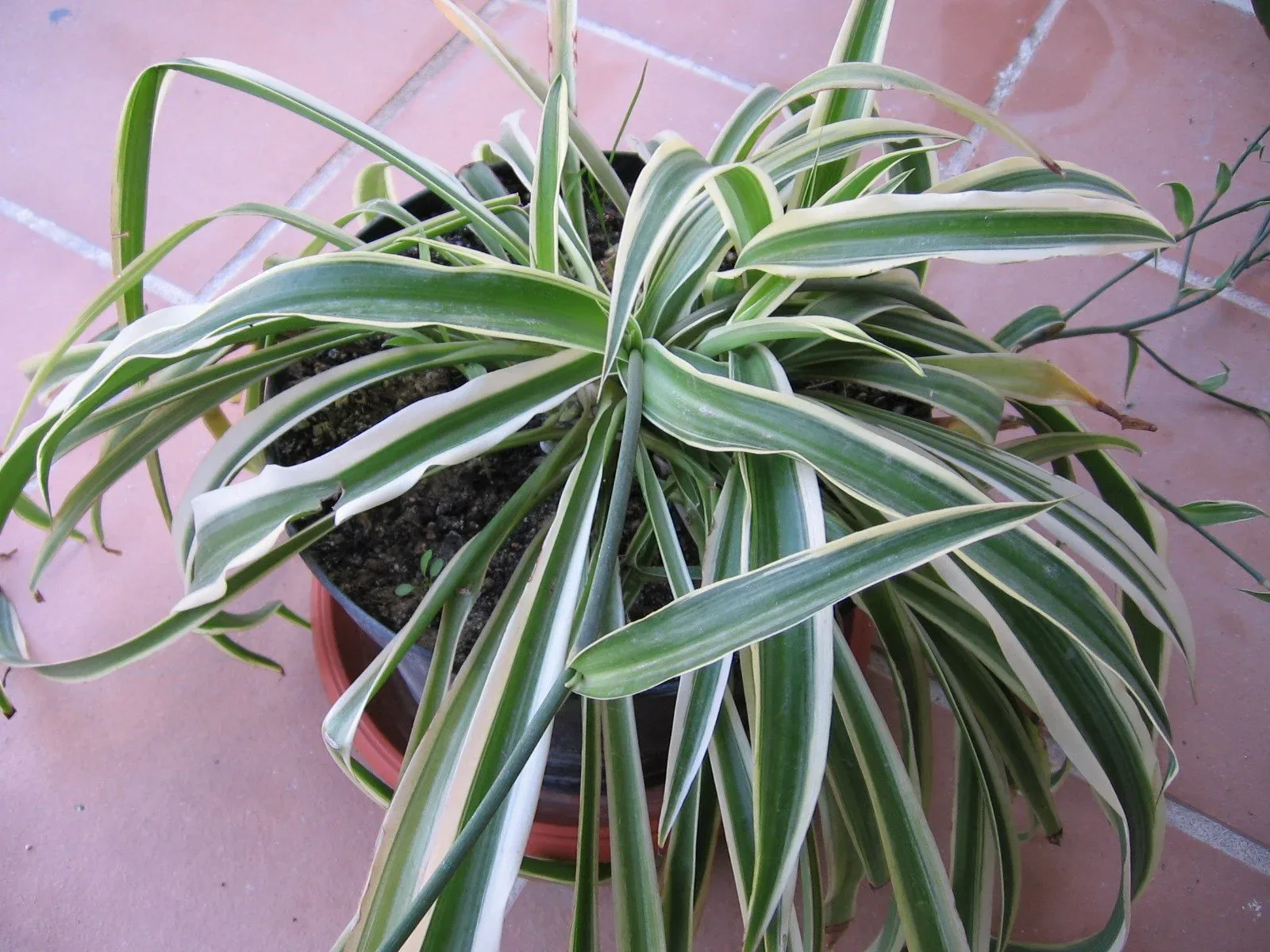
How do you know it needs more light? Look at the leaves. They turn pale. The white stripes may fade. New leaves come out long and floppy.
If your home is dark, buy a small LED grow light. These are cheap now. Hang it about 30 to 45 cm above the plant and leave it on for 10 to 12 hours a day. A plug-in timer makes this easy.
Turn the pot a little every week or two. Then every side gets some light, and the plant grows evenly.
How to water a spider plant in winter
Too much water kills more spider plants in winter than anything else. The plant drinks much less when it isn't growing. If the soil stays wet, the roots rot. You can track how your plant is doing with our free plant health score tool.
How to water
- Push your finger into the soil, up to your second knuckle. Dry? Water it. Still damp? Wait a few days and check again.
- When you water, give it enough that some runs out the bottom of the pot.
- Wait 15 minutes. Then pour away any water sitting in the tray under the pot.
- Use water at room temperature. Very cold tap water can shock the roots.
Spider plants have thick white roots that store water. So they don't mind drying out a bit. They hate sitting in wet soil much more.
Why spider plant tips turn brown
Brown, dry leaf tips are the number one complaint. There are a few causes.
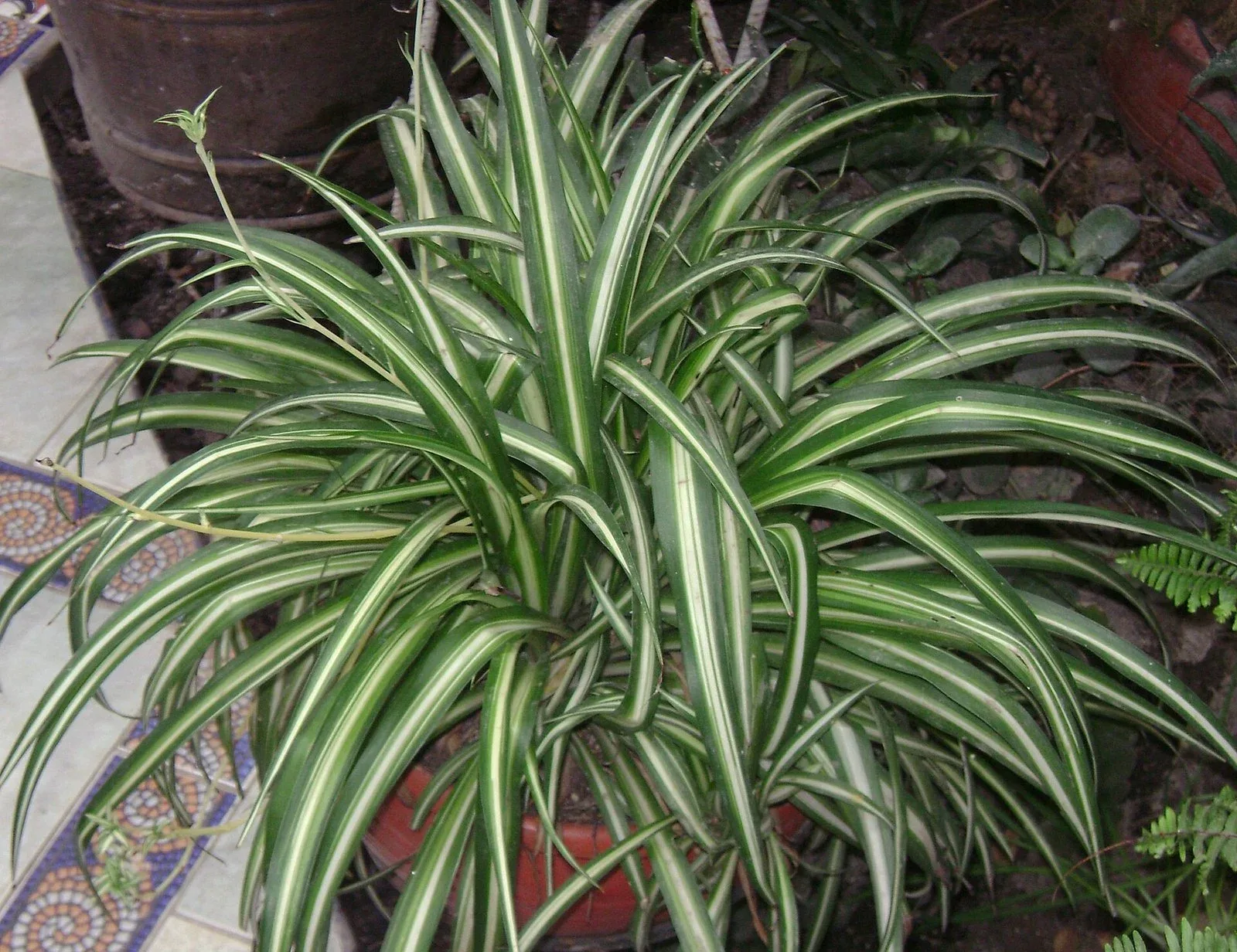
The first is dry air from the furnace. The second is tap water. Many Canadian cities add fluoride to their water, and spider plants don't like it. Chlorine and salts from old plant food can also build up in the soil.
Some fixes that work:
- Use rainwater, filtered water, or melted snow. If you use snow, let it warm up to room temperature first.
- Or fill a jug with tap water and leave it out overnight. Some of the chlorine goes away.
- Every two months, take the plant to the sink. Run lots of water through the pot to wash out old salts. Let it drain well.
Brown tips won't turn green again. You can cut them off with clean scissors. Cut at an angle so the leaf still looks pointed.
Dry air from the furnace
You don't need anything fancy. Try one or two of these:
- Run a humidifier in the room. This works best. Your skin will thank you too.
- Keep a few plants close together. They share the water they give off.
- Fill a tray with small stones and some water. Set the pot on top. The bottom of the pot should sit on the stones, not in the water.
- Keep the plant away from heat vents, radiators and wood stoves.
Spraying the leaves with water only helps for a few minutes. It's not worth the trouble.
Cold windows and drafts
Normal room temperature, 16 to 24 °C, is perfect. The plant can handle a short drop to about 10 °C. Longer than that and leaves get damaged.
Watch out for leaves touching the window glass on a freezing night. They can freeze and turn soft and see-through. Older windows get very cold. On the coldest nights, pull the plant back from the window a little.
Keep it away from the front door too. Every time the door opens, freezing air rushes in.
Buying a new plant in January? Wrap it in paper or a big bag before you carry it outside. Even a few minutes at −20 °C can hurt it.
Feeding, repotting and spider plant babies
No plant food in winter
Stop feeding at the end of October. The plant can't use it while it's resting. The extra just builds up in the soil and causes brown tips. Start again in March or April, when you see new leaves. Use half the amount the bottle says.
Wait for spring to repot
Leave it in its pot until spring if you can. Only repot now if the roots are pushing the plant up out of the pot, or if the roots are rotting. Pick a new pot just 2 to 5 cm wider, with holes in the bottom.
The pot matters
Always use a pot with holes. A pretty pot with no hole traps water at the bottom. If you love a pot like that, keep the plant in a plastic pot and set it inside. Lift it out when you water.
Clay pots dry out faster than plastic. That's good if you tend to water too much.
Growing the babies
You can grow new plants from the babies even in winter. It just takes a bit longer. Pick a baby that has small bumps on the bottom. Those bumps are roots starting. Put it in a glass of water on a bright windowsill. Keep the room warm, about 18 °C or more. In two to four weeks you'll see roots. When they're about 2 to 3 cm long, plant it in a small pot of soil.
Spider plant winter problems and what they mean
- Brown, dry tips: dry air, tap water, or too much plant food. See spider plant brown tips in winter.
- Yellow, soft leaves and a mushy base: too much water. Let the soil dry. Check the roots. Cut off any that are brown and soft.
- Pale leaves: not enough light.
- Tiny webs or small dots on leaves: spider mites. These tiny bugs love dry air. Wash the leaves in the shower. If they come back, use insecticidal soap from the garden centre.
- No baby plants: normal in winter. They'll come when the days get longer.
Are spider plants safe for pets?
Good news for cat and dog owners. The ASPCA says spider plants are not poisonous to cats or dogs. Cats really like chewing the leaves, though. A hanging basket keeps it out of reach. When spring comes and you start planting outside, read our guide to cold climate perennial gardening.
Comments
No comments yet — share what worked in your climate.