
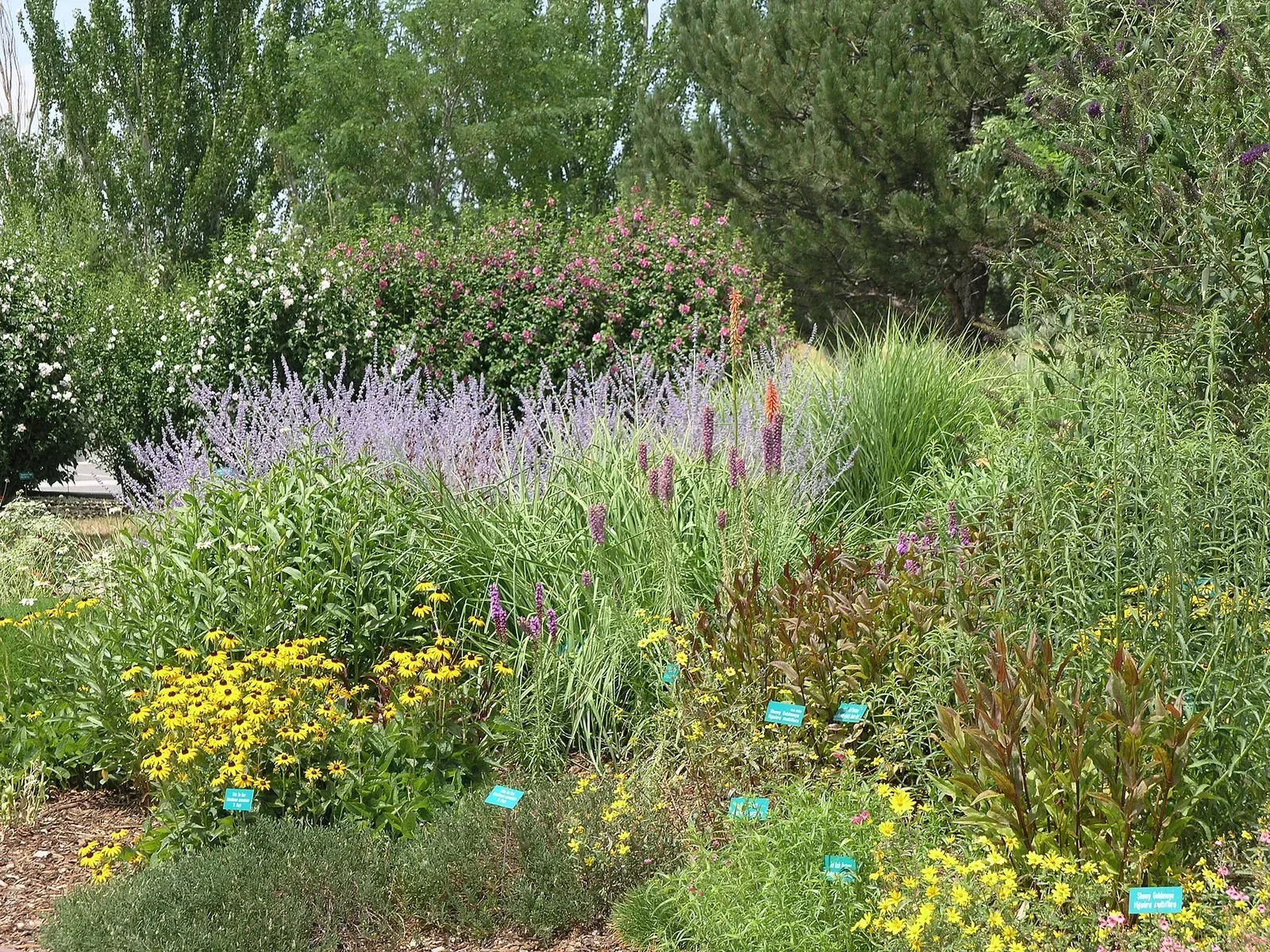
A perennial is a plant that lives for many years. The top part dies in fall. The roots stay alive under the soil, and new leaves come up again in spring. You plant it once and enjoy it for years. Our planting calendar shows the right dates for your area.
In Canada, winter is long and very cold. On the Prairies it can go down to −40 °C. So you can't plant just anything. You need tough plants and a bit of care at the right time of year.
First, find your hardiness zone
Canada is split into "hardiness zones." A zone is a number that tells you how cold your area gets in winter. A low number means a colder place. Zone 3 is very cold, like parts of Saskatchewan and northern Ontario. Zone 8 is mild, like Vancouver and Victoria. Most Canadian towns and cities are somewhere from zone 3 to zone 8.
You can look up your zone on the Natural Resources Canada website. Just type in your town.
Here is a simple rule. Buy plants rated for one zone colder than yours. If you live in zone 5, pick plants that say zone 4 on the tag. Then a bad winter won't kill them.
Your own yard matters too. A spot next to a warm brick wall is milder. A low corner where cold air sits is colder. A windy open spot dries plants out.
Best perennials for cold Canadian gardens
These plants are easy to find at Canadian garden centres. They handle cold winters well. Tough choices include purple coneflower and hosta.
| Plant | Coldest zone | Sun or shade | Flowers in |
|---|---|---|---|
| Peony | Zone 2 | Full sun | Late spring |
| Siberian iris | Zone 2 | Sun or some shade | Early summer |
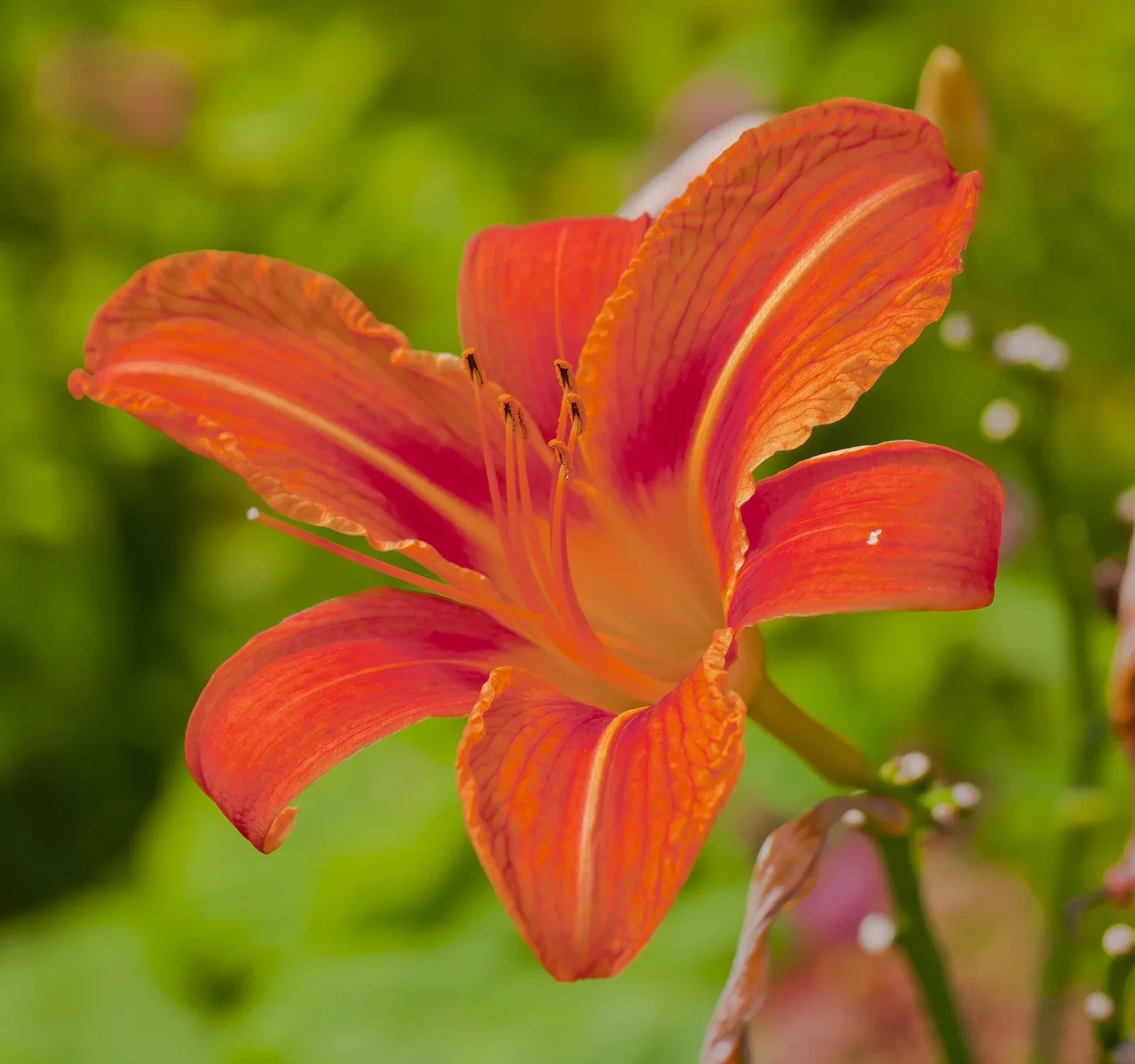
| Daylily | Zone 3 | Sun or some shade | Summer |
| Purple coneflower | Zone 3 | Full sun | Mid to late summer |
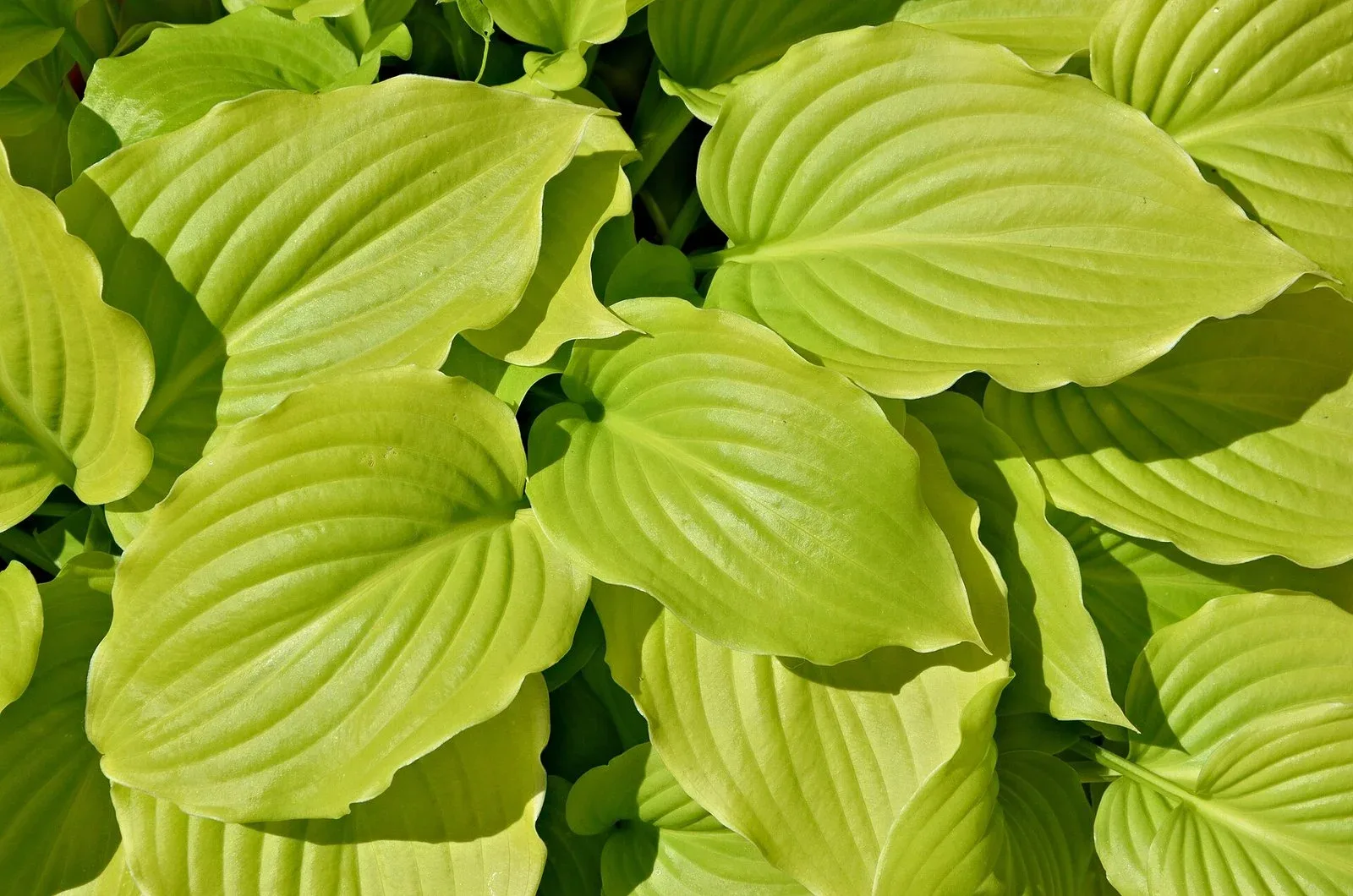
| Hosta | Zone 3 | Shade | Grown for its leaves |
| Yarrow | Zone 3 | Full sun | Summer |
| Bergenia | Zone 3 | Some shade | Early spring |
Native plants are a great pick as well. These are plants that grow wild in Canada. Wild bergamot, black-eyed Susan and New England aster are three good ones. Bees and butterflies love them.
Spring perennial garden jobs
Don't rush the cleanup
Wait until days stay warmer than about 10 °C for a week. Then cut away old dead stems. Many small bees sleep inside hollow stems over winter. If you cut too early, you kill them.
If you put leaves or straw over your beds in fall, take it off slowly as green shoots show up. Keep a little close by. A late frost can still happen in May.
Plant new ones
In zones 3 and 4, spring is the best time to plant. The roots get the whole summer to grow strong before winter. Plant after the last frost date for your area. Your local garden centre can tell you this date.
Split big clumps
After three or four years, some plants get crowded in the middle. Daylilies and hostas are like this. In spring, dig up the clump. Cut it into two or three pieces with a sharp spade. Plant each piece at the same depth as before. Now you have free plants.
Add compost
Spread compost about 2 to 5 cm thick around your plants. That's usually all the food they need. Too much fertilizer makes tall, weak stems that fall over.
Summer perennial garden jobs
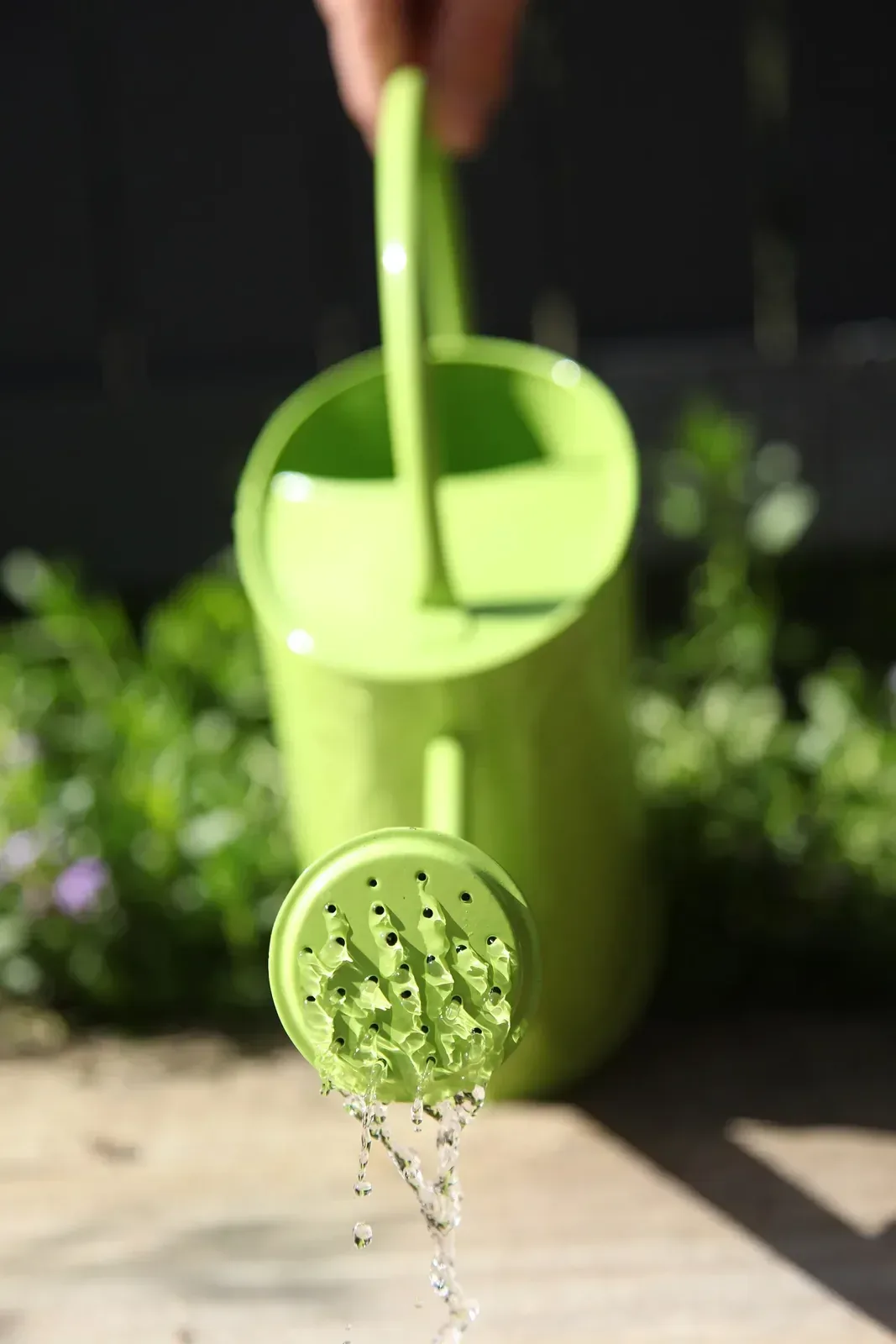
- Water deep, but not every day. Plants need about 2.5 cm of water a week, rain included. One long soak is better than many quick sprinkles. Deep water pulls roots down into the soil.
- Put down mulch. Mulch is a layer of bark chips or chopped leaves on top of the soil. Use about 5 to 7 cm. It keeps soil wet longer and stops weeds. Don't pile it against the stems.
- Give tall plants support. Peonies get heavy flowers and tip over after rain. Put a metal ring or stake around them in late spring, before they get big.
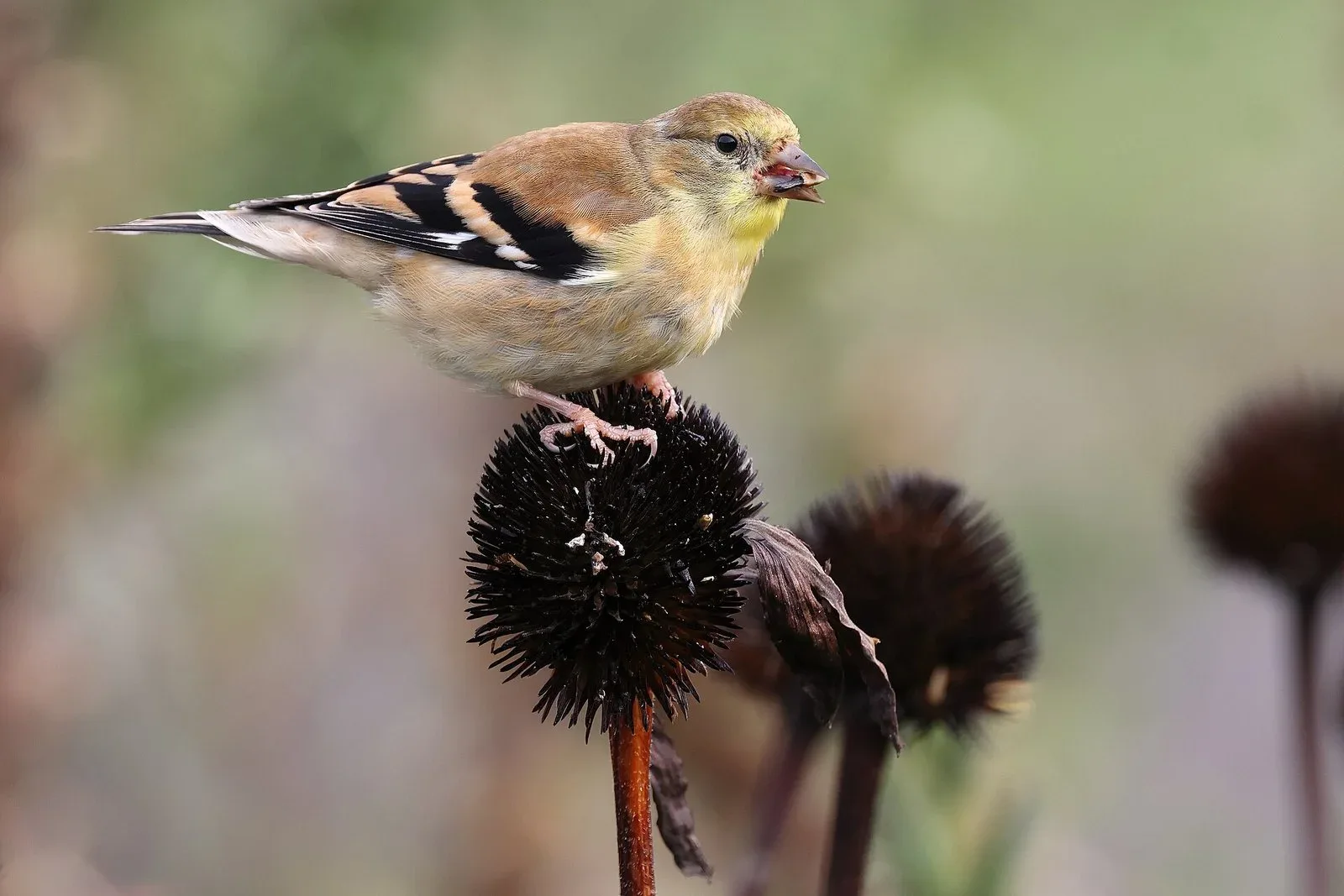
- Cut off dead flowers. On coneflowers and yarrow, this often brings more blooms. Near the end of summer, stop doing it. Birds like to eat the seeds.
How to plan a perennial bed
Plant three or five of the same plant together. A group looks better than one plant here and one plant there. It also covers the soil, so fewer weeds grow. To pick plants that grow well side by side, try the companion planting tool.
Put tall plants at the back. Short ones go in front. That way you can see everything.
Try to have something in flower from spring to fall. Bergenia and creeping phlox bloom early. Daylilies and coneflowers take over in summer. Asters and sedum finish the year in September and October.
If your yard is open and windy, a fence or a row of shrubs helps a lot. It blocks cold wind. It also catches snow, and snow keeps plants warm. We'll explain that below.
Fall perennial garden jobs
Stop feeding in August
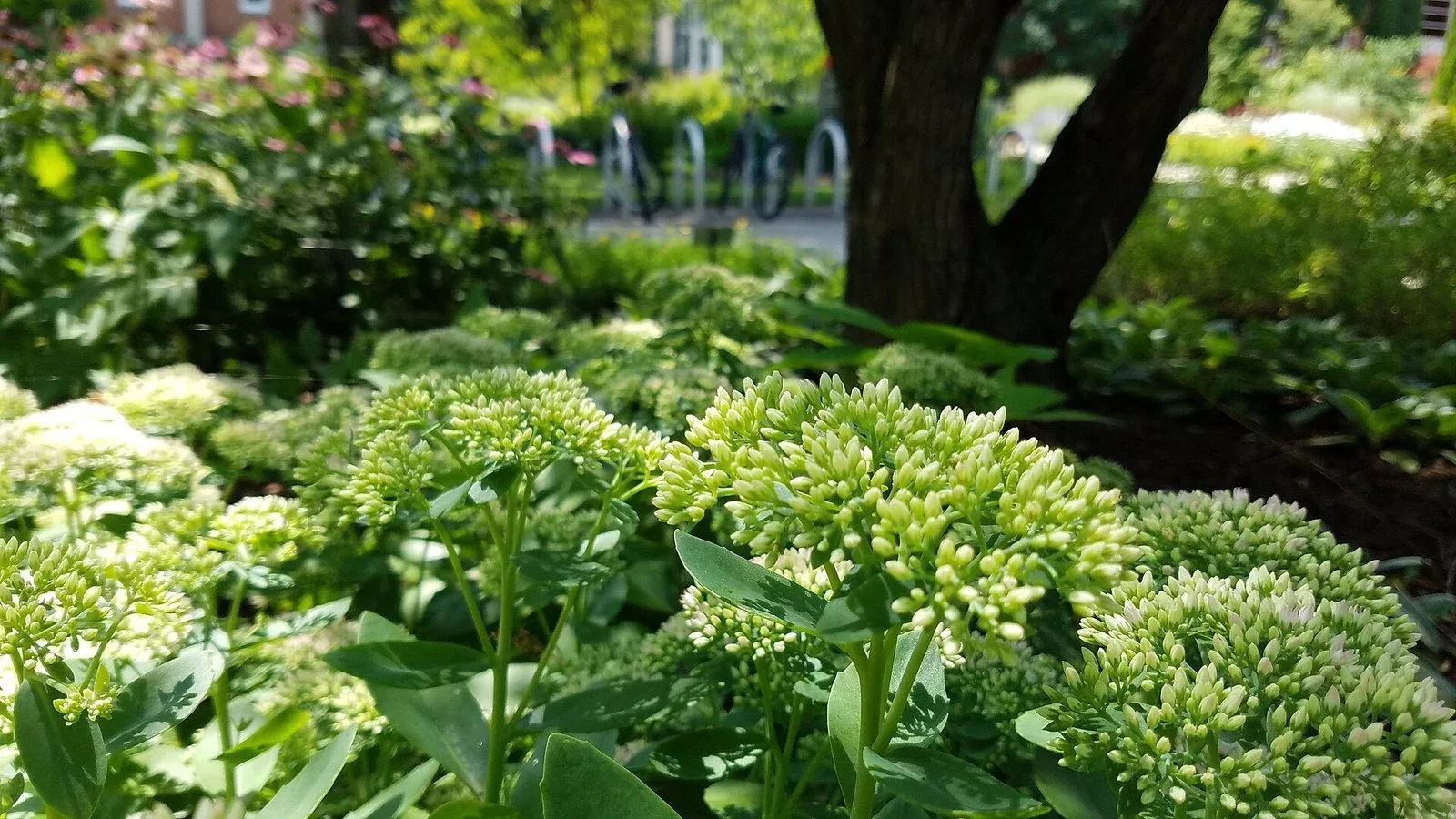
Don't give plants fertilizer after mid-August. It makes soft new leaves. Those leaves get killed by the first frost, and the plant gets weak. For late colour, Autumn Joy sedum flowers well into fall.
Plant early, if you plant in fall
In zones 5 to 8, early fall works for planting. Finish at least six weeks before the ground freezes. Peonies and irises like being planted or split in fall. In zones 3 and 4, it's safer to wait for spring.
Keep watering
Dry plants get hurt more in winter. Keep watering new plants until the ground freezes. Plants that keep green leaves all winter, like bergenia, need this the most.
Cut some, leave some
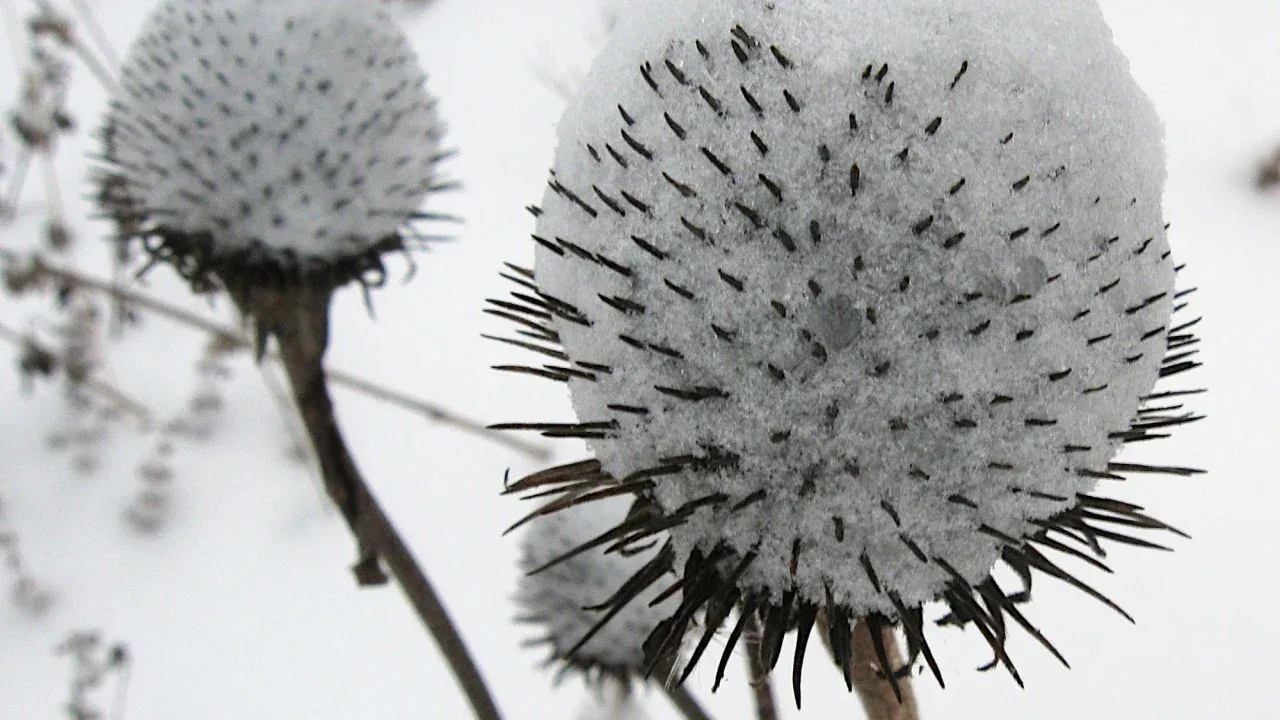
Cut down plants that often get sick, like peonies and bee balm. Throw the leaves in the garbage, not the compost. Leave strong plants standing, like coneflowers, sedum and tall grasses. Their stems hold snow and give birds food.
Winter: snow protects your perennials
This surprises many new gardeners. Snow keeps plants warm. A thick layer of snow, about 30 cm, keeps the soil near 0 °C. The air above can be −30 °C, but the roots stay safe.
The real problem is when the weather keeps changing. A warm day melts the soil. A cold night freezes it again. This happens over and over. The soil moves and can push roots right out of the ground.
Here's how to help:
- After the ground freezes hard, cover new plants with 10 to 15 cm of chopped leaves or straw. The goal is to keep the soil frozen, not warm.
- Shovel clean snow from your paths onto the beds. Don't use snow from the road or driveway. It has salt in it, and salt hurts plants.
- On a mild day, walk around and look. If a plant got pushed up, gently press it back down.
- Try not to walk on frozen beds.
Common cold climate gardening mistakes
- Buying a plant because the flower is pretty, without checking the zone on the tag.
- Planting in soil that stays wet. Ice around roots in spring kills more plants than cold does. If you have heavy clay, mix in compost or build a raised bed.
- Putting mulch on too early. If the ground isn't frozen yet, mice may move in under it.
- Planting too late in fall, so roots can't settle in.
One last tip. Keep a small notebook or take phone photos of your garden each month. Next year you'll know what bloomed when, and where the gaps are. Bringing plants indoors for winter? Read our spider plant winter care guide.
Not sure what will grow in your yard? Try the GardenOrbit Plant Matcher. Enter your zone and it will suggest plants for you.
Comments
No comments yet — share what worked in your climate.