
| ☀️ Light | Full sun |
|---|---|
| 💧 Water | Low (allow soil to dry) |
| 🪴 Soil | Lean to average, well-drained; tolerates clay, sand and a wide pH range; avoid rich soil |
| 🌡️ Temp | Min -40°C |
| 🐾 Safety | Cats: toxic · Dogs: toxic (ASPCA Animal Poison Control) |
| 📏 Mature size | 60 cm |
Where It Grows & Climate Tolerance
Pet & Companion Animal Toxicity (Autumn Joy Sedum)
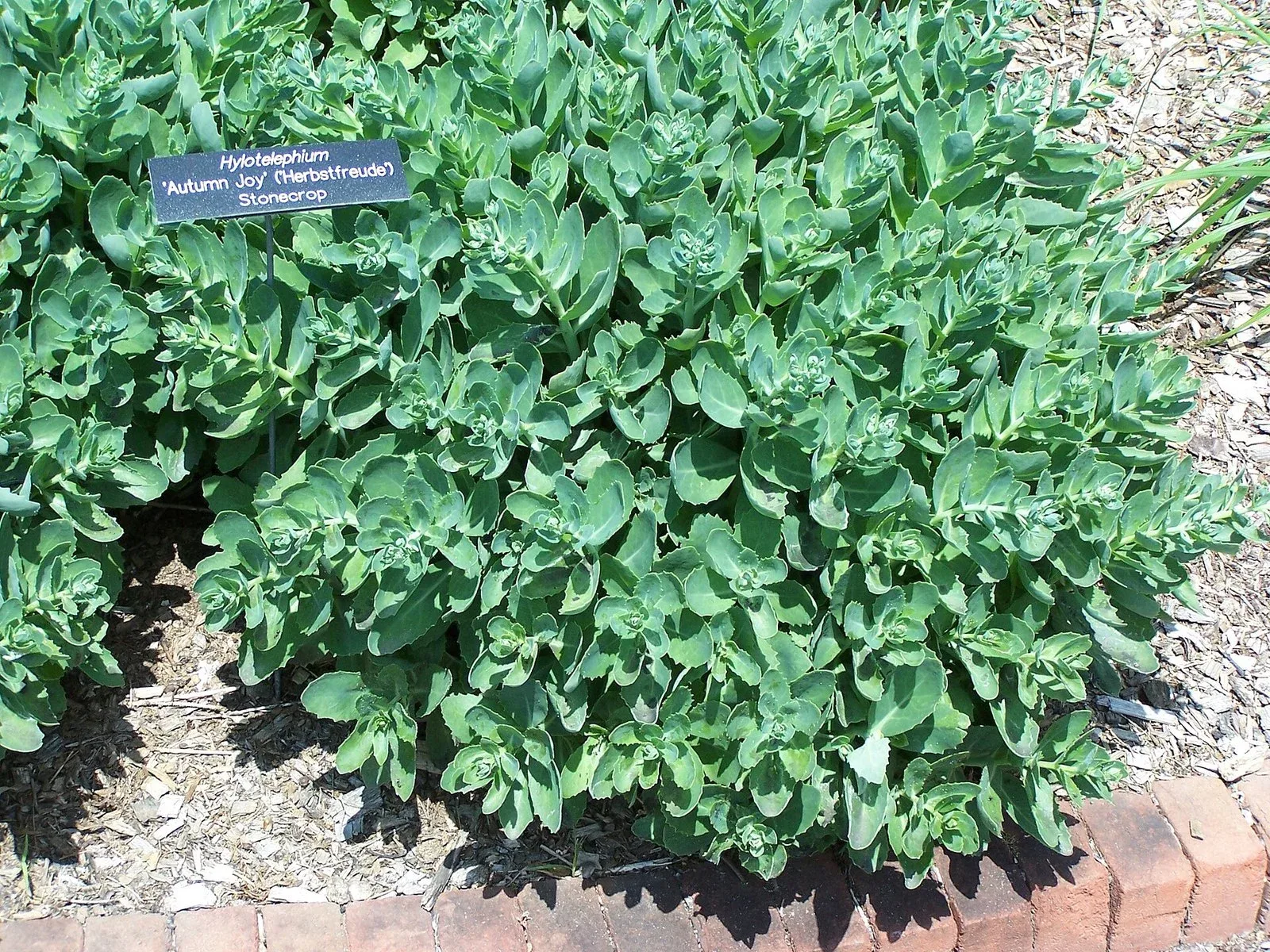
Classic late-season stonecrop hardy to zone 2b-3. Pink flower heads turn rose-red then rust. Grows well on neglect in full sun and lean soil; feeds late bees.
Care instructions
Care Guide & Maintenance Routine
Full sun, lean to average well-drained soil, low water. Do not fertilize. Leave stems for winter, cut back in early spring, pinch in late spring for sturdier plants. Divide in spring.
Light & Sunlight
Full sun for tight upright growth; tolerates part sun with some flopping
Watering Schedule
Low: drought tolerant once established; overwatering causes weak, floppy stems
Potting Mix & Drainage
Lean to average, well-drained; tolerates clay, sand and a wide pH range; avoid rich soil
Temperature & Humidity
Zone 2b (Dutch Growers, Regina, as cited by Mossfield); USDA zone 3 (Missouri Botanical Garden, as cited by Mossfield)
'Autumn Joy' is the classic late-season stonecrop for the cold-climate border: thick, fleshy grey-green leaves on upright stems about 45-60 cm tall, topped by broad, flat heads of tiny star-shaped flowers. The heads start as pale green buds in summer, open pink in late summer, deepen to rose-red and finish a coppery rust that stands through winter and catches the snow.
A plant with several names
It was long sold as Sedum 'Autumn Joy', and later as Hylotelephium telephium 'Herbstfreude'. In 2023 the hybrid got its own botanical name, Hylotelephium × mottramianum, for a cross between showy stonecrop (H. spectabile) and a form of orpine. The cross was made at the Arends nursery in Wuppertal, Germany, and named 'Herbstfreude' in the nursery's 1955 catalogue. 'Autumn Joy' is the English translation.
Hardiness
A Regina grower rates it zone 2b, and the Missouri Botanical Garden gives USDA zone 3, so it is among the hardiest of the border succulents. It takes drought, lean soil, clay and neglect.
The one mistake to avoid
The usual mistake is feeding it. Rich soil, too much water or too much shade give soft stems that flop open in the middle. Plant it in full sun in lean to average, well-drained soil and water sparingly, and the stems stay upright. Pinching or cutting the stems back in late spring also gives a shorter, sturdier plant.
Wildlife
The flowers have no working stamens and set no seed, so it never self-sows. Bees and butterflies still visit the heads late in the season, when most other perennials have finished.
Planting and care
Plant in spring (late April through May) or early fall, 45-60 cm apart. Leave the stems standing all winter for structure and to catch snow, then cut them to the ground in early spring as the new shoots appear. Divide clumps in spring, or take stem cuttings in summer. Even a detached leaf can root in soil.
Pets
Sources disagree. A Canadian nursery catalogue says it is generally considered safe around pets, but NC State's plant database flags its parent species, showy stonecrop, as poisonous (alkaloids in the flowers, leaves and stems), and the ASPCA does not list it. Until a veterinary source says otherwise, keep pets from eating it.
Seasonal rhythm
Seasonal Calendar
A month-by-month calendar for Autumn Joy Sedum in Canada is coming soon. See the light, water and temperature notes above.
Diagnostics
Common Problems & Troubleshooting
- Stems flop open in the middle | Cause: Rich soil, too much water or too much shade | Fix: Plant in full sun, keep soil lean, water sparingly, and pinch or cut stems back in late spring
Care encyclopedia · 2 guides
Guides & Articles for Autumn Joy Sedum
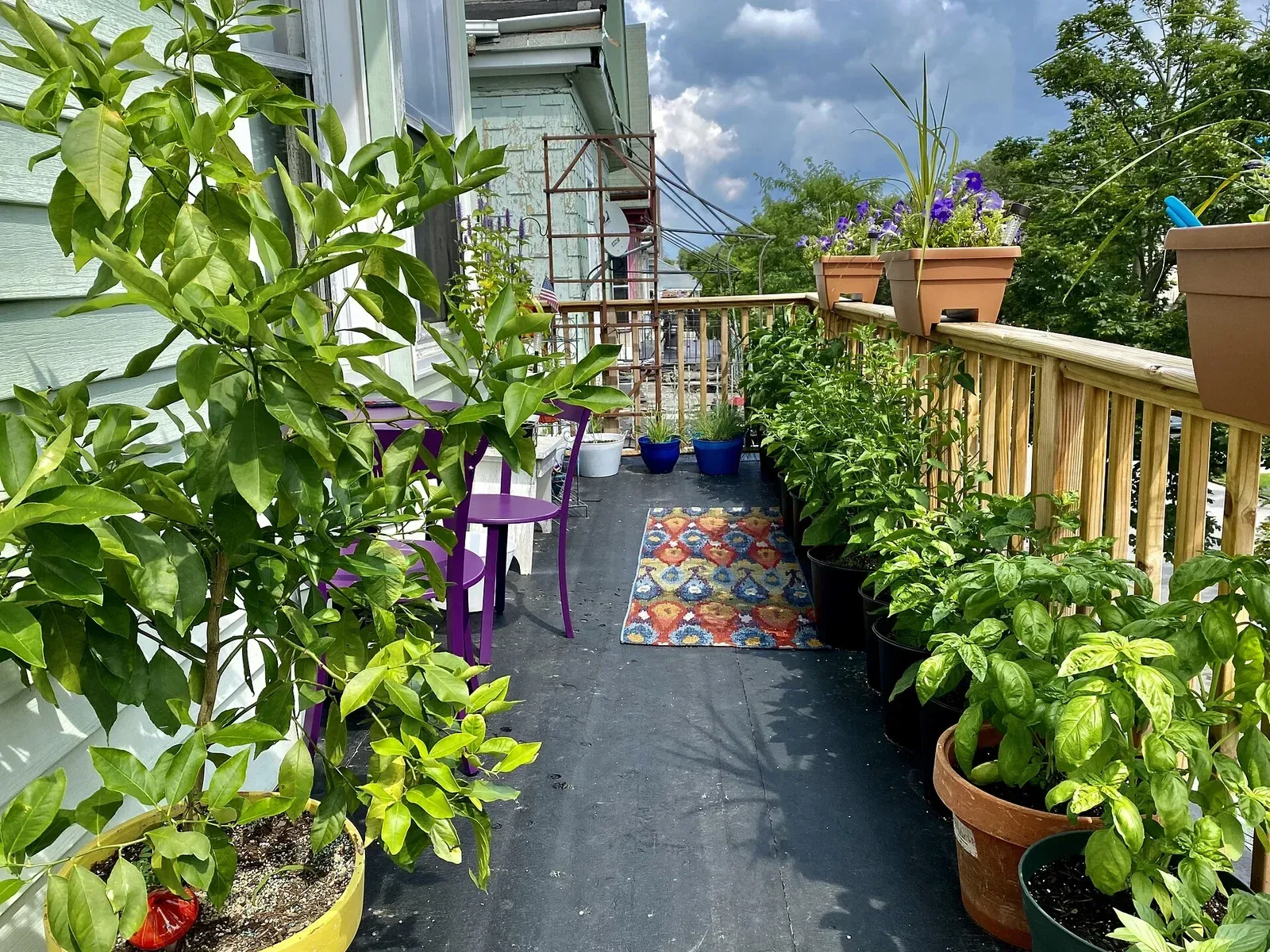
Plants for a Windy Balcony in Canada: What Survives and How
Wind dries pots, snaps stems and tips containers. Choose tough, low or flexible plants, heavy pots and a filtering windbreak, and plan for winter.
Read guide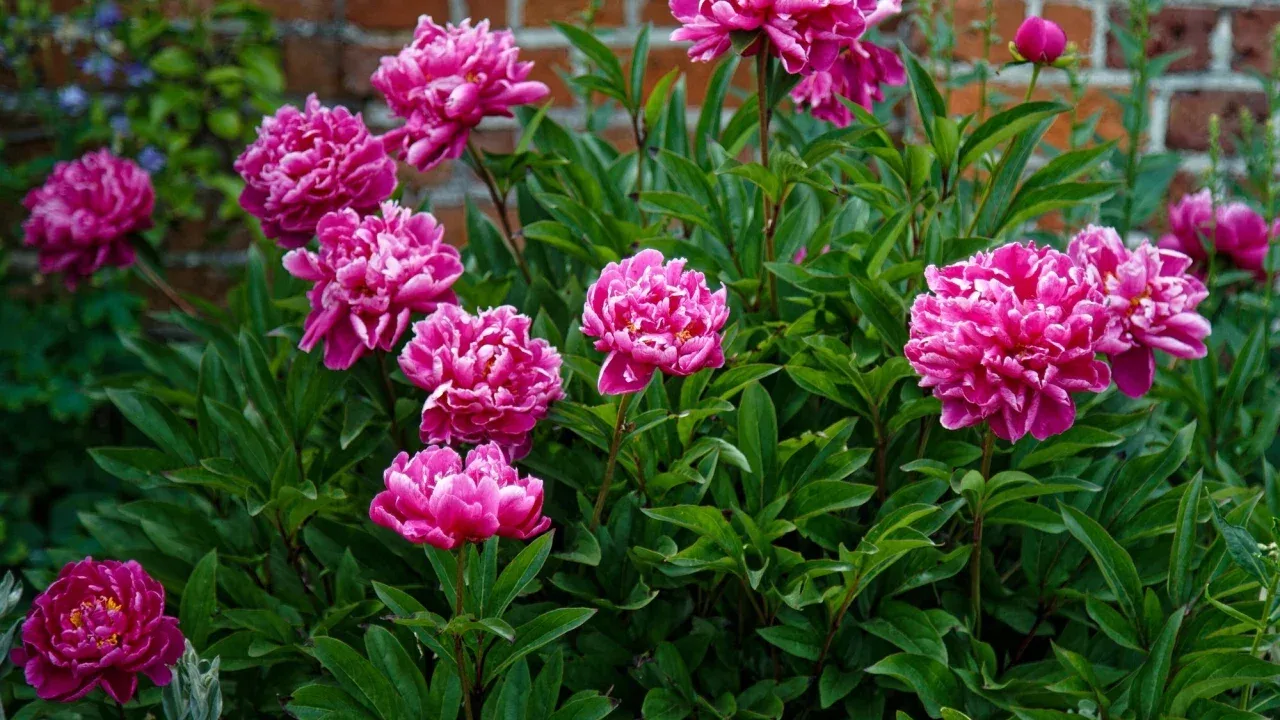
Top 10 Hardy Perennials for Zone 3–4 Prairie Gardens
Prairie winters, chinooks and dry wind kill many perennials sold in Canadian stores. These 10 are rated zone 3 or colder on Canada's hardiness scale, and most are rated zone 2, so they return reliably in zone 3–4 gardens.
Read guideQ&A
Frequently Asked Questions
Is Autumn Joy sedum hardy in Canada?
Yes. A Regina grower rates it zone 2b and the Missouri Botanical Garden gives USDA zone 3.
Why does my sedum flop?
Rich soil, too much water or too much shade. Grow it lean in full sun and pinch stems back in late spring.
When do I cut it back?
Leave stems standing over winter and cut them to the ground in early spring as new shoots appear.
Is Autumn Joy sedum safe for pets?
Sources disagree: one nursery says generally safe, while NC State flags its parent species as poisonous. Keep pets from eating it.
Similar Botanical Matches
Keep exploring
Related plants

Grower field notes
Reader Field Notes in Canada
Share how this plant performs in your local Canada climate.