
| ☀️ Light | Low light |
|---|---|
| 💧 Water | Moderate (lightly moist) |
| 🪴 Soil | Rich, moisture-retentive, well-drained loam with high organic matter; avoid soggy soil in winter |
| 🌡️ Temp | Min -40°C |
| 🐾 Safety | Cats: toxic · Dogs: toxic (ASPCA Animal Poison Control) |
| 📏 Mature size | 76 cm |
Where It Grows & Climate Tolerance
Pet & Companion Animal Toxicity (Hosta)
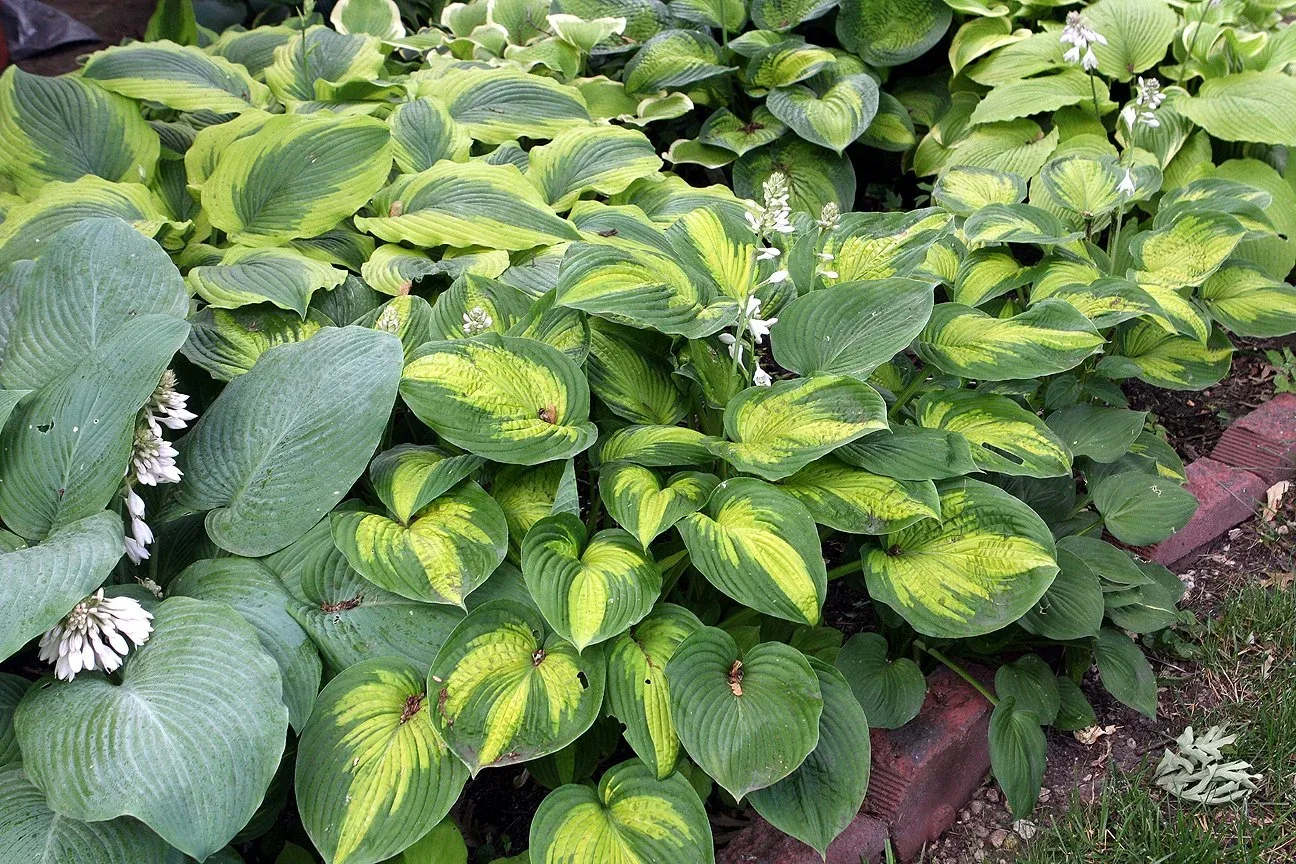
Hardy shade perennial grown for bold foliage in green, blue and gold. Many cultivars are hardy to zone 3; slugs are the main problem. Toxic to pets.
Care instructions
Care Guide & Maintenance Routine
Part to full shade, rich moist well-drained soil, steady moisture. Mulch with compost each year. Control slugs. Divide mature clumps in early spring. Toxic to dogs and cats.
Light & Sunlight
Part to full shade; morning sun only for sun-tolerant cultivars; blue types scorch in afternoon sun
Watering Schedule
Moderate to high; consistent moisture through the growing season
Potting Mix & Drainage
Rich, moisture-retentive, well-drained loam with high organic matter; avoid soggy soil in winter
Temperature & Humidity
Zone 2 to 3 depending on cultivar (Mossfield, Alberta)
Hostas are the workhorse perennial for shady Canadian yards. Native to East Asia (Japan, Korea and China), hostas have been bred for over a century into thousands of named cultivars, from miniatures like 'Blue Mouse Ears' to giants like 'Sum and Substance'. They are grown mainly for foliage in green, blue-green, gold and variegated patterns, with white or lavender flower spikes in July and August.
Hardiness across Canada
Hostas are hardy across Alberta to zone 2 or 3 depending on cultivar, so they suit the Prairies and, with the same cold dormancy and shade, other regions too. Choose cultivars rated for your zone. Hostas also need a winter dormant period of a couple of months below about 4 C, which Canada provides easily. They dislike soggy soil, especially in winter, since poor drainage can cause crown rot.
Light and soil
Grow them in part to full shade. The classic site is the north or east side of a building under high tree shade. In full sun hostas bleach and scorch, especially blue-leaved cultivars, while a few yellow-leaved types such as 'August Moon' and 'Sum and Substance' accept morning sun. They like rich, moisture-retentive, well-drained soil with plenty of organic matter, and an annual mulch of compost or leaf mould.
Watering
Give them consistent moisture through the growing season; hostas visibly wilt in dry spells.
Slugs and deer
Slugs are the most common pest. Copper barriers, beer traps and iron phosphate slug bait all work. Deer and rabbits love hostas, so use fencing or repellents, or consider ferns or Brunnera if deer pressure is regular. Cutting foliage to the ground after a killing frost removes a winter hiding place for slugs.
Division and spacing
Divide mature clumps in early spring as the eyes emerge, making sure each division has eyes and roots. Spacing depends on the cultivar, from about 20 cm for miniatures to 1.2 m for giants; check the mature width of your cultivar.
Pets
The ASPCA lists hosta as toxic to dogs, cats and horses. The saponins cause vomiting, diarrhea and depression; it is an unpleasant stomach upset rather than a life-threatening poisoning, but call a vet if a pet has eaten a lot.
Seasonal rhythm
Seasonal Calendar
A month-by-month calendar for Hosta in Canada is coming soon. See the light, water and temperature notes above.
Diagnostics
Common Problems & Troubleshooting
- Holes in leaves | Cause: Slugs | Fix: Use iron phosphate bait, copper barriers or beer traps, and clear debris in autumn - Browsed foliage | Cause: Deer and rabbits | Fix: Fence the planting or use repellents; consider ferns or Brunnera in high deer-pressure areas - Scorched leaf edges | Cause: Too much afternoon sun, especially on blue cultivars | Fix: Move to a spot with morning sun and afternoon shade or full shade - Crown rot | Cause: Poorly drained soil, especially over winter | Fix: Improve drainage
Care encyclopedia · 7 guides
Guides & Articles for Hosta
Toxic Plants for Pets and Kids in Canada: Houseplants, Garden Plants and Poison Centre Numbers
Which houseplants and garden plants are toxic to cats, dogs and children in Canada, what to do right away if one is eaten, and the poison centre number for every province and territory.
Read guide
Fall Garden Cleanup Checklist for Canadian Gardens
A step-by-step fall cleanup checklist for Canadian gardens: what to remove, what to leave standing for birds and stem-nesting bees, how to handle leaves and the lawn, and how to put tools and water away for winter.
Read guide
Overwintering Perennials and Bulbs in Canada: Mulch, Tender Bulbs and Containers
Get perennials and bulbs through a Canadian winter: pick plants for your NRCan hardiness zone, mulch at the right time, dig and store dahlias, gladiolus and cannas, and keep container plants alive.
Read guide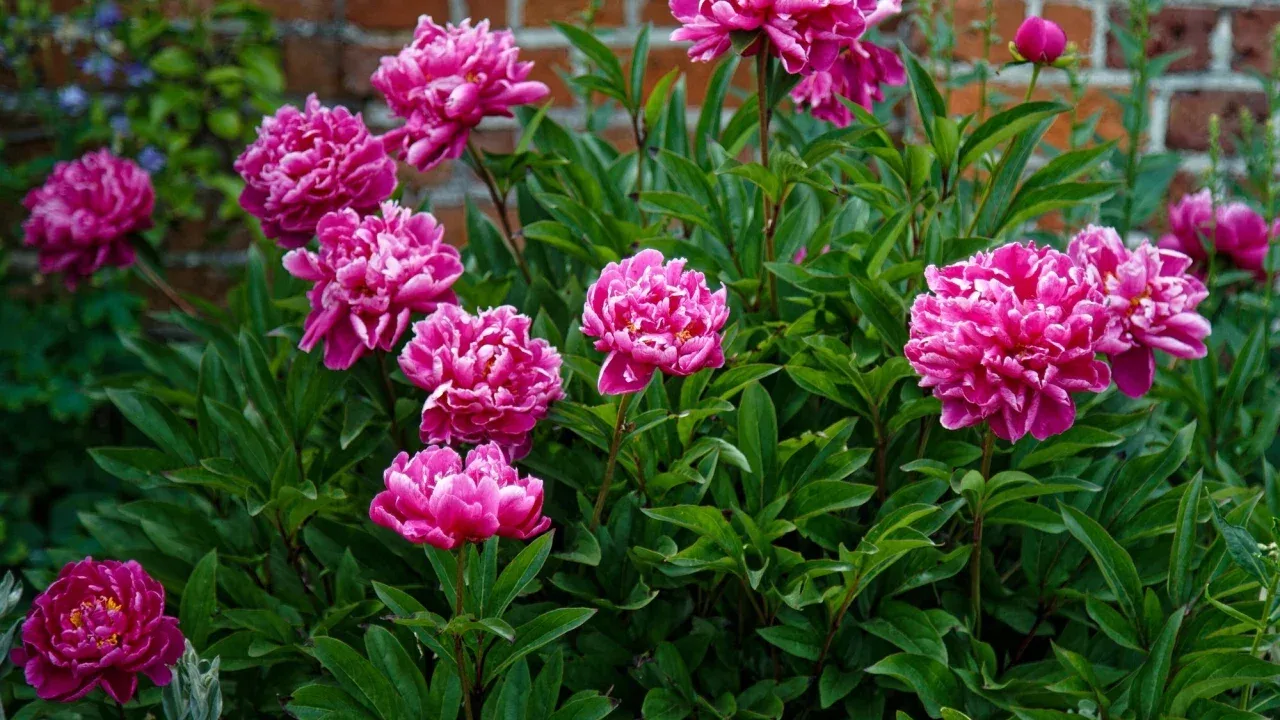
Top 10 Hardy Perennials for Zone 3–4 Prairie Gardens
Prairie winters, chinooks and dry wind kill many perennials sold in Canadian stores. These 10 are rated zone 3 or colder on Canada's hardiness scale, and most are rated zone 2, so they return reliably in zone 3–4 gardens.
Read guide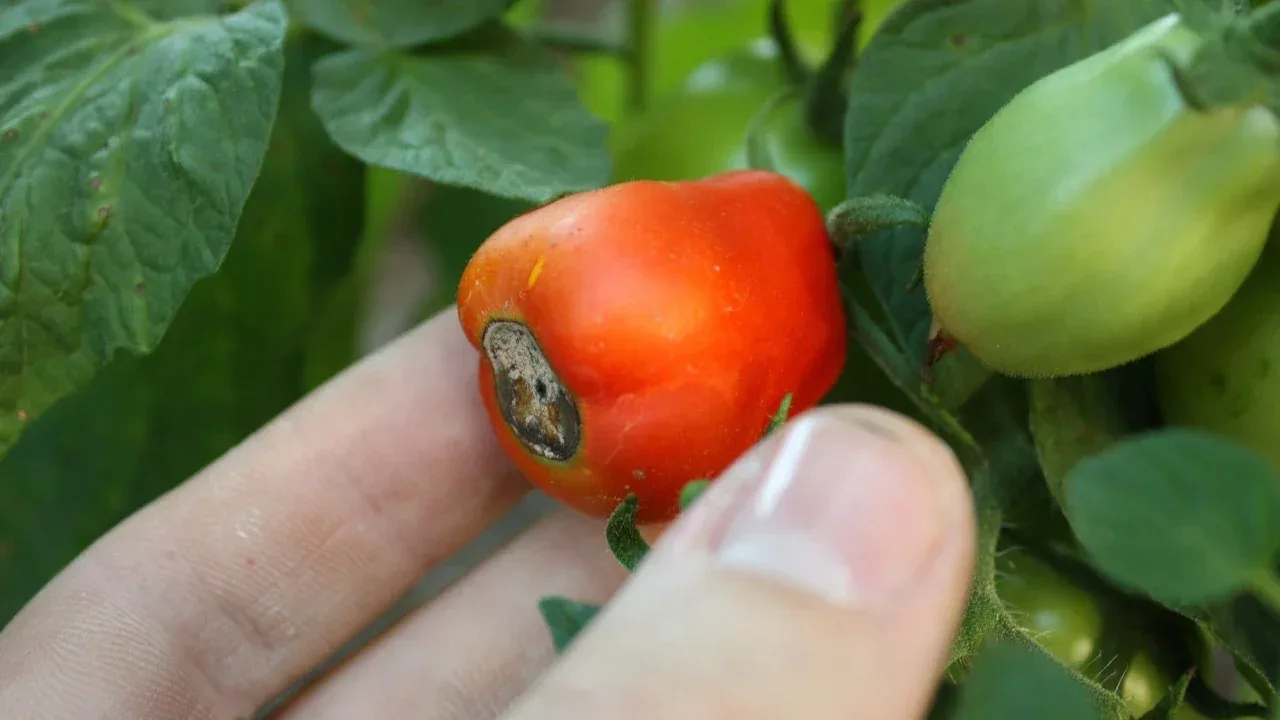
Plant Problem Diagnosis Guide: From Symptom to Cause to Fix
A step-by-step way to diagnose plant problems in Canada, with symptom tables that point from yellow leaves, spots, holes, wilting and winter browning to the likely cause and the GardenOrbit guide that fixes it.
Read guide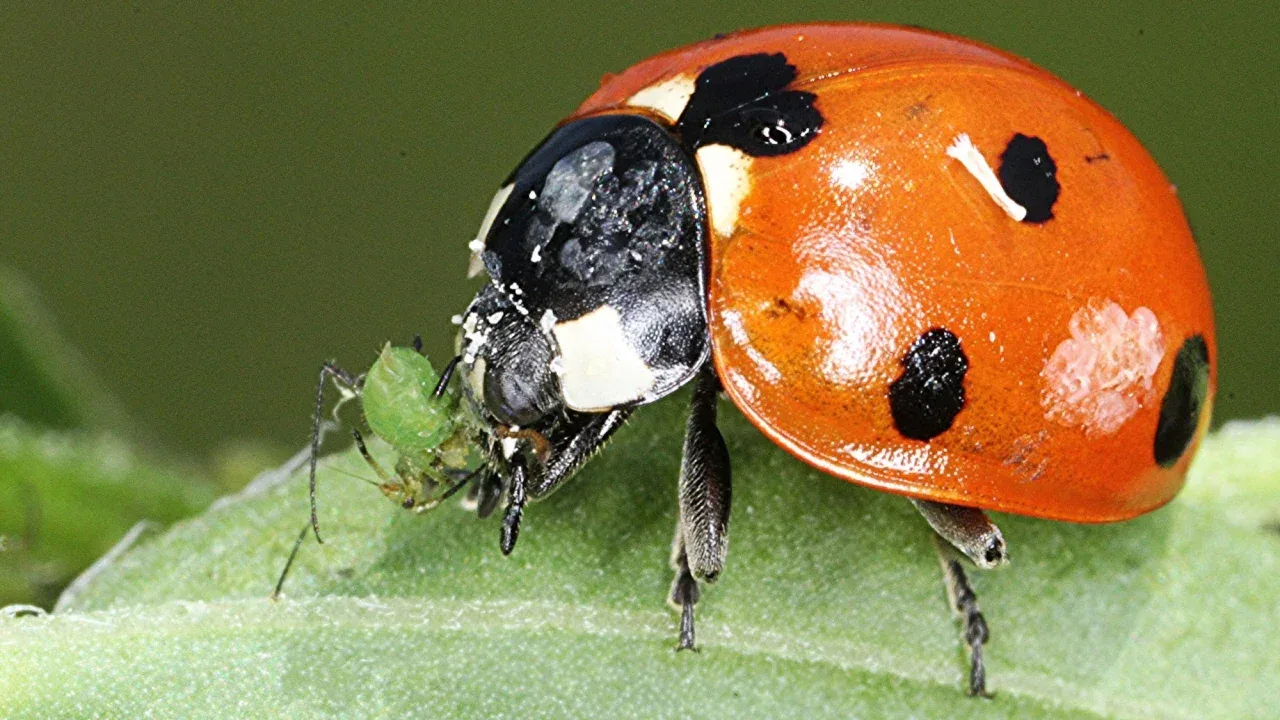
Natural vs Chemical Pest Control in Canada: What's Legal and What Actually Works
Is that garden spray legal where you live? Learn how Health Canada and each province regulate pesticides in 2026, from Ontario's and Quebec's cosmetic bans to BC's certificate rules, and which natural and low-risk methods actually work.
Read guide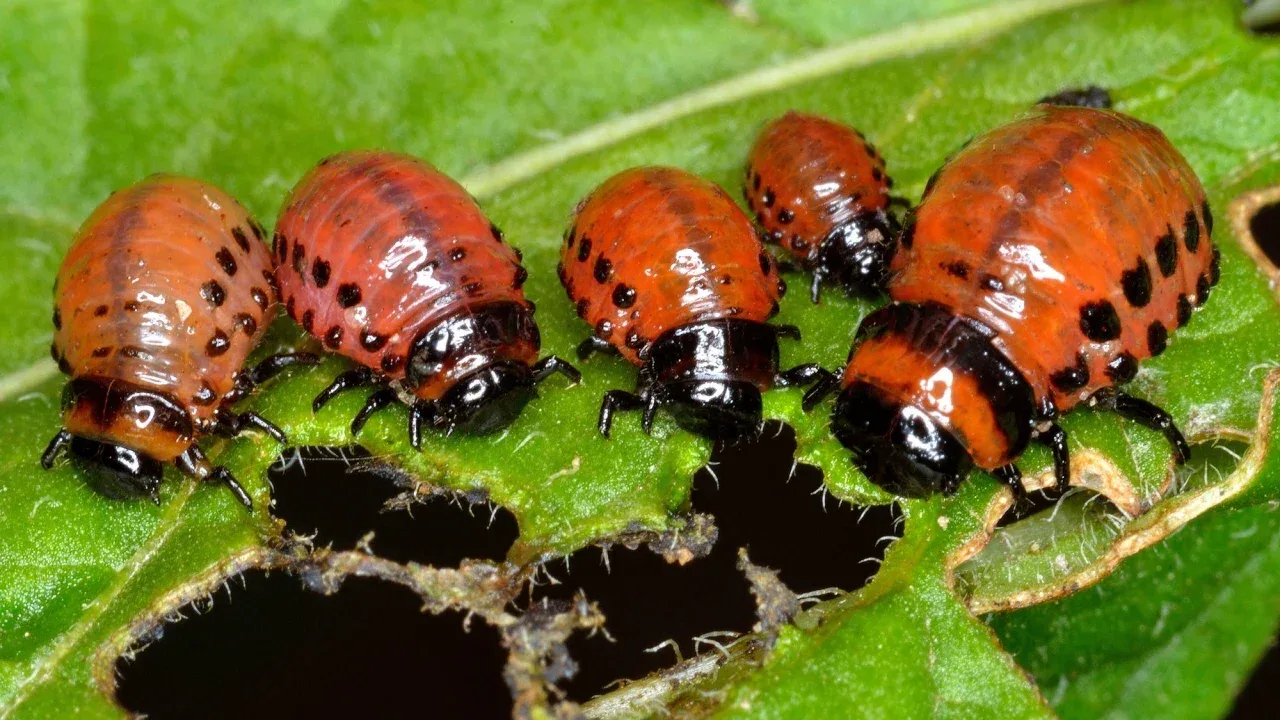
Common Garden Pests in Canada: Slugs, Cutworms, Colorado Potato Beetle and Lily Leaf Beetle
Slugs, cutworms, Colorado potato beetle and lily leaf beetle cause more damage in Canadian gardens than almost anything else. Learn how to identify each one and control it with methods recommended by BC, Saskatchewan and Manitoba experts.
Read guideQ&A
Frequently Asked Questions
Are hostas hardy in the Canadian Prairies?
Yes. Hostas are hardy across Alberta to zone 2 or 3 depending on cultivar; choose cultivars rated for your zone and plant them in shade.
How do I stop slugs eating my hostas?
Use iron phosphate bait, copper barriers or beer traps, cut the foliage to the ground after a killing frost.
Are hostas poisonous to dogs and cats?
Yes. The ASPCA lists them as toxic to dogs, cats and horses. They cause vomiting, diarrhea and depression.
When should I divide hostas?
Divide mature clumps in early spring as the eyes emerge.
Similar Botanical Matches
Keep exploring
Related plants
Grower field notes
Reader Field Notes in Canada
Share how this plant performs in your local Canada climate.