
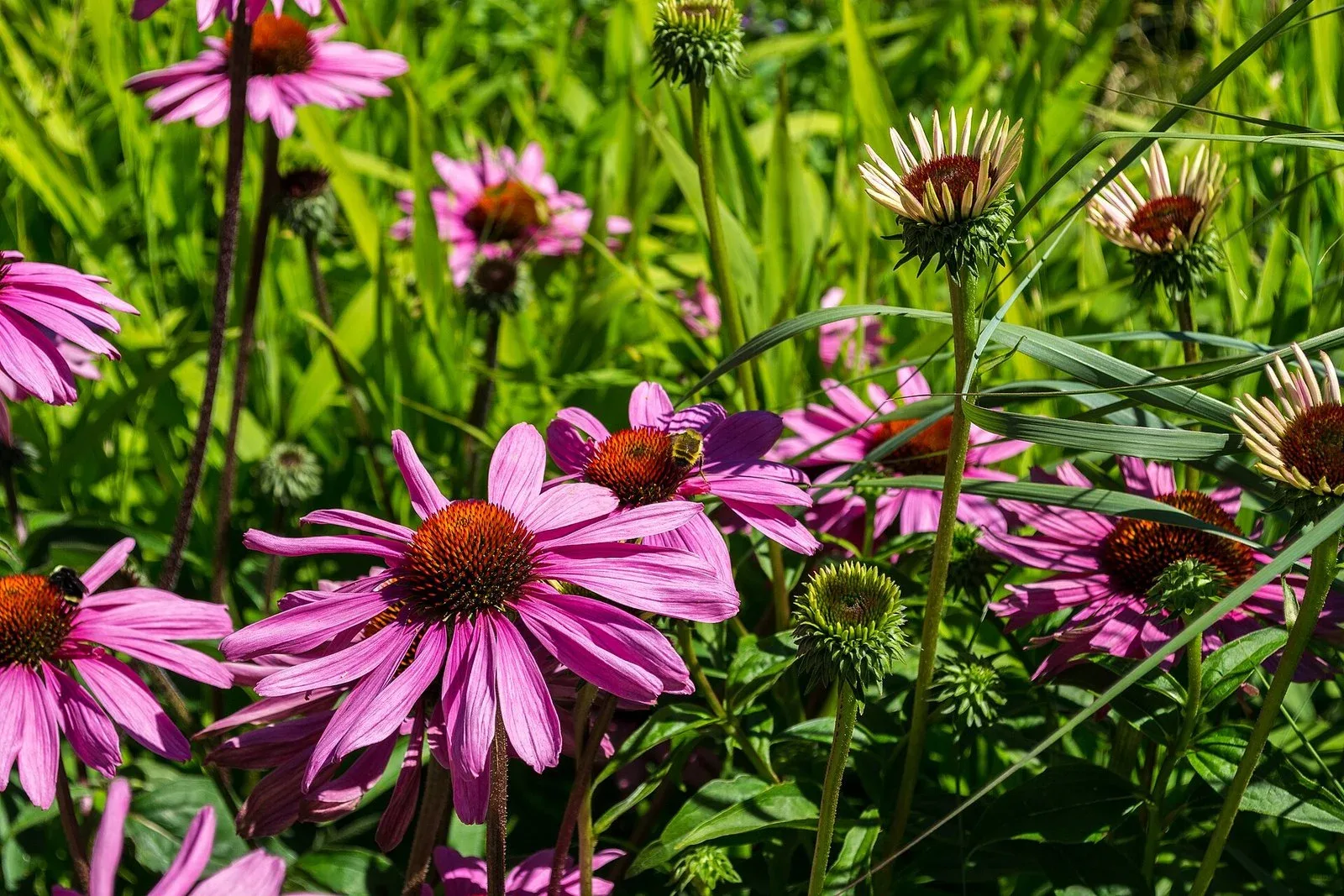
| ☀️ Light | Full sun |
|---|---|
| 💧 Water | Low (allow soil to dry) |
| 🪴 Soil | Average, well-drained soil; tolerates clay and lean ground; dislikes wet soil over winter |
| 🌡️ Temp | Min -40°C |
| 🐾 Safety | Cats: non-toxic · Dogs: non-toxic (ASPCA Animal Poison Control) |
| 📏 Mature size | 1.2 m |
Where It Grows & Climate Tolerance
Pet & Companion Animal Toxicity (Purple Coneflower)
Tough, long-blooming prairie-style perennial with pink-purple daisies. Loves full sun, tolerates drought, and feeds bees, butterflies and goldfinches.
Care instructions
Care Guide & Maintenance Routine
Full sun, average well-drained soil, low to moderate water. Leave stems standing over winter for bees and birds. Divide in early spring every few years. Remove plants with aster yellows.
Light & Sunlight
Full sun (6+ hours); tolerates a little afternoon shade
Watering Schedule
Low to moderate; drought tolerant once established
Potting Mix & Drainage
Average, well-drained soil; tolerates clay and lean ground; dislikes wet soil over winter
Temperature & Humidity
Prairie hardy; USDA zone 3 (NC State, as cited by Mossfield, Alberta); snow cover or loose mulch helps in open winters
Purple coneflower (Echinacea purpurea) is a wildflower of prairies and open woods in the central and eastern United States. It is not native to Alberta, but it is one of the most dependable late-summer perennials for Canadian gardens and one of the best for butterflies. Pink-purple petals droop slightly around a spiky, copper-orange cone on sturdy stems about 90-120 cm tall. (Its relative, the narrow-leaved purple coneflower, Echinacea angustifolia, grows wild in Saskatchewan and Manitoba.)
Hardiness in Canada
On the Prairies it is prairie hardy, and NC State rates it USDA zone 3. Snow cover, or a loose mulch after freeze-up in an exposed garden, helps it through an open winter.
Site, soil and water
Plant it in full sun (six or more hours) in ordinary, well-drained soil. It tolerates clay and lean soil but dislikes sitting wet over winter. It needs low to moderate water and is drought tolerant once established. In too much shade the stems lean and flowering drops.
Planting and propagation
Plant in spring after the last frost, or sow seed in fall for natural stratification. Space plants 45-60 cm apart. Seed needs about a month of cold, moist stratification if sown indoors. It also self-sows, and established clumps can be divided in early spring every few years. Named cultivars will not come true from seed.
Leave the stems for wildlife
Leave the stems standing until spring. Native bees nest in the hollow dead stems and goldfinches feed on the seeds in the cones well into the cold months, so leave the stems until spring.
Common problems
Watch for aster yellows, a disease carried by leafhoppers that turns flowers small, green and distorted. Pull and discard affected plants, since they do not recover, and keep weeds such as thistles and dandelions down because they carry the disease over winter.
Pets
The ASPCA does not list purple coneflower. A Canadian nursery catalogue describes it as generally considered safe around pets, but we have not verified this with a veterinary source, so check with your vet if your pet chews plants.
Seasonal rhythm
Seasonal Calendar
A month-by-month calendar for Purple Coneflower in Canada is coming soon. See the light, water and temperature notes above.
Diagnostics
Common Problems & Troubleshooting
- Small, green, distorted flowers | Cause: Aster yellows, spread by leafhoppers | Fix: Pull and discard affected plants; control thistles and dandelions - Leaning stems and fewer flowers | Cause: Too much shade | Fix: Move to full sun - Crown loss over winter | Cause: Wet soil and open winters without snow cover | Fix: Plant in well-drained soil and mulch loosely in exposed spots
Care encyclopedia · 2 guides
Guides & Articles for Purple Coneflower
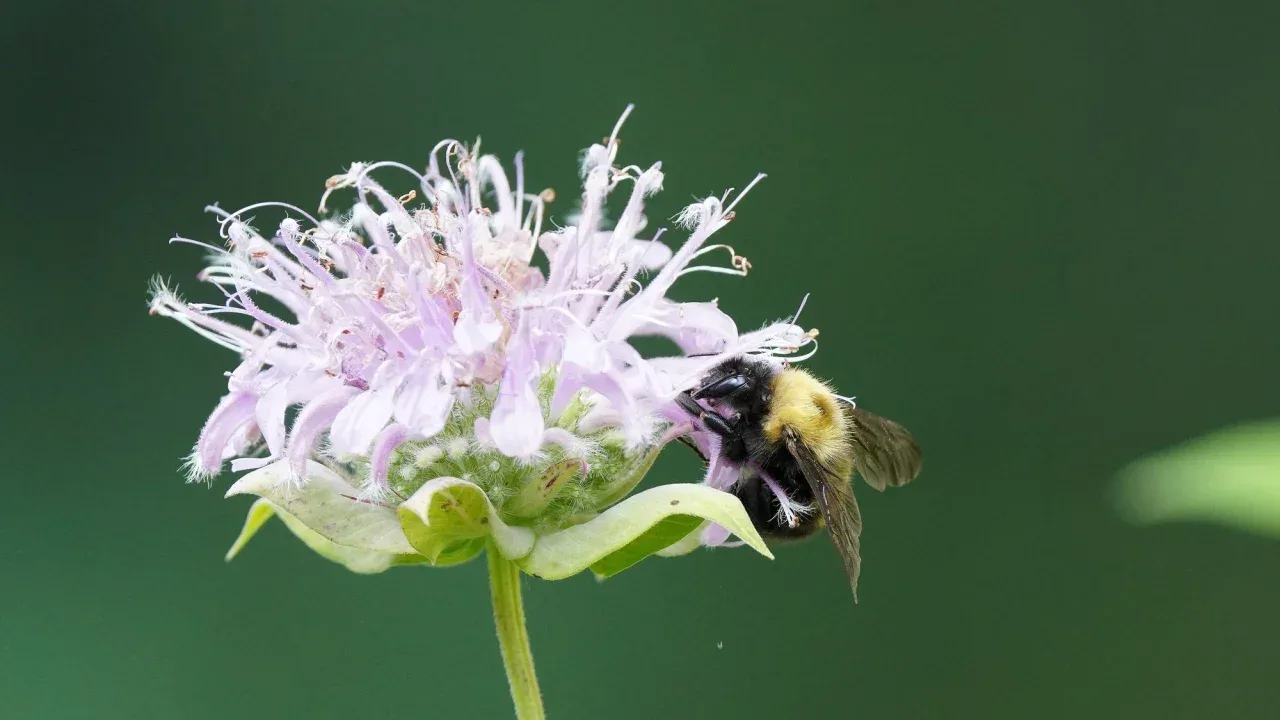
Top 7 Native Pollinator Plants for Canadian Gardens
Native bees, monarchs and hummingbirds depend on plants they evolved with. These 7 native wildflowers are listed as native in Canada by the VASCAN database, bloom from spring to fall, and are easy to grow in a home garden.
Read guide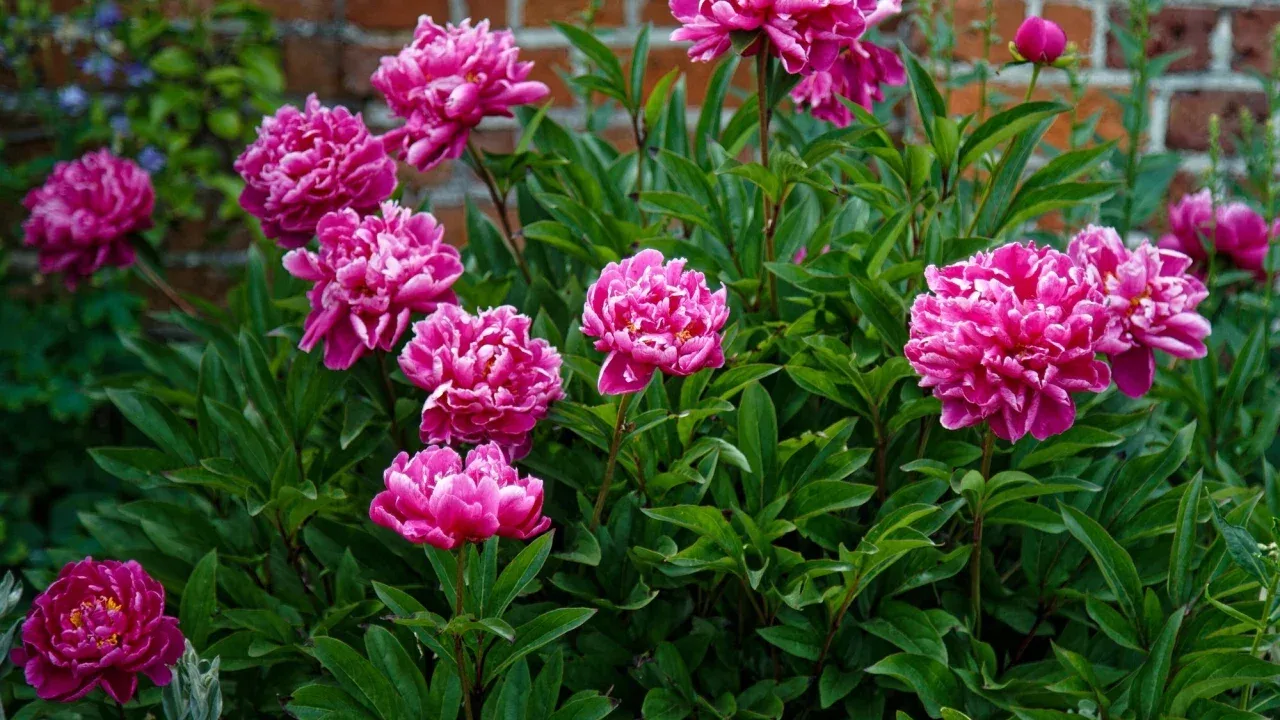
Top 10 Hardy Perennials for Zone 3–4 Prairie Gardens
Prairie winters, chinooks and dry wind kill many perennials sold in Canadian stores. These 10 are rated zone 3 or colder on Canada's hardiness scale, and most are rated zone 2, so they return reliably in zone 3–4 gardens.
Read guideQ&A
Frequently Asked Questions
Is purple coneflower hardy in Canada?
Yes. It is prairie hardy and NC State rates it USDA zone 3; snow cover or a loose mulch helps in open winters.
Should I cut back coneflowers in fall?
No. Leave the stems standing for nesting native bees and the seed heads for goldfinches, and cut back in spring.
What is aster yellows?
A leafhopper-spread disease that makes flowers small, green and distorted. Remove affected plants and control weeds that carry it.
Is it safe for pets?
It is not listed by the ASPCA. One Canadian nursery calls it generally safe, but we have not verified this with a veterinary source.
Similar Botanical Matches
Keep exploring
Related plants
Grower field notes
Reader Field Notes in Canada
Share how this plant performs in your local Canada climate.