
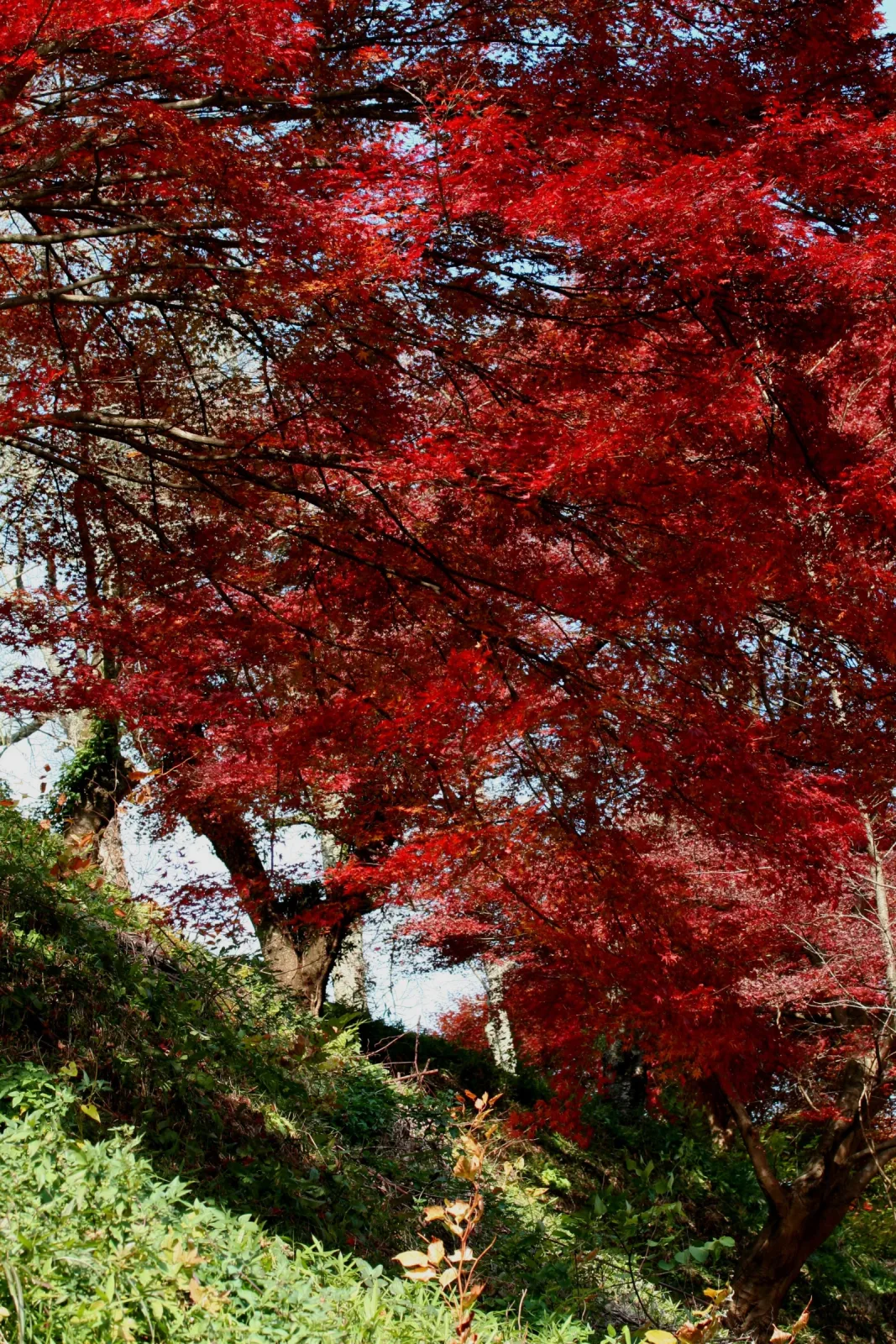
| ☀️ Light | Medium light |
|---|---|
| 💧 Water | Moderate (lightly moist) |
| 🪴 Soil | Moist but well-drained, slightly acidic to neutral soil |
| 🐾 Safety | Cats: not verified · Dogs: not verified |
| 📏 Mature size | 8.0 m |
Where It Grows & Climate Tolerance
Pet & Companion Animal Toxicity (Japanese Maple in Canada)
Not yet verified: Toxicity status for cats, dogs, and horses has not yet been confirmed against veterinary poison-control records. Keep out of reach of pets or consult your veterinarian.
A compact ornamental maple for sheltered gardens in milder Canadian zones.
Care instructions
Care Guide & Maintenance Routine
Plant in moist, well-drained soil with afternoon shade and protection from drying wind. Water during summer drought.
Light & Sunlight
Part shade gives good leaf colour and limits scorch; some cultivars tolerate full sun if soil stays moist.
Watering Schedule
Water newly planted trees regularly and established trees during prolonged summer drought. Avoid soggy ground.
Potting Mix & Drainage
Moist but well-drained, slightly acidic to neutral soil
Temperature & Humidity
KPU lists the species at zone 6 (-23 to -18 °C). Cultivar and site can change winter performance.
In Canada, Japanese maple is a choice for sheltered gardens in zone 6 and warmer, although cultivar performance varies. Check the plant label and ask a local nursery about proven cultivars. Place the tree where hot afternoon sun and winter wind are moderated.
Water a young tree through its first summers. Maintain mulch over the root area without piling it against the trunk. Do not assume red-leaved and green-leaved cultivars need identical exposure; follow the cultivar label. Limit pruning to dead, crossing or badly placed growth.
Brown leaf edges often point to sun or moisture stress, not a need for fertilizer. If branches die back, look for winter injury and seek a proper diagnosis before applying treatments.
Seasonal rhythm
Seasonal Calendar
| Month | Care Tasks | Seasonal Focus |
|---|---|---|
| Jan | Routine check | Check winter shelter; avoid disturbing frozen roots. |
| Feb | Routine check | Watch for thaw and refreeze; keep mulch in place. |
| Mar | Routine check | Inspect twigs as snow melts; prune only dead wood. |
| Apr | Routine check | Plant after soil thaws; water new trees well. |
| May | Routine check | Mulch and water new growth during dry spells. |
| Jun | Routine check | Check soil moisture during warm weather. |
| Jul | Routine check | Water deeply in summer drought; watch leaf scorch. |
| Aug | Routine check | Keep root zone moist but never waterlogged. |
| Sep | Routine check | Reduce feeding; allow growth to harden. |
| Oct | Routine check | Enjoy autumn colour; water if autumn is dry. |
| Nov | Routine check | After leaf fall, inspect structure and prepare wind shelter. |
| Dec | Routine check | Protect containers and exposed roots from deep freeze. |
Diagnostics
Common Problems & Troubleshooting
Leaf scorch from drought or sun; winter dieback at exposed sites; root problems in poorly drained soil.
Pests & seasonal watch: Monitor aphids, scale and leaf scorch; diagnose sudden wilt or dieback before treatment.
Similar Botanical Matches
Keep exploring
Related plants
Grower field notes
Reader Field Notes in Canada
Share how this plant performs in your local Canada climate.