
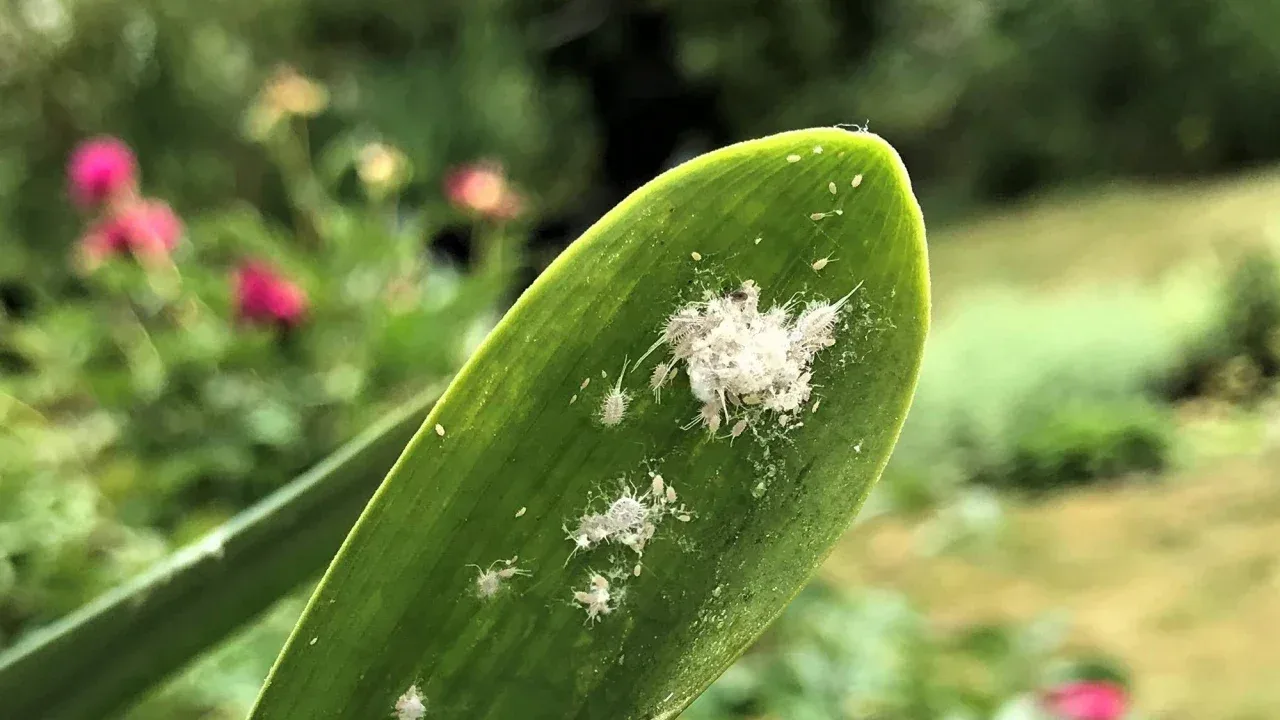
Common Indoor Plant Pests: How to Identify and Treat Spider Mites, Fungus Gnats, Mealybugs, Scale and Aphids
Sticky leaves on the windowsill. Tiny flies circling your monstera. Cottony white fluff tucked into a leaf joint. Indoor plant pests are a fact of life for Canadian houseplant owners, especially in winter, when plants are stressed by short days and dry, heated air, and in fall, when pots come back inside after a summer on the balcony.
The good news: the five most common houseplant pests can almost always be controlled without harsh chemicals if you catch them early. This guide shows you how to identify each one, what damage it causes, and how to treat it with methods and products that are legal in Canada.
The five pests at a glance
| Pest | What you'll see | Main damage | First thing to try |
|---|---|---|---|
| Spider mites | Speckled, bleached leaves; fine webbing | Yellowing and leaf drop | Wash the plant thoroughly |
| Fungus gnats | Tiny dark flies around pots | Mostly a nuisance | Let the soil surface dry out |
| Mealybugs | White, cottony insects in leaf joints | Yellowing, stunting, wilting | Remove with an alcohol-dipped swab |
| Scale | Brown or grey bumps on stems and leaf veins | Yellowing, leaf drop, stunting | Scrape off and wash |
| Aphids | Clusters of small soft insects on new growth | Distorted, sticky leaves | Rinse off with water |
Mealybugs, scale and aphids all produce honeydew, a shiny, sticky liquid. The University of Minnesota Extension notes that you'll often find honeydew on the upper surface of leaves and on tabletops and other surfaces under the plant before you notice the insects themselves.
Prevention: stop pests before they arrive
The University of Saskatchewan notes that pests usually come into the house on new plants or in potting soil, especially soil that has been stored outdoors. The University of Minnesota recommends these habits:
- Quarantine new plants for one to two weeks so any pest problems have time to show up.
- Inspect before you buy and before bringing plants indoors for the winter. Check the tops and undersides of leaves, stems, pot rims and the bottom of saucers.
- Use fresh potting soil. Never pot indoor plants in garden soil, or in soil from open bags that have been sitting outside.
- Keep plants healthy. Plants struggling with too little light, overly wet or dry soil, or temperatures that are too hot or too cold can't fight off pests.
- Keep plants clean. Wipe dusty leaves with a damp cloth and remove dead leaves and flowers from the soil surface.
- Check for pests whenever you water. A 10x hand lens or a magnifier app on your phone helps with tiny pests.
The Canadian fall check
If your plants spend summer outdoors, they come back inside just as the heating goes on. Before you bring them in, inspect every plant as carefully as you would a new purchase, and rinse the foliage. Treating returning plants like new arrivals and keeping them apart for a while gives hidden pests time to show up. The University of Maryland Extension notes that pest control products used on plants indoors must be labelled for indoor use, which makes it easier to deal with any problems while plants are still outside.
Spider mites
How to identify them
Spider mites are not insects; they're tiny relatives of spiders. The University of Minnesota describes them as oval, yellowish or greenish, and only about 0.5 mm long, so you'll usually need magnification to see them. Look for:
- Stippled or speckled leaves. Mites pierce leaf tissue with needle-like mouthparts and feed on sap, leaving fine pale dots. Severely infested leaves look bleached.
- Fine webbing on leaf undersides and between stems.
- Moving specks. Tap a leaf over a sheet of white paper and watch for tiny moving dots.
Why they love Canadian winters
The University of Minnesota notes that spider mites thrive in dry, warm conditions. A heated Canadian home in January, with plants sitting near a radiator or forced-air vent, is exactly that. Feeding can yellow leaves and cause leaf drop. See our guide to winter houseplant care in Canada for ways to keep plants less stressed.
How to treat them
- Wash the plant. Spray small plants in the sink and larger plants in the shower, paying special attention to leaf undersides. Repeat regularly.
- Wash your hands and tools after handling infested plants. The University of Minnesota warns that mites spread on hands, clothing and watering cans.
- Use a registered product if washing isn't enough. The University of Minnesota lists insecticidal soap and plant oil extracts.
- Discard badly infested plants. It's often more economical than a long battle, and it protects your other plants.
Fungus gnats
How to identify them
Fungus gnats are the tiny dark flies you see around windows, lamps and plant pots. The University of Minnesota describes adults as about 1.5 to 3 mm long, dark, with clear wings folded behind the back. The larvae are legless and worm-like with a dark head, and live in the potting mix.
The University of Minnesota cautions that they can be confused with fruit flies or other small flies. To check for larvae, the University of Minnesota suggests placing a slice of raw potato on the soil surface and checking it after a few days.
Do they hurt plants?
Rarely. The University of Maryland says fungus gnats are annoying but harmless and do not significantly damage indoor plants. The larvae feed on fungi and decaying organic matter in damp soil, especially peat-based mixes. The real message of a fungus gnat problem is that the soil is staying too wet, which can also lead to root rot.
How to treat them
- Let the soil dry out. The University of Maryland notes that when the soil dries, the larvae die. Let the surface dry as much as possible between waterings without letting the plant wilt, and change your watering routine so the soil doesn't stay wet.
- Use yellow sticky traps to monitor and catch some adults. The University of Minnesota cautions that traps only help detect adults and shouldn't be your only control.
- Treat the soil with Bti. Bacillus thuringiensis subspecies israelensis (Bti) is a soil bacterium that kills fungus gnat larvae, according to both universities. It doesn't affect adults. Check that any product you buy in Canada has a PCP number and lists fungus gnats on houseplants.
- Repot in fresh mix. For stubborn problems, wash the old soil off the roots and repot in fresh potting mix in a clean pot.
- Check your drains. The University of Maryland notes that fungus gnats can also breed in drains with a buildup of moist debris.
Mealybugs
How to identify them
The University of Minnesota describes mealybugs as soft-bodied insects about 5 mm long, covered with white, powdery wax, with white filaments along the sides and tail. They look like small tufts of cotton. Check:
- along veins on the undersides of leaves
- where leaves join stems
- below the soil surface on the main stem, where some species live
Feeding yellows leaves, stunts plants and can make plants wilt.
How to treat them
The University of Maryland warns that mealybugs are very difficult to control and that heavily infested plants should be discarded. For lighter infestations:
- Isolate the plant so mealybugs don't spread.
- Dab with rubbing alcohol. Dip a cotton swab in rubbing alcohol and touch each mealybug. They turn light brown when treated. The University of Maryland warns not to get alcohol on the leaves, as it can damage them.
- Spray a registered insecticide for heavy infestations, covering the plant thoroughly. Expect to repeat.
- Monitor every time you water. Retreatment is often needed.
Mealybugs are a common cause of yellowing on houseplants. Our guide to yellow leaves on plants covers other causes to rule out.
Scale insects
How to identify them
Scale insects don't look like insects at all. The University of Minnesota describes adults as small, waxy, shell-like bumps, usually brown, grey or white, on stems and along leaf veins. There are two types:
- Soft scales are the most common, about 3 to 6 mm long, and produce honeydew.
- Armoured scales are smaller and don't produce honeydew.
Both types produce tiny mobile "crawlers." The University of Maryland notes that the main sign of soft scale is honeydew on foliage or on surfaces under the plant, and that the brown soft scale, one of the most common indoor species, attacks a huge range of houseplants, including orchids, hoya, ferns, palms, figs, schefflera and citrus. On orchids, scale often hides under leaf sheaths.
How to treat them
- Scrape them off. The University of Minnesota suggests removing small numbers with a fingernail file or something similar.
- Wash the plant to remove crawlers and honeydew.
- Use a registered product such as horticultural oil, insecticidal soap or pyrethrins, according to the University of Minnesota.
- Quarantine or discard. The University of Maryland says treatment options are limited and heavily infested plants are best discarded.
Aphids
How to identify them
The University of Minnesota describes aphids as small (1.5 to 3 mm), pear-shaped, soft-bodied insects with visible legs and antennae. They're usually green but can be other colours, and most are wingless, though winged adults can appear. They cluster on stems just below flower buds and on new leaves, and leave behind whitish cast skins.
Aphid feeding can yellow, stunt and distort leaves. Their honeydew can turn black with sooty mould.
How to treat them
- Rinse them off with a forceful spray of water.
- Wipe or dab small colonies with a cotton swab dipped in rubbing alcohol.
- Use a registered product. The University of Minnesota lists pyrethrins, insecticidal soap, neem and plant oil extracts as effective against aphids.
What products can you use on houseplants in Canada?
In Canada, every pest control product must be registered by Health Canada's Pest Management Regulatory Agency (PMRA). Look for a PCP number on the label, make sure the label lists your pest and indoor plants, and follow the directions exactly. You can search registered products on the PMRA's label search site.
The University of Minnesota lists these types of active ingredients for indoor plants. Availability differs in Canada, so check labels before buying a product recommended in US guides.
- Insecticidal soap (potassium salts of fatty acids): kills on contact by smothering; effective against scales, aphids, thrips, spider mites and whiteflies. It has no residual effect, so you must spray the pests directly and repeat.
- Plant oil extracts and horticultural oils: smother insects; effective against scales, aphids, whiteflies and spider mites.
- Pyrethrins: kill only on contact; effective against mealybugs, scales, aphids and whiteflies.
- Bti: a soil treatment for fungus gnat larvae only.
The University of Minnesota also lists the systemic insecticide imidacloprid for indoor plants, but warns that it is toxic to bees. Don't use it on any plant that spends summer outdoors.
Skip homemade sprays
Dish soap and oil recipes are everywhere online. The University of Minnesota warns not to mix homemade soap products because they can burn plants, and Health Canada advises against homemade pesticides because they are not tested for safety or effectiveness.
Spray safely indoors
The University of Minnesota recommends:
- spraying outdoors when the weather allows, or in a well-ventilated area in cold weather
- watering the plant a day or two before spraying, since you should never spray a moisture-stressed plant
- keeping treated plants out of direct sun until they dry
If you have cats or dogs, follow the label's precautions for pets, and choose pet-safe plants where you can. See our guide to pet-safe houseplants in Canada.
How to treat an infested houseplant
- Isolate the plant. Move it away from your other plants right away, and check its neighbours for the same pest.
- Identify the pest. Use a hand lens and the descriptions above. Check leaf undersides, leaf joints, stems and the soil.
- Prune heavily infested parts. The University of Minnesota notes that removing the worst leaves and stems makes it easier to control pests on the rest of the plant.
- Wash or wipe the plant. Rinse in the sink or shower, or wipe leaves with a damp paper towel, changing towels often.
- Remove pests by hand. Dab mealybugs and aphids with an alcohol-dipped swab, scrape off scale, and let fungus gnat-infested soil dry out.
- Use a registered product if needed. Choose one with a PCP number that lists your pest and indoor use, and follow the label.
- Repeat and monitor. The University of Saskatchewan notes that most methods target one life stage, so you'll need to repeat treatments until eggs have hatched and been controlled. Check the plant every time you water.
- Know when to let go. If a plant is heavily infested and badly damaged, discarding it protects the rest of your collection.
Frequently asked questions
Why do my houseplants get more pests in winter?
Low light and dry, heated indoor air stress plants. The University of Minnesota notes that struggling plants can't fight off pests and that spider mites thrive in dry, warm conditions, which describes many Canadian homes in winter.
Are fungus gnats harmful to my plants?
Usually not. The University of Maryland says they are annoying but harmless and do not significantly damage indoor plants. They're a sign the soil is staying too wet.
Does rubbing alcohol kill mealybugs?
Yes, on contact. Dab each mealybug with a cotton swab dipped in rubbing alcohol. The University of Maryland warns not to get alcohol on the leaves, because it can damage them.
Can I use dish soap to kill bugs on my plants?
It's not recommended. The University of Minnesota warns that homemade soap mixes can burn plants, and Health Canada advises against homemade pesticides. Use an insecticidal soap registered for houseplants instead.
How do I know if my plant has spider mites?
Look for fine speckling or a bleached look on leaves and fine webbing on the undersides. Tap a leaf over white paper and watch for tiny moving specks.
What is the sticky stuff on my plant's leaves?
Probably honeydew, a sugary liquid made by aphids, mealybugs and soft scale. Check stems, leaf undersides and leaf joints for the insects causing it.
Should I throw out a plant with pests?
Not always, but sometimes it's the best choice. Both the University of Minnesota and the University of Maryland recommend discarding heavily infested plants, especially those with mealybugs or scale, to protect the rest of your collection.
Related guides
- Winter houseplant care in Canada: light, watering, humidity, drafts and pests
- Natural vs chemical pest control in Canada: what's legal and what works
- Yellow leaves on plants: what's causing it and how to fix it
- Root rot in houseplants and garden plants
- Top 10 low-light indoor plants for Canadian winters
Sources
- University of Minnesota Extension, Managing insects on indoor plants.
- University of Maryland Extension, Fungus gnats, Mealybugs on indoor plants and Scale insects on indoor plants.
- University of Saskatchewan, Common pests in your indoor garden.
- Health Canada, The risks of homemade pesticides and Pesticide label search.
Image credits
- Featured image (Clivia): Sinikka Halme / Wikimedia Commons / CC BY-SA 4.0. Source.
- Mealybug: Katja Schulz / Wikimedia Commons / CC BY 2.0. Source.
- Spider mite: Gilles San Martin / Wikimedia Commons / CC BY-SA 2.0. Source.
- Fungus gnat: xpda / Wikimedia Commons / CC BY-SA 4.0. Source.
- Brown soft scale: Whitney Cranshaw, Colorado State University / Wikimedia Commons / CC BY 3.0 US. Source.
- Aphid: Natalka Ukraine (baby-bear.org) / Wikimedia Commons / CC BY 4.0. Source.
Comments
No comments yet — share what worked in your climate.