
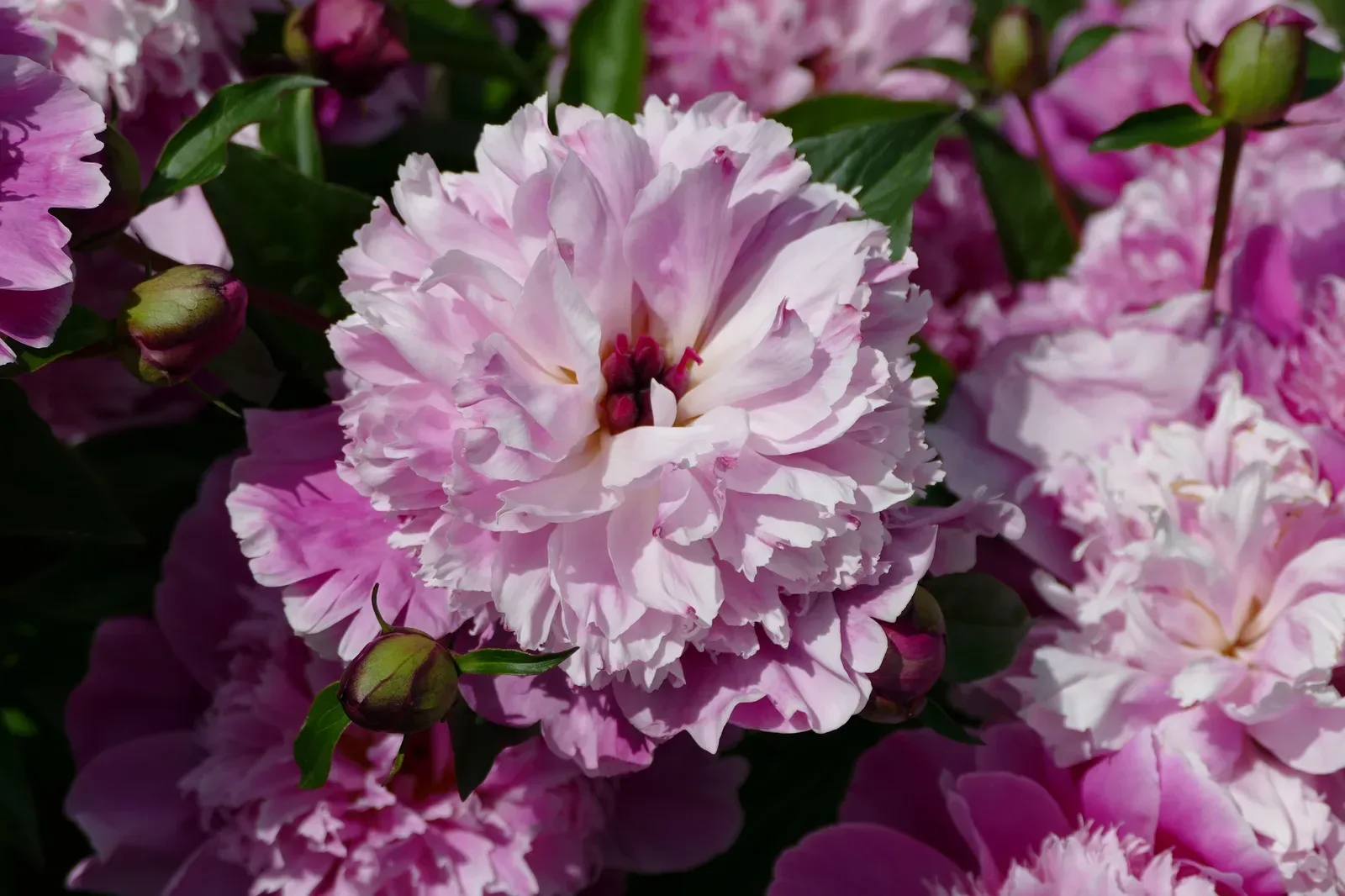
| ☀️ Light | Full sun |
|---|---|
| 💧 Water | Moderate (lightly moist) |
| 🪴 Soil | Fertile, well-drained garden loam |
| 🌡️ Temp | -35°C – 30°C |
| 🐾 Safety | Cats: toxic · Dogs: toxic (ASPCA Animal Poison Control) |
| 📏 Mature size | 90 cm |
Where It Grows & Climate Tolerance
Pet & Companion Animal Toxicity (Peony)
Long-lived Canadian perennial hardy to Zone 2–3; plant eyes shallow and give full sun for big spring blooms.
Care instructions
Care Guide & Maintenance Routine
Full sun, plant eyes 3–5 cm deep, well-drained soil, cut back after frost, Zone 2–3 hardy.
Light & Sunlight
6+ hours of sun. Too much shade means fewer flowers.
Watering Schedule
Water new plants regularly. Established clumps need water mainly in long dry spells.
Potting Mix & Drainage
Fertile, well-drained garden loam
Temperature & Humidity
Needs winter cold. Hardy to about Zone 2–3 with snow cover.
Herbaceous peonies are among the toughest flowering perennials for Canadian gardens. Cold winters help them set flower buds. Once planted in the right spot, a clump can bloom for decades with little fuss from the Prairies to southern Ontario and the Maritimes.
Choose full sun (at least 6 hours) and soil that drains in winter. Plant the pink eyes (growing points) only 3 to 5 cm below the soil surface — planting too deep is the main reason peonies fail to bloom. Spring or early fall planting works. Water well the first season; established plants handle short dry spells.
Support heavy double blooms with rings or stakes before buds open. After frost, cut stems to the ground and clean up foliage to reduce botrytis. Do not mulch heavily over the crown. Ants on buds are normal; they seek nectar and do not harm the flowers.
Hardiness is typically Zone 2 to 3 for common garden peonies. Deer usually leave them alone. Sap and plant parts can upset pets if chewed, so discourage digging. Divide only if needed, in early fall, keeping several eyes on each piece. With shallow planting and sun, peonies repay you every June.
Canadian peony seasons vary by zone. On the Prairies, bloom often lands in mid to late June; in southern Ontario it can be late May to mid June. Late frost can brown buds — a light frost cloth on forecast nights protects tight buds. Do not dig and move old clumps often; they resent disturbance. If a neighbour offers a division, plant it at once at the correct shallow depth and water it in. Mulch the soil around, not over, the crown for the first winter after planting to limit frost heave.
Seasonal rhythm
Seasonal Calendar
A month-by-month calendar for Peony in Canada is coming soon. See the light, water and temperature notes above.
Diagnostics
Common Problems & Troubleshooting
No blooms (eyes planted too deep or too much shade); flopping stems (need support); bud blast (late frost or botrytis).
Pests & seasonal watch: Botrytis (gray mold) in wet springs — improve air flow and clean up debris. Ants on buds are harmless.
Care encyclopedia · 7 guides
Guides & Articles for Peony
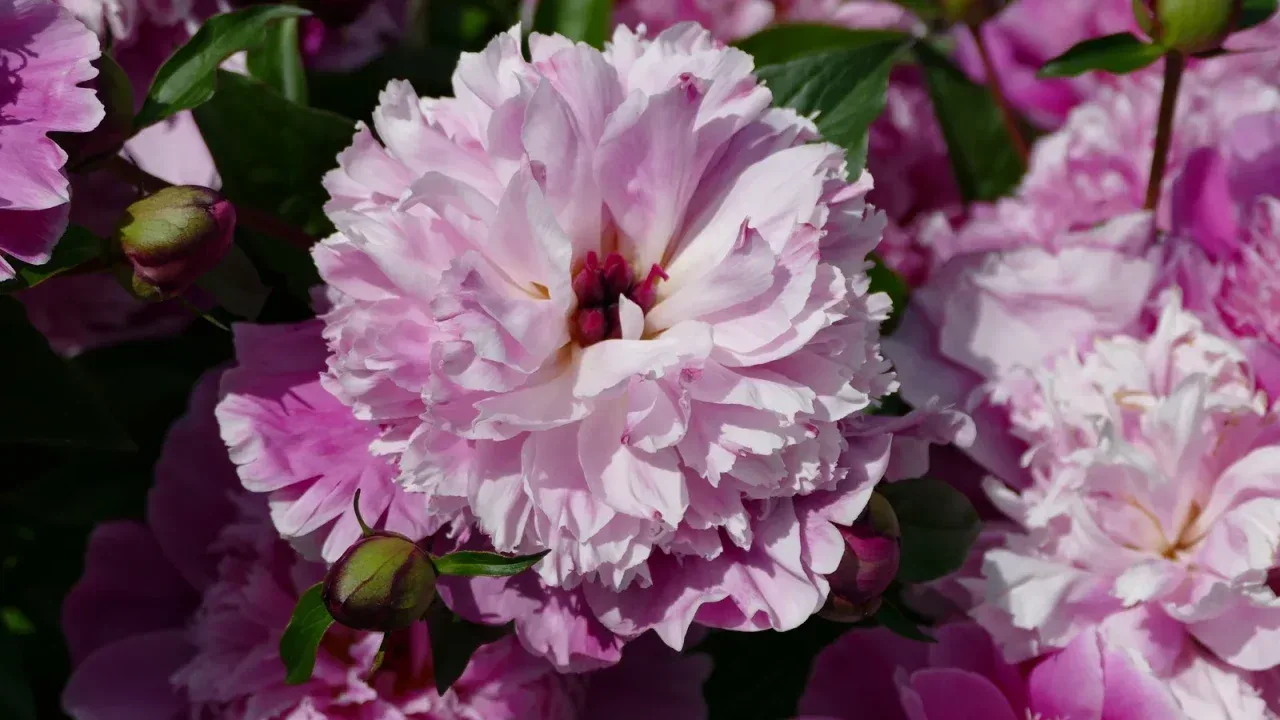
Peony Care Guide for Canada
A practical Canadian guide to peony, with seasonal care, common problems, propagation and buying checks.
Read guide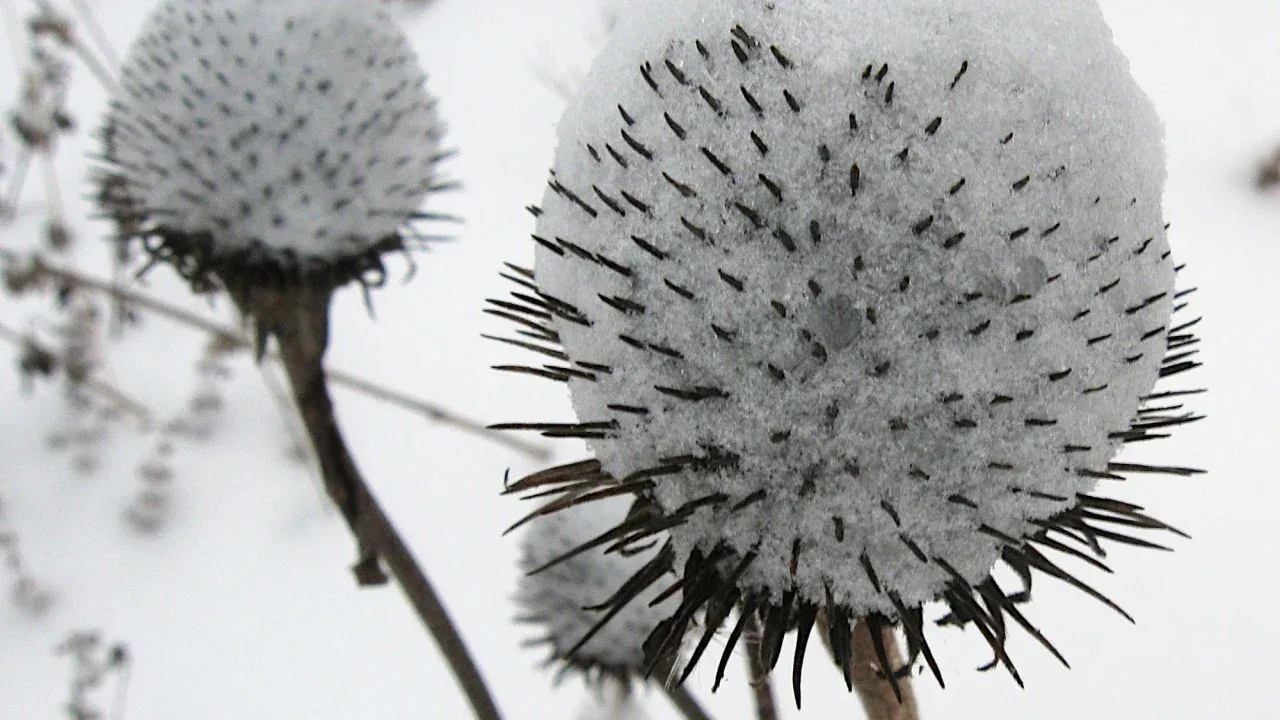
Fall Garden Cleanup Checklist for Canadian Gardens
A step-by-step fall cleanup checklist for Canadian gardens: what to remove, what to leave standing for birds and stem-nesting bees, how to handle leaves and the lawn, and how to put tools and water away for winter.
Read guide
Overwintering Perennials and Bulbs in Canada: Mulch, Tender Bulbs and Containers
Get perennials and bulbs through a Canadian winter: pick plants for your NRCan hardiness zone, mulch at the right time, dig and store dahlias, gladiolus and cannas, and keep container plants alive.
Read guide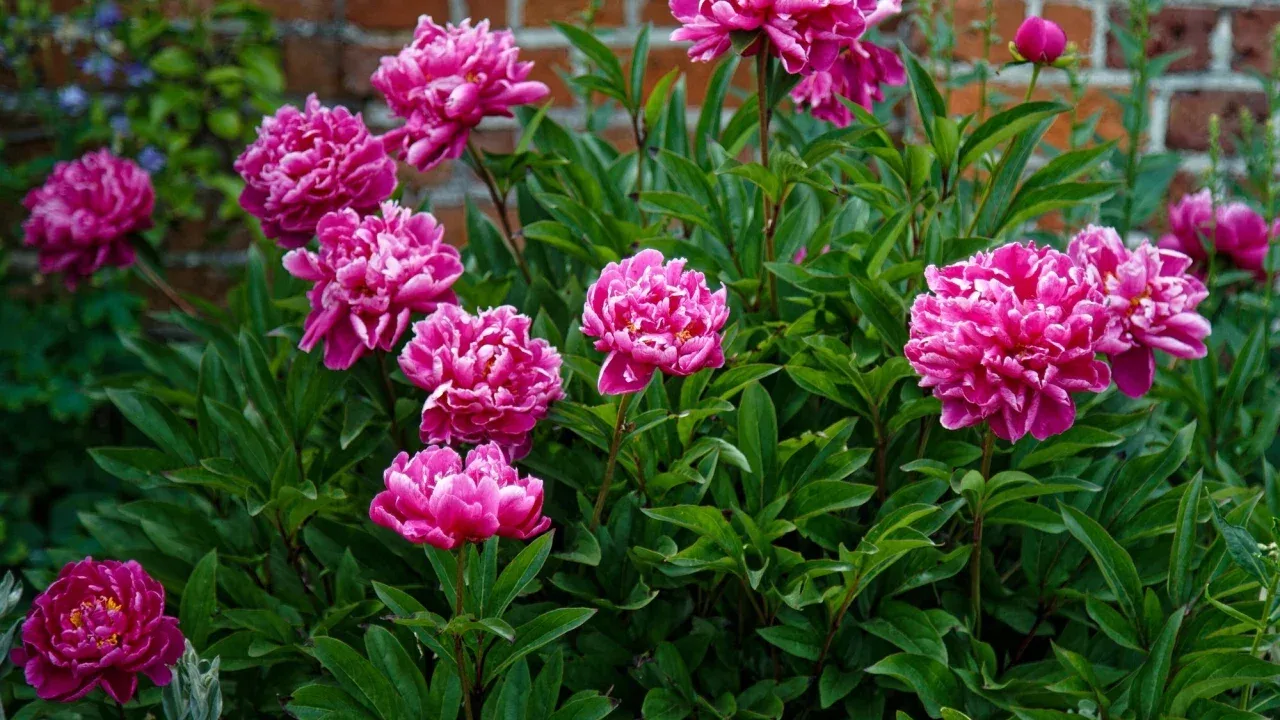
Top 10 Hardy Perennials for Zone 3–4 Prairie Gardens
Prairie winters, chinooks and dry wind kill many perennials sold in Canadian stores. These 10 are rated zone 3 or colder on Canada's hardiness scale, and most are rated zone 2, so they return reliably in zone 3–4 gardens.
Read guide
Toxic Plants for Pets and Kids in Canada: Houseplants, Garden Plants and Poison Centre Numbers
Which houseplants and garden plants are toxic to cats, dogs and children in Canada, what to do right away if one is eaten, and the poison centre number for every province and territory.
Read guide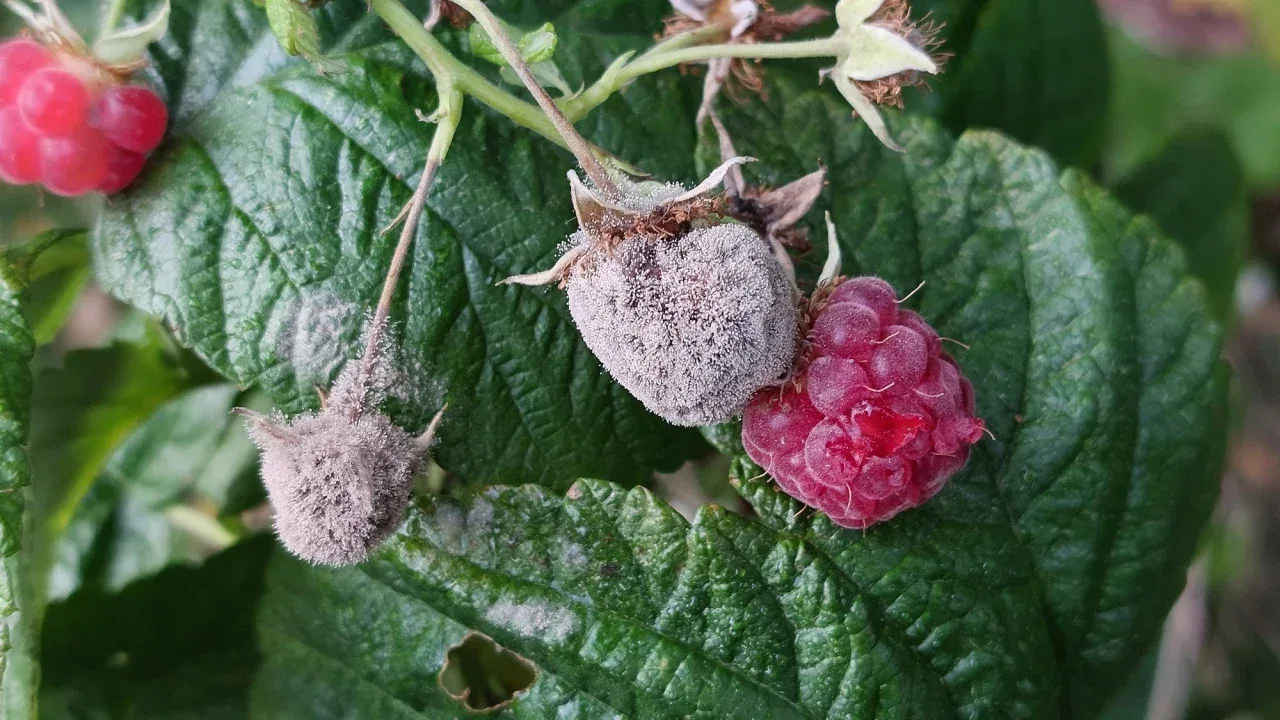
Leaf Spot, Rust and Botrytis (Grey Mould): A Canadian Gardener's Guide
Spots, orange pustules or fuzzy grey rot? Learn how to tell leaf spot, rust and botrytis (grey mould) apart, which Canadian plants they hit, from strawberries and peonies to saskatoons and hollyhocks, and the simple habits that prevent all three.
Read guide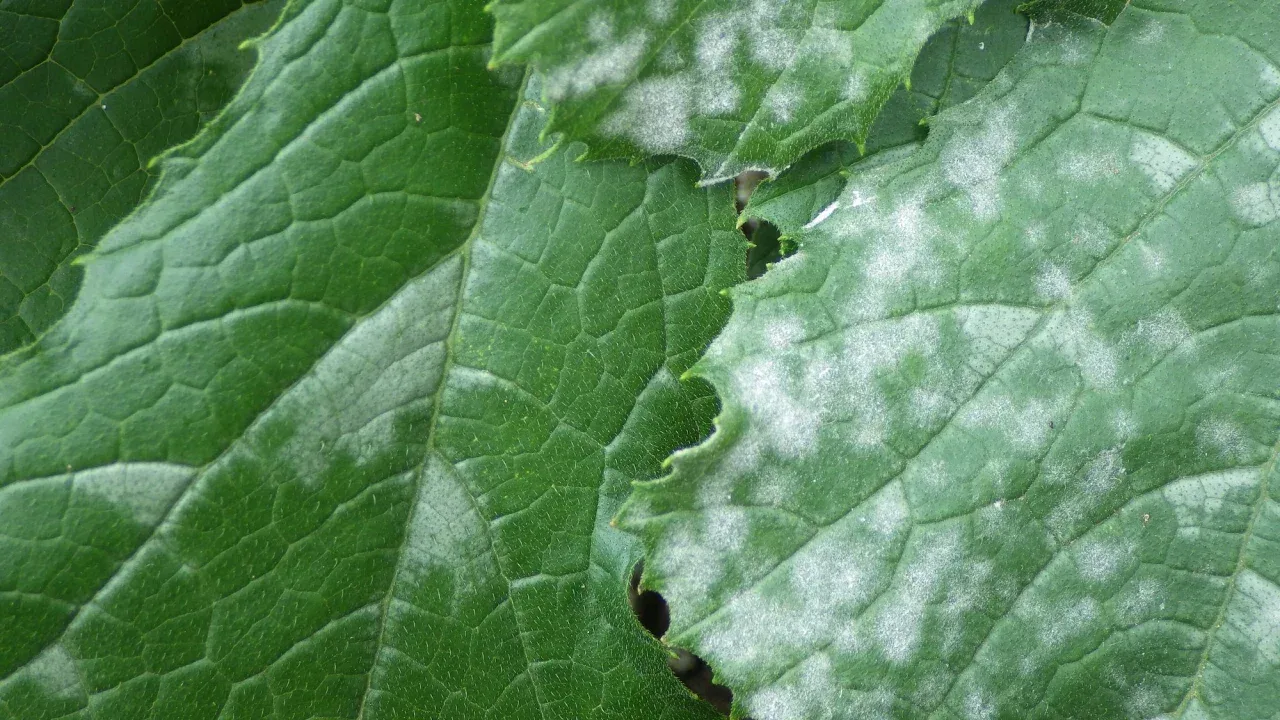
Powdery Mildew: How to Identify, Prevent and Treat It in Canada
Powdery mildew coats lilac, phlox, roses, squash and peas across Canada every summer. Learn how to identify it, why it thrives even in dry weather, how to prevent it, and which treatments are effective and allowed under Canadian and Ontario rules.
Read guideQ&A
Frequently Asked Questions
How deep should I plant peony eyes?
Only 3–5 cm below the soil. Deeper planting is the top reason for no flowers.
What zone are peonies hardy to in Canada?
Most herbaceous peonies are hardy to Zone 2–3 with normal snow cover.
Why didn't my peony bloom?
Too much shade, eyes planted too deep, or the plant is still settling in after a recent move.
Do ants hurt peony buds?
No. They feed on nectar and leave when flowers open.
Similar Botanical Matches
Keep exploring
Related plants
Grower field notes
Reader Field Notes in Canada
Share how this plant performs in your local Canada climate.