
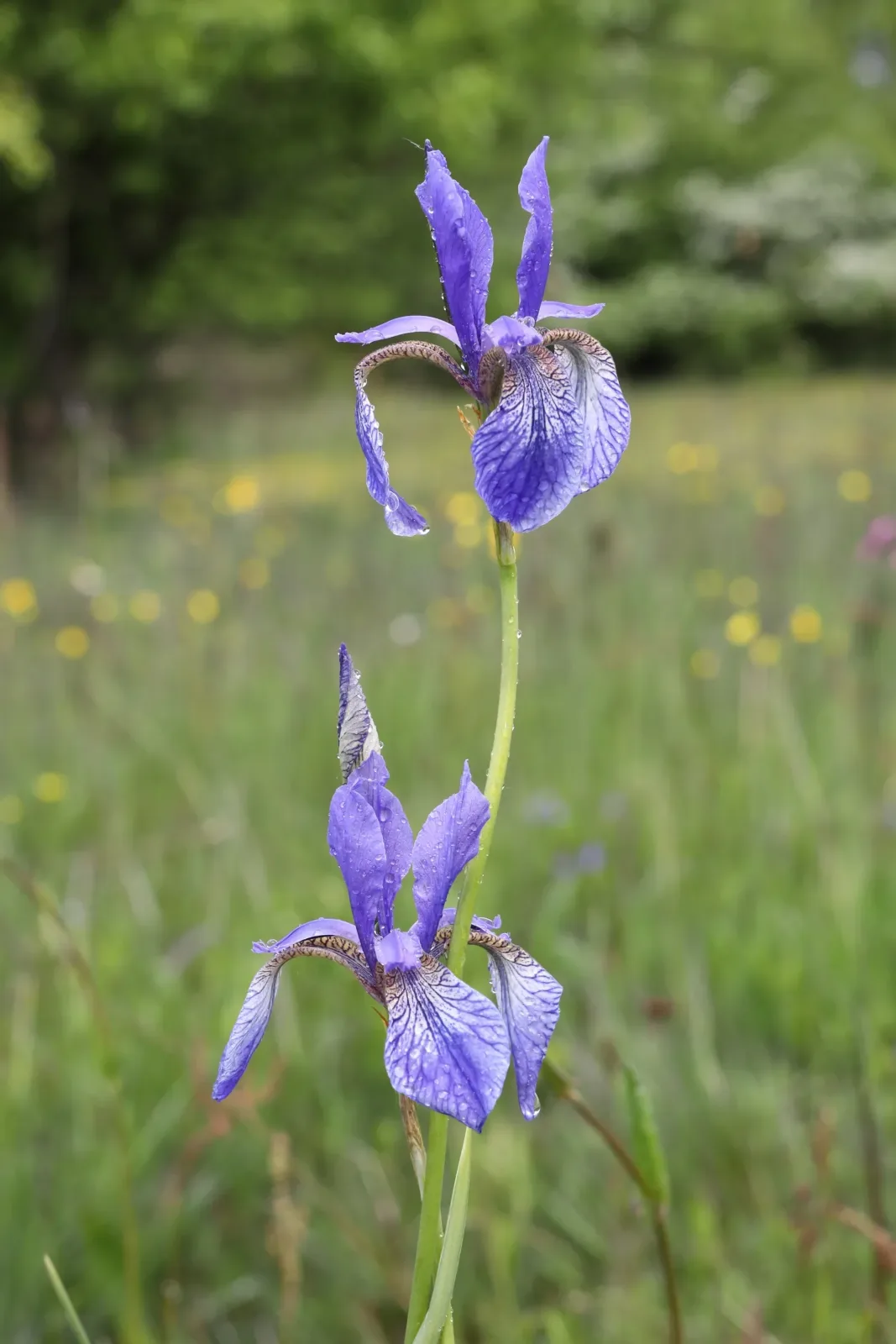
| ☀️ Light | Full sun |
|---|---|
| 💧 Water | Moderate (lightly moist) |
| 🪴 Soil | Moist fertile soil; tolerates heavier ground |
| 🌡️ Temp | -40°C – 30°C |
| 🐾 Safety | Cats: toxic · Dogs: toxic (ASPCA Animal Poison Control) |
| 📏 Mature size | 90 cm |
Where It Grows & Climate Tolerance
Pet & Companion Animal Toxicity (Siberian Iris)
Clump-forming iris hardy to Zone 2–3; wetter soil OK and easier than bearded iris in Canada.
Care instructions
Care Guide & Maintenance Routine
Sun, moist soil, divide every 3–4 years, leave foliage after bloom.
Light & Sunlight
Full sun to light shade.
Watering Schedule
Moist; handles wetter sites than bearded iris.
Potting Mix & Drainage
Moist fertile soil; tolerates heavier ground
Temperature & Humidity
Zone 2–3 hardy.
Siberian iris is tougher and wetter-tolerant than bearded iris, making it a prairie and northern favourite.
Plant in sun with moist, fertile soil. Clumps form upright grassy foliage and elegant blooms in late spring.
Leave green foliage after flowering so roots recharge. Divide every few years when the centre thins. Cut browned leaves after frost.
Hardy to Zone 2–3. Keep pets from chewing. In rain gardens and pond edges (not submerged crowns), it thrives where many perennials sulk.
Siberian iris thrives in Canadian rain gardens and moist borders where bearded iris rots. Narrow foliage stays neat after bloom. Divide when clumps thin in the centre — usually every three or four years — and replant promptly.
Full sun brings the most flowers. Leave green leaves after bloom so rhizomes store energy. Cut only after frost browns the tops. Toxic if chewed, so place away from pet play areas. For vertical spring colour with less fuss than tall bearded types, Siberians are the prairie-smart pick.
Plant so the crowns sit at or just below soil level in moist ground. Water the first season. After bloom, tidy only broken stalks; green fans must stay. In rain gardens set crowns above permanent water, not submerged. Divide with a sharp spade, trim leaves by half, and replant immediately so roots do not dry. Colours run from white through blue to purple for early summer vertical accents.
Seasonal rhythm
Seasonal Calendar
A month-by-month calendar for Siberian Iris in Canada is coming soon. See the light, water and temperature notes above.
Diagnostics
Common Problems & Troubleshooting
Few blooms (shade/need divide); flopping (too much shade).
Pests & seasonal watch: Few; iris borer less than bearded types.
Care encyclopedia · 2 guides
Guides & Articles for Siberian Iris
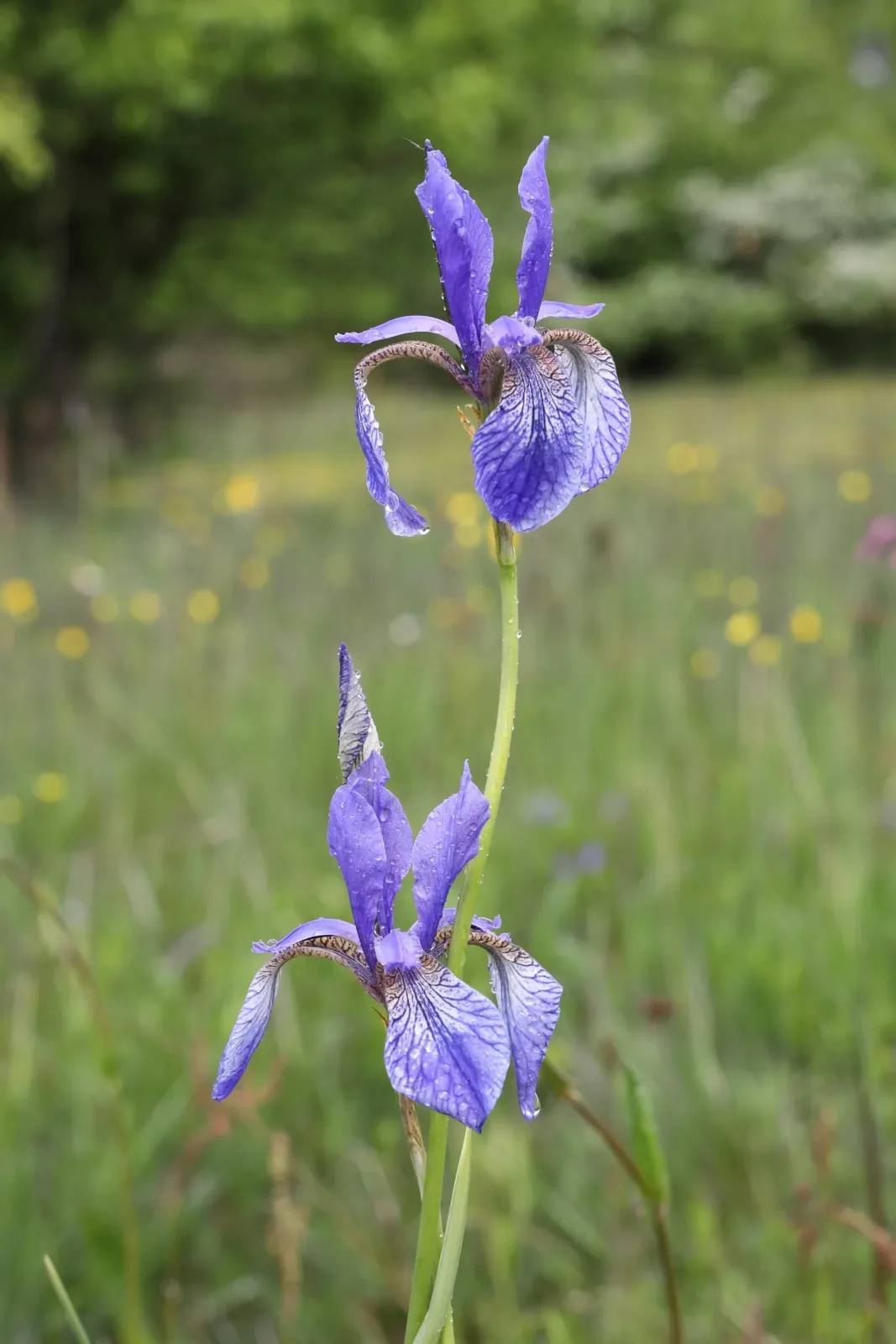
Siberian Iris Care Guide for Canada
A practical Canadian guide to siberian iris, with seasonal care, common problems, propagation and buying checks.
Read guide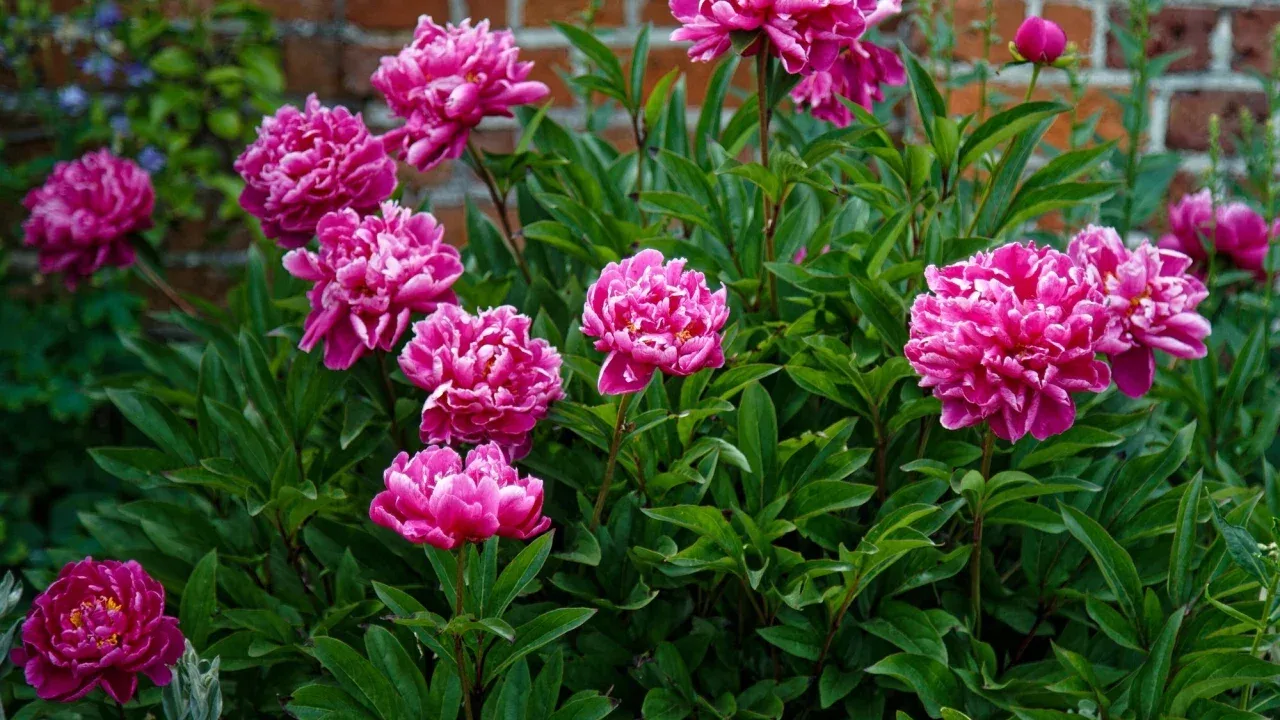
Top 10 Hardy Perennials for Zone 3–4 Prairie Gardens
Prairie winters, chinooks and dry wind kill many perennials sold in Canadian stores. These 10 are rated zone 3 or colder on Canada's hardiness scale, and most are rated zone 2, so they return reliably in zone 3–4 gardens.
Read guideQ&A
Frequently Asked Questions
How is it different from bearded iris?
Narrower leaves, prefers moister soil, hardier and less borer-prone.
When to divide?
Every 3–4 years after bloom or in fall.
Full sun?
Best bloom in full sun.
Pet safe?
No — iris can be toxic if chewed.
Similar Botanical Matches
Keep exploring
Related plants
Grower field notes
Reader Field Notes in Canada
Share how this plant performs in your local Canada climate.