
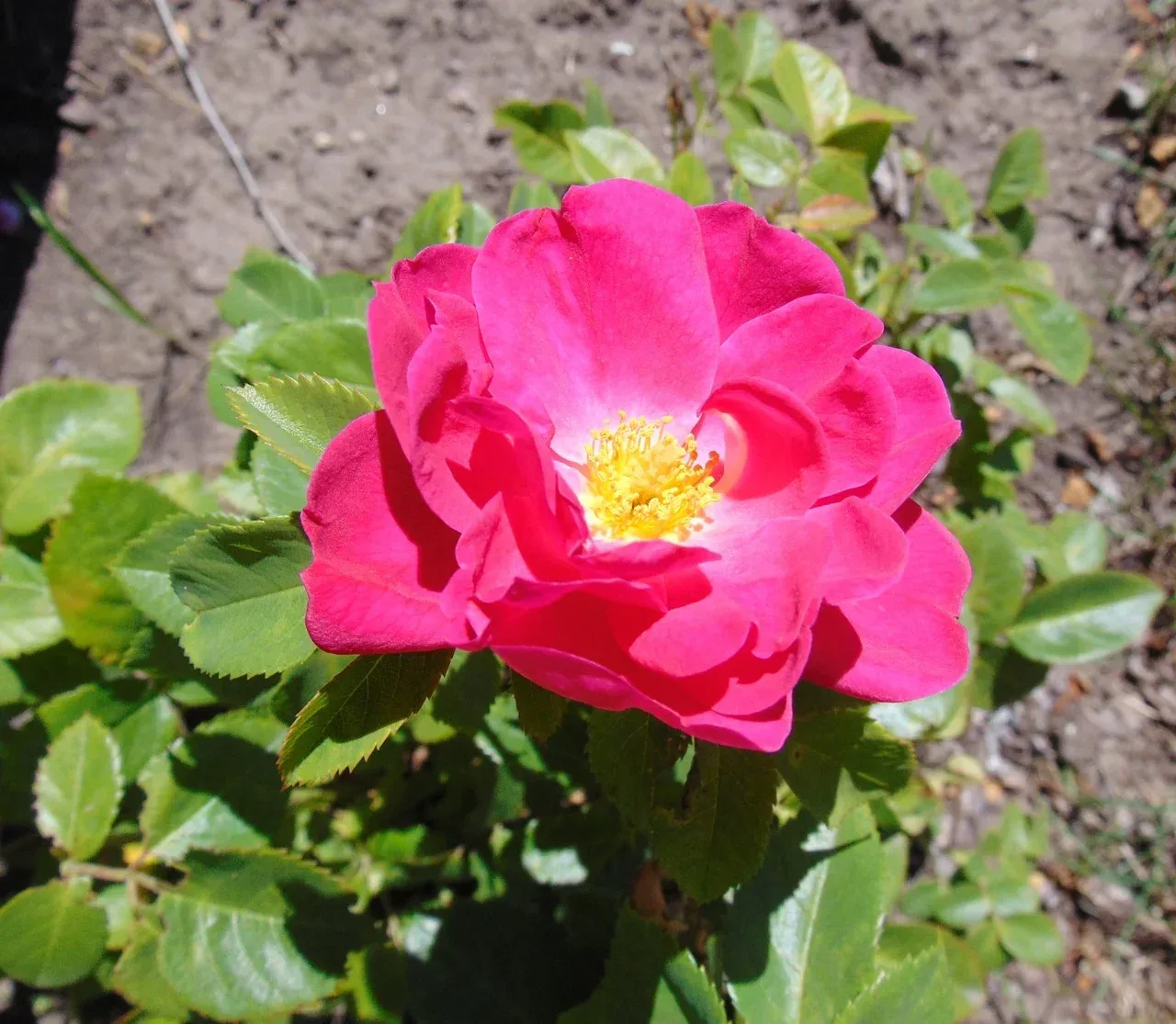
| ☀️ Light | Full sun |
|---|---|
| 💧 Water | Moderate (lightly moist) |
| 🪴 Soil | Fertile, well-drained loam |
| 🌡️ Temp | -35°C – 32°C |
| 🐾 Safety | Cats: toxic · Dogs: toxic (ASPCA Animal Poison Control) |
| 📏 Mature size | 2.0 m |
Where It Grows & Climate Tolerance
Pet & Companion Animal Toxicity (Explorer Rose)
Canadian-bred hardy rose series for Zone 2–3 winters; own-root and disease tougher than tender tea roses.
Care instructions
Care Guide & Maintenance Routine
Full sun, own-root Explorer cultivars, prune dead wood in spring, water base not leaves.
Light & Sunlight
Full sun 6+ hours.
Watering Schedule
Deep water in dry spells; keep foliage dry when possible.
Potting Mix & Drainage
Fertile, well-drained loam
Temperature & Humidity
Bred for Canadian cold; many Zone 2–3.
Explorer roses were bred in Canada for winters that kill tender hybrid teas.
Plant in full sun and fertile, draining soil. Most are grown on their own roots, so if tops die back in a brutal winter, living roots often resprout true to type.
Prune in spring once you see live buds — cut out winter-killed wood. Feed in spring and after the first flush. Water at the base to limit blackspot in humid summers.
Cultivars like William Baffin are famous for hardiness. Expect some tip dieback in Zone 2–3; that is normal. With sun and spring pruning, Explorer roses give reliable Canadian colour from summer into frost.
Explorer and related Canadian rose programs exist because tender tea roses die back hard on the Prairies. Own-root plants that resprout true after a brutal winter are the point. Expect tip dieback; spring pruning into live wood is normal care, not failure.
Full sun and morning air flow cut disease pressure. Water the soil, not the leaves, in humid Ontario summers. Japanese beetles are a regional pest — hand pick early. With sun and spring cuts, Explorer types give the rose look without the tender-plant heartbreak.
Shop Canadian nurseries for named Explorer, Parkland or Canadian Artists roses matched to your zone. Plant bare-root or potted stock in spring in a sunny hole amended with compost. Water deeply the first year. In spring, cut to live wood with a clean slanted cut above an outward bud. Enjoy hips on some cultivars if you stop deadheading late in the season.
Seasonal rhythm
Seasonal Calendar
A month-by-month calendar for Explorer Rose in Canada is coming soon. See the light, water and temperature notes above.
Diagnostics
Common Problems & Troubleshooting
Winter tip dieback (normal — prune in spring); blackspot; poor bloom (shade).
Pests & seasonal watch: Aphids, Japanese beetles in some regions; blackspot in humid areas.
Care encyclopedia · 6 guides
Guides & Articles for Explorer Rose
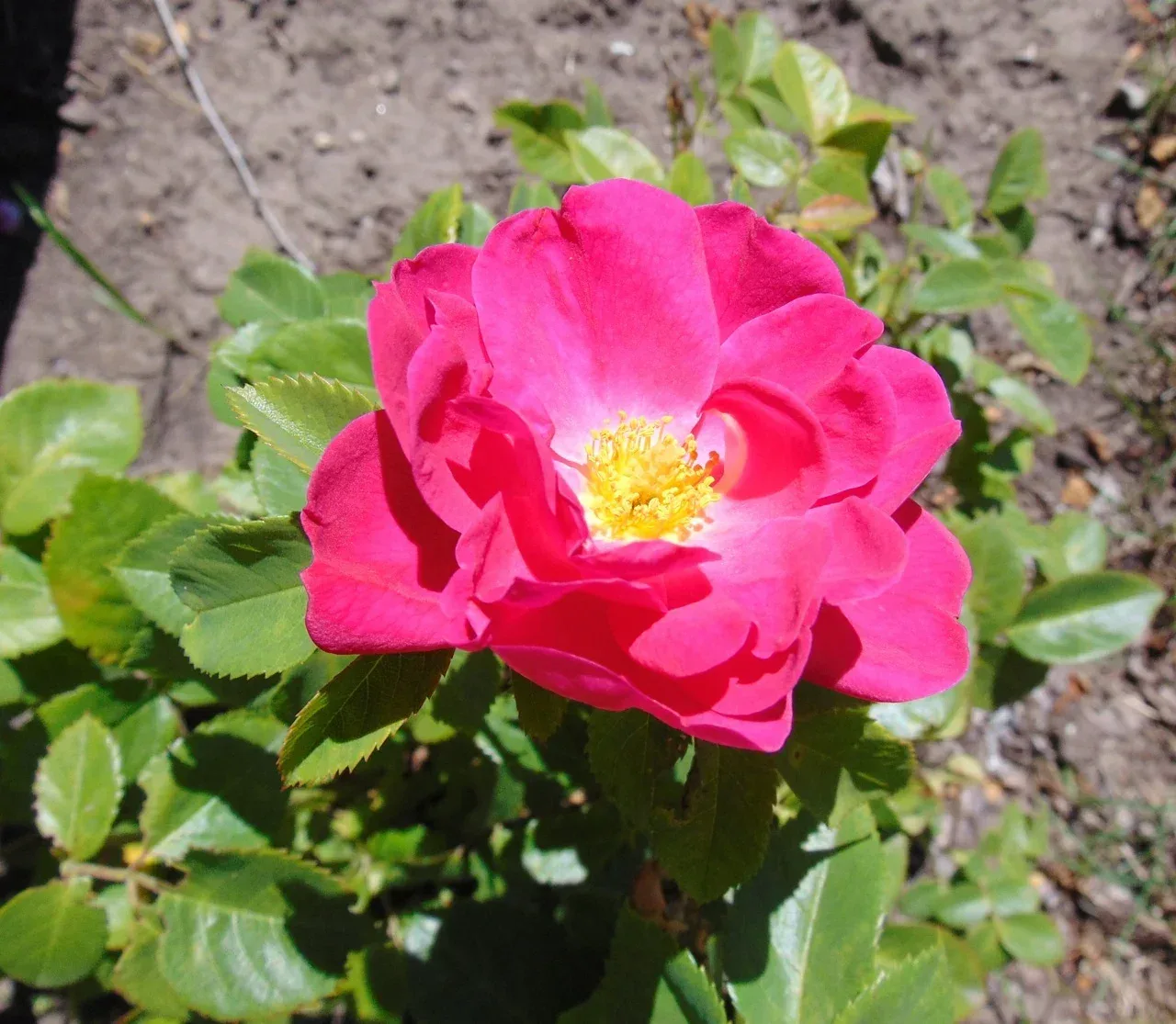
Explorer Rose Care Guide for Canada
A practical Canadian guide to explorer rose, with seasonal care, common problems, propagation and buying checks.
Read guide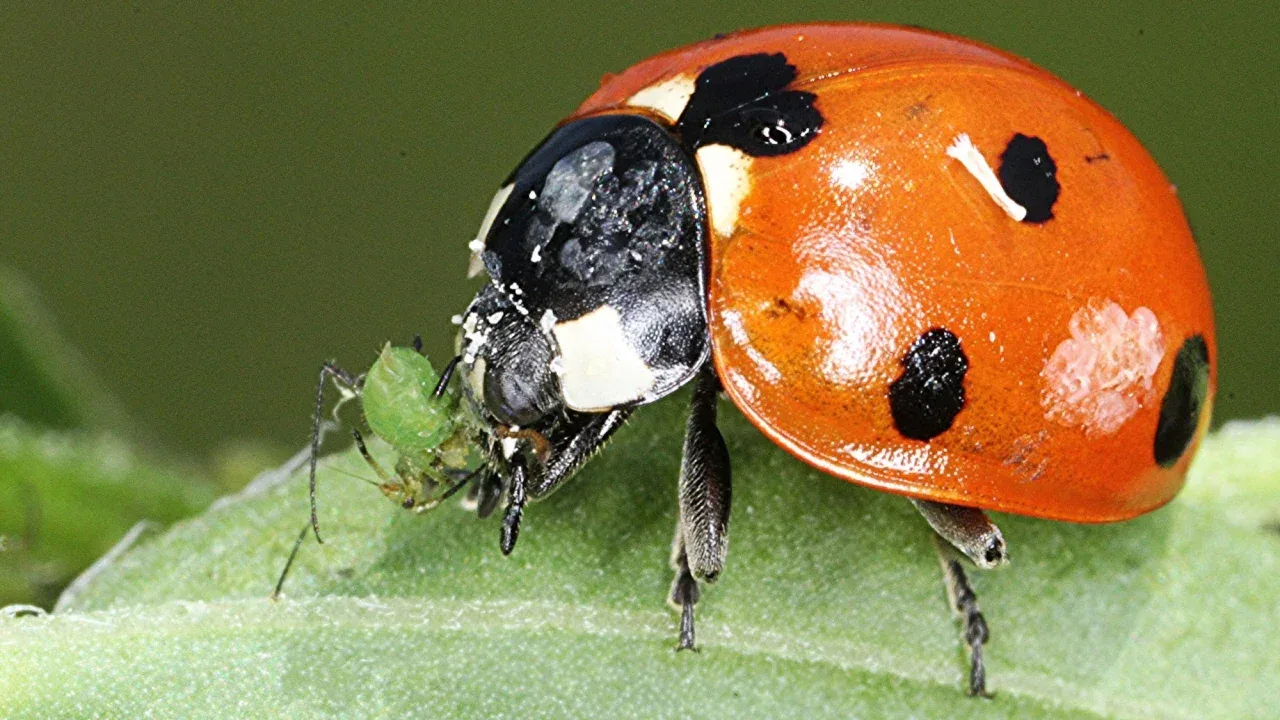
Natural vs Chemical Pest Control in Canada: What's Legal and What Actually Works
Is that garden spray legal where you live? Learn how Health Canada and each province regulate pesticides in 2026, from Ontario's and Quebec's cosmetic bans to BC's certificate rules, and which natural and low-risk methods actually work.
Read guide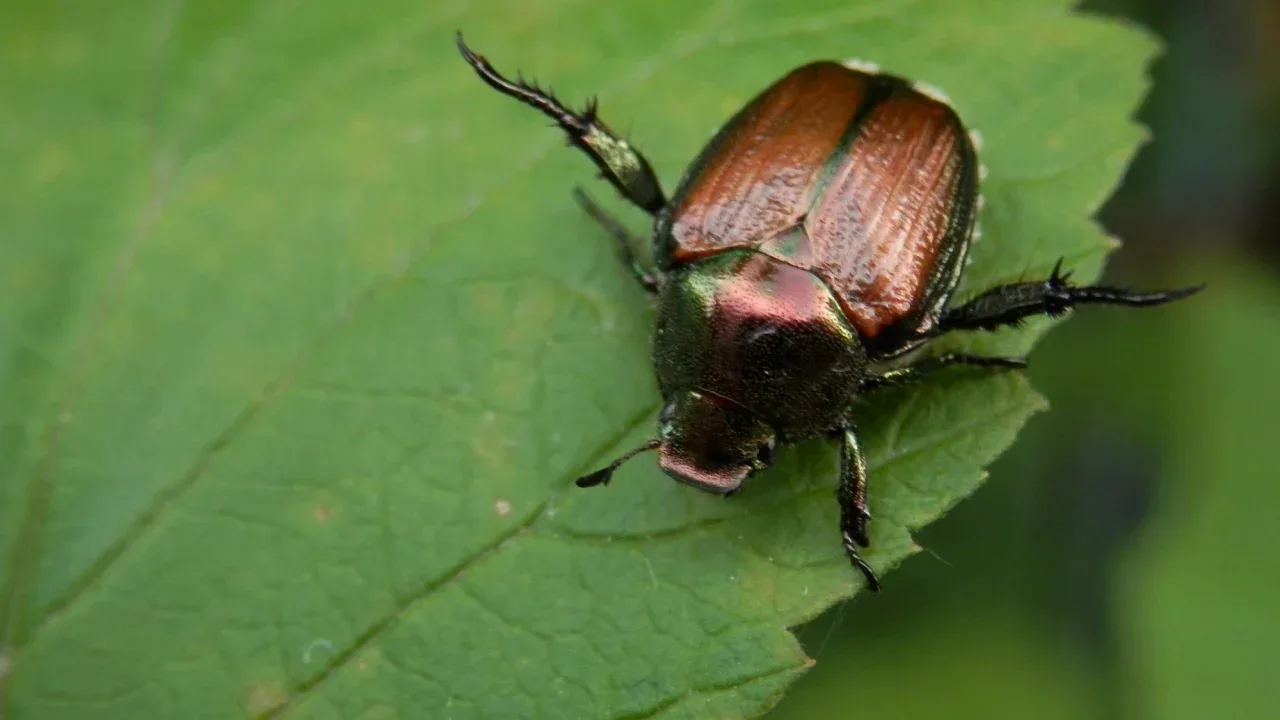
Japanese Beetle in Canada: How to Identify It, Control It and Where It's Regulated
Japanese beetles are established in Ontario, Quebec and the Maritimes, and CFIA is fighting them in BC and Newfoundland. Learn how to identify adults and grubs, where they are regulated in 2026, how to report a sighting, and how to protect your roses, raspberries and lawn.
Read guide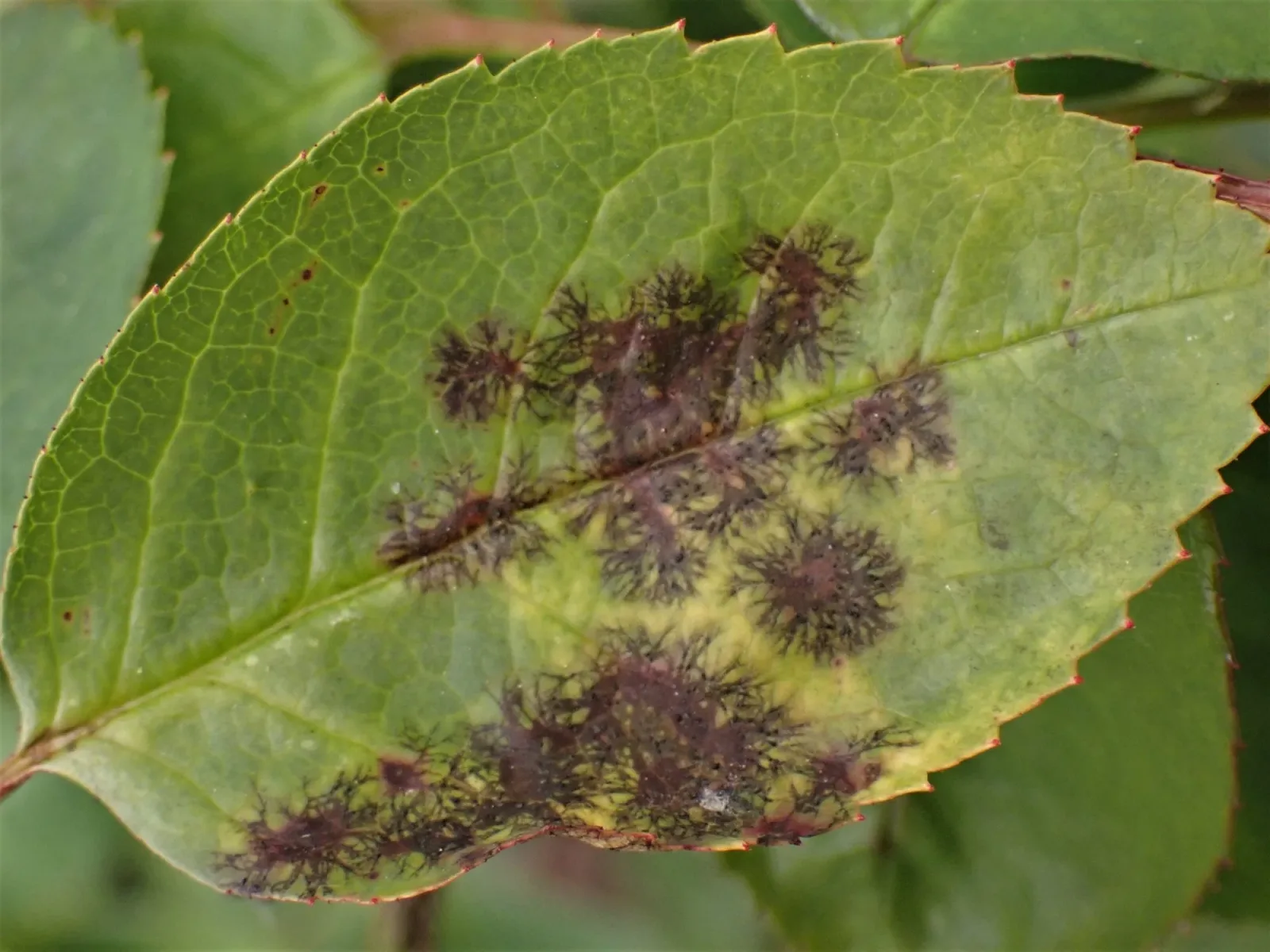
Black Spot on Roses in Canada: How to Identify, Prevent and Control It
Black spot is the most common rose disease in wet Canadian summers. Learn how to recognize it, which hardy Explorer, rugosa and Canadian Artists roses resist it best, and how to prevent and control it with sanitation first and registered sprays only if needed.
Read guide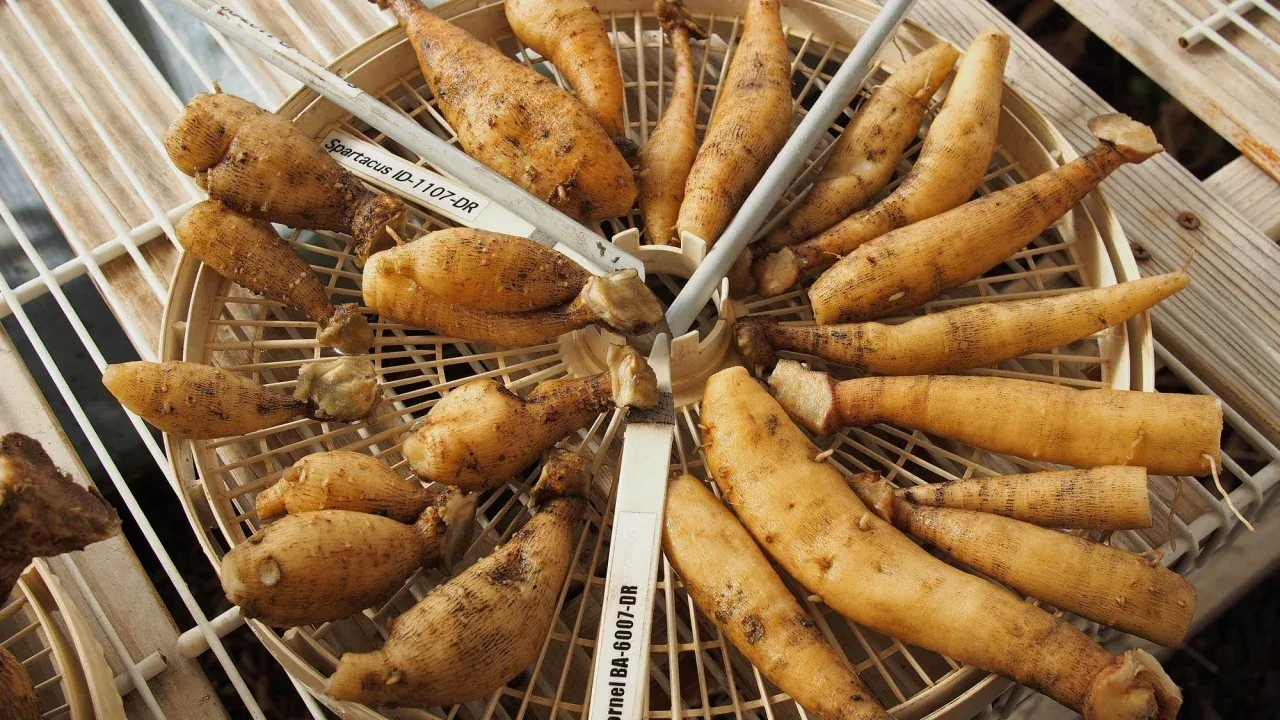
Overwintering Perennials and Bulbs in Canada: Mulch, Tender Bulbs and Containers
Get perennials and bulbs through a Canadian winter: pick plants for your NRCan hardiness zone, mulch at the right time, dig and store dahlias, gladiolus and cannas, and keep container plants alive.
Read guide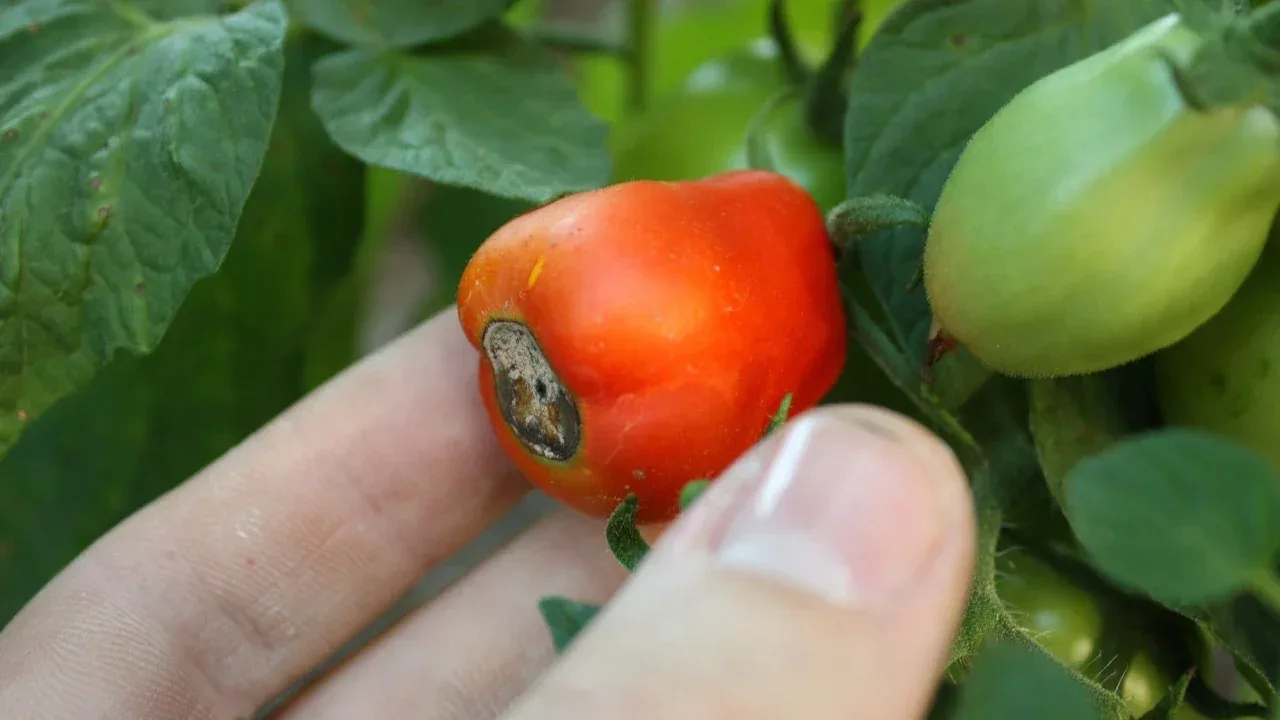
Plant Problem Diagnosis Guide: From Symptom to Cause to Fix
A step-by-step way to diagnose plant problems in Canada, with symptom tables that point from yellow leaves, spots, holes, wilting and winter browning to the likely cause and the GardenOrbit guide that fixes it.
Read guideQ&A
Frequently Asked Questions
What are Explorer roses?
A Canadian breeding series selected for cold hardiness and outdoor performance.
Do they need winter protection?
Less than tea roses; snow and a base mulch after freeze help.
When to prune?
In spring after buds swell — remove winter-killed wood.
Full sun needed?
Yes for best bloom and disease resistance.
Similar Botanical Matches
Keep exploring
Related plants
Grower field notes
Reader Field Notes in Canada
Share how this plant performs in your local Canada climate.