
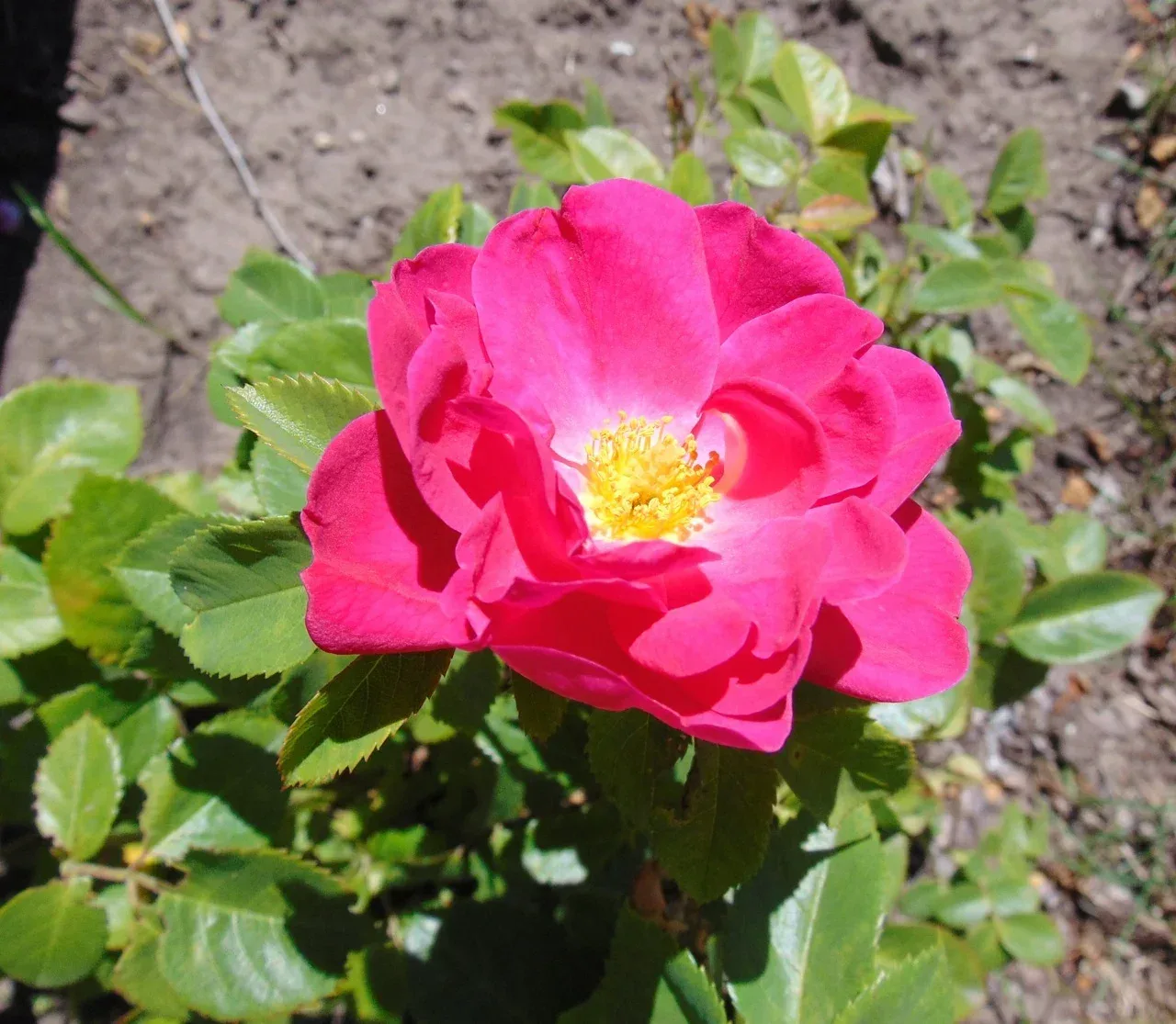
Explorer roses give Canadian gardeners more cold-tolerant choices, but they differ greatly in size and winter cane survival. Choose a cultivar for its actual space and exposure rather than the series name alone.
Quick answer
Choose an Explorer cultivar for your Canadian site and available space, not only for flower colour. Preserve a useful climbing framework where appropriate and assess winter damage in spring. Water new roots carefully, avoid late heavy feeding, and inspect disease rather than assuming hardiness means immunity. Thorns require thoughtful placement and pruning protection.
How do you identify explorer rose?
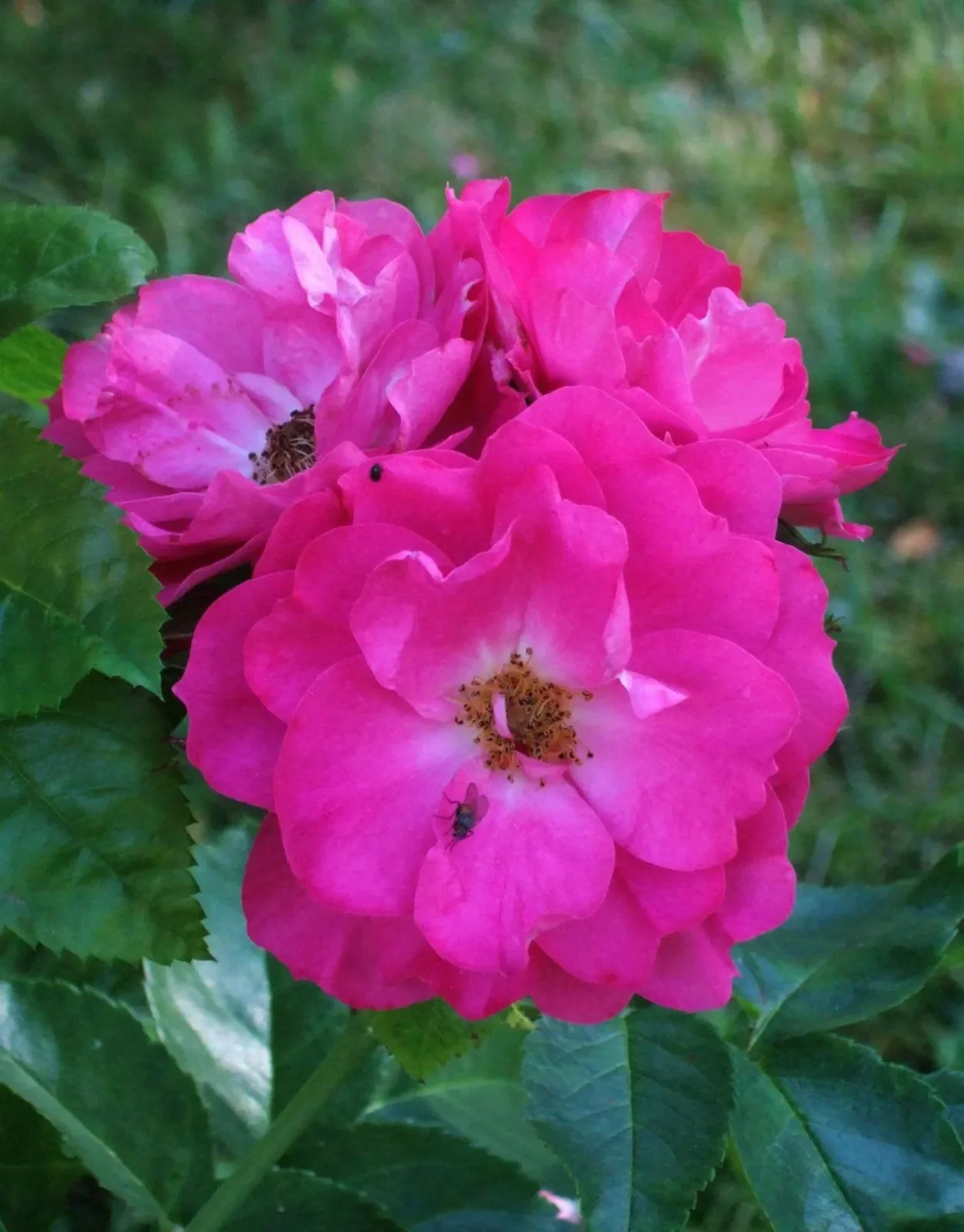
Explorer rose: Explorer roses are Canadian-bred cultivars, not one species. 'John Cabot' climbs strongly; white 'Henry Hudson' stays lower. 'William Baffin' is another large selection. Compare mature size and local performance.
How much winter damage is acceptable on an Explorer rose?
A hardy rose may lose exposed cane tips. Wait for swelling buds in spring before cutting to healthy wood. Crown survival differs from cane survival. Own-root plants may regrow true from the base; grafted roses can produce rootstock suckers. Avoid heavy late-summer feeding and airtight plastic winter covers. Snow can insulate roots, while road salt and repeated thawing add risks. A cultivar's reputation does not remove the need for a drained site and first-year watering.
Where should you plant it for enough light?
Full sun 6+ hours.
Explorer is a Canadian breeding series, not a promise that every rose has the same size or pruning needs. John Cabot and William Baffin can make substantial climbing shrubs, while other selections have a different outline. Keep the exact cultivar name and check local experience with it. A rose described as hardy may still lose cane tips in an exposed site. Snow depth, wind and the position of the graft or crown all influence what survives. Choose a size that fits the available sunlit space instead of planning to keep a vigorous selection permanently small through severe clipping.
How should you water through the seasons?
Deep water in dry spells; keep foliage dry when possible.
What soil or potting mix is best?
Fertile, well-drained loam.
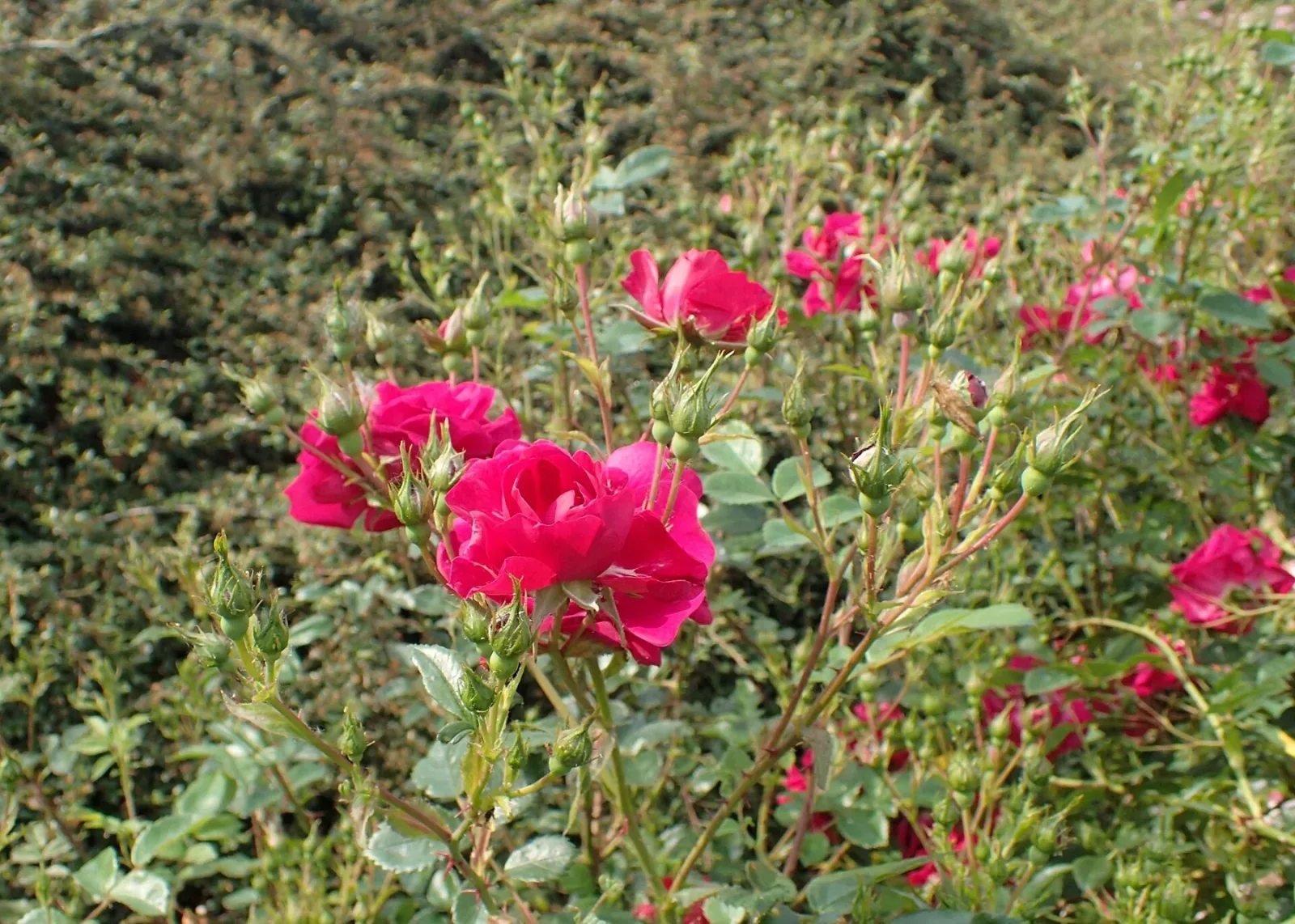
Plant where roots can reach a well-drained, broadly prepared bed, not a narrow wet hole surrounded by compacted soil. Water new roses deeply into the root-ball area and expand the wetted zone as roots spread. Established plants still benefit from attention during prolonged drought. Keep foliage as dry as practical when irrigating, while recognizing that disease also depends on cultivar and weather. Mulch should moderate moisture without being heaped against canes. If a rose is grafted, follow reliable local planting guidance for that stock; own-root plants and grafted plants should not be assumed identical below ground.
When should you fertilize?
Rose fertilizer or compost in spring and after first flush.
A modest spring feeding can support growth where fertility is low, but repeated nitrogen applications late in the season are unhelpful. Compost can improve the surface soil without burying the crown excessively. A rose with weak flowering needs checks of sun, pruning and recent winter injury before stronger feed. Deadhead if you want a tidy repeat-flowering display, while leaving later hips where desired. Do not promise that every cultivar repeats equally. Some hips attract wildlife and add winter interest. Keep a simple bloom record so next year's pruning choices reflect what this particular rose actually does in your garden.
What temperatures and winter protection does it need?
Many Explorer roses are used around Canadian zones 2 or 3 upward. Ratings differ by cultivar, and cane survival depends on exposure.
Wait until spring growth reveals winter damage before making the final pruning decisions. Brown exposed tips may need shortening while lower protected wood remains viable. Cut to healthy tissue and a useful outward growth point. Remove canes that rub or have died at the base, but avoid stripping out every older cane at once. A cautious renewal over time preserves a functioning framework. Autumn is not the time to force tender replacement shoots with hard pruning and fertilizer. In windy locations, secure long canes so winter movement does not lever them against their base.
How should you prune it?
Remove winter dieback in spring; shape lightly.
A climbing Explorer needs a strong support and a long-term framework. Tie flexible young canes with soft ties before they become stiff. Training some growth at an angle can distribute flowering shoots more effectively than letting every cane rise in one narrow vertical bundle. Do not remove the entire established framework each spring as though it were a compact bedding rose. For shrub forms, assess the natural shape and open congested growth selectively. Work from clearly dead or damaged material toward sound wood. Thick gloves and eye protection are sensible when branches spring back from a tangled mature plant.
What is the best propagation method?
Softwood cuttings can root under controlled humidity. Buy accurately labelled cultivars for predictable cold tolerance and size. Seed will not copy the parent faithfully. Check cultivar propagation rights before selling plants.
Which pests and diseases should you watch for?
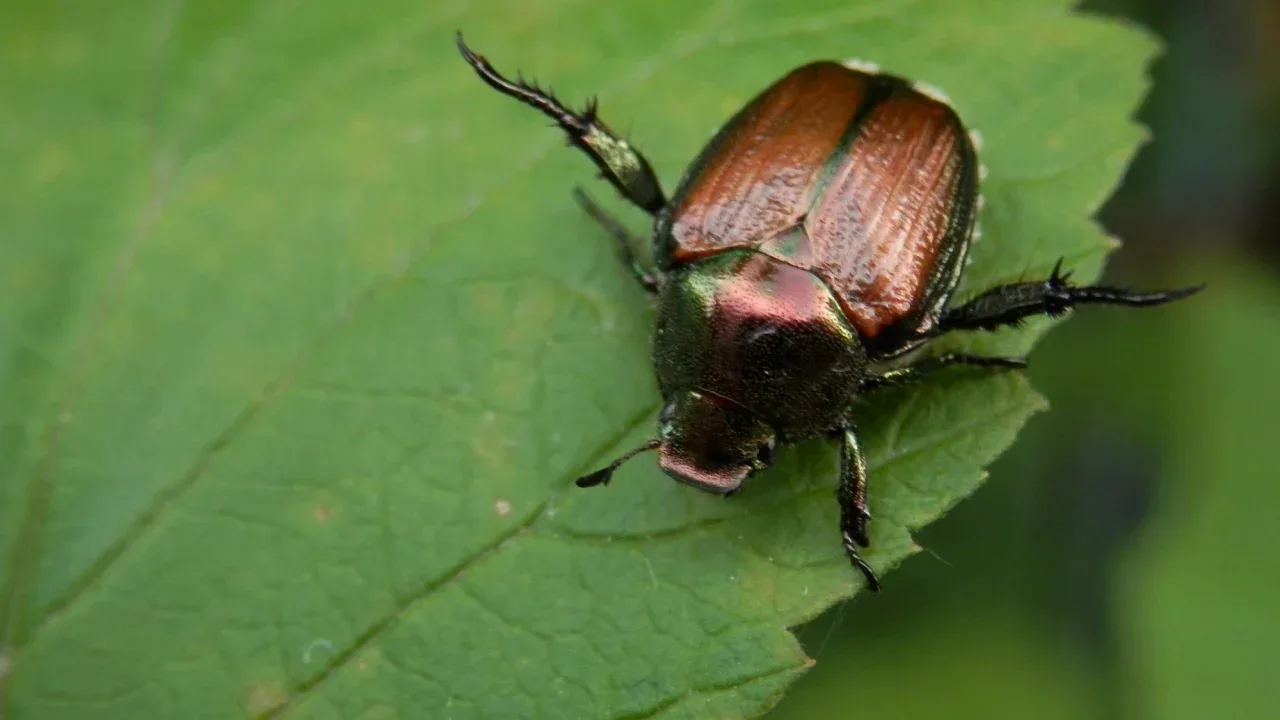
Aphids, Japanese beetles in some regions; blackspot in humid areas.
Black spot, mildew, aphids and sawfly larvae are different problems with different signs. Explorer breeding includes disease-resistant selections, not plants immune to every pest. Inspect damaged leaves on both sides and identify the culprit before spraying. Remove seriously infected fallen foliage where practical. Avoid broad insecticide use while pollinators visit open flowers. Watering roots, improving spacing and selecting a locally successful cultivar can reduce recurring trouble. Propagation by suitable stem cuttings may preserve an own-root plant's identity, but check restrictions on protected cultivars. Seedlings from hips are not reliable copies of a named Explorer.
How do you work out the cause?
Winter tip dieback (normal ; prune in spring); blackspot; poor bloom (shade).
Is it safe around pets and children?
ASPCA lists Rosa species as non-toxic to cats and dogs, correcting the source sheet's blanket unsafe flag. Thorns can injure mouths and eyes. Sprayed flowers are not food for children or pets.
A seasonal care calendar for Canada
| Season | What to do |
|---|---|
| Spring | Prune dead wood; feed. |
| Summer | Bloom; water drought; deadhead if desired. |
| Autumn | Stop hard pruning; mulch after freeze. |
| Winter | Snow cover helps; do not prune green wood late. |
What should you check before buying?
Compare the climbing role of clematis before building a trellis. The mature structures of ninebark and spirea can also shape a woody border, but should not be crowded against thorny rose canes that need pruning access.
Buy from a nursery that identifies the series and cultivar accurately; a hardy Canadian Parkland rose is not automatically an Explorer. Examine cane health and roots instead of choosing only a plant in flower. Ask about mature width and support requirements. Container roses need a separate winter plan because exposed roots can freeze much more severely than roots in a bed. Keep snow-clearing salt away from the planting. Roses are not usually the main toxic-plant concern for pets, but thorns can injure mouths, paws and children's hands. Place arching canes where people can pass without being scratched.
What should a rose purchase record include?
Save the cultivar, own-root or grafted status and the nursery's local planting instructions. Those details remain useful long after the first flower label has faded.
Watch: a related growing task
Rose specialist Paul Zimmerman explains trellis training. This is a general climbing-rose technique, useful for vigorous climbing Explorers such as John Cabot; it is not a cultivar-specific winter-hardiness lesson or a pruning plan for every shrub-form Explorer.
Comments
No comments yet — share what worked in your climate.