
| ☀️ Light | Full sun |
|---|---|
| 💧 Water | Moderate (lightly moist) |
| 🪴 Soil | Average garden soil; tolerates clay if draining |
| 🌡️ Temp | -40°C – 32°C |
| 🐾 Safety | Cats: non-toxic · Dogs: non-toxic (ASPCA Animal Poison Control) |
| 📏 Mature size | 2.5 m |
Where It Grows & Climate Tolerance
Pet & Companion Animal Toxicity (Ninebark)
Tough native-range shrub hardy to Zone 2; colourful foliage types and peeling bark for Canadian yards.
Care instructions
Care Guide & Maintenance Routine
Sun for best colour, prune after bloom or renew old stems, drought tolerant once established.
Light & Sunlight
Full sun for purple/gold foliage colour; shade greens them out.
Watering Schedule
Water new plants; established handle dry spells.
Potting Mix & Drainage
Average garden soil; tolerates clay if draining
Temperature & Humidity
Zone 2 hardy.
Ninebark is a workhorse shrub for cold Canadian gardens, hardy to Zone 2 with peeling bark and tough growth.
Full sun brings out purple or gold foliage on modern cultivars. Average soil is fine. Water new plants; established shrubs handle dry spells.
Prune after the late-spring white blooms or renew by removing a few oldest stems at ground level each year. It needs little fertilizer.
Use it for hedges, mixed borders and tough urban sites. Deer pressure varies by region. With sun and occasional renewal pruning, ninebark stays colourful for decades.
Ninebark handles clay, cold and roadside salt better than many flowering shrubs, which is why municipalities plant it across Canada. Purple foliage cultivars need full sun or they look muddy green. Renewal pruning — a few oldest stems out each year — beats shearing into a meatball.
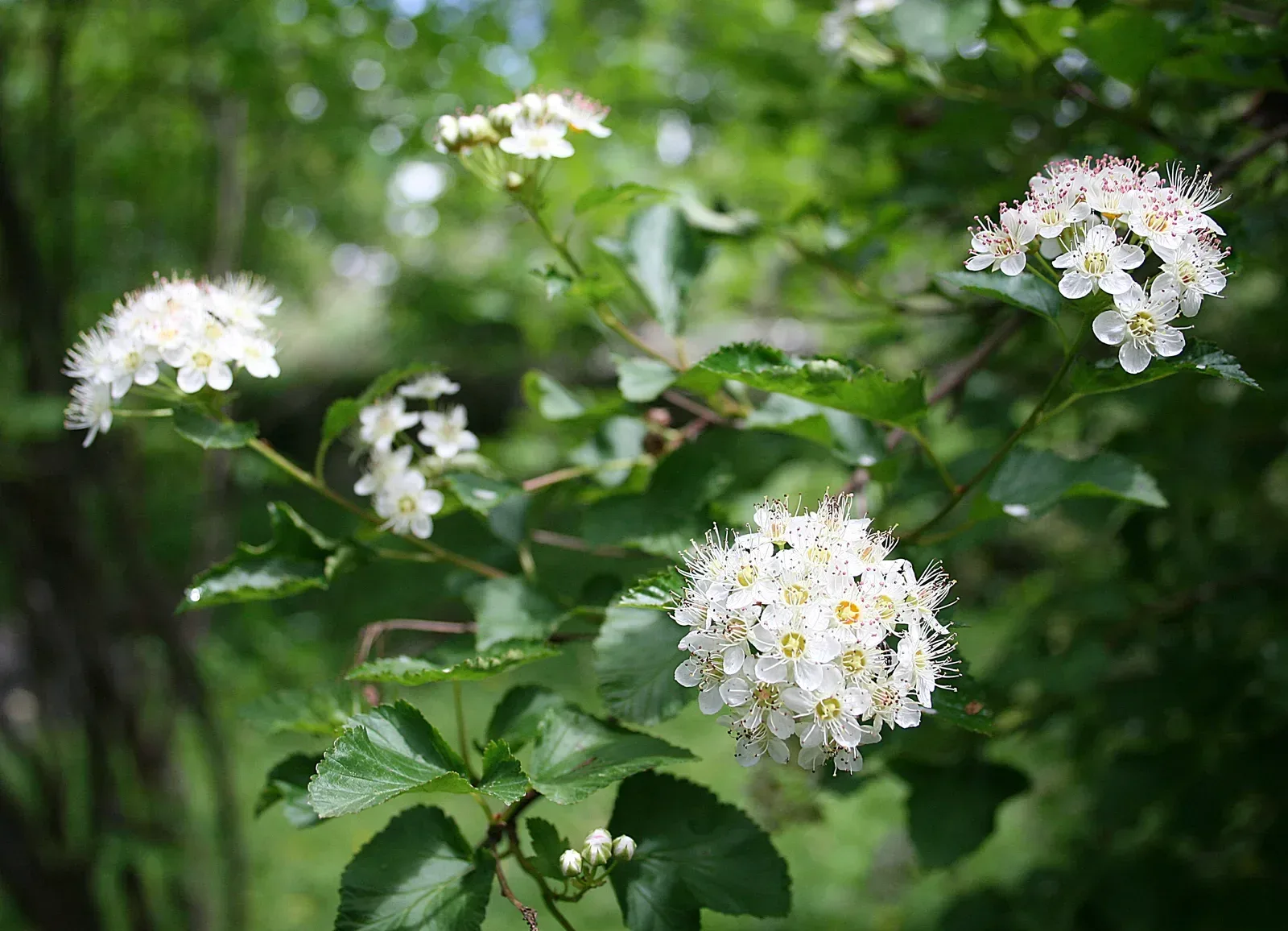
White flower clusters in late spring feed insects, and seed heads linger. It is a backbone shrub for mixed borders from Zone 2 up. Little fertilizer is needed. Give it room; fast growth fills a gap in two or three seasons.
Diabolo and similar purple cultivars are common in Canadian nurseries. Plant them where afternoon sun deepens colour. After the white flower froth, seed heads can stay for texture or be sheared lightly. The peeling bark on older stems is a winter feature — do not hide it with excessive mulch volcanoes against the trunks.
Seasonal rhythm
Seasonal Calendar
A month-by-month calendar for Ninebark in Canada is coming soon. See the light, water and temperature notes above.
Diagnostics
Common Problems & Troubleshooting
Dull foliage (shade); leggy (needs renew prune).
Pests & seasonal watch: Usually few; occasional leaf spot.
Care encyclopedia · 1 guide
Guides & Articles for Ninebark
Q&A
Frequently Asked Questions
How hardy is ninebark?
Typically Zone 2 — excellent for prairie and northern gardens.
Why is purple foliage green?
Not enough sun.
When to prune?
After bloom, or renew by cutting oldest stems at the base.
Is it native?
Eastern ninebark is native to parts of eastern North America.
Similar Botanical Matches
Keep exploring
Related plants
Grower field notes
Reader Field Notes in Canada
Share how this plant performs in your local Canada climate.