
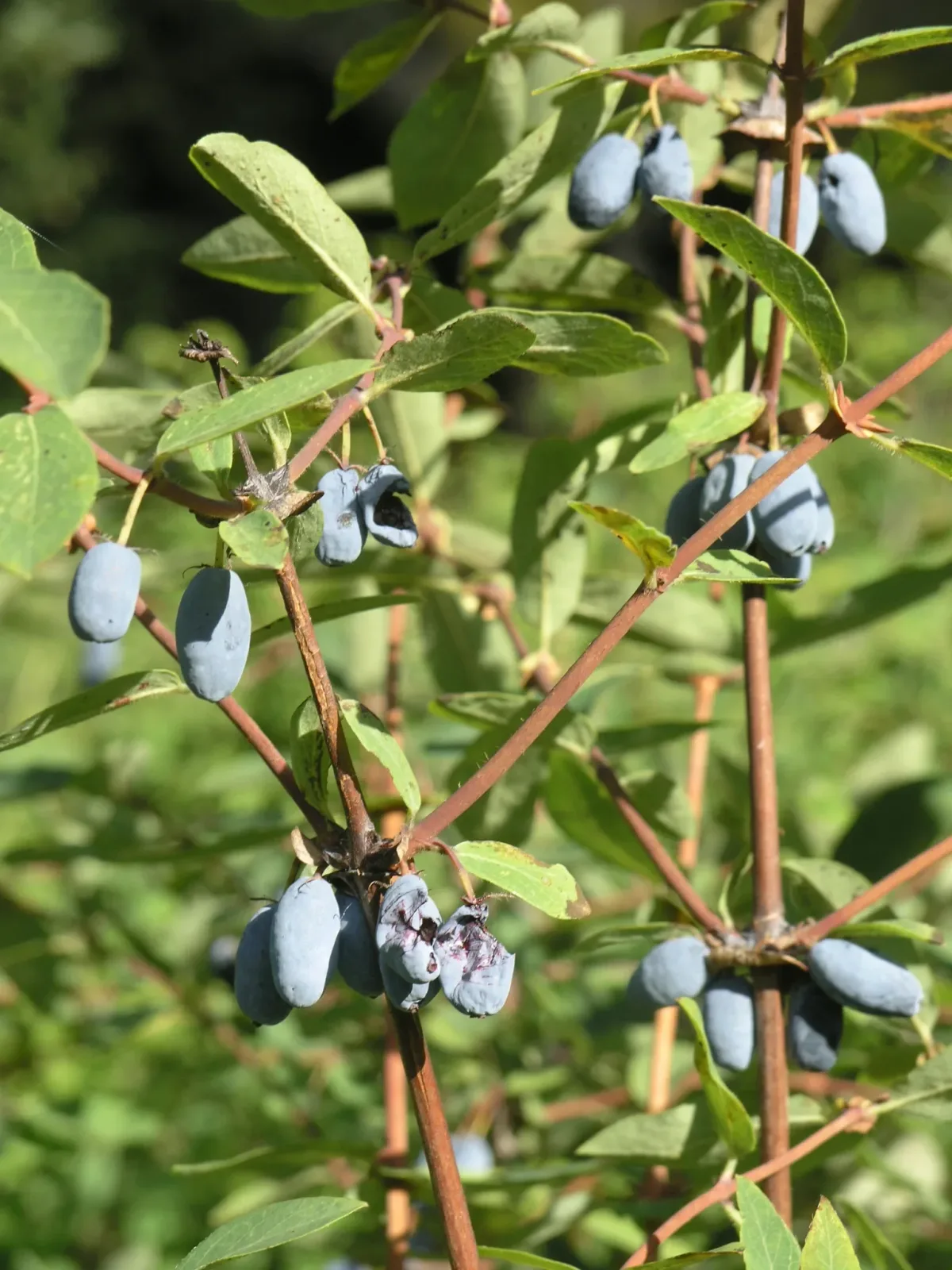
| ☀️ Light | Full sun |
|---|---|
| 💧 Water | Moderate (lightly moist) |
| 🪴 Soil | Well-drained loam; pH near neutral to slightly acid is fine |
| 🌡️ Temp | -40°C – 30°C |
| 🐾 Safety | Cats: non-toxic · Dogs: non-toxic (ASPCA Animal Poison Control) |
| 📏 Mature size | 1.5 m |
Where It Grows & Climate Tolerance
Pet & Companion Animal Toxicity (Haskap)
Honeyberry shrub bred for Canadian cold; plant two varieties for fruit, Zone 2 hardy.
Care instructions
Care Guide & Maintenance Routine
Full sun, two varieties for fruit, Zone 2, well-drained soil, net against birds.
Light & Sunlight
Full sun for yield and sweetness. Partial shade reduces crop.
Watering Schedule
Steady water first 2 years. Established plants need water in long dry spells, especially while fruiting.
Potting Mix & Drainage
Well-drained loam; pH near neutral to slightly acid is fine
Temperature & Humidity
Zone 2 hardy. Blooms early; open flowers can take light frost better than many fruits.
Haskap (honeyberry) is a blue-berried honeysuckle selected for northern farms and home gardens. Canadian breeders and prairie growers favour it because it shrugs off Zone 2 winters and ripens earlier than most blueberries — often in June.
Plant in full sun for the sweetest fruit. Soil should drain well; haskap dislikes winter wet feet. Most varieties need a second, compatible cultivar nearby for cross-pollination, so buy a matched pair. Space bushes about 1.5 m apart. Water through dry spells the first two years, then as needed in drought.
Fruit turns blue before it is fully sweet — wait a few more days, or taste-test. Birds love the berries; netting helps. Prune in late winter to remove dead wood and thin crowded centres on mature plants. Fertilize lightly in spring with compost or a fruit-shrub feed; too much nitrogen grows leaves at the expense of berries.
Hardiness is typically Zone 2. Unlike highbush blueberry, haskap does not need strongly acidic soil, which makes it easier on the Prairies. Leaves and ornamental parts are not grown as edibles for pets; the ripe berries are the crop for people. With two varieties and sun, haskap is one of the most reliable fruit shrubs for cold Canadian yards.
Canadian research farms and prairie nurseries have released many named haskap cultivars. Ask your nursery which pollination group matches the variety you buy — random pairs sometimes set poorly. Fruit freezes well for smoothies and jam. In bear country, ripe bushes can attract wildlife; harvest promptly. Young plants may fruit lightly in year two and more heavily by year three or four. Keep grass cleared from the base so voles do less bark damage under snow. A simple wire cage protects trunks their first winters in rabbit-heavy yards.
Seasonal rhythm
Seasonal Calendar
A month-by-month calendar for Haskap in Canada is coming soon. See the light, water and temperature notes above.
Diagnostics
Common Problems & Troubleshooting
No fruit (only one variety planted); bitter berries (picked too early); winter wet rot (poor drainage).
Pests & seasonal watch: Birds at ripening. Watch for aphids on new growth. Few serious diseases in cold, dry prairie air.
Care encyclopedia · 2 guides
Guides & Articles for Haskap
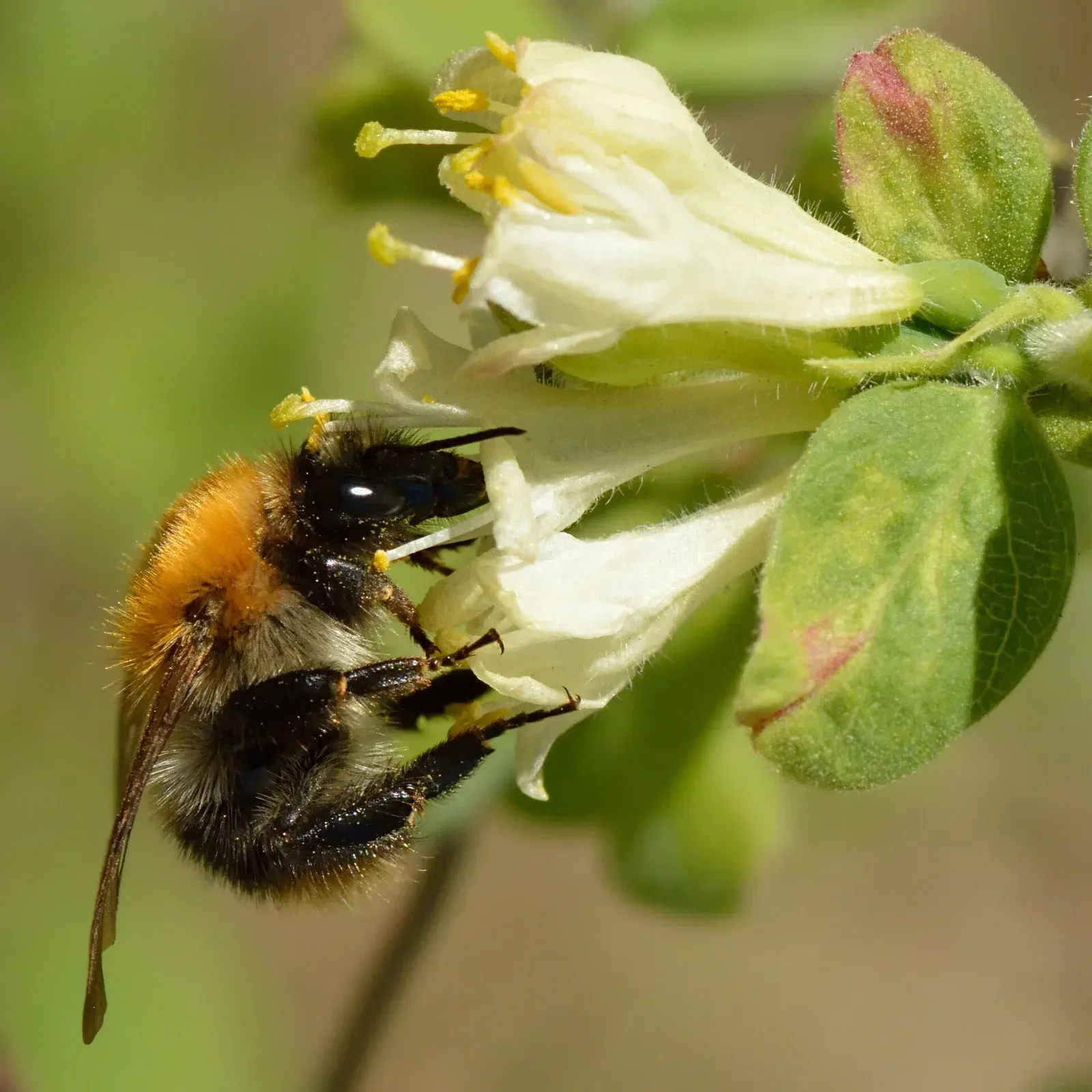
Haskap Not Producing Fruit? Pollination and Other Causes
A haskap with few or no berries usually lacks a compatible pollinizer blooming at the same time. Here is how to check that, plus age, frost, birds and sun.
Read guide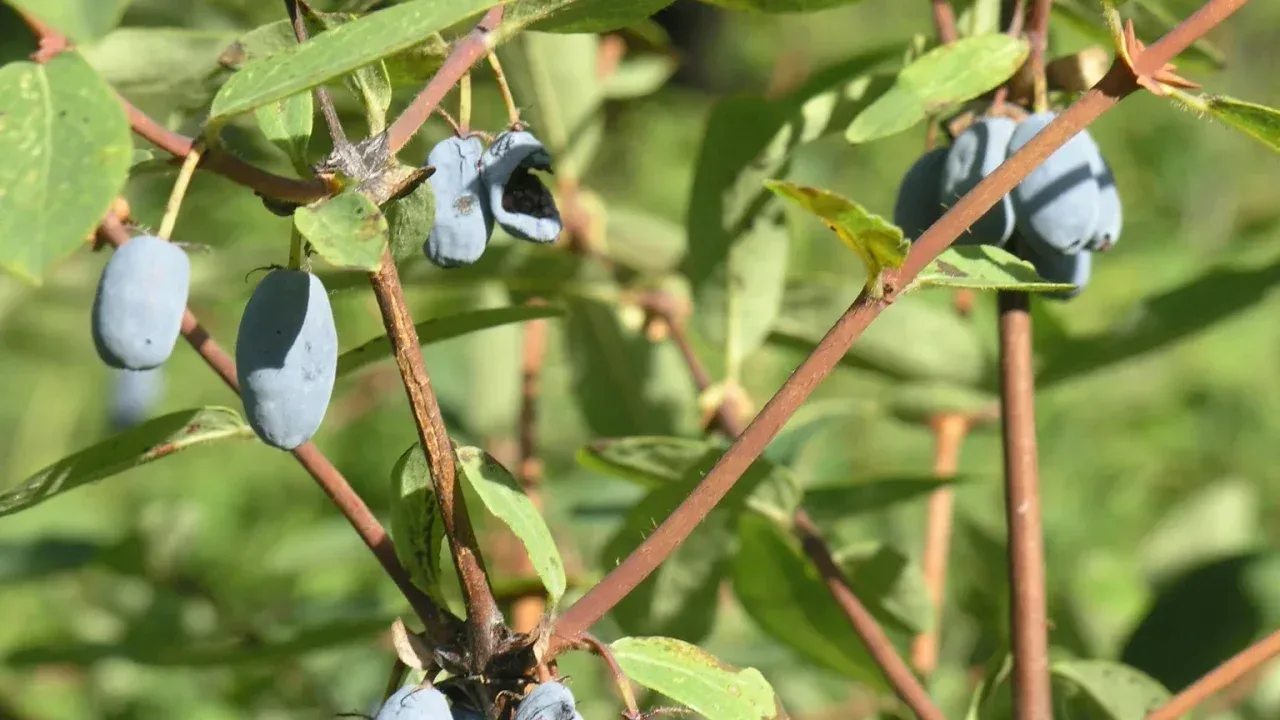
Haskap Care Guide for Canada
A practical Canadian guide to haskap, with seasonal care, common problems, propagation and buying checks.
Read guideQ&A
Frequently Asked Questions
Do I need two haskap plants?
Yes for a full crop. Most cultivars need a compatible pollination partner nearby.
When are haskap berries ready?
When fully blue and sweet to taste — often a few days after they first turn blue, usually June.
What zone is haskap hardy to?
Typically Zone 2, making it one of the hardiest fruit shrubs for Canadian gardens.
Does haskap need acid soil like blueberry?
No. It tolerates near-neutral soil, which is easier on many prairie and clay sites.
Similar Botanical Matches
Keep exploring
Related plants
Grower field notes
Reader Field Notes in Canada
Share how this plant performs in your local Canada climate.