
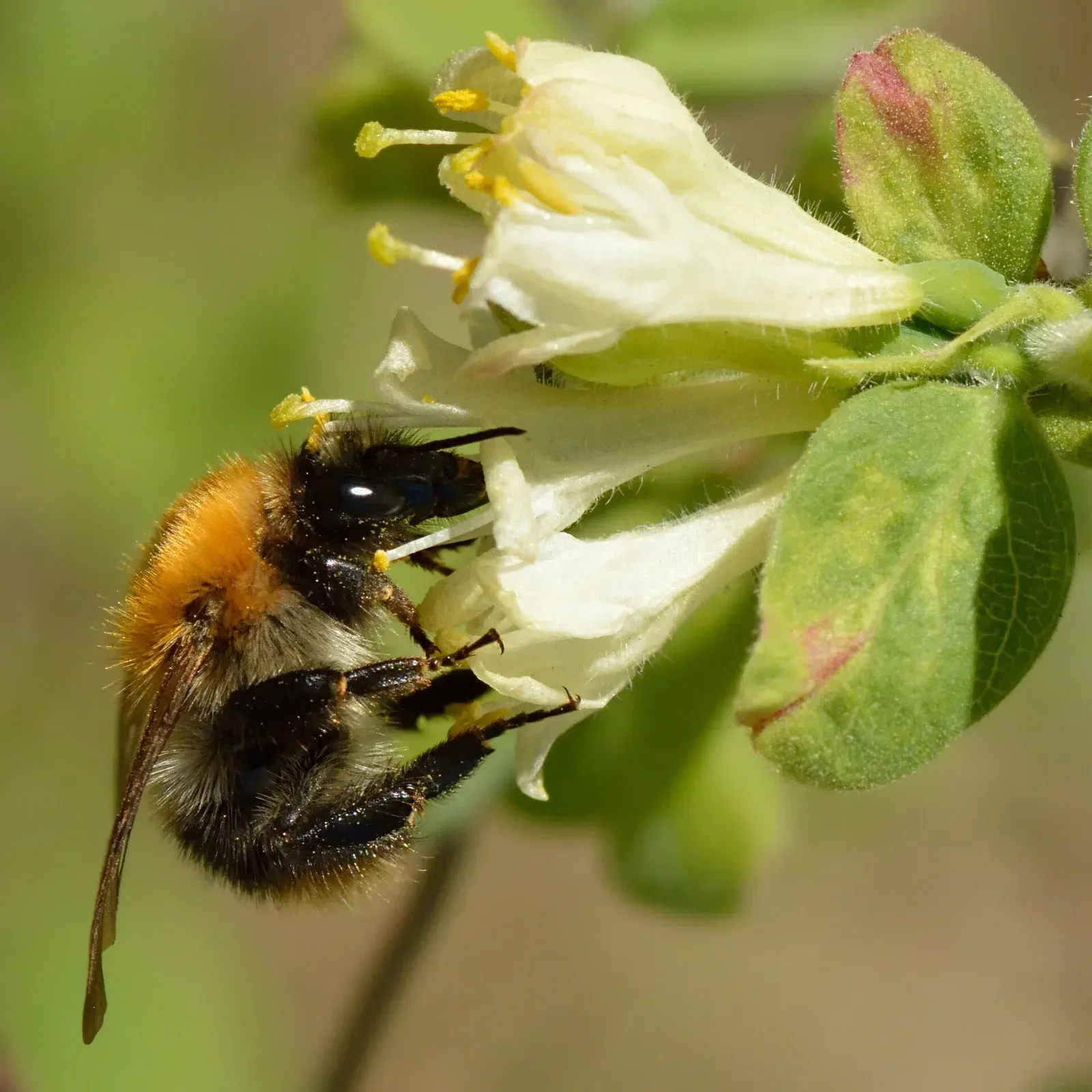
The most common reason a haskap is not producing fruit is pollination. Haskaps are self-incompatible, so each plant needs a different, compatible variety nearby that flowers at the same time, and bees to carry the pollen. If you have only one variety, or two varieties that bloom at different times or are closely related, you will get few or no berries even if the bush flowers well. Other causes are plant age, spring frost on flowers, too much shade, and birds taking the fruit before you see it.
How haskap pollination works
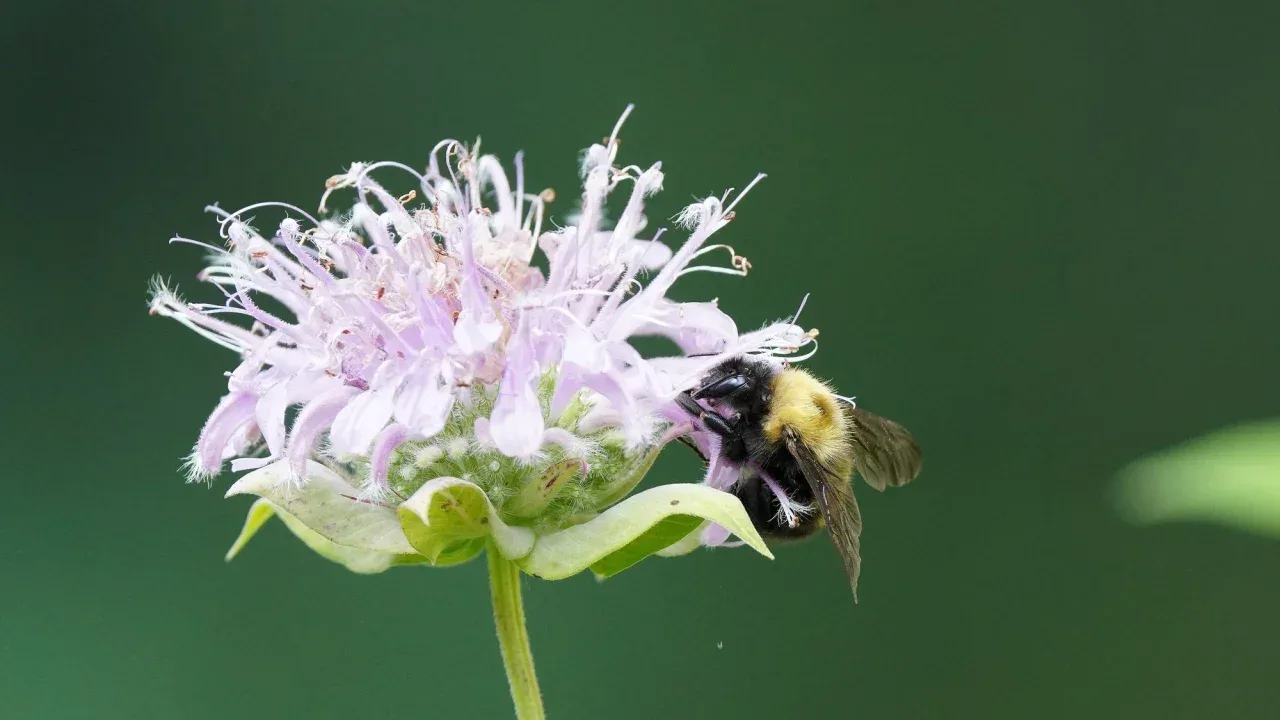
The University of Saskatchewan (USask), which bred many haskap varieties grown in Canada, explains that haskaps need cross-pollination from a different, compatible variety. There are no male and female plants: both varieties bear fruit, and each pollinates the other. Bees, especially bumblebees, do the work, often on cool early-spring days.
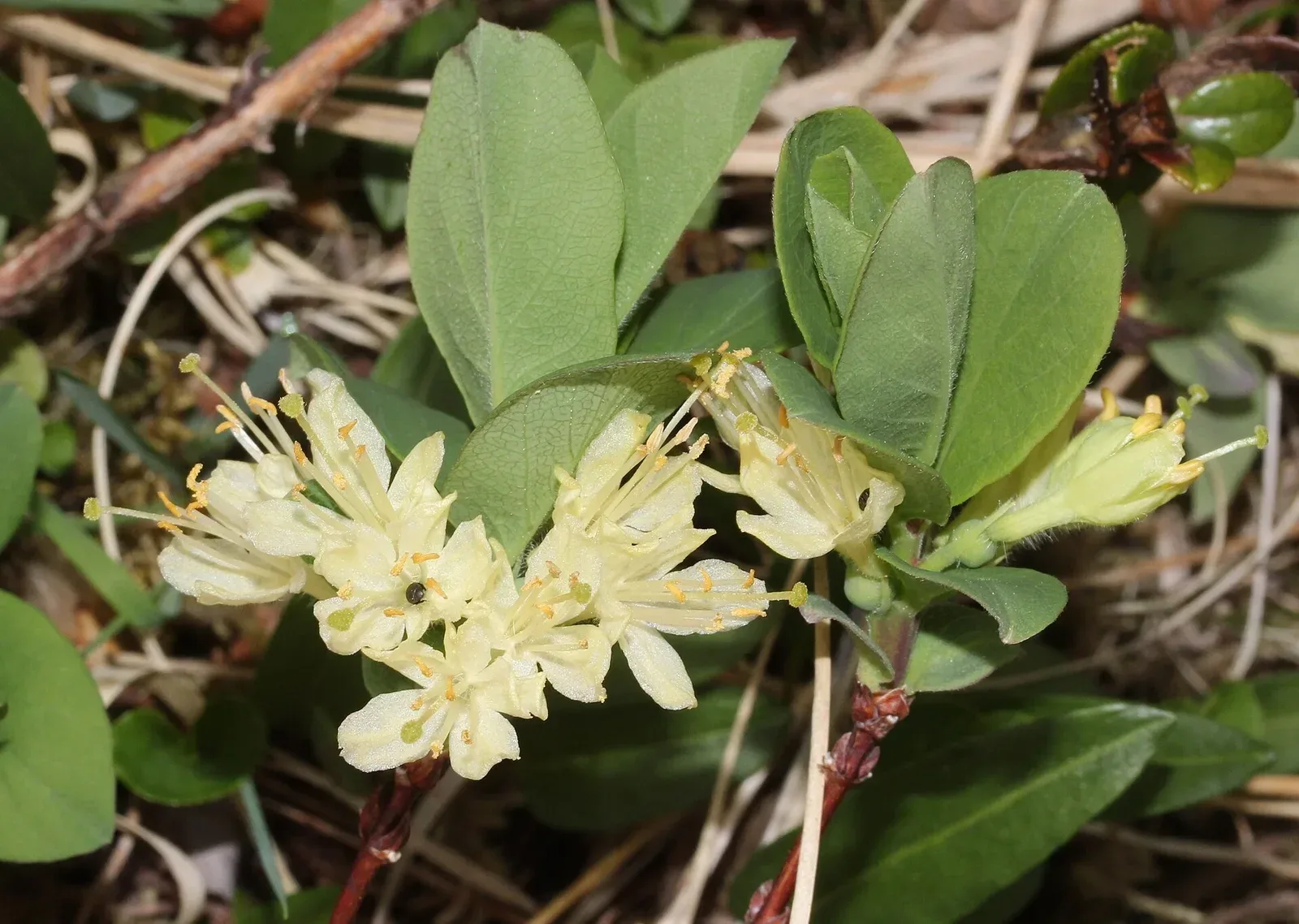
Timing matters. Haskaps bloom very early, often as the snow is going. The USask fruit program's bloom and ripening charts group varieties by bloom period, with peaks a few days apart. Two varieties need overlapping bloom to pollinate each other.
Relatedness matters too. The USask fruit program notes that closely related varieties can be poor pollinators for each other. It also notes that berry size relates to the number of seeds set, so poor pollination gives small berries as well as fewer berries.
Step 1: Check what varieties you have
- Find the plant tags or your purchase records.
- Check that you have at least two different varieties. Two plants of the same variety cannot pollinate each other.
- Look up their bloom period and compatibility in the USask haskap varieties list and the compatibility chart.
Some known pairings from the USask fruit program:
- Honey Bee is recommended as a pollinizer for Borealis, Tundra and Indigo series varieties.
- Aurora pairs with Honey Bee.
- Boreal Beast is the pollinizer for Boreal Blizzard and Boreal Beauty.
Japanese and Kuril types, sold under other names by some nurseries, can bloom two to three weeks later than the USask varieties and may not overlap with them. Always check the bloom period.
If you have lost the tags, USask notes there is no reliable way to identify a haskap variety by looking at it. The simplest fix is to buy a new pair of known, compatible varieties, or one known pollinizer that is compatible with as many varieties as possible, and plant it close by.
Step 2: Check the distance and bees
- Plant pollinizers close. Within a few metres is ideal in a home garden.
- Bees need to be flying during bloom. Haskaps flower very early, when few insects are about. Bumblebees can fly in cool weather; honeybees need warmer days.
- Avoid spraying insecticides near flowering time.
- Plant other early-flowering plants nearby, such as crocuses or willows, to support early bees.
Step 3: Check the plant's age
USask notes that haskaps can start fruiting about a year after planting, but early crops are small. Mature shrubs can produce about 3 to 4.5 kg each. If your plants are only one or two years old, a light crop is normal. Be patient, and focus on pollination and good growing conditions.
Step 4: Check for frost damage
Haskap flowers are quite frost-tolerant, which is one reason they suit the Prairies. A hard frost during full bloom can still damage some flowers and cut the crop. If your bushes flowered well and set very little in a year with a sharp frost during bloom, try again next year before changing anything else.
Step 5: Check the sun and growing conditions
- Haskaps fruit best in full sun, as USask recommends. Plants in heavy shade flower and fruit poorly.
- Drought during fruit development in late spring can cause small berries and fruit drop.
- Very weak growth may point to poor soil, crowding or competition from grass.
Step 6: Check for birds
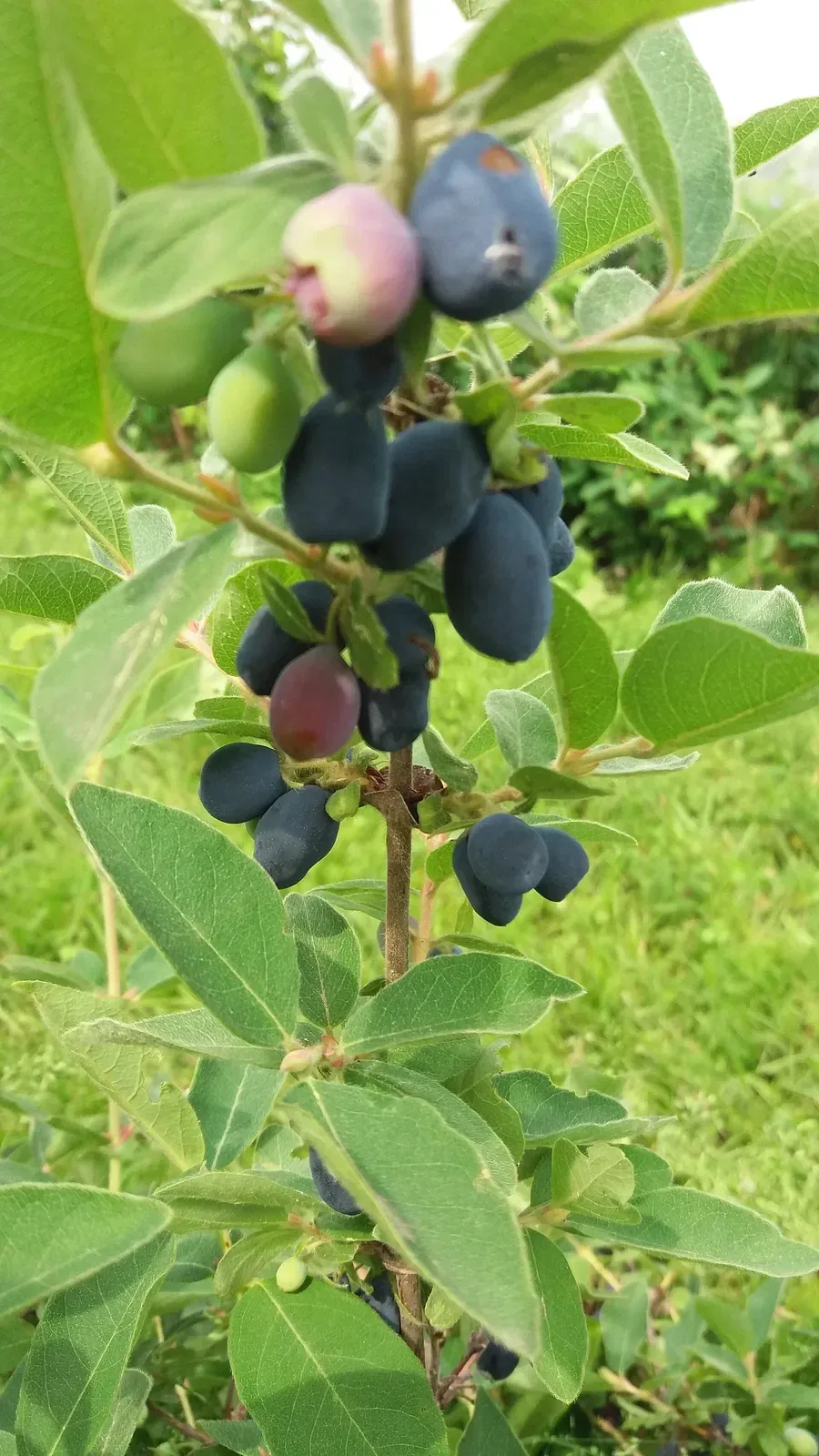
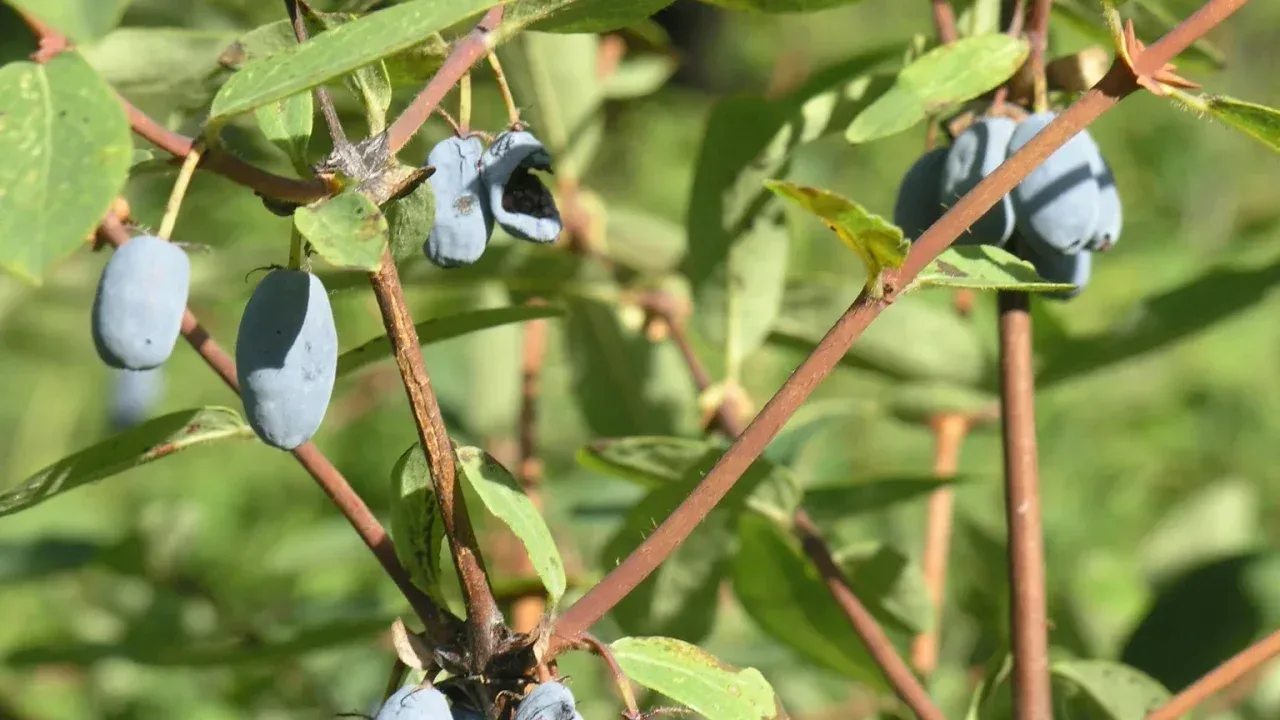
Haskap berries ripen early, often in June, and birds love them. They can take an entire crop in a day or two, sometimes before the berries look fully ripe to us. USask notes that berries can look deep blue outside 5 to 10 days before they are ripe inside, and that birds will eat under-ripe berries. If you saw green berries and then nothing, birds are the likely cause. USask advises putting bird netting on before the berries change from green to blue, and securing the bottom so birds cannot crawl underneath.
Quick diagnosis table
| What you see | Most likely cause | What to do |
|---|---|---|
| Lots of flowers, almost no berries | No compatible pollinizer, or bloom times do not overlap | Add a compatible variety with matching bloom |
| Few, small berries | Partial pollination, young plants, or drought | Check pairing; water during fruiting; wait for maturity |
| Green berries form, then disappear | Birds | Net before berries colour |
| Few flowers | Young plant or too much shade | Give full sun; wait |
| Good flowering, crop lost one year | Hard frost in bloom or a cold spell with no bees | Usually recovers next year |
Pruning and fruit
Haskaps fruit on the previous year's growth. Heavy pruning, especially in spring, removes flowering wood. USask says haskaps need only occasional, light pruning, removing a few branches at the base of the shrub to let in light and air.
Pet safety: we have not found a species-specific listing for haskap in the ASPCA plant database, so we make no claim either way. Ask your veterinarian if a pet eats any part of the plant.
More: our haskap care guide, the haskap plant profile and the Saskatoon berry profile.
Watch: a video walk-through
Gardening In Canada explains what to know when choosing haskap varieties, including why pairing compatible varieties matters for fruit.
Sources
Sources last checked 10 November 2026. Advice varies with your home, region and plant; use these as a starting point.
Comments
No comments yet — share what worked in your climate.