
| ☀️ Light | Full sun |
|---|---|
| 💧 Water | Moderate (lightly moist) |
| 🪴 Soil | Free-draining potting mix or fertile garden soil, neutral to alkaline |
| 🌡️ Temp | 7°C – 30°C |
| 🐾 Safety | Cats: toxic · Dogs: toxic |
| 📏 Mature size | 60 cm |
Where It Grows & Climate Tolerance
Pet & Companion Animal Toxicity (Geranium (Zonal Pelargonium))
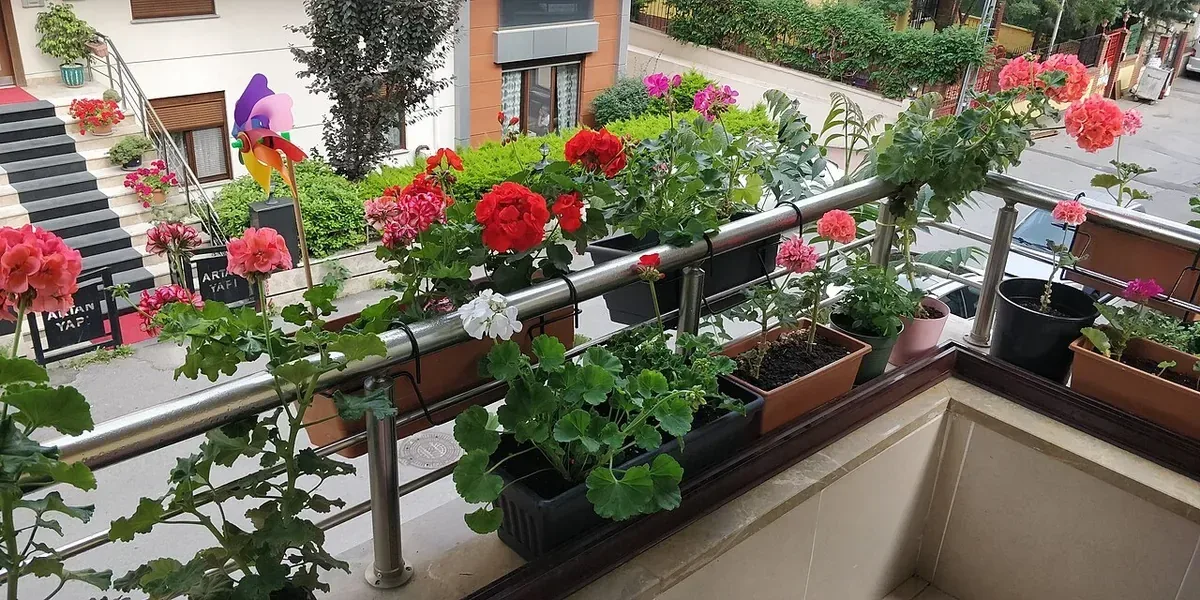
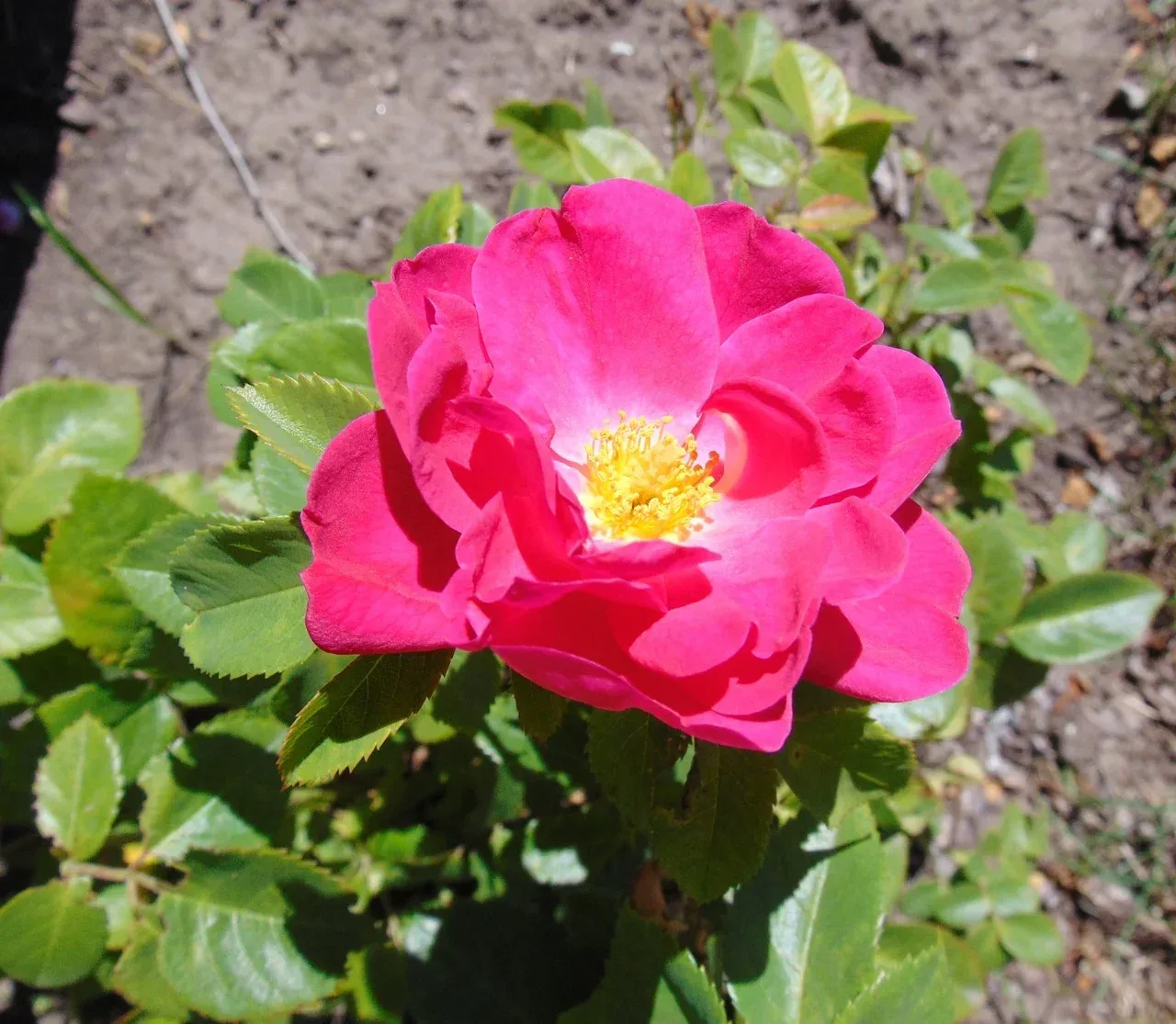
Zonal geranium is the familiar balcony and window-box plant with round clusters of red, pink or white flowers and leaves often marked with a darker band. Botanically it is a pelargonium from South Africa's Cape parentage. It needs full sun, a free-draining mix and protection from frost.
Care instructions
Care Guide & Maintenance Routine
Full sun and well-drained soil. Water moderately when the top of the mix dries; it handles short dry spells better than soggy pots. Feed with a balanced liquid feed in spring, then switch to a high-potassium feed once buds form. Deadhead faded clusters. Bring it indoors or take cuttings before frost.
Light & Sunlight
NC State Extension says zonal pelargonium needs full sun and becomes leggy and blooms poorly in low light. Indoors in winter it needs your brightest window or a grow light.
Watering Schedule
The RHS describes pelargoniums as not thirsty: water moderately from spring to summer and sparingly in winter. NC State notes established plants are drought tolerant, though they flower better with moderate moisture. Pots may dry out between waterings.
Potting Mix & Drainage
Free-draining potting mix or fertile garden soil, neutral to alkaline
Temperature & Humidity
Frost kills it. The RHS notes many keep flowering at 7 to 10°C, and Wisconsin Horticulture stores dormant plants at 7 to 13°C (45 to 55°F). Iowa State suggests 18 to 21°C days and 16 to 18°C nights for potted plants indoors. The 30°C maximum is a guide: flowering slows in strong heat, especially with wet roots.
About zonal geraniums
The plant most people call geranium is a zonal pelargonium, a hybrid of two South African species, Pelargonium zonale and Pelargonium inquinans. NC State Extension now lists it as Pelargonium × hybridum, previously Pelargonium × hortorum. The name zonal comes from the darker band many cultivars have on their round leaves. True geraniums, or cranesbills, are a different genus of hardy perennials.
It forms a rounded mound 30 to 90 cm tall, according to NC State, and flowers through the warm months until frost. Flowers can be single, semi-double or double, mostly red, pink or white.
Groups you will see
- Standard zonals: the familiar bedding and pot plants.
- Stellar types: pointed, star-shaped leaves and narrow petals.
- Cactus- or poinsettia-flowered: twisted or quilled petals.
- Rosebud types: tight flowers that never fully open.
- Miniatures: no more than about 20 cm tall, as NC State notes.
Ivy-leaved and regal pelargoniums are related but have different habits and needs. Scented-leaf pelargonium, including the rose-scented kind grown in India for oil, is another group again.
Buying tips
Choose compact plants with plenty of buds rather than ones in full flower. Look under the leaves for whitefly (tiny white insects that fly up when disturbed) and rusty spots. Avoid plants with black, shrivelled stem bases, a sign of stem rot.
Planting and soil mix
The RHS recommends well-drained, fertile soil that is neutral to alkaline. In pots, use a good potting mix with extra perlite or grit and a container with drainage holes. Window boxes, hanging baskets and terracotta pots all work. Plant outdoors only after the last frost, as NC State advises.
Light
Full sun is essential for good flowering. With too little light, stems stretch, leaves spread apart and flowers become sparse. Indoors in winter, a south-facing window or grow light keeps plants compact.
Watering through the seasons
Spring and summer
Water moderately when the top of the mix is dry, and let excess drain away. NC State notes established plants are drought tolerant but flower better with moderate moisture. Hanging baskets and small pots dry fastest.
Rainy periods
Prolonged rain and high humidity are hard on geraniums. Move pots under cover, water only when the mix is dry, and pick off dead flowers and leaves so grey mould cannot take hold.
Winter
The RHS advises watering sparingly in winter and letting the compost dry between waterings. Plants kept dormant need water only when they show signs of wilting, according to NC State.
Feeding
The RHS suggests a balanced liquid fertiliser every 10 to 14 days in spring. Once flower buds form, switch to a high-potassium feed such as tomato feed every two weeks through summer. Follow the label for the amount. In autumn and winter, feed monthly only if the plant is still growing and flowering, and stop for dormant plants.
Pruning and deadheading
Snap off each faded flower cluster at the base of its stalk. This keeps the plant tidy, removes material where grey mould starts, and pushes the plant to make more flowers. Pinch shoot tips in spring or early summer for bushier plants. When bringing plants indoors in autumn, the RHS suggests cutting them back to about 10 cm if space is short.
Propagation
Softwood cuttings root readily from spring to autumn. Take 7 to 10 cm shoots without flowers, remove the lower leaves and insert them in a free-draining mix. Wisconsin Horticulture says they root in about six weeks. NC State suggests taking cuttings in July and August to carry plants through winter. Seed can also be sown indoors in January or February at 21 to 24°C; UF/IFAS says it germinates in one to three weeks at that temperature.
Overwintering
- As a houseplant: pot it up before frost, cut it back by a third to a half, and grow it in a bright, cool window. Iowa State suggests 18 to 21°C by day and 16 to 18°C at night. Many will flower at 7 to 10°C, according to the RHS.
- Dormant: keep potted plants very dry in a cool, bright spot, watering only if they wilt. An older method stores bare-root plants upside down at 7 to 13°C, as Wisconsin describes.
- As cuttings: the best option when space is short.
Troubleshooting
Grey fuzz on flowers and leaves
Step 1: Look closely for grey, powdery mould on dead petals and leaves. That is grey mould (botrytis). Step 2: Check spacing and airflow. Step 3: Remove all affected material and spent flowers, stop wetting the foliage, and space plants out. See grey mould.
Orange-brown spots under leaves
Turn the leaf over. Raised, rusty-brown pustules, with pale spots on top, point to rust. Remove affected leaves and improve airflow. Smooth corky bumps without powder are more likely edema.
Black stem base on cuttings
This is stem rot, often called blackleg. Discard affected cuttings, use clean tools and fresh mix, and keep the mix just moist.
Few flowers, long stems
Count hours of direct sun. If it is fewer than about six, move the plant somewhere sunnier. Also check the feed: too much nitrogen gives leaves instead of flowers.
Yellow lower leaves
Feel the mix. Wet and heavy points to overwatering or poor drainage. Dry and light means thirst. A few old yellow leaves in autumn are normal.
Uses
Geraniums are classic plants for window boxes, balconies, patio pots, hanging baskets and summer bedding. See our best plants for balconies guide for companions. Overwintered plants make cheerful winter houseplants in a sunny window.
Safety and pets
ASPCA lists Pelargonium species as toxic to dogs, cats and horses. NC State gives a low severity: vomiting and loss of appetite if eaten in quantity, with cats most sensitive, and mild skin irritation in some people. Keep pots out of reach of pets that nibble leaves.
Common mistakes
- Growing it in shade and expecting flowers.
- Keeping the soil constantly wet.
- Leaving dead flower heads to rot on the plant.
- Planting out before the last frost.
- Throwing plants away in autumn instead of taking cuttings.
India and Canada compared
In the Indian plains the geranium season runs through the cool months, roughly October to March, and the hard times are the May heat and the monsoon. In the hills it flowers through summer. In Canada it is a summer container plant from late May to the first frost, then it comes indoors or is kept as cuttings until spring.
Seasonal rhythm
Seasonal Calendar
A month-by-month calendar for Geranium (Zonal Pelargonium) in Global is coming soon. See the light, water and temperature notes above.
Diagnostics
Common Problems & Troubleshooting
Grey fuzzy mould on old flowers and leaves; rusty pustules under leaves; black, rotting stems on cuttings; leggy growth with few flowers in low light; corky bumps under leaves (edema) when soil stays wet in cool, humid weather; yellow lower leaves from overwatering.
Pests & seasonal watch: The RHS lists whitefly, thrips, leafhoppers, root mealybug and vine weevil larvae in containers. Aphids attack soft new growth. Grey mould, rust and stem rot (blackleg in cuttings) are the main diseases.
Q&A
Frequently Asked Questions
Are geraniums and pelargoniums the same plant?
The balcony geranium is botanically a pelargonium. True geraniums (Geranium species, or cranesbills) are hardy perennials with simpler, cup-shaped flowers.
Are geraniums toxic to cats and dogs?
Yes. ASPCA lists Pelargonium species as toxic to dogs, cats and horses. NC State notes cats are the most sensitive.
Why is my geranium leggy with few flowers?
Too little light. NC State says plants in insufficient light become leggy and bloom poorly. Move it to full sun and pinch back the long stems.
How often should I water geraniums in pots?
Water when the top of the mix feels dry, then let excess drain. They prefer slightly dry roots over soggy ones.
What fertiliser gives more geranium flowers?
The RHS uses a balanced liquid feed in spring and a high-potassium feed, such as tomato feed, once buds form.
Can I keep geraniums over winter?
Yes. Grow them in a bright, cool window, store them dry and dormant, or root cuttings in late summer and grow those on indoors.
Should I remove dead geranium flowers?
Yes. Deadheading keeps the plant tidy, reduces grey mould and encourages more flower clusters.
What are the corky bumps under my geranium leaves?
Often edema, which happens when roots take up more water than the leaves can lose, usually in cool, humid weather with wet soil. Water less and improve airflow.
When can I plant geraniums outside?
After the last frost in your area. NC State recommends planting out after the last frost.
Similar Botanical Matches
Keep exploring
Related plants
Grower field notes
Reader Field Notes in Global
Share how this plant performs in your local Global climate.