
Peonies can stay in a Canadian border for many years without fuss, yet a healthy-looking clump may stop flowering if its eyes are buried too deeply. Correct depth and a sunny site matter more than repeated bloom feeds.
Quick answer
Plant herbaceous peony eyes shallowly in sunny, drained ground, with support ready before heavy flowers open. Leave green foliage after bloom to rebuild the roots. In Canadian beds, excessive planting depth, shade and recent division commonly explain missing flowers. Productive established clumps do not need to be divided routinely.
How do you identify peony?
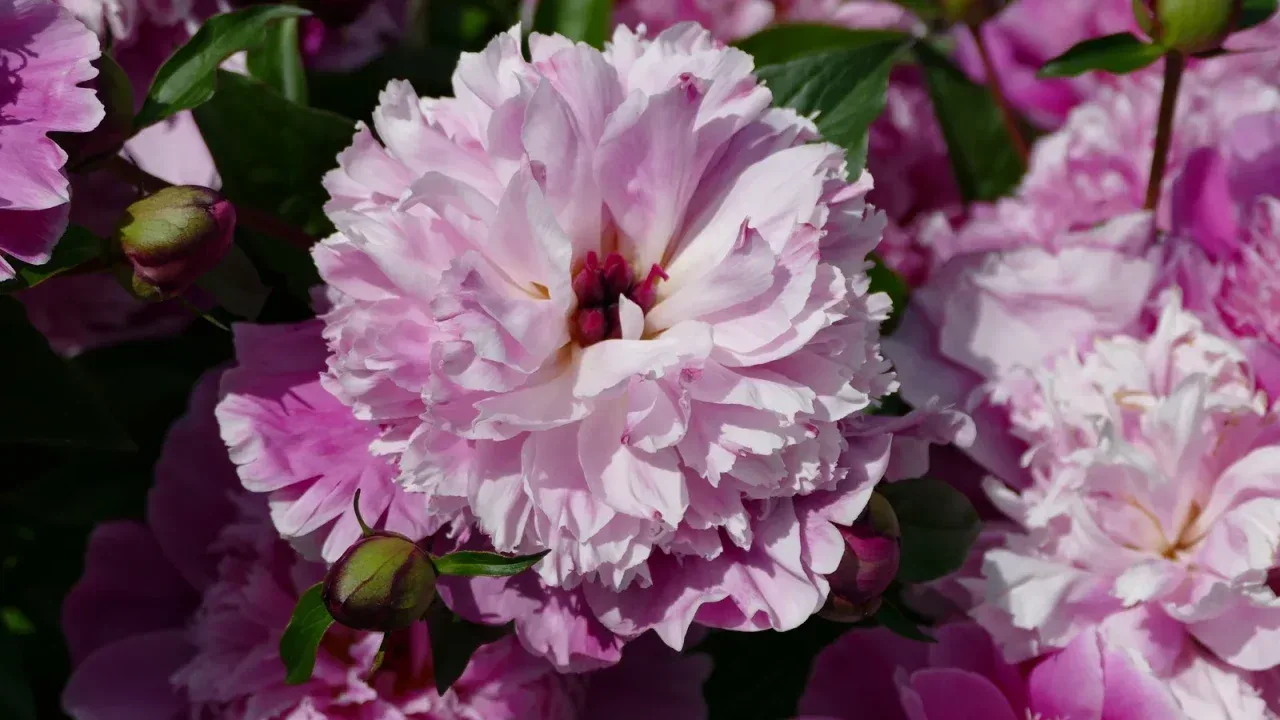
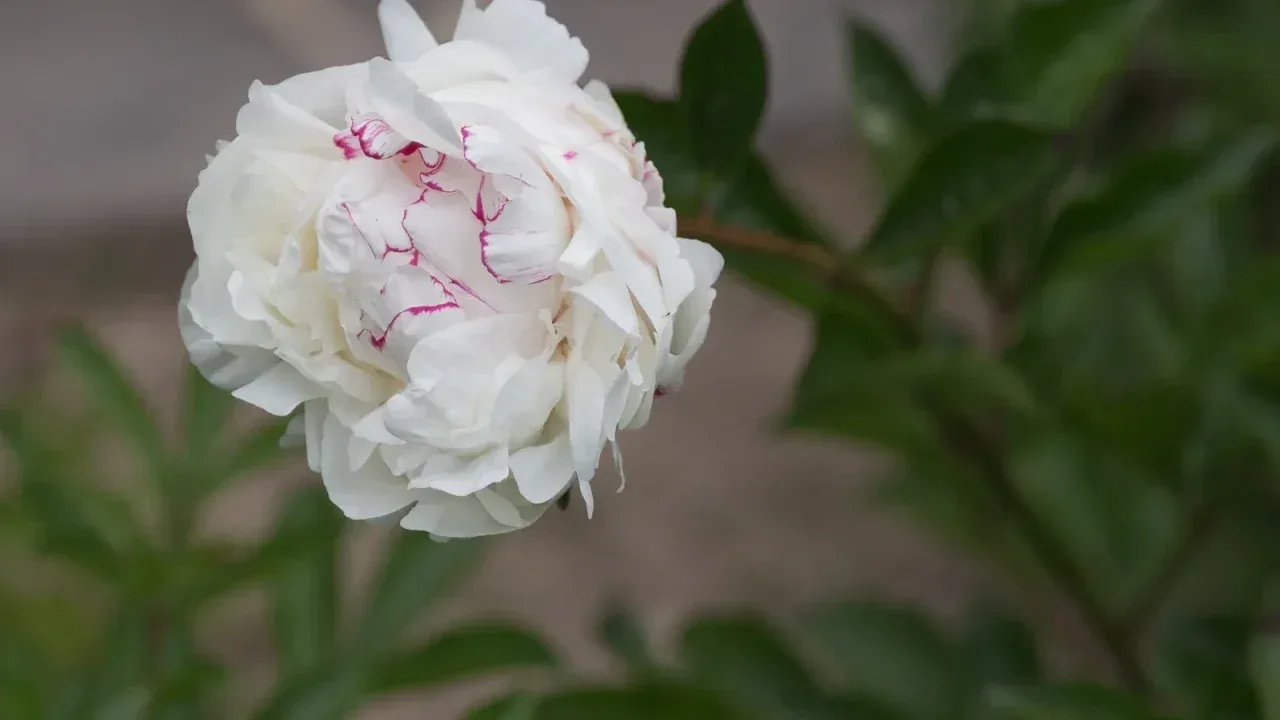
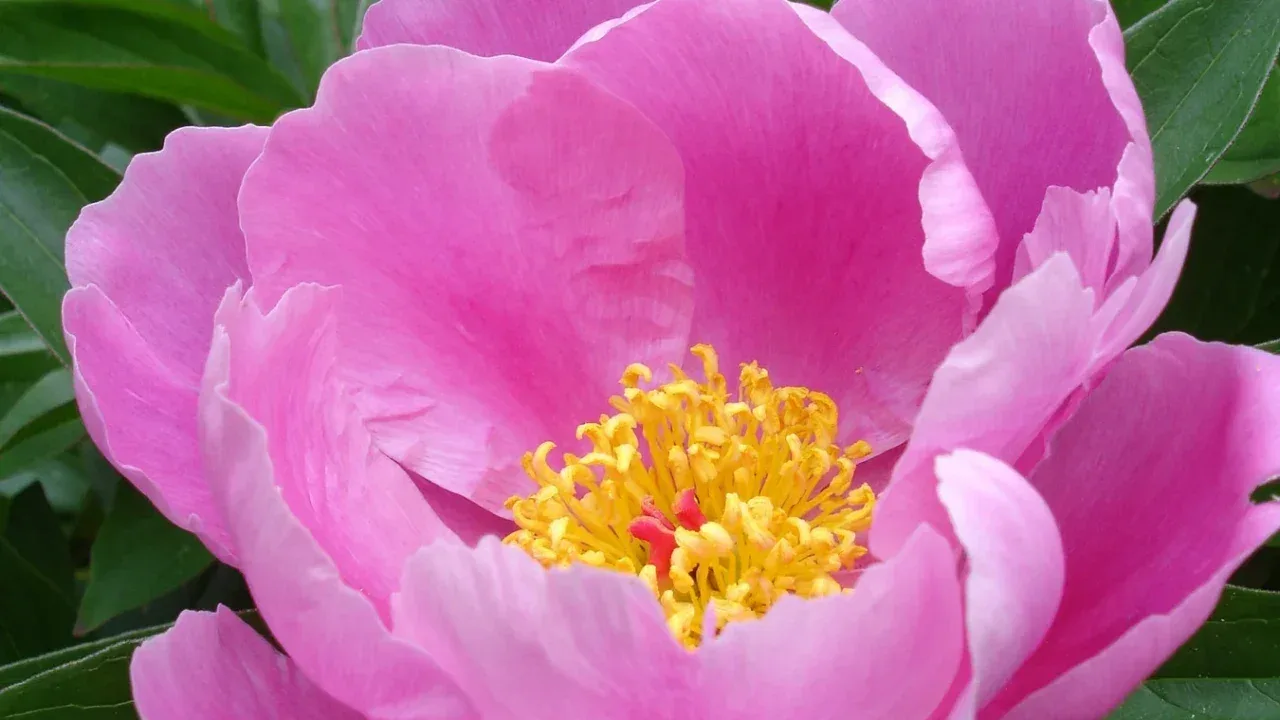
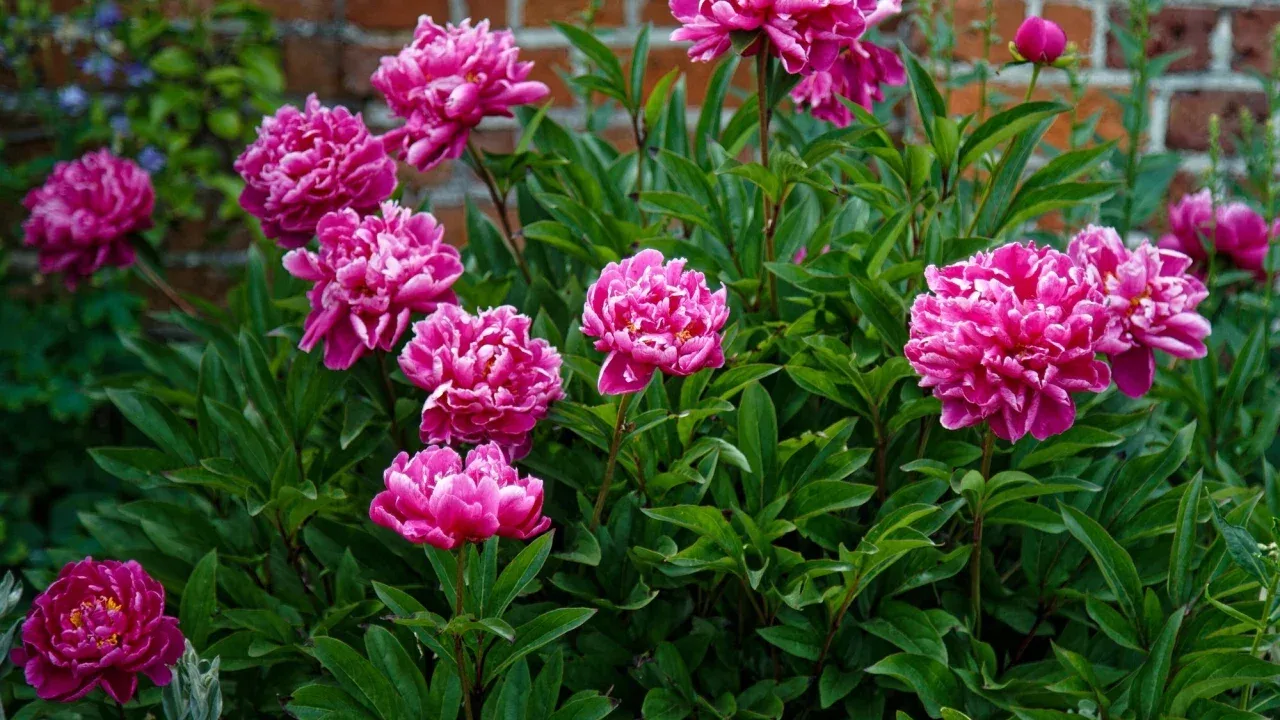
Peony: This guide covers herbaceous Paeonia lactiflora and similar garden hybrids. 'Sarah Bernhardt' has heavy double flowers; 'Festiva Maxima' is a white double. Tree peonies keep woody stems and need different pruning.
Why does a healthy peony have leaves but no flowers?
Planting depth is a common cause. Keep herbaceous eyes roughly 2.5 to 5 cm below finished soil level rather than burying them under deep annual compost. Shade, recent division and young roots also delay flowering. Give a moved peony time to settle. Fit support rings early. Ants feeding on bud nectar do not need killing and are not required for flowers to open. Grey collapsed buds suggest botrytis or frost damage, not a need for extra bloom fertilizer.
Where should you plant it for enough light?
6+ hours of sun. Too much shade means fewer flowers.
Choose a peony site that receives dependable sun after nearby trees are fully leafed out. An open patch in April can become a shaded root-competition zone by June. Heavy double cultivars also need room for a support ring without pressing against a path. Install that ring as the shoots rise, allowing stems to grow through it naturally. Trying to lift rain-soaked flowers into a ring later often breaks them. A single or lighter-flowered selection may suit an exposed garden better than the most dramatic nursery photograph. Flower form, not just colour, should influence the purchase.
How should you water through the seasons?
Water new plants regularly. Established clumps need water mainly in long dry spells.
New divisions need moisture where their roots sit, not daily splashes over emerging leaves. Water slowly around the developing clump, then inspect how the surrounding soil dries. Once established, peonies tolerate ordinary fluctuations better than freshly divided pieces. During a prolonged dry spell, deep watering can protect foliage that is storing next year's reserves. Avoid keeping a clay planting pocket saturated. In a raised bed, make sure the entire bed drains; a raised ring filled with rich mix over compacted ground can still hold water. Winter wet is a separate problem from low air temperature and is not solved by buying a hardier cultivar.
What soil or potting mix is best?
Fertile, well-drained garden loam. Winter drainage matters more than rich soil.
When should you fertilize?
Compost in spring; light balanced fertilizer if soil is poor. Avoid high nitrogen.
Spring compost should improve the soil without covering the eyes again. Where a soil test or poor growth suggests feeding is needed, use a modest balanced approach rather than repeated high-nitrogen doses. A lush leafy clump with few flowers may already have enough nutrients. Check planting depth and shade first. Keep fertilizer off new shoots and do not apply concentrated material to drought-stressed roots. Peonies in a mixed border may receive feed intended for neighbouring annuals, so include that in your assessment. Repeatedly adding a dedicated peony product on top of those applications can be unnecessary.
What temperatures and winter protection does it need?
Many herbaceous peonies suit Canadian zones around 3 and warmer, with some cultivars used in zone 2. Confirm the particular selection locally.
Canada's snow cover can insulate the bed, but the amount differs from year to year and between sites. Avoid a place where roof runoff forms an icy pool or salted snow is routinely dumped. Garden peonies need winter dormancy; there is no benefit in digging a healthy hardy crown to keep it warm beside a furnace. Container roots are more exposed and deserve a separate local overwintering plan. When buying, distinguish herbaceous, tree and intersectional types before accepting planting instructions. Ask about mature width and flower support, and keep the cultivar name so future pruning and division decisions fit the plant you actually own.
When should you plant, repot or divide?
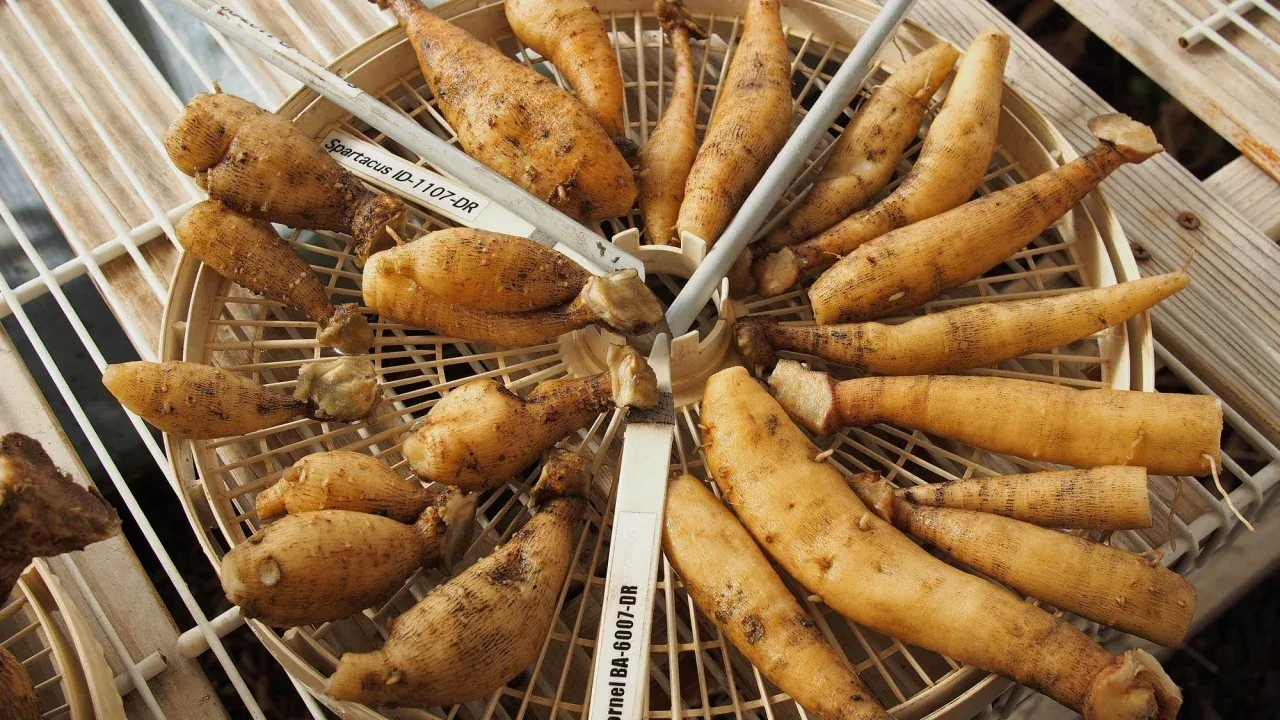
Bare-root herbaceous peonies arrive with visible eyes on their fleshy crowns. Set those eyes at an appropriate shallow depth, accounting for soil that will settle after watering. Do not conceal the crown beneath a deep layer of fresh manure or a mound of decorative mulch. A container-grown plant should not automatically be buried to hide its nursery soil line either. If an established peony has become too deep after years of top-dressing, assess it while dormant and plan a careful lift at the right season. Simply scraping around fragile spring shoots can do more harm than waiting for a considered move.
How should you prune it?
Cut stems to ground after hard frost. Do not cut green foliage early.
After the flowers finish, snip off spent heads while retaining the leaves. That green canopy continues supplying the roots through summer. Cut the dead top growth after autumn frost has finished it, keeping infected debris out of material intended for a cool home compost heap. A tidy bare crown in midsummer is not good peony care. When dividing an old plant, choose firm sections with viable eyes and useful roots rather than an enormous broken mass. A new division may flower lightly while rebuilding. Mark its position so later bulb planting or snow-clearing equipment does not damage the dormant crown.
What is the best propagation method?
Divide roots in early autumn while the soil is workable. Keep several healthy eyes and firm roots on each piece. Productive old clumps do not need routine division. Seed does not reliably preserve a named cultivar.
Which pests and diseases should you watch for?
Botrytis (gray mold) in wet springs ; improve air flow and clean up debris. Ants on buds are harmless.
Grey mould on buds or a stem collapsing near its base calls for sanitation and a site review. Remove affected pieces carefully rather than shaking diseased tissue through the rest of the clump. Avoid leaving fallen infected petals packed against stalks. Good spacing helps the foliage dry, though wet springs can still bring problems. Ants on the buds are a different matter. They are visiting nectar and do not require a pesticide programme. If bringing blooms indoors, inspect and gently shake them outside first. Do not spray an otherwise healthy plant simply to remove the insects that happen to be most visible.
How do you work out the cause?
No blooms (eyes planted too deep or too much shade); flopping stems (need support); bud blast (late frost or botrytis).
Is it safe around pets and children?
ASPCA lists peony as toxic to cats and dogs. Keep foliage and roots away from children. Do not use them as home remedies.
A seasonal care calendar for Canada
| Season | What to do |
|---|---|
| Spring | Shoots emerge; stake before bloom. Light compost feed. |
| Summer | Deadhead spent flowers; leave foliage to feed the roots. |
| Autumn | Cut back after frost. Divide if needed. Plant new roots. |
| Winter | Dormant. Snow cover protects crowns. Do not walk on frozen beds. |
What should you check before buying?
For structure after peony flowers fade, look at the upright leaves of siberian iris. Add garden phlox for a different flowering season, or assess the support requirements of delphinium before choosing another tall border accent.
Watch: a related growing task
Comments
No comments yet — share what worked in your climate.