
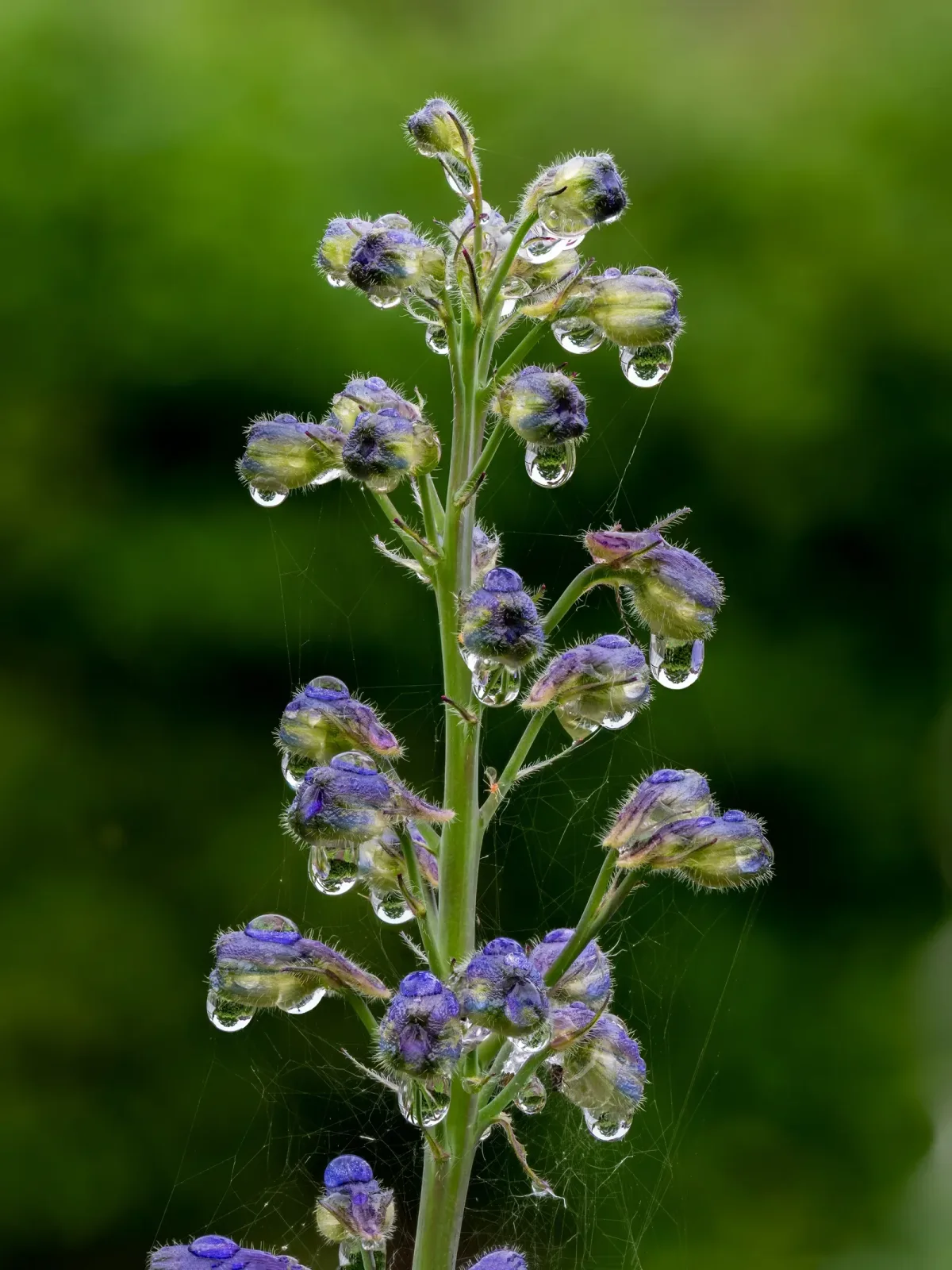
| ☀️ Light | Full sun |
|---|---|
| 💧 Water | Moderate (lightly moist) |
| 🪴 Soil | Rich, fertile, well-drained |
| 🌡️ Temp | -35°C – 28°C |
| 🐾 Safety | Cats: toxic · Dogs: toxic (ASPCA Animal Poison Control) |
| 📏 Mature size | 1.8 m |
Where It Grows & Climate Tolerance
Pet & Companion Animal Toxicity (Delphinium)
Tall prairie-friendly spires; stake early, rich soil, protect from wind in Canadian gardens.
Care instructions
Care Guide & Maintenance Routine
Full sun, rich soil, stake early, water evenly.
Light & Sunlight
Full sun.
Watering Schedule
Even moisture.
Potting Mix & Drainage
Rich, fertile, well-drained
Temperature & Humidity
Zone 3 hardy; cool summers help.
Delphinium sends tall blue and purple spires that define early summer in many Canadian gardens.
Full sun, rich draining soil and early staking are required. Cooler prairie summers often suit them better than hot humid cities.
Cut spent spikes for a possible second flush. Slugs attack soft spring shoots. The plant is highly toxic to pets.
Winter losses are usually from wet crowns. Improve drainage. With food and stakes, delphiniums earn their drama.
Prairie gardeners often have better delphinium luck than gardeners in hot humid cities because cool nights strengthen stems. Stake when shoots are still short. Rich soil and even water through bloom matter as much as the stake.
Highly toxic — never plant where pets or livestock browse. Winter wet kills more crowns than cold. Raised beds or gritty soil help. Cut spent spikes for a chance at fall bloom. When they work, few perennials match that vertical blue.
Pacific Giant and similar strains need rich feeding every spring. Side-dress with compost when shoots are knee high. Stake with grow-through rings before flower buds swell. After the first tall flush, cut to a lower leaf set and keep watering for secondary spikes. Slug bait or copper barriers protect soft April growth. Never compost toxic clippings where pets can reach them.
Seasonal rhythm
Seasonal Calendar
A month-by-month calendar for Delphinium in Canada is coming soon. See the light, water and temperature notes above.
Diagnostics
Common Problems & Troubleshooting
Snapped stems (no stake); crown rot (wet winter).
Pests & seasonal watch: Slugs; powdery mildew.
Care encyclopedia · 2 guides
Guides & Articles for Delphinium
Delphinium Care Guide for Canada
A practical Canadian guide to delphinium, with seasonal care, common problems, propagation and buying checks.
Read guide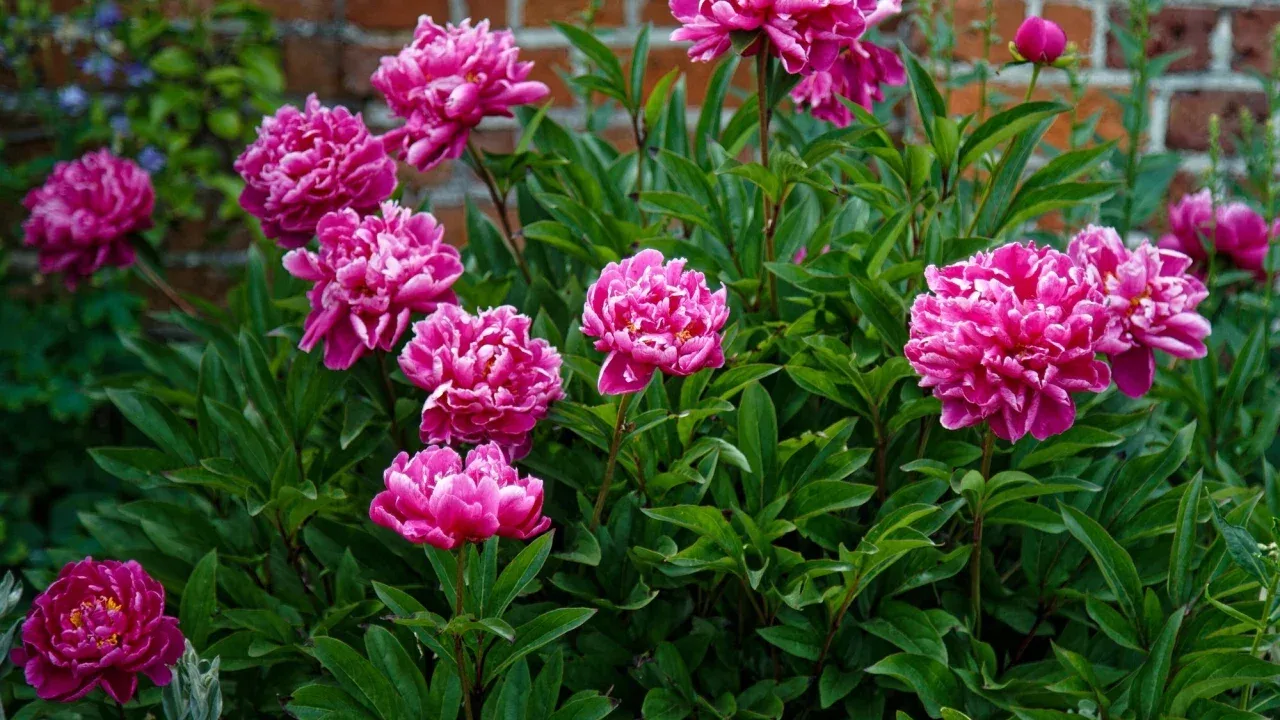
Top 10 Hardy Perennials for Zone 3–4 Prairie Gardens
Prairie winters, chinooks and dry wind kill many perennials sold in Canadian stores. These 10 are rated zone 3 or colder on Canada's hardiness scale, and most are rated zone 2, so they return reliably in zone 3–4 gardens.
Read guideQ&A
Frequently Asked Questions
Do I need to stake?
Yes for tall types — stake early.
How hardy?
Many delphiniums are hardy to Zone 3.
Is it toxic?
Yes — delphinium is highly toxic if chewed.
Why winter death?
Winter loss is often caused by wet crowns, not cold.
Similar Botanical Matches
Keep exploring
Related plants
Grower field notes
Reader Field Notes in Canada
Share how this plant performs in your local Canada climate.