
Grey Mould (Botrytis)
Causes and how to fix it
Reviewed by Mark Tremblay, BSc Environmental Biology, McGill; ISA Certified Arborist · Updated Nov 15, 2026
What you see
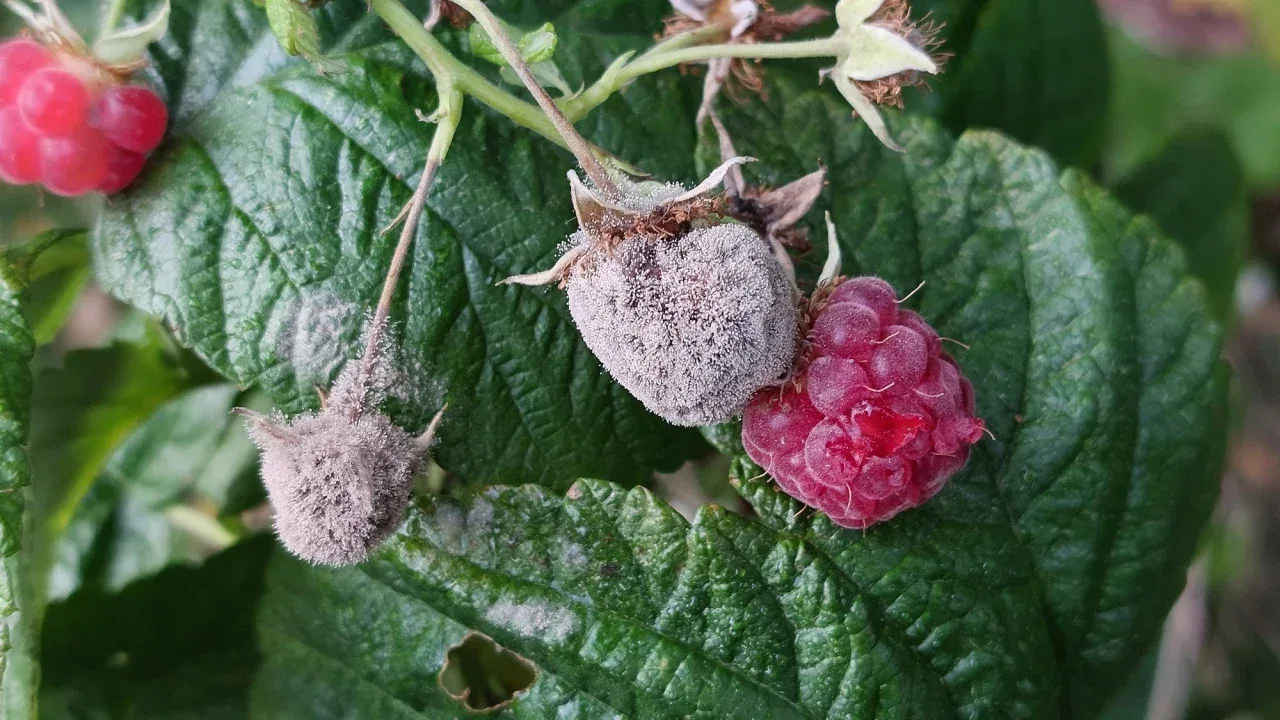
A grey dust or fuzz on dead petals and wounded tissue. Soft brown patches spread from there.
Fuzzy grey mould on faded flowers, damaged leaves or soft stems.
Seasonal timing (Canada)
Cool, damp porches in fall.
Likely causes
- Cool still air
- Dead flowers left on the plant
- Wet leaves
How to confirm
The grey fuzz is the giveaway. It appears first on spent blooms.
Step-by-step fix
- Pick off dead flowers and damaged leaves.
- Increase air flow.
- Keep leaves dry.
- Throw out badly infected material in the household waste, not on other pots.
What NOT to do
Do not leave spent blooms sitting on wet soil.
When to give up or take a cutting
If most roots are gone, or the stem is soft all the way through, take a few healthy stem cuttings and root them instead of waiting on a plant that cannot drink.
Looks like
- Powdery Mildew — A white powdery film on leaves, usually in still, humid air with dry soil at the roots.
- Stem Rot — The stem goes soft, dark or black at soil level and the top collapses.
- Leaf Spot — Brown or tan spots with a yellow halo, sometimes with tiny dots in the centre.
Plants commonly affected
Related guides
Leaf Spot, Rust and Botrytis (Grey Mould): A Canadian Gardener's Guide
Spots, orange pustules or fuzzy grey rot? Learn how to tell leaf spot, rust and botrytis (grey mould) apart, which Canadian plants they hit, from strawberries and peonies to saskatoons and hollyhocks, and the simple habits that prevent all three.
Fall Garden Cleanup Checklist for Canadian Gardens
A step-by-step fall cleanup checklist for Canadian gardens: what to remove, what to leave standing for birds and stem-nesting bees, how to handle leaves and the lawn, and how to put tools and water away for winter.
Plant Problem Diagnosis Guide: From Symptom to Cause to Fix
A step-by-step way to diagnose plant problems in Canada, with symptom tables that point from yellow leaves, spots, holes, wilting and winter browning to the likely cause and the GardenOrbit guide that fixes it.
Pothos Yellow Leaves in Winter: Water, Light or Cold Window?
A yellow pothos leaf in winter is usually about water, light or cold. These checks show which one, and what to change before more leaves go.
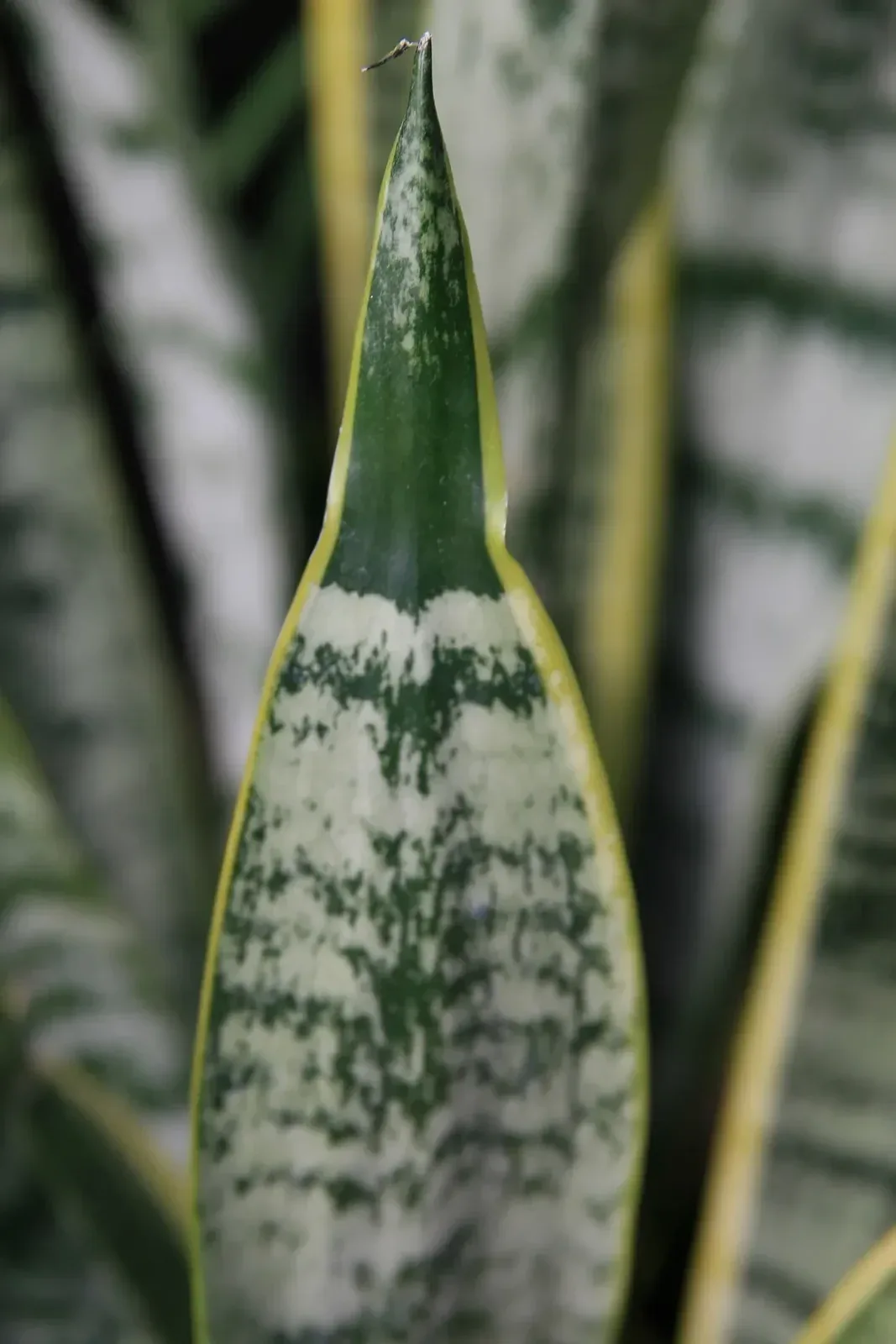
Snake Plant Soft Leaves in Winter: How to Check for Overwatering
Soft snake plant leaves in winter usually mean too much water in a cool, dim room. Here is how to check, what to cut, and how to save what is left.
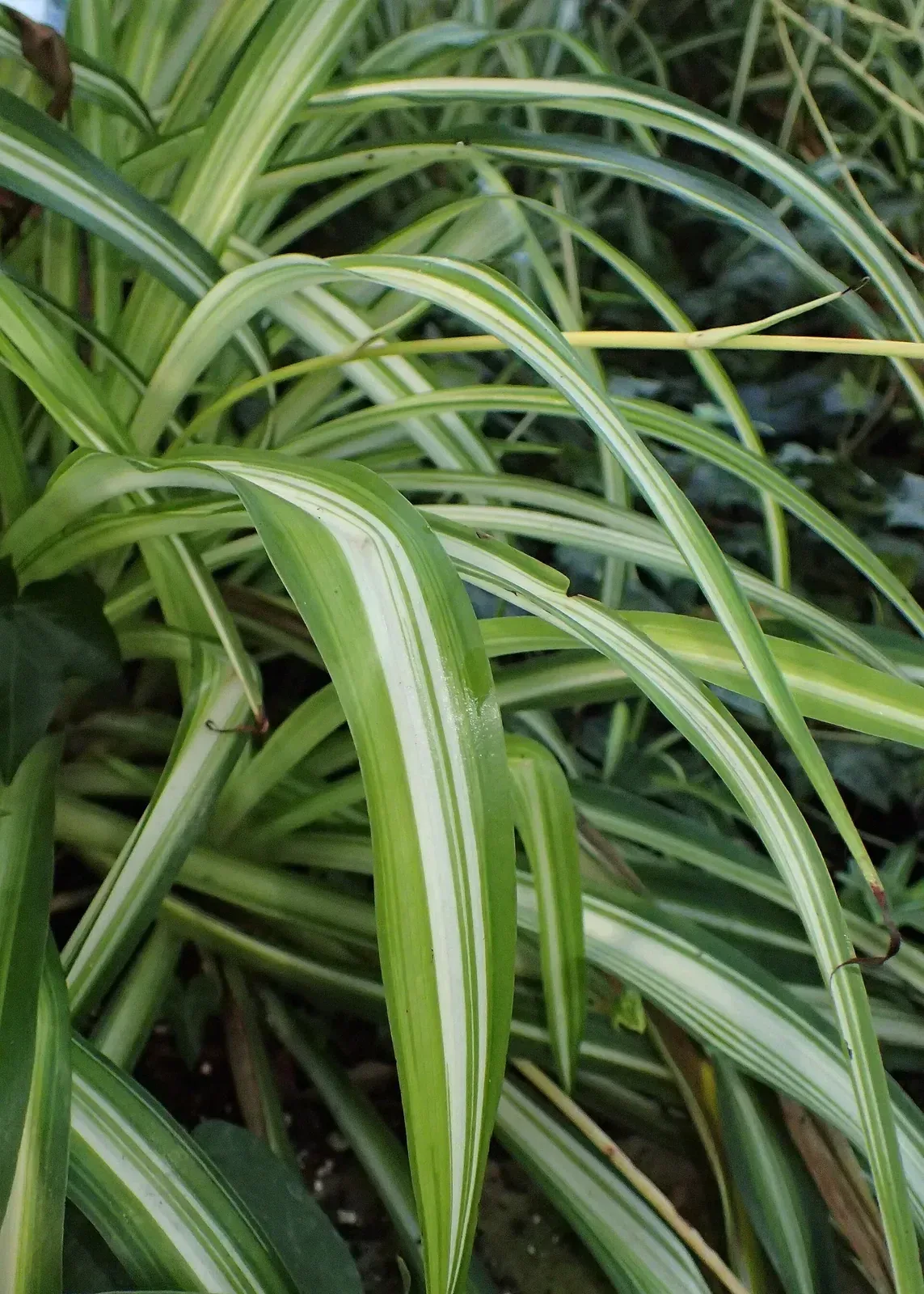
Spider Plant Brown Tips in Winter: Dry Air, Water or Something Else?
Brown tips are the most common spider plant complaint in winter. Work out whether dry air, water, salts, roots or cold is behind it with these checks.
FAQ
How fast will grey mould improve?
You should see new growth look better within a few weeks. Damaged leaves will not un-spot.
Sources: www.rhs.org.uk (accessed 2026-11-10) · extension.umn.edu (accessed 2026-11-10)