
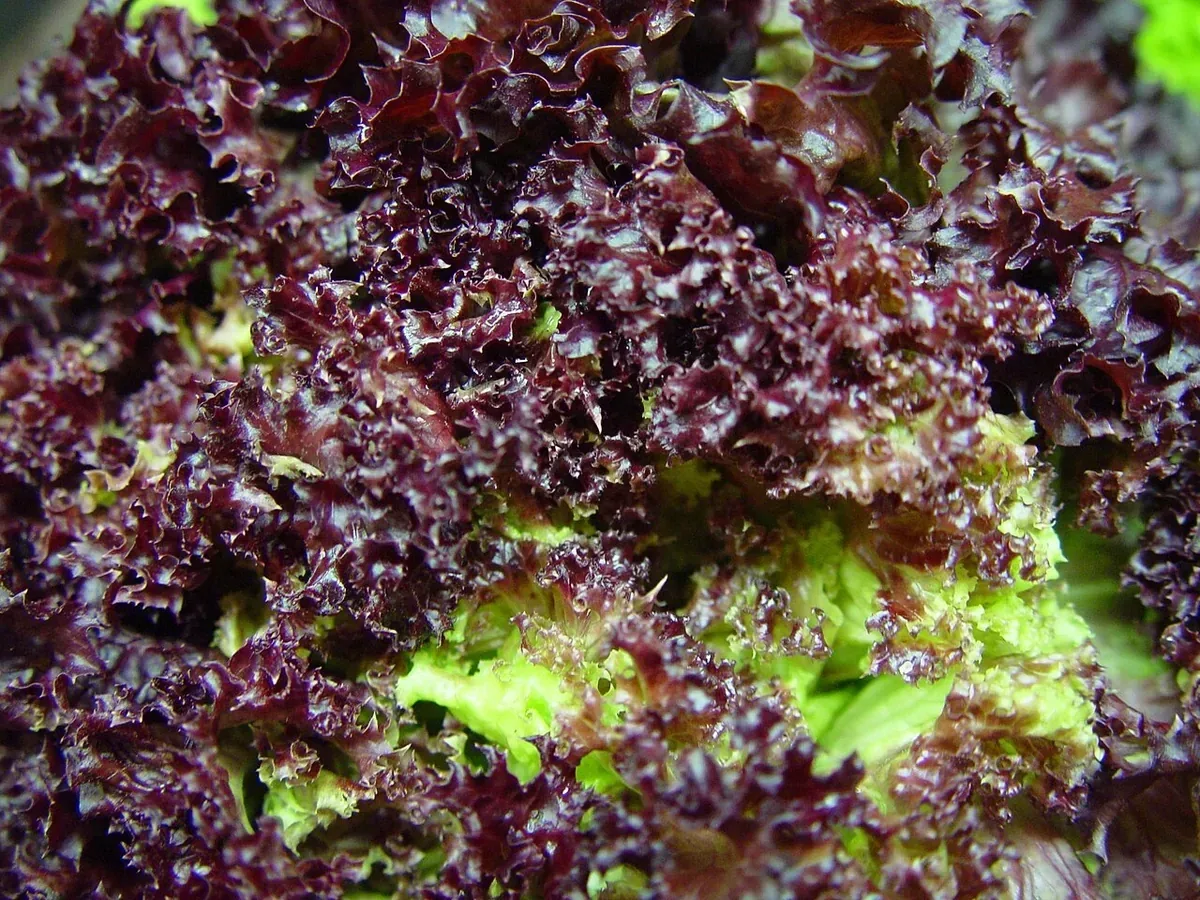
| ☀️ Light | Full sun |
|---|---|
| 💧 Water | High (consistently moist) |
| 🪴 Soil | Fertile, moisture-retentive, well-drained soil rich in organic matter; pH 6 to 6.7 |
| 🌡️ Temp | 4°C – 24°C |
| 🐾 Safety | Cats: not verified · Dogs: not verified |
| 📏 Mature size | 30 cm |
Where It Grows & Climate Tolerance
Pet & Companion Animal Toxicity (Lettuce)
Not yet verified: Toxicity status for cats, dogs, and horses has not yet been confirmed against veterinary poison-control records. Keep out of reach of pets or consult your veterinarian.
Lettuce (Lactuca sativa) is a fast, cool-season salad crop. Leaf types can be picked about a month after sowing and kept going for weeks. It needs steady moisture and mild weather, and heat or dry soil makes it bolt and turn bitter.
Care instructions
Care Guide & Maintenance Routine
Sow little and often in rich, moist soil in sun, with shade during the hottest hours. Keep the soil evenly moist. Pick outer leaves of loose-leaf types once they are 5 to 8 cm long, or cut whole heads when firm. Grow it in the cool part of the year; above about 24°C it starts to bolt.
Light & Sunlight
NC State Extension lists full sun to partial shade. In summer, it suggests 3 to 4 hours of sun and shade for the rest of the day. UF/IFAS advises afternoon shade or shade cloth when temperatures go above about 29°C.
Watering Schedule
Lettuce has shallow roots and needs consistently moist soil (NC State). Dry soil triggers bolting and bitterness. The RHS suggests watering early in the morning rather than the evening, to avoid attracting slugs and encouraging grey mould.
Potting Mix & Drainage
Fertile, moisture-retentive, well-drained soil rich in organic matter; pH 6 to 6.7
Temperature & Humidity
UF/IFAS gives 10 to 24°C (50 to 75°F) as the preferred range, says it tolerates light frost, and suggests covering it below about 4°C (40°F). NC State says temperatures of 21 to 27°C (70 to 80°F) plus dry soil can trigger bolting.
About lettuce
Lettuce, Lactuca sativa, is a cool-season annual in the daisy family. NC State Extension notes it is native from the Mediterranean to Siberia and has been bred into many shapes and colours. It grows quickly to about 15 to 30 cm and is grown for its leaves, which turn bitter once the plant starts to flower.
Types
- Loose-leaf: no heart, picked leaf by leaf. Quickest and easiest. ICAR-CITH lists 'Simpson', 'Grand Rapids' and the red 'Lollo Rosso' among popular loose-leaf varieties in Jammu and Kashmir.
- Butterhead: soft, loose hearts.
- Romaine or cos: tall, upright heads with crisp ribs.
- Crisphead or iceberg: dense, crunchy heads; the RHS notes they resist bolting and store well, but they take longest.
NC State says leaf and butterhead types handle heat better than romaine, which in turn does better than head lettuce. In warm areas, start with leaf types.
Buying seed
Lettuce seed loses vigour with age, so buy fresh packets each season and store leftovers in a cool, dry place. Pelleted seed is easier to space if you have trouble sowing thinly.
Sowing and planting
Sow 6 to 10 mm deep, or scatter leaf lettuce on the surface and cover lightly. Head lettuce needs about 25 cm between plants, leaf lettuce 10 to 15 cm (NC State). In hot spells, the RHS suggests sowing in the evening, watering with cold water and giving shade, because high temperatures can stop some varieties from germinating.
Sow small batches every two weeks rather than one big sowing. You get a steady supply and always have young plants ready when older ones start to bolt.
Soil and containers
NC State recommends rich, moist, well-drained soil with a pH of 6 to 6.7. Work compost in before sowing. In pots, troughs or grow bags, allow about 2 litres and 15 to 20 cm depth per plant at minimum. Containers make it easier to move lettuce into shade as the weather warms.
Light and temperature
UF/IFAS gives 10 to 24°C as the range lettuce prefers. It tolerates light frost, but UF/IFAS suggests a cover below about 4°C. Above about 29°C it needs afternoon shade or shade cloth. NC State says that temperatures of 21 to 27°C combined with dry soil can trigger bolting. In summer, it suggests just 3 to 4 hours of sun a day.
Watering through the seasons
Cool weather
Keep the soil evenly moist. Beds may need water every few days; pots more often.
Warm spells
Water every morning and mulch to keep roots cool. Dry soil and heat together are what make lettuce bolt. The RHS advises morning watering because damp leaves overnight invite slugs and grey mould.
Rainy weather
Waterlogged soil and constant wet leaves cause rot. Grow in raised beds or pots, and pick off damaged outer leaves.
Feeding
Lettuce matures quickly, so soil enriched with compost before sowing usually covers its needs. If pot-grown plants look pale after a few weeks, a balanced liquid feed at the strength on the label helps. Avoid heavy nitrogen, which gives soft leaves that aphids love.
Harvesting
For loose-leaf types, pick outer leaves once they are 5 to 8 cm long and let the centre keep growing. NC State gives 50 to 60 days from seed (30 to 45 from transplant) for full-size leaf lettuce and 70 to 80 days for head lettuce, but the RHS notes you can often start picking loose-leaf types about a month after sowing. Cut heads when firm, before a stalk forms. ICAR-CITH advises harvesting in the early morning or evening.
Troubleshooting
Tall stalk and bitter leaves
Step 1: Look for a central stalk lengthening. That is bolting. Step 2: Check the soil and recent weather; heat and dry soil are the usual causes. Step 3: Pull bolted plants and resow in a cooler, shadier spot or season.
Holes in leaves
Go out after dark with a torch. Slugs and snails on the plants confirm the cause; the RHS lists them as the main pest. Small green droppings and neat holes during the day point to caterpillars such as loopers, listed by NC State.
Clusters of insects in the heart
Peel back the inner leaves. Small green, grey or black insects are aphids. Rinse them off with water. Wilting plants with healthy leaves may have lettuce root aphid; pull one up and check for white, waxy insects on the roots.
Grey fuzz or yellow patches
Grey fuzz on lower leaves is grey mould. Angular yellow patches with pale growth underneath fit downy mildew. Remove affected leaves, thin plants and water in the morning at soil level.
Brown, crispy leaf edges
Check whether the inner leaves are affected and whether watering has been uneven in hot weather. That pattern fits tipburn. Water more evenly and shade plants.
Uses
Lettuce is eaten raw in salads, sandwiches, wraps and burgers, and the crisp types work as lettuce cups. ICAR-CITH notes lettuce is very perishable and best eaten soon after picking. Rinse leaves in cold water and refrigerate.
Safety and pets
We found no ASPCA listing for lettuce, so pet safety is marked as not verified. NC State gives a low severity for people: the milky sap can irritate sensitive skin. If you give pets lettuce as food, ask your vet first.
Common mistakes
- Sowing a whole packet at once and getting a glut that bolts together.
- Growing it through the hottest months without shade.
- Letting the soil dry out between waterings.
- Watering in the evening in slug-prone gardens.
- Cutting leaves from the centre instead of the outside.
India and Canada compared
In the Indian plains lettuce is a winter crop, sown after the monsoon and finished before the April heat; in the hills it grows in spring and summer. In Canada it is a spring and fall crop that can be sown a couple of weeks before the last frost, with a break or shade in the hottest weeks of July.
Seasonal rhythm
Seasonal Calendar
A month-by-month calendar for Lettuce in Global is coming soon. See the light, water and temperature notes above.
Diagnostics
Common Problems & Troubleshooting
Bolting and bitter leaves in heat or dry soil; slug and snail holes; aphid clusters in the heart; grey mould and downy mildew in damp, crowded beds; brown leaf edges (tipburn) in hot weather with uneven watering.
Pests & seasonal watch: NC State lists aphids, armyworms, imported cabbage worms and loopers. The RHS adds slugs and snails, which are often the biggest problem, and lettuce root aphid.
Care encyclopedia · 2 guides
Guides & Articles for Lettuce
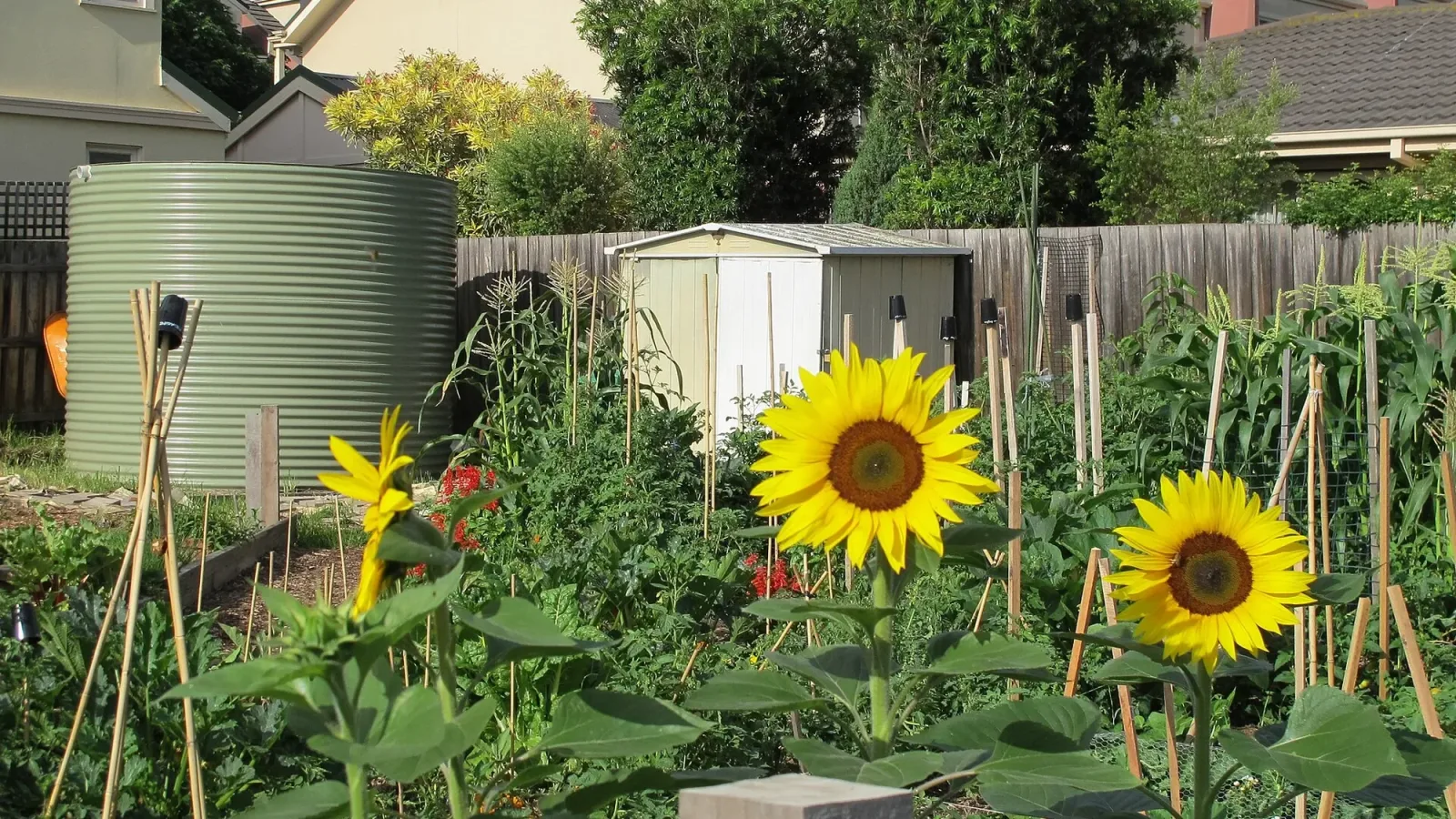
What to Plant in December in Australia: 12 Easy Picks for Every Climate
December is a busy planting month in southern Australia and a short one in the tropics. Here are 12 easy vegetables, herbs and flowers to plant now, with notes for every climate zone.
Read guide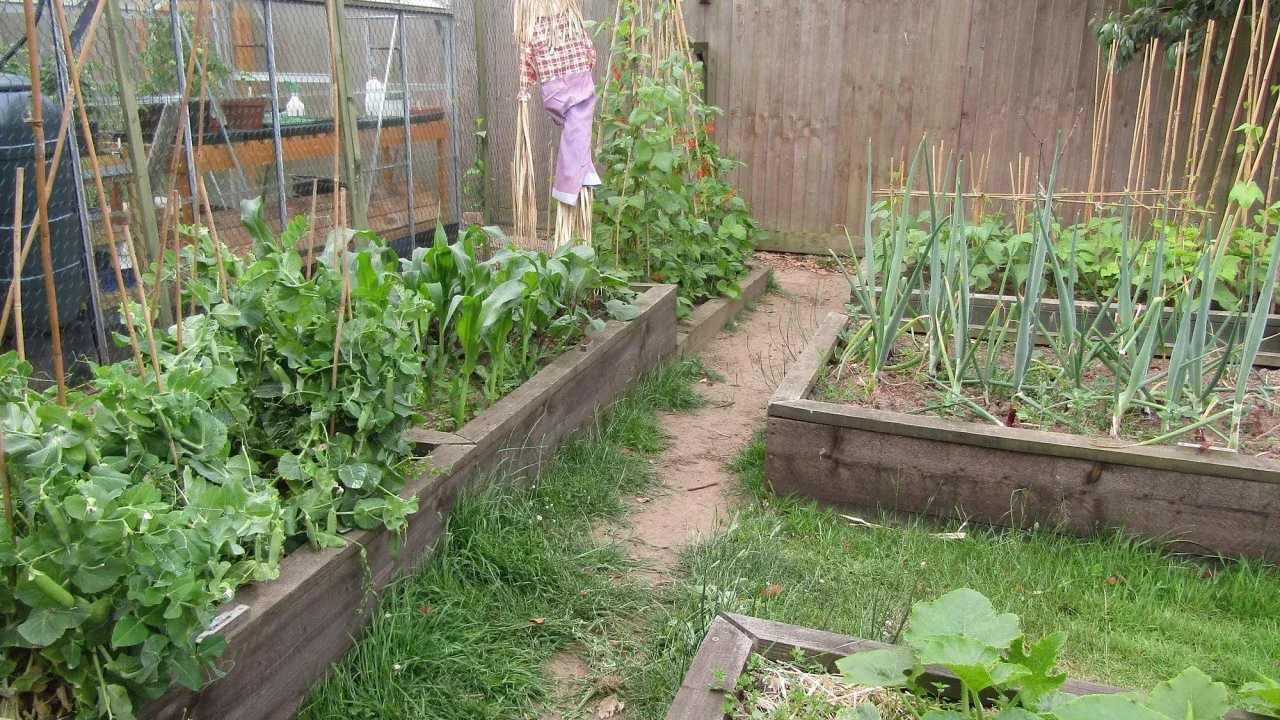
Top 5 Easiest Vegetables for a Short Canadian Growing Season
Prairie cities such as Calgary, Regina and Winnipeg average only about 106 to 119 frost-free days. These five vegetables are sown directly, mature in about 25 to 80 days, and are reliable for beginners, with sowing times from Prairie extension experts.
Read guideQ&A
Frequently Asked Questions
Why does my lettuce taste bitter?
Usually because it has started to bolt. NC State says temperatures of 21 to 27°C and dry soil can trigger it. Pick earlier, water evenly and grow it in cooler months.
How long does lettuce take to grow?
NC State gives 50 to 60 days from seed for leaf lettuce and 70 to 80 days for head lettuce. The RHS says you can often pick the first leaves of loose-leaf types about a month after sowing.
Can I grow lettuce in pots?
Yes. Leaf types are ideal. NC State suggests at least 2 litres and 15 to 20 cm depth per plant.
How do I stop lettuce bolting?
Keep soil moist, shade it from afternoon sun in warm weather, choose leaf or butterhead types for heat, and sow small batches often.
Why are there holes in my lettuce leaves?
Ragged holes and slime trails point to slugs and snails. Small, neat holes with green droppings point to caterpillars. Check at night with a torch to confirm.
Can lettuce survive frost?
UF/IFAS says it tolerates light frost but should be covered when temperatures drop below about 4°C.
What is the easiest lettuce for beginners?
Loose-leaf types such as 'Grand Rapids' or 'Simpson'. They are quick, can be picked leaf by leaf and handle a little heat better than head lettuce.
When should I water lettuce?
Early in the morning. The RHS warns that evening watering attracts slugs and encourages grey mould.
Similar Botanical Matches
Keep exploring
Related plants

Grower field notes
Reader Field Notes in Global
Share how this plant performs in your local Global climate.