
| ☀️ Light | Full sun |
|---|---|
| 💧 Water | Moderate (lightly moist) |
| 🪴 Soil | Fertile, moisture-retentive, well-drained loam or quality potting mix |
| 🌡️ Temp | -5°C – 25°C |
| 🐾 Safety | Cats: toxic · Dogs: toxic |
| 📏 Mature size | 30 cm |
Where It Grows & Climate Tolerance
Pet & Companion Animal Toxicity (Parsley)
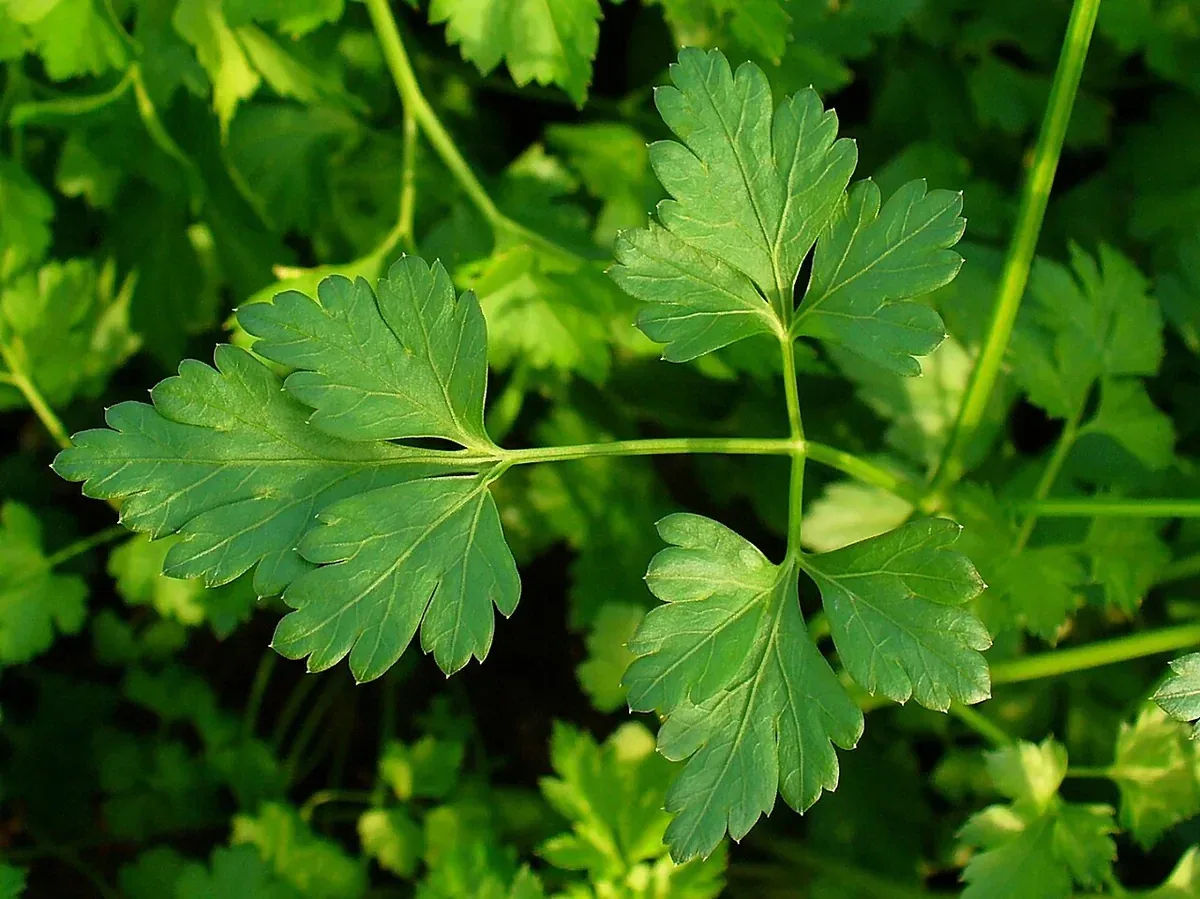
Parsley (Petroselinum crispum) is a leafy herb in the carrot family, grown for its curly or flat leaves. It is a biennial usually treated as an annual. Seed is slow to sprout, the plant likes cool weather and steady moisture, and you can pick it for months by taking the outer stems.
Care instructions
Care Guide & Maintenance Routine
Grow in rich, moist, well-drained soil in sun or light shade. Soak seed overnight and expect it to take three weeks or longer to come up. Keep the soil evenly moist, harvest outer stems once the plant is about 20 cm tall, and give afternoon shade in hot weather. Leaves coarsen once it starts to flower.
Light & Sunlight
NC State Extension lists full sun or light shade, and the RHS says sun or partial shade. In hot climates, afternoon shade keeps it from wilting. Indoors it needs a bright, sunny window or grow light.
Watering Schedule
NC State says parsley prefers consistently moist, well-drained soil. Do not let pots dry out, but avoid waterlogged soil, which rots the taproot.
Potting Mix & Drainage
Fertile, moisture-retentive, well-drained loam or quality potting mix
Temperature & Humidity
Parsley is a cool-season herb. The NEC/NEDFi package of practice gives 7 to 16°C as the best growing range, and ICAR-CITH describes it as highly frost tolerant. NC State advises bringing it indoors before temperatures fall to the 20s°F (about -7 to -2°C), so -5°C is used as the minimum here. The 25°C maximum reflects NC State's note that it wilts in hot, humid weather.
About parsley
Parsley is a leafy herb from the Mediterranean in the carrot family (Apiaceae). NC State Extension describes it as a hardy biennial usually grown as an annual. In the first year it makes a rosette of leafy stems about 30 cm tall. In the second year it sends up a flower stalk 60 to 90 cm tall with greenish-yellow flowers, sets seed and then declines. Leaves are best in the first year.
Types
- Curly parsley (var. crispum): tightly frilled leaves, popular as a garnish and in ornamental edging. 'Moss Curled' is a common variety in India, with seed available from IARI's Katrain station, according to ICAR-CITH.
- Flat-leaf or Italian parsley (var. neapolitanum): flat, glossy leaflets with a stronger, sweeter flavour. Wisconsin Horticulture notes it contains much more essential oil than curly types and may overwinter better.
- Hamburg or root parsley (var. tuberosum): grown for its parsnip-like root as well as its leaves.
Buying tips
Buy fresh seed from a reliable supplier; Wisconsin notes the most common disease, septoria leaf spot, can be carried on seed. If you buy a potted supermarket plant, expect it to hold dozens of crowded seedlings. The RHS suggests splitting these into small clumps and potting them separately.
Sowing
Parsley is slow to germinate. The NEC/NEDFi package of practice gives 18 to 24 days, and the RHS says it often takes a month or more. Soaking seed in water overnight helps, as both Wisconsin and ICAR-CITH recommend.
Sow 1 cm deep in place or into module trays, since parsley has a taproot that dislikes disturbance. Move seedlings outdoors when they are 10 to 15 cm tall. In cold-winter areas, start seed indoors 8 to 10 weeks before the last spring frost, as Wisconsin suggests. A few sowings spaced through the season give a steady supply.
Soil and containers
Parsley wants richer soil than most herbs. Mix compost into the bed before sowing. For pots, the RHS recommends a container at least 25 cm wide and deep filled with peat-free multipurpose compost. Thin plants to 15 to 30 cm apart depending on space.
Light and temperature
Full sun or light shade both work. Parsley is a cool-season herb. The NEC/NEDFi guide gives 7 to 16°C as the best range, and NC State notes it grows better where summers are cool and can wilt in hot, humid weather. In hot climates, plant it where it gets morning sun and afternoon shade. It is quite frost tolerant, but NC State suggests bringing potted plants in before it drops into the 20s°F (about -7 to -2°C).
Watering by season
Cool, growing months
Keep the soil evenly moist. Water when the top couple of centimetres feel dry. Pots dry faster than beds.
Hot weather
Water more often, mulch the soil and give afternoon shade. Wilting at midday that recovers by evening is heat stress; wilting in the morning means it needs water.
Wet season
Heavy rain and waterlogged soil rot the taproot. Grow under cover or in raised beds and pots with good drainage.
Feeding
NC State suggests fertilising outdoor parsley twice during the growing season and more often for indoor plants. A balanced feed at the label rate is enough. Too much nitrogen gives large but bland leaves.
Harvesting
Start picking when plants reach about 20 cm. Cut whole stems from the outside of the clump close to the base. New stems keep coming from the centre. Wisconsin says leaves are best used fresh; the RHS suggests freezing or drying extra. Once a flower stalk appears, leaf quality drops.
Troubleshooting
Nothing has come up
Step 1: Count the days. Under four weeks is normal for parsley. Step 2: Check that the surface never dried out, since seed that dries during germination often fails. Step 3: Gently scratch the surface to see if seeds have swollen or rotted. Swollen seeds mean wait; mushy ones mean the soil was too cold and wet, so resow.
Brown spots on leaves
Look for small tan or brown spots with dark specks in the centre. That fits septoria leaf spot. Remove affected leaves, water at the base and space plants out. Use clean seed next time. See leaf spot.
Sticky leaves and curled tips
Turn leaves over. Clusters of small green or black insects are aphids, the most common parsley pest according to Wisconsin. Hose them off; natural predators often take care of the rest.
Yellow outer leaves
Check whether they are the oldest stems. If so, they are simply ageing, so cut them off. If yellowing spreads to new growth, check for waterlogged soil and a lack of feeding.
Flower stalk appearing
Note the plant's age. In its second year, flowering is natural. In its first year it usually follows heat or drought stress. Sow a fresh batch.
Uses
Parsley is used fresh in salads, sauces, soups, tabbouleh, chimichurri and as a garnish. It pairs well in pots and beds with herbs such as basil and coriander. Curly types also make a neat edging for flower beds, and second-year flowers attract beneficial insects.
Safety and pets
ASPCA lists parsley as toxic to dogs, cats and horses because it can cause photosensitivity. NC State rates the risk as low and says large amounts are needed for an effect. Keep pets from grazing on plants. Parsley is safe for people as a normal food.
Common mistakes
- Giving up on seed after a week or two.
- Letting seed trays dry out during germination.
- Picking leaf tips from the centre instead of whole outer stems.
- Growing it in a small, shallow pot.
- Sowing in the hottest months in warm climates.
India and Canada at a glance
In India, parsley is a cool-season crop: sow from August to October in the plains and mid-hills, and in February and March in the high hills. In Canada, start it indoors in late winter, plant out after frost and harvest until hard frost, with a pot brought indoors for winter.
Seasonal rhythm
Seasonal Calendar
A month-by-month calendar for Parsley in Global is coming soon. See the light, water and temperature notes above.
Diagnostics
Common Problems & Troubleshooting
Seed that seems not to germinate (usually just slow); yellow outer leaves from age or waterlogging; wilting in heat; bolting to flower in its second year or after stress; brown leaf spots from septoria.
Pests & seasonal watch: Aphids are the most common pest (Wisconsin). Swallowtail caterpillars feed on it in North America and can be hand-picked. Septoria leaf spot is the most common disease and can be carried on seed, so buy good-quality seed.
Care encyclopedia · 2 guides
Guides & Articles for Parsley
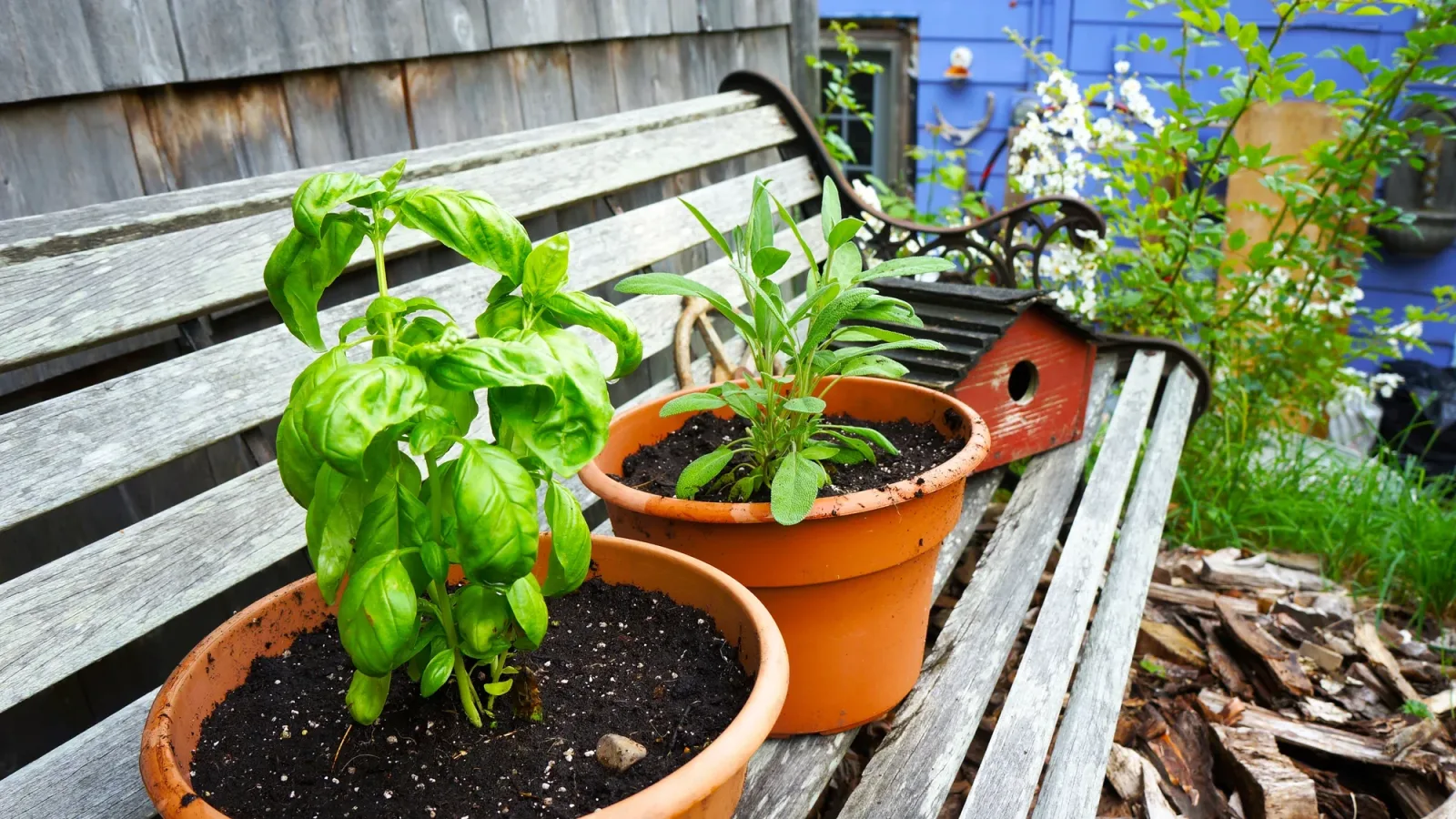
10 Herbs You Can Grow Indoors Through a Canadian Winter
A sunny window can keep a small pot of herbs going through a Canadian winter. Ten herbs that are worth trying indoors, with notes on light, watering and what changes from the Prairies to the coast.
Read guide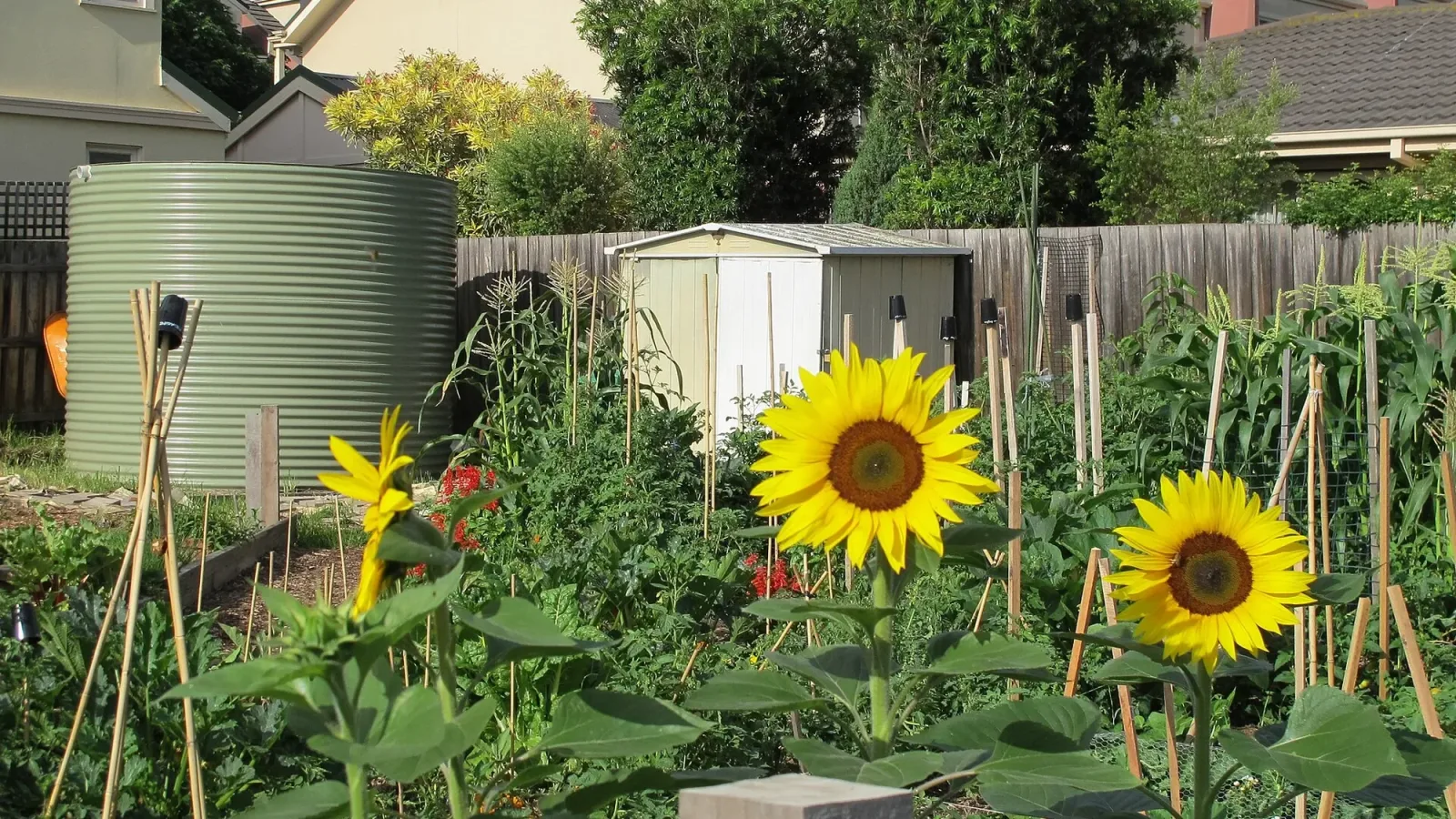
What to Plant in December in Australia: 12 Easy Picks for Every Climate
December is a busy planting month in southern Australia and a short one in the tropics. Here are 12 easy vegetables, herbs and flowers to plant now, with notes for every climate zone.
Read guideQ&A
Frequently Asked Questions
Why is my parsley seed not germinating?
It is usually just slow. The RHS says germination often takes a month or more. Soak seed overnight and keep the soil evenly moist.
Is curly or flat-leaf parsley better?
Flat-leaf has a stronger, sweeter flavour because it contains more essential oil, according to Wisconsin Horticulture. Curly parsley is popular as a garnish and in borders.
How do I harvest parsley without killing it?
Cut whole outer stems at the base and leave the inner stems to grow. Start once the plant is about 20 cm tall.
Why is my parsley flowering?
Parsley is a biennial and flowers in its second year, or sooner after heat or stress. Leaves lose flavour once it flowers, so sow fresh plants.
Can parsley grow indoors?
Yes, in a bright, sunny window or under a grow light. Water well and feed more often than outdoor plants.
Is parsley safe for dogs and cats?
ASPCA lists parsley as toxic to dogs, cats and horses because it can cause photosensitivity. NC State says large amounts are needed for this effect.
How big a pot does parsley need?
The RHS suggests at least 25 cm wide and deep, since parsley has a long taproot.
Can I grow parsley from a supermarket pot?
Yes. Split the crowded clump into a few small sections and pot each one separately so they have room to grow.
Does parsley survive frost?
It handles light frost well. NC State suggests bringing it indoors before temperatures fall into the 20s°F, about -7 to -2°C.
Similar Botanical Matches
Keep exploring
Related plants
Grower field notes
Reader Field Notes in Global
Share how this plant performs in your local Global climate.