
| ☀️ Light | Bright indirect light |
|---|---|
| 💧 Water | High (consistently moist) |
| 🪴 Soil | Moist, humus-rich, well-drained soil; acid soil for blue flowers |
| 🌡️ Temp | -18°C – 32°C |
| 🐾 Safety | Cats: toxic · Dogs: toxic |
| 📏 Mature size | 1.8 m |
Where It Grows & Climate Tolerance
Pet & Companion Animal Toxicity (Bigleaf Hydrangea)
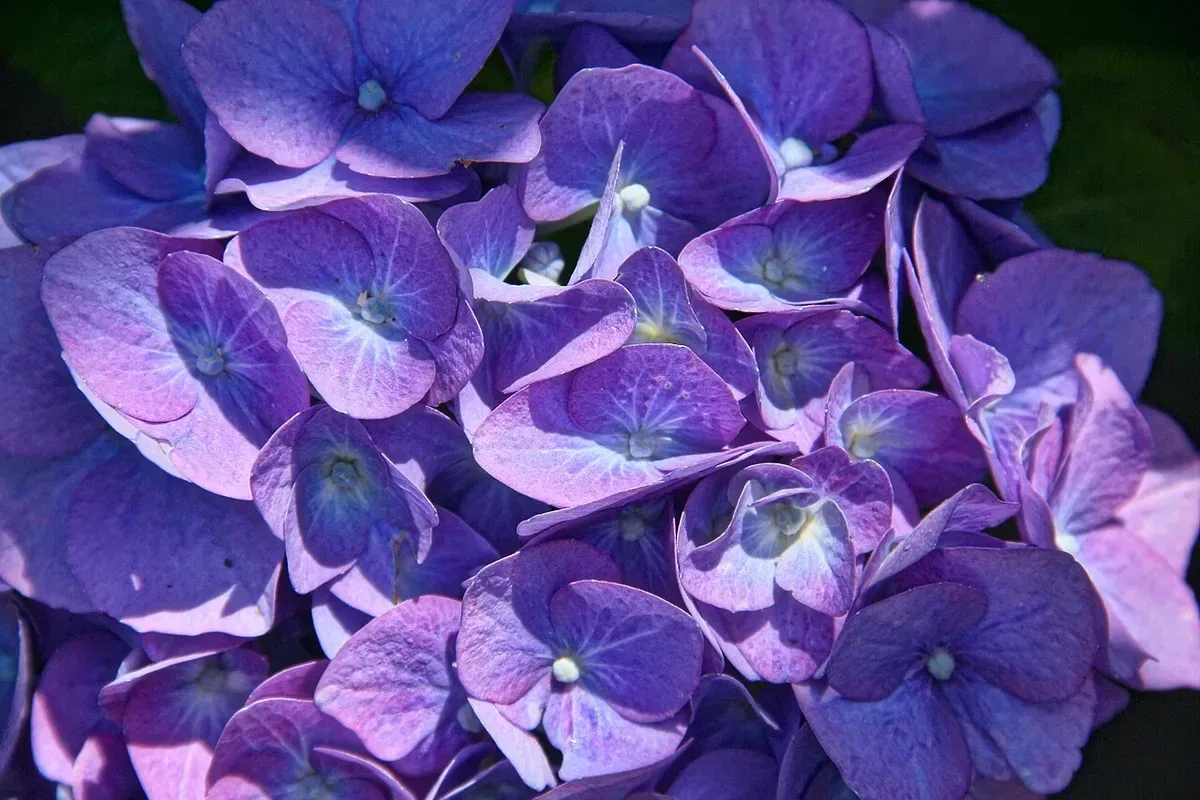
Bigleaf hydrangea (Hydrangea macrophylla) is a deciduous shrub with large, glossy leaves and big mophead or lacecap flower clusters in blue, pink, purple or white. Soil acidity changes the colour of blue and pink types. It likes moist soil and shade in the afternoon, and flowers mostly on last year's stems.
Care instructions
Care Guide & Maintenance Routine
Plant in moist, well-drained soil with morning sun and afternoon shade. Water deeply in dry spells and mulch. Leave the dead flower heads on over winter and prune lightly in mid-spring to the first strong pair of buds. Acid soil gives blue flowers; neutral to alkaline soil gives pink. All parts are toxic to pets.
Light & Sunlight
NC State says it performs best in dappled sunlight or partial shade and should be protected from afternoon sun. The RHS says light shade is best, but sun is fine if the soil is not too dry.
Watering Schedule
Needs steady moisture; the leaves wilt quickly in hot, dry weather. Water deeply rather than often, and mulch. The RHS suggests rainwater for blue-flowered plants to help keep the colour, but tap water is better than letting the shrub go dry.
Potting Mix & Drainage
Moist, humus-rich, well-drained soil; acid soil for blue flowers
Temperature & Humidity
NC State lists USDA zones 6 to 11. The shrub itself is fairly hardy, but the flower buds sit on last year's stems and can be killed by hard winters or late frosts, which means no flowers that summer. Leaves scorch and wilt in strong heat and dry wind.
About bigleaf hydrangea
Bigleaf hydrangea (Hydrangea macrophylla) is a deciduous shrub native to Japan, China, Korea and parts of Southeast Asia, according to NC State Extension. It also goes by French hydrangea and hortensia. The species name means large leaf, and the broad, toothed, glossy leaves are part of its appeal. Plants grow quickly into rounded, many-stemmed shrubs about 1 to 2 m tall and wide.
The flower heads last for weeks and fade slowly through green and pink tones as they age. They are good for cutting and drying.
Mopheads and lacecaps
Mophead types carry round, ball-shaped heads made almost entirely of large showy florets. Lacecap types have a flat centre of small fertile flowers ringed by a few larger florets. Both come in many named varieties. Reblooming types also flower later in summer on new growth, which helps where winters damage the old stems.
How soil changes the colour
In blue and pink varieties, colour depends on soil acidity. The RHS explains that flowers are blue in acid soil, where aluminium is available, and mauve in slightly acid to neutral soil. NC State adds that pink flowers develop in alkaline soil. White varieties stay white.
To keep blue flowers, water with rainwater where possible and use ericaceous compost in pots. Hydrangea blueing products containing aluminium sulphate can help on soil that is only slightly alkaline, but the RHS warns they will not work on very alkaline or chalky soil. Use them exactly as the label directs.
Buying tips
Look for a plant with several strong stems and healthy, unscorched leaves. A flowering pot shows you the colour, but remember that the colour may change once planted in your soil. Check the label: a reblooming variety is a safer choice where winters are hard. Gift hydrangeas from florists are often forced into bloom and may need a season to settle in the garden.
Where to plant
Choose a place with morning sun and shade in the afternoon. NC State recommends dappled light or partial shade and protection from afternoon sun. A spot out of drying wind keeps the big leaves from scorching. Give it room: a mature shrub needs about 1.5 m each way.
Soil and planting
Plant in spring or autumn into moist, humus-rich soil that drains well. Dig in plenty of compost. NC State notes it tolerates both clay and sandy soil and some salt spray. Set the plant at the same depth as it was in the pot, water well and mulch.
Watering through the year
Spring and summer
This shrub likes water. Soak the root area deeply once or twice a week in dry weather rather than giving a light sprinkle every day. A 5 to 8 cm mulch of compost or bark keeps roots cool.
Wet periods
Occasional wet soil is fine, but standing water is not. Improve drainage in heavy clay before planting.
Winter
Plants are leafless and need little water, but pots should not dry out completely.
Feeding
A modest spring feed of a balanced, slow-release shrub fertiliser, or a layer of compost, is enough for most plants. Too much nitrogen gives large leaves and fewer flowers.
Pruning
This is where most people go wrong. Bigleaf hydrangea flowers on last year's stems, often called old wood. The RHS advises leaving dead flower heads on over winter to protect the buds, then in mid-spring cutting each stem back to the first or second strong pair of buds below the old flower. Each year, take out one or two of the oldest stems at the base. Hard pruning to the ground removes the flowers for that year. In warm regions, NC State advises finishing any pruning before 1 August.
NC State also notes that native bees nest in hollow dead stems, and suggests leaving some dead stems standing at 30 to 60 cm.
Propagation
Take softwood cuttings from non-flowering shoots in early summer, or hardwood cuttings in winter. A low stem pegged into the soil (layering) will root in a season.
Troubleshooting
No flowers
Buds were pruned off, killed by a hard cold spell, or the plant is in deep shade. Prune only in spring, cover the buds where frosts are hard, and pick a variety that also blooms on new growth.
Wilting in the afternoon
Big leaves lose water fast in heat. If they recover by evening, give shade and mulch. If the soil is dry, water deeply.
Brown, papery leaf edges
Dry soil or wind. Water more evenly and shelter the plant.
Spots on leaves
Leaf spot, which NC State lists among common problems. Water at the base, remove badly spotted leaves and improve airflow.
White powder on leaves
Powdery mildew, usually late in summer. It looks bad but rarely does lasting harm.
Safety and pets
ASPCA lists hydrangea as toxic to dogs, cats and horses, with vomiting, diarrhoea and depression as possible signs. NC State describes the poison as low severity. Keep pets from chewing leaves and flowers, and wash hands after handling cut stems.
Common mistakes
- Pruning hard in autumn or winter and losing next year's flowers.
- Planting in full afternoon sun.
- Letting the soil dry out in summer.
- Expecting blue flowers in alkaline soil without a pot of acid compost.
For hardier hydrangeas that flower on new growth, see panicle hydrangea and smooth hydrangea.
India and Canada in brief
In India this shrub is grown mostly at higher, cooler places with summer rain. In Canada it is happiest near the sea where frosts are mild; inland, variety choice and cover over the cold months decide whether it blooms.
Seasonal rhythm
Seasonal Calendar
A month-by-month calendar for Bigleaf Hydrangea in Global is coming soon. See the light, water and temperature notes above.
Diagnostics
Common Problems & Troubleshooting
No flowers after a cold winter or hard pruning; wilting in afternoon sun; yellow leaves with green veins in very alkaline soil; brown leaf edges from drought or wind; flowers turning pink when blue was wanted.
Pests & seasonal watch: NC State lists leaf spot, bacterial wilt and powdery mildew under some conditions, and notes damage by deer. Aphids and spider mites can appear in hot, dry weather.
Q&A
Frequently Asked Questions
How do I make my hydrangea flowers blue?
Blue flowers need acid soil, where aluminium is available to the plant. The RHS suggests rainwater for watering, ericaceous compost in pots, or a hydrangea blueing product containing aluminium sulphate, used as the label says. It will not work on very alkaline or chalky soil, and white varieties do not change colour.
Why did my hydrangea not flower this year?
Most often the flower buds on last year's stems were cut off by pruning or killed by a cold winter or late frost. Too much shade or too much nitrogen can also cut flowering.
When should I prune bigleaf hydrangea?
The RHS advises mid-spring, cutting back to the first or second strong pair of buds below the old flower. NC State says to finish any pruning before 1 August.
Should I cut off dead hydrangea flowers in autumn?
No. The RHS says the dead heads help protect new growth below from frost. Remove them in spring.
Is hydrangea poisonous to dogs and cats?
Yes. ASPCA lists hydrangea as toxic to dogs, cats and horses, with signs such as vomiting, diarrhoea and depression.
Why are my hydrangea leaves wilting in the afternoon?
Heat and strong sun. If leaves recover by evening, add mulch and give afternoon shade. If the soil is dry, water deeply.
Mophead or lacecap: what is the difference?
Mopheads have round heads full of large showy florets. Lacecaps have a flat centre of tiny fertile flowers ringed by larger showy ones.
Is bigleaf hydrangea the same as panicle hydrangea?
No. Panicle hydrangea (Hydrangea paniculata) is a different species with cone-shaped flowers that open on new growth and is much hardier in cold winters.
Can I grow hydrangea in a pot?
Yes. Use a pot at least 40 cm wide with good drainage, water often in summer and move it to shelter in cold winters.
Similar Botanical Matches
Keep exploring
Related plants
Grower field notes
Reader Field Notes in Global
Share how this plant performs in your local Global climate.