
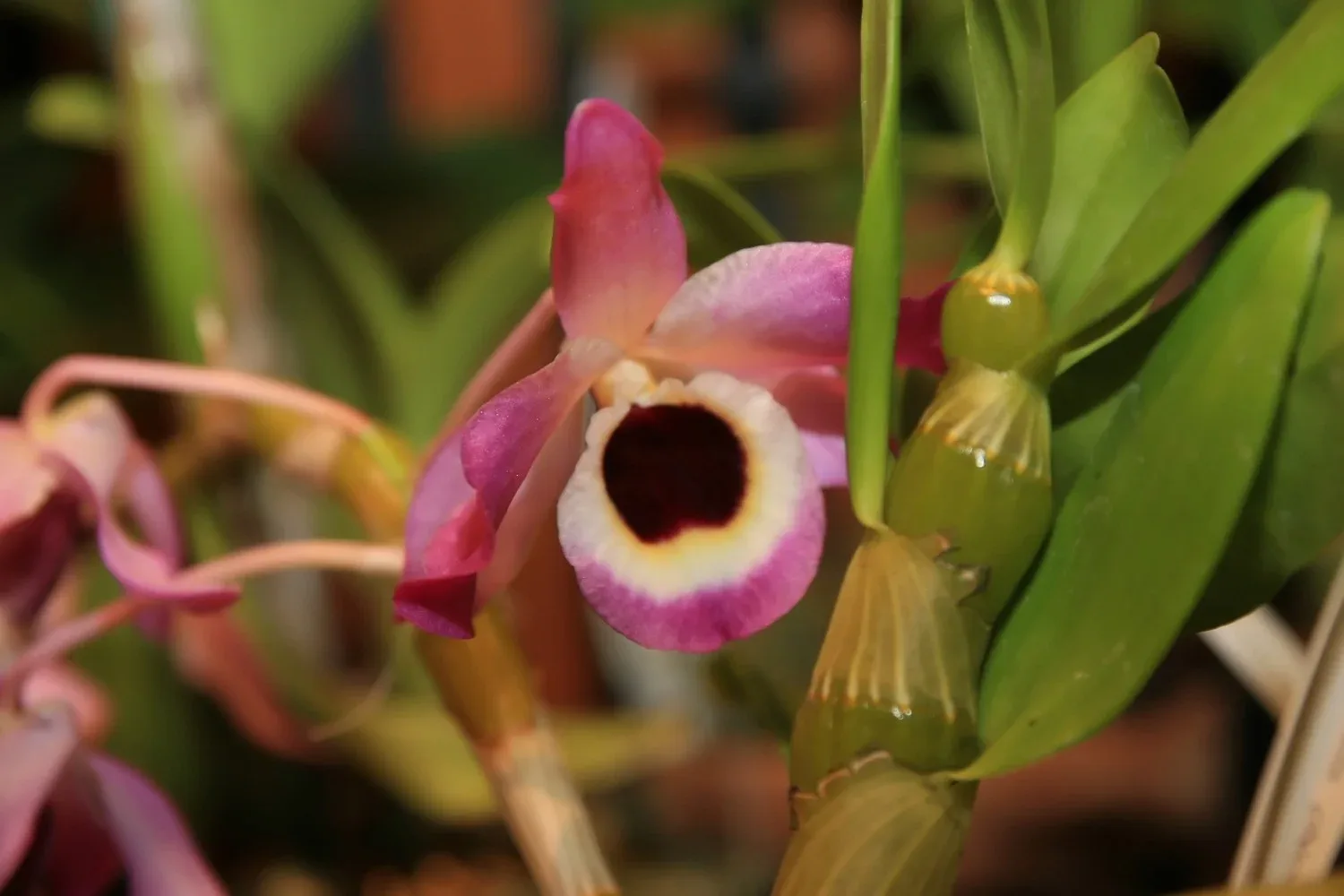
| ☀️ Light | Bright indirect light |
|---|---|
| 💧 Water | Moderate (lightly moist) |
| 🪴 Soil | Coarse orchid bark or a draining epiphytic orchid mix |
| 🐾 Safety | Cats: not verified · Dogs: not verified |
Where It Grows & Climate Tolerance
Pet & Companion Animal Toxicity (Dendrobium Nobile Orchid)
Not yet verified: Toxicity status for cats, dogs, and horses has not yet been confirmed against veterinary poison-control records. Keep out of reach of pets or consult your veterinarian.
Dendrobium nobile makes upright canes with flowers along their sides. It grows vigorously when warm, then slows as canes mature. Many nobile-type plants need bright light and cooler nights in this quieter period to form buds.
Care instructions
Care Guide & Maintenance Routine
Use an airy orchid mix and give the plant bright filtered light. Water and feed while new roots and canes grow. After the canes mature, reduce watering and feeding and give it cooler, frost-free nights. Leave firm old canes attached.
Light & Sunlight
Choose strong filtered light and protect new leaves from harsh afternoon sun. Give the plant as much light as it can use during cool winter growth or rest.
Watering Schedule
Water the bark thoroughly during active growth and let excess drain. Reduce watering after cane maturation. Check the mix and cane firmness so the plant does not severely dehydrate.
Potting Mix & Drainage
Coarse orchid bark or a draining epiphytic orchid mix
Temperature & Humidity
Many nobile-type orchids make buds when cooler nights follow a growing season. Keep the plant frost-free and use nursery guidance for the individual species or hybrid.
Dendrobium nobile makes upright canes with flowers along their sides. It grows vigorously when warm, then slows as canes mature. Many nobile-type plants need bright light and cooler nights in this quieter period to form buds.
Read the plant label
Dendrobium is a large genus. This care applies to Dendrobium nobile and similar nobile-type plants. Check the nursery label before shortening the watering season, especially if you have a warm-growing Dendrobium hybrid.
Water while new canes grow
Use bark that drains with air around the roots. Water thoroughly when the mix approaches dryness and feed lightly during strong growth. Where the pot dries slowly, increase airflow before adding more water.
Help mature canes flower
When a cane finishes extending, give it brighter light and cooler nights within the cultivar’s range. Ease off on water and feed as growth slows. Keep the plant clear of freezing drafts and water lightly if it starts to dehydrate severely.
Leave firm old canes in place
Old canes store reserves and may still bloom at unused nodes. Remove fully dead material only when it is dry and can be separated cleanly. With healthy roots, wait for new tips before repotting.
Sources
- RHS • Dendrobium nobile
- American Orchid Society • Dendrobium culture
- Kew Plants of the World Online • Dendrobium nobile
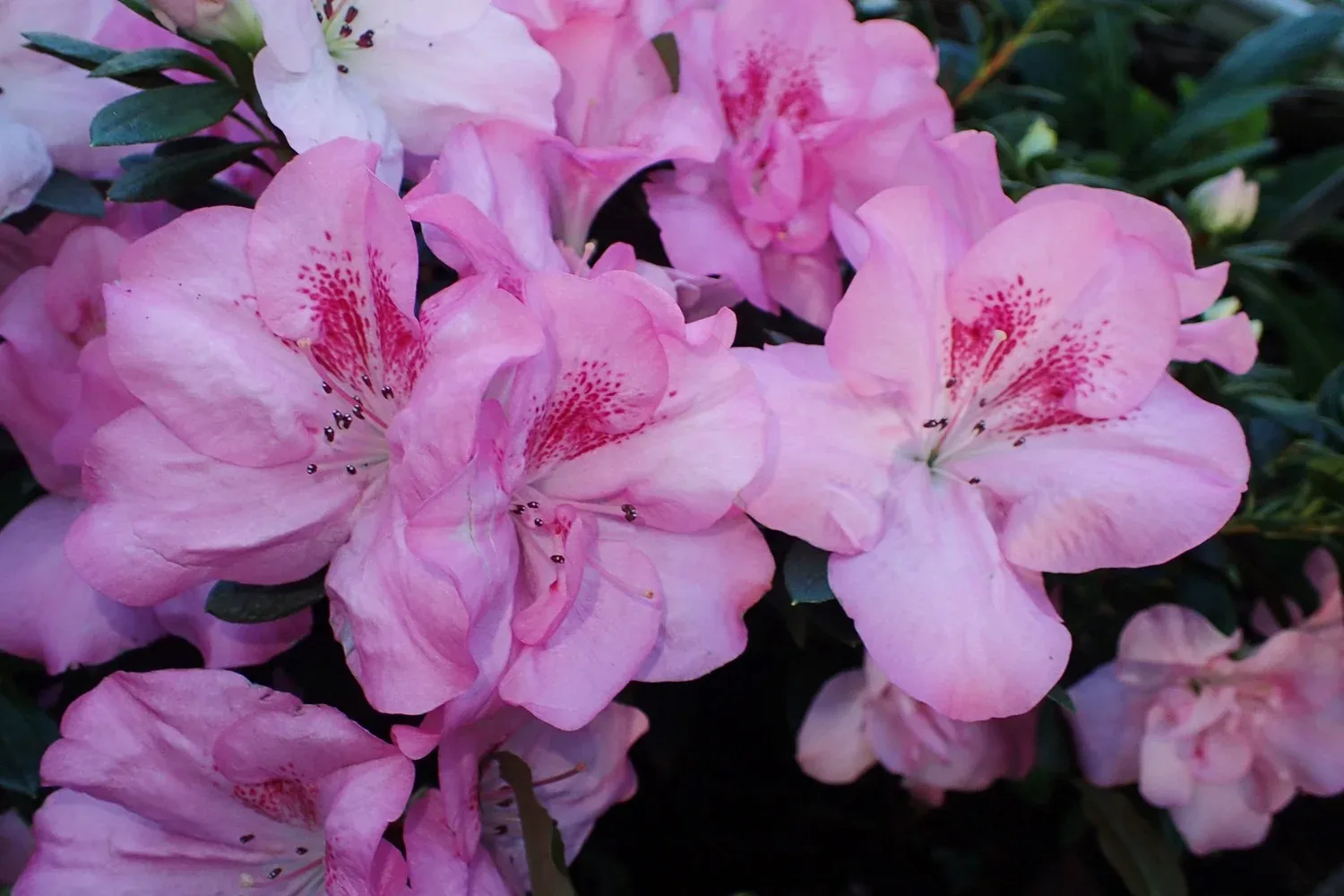
Featured photo by David J. Stang via Wikimedia Commons, CC BY-SA 4.0. Resized for display.
Seasonal rhythm
Seasonal Calendar
A month-by-month calendar for Dendrobium Nobile Orchid in Global is coming soon. See the light, water and temperature notes above.
Diagnostics
Common Problems & Troubleshooting
Repeated plantlets and few flowers can follow warm, wet conditions in the resting season. Inspect the roots if canes shrivel in damp bark. Retain firm older canes, even if they drop their leaves.
Care encyclopedia · 1 guide
Guides & Articles for Dendrobium Nobile Orchid

Q&A
Frequently Asked Questions
Why is my Dendrobium nobile growing leaves but no flowers?
Check for adequate light and cooler nights after canes mature. A warm, wet resting period can favour leafy plantlets. Check the cultivar label because other Dendrobium types need different care.
Should I cut off old Dendrobium canes?
Keep firm canes in place even after leaf loss. They store reserves and may flower again. Remove only tissue that is clearly dead and dry, or diseased as part of appropriate care.
How often should I water Dendrobium nobile?
Check the orchid mix. Water more often when roots and canes are actively growing. Give it less when canes have matured and nights cool, while avoiding severe dehydration.
Similar Botanical Matches
Keep exploring
Related plants

Grower field notes
Reader Field Notes in Global
Share how this plant performs in your local Global climate.