
Brown Leaf Tips and Edges
Causes and how to fix it
Reviewed by Mark Tremblay, BSc Environmental Biology, McGill; ISA Certified Arborist · Updated Nov 15, 2026
What you see
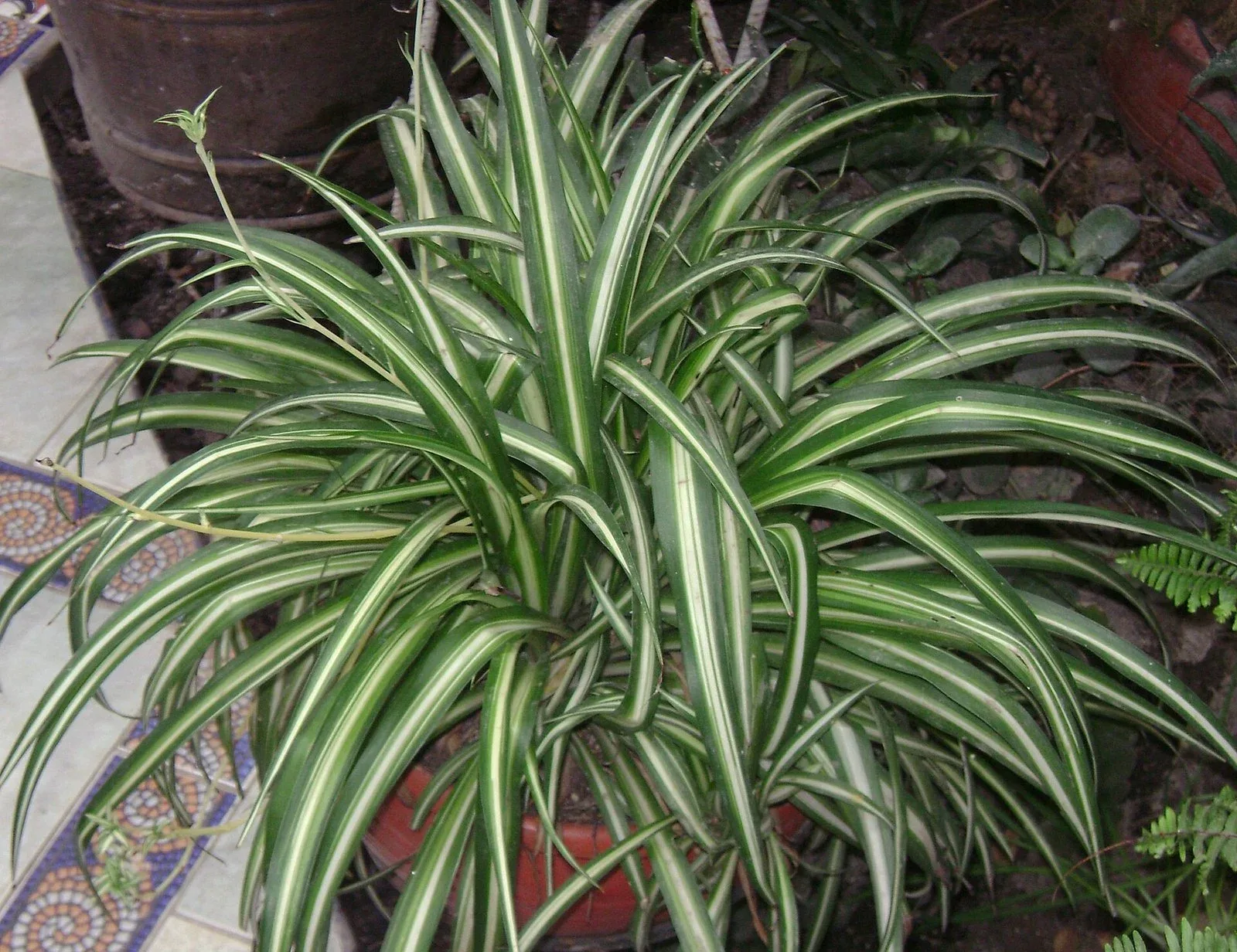
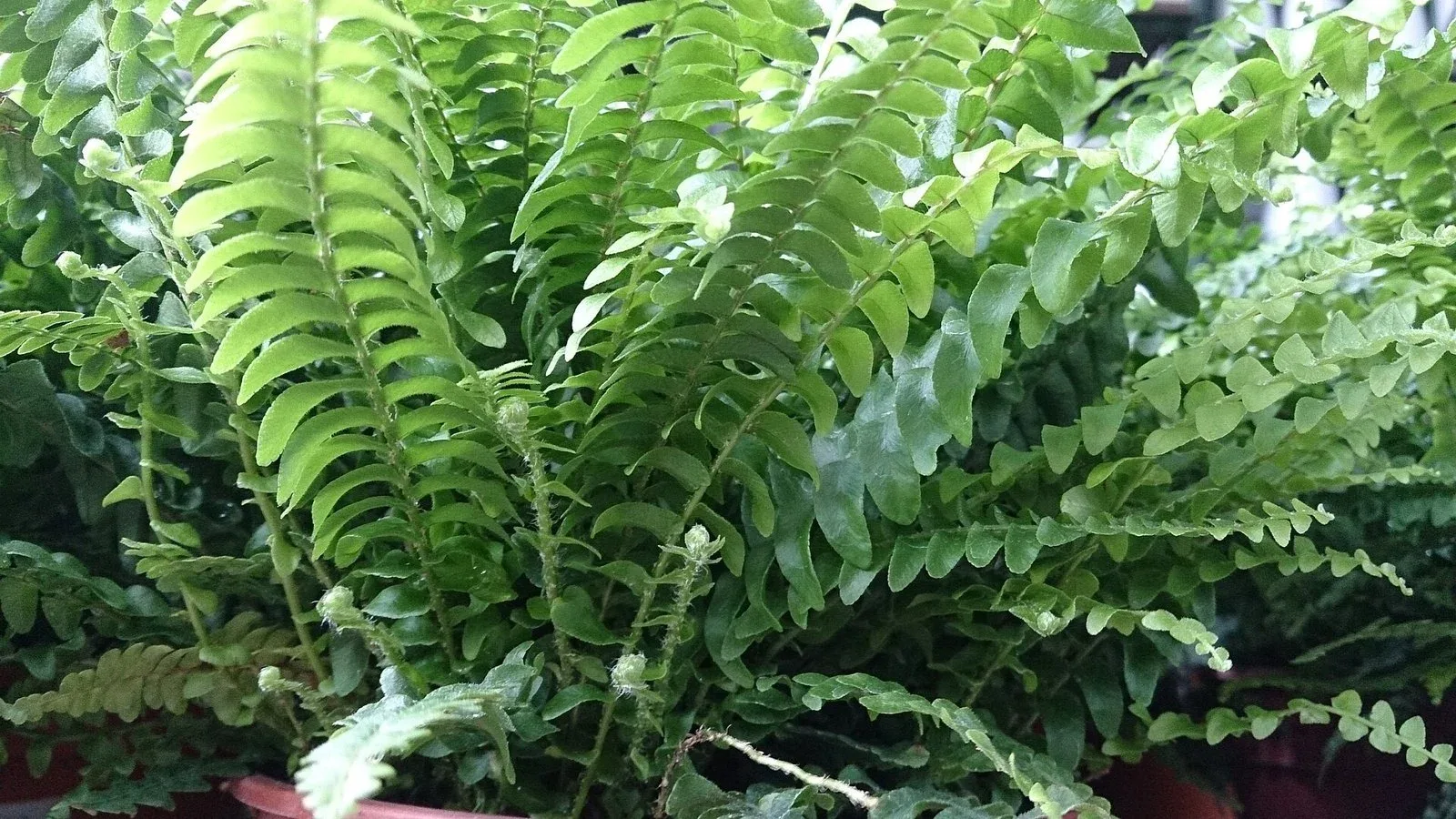
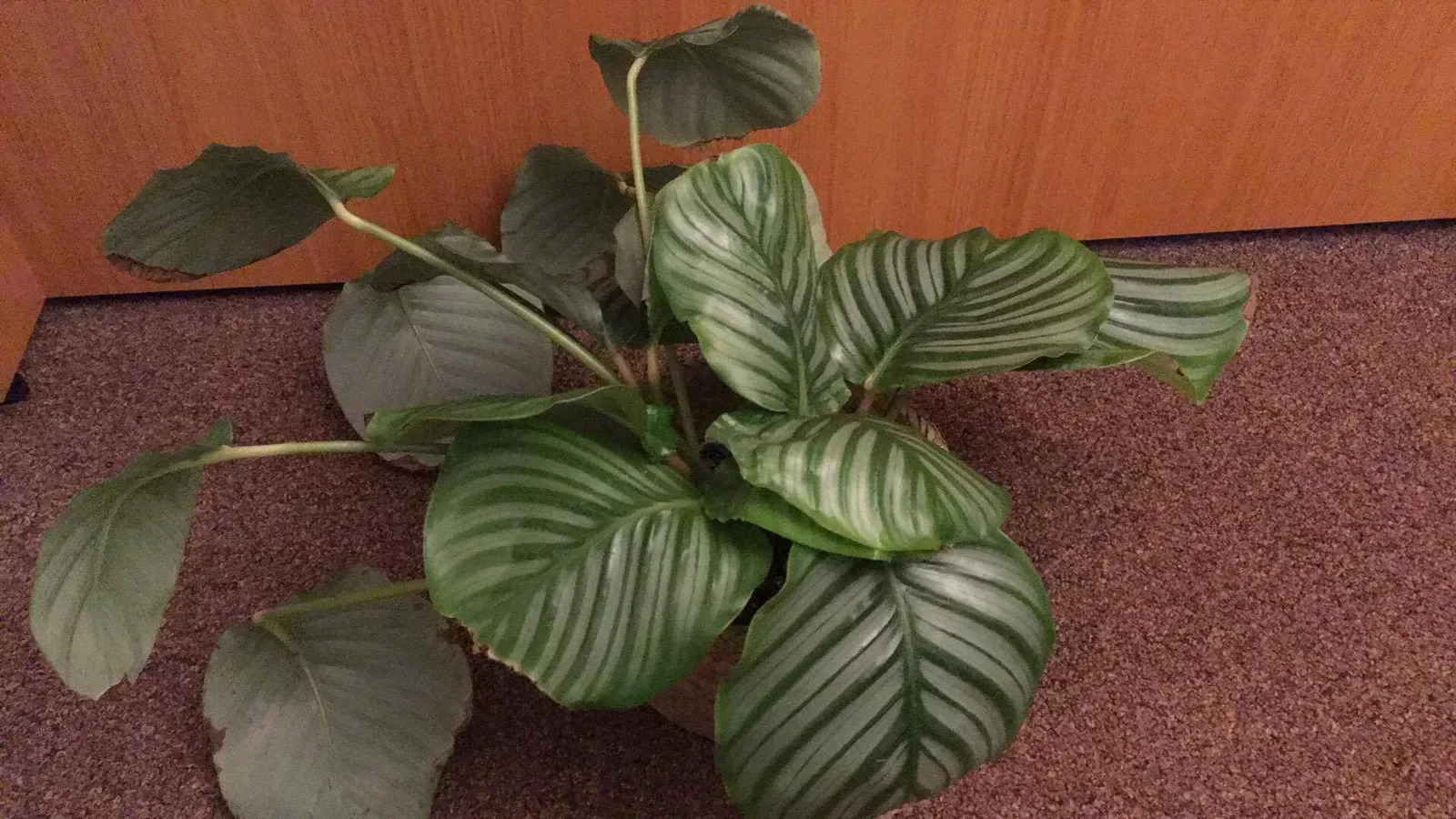
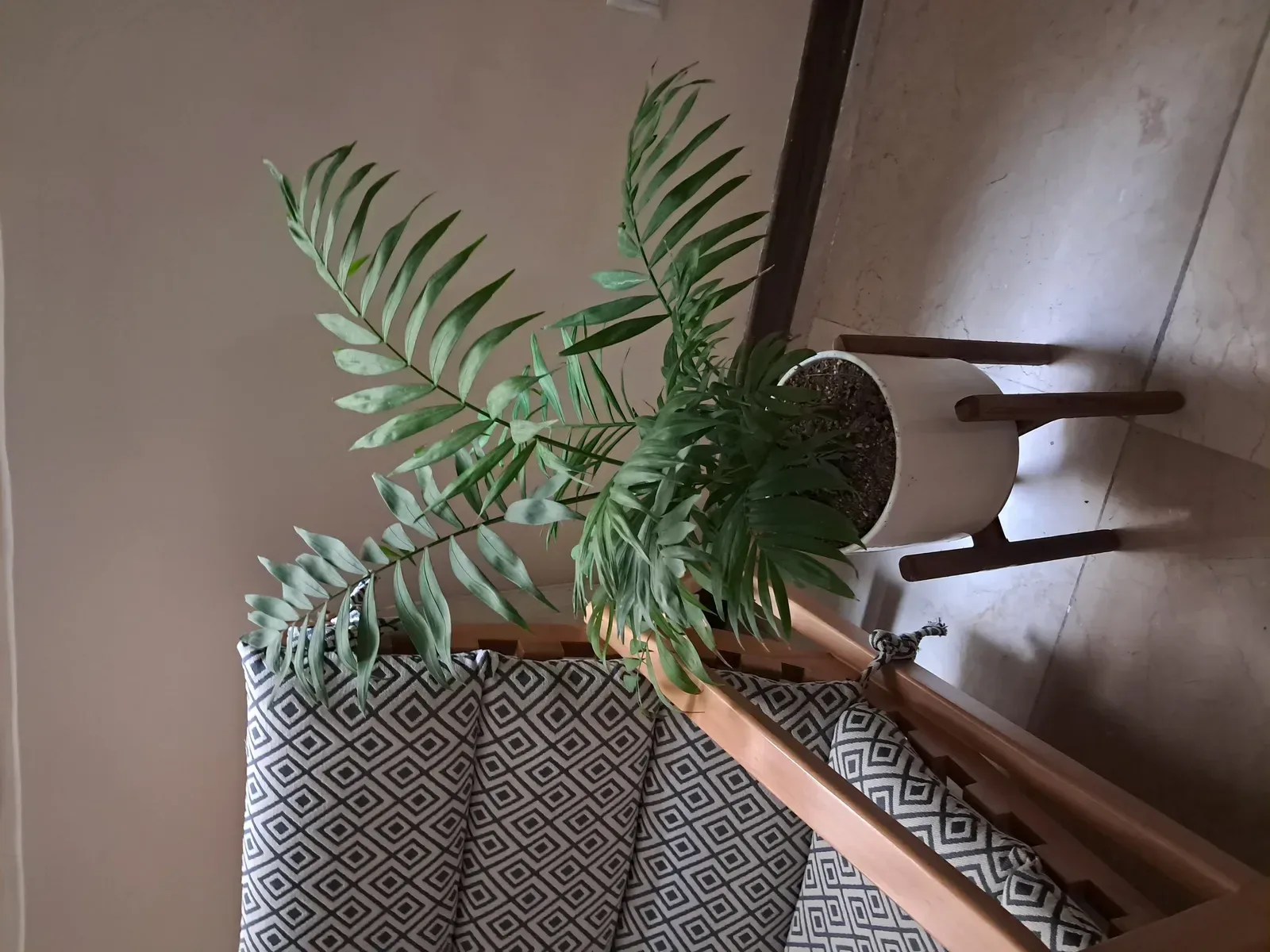
Tips look burnt or paper-thin, often with a thin yellow halo. The rest of the leaf may still be green. Common on calathea, spider plant, ferns and palms.
Leaf tips and edges turn dry, brown and papery.
Seasonal timing (Canada)
Indoor humidity often falls below 30% with forced-air heating from November to March. A humidifier works better than misting.
Likely causes
- Dry indoor air (very common in Canadian winters)
- Fluoride, chlorine or salts in tap water
- Too much fertiliser
- Soil that stays too dry
How to confirm
Feel the air and the soil. If indoor air is dry (forced-air heating) and tips are crispy while the soil moisture is normal, dry air is the likely cause. A white crust on the soil points to salts.
Step-by-step fix
- Use a small humidifier near the plant. Misting does not raise humidity for long and is not a reliable fix.
- Keep plants away from heat vents and cold window glass.
- Switch sensitive plants to rainwater, distilled or filtered water.
- Once in a while, water until it runs through the pot to wash out salts. Empty the saucer.
- Trim brown tips if you wish, leaving a tiny brown edge so you do not cut into healthy tissue.
What NOT to do
Do not rely on misting. Do not pile on fertiliser hoping it will green the tips.
When to give up or take a cutting
If most roots are gone, or the stem is soft all the way through, take a few healthy stem cuttings and root them instead of waiting on a plant that cannot drink.
Looks like
- Sun Scorch — Bleached or crispy patches on the side that faces strong sun.
- Cold and Draft Damage — Dark, water-soaked or blackened patches after a cold night or an AC blast.
- White Crust on Soil — A white or yellow crust on the soil surface or pot rim.
- Underwatering — Soil is bone dry and leaves are crispy, curled or dull.
Plants commonly affected
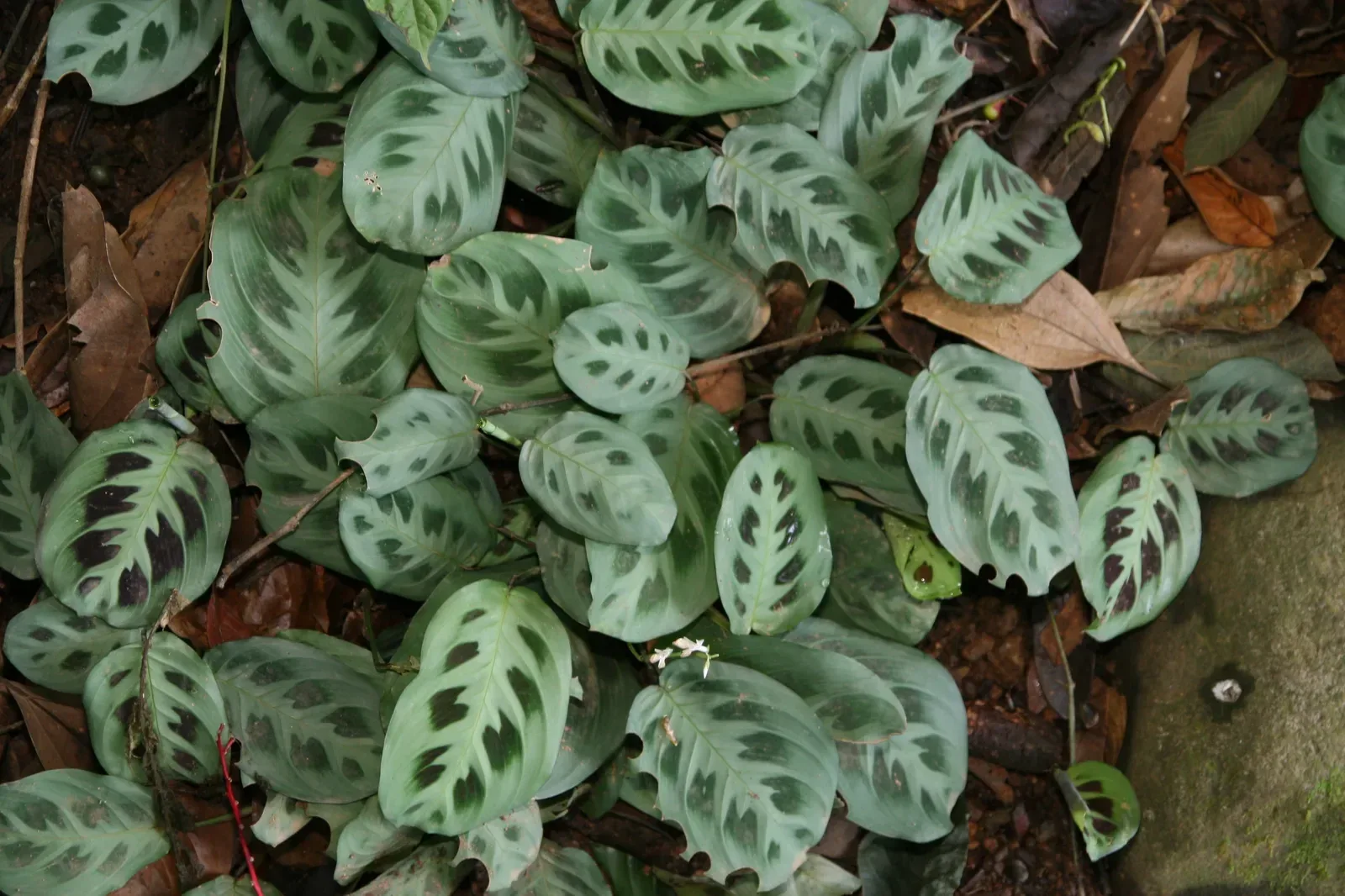
Related guides
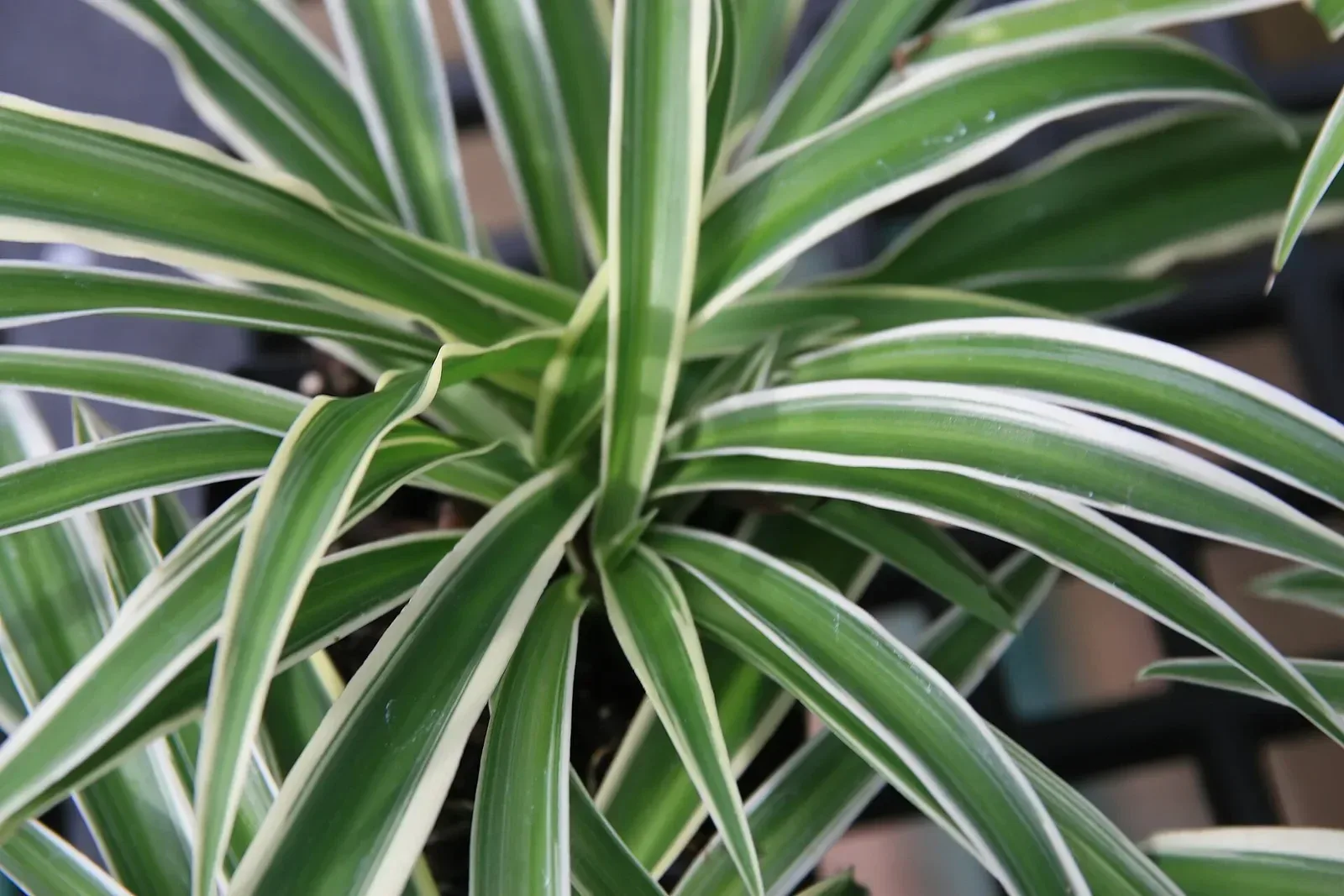
Spider Plant Care in Winter: Simple Tips for Canadian Homes
Short days and dry heat from the furnace can be hard on a spider plant. These simple changes will keep yours green until spring.
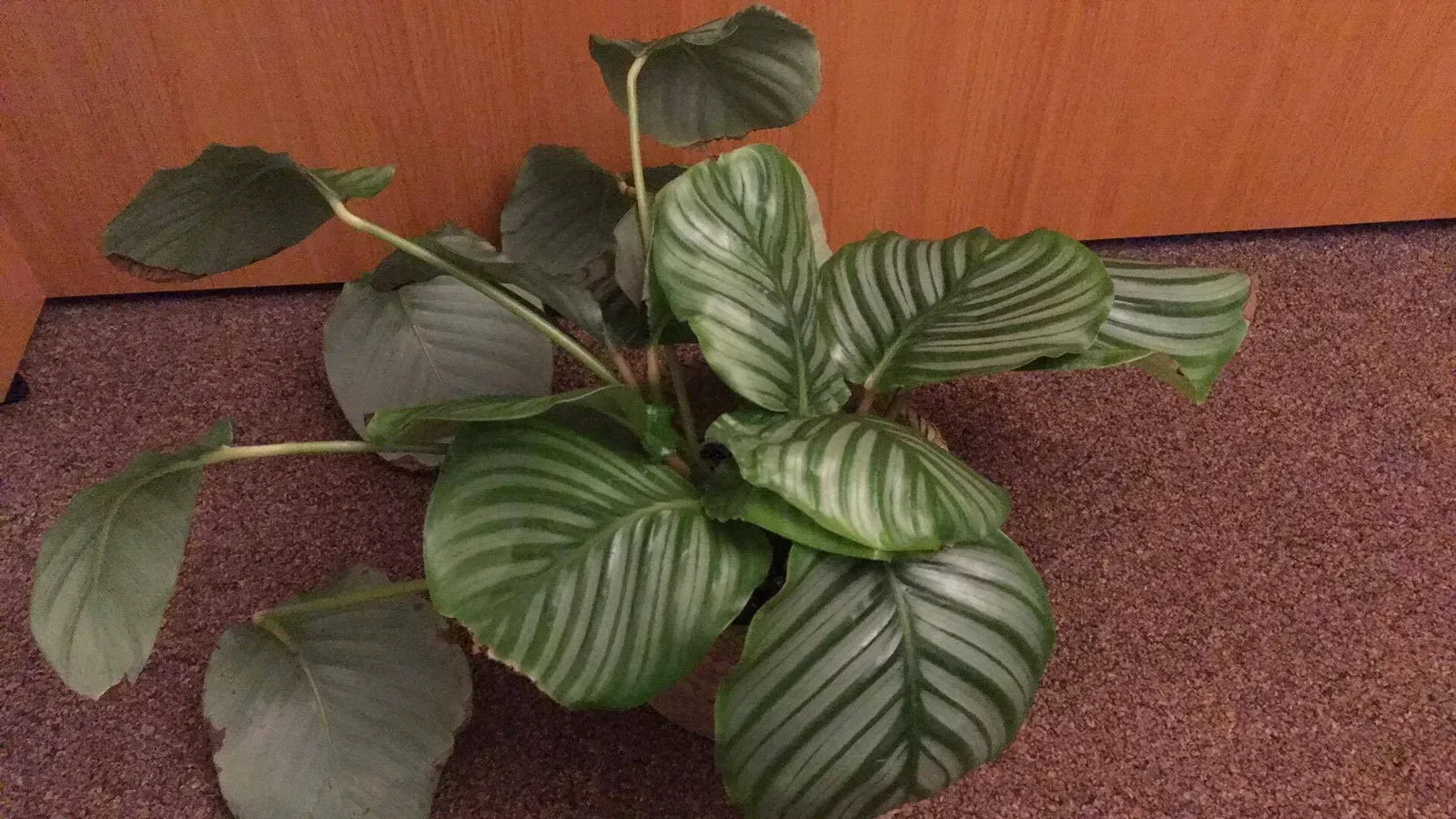
Calathea Leaves Turning Brown in Canadian Winter: How to Diagnose the Cause
Brown calathea edges in winter usually trace back to dry furnace air, water quality or a cold spot. Here is how to tell which one, and what to change.
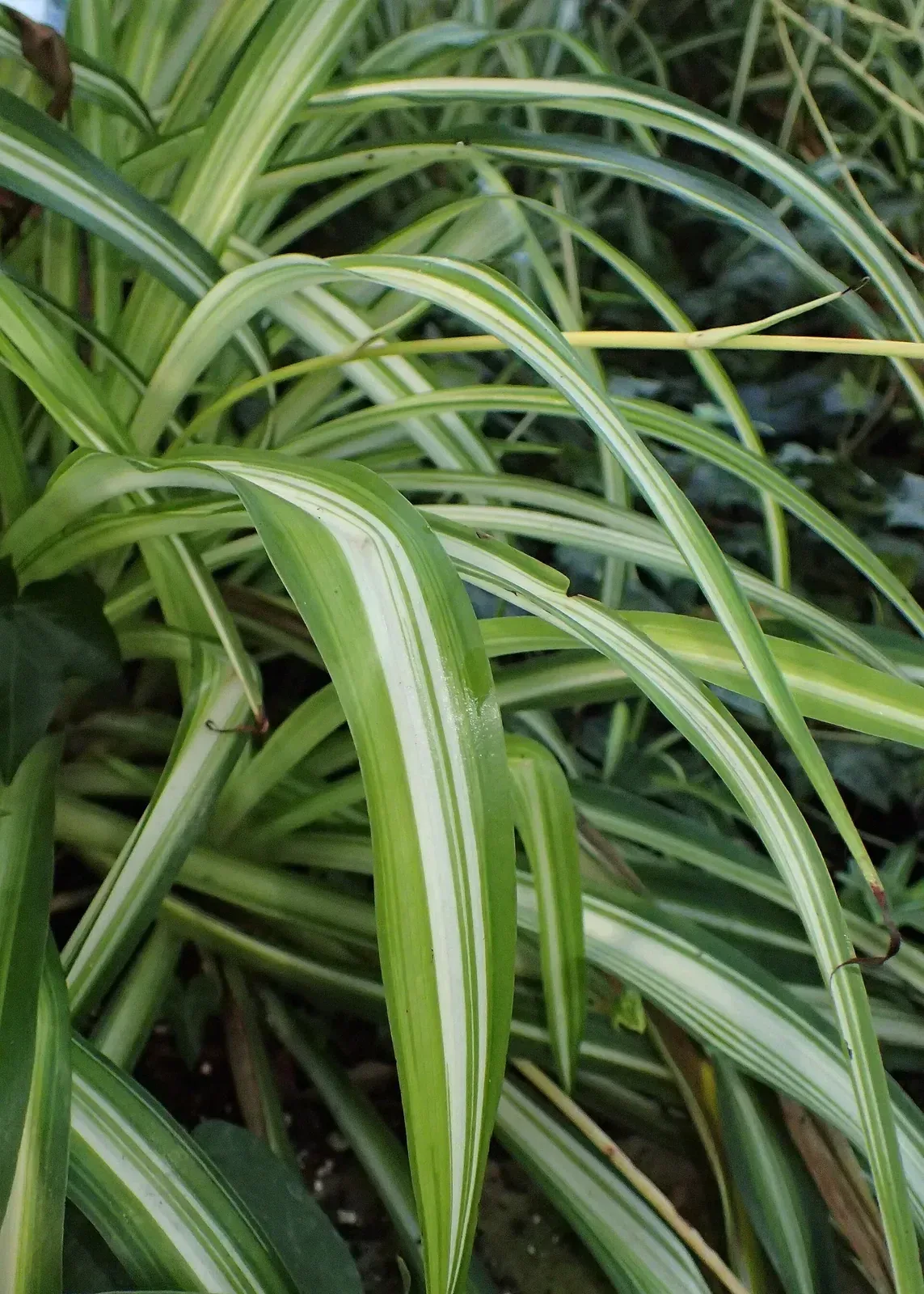
Spider Plant Brown Tips in Winter: Dry Air, Water or Something Else?
Brown tips are the most common spider plant complaint in winter. Work out whether dry air, water, salts, roots or cold is behind it with these checks.
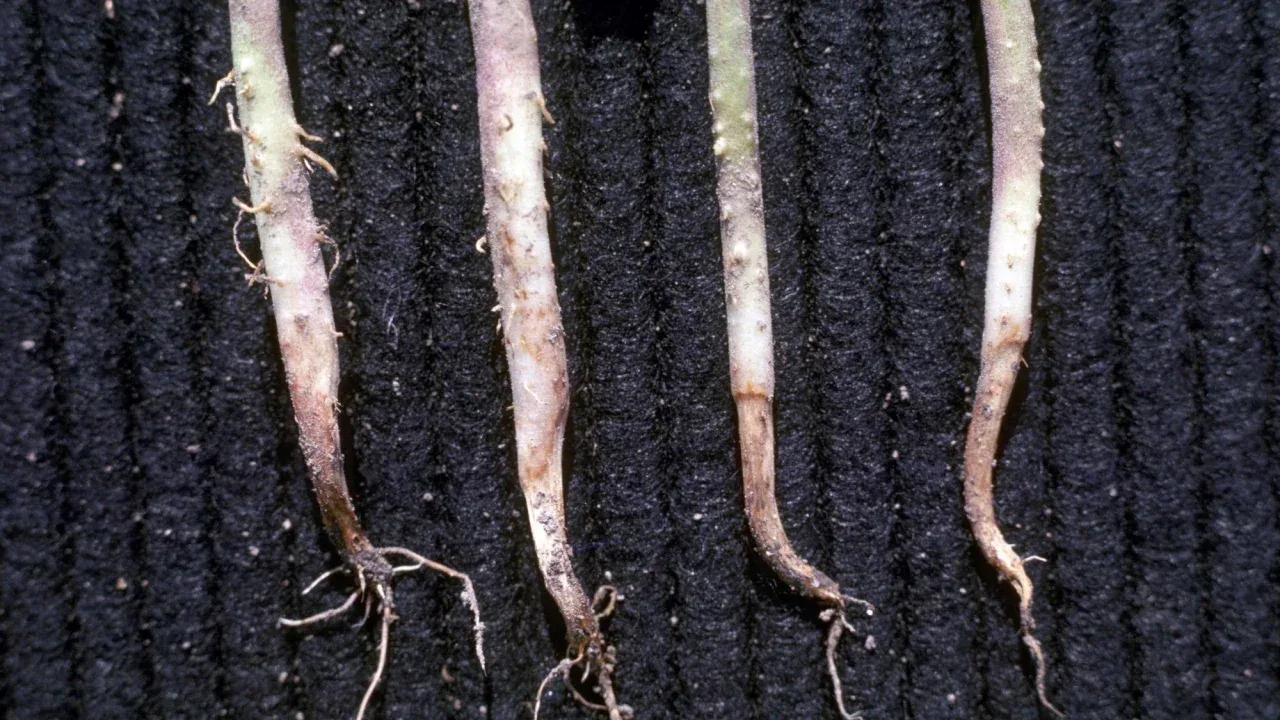
Root Rot in Houseplants and Garden Plants: Causes, Signs and How to Rescue Them
A plant that wilts in wet soil often has root rot. Learn what causes it, how to tell rotted roots from healthy ones, a step-by-step rescue for houseplants, and how to prevent root rot in pots and Canadian garden beds.
Late Blight on Tomatoes and Potatoes in Canada: Identify, Prevent and Act Fast
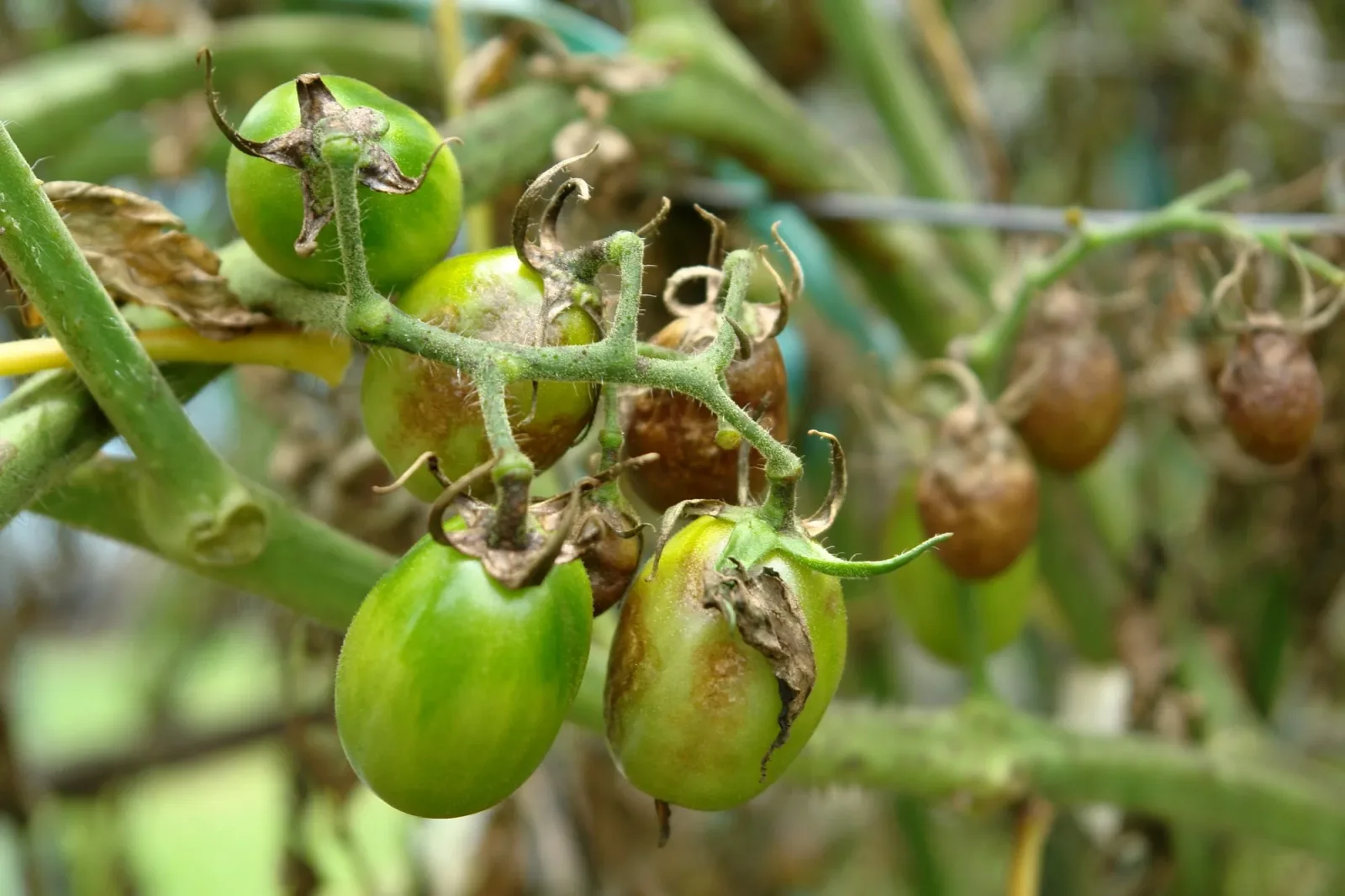
Late blight can wipe out tomatoes and potatoes within days in cool, wet weather. Learn how to identify it, how it differs from early blight, how Canadian provinces and CFIA recommend preventing it, and what to do the day you find it.
Leaf Spot, Rust and Botrytis (Grey Mould): A Canadian Gardener's Guide
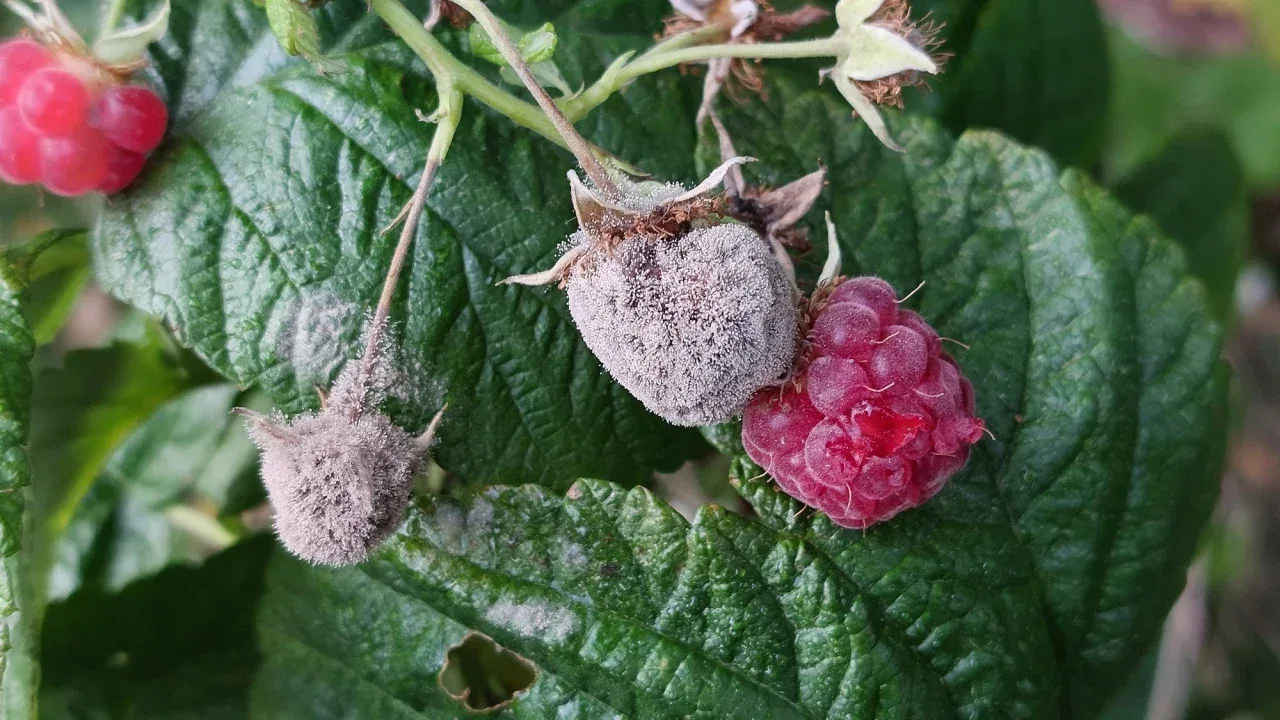
Spots, orange pustules or fuzzy grey rot? Learn how to tell leaf spot, rust and botrytis (grey mould) apart, which Canadian plants they hit, from strawberries and peonies to saskatoons and hollyhocks, and the simple habits that prevent all three.
FAQ
Will brown tips turn green again?
No. Trim them if they bother you, then fix the air and water.
Does misting help?
Only for a few minutes. A humidifier, a tray of pebbles with water below the pot, or grouping plants works better.
Sources: www.rhs.org.uk (accessed 2026-11-10) · www.torontomastergardeners.ca (accessed 2026-11-10)