
| ☀️ Light | Bright indirect light |
|---|---|
| 💧 Water | Moderate (lightly moist) |
| 🪴 Soil | Regular peat or coir-based potting mix with good drainage |
| 🌡️ Temp | 5°C – 24°C |
| 🐾 Safety | Cats: toxic · Dogs: toxic |
| 📏 Mature size | 6.0 m |
Where It Grows & Climate Tolerance
Pet & Companion Animal Toxicity (English Ivy)
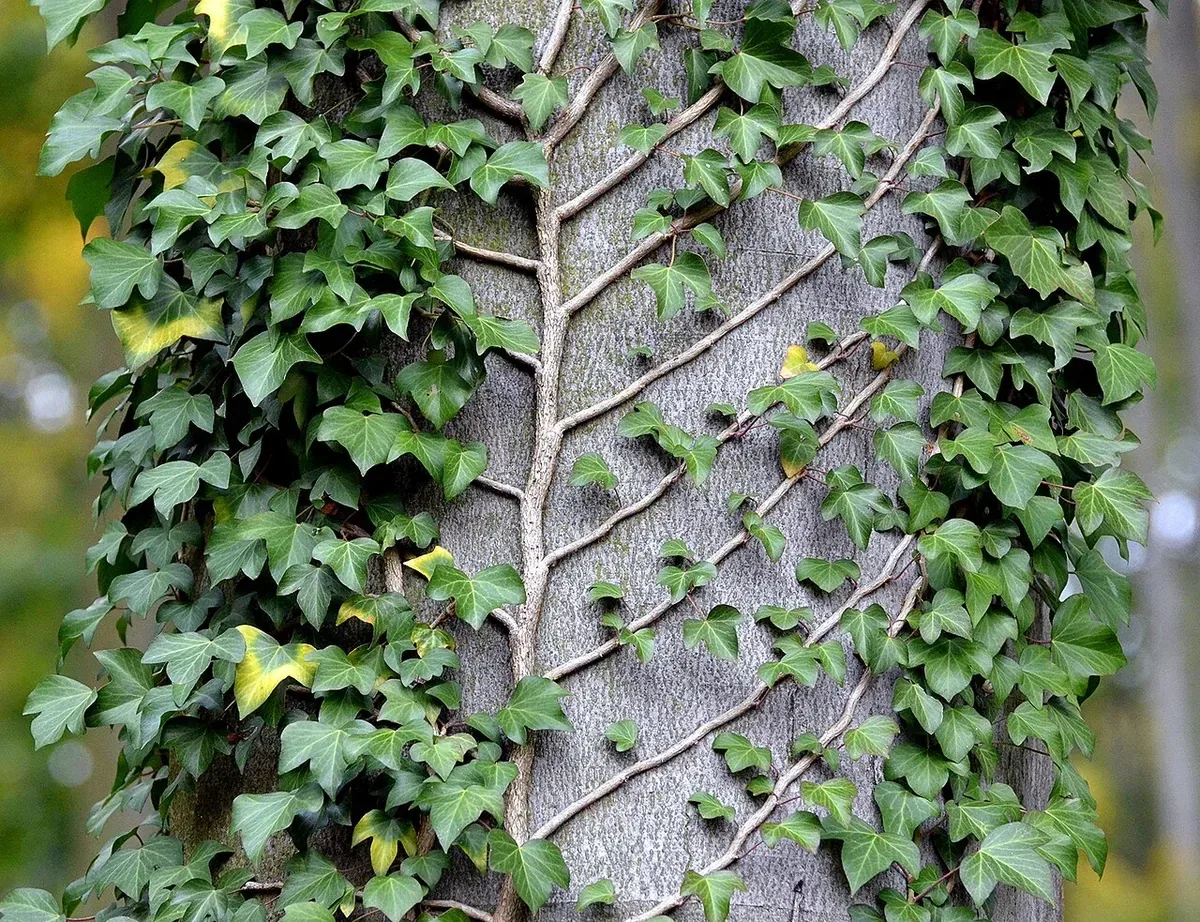
English ivy (Hedera helix) is an evergreen climber with lobed leaves, grown indoors in hanging pots and on small frames. It likes bright light and cool rooms. It is toxic to pets and is listed as invasive in coastal British Columbia, so keep it in pots there.
Care instructions
Care Guide & Maintenance Routine
Bright light with a little morning sun, cool temperatures and evenly moist soil. Pinch shoot tips often for a bushy plant. Check leaf undersides for spider mites, especially in warm, dry rooms. Keep it away from cats and dogs, and do not plant it out where it is invasive.
Light & Sunlight
Illinois Extension recommends bright light. Variegated forms need more light to keep their cream or yellow markings. A north window is often too dim for good growth indoors, while a hot south window in summer can dry it out quickly.
Watering Schedule
Keep the mix evenly moist but never soggy. Water when the surface feels just dry. Pots that dry out completely cause crisp leaf edges and invite spider mites; pots that stay wet cause yellowing and root rot.
Potting Mix & Drainage
Regular peat or coir-based potting mix with good drainage
Temperature & Humidity
Illinois Extension says to grow it in cool temperatures. The 24°C maximum is a comfort guide for indoor plants: above that, especially in dry air, spider mites build up fast. Outdoors the plant is far hardier (NC State lists USDA zones 4 to 13), but indoor plants should be kept frost-free.
About English ivy
English ivy, Hedera helix, is an evergreen climber native to Europe. Young stems carry leaves with three to five pointed lobes and pale veins, and they cling to walls and bark with tiny aerial roots. After many years, stems that reach the light change form: the leaves become oval and unlobed, and clusters of small greenish-yellow flowers appear in late summer and early autumn, followed by black berries. Indoor plants stay in the young, lobed stage and do not flower.
It is a popular trailing houseplant for hanging pots, shelves and small topiary frames. Outdoors it is a different story. NC State Extension lists it as invasive, and the Invasive Species Council of BC describes how it smothers forest floors and climbs trees in coastal British Columbia.
Varieties and what to buy
Garden centres sell many cultivars with small, curly, heart-shaped or variegated leaves. Variegated forms with white or yellow edges are slower and need brighter light. Plain green types are the toughest indoors.
When buying, turn the leaves over. Fine speckles, dull leaves or webbing near the stems mean spider mites, and you do not want to bring those home. Choose a pot with many short stems rather than a few long ones.
Planting and soil
Illinois Extension recommends regular potting mix kept moist. Use a pot or basket with drainage holes. A shallow, wide container suits the trailing stems. For a fuller look, plant several rooted cuttings together. Repot in spring when roots circle the pot.
Light and temperature
Give ivy bright light. A little morning sun is fine, but a hot, sunny window in summer dries it quickly. Illinois Extension also stresses cool temperatures, and this matters more than most people expect. A warm, dry living room near a heater is where ivy usually goes downhill. A cool, bright spare room, entrance or kitchen window often suits it better.
Watering by season
Spring and summer
Water when the surface of the mix feels just dry. Let excess water drain away. Small hanging pots can need water every few days in warm weather.
Rainy and humid weeks
Soil dries slowly. Water less often and make sure air moves around the plant, which helps prevent leaf spots.
Autumn and winter
Growth slows, so the pot dries more slowly, but heated air can still dry the leaves. Check the soil rather than following a schedule, and keep the plant away from radiators and heat vents.
Feeding
Use a balanced liquid houseplant fertiliser at label strength about once a month during spring and summer. Stop in autumn and winter. Overfeeding a plant in poor light only makes thin, stretched stems.
Pruning and training
Pinch out shoot tips often. Each pinch makes the stem branch, giving a denser plant. Cut back bare stems in spring. To train ivy on a frame or moss shape, start when the plant is small and wind new growth around the support as it grows, as Illinois Extension suggests.
Propagation
Ivy is one of the easiest plants to root. Cut 10 to 15 cm from the tips of healthy stems, strip the lower leaves, and set them in water or moist mix. Roots usually form within a few weeks. Wear gloves when cutting, because the sap irritates some people's skin.
Troubleshooting: check before you treat
Speckled, dull or bronzed leaves
Step 1: Look at the leaf underside with a torch or magnifier. Step 2: Hold white paper under a stem and tap it. Tiny moving dots are spider mites. Step 3: Look for fine webbing at leaf joints. If you find mites, isolate the plant, rinse the foliage thoroughly in the shower, and repeat weekly. Move it to a cooler spot, because warm, dry air favours mites.
Brown, dry leaf edges
Check the soil first. If the pot is bone dry, water more evenly. If the soil is moist, look at the room temperature and nearby heaters. Rule out mites using the steps above, since early infestations also cause browning. See brown leaf tips for more causes.
Yellow leaves and a sour smell
Lift the pot. If it feels heavy and wet days after watering, roots may be rotting. Slide the plant out. Brown, mushy roots mean you should trim them and repot in fresh mix with better drainage.
Long bare stems
Compare the leaf spacing on new growth with older growth. Wider gaps on new stems mean the plant needs more light. Move it closer to a window and cut the stems back so they regrow fuller.
Variegated leaves turning green
This is a light problem. Move the plant to a brighter spot and trim out all-green shoots so they do not take over.
Uses
Indoors, ivy is used in hanging baskets, mixed planters, small topiaries and on shelves where it can trail. Our guide to hanging balcony plants has more trailing options. Outdoors, people plant it as ground cover or on walls, but think carefully first: in coastal BC it is a listed invasive, and on buildings the aerial roots can damage soft mortar and trap moisture.
Safety and pets
ASPCA lists English ivy as toxic to dogs, cats and horses. NC State gives it a medium poison severity: the leaves and berries contain saponins, and the sap can cause skin irritation. The RHS also lists it as harmful if eaten and a skin irritant. Hang pots out of reach of pets and small children, and wear gloves when pruning.
Common mistakes
- Placing it in a warm room next to a heater and then fighting spider mites all winter.
- Letting a small hanging pot dry out completely.
- Never pinching, so the plant becomes a few long strings.
- Planting it outside where it can spread into woods, or composting clippings in areas where it is invasive.
- Assuming every plant called "ivy" is Hedera. Devil's ivy (pothos) and Swedish ivy are unrelated.
India and Canada at a glance
In India, English ivy does best in hill towns with cool summers and is harder to keep in the hot plains, where a cool indoor spot is needed. In Canada it is an easy indoor plant in cool homes, but in British Columbia it is an invasive species, so keep it in containers and bag the trimmings for the garbage.
Seasonal rhythm
Seasonal Calendar
A month-by-month calendar for English Ivy in Global is coming soon. See the light, water and temperature notes above.
Diagnostics
Common Problems & Troubleshooting
Speckled, dull leaves from spider mites; brown, dry leaf edges in hot dry rooms; long bare stems in low light; green leaves on variegated types in shade; yellowing from wet soil.
Pests & seasonal watch: Spider mites are the main indoor pest; look for pale speckles on leaves and fine webbing. Aphids, mealybugs and scale also occur, as listed by NC State. Rinse the plant in the shower and isolate it when you first see mites.
Care encyclopedia · 2 guides
Guides & Articles for English Ivy
8 Christmas Plants for Indian Homes (and How to Keep Them Alive After December)
In India, the Christmas tree plant is almost always an Araucaria, and it can be your tree for years. Here are eight Christmas plants sold in Indian nurseries, with care, pet safety and region notes.
Read guide
11 Best Indoor Hanging Plants for Indian Homes (and Where Each One Grows Best)
For a first hanging pot, money plant, spider plant and inch plant (zebrina) are the easiest in Indian homes. Here are 11 trailing plants, with light, watering, pet-safety and region notes.
Read guideQ&A
Frequently Asked Questions
Is English ivy toxic to cats and dogs?
Yes. ASPCA lists English ivy as toxic to dogs, cats and horses. NC State says the leaves and berries contain saponins and the sap can irritate skin.
Is English ivy invasive in Canada?
The Invasive Species Council of BC lists it as invasive in British Columbia, where it spreads through coastal forests. Keep it in pots indoors, and do not dump clippings in natural areas.
Why does my indoor ivy get crispy brown leaves?
Usually warm, dry air or soil that dried out completely. Check leaf undersides for spider mites too, since they build up fast in the same conditions.
How do I know if my ivy has spider mites?
Look for fine pale speckles on the leaves and very thin webbing where leaves meet stems. Tap a leaf over white paper; tiny moving dots confirm mites.
Can English ivy grow in low light?
It survives, but stems get long and bare and variegated types turn plain green. Bright light gives a fuller plant.
How do I make my ivy bushier?
Pinch the tips of shoots regularly and cut back long bare stems in spring. Several cuttings rooted in one pot also fill it out faster.
Does English ivy clean the air?
There is no strong evidence that a few houseplants clean the air in a real home, so grow it for its looks rather than for air quality.
Why do some ivy leaves have no lobes?
Mature, flowering stems produce oval leaves without points. The Invasive Species Council of BC notes this on fruiting stems outdoors.
Can I grow English ivy in India?
It grows best in cool hill climates. In the plains, keep it in a cool, bright room and expect it to struggle in the hottest months.
Similar Botanical Matches
Keep exploring
Related plants
Grower field notes
Reader Field Notes in Global
Share how this plant performs in your local Global climate.