
Hanging plants free up floor space, but they move the work above your head. A basket that is hard to reach will usually be checked less often. A hook that looks adequate when the pot is empty may be unsuitable after the mix is soaked. Start with those facts before choosing a trailing plant.
This guide focuses on manageable balcony baskets for Indian homes, especially money plant and spider plant. Read the balcony and terrace garden guide for the wider safety and layout checks. A trailing plant is useful only if its basket can be installed securely and watered without climbing or leaning outside the railing.
Choose a safe hanging position first
Keep every basket inside the balcony, away from the outer edge. It should not hang over a public path, a neighbour's property or a place where people sit. Leave room for the door and for anyone carrying laundry. Long vines should not become something you brush against each time you enter.
Check how wind moves through the position. A basket that swings can strike glass or repeatedly pull on its fixing. Moving it to shelter is better than adding improvised ropes in several directions. Do not use a water pipe, electrical conduit, clothesline or the edge of an unverified roof sheet as a plant support.
Have the fixing chosen for the real load
The load includes the pot, plant, saturated medium and any water retained in a cover. It can increase as roots and stems grow. Ask a competent installer to select a rated bracket and appropriate anchors for the actual wall or ceiling material. A plastic wall plug is not suitable for every surface.
Obtain the owner's permission before drilling. Do not drill into waterproofing, hidden services or structural elements without appropriate advice. Check the full hanging chain as well as the hook; a rusted connector can fail even if the bracket remains sound. Inspect metal fittings periodically, particularly in coastal humidity, and stop using any part showing damage.
Put the leaves in useful light
A ceiling corner may look bright from the floor but remain shaded throughout the day. Evaluate the light at basket height. An overhang can keep rain off while also blocking most daylight. Avoid squeezing a basket into the gap above a window merely because it is unused space.
Bright indirect light is a good starting point for money plant and spider plant. Hot afternoon sun is less forgiving, especially after the plants have been grown in nursery shade. If your only hanging position receives harsh west-facing exposure, reconsider the basket or choose a different layout. The balcony plant selection guide helps separate sunny and shaded positions.
Spider plant for arching leaves and plantlets
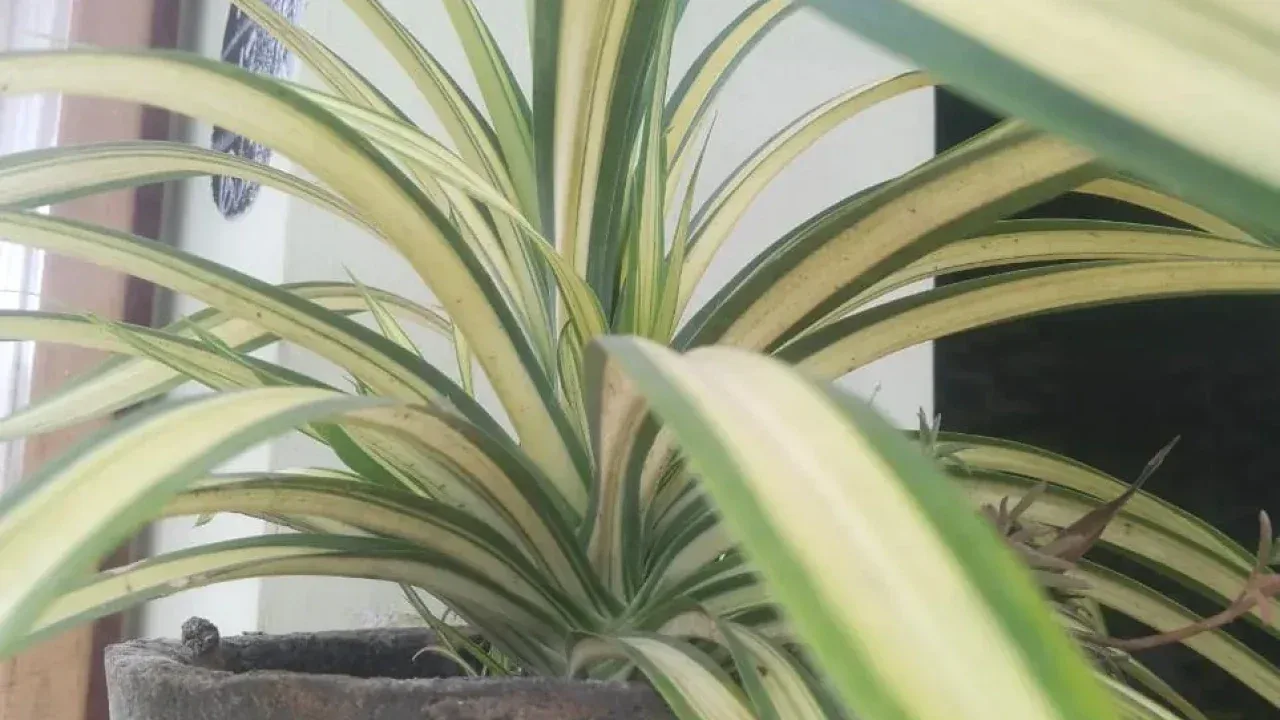
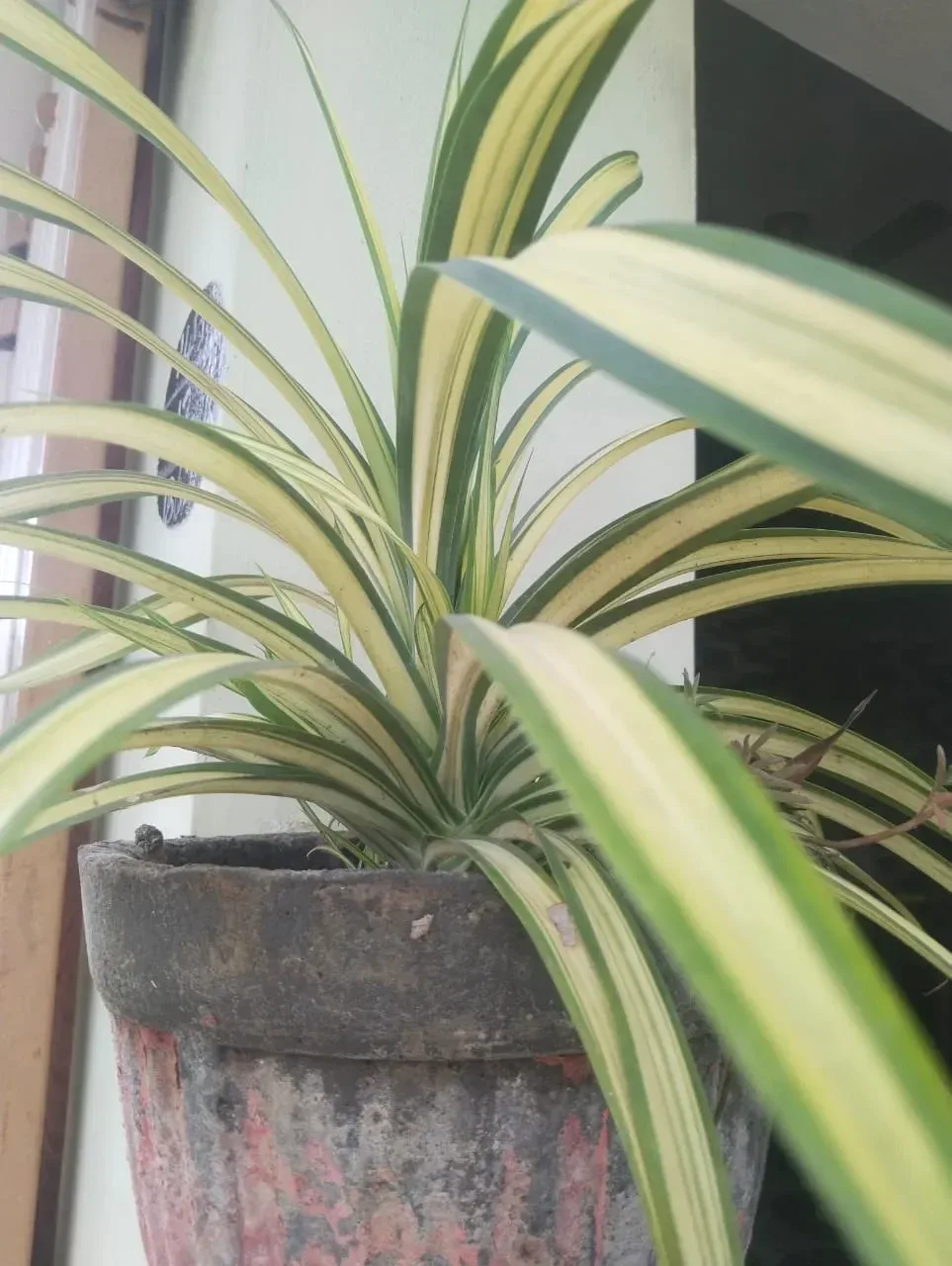
Spider plant, Chlorophytum comosum, naturally softens the edge of a basket. Its long flower stems can carry small plantlets. Give the leaves enough space to curve without being crushed against a wall. Do not assume a compact nursery plant will remain within the same narrow outline.
Water according to the medium's condition. The fleshy roots tolerate some drying, but an exposed basket can dry much faster than a pot indoors. Browning tips do not identify one cause: salts, water quality and root stress can contribute. Check recent feeding and moisture before adding more fertilizer or cutting off large amounts of healthy leaf.
You can root a healthy plantlet in a small separate pot while it remains attached to the parent. Once established, separate it with clean scissors. Avoid filling every empty gap in the basket with new babies. That creates crowding and makes it difficult to see whether water reaches the root zone evenly.
Money plant for a controlled trailing display
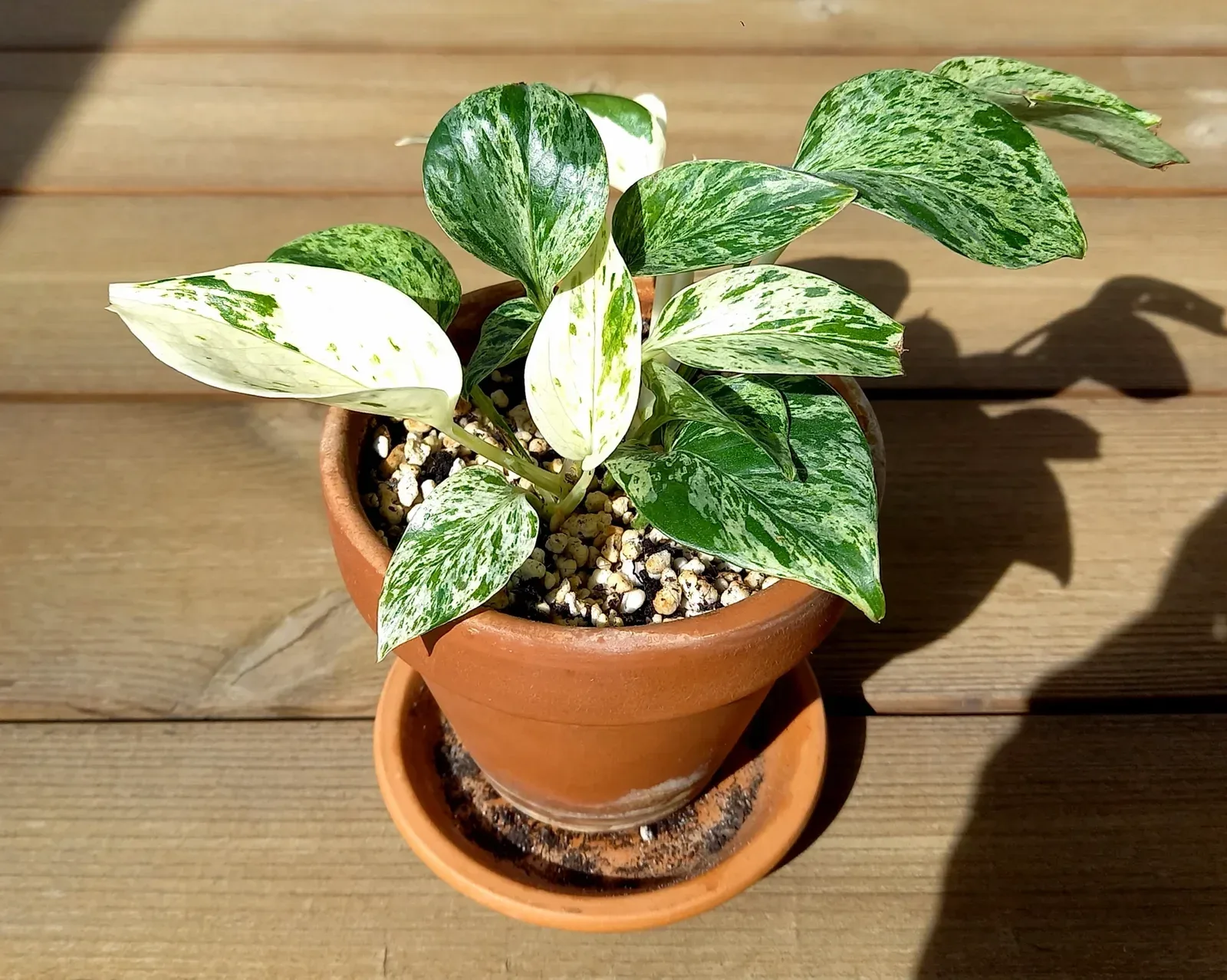
Pothos, Epipremnum aureum, is the money plant meant here. Check the India money plant profile before choosing a record or buying a plant with that common name. It trails readily but can become bare near the pot if light is poor or vines are left too long. Prune a healthy stem above a node to encourage a manageable shape. Root sound cuttings separately instead of adding a large bunch to wet crowded roots.
Follow the money plant watering and training guide for routine care. If leaves yellow, check drainage and the growing conditions before feeding. The yellow leaves and leggy vines guide helps distinguish those common problems. A long vine is not necessarily evidence of a healthy plant if most of its leaves have fallen.
Pothos contains irritating calcium oxalate crystals. Keep foliage away from children and pets that chew plants, including vines that eventually reach furniture or the floor. Wear gloves if its sap irritates your skin. Avoid training it across door handles or areas where people cannot pass without touching or catching the stems.
Choose the basket and inner pot together
A lightweight outer basket can work well with a removable growing pot, provided the complete assembly is securely supported. A decorative cover without holes should not become the permanent water reservoir. If you lift out the inner pot for watering, do so from a reachable position and let it drain before replacing it.
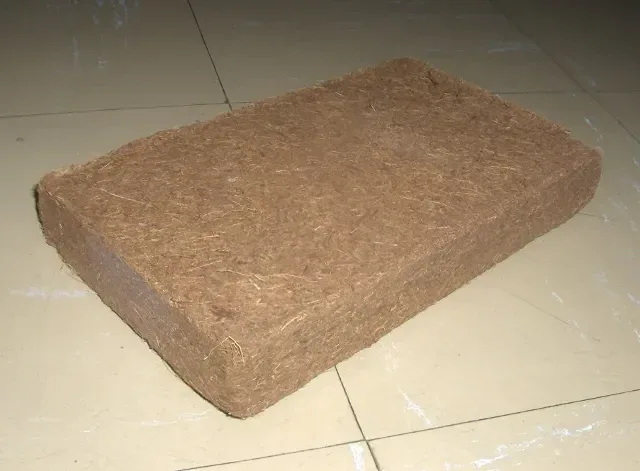
An open coir-lined basket loses moisture differently from a closed plastic pot. Its exposed sides can dry quickly in wind. Check liner condition as it ages and keep loose fibres away from drains. Do not pack extra water-retaining material around a plant simply to reduce watering; the centre may stay wet while exposed edges become dry.
Use a mix that wets evenly and drains
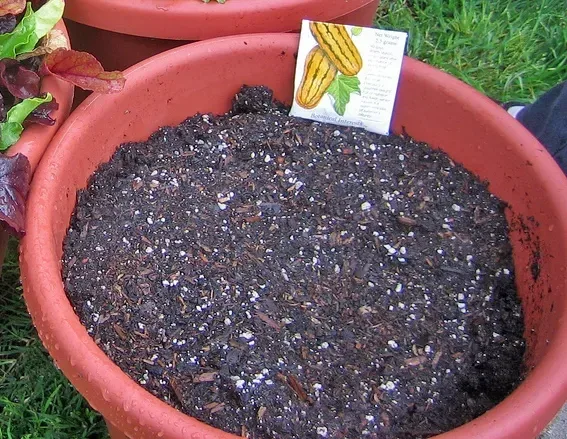
Choose a suitable container mix rather than dense field soil. It should hold enough moisture for the chosen plant without remaining airless. The plant feeding guide explains why a plant needs an appropriate nutrient supply as well as suitable moisture. There is no single best ratio for every basket and Indian climate.
Check a newly filled basket with a careful first watering. If water immediately runs down one side, it may be bypassing a very dry root ball. Apply it slowly in more than one pass and check the centre. Do not solve poor drainage by adding a deep gravel layer, which uses root space and adds unnecessary weight overhead.
Set up a watering method before hanging
Take a normal-sized watering can to the empty position. Can you reach the pot safely and see the medium? Can you remove the basket if necessary? If the answer is no, lower it or change the position. A long-spouted can helps, but it does not make an unsafe reach acceptable.
Water at the roots rather than spraying the trailing leaves and assuming the pot is wet. Catch temporary runoff where practical, then empty it safely. Avoid drips over electrical fittings and slippery flooring. Never leave a high cover pot filled with standing water; it adds weight, can suffocate roots and provides a place for mosquitoes to breed.
Learn how fast your basket dries
During the first few weeks, check it regularly and note the weather. Compare a recently watered basket with one ready for watering, without lifting or straining a heavy assembly. Use touch where safely reachable. The principles in the watering frequency guide are more useful than an instruction to water every hanging plant each morning.
Prepare baskets for summer and the rainy season
A Mumbai balcony may receive wind-driven rain even under an overhang. Check whether water collects inside outer covers after a storm. Inspect the fixings and move baskets to safety before severe weather if that can be done without risk. Do not attempt to unhook a swinging basket during dangerous winds.
In Delhi's hot dry months, small baskets may need frequent attention. A shaded position can reduce stress, but deep darkness is not a good long-term solution. In Chennai, include the local northeast monsoon in your preparation. During north Indian winter, a slower-drying pot may need less water even if the top leaves still look fresh.
Feed lightly and keep the basket inspectable
A labelled potting mix may already include feed. Read the label before adding another product. Once plants are established and actively growing, use a suitable fertilizer as directed. Overfeeding does not force healthy trailing growth and can contribute to salts in a small root volume. Coir itself should not be treated as a balanced plant food.
Inspect leaf undersides and stem joints for pests. Prune tangles so you can reach the centre of the plant. If a basket becomes root-bound, take it down safely and repot or divide at a suitable time rather than working on it above your head. Check that any increase in weight remains within the capacity of the full hanging system.
Know when a floor pot is the better choice
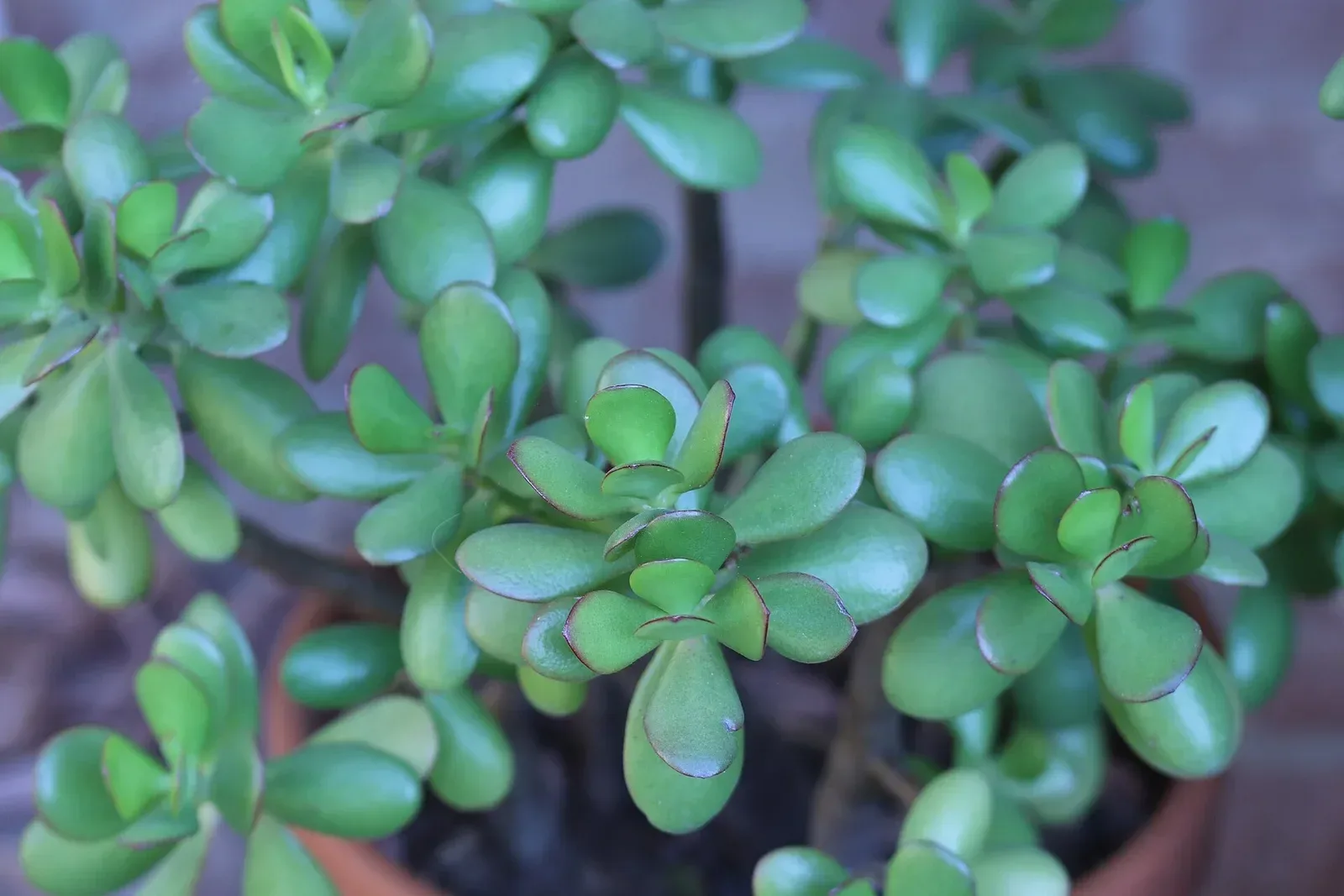
Aloe and tall jade plants are not automatic substitutes for a trailing basket. Their weight, shape and watering needs may suit a stable floor position better. See the jade balcony care guide for that alternative. A healthy plant does not need to hang simply because floor space feels limited.
Use the small-space garden layout guide to compare a narrow stand or a few well-placed pots. Keep only baskets you can inspect, lower and maintain safely. If watering has become a balancing exercise, change the layout now. The best hanging display is one that remains manageable after the plants have grown, not just on the day you install it.
Watch a related garden demonstration
This video offers a visual example. Use the plant-specific advice above for care, and obtain qualified advice for building loads and fixings. Any prices or product suggestions in the video are not current local quotes.
Watch the video on YouTube if the embedded player does not load.


Comments
No comments yet — share what worked in your climate.