
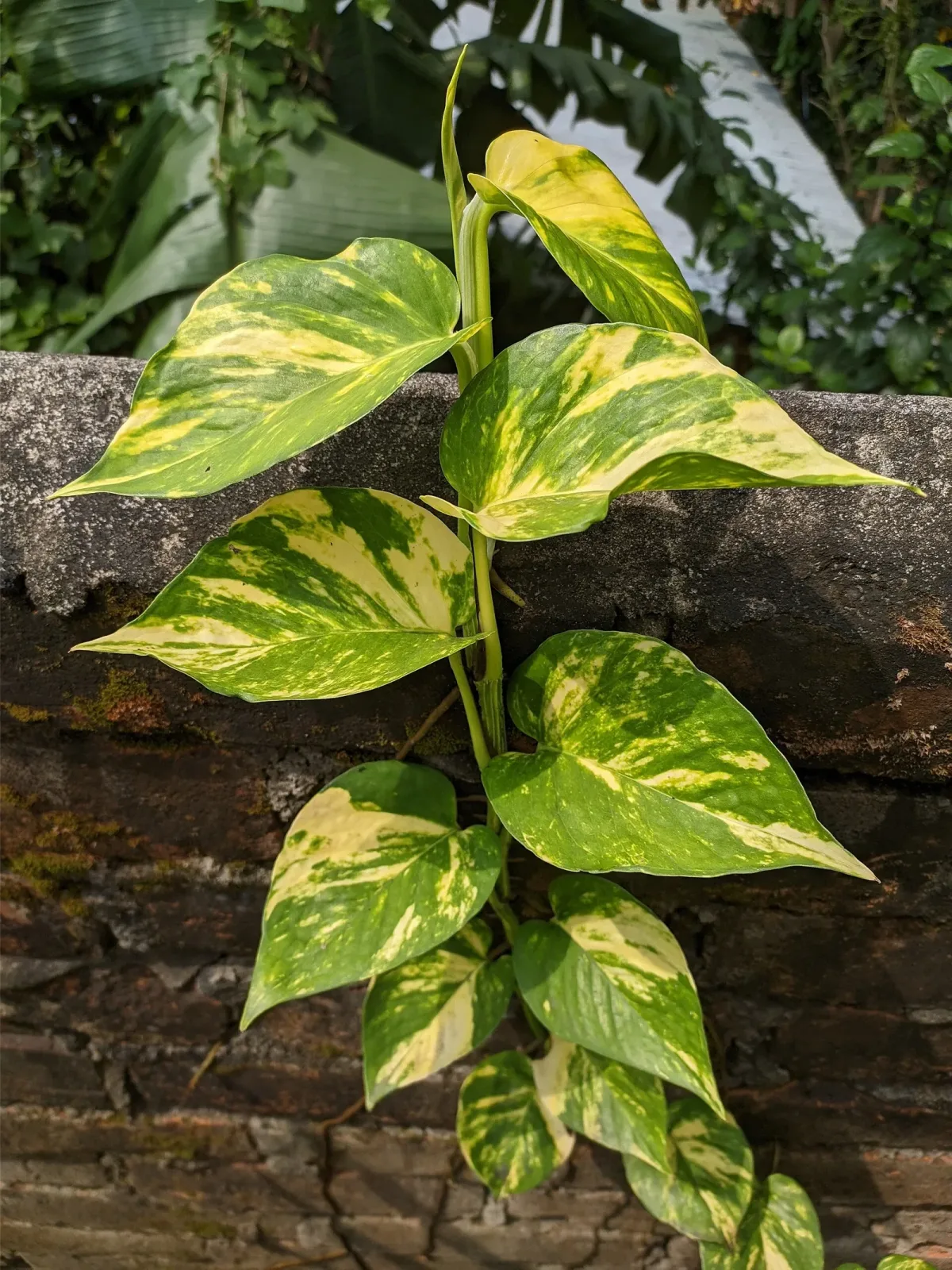
The money plant, or pothos, is in almost every Indian home. It grows fast, forgives mistakes and looks good on a shelf, a window or a balcony grill. But a lot of money plants end up with small leaves and long bare stems. Two things make the biggest difference: watering at the right time and training the vines well. This guide covers both, and also how to grow new plants from cuttings. You can also check the full money plant care profile for quick facts on light, water and soil.
When to water a money plant
The simple rule is this: water when the top 2 to 3 cm of soil is dry. Push your finger into the soil up to the first knuckle. If it feels dry, water. If it feels damp, wait a day or two and check again.
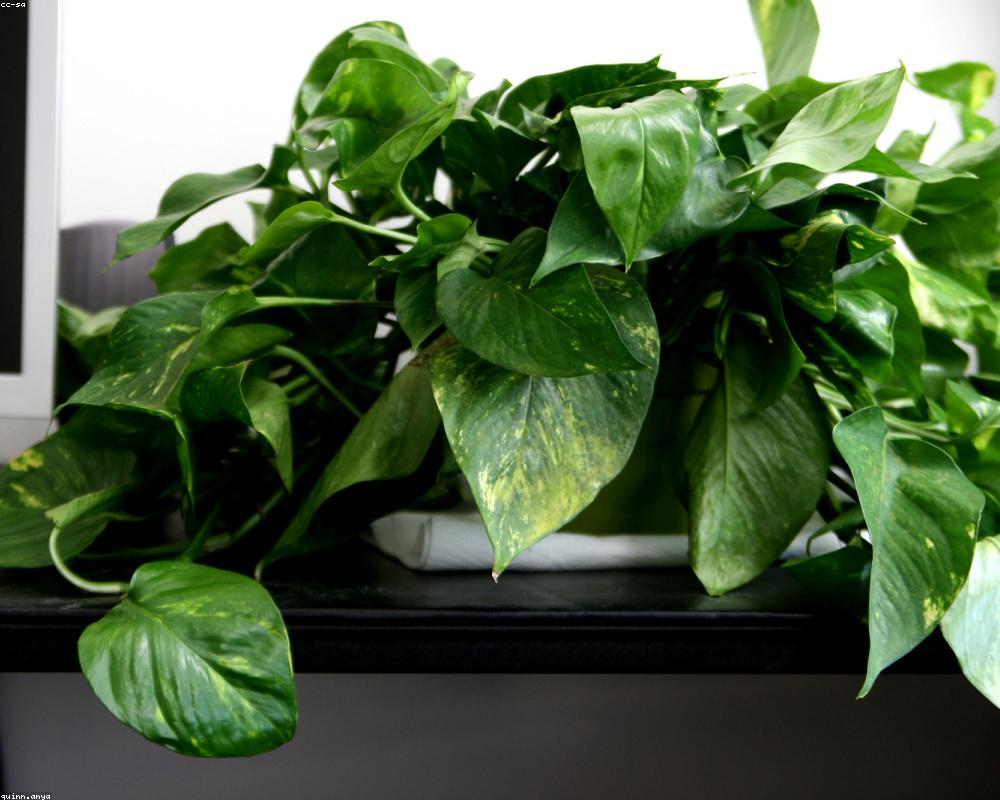
How often that happens depends on where you live and where the plant sits.
| Situation | Usual watering |
|---|---|
| Hot summer, bright balcony or window | Up to twice a week |
| AC room | Often once a week |
| Monsoon, indoors | Once in 7 to 10 days, or less |
| Winter, north India | Once in 10 to 14 days |
In May and June, when it is 40°C or more outside, a small pot on a sunny balcony can dry out in two or three days. In an AC room the soil dries more slowly, even though the air feels dry. So always check the soil, not the calendar.
How to water the right way
- Water slowly until it comes out of the drainage hole.
- Let the extra water drain away. Empty the saucer after 15 minutes.
- Water in the morning in summer, so the plant has water for the hot part of the day.
- Use water that has rested overnight if your tap water is very hard or smells of chlorine.
Signs of wrong watering
- Drooping, soft leaves with dry soil mean the plant is thirsty. It will perk up a few hours after a good drink.
- Yellow leaves with wet soil mean too much water. Let the soil dry more between waterings and check the drainage hole.
- Brown, crispy edges come from long dry spells or strong sun.
How to train money plant vines
Left alone, a money plant sends out long single vines. The leaves near the base fall off, and you get a few long strings with leaves only at the ends. Training fixes this. We also have a separate guide on fixing yellow leaves and leggy vines on a money plant.
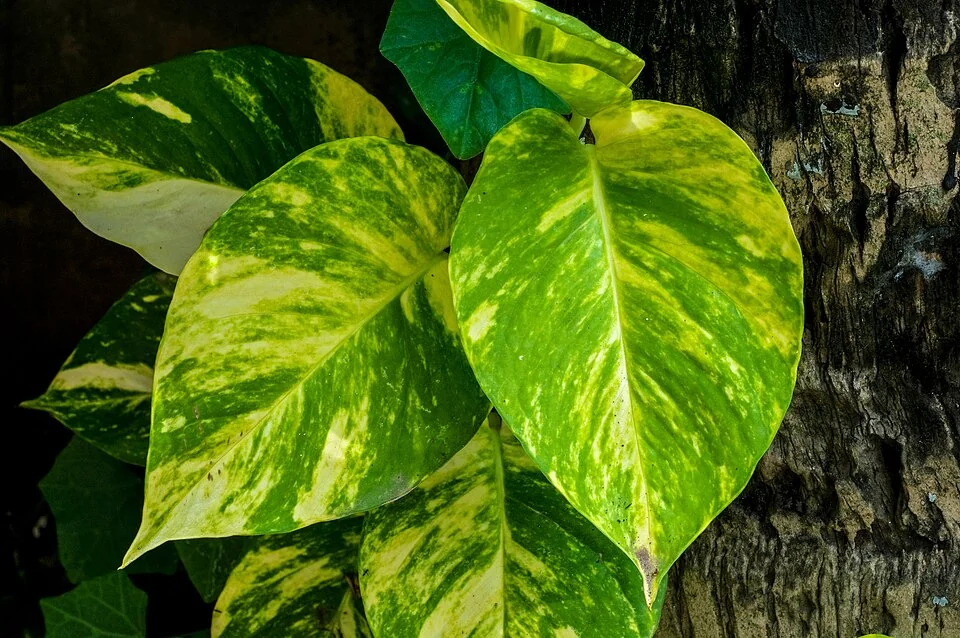
Pinch the growing tips every month
Once a month, pinch off the very tip of each long vine with your fingers or clean scissors. Cut just above a leaf. This tells the plant to send out new shoots from lower down. Over a few months you get a fuller, bushier plant instead of a few long strings.
Do not throw the tips away. Each piece with a few nodes can become a new plant. More on that below.
Use a moss pole for larger leaves
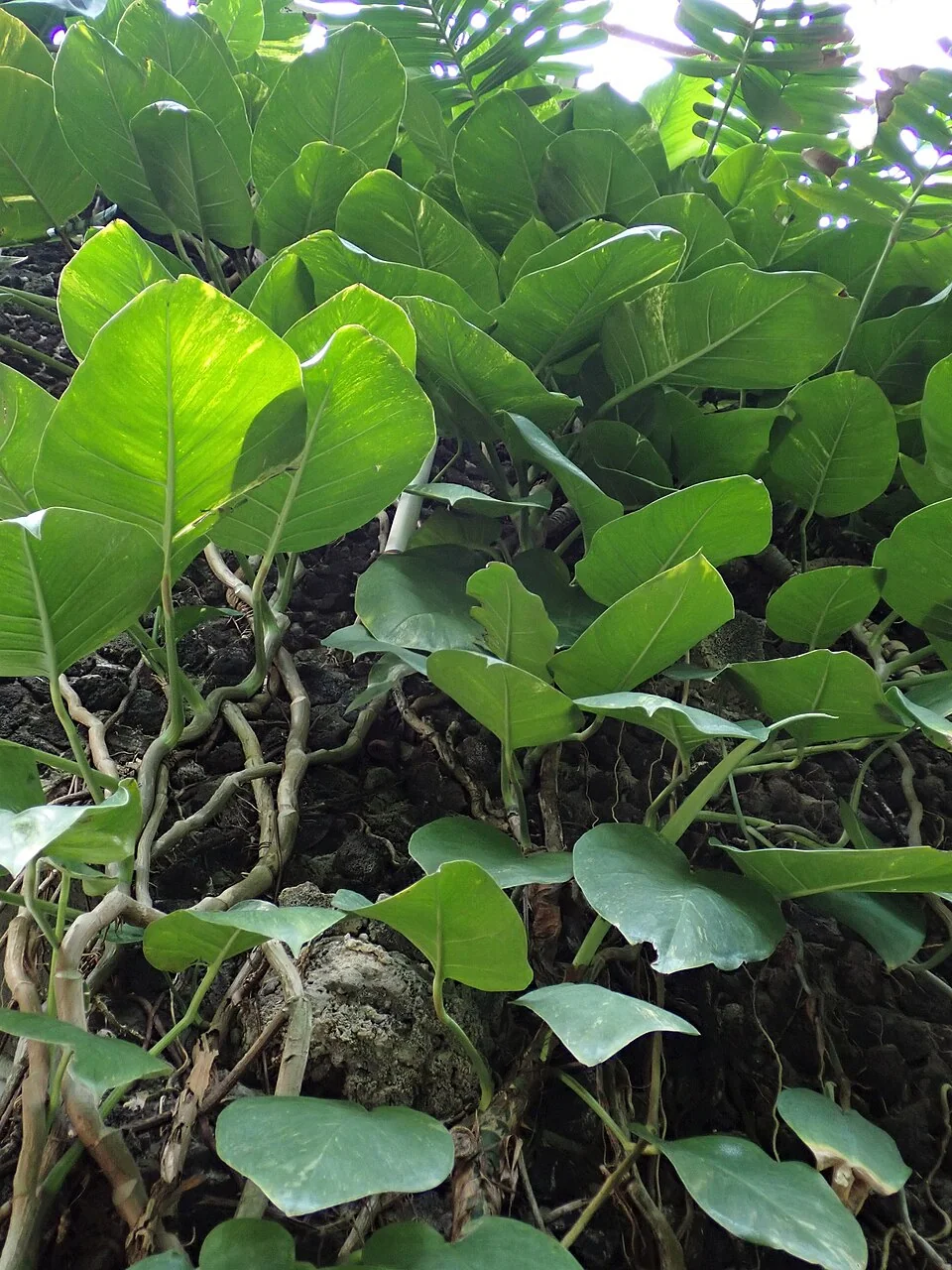
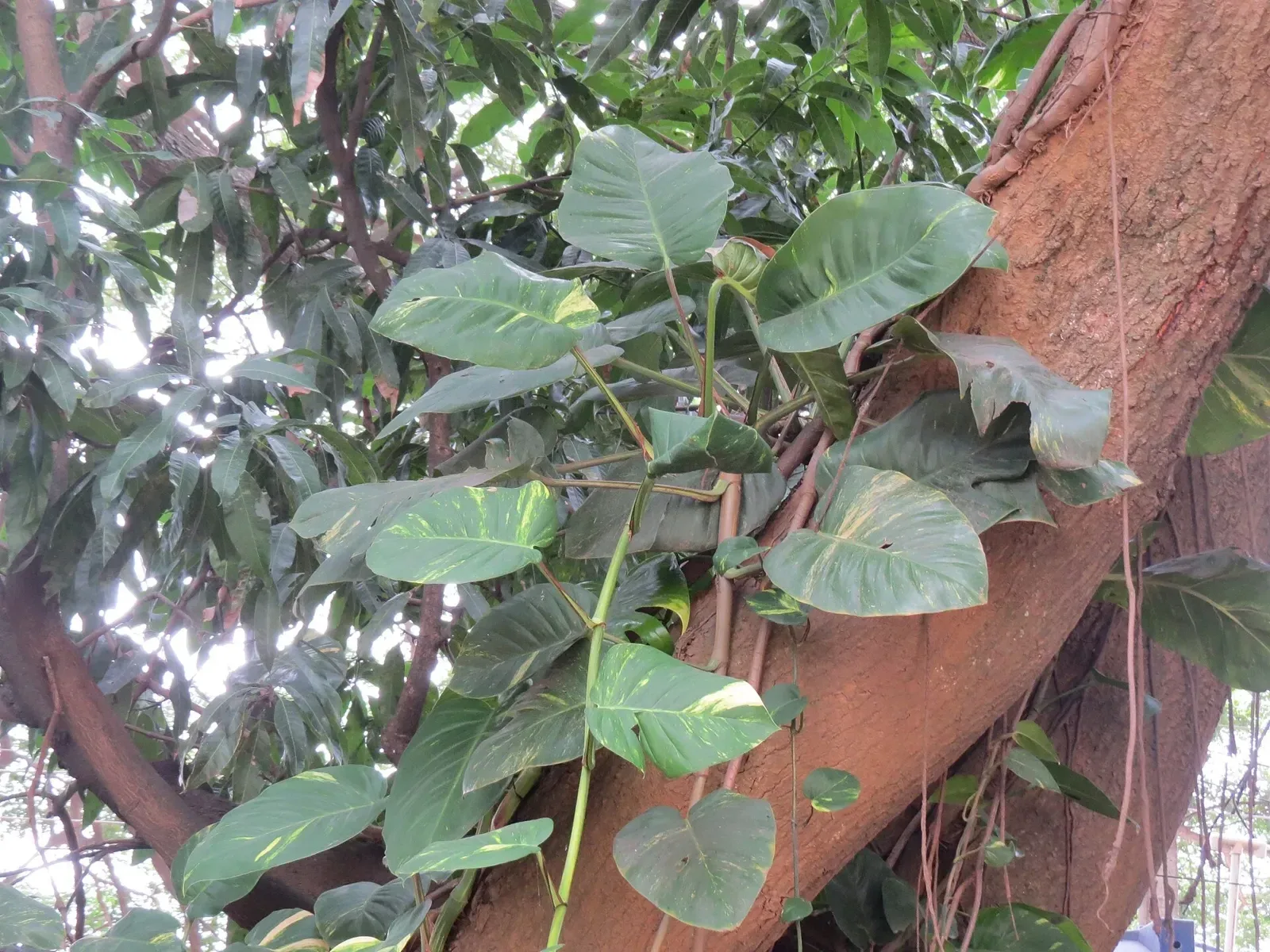
In nature, money plants climb up trees. When a vine climbs, the leaves get bigger with each new one. When it hangs down, the leaves stay small. So if you want large leaves, give the plant something to climb.
A moss pole is the best option. You can buy one, or make one with a PVC pipe or a wooden stick wrapped in sphagnum moss or coir and tied with string.
- Push the pole deep into the pot, close to the main stems, when you repot.
- Tie the vines to the pole loosely with soft string or plant clips. Do not tie tight.
- Point the small brown bumps on the stem, the aerial roots, toward the pole.
- Keep the pole lightly moist. Spray it with water every few days, more often in summer and in AC rooms. Damp moss helps the aerial roots grip and grow into it.
It takes time. After a few months the plant should be holding on by itself, and new leaves should come out larger than the old ones.
Other ways to train it
You can also train vines along a wall with small hooks, around a window frame, or on a balcony grill. These look nice but do not give the same big leaves as a moss pole, because the roots cannot grip the surface well.
Money plant propagation from cuttings
Money plants are very easy to grow from cuttings. This is also a good use for the tips you pinch off. If your money plant still looks weak after these changes, try the free plant health check to find the cause.
- Take a cutting with 3 nodes. A node is the small bump on the stem where a leaf joins. Roots grow from here.
- Remove the leaf from the lowest node.
- Put the cutting in a glass or bottle of clean water, with the bottom node under water. Keep the leaves above water.
- Keep it in bright indirect light. Change the water every 4 to 5 days so it does not smell.
- Roots appear in 1 to 3 weeks. Faster in summer, slower in winter.
- Move it to soil once the roots are 3 to 5 cm long. If you wait much longer, the roots get used to water and struggle in soil.
Plant several rooted cuttings in one pot for a fuller look. Water them a bit more often for the first two weeks while they settle in.
Light, soil and fertilizer for money plants
Money plants grow best in bright indirect light. They will live in low light, but growth is slow and leaves stay small. Avoid strong noon sun, which burns the leaves. Monstera is a cousin of the money plant and also loves a pole, as explained in our monstera moss pole guide.
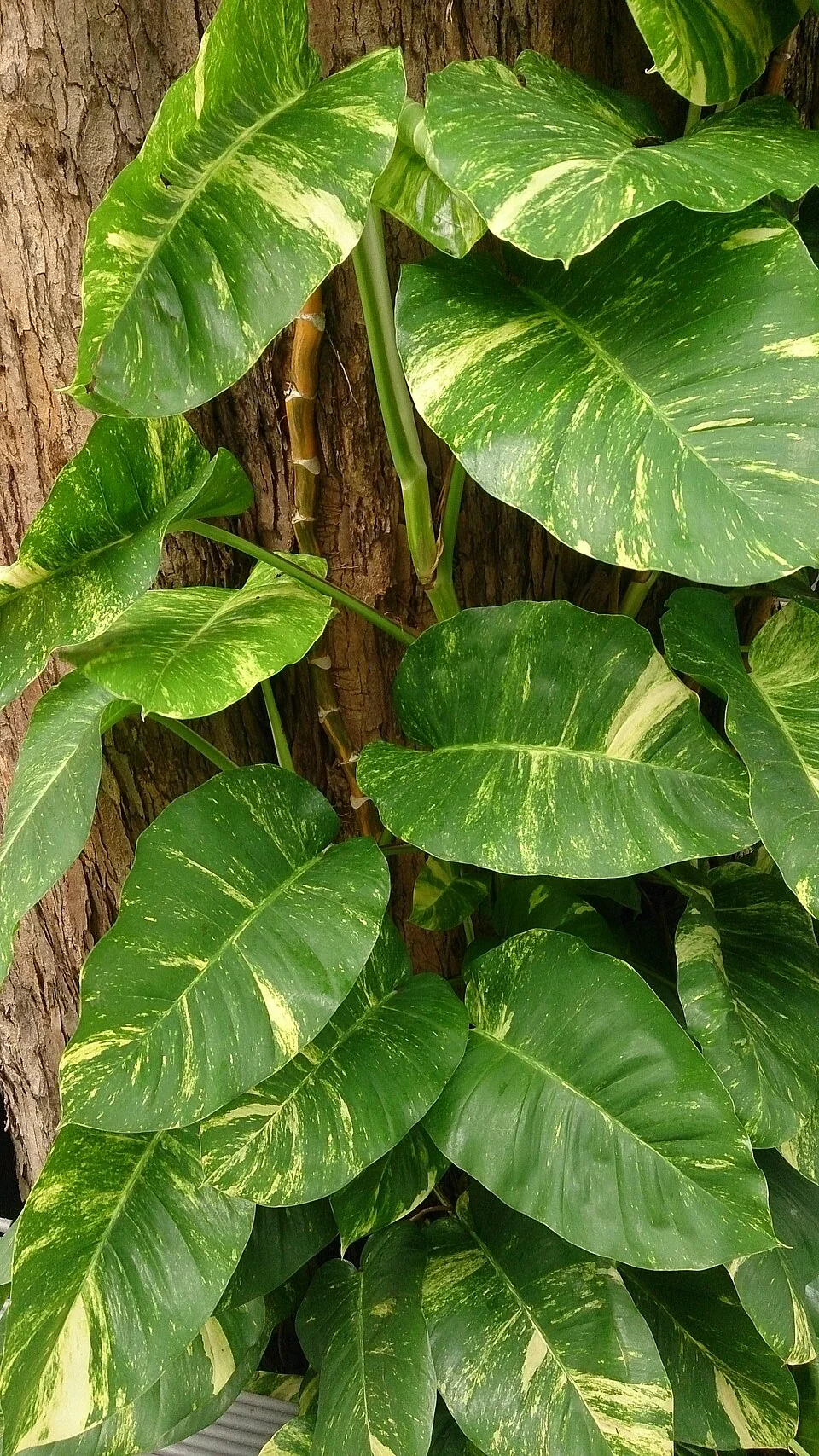
Use a light, airy mix: potting soil with some cocopeat and perlite. Feed with half-strength liquid fertilizer once a month from March to September. A spoon of vermicompost on top in spring also works. Skip feeding in winter.
Check the soil, pinch the tips every month and give it a moist pole to climb. With these simple habits your money plant will grow full and leafy.
Comments
No comments yet — share what worked in your climate.