
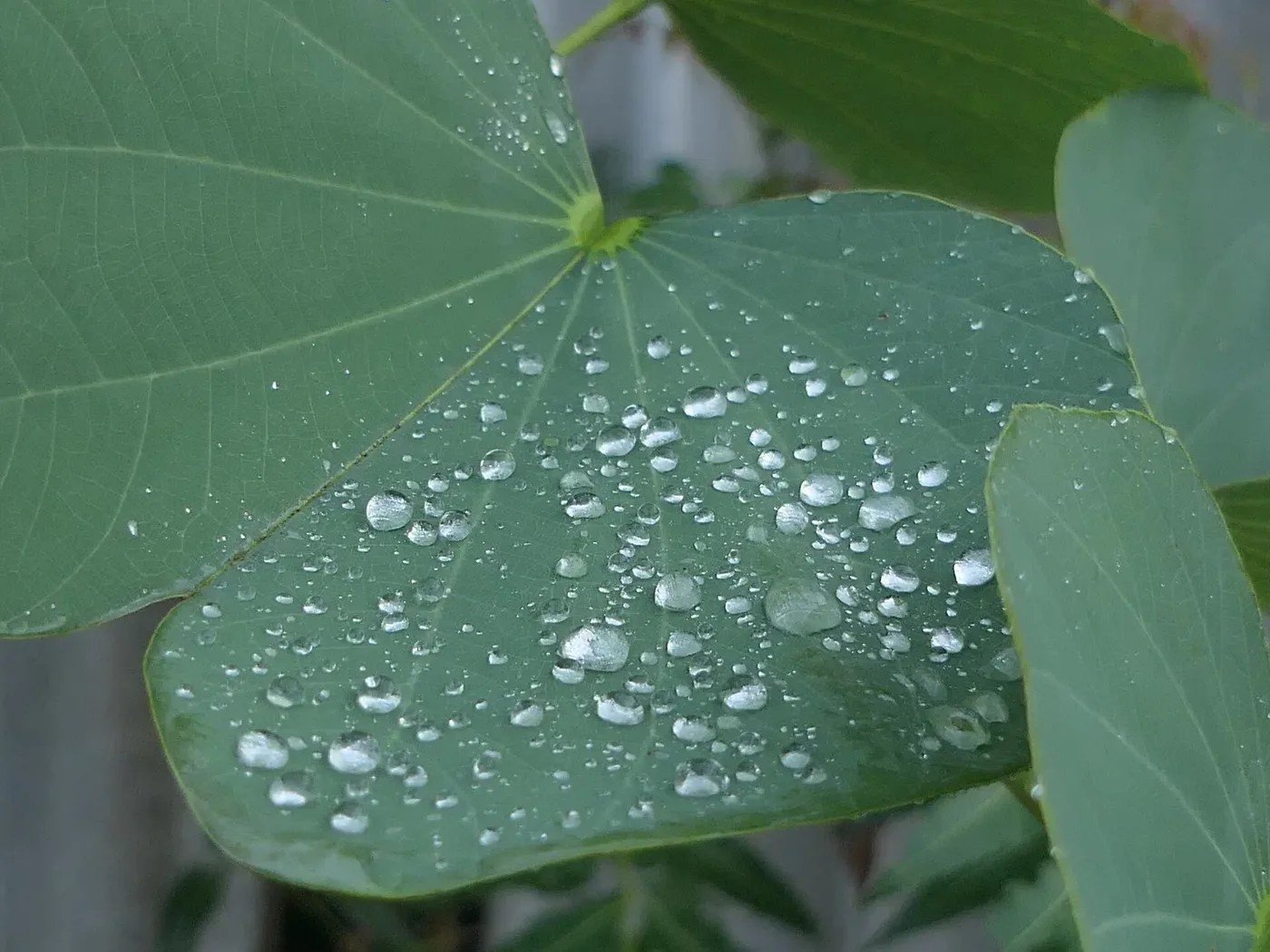
The monsoon is the season when most indoor plants in India die, and it is rarely from lack of water. The air turns heavy, the sky stays grey for days, and the soil in a pot that dried in two days in May now stays wet for a week. If you keep the summer watering habit, roots sit in soggy mix, rot sets in, and the first sign you see is yellow leaves or a mushy stem.
This guide is part of our indoor plants for Indian homes series. Below is the simple routine I follow from the first heavy shower in June till the rains pull back in September, and again in October to December if you live in Tamil Nadu or coastal Andhra, where the northeast monsoon brings the main rain.
What the monsoon changes for a potted plant
Three things change at once, and each one pushes the soil to stay wet longer.
- Humidity often stays above 80 percent, so water leaves the leaves and soil very slowly.
- Cloud cover cuts the light. A plant that needs bright indirect light now gets half of it, so it drinks less.
- Temperatures drop a few degrees after rain, which again slows water use.
Put together, a pot can need water only half as often as it did in summer. The plant has not changed. The weather has.
How to water indoor plants in the rainy season
Stop watering on a fixed day. Check the soil every time before you pour.
The finger and stick test
Push one finger about 5 cm into the soil. If it feels damp or cool, do not water. For deeper pots, push a wooden chopstick or ice cream stick to the bottom, leave it for a minute and pull it out. Dark, wet wood or soil stuck to it means the lower roots still have water. Water only when the stick comes out almost clean. Our full method is in how often to water indoor plants.
Rough monsoon gaps for common plants
- Snake plant, ZZ plant, jade and aloe: often once in 2 to 4 weeks. Many need almost nothing in July.
- Money plant, syngonium, rubber plant: once in 7 to 12 days, after the top half dries.
- Peace lily and ferns: still the thirstiest, but check every 4 to 5 days instead of watering daily.
These are starting points, not rules. A pot near an open window in Mumbai behaves very differently from one in an AC bedroom in Delhi.
Water in the morning
If a plant does need water, give it in the morning so the top of the soil and any splashed leaves can dry during the day. Water that sits on leaves through a humid night invites leaf spot.
Fix drainage before the heavy rains
Good drainage matters more in July than in any other month. A pot that drains slowly in summer will drown in the monsoon.
- Every pot needs at least one open hole. Poke the hole with a stick if old roots or soil have blocked it.
- Empty saucers and decorative covers within an hour of watering. Standing water under a pot is the most common cause of root rot I see in rainy months.
- Lift pots on two small bricks, pot feet or an upturned lid so the hole is not pressed flat against the tray.
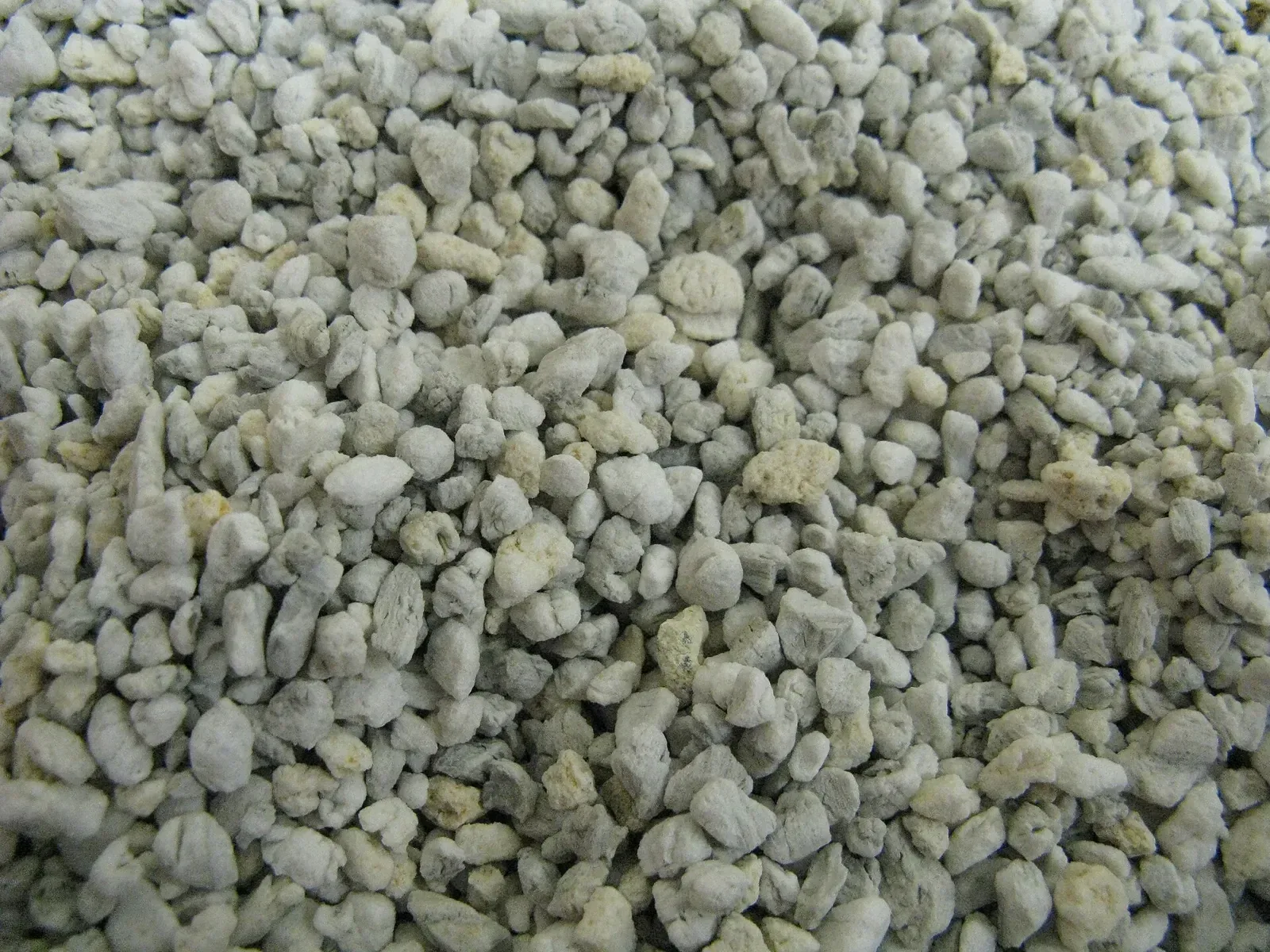
- If the mix has turned hard and sticky, repot in a lighter mix with more cocopeat, perlite or coarse sand. The ratios are in potting mix for indoor plants.
Balcony and window plants in direct rain
Plants on an open balcony or window grill get a second problem: rain pours straight into the pot. A day or two of rain is fine for most tropical plants. A week of non-stop rain is not.
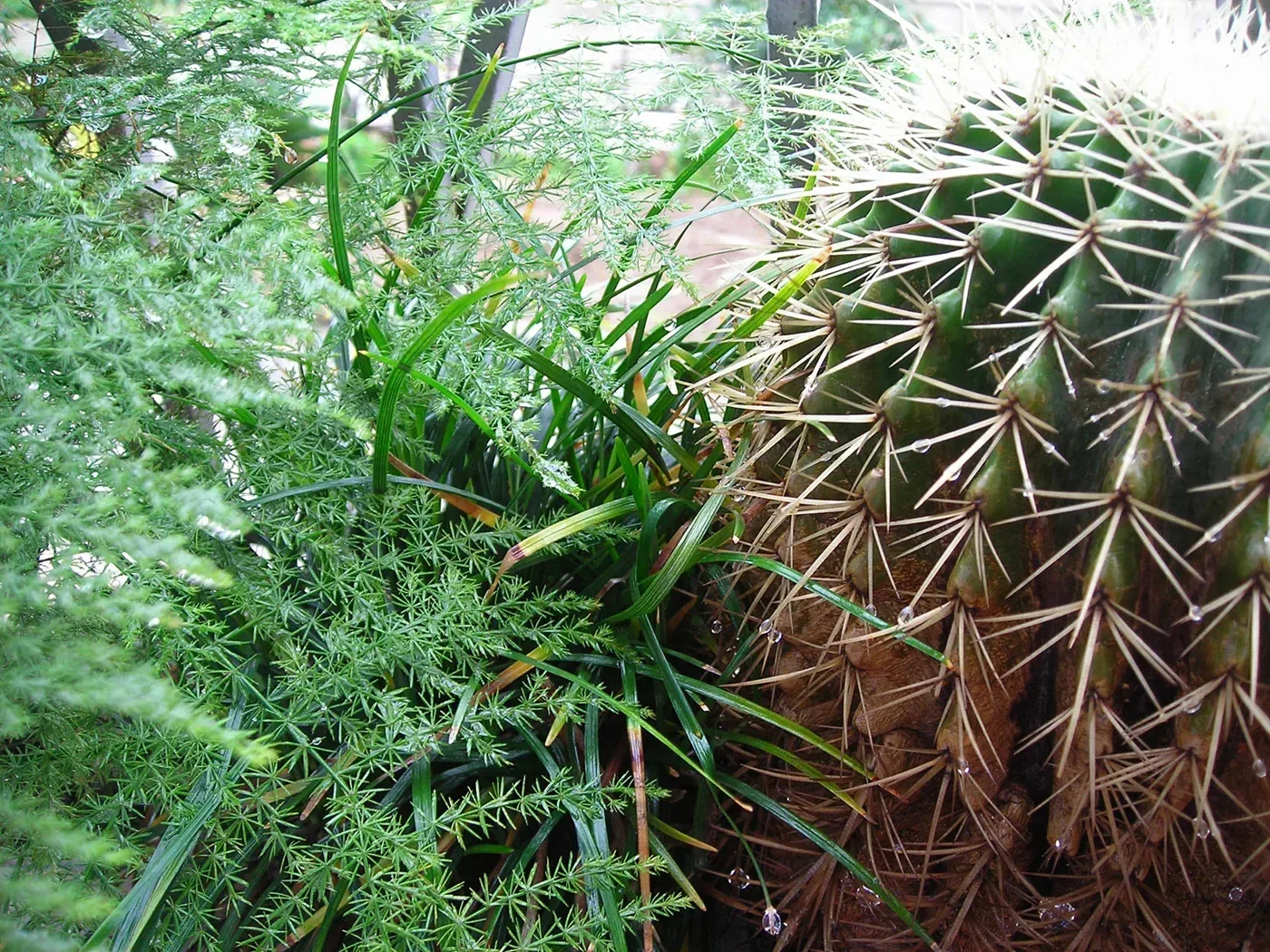
Move succulents, cactus, adenium and jade under a roof or ledge as soon as the heavy spell starts. These store water in their stems and leaves and rot fast when the soil stays soaked. Tulsi also sulks in constant rain, so keep it where the pot gets morning sun but not a direct downpour. If you cannot move a large pot, tilt it slightly with a brick under one side after a heavy shower so extra water runs out faster.
For jade owners, our jade plant root rot in monsoon guide shows what to do if the stem has already gone soft.
Light on grey, cloudy days
Low light plus wet soil is the worst pair. During long cloudy spells, bring plants a step closer to the brightest window. A plant that sat 2 metres back can now sit right next to the glass, since the sun is not strong enough to burn leaves. Wipe dust off leaves with a damp cloth so they can use what light there is.
Plants already in dim corners need extra care in these months. Pick the ones that handle low light from our list of indoor plants that grow without sunlight, and water them even less than usual.
Pests and fungus that show up in the rains
Fungus gnats
Small black flies walking on wet soil or flying up when you water are fungus gnats. The adults are harmless, but their larvae live in damp soil and feed on fine roots. They are a sign the mix is staying too wet.
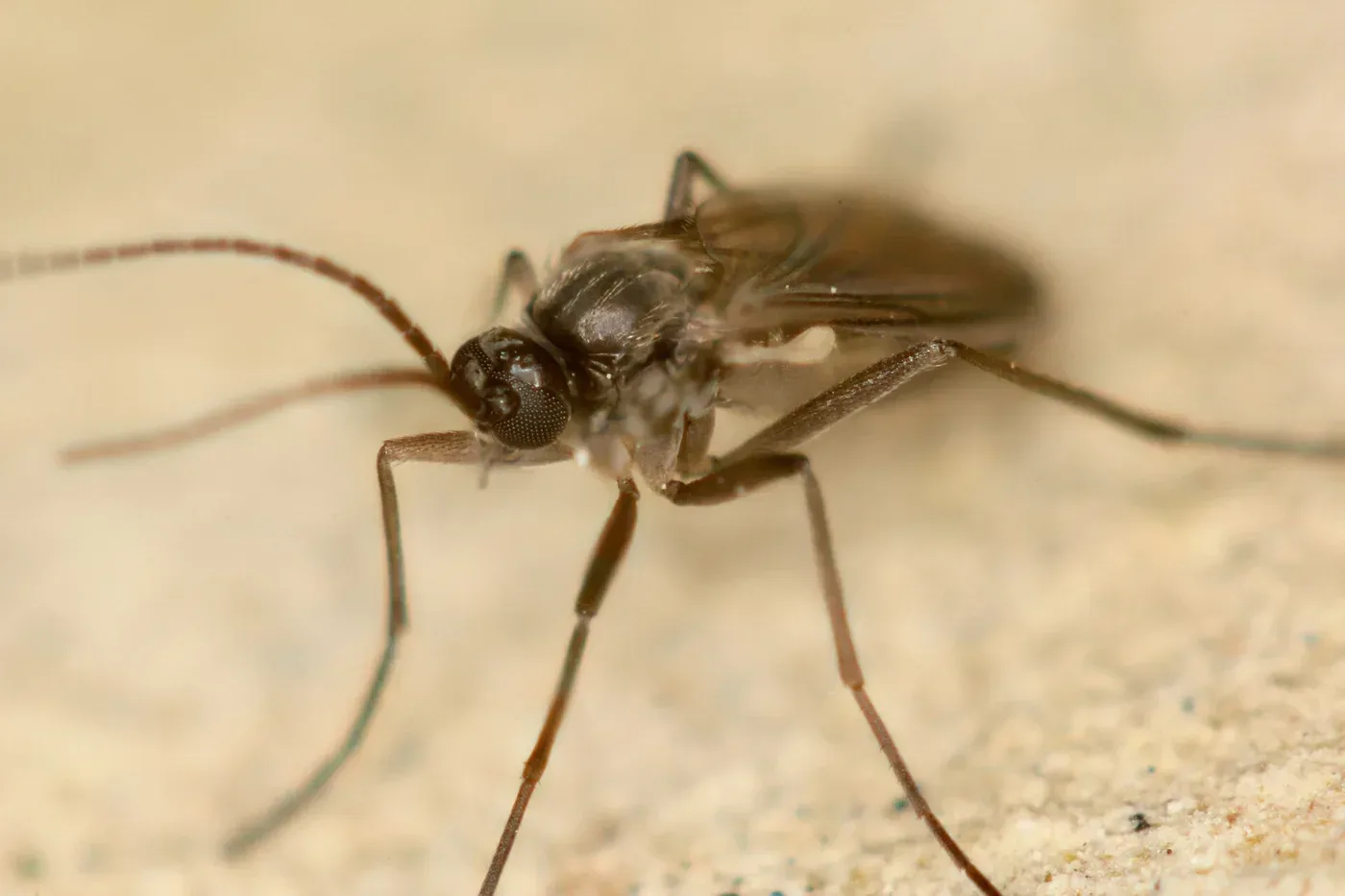
Let the top 3 to 5 cm of soil dry fully between waterings. Yellow sticky traps near the pot catch adults. Spread a thin layer of dry sand on top of the soil so females cannot lay eggs. Most cases clear in two to three weeks once watering is under control.
White fungus on the soil
A fluffy white layer on top of the soil is usually a harmless mould feeding on organic matter. Scrape it off, loosen the top soil with a fork, and give the pot more air and light. Sprinkle a pinch of cinnamon powder on the surface if it keeps coming back.
Mealybugs, snails and slugs
Mealybugs multiply quickly in warm, still air. Check the leaf joints and the underside of leaves once a week. Wipe them off with cotton dipped in a little rubbing alcohol, or spray a mild neem oil mix in the evening. On balconies, pick snails and slugs off at night with a torch and check under pots.
Root rot: how to spot it early
Root rot is the main monsoon killer. Watch for these signs:
- Leaves droop even though the soil is wet.
- Lower leaves turn yellow and soft, not dry and crisp.
- The base of the stem feels soft or turns dark.
- The soil smells sour or like a drain.
If you see two or more of these, slide the plant out of the pot. Healthy roots are firm and white or light brown. Rotten roots are brown or black, mushy, and peel away when you pull them gently. Cut all rotten roots with clean scissors, let the root ball air dry in shade for a few hours, and repot in fresh, dry mix. Do not water for three to five days. ZZ owners can follow our ZZ plant rhizome rot recovery steps, and aloe owners can check aloe vera soft leaves and rot.
If yellow leaves are your main worry, our guide on why indoor plant leaves turn yellow helps you separate rain damage from other causes.
Feeding and repotting in the monsoon
Cut fertilizer to half strength or skip it in the wettest weeks. Plants that are barely drinking cannot use extra food, and unused salts build up in damp soil. Start regular feeding again when the sun returns and you see new leaves. The doses are in our guide to fertilizer for indoor plants at home.
Avoid big repotting jobs in the middle of heavy rain unless the plant has root rot. Fresh soil dries slowly in humid air, and a disturbed root system can rot. Early monsoon, just before the rains settle, or September, as they ease, are better times.
Air movement and spacing
Still, damp air is what fungus likes. Keep a little space between pots so leaves do not touch. Open windows for an hour when it is not raining. A ceiling fan on low for part of the day helps leaves and soil dry. Do not mist plants in the monsoon. The air already has all the moisture they need.
A weekly monsoon checklist
- Check soil with a finger or stick before every watering.
- Empty every saucer and cover.
- Look under leaves and at joints for mealybugs.
- Remove yellow or rotting leaves and fallen debris from the soil.
- Move pots closer to light on cloudy days.
- Shift succulents and cactus out of direct rain.
Common monsoon mistakes
- Watering daily out of habit because it was hot last month.
- Leaving pots in plastic covers with no hole, where water collects unseen.
- Misting leaves when humidity is already very high.
- Feeding a weak, waterlogged plant hoping it will recover.
- Putting every balcony plant out in the first heavy rain "to get natural water".
Watch: protecting potted plants when the rains come
This short video from a tropical home grower shows how he lifts pots, checks drainage after an all night rain, and moves rain sensitive plants under cover. The same steps work on an Indian balcony.
Comments
No comments yet — share what worked in your climate.