
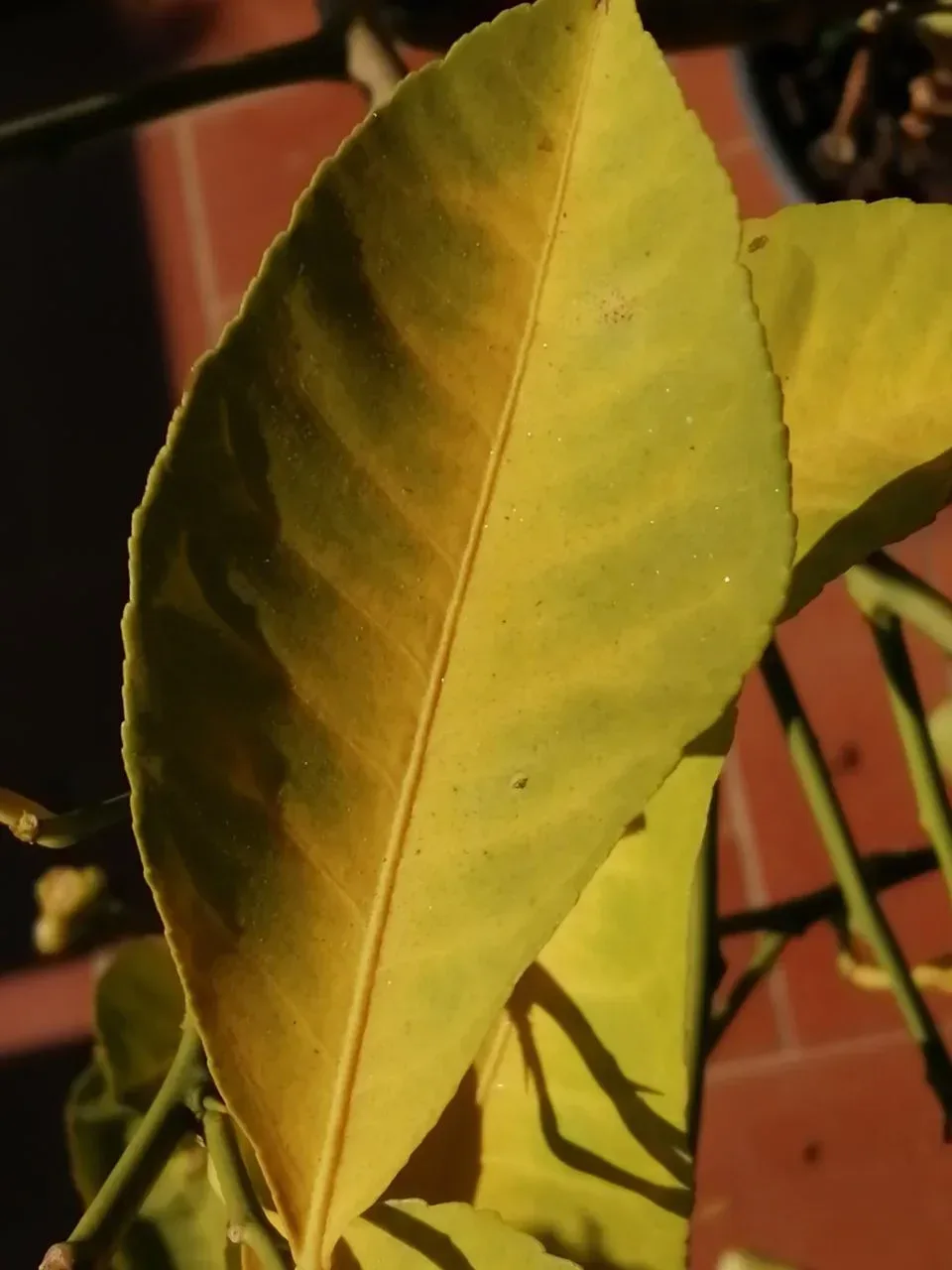
A yellow leaf is a plant's way of telling you something changed. It is not a disease on its own. Most of the time the cause is water, either too much or too little, followed by light. Before you reach for fertilizer or spray, look at which leaves are turning yellow, how fast, and what the soil feels like. Those three clues solve most cases.
This guide belongs to our indoor plants for Indian homes series. It covers the common causes I see in Indian homes, how to tell them apart, and what to do for each one.
First, read the pattern
Where the yellow shows up tells you a lot.
- Only one or two old leaves at the bottom, with new leaves healthy: usually normal ageing.
- Many lower leaves at once, soft and limp, with wet soil: overwatering or root rot.
- Leaves yellow and crisp at the edges, soil dry and pulling away from the pot: underwatering.
- Pale yellow all over, slow growth: hunger, usually for nitrogen, or too little light.
- New leaves yellow with green veins: lack of iron or magnesium, often linked to hard water or old soil.
- Yellow patches on the side facing the window: sunburn.
- Yellow speckles with fine webbing or sticky spots: pests.
1. Overwatering, the most common cause
Roots need air as much as water. When the soil stays wet all the time, roots cannot breathe, they start to rot, and the plant cannot take up water even though it is standing in it. Leaves turn soft yellow, often starting low on the plant, and may droop.
How to fix it
- Stop watering until the top 5 cm of soil is dry. For bigger pots, check deeper with a wooden stick.
- Empty the saucer or decorative pot cover after every watering.
- Make sure the pot has an open drainage hole.
- If the soil smells sour or the stem base is soft, take the plant out and check the roots. Cut off brown, mushy roots and repot in fresh, airy mix.
Our guide on how often to water indoor plants explains a simple watering habit that stops this from coming back. In the rainy months, follow the extra steps in indoor plant care in monsoon.
2. Underwatering and dry AC air
When a plant goes too long without water, it drops older leaves to save the rest. These leaves usually turn yellow and then dry and crisp, often from the tip or edge. The soil feels hard and may shrink from the pot wall. In north Indian summers, a small pot near a sunny window can dry out in two days.
How to fix it
Water slowly until water runs out of the bottom hole. If the soil is so dry that water runs straight down the sides, stand the pot in a bucket of water for 20 to 30 minutes, then let it drain. Move small pots away from AC vents and hot window glass. Do not mist to make up for missed watering. It does very little.
3. Too little light
A plant in a dim corner cannot make enough food to support all its leaves, so it lets the lowest ones go. You will see slow yellowing on older leaves, long gaps between new leaves and stems leaning towards the window. Low light also means the soil dries slowly, which makes overwatering more likely.
Move the plant closer to a bright window where it gets indirect light for most of the day. If the room is truly dark, choose plants that cope from our list of indoor plants that grow without sunlight, and water them less.
4. Normal ageing of old leaves
Every plant sheds old leaves. If one leaf at the bottom turns fully yellow every few weeks while the top keeps putting out healthy new growth, nothing is wrong. Money plant, rubber plant, peace lily and monstera all do this.
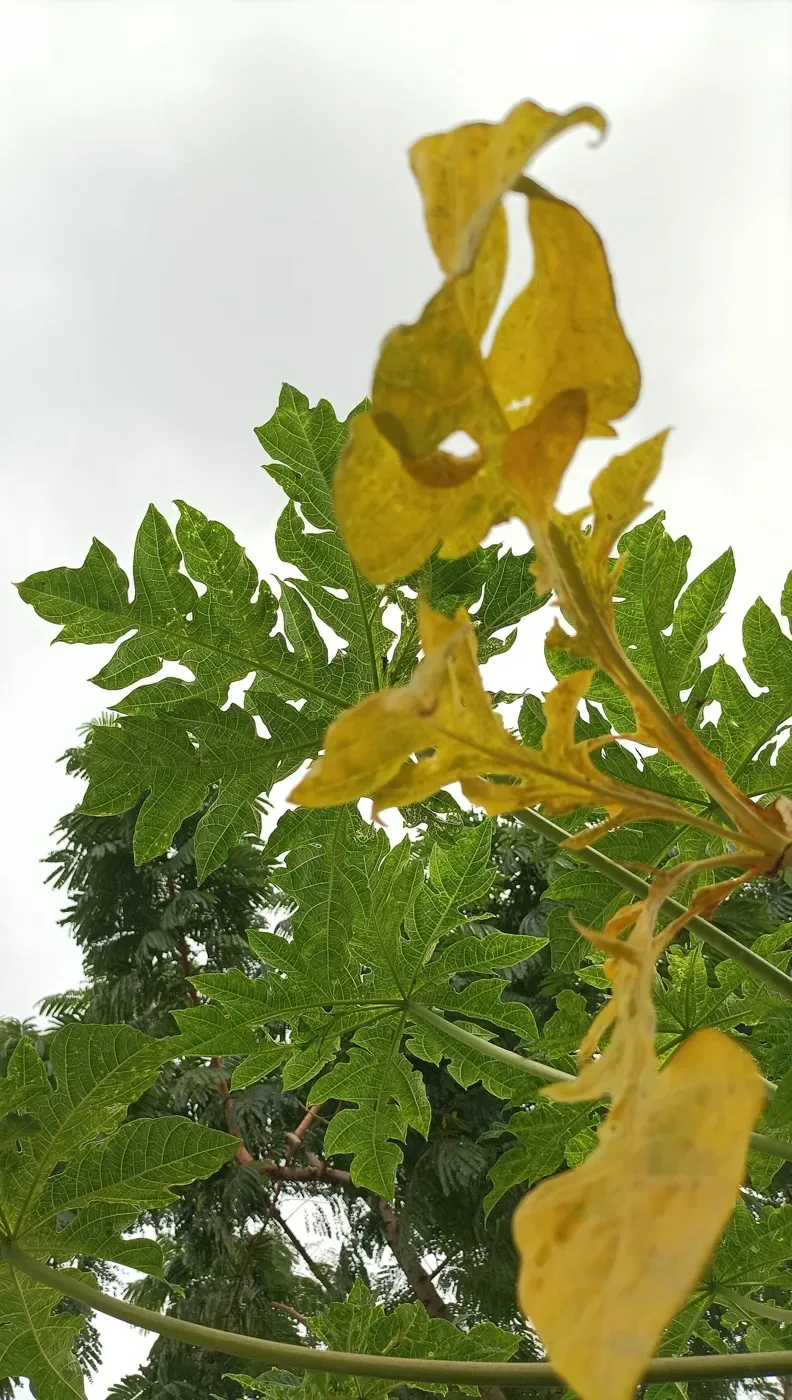
Wait until the leaf is fully yellow, then cut it off near the stem with clean scissors. Pulling half green leaves can tear the stem.
5. Hunger and nutrient problems
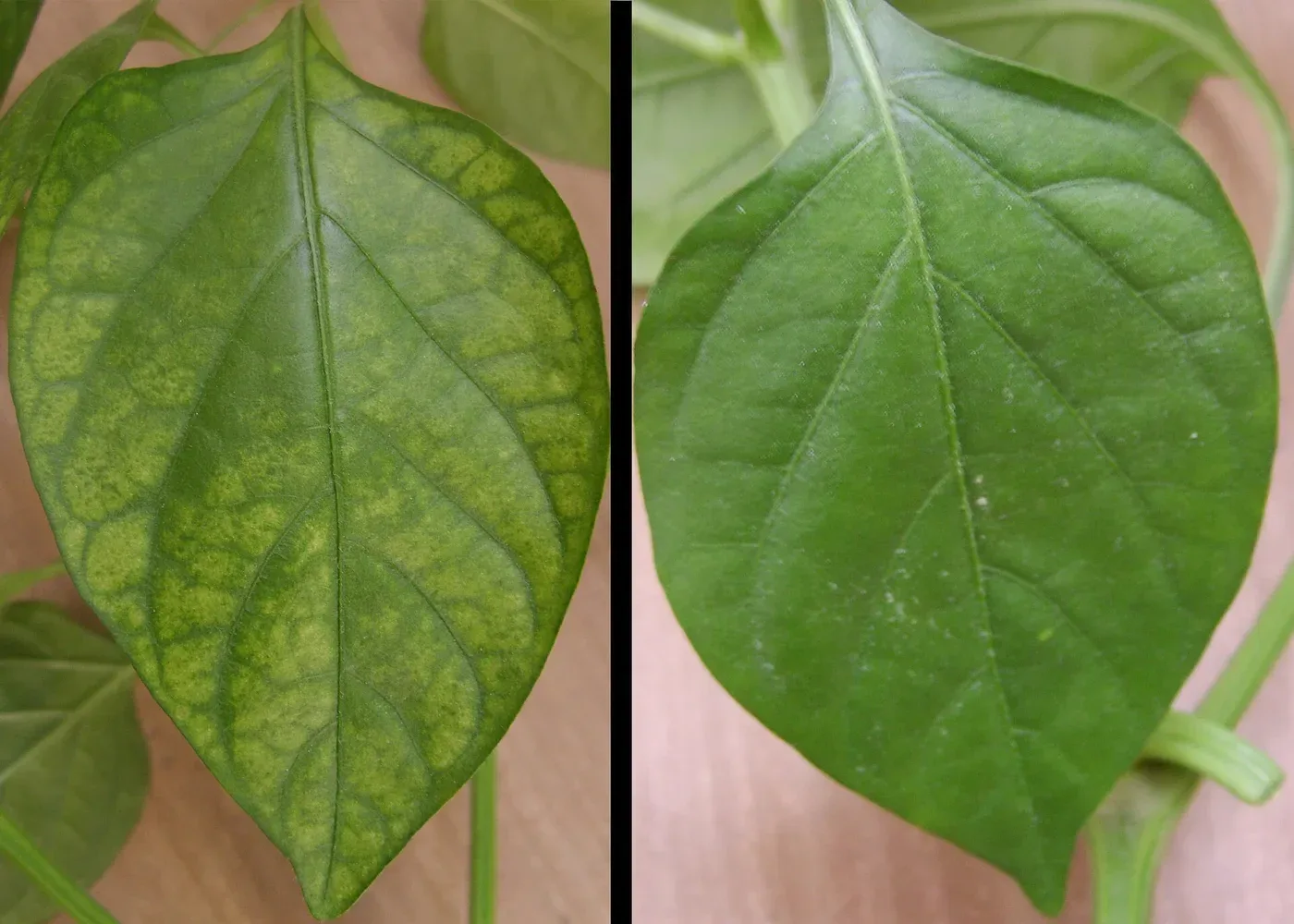
Plants that have been in the same soil for two or more years slowly run out of food. Lack of nitrogen shows as pale, even yellowing that starts on older leaves. Lack of iron or magnesium shows on younger leaves as yellow between the veins while the veins stay green.
How to fix it
- Feed with a balanced liquid fertilizer at half strength once a month in the growing season, from about February to October in most of India.
- Mix a handful of vermicompost into the top soil every two to three months.
- For yellow between veins, a diluted micronutrient spray or a small dose of Epsom salt (about 1 teaspoon in 1 litre of water, once a month) helps if magnesium is the cause.
- Repot into fresh mix if the old soil is hard and compacted.
Doses and safe homemade options are in fertilizer for indoor plants at home. Do not overdo it. Too much fertilizer burns roots and causes yellow leaf edges too.
6. Hard tap water and salt build-up
Borewell and hard tap water in many Indian cities carry a lot of salts. Over months, these collect in the soil, raise its pH and block the plant from taking up iron. You may see a white crust on the soil or the pot rim, and new leaves come out pale.
Every two to three months, flush the pot by running clean water through it for a minute so salts wash out of the bottom. Use stored rainwater, RO reject water mixed half and half with tap water, or water left out overnight in a bucket where you can.
7. Sudden changes and shock
A plant brought home from the nursery, moved to a new room or repotted often drops a few yellow leaves within two weeks. It is adjusting to new light and water. Cold AC drafts and hot air from a cooler or heater do the same.
Keep the plant in one good spot, water only when needed and wait. Do not repot, feed and move it all in the same week. Rubber plants are famous for this, as our rubber plant leaf drop and shock guide explains.
8. Too much direct sun
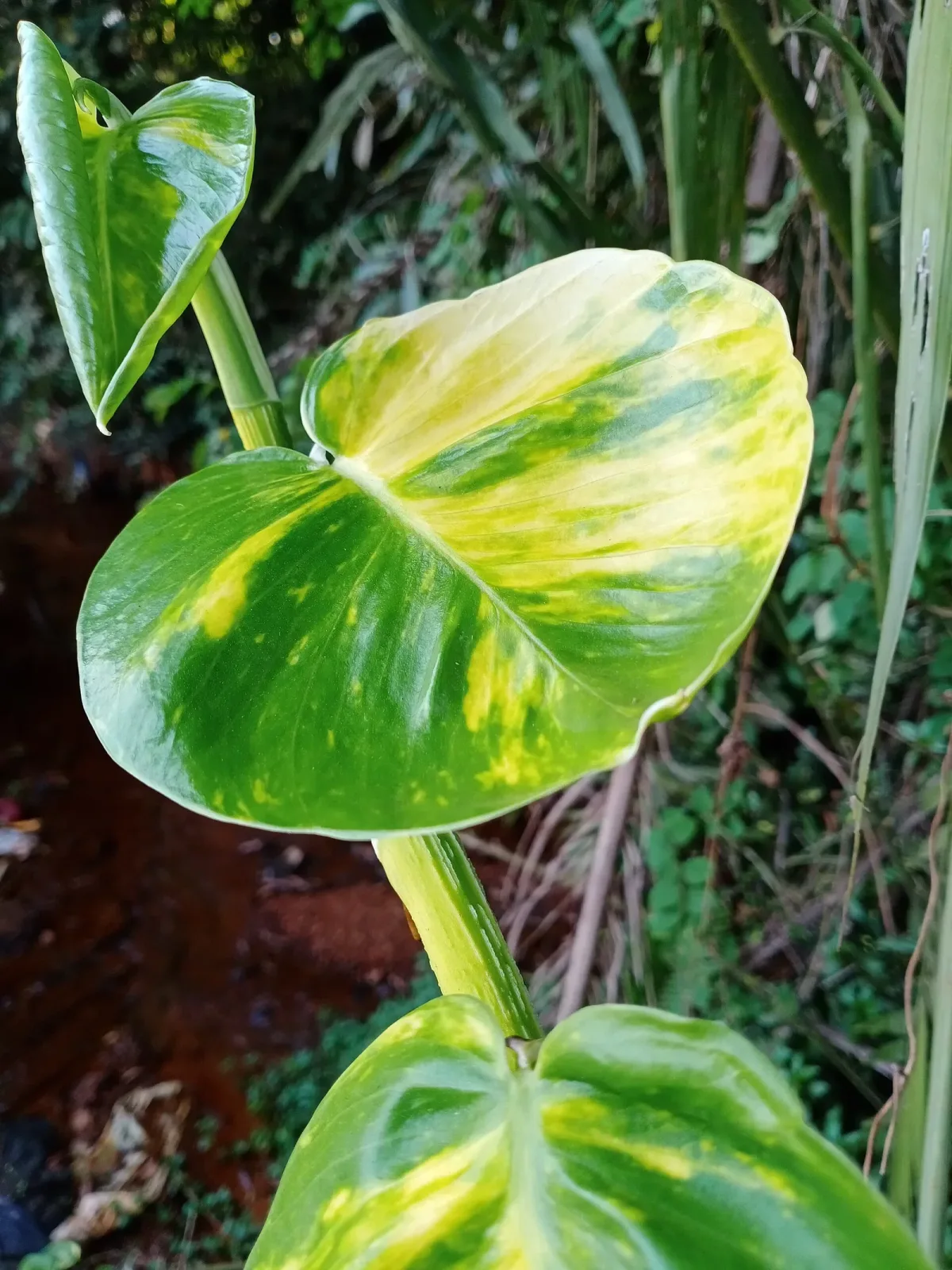
Shade loving plants such as peace lily, syngonium and money plant can bleach yellow or get pale patches when placed in hot afternoon sun through glass. The yellow shows on the leaves facing the light. Move them back a metre from the window or put a sheer curtain in between.
9. Pests
Spider mites, mealybugs and thrips suck sap from leaves, leaving yellow speckles or patches. Turn the leaf over and look closely. Fine webs mean spider mites. White cottony spots mean mealybugs. Wipe leaves with a damp cloth, isolate the plant and spray neem oil in the evening once a week for three weeks. Monstera owners can see our monstera yellow leaves and thrips guide for close-up signs.
Yellow leaves on popular plants
- Money plant: usually overwatering or low light. See money plant yellow leaves and leggy vines.
- Snake plant: almost always too much water. See snake plant yellow leaves fix.
- Peace lily: one old leaf at a time is normal. Many at once means water or light trouble. See peace lily brown tips and no flowers.
- ZZ plant: soft yellow stems point to rhizome rot. Water far less.
Should you cut yellow leaves?
A leaf that has turned fully yellow will not turn green again. Once it is mostly yellow, cut it off. It looks better, and it removes a spot where fungus can start. Leaves that are only slightly pale can stay while you fix the cause. If the cause was light or food, they may regain some colour.
Common mistakes
- Watering more as soon as a leaf yellows. Most yellow leaves come from too much water, not too little.
- Adding fertilizer to a plant with wet, rotting roots.
- Changing water, light, pot and food all at once, so you never learn what worked.
- Keeping plants in pots with no drainage hole.
Watch: common reasons for yellow houseplant leaves
This video from Balcony Garden Web walks through the main causes of yellow leaves one by one, with simple fixes for each. It is a good quick check once you have read the pattern on your own plant.
Comments
No comments yet — share what worked in your climate.