
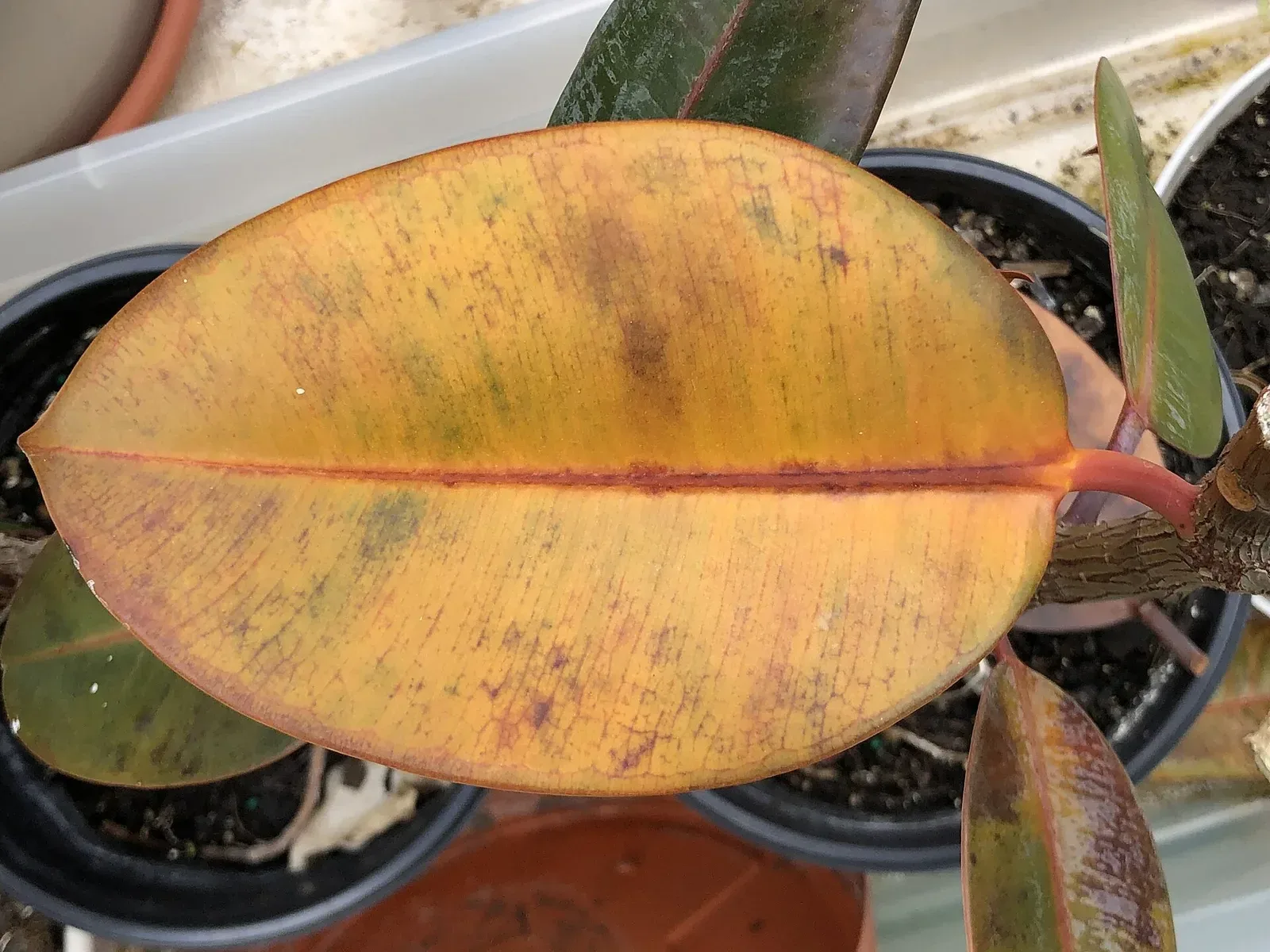
You bring home a healthy rubber plant, or move it to a new corner. A week later, leaves start falling. Sometimes they turn yellow first. Sometimes perfectly green leaves just drop. It looks alarming, but in most cases the plant is not dying. It is in shock. Rubber plants dislike sudden change, and dropping leaves is how they react. This guide explains the common triggers and how to help the plant settle and grow back. You can also check the full rubber plant care profile for quick facts on light, water and soil.
Why rubber plants drop leaves
Most leaf drop comes from one of four things.
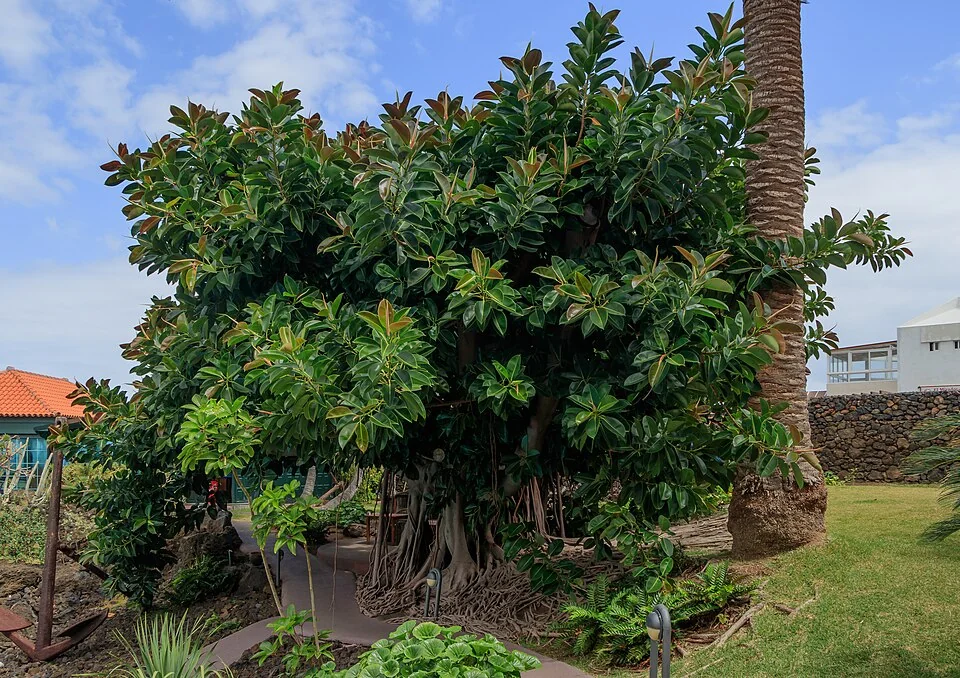
1. Moved location
This is the most common cause. A move from a bright nursery to a darker home, from one room to another, or from a balcony to indoors changes the light the plant gets. The plant cannot support all its leaves in the new light, so it drops some.
2. Cold draft
Rubber plants like steady warmth, ideally between 18 and 30°C. A blast of cold air shocks them. In Indian homes this usually means an AC vent blowing on the plant, or an open window on a cold winter night in north India, when temperatures can drop below 10°C.
3. Overwatering
Soil that stays wet causes roots to struggle and rot. The plant then drops leaves, often the lower ones first, and they may turn yellow before falling. This is common in the monsoon and in pots without drainage.
4. Underwatering after a dry spell
If the plant has been left dry for too long, for example when you were away during a hot week in May, it may drop leaves to save water. Leaves often droop and curl first, then fall.
Quick check
| What happened | Likely trigger | What to check |
|---|---|---|
| Recently bought or moved | Change in light | Is the new spot darker? |
| Near an AC or window | Cold draft | Is cold air hitting the plant? |
| Soil wet for days, leaves yellow | Overwatering | Drainage hole, smell of soil |
| Soil bone dry, leaves curled | Underwatering | When did you last water? |
How to help a rubber plant recover from shock
The main goal is to stop changing things. A rubber plant recovers when its conditions stay steady. We also have a separate guide on rubber plant light and pruning care.
Pick one bright spot and leave it there
Choose a place with bright indirect light, such as 1 to 2 metres from an east or north window. Avoid harsh afternoon sun. Then leave the plant there for 4 to 6 weeks. Do not keep moving it to test new spots. Every move restarts the shock.
You can still turn the pot a little each week so it grows evenly. Just do not change its location.
Water only when the top 3 to 4 cm is dry
Push your finger into the soil. If the top 3 to 4 cm feels dry, water slowly until water drains from the hole. Empty the saucer. If the soil is still damp, wait.
- If you think you overwatered, let the soil dry out more than usual. If the soil smells sour, check the roots and repot in fresh, airy mix with cocopeat and perlite.
- If the plant was very dry, give it one deep, slow watering. Do not then water every day to make up for it. Go back to the normal check.
Keep away from AC vents and open winter windows
- Make sure cold air from the AC does not blow straight at the plant. Even a metre or two away from the airflow helps.
- In winter, do not leave the plant next to a window that is open at night.
- Also keep it away from room heaters, which dry and heat the leaves.
What to expect during recovery
New growth resumes after the plant adjusts. For most plants, this takes a few weeks. You may lose a few more leaves in the first week or two, even after you fix the problem. That is normal. Watch the top of the stem. When a new leaf starts to unfurl from its pink or red sheath, the plant has settled. Keep an eye on recovery with our plant health score tool every two weeks.
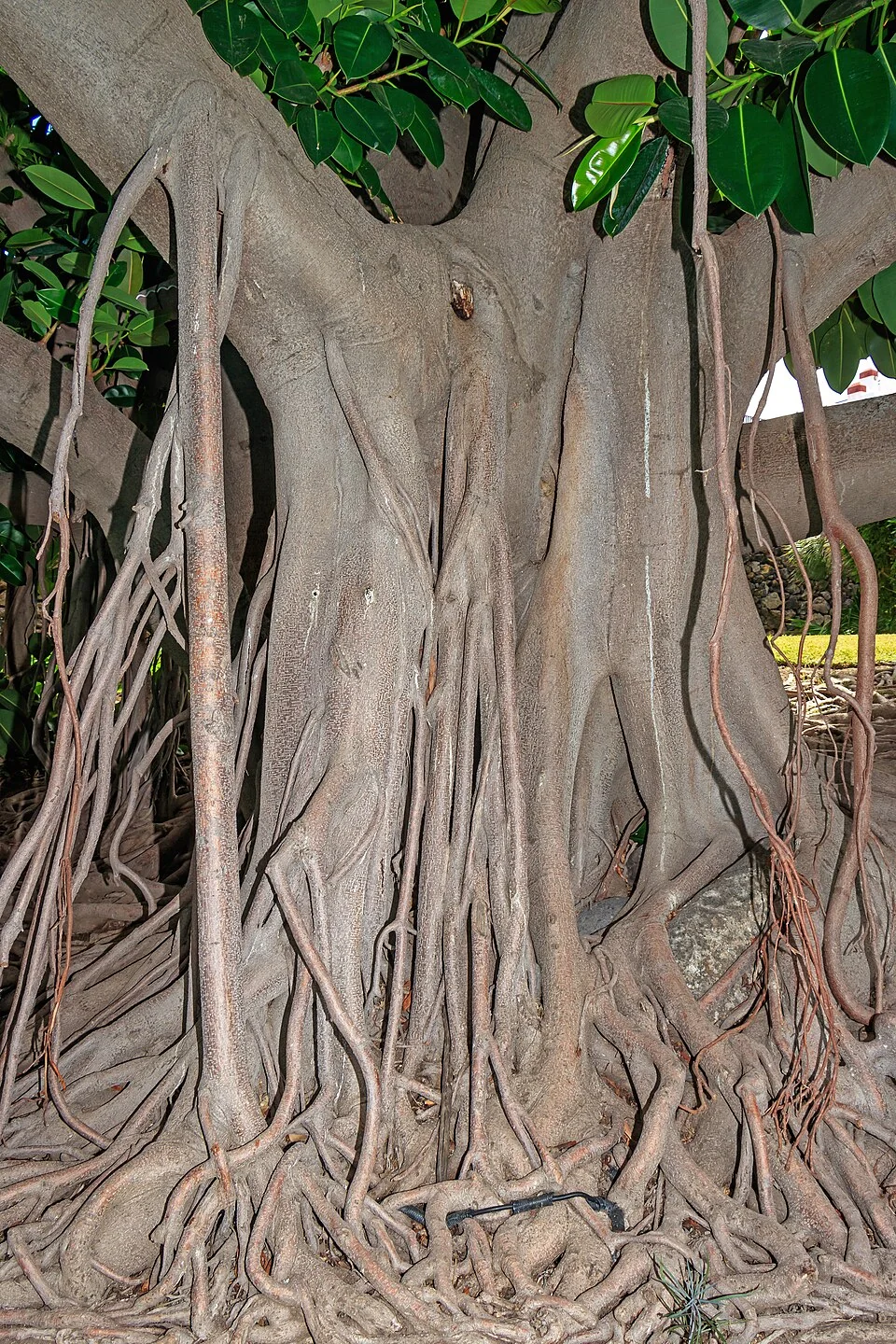
Leaves that have fallen will not grow back in the same spot. But new leaves will grow from the top, and if you prune in spring, new branches can fill the bare stem.
Do not fertilize during shock
It is tempting to feed a struggling plant. Do not. A plant in shock cannot use extra food. Fertilizer can burn stressed roots and make things worse. Wait until you see steady new growth, then start feeding with half-strength liquid fertilizer once a month in the warm months.
Other things to avoid while it recovers
- Do not repot unless the roots are rotting.
- Do not prune heavily.
- Do not spray chemicals unless you find pests.
- Do not move it outdoors into strong sun.
When rubber plant leaf drop is serious
Most leaf drop is shock and passes. But look closer if:
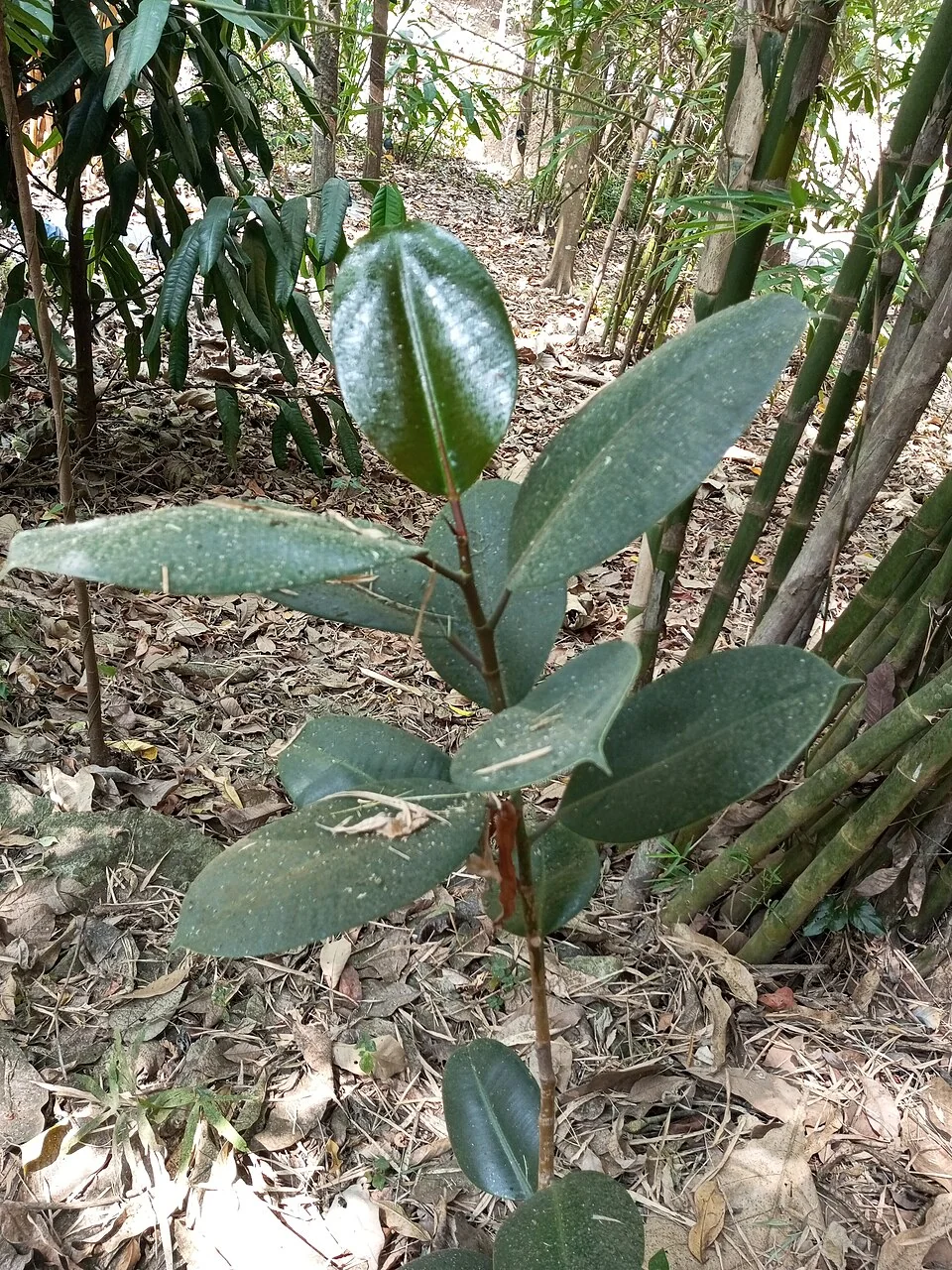
- The stem feels soft or wrinkled near the base. This can mean root rot.
- The soil smells sour and stays wet for a week or more.
- You see white cotton, brown bumps or sticky leaves. These are signs of mealybugs or scale insects.
- Leaves keep falling for more than 6 to 8 weeks with no new growth.
In these cases, unpot the plant and check the roots, or treat the pests with neem oil.
How to prevent rubber plant shock
- When you bring a new plant home, place it straight away in its final bright spot.
- Avoid moving it around the house.
- Keep it away from AC vents, coolers and open winter windows.
- Water by checking the soil, not on a fixed schedule.
Leaf drop looks scary, but rubber plants are tough. Find the trigger, choose one good spot, water carefully and wait. In a few weeks, fresh glossy leaves will start to appear. Monsteras also drop or yellow leaves after a move, as our monstera yellow leaves guide explains.
Comments
No comments yet — share what worked in your climate.