
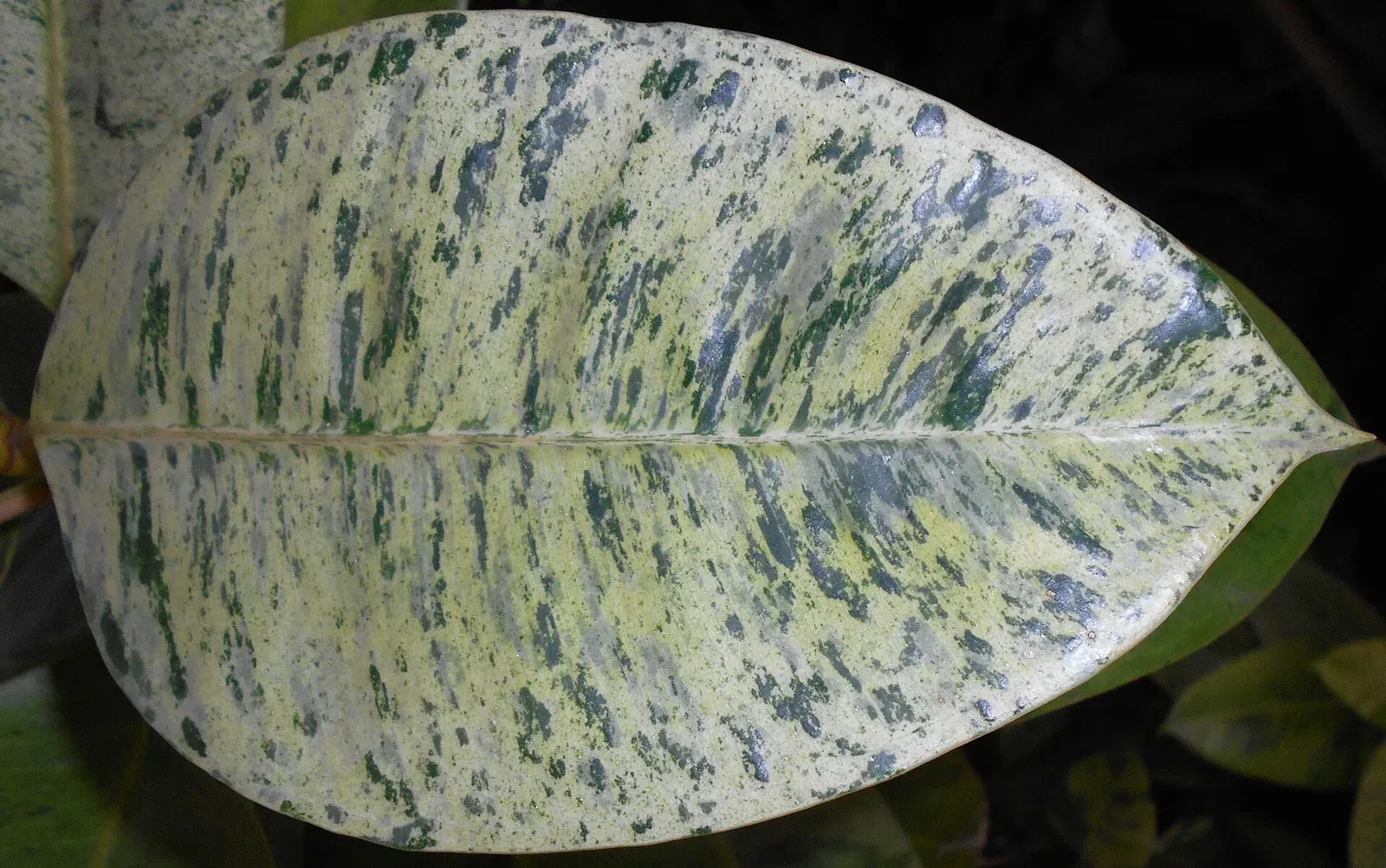
The rubber plant has big, glossy leaves in dark green, burgundy or cream and pink. It can grow into a tall indoor tree, and it suits Indian living rooms well. It is not fussy, but it does have three needs that make a big difference: steady bright light, clean leaves and the right kind of pruning. This guide explains each one in simple steps. You can also check the full rubber plant care profile for quick facts on light, water and soil.
Rubber plant light needs
Rubber plants grow best in bright indirect light. This means a well-lit spot where the sun does not shine straight onto the leaves for hours.
Good spots in an Indian home
- 1 to 2 metres from an east-facing window
- Near a north-facing window
- Back from a south or west window, or behind a sheer curtain
- A bright, covered balcony with no direct afternoon sun
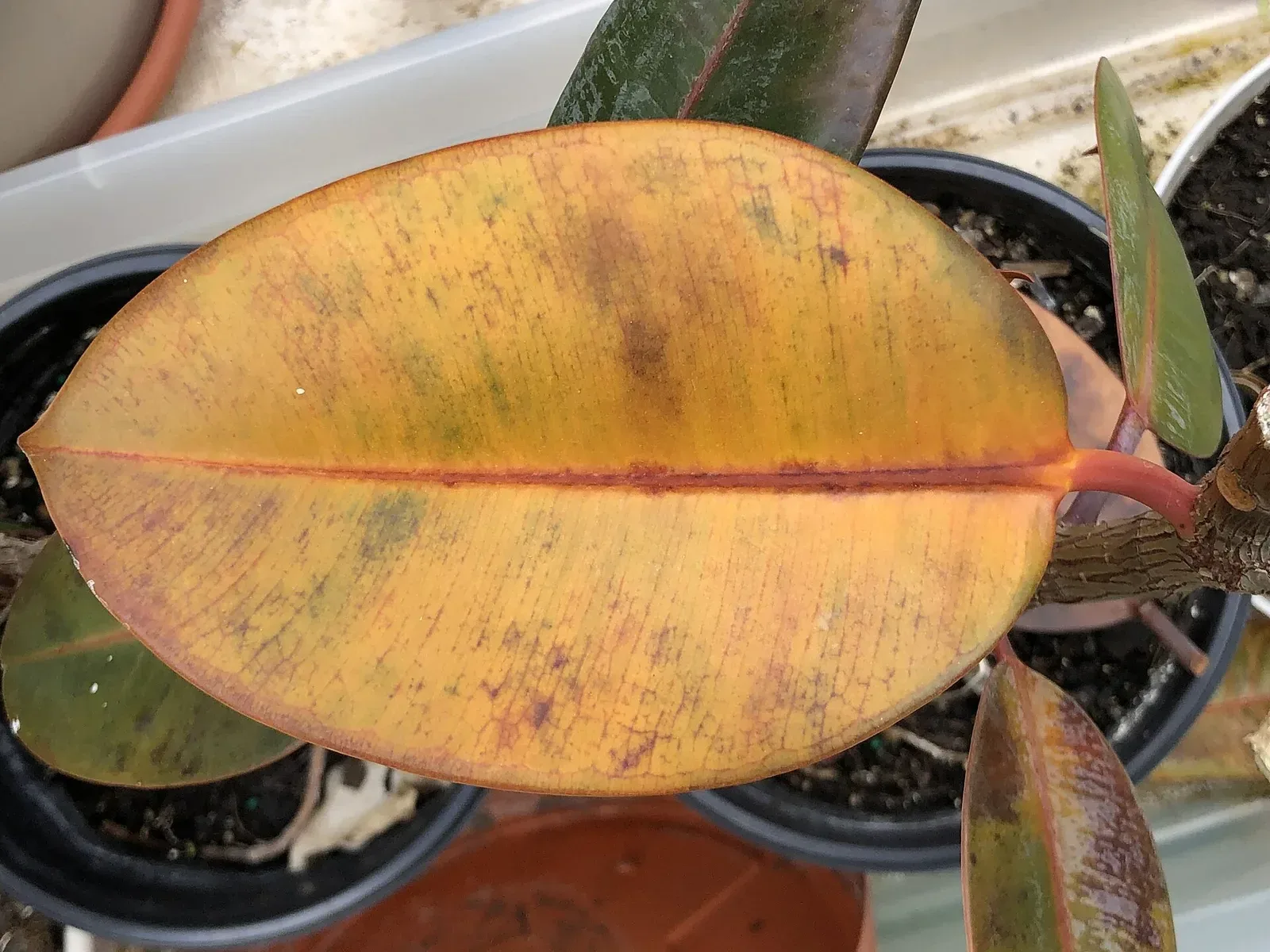
A little gentle morning sun is fine. Harsh afternoon sun, especially from April to June when it is 40°C and above, can scorch the leaves and leave brown or pale patches.
In low light, a rubber plant survives but grows slowly. It gets long gaps between leaves, the lower leaves drop, and coloured varieties lose their pink and cream shades and turn plain green.
Light needs by variety
| Variety | Leaf colour | Light need |
|---|---|---|
| Robusta, Black Prince | Dark green or near black | Medium to bright indirect |
| Burgundy | Deep red-black | Bright indirect for best colour |
| Tineke, Ruby | Green with cream or pink | Bright indirect. Needs the most light. |
Rotate weekly
A rubber plant grows toward its light source. If you never turn it, it starts to lean, and one side gets more leaves than the other. Turn the pot a quarter turn each week, for example every Sunday when you check the soil. This keeps the trunk straight and the leaves even all round.
Avoid relocating frequently
Turning the pot in place is good. Moving it to a whole new spot again and again is not. Rubber plants are sensitive to change. When the light, temperature or air flow changes suddenly, they often react by dropping leaves. Find a good bright spot and leave the plant there. If you must move it, move it once and give it time to settle.
Cleaning rubber plant leaves
Those large, flat leaves catch a lot of dust, especially in Indian cities. A dusty leaf looks dull and takes in less light. We also have a separate guide on rubber plant leaf drop and shock.
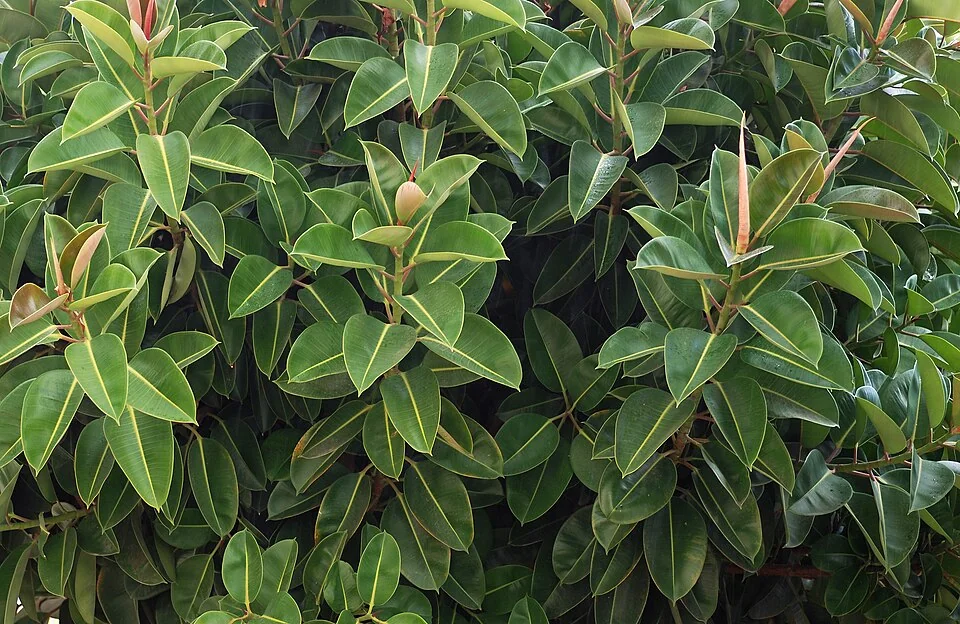
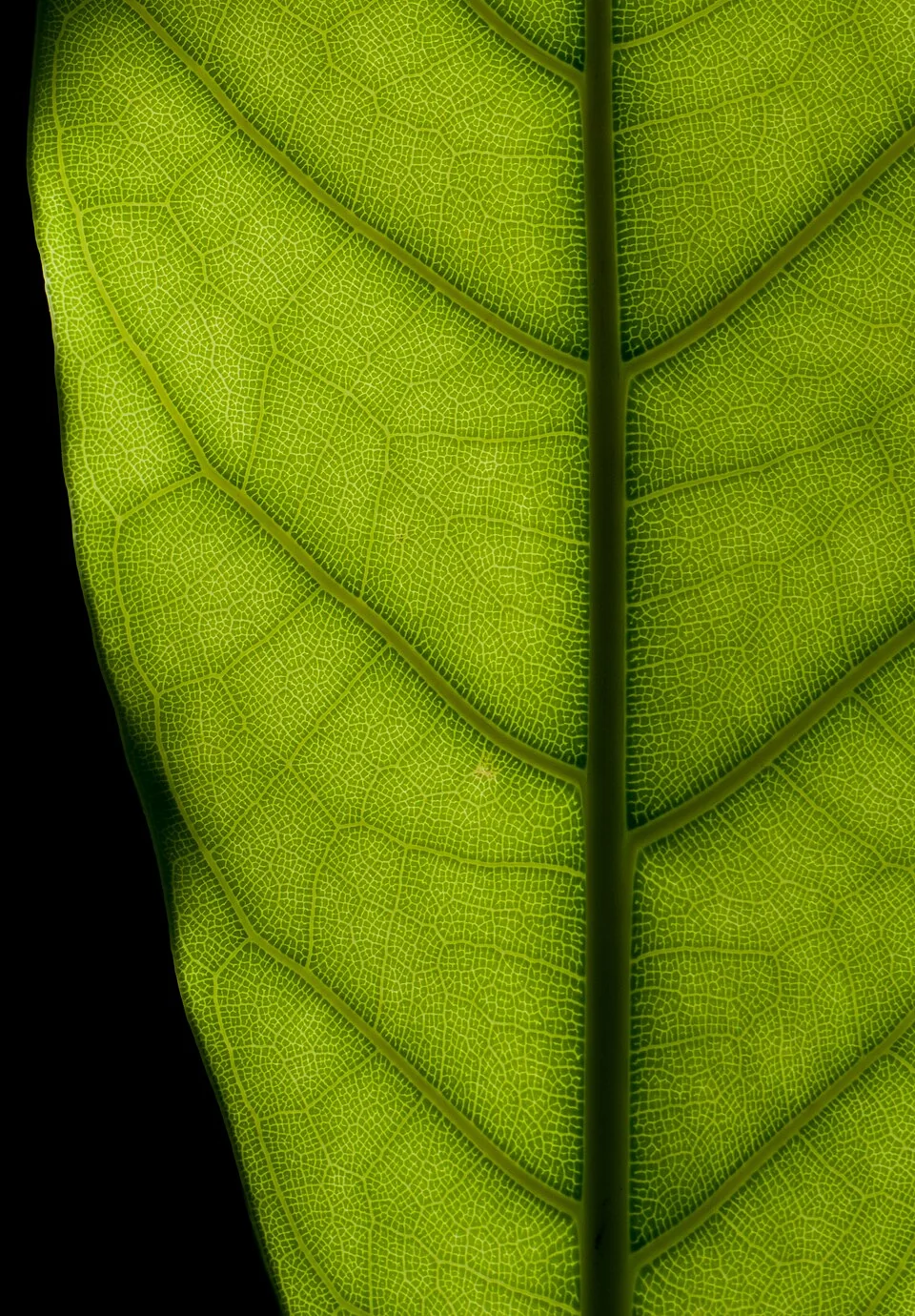
Once a month, wipe the dust off with a damp cloth. This brings back the deep colour and shine. It also keeps the stomata clear. Stomata are tiny pores on the leaf that let the plant breathe and release water. Clean pores help the plant stay healthier.
- Use a soft cloth dipped in plain water and squeezed well.
- Support each leaf with one hand from below.
- Wipe gently from the stem to the tip. Do both sides if you can.
- Skip leaf-shine sprays, oils or milk. They can clog the pores and attract more dust.
- While cleaning, check under the leaves for mealybugs or scale insects.
How to prune a rubber plant for branching
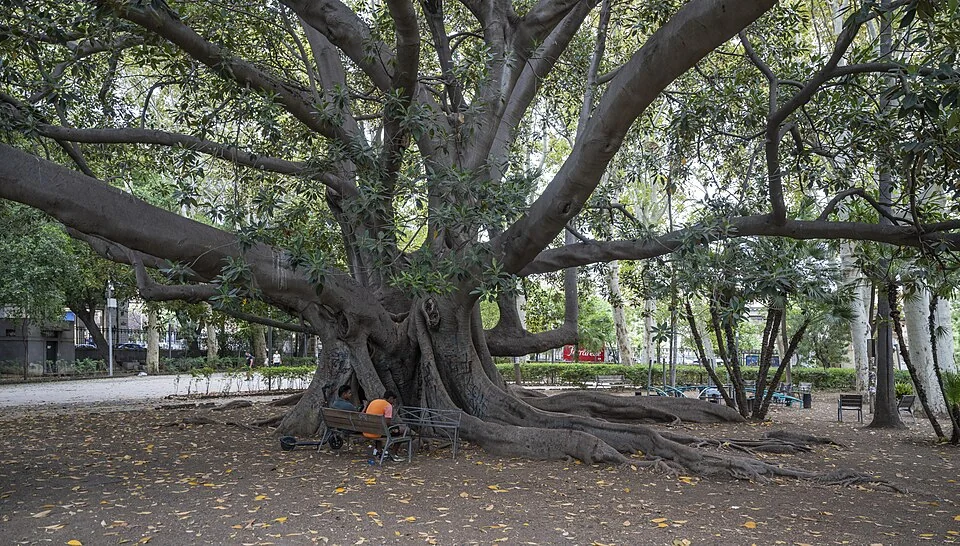
Left alone, most rubber plants grow as a single tall stem. Some people like that. But if you want a fuller, bushier plant, or want to control the height, pruning is the answer. If your rubber plant grows slowly in its spot, our plant health tool can tell you whether light is the issue.
Why spring
Spring prune for branching. In most of India this means February to April. The plant is waking up and growing fast. It heals quickly and pushes out new shoots soon after the cut. Pruning in winter gives slow results. Pruning in the peak monsoon leaves the cut wet for longer.
How to prune
- Decide how tall you want the plant to be.
- Find a node at that height. A node is the point on the stem where a leaf grows, often with a small ring or scar.
- Using clean, sharp pruners, cut about 1 cm above the node.
- The plant will usually send out one to three new branches from the nodes just below the cut.
- To shape a tree, you can also cut back long side branches in the same way.
Do not remove more than a third of the leaves at one time. The plant needs leaves to make food and recover.
Wear gloves: the sap can irritate
When you cut a rubber plant, a thick, white, milky sap oozes out. Wear gloves when you prune. This sap is latex and can irritate skin and cause a rash in some people. Keep it away from your eyes. Wash your hands and tools afterwards.
Lay old newspaper or cloth under the plant, because the sap drips and stains floors and furniture. Dab the cut on the plant with a damp tissue to stop the dripping. It usually stops within a few minutes.
The sap is also mildly toxic if chewed, so keep the plant away from pets and small children.
Use the cuttings
The top you cut off can grow into a new plant. Let the sap stop dripping, remove the lower leaves, and put the cutting in water or in moist cocopeat with perlite. Keep it in bright indirect light. Roots appear in 3 to 6 weeks in warm weather.
Rubber plant watering and soil
Water when the top 3 to 4 cm of soil is dry. Water slowly until it drains from the hole, then empty the saucer. Monsteras use the same bright indirect light, so see our monstera care guide if you have one nearby.
- In summer, water about every 5 to 7 days.
- In the monsoon, water every 10 days or so, but check first.
- In winter, water every 10 to 14 days.
Use a well-draining mix of potting soil, cocopeat and perlite in a pot with a drainage hole. Feed once a month from March to September with half-strength liquid fertilizer.
Give your rubber plant steady bright light, turn it each week, keep its leaves clean and prune it in spring with gloves on. It will reward you with a full, glossy plant.
Comments
No comments yet — share what worked in your climate.