
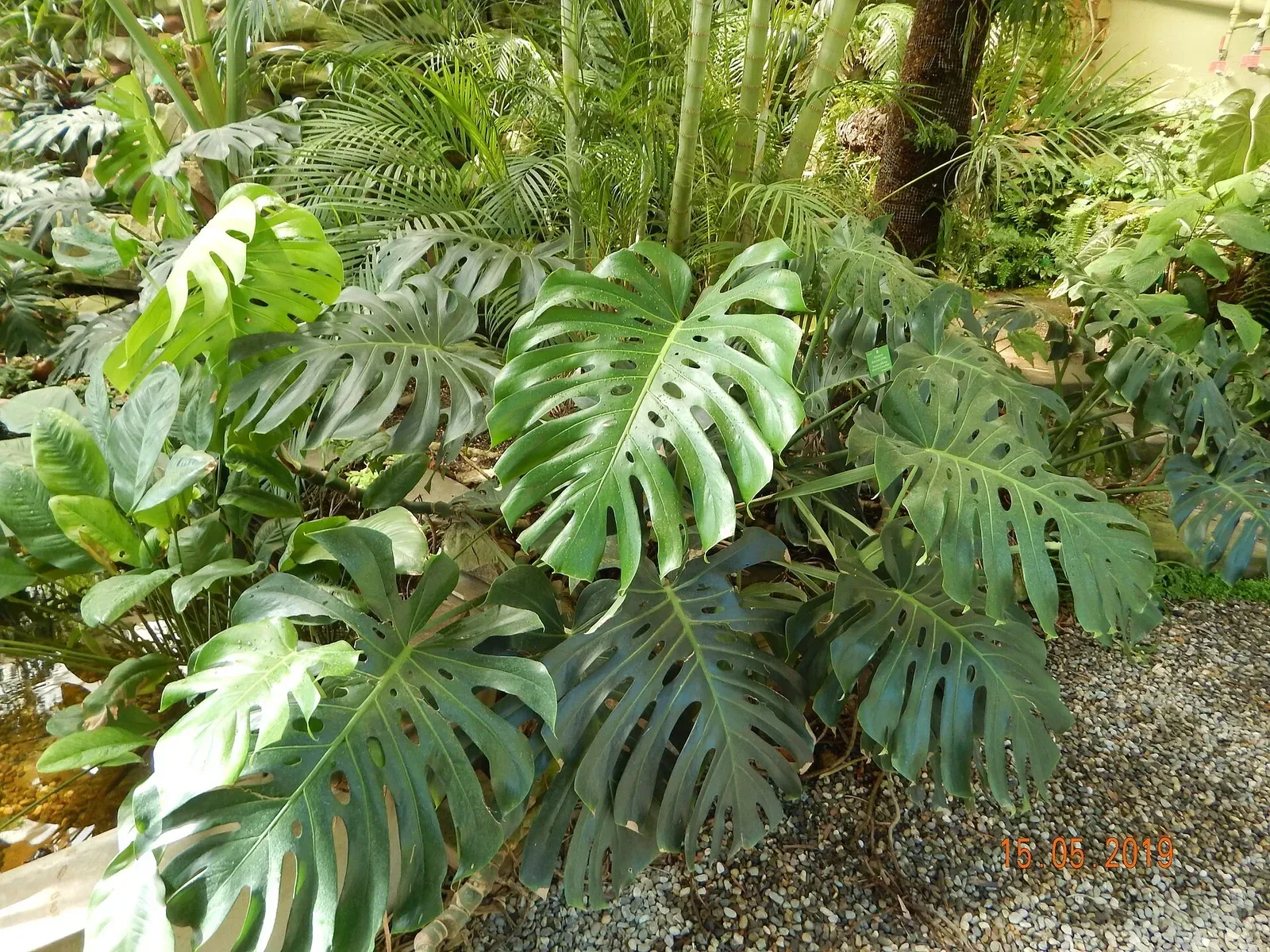
Yellow leaves on a monstera are worrying, especially when the plant was doing well before. In Indian homes, two causes come up again and again. The first is overwatering, which turns the lower leaves yellow. The second is thrips, tiny insects that leave silver, patchy damage. This guide helps you tell which problem you have, how to fix it, and how to look after the plant afterwards so it stays healthy. You can also check the full monstera care profile for quick facts on light, water and soil.
Monstera yellow lower leaves from overwatering
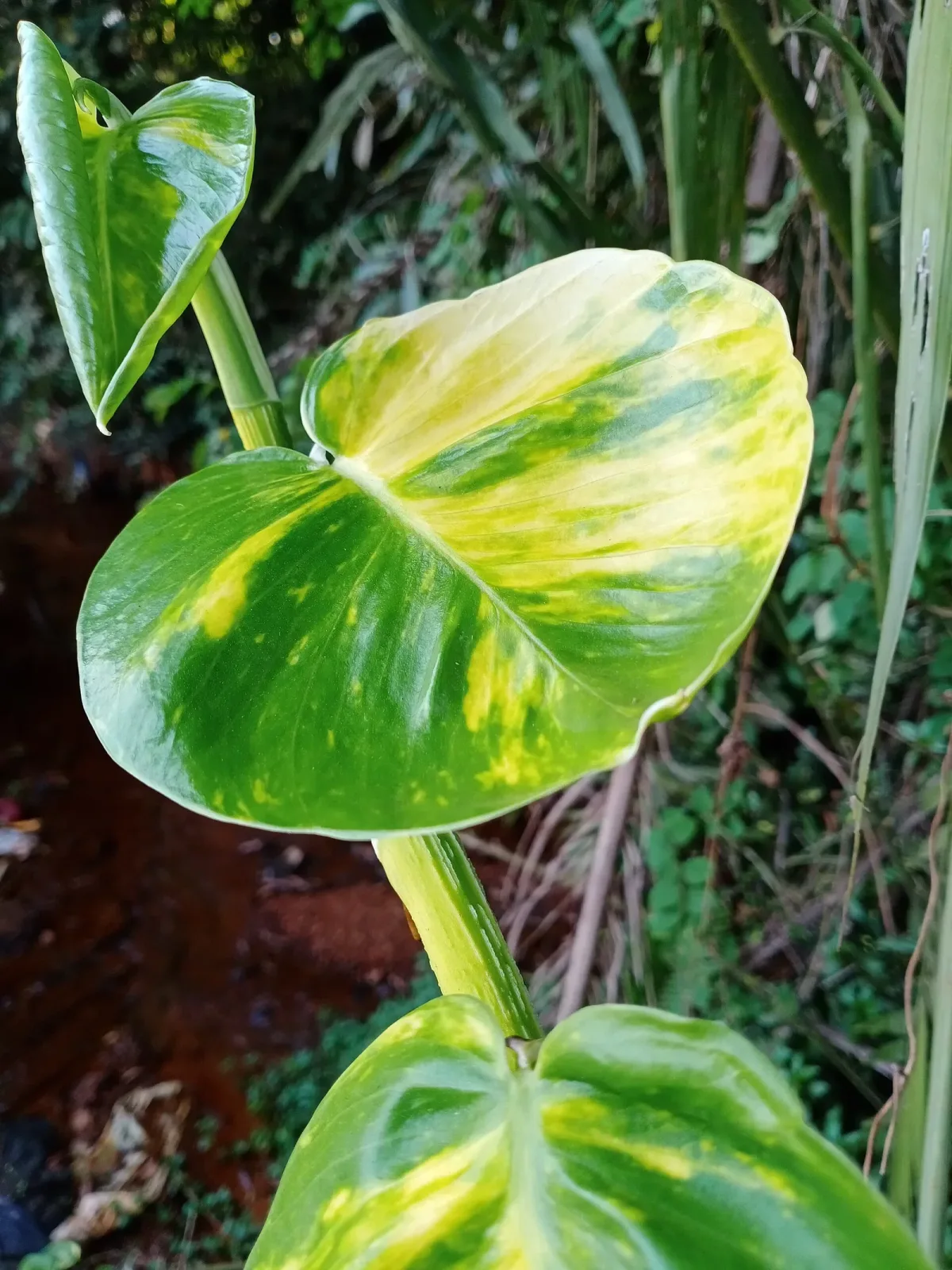
If the oldest leaves at the bottom of the plant turn yellow, one at a time or several at once, overwatering is the most likely cause. This is very common in the monsoon, when soil takes a long time to dry, and in pots without good drainage.
Check for soggy mix and foul smell
- Push a finger 5 cm into the soil. Is it wet even though you watered days ago?
- Lift the pot. Does it feel very heavy?
- Smell the soil. A foul, sour or rotten smell means roots are starting to rot.
- Look at the drainage hole. Is it blocked? Is the pot sitting in water?
If the soil is soggy and smells bad, you need to act. Simply watering less will not fix rotting roots.
Refresh the mix if needed
- Take the plant out of its pot and shake off the old soil.
- Look at the roots. Healthy ones are firm and white or light tan. Rotten ones are brown or black, soft and smelly.
- Cut away rotten roots with clean scissors wiped with alcohol.
- Repot in a fresh chunky aroid mix made of potting soil, cocopeat, orchid bark and perlite. It should feel loose and airy.
- Use a pot with drainage holes, only a little bigger than the root ball.
- Water lightly, then wait until the top 3 to 5 cm is dry before watering again.
If the soil is a little too wet but does not smell, you may not need to repot. Just let it dry out more and water less often from now on.
Other reasons for yellow leaves
| What you see | Likely cause |
|---|---|
| Lower leaves yellow, soil wet | Overwatering |
| Yellow with silver patches and black dots underneath | Thrips |
| One old leaf yellows now and then | Normal ageing |
| Yellow and crispy, soil very dry | Underwatering |
| Yellow or brown patches on the sunny side | Sun burn |
Yellow leaves will not turn green again. Once a leaf is mostly yellow, cut it off at the base of its stem.
Thrips on monstera: the hidden pest
Thrips are tiny, thin insects, only 1 to 2 mm long. They are hard to see. They scrape the surface of the leaf and suck out the sap. They are common in India, especially in warm, dry weather and in plants brought home from nurseries. We also have a separate guide on monstera moss pole and split leaf care.
How to spot thrips
Turn the leaves over. Thrips usually hide on the undersides. Look for:
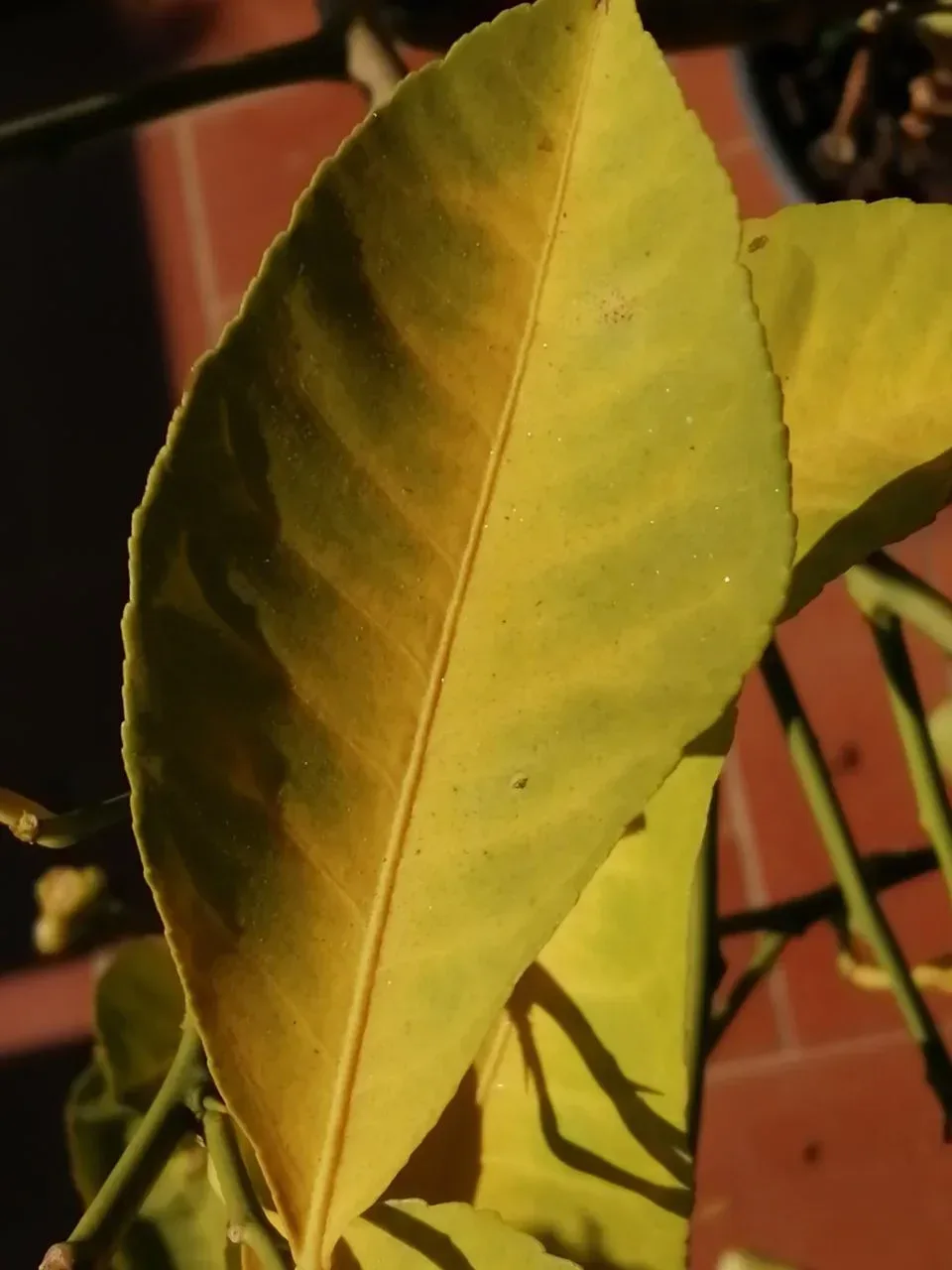
- Silvery patches. The leaf surface looks scraped, pale or silver, often in streaks.
- Black frass. Tiny black dots on the undersides. This is their droppings.
- Tiny moving insects. Thin, pale or dark specks that move. A phone camera zoomed in helps.
- Twisted or spotted new leaves. Thrips love tender new growth.
Over time, damaged areas turn yellow and then brown.
How to treat thrips
Thrips are stubborn. Their eggs hide inside leaves and their young drop into the soil. So you need to treat for 2 to 3 weeks to break their life cycle.
- Isolate the plant. Move it away from other plants straight away. Thrips spread easily. Check nearby plants too.
- Wipe the leaves. Wipe both sides of every leaf with a damp cloth. For heavy cases, rinse the plant in the shower or with a hose on the balcony. This removes many adults and larvae.
- Use neem. Mix about 5 ml cold-pressed neem oil and a few drops of liquid soap in 1 litre of water. Shake well. Spray the whole plant, especially the leaf undersides and new leaves. Spray in the evening, not in strong sun, to avoid leaf burn.
- Add sticky traps. Hang or stick yellow or blue sticky traps near the plant and on a stick in the pot. They catch flying adults and show you if numbers are falling.
- Repeat. Spray neem every 5 to 7 days. Keep the traps up and replace them when full. Continue for 2 to 3 weeks, even if you stop seeing thrips.
If the problem is very bad after 3 weeks, ask your local nursery about a stronger insecticide made for thrips. Follow the label carefully.
Monstera aftercare and prevention
Once the overwatering is fixed or the thrips are gone, a few habits help the plant stay healthy and recover. After the thrips are gone, a health score check helps you confirm the plant is growing well again.
Improve airflow
Still, stuffy air helps both fungus and pests. Keep some air moving around your monstera. An open window, a ceiling fan on low or simply some space between plants all help. Do not cram plants tightly in a corner. Money plants show similar yellow leaves after overwatering, as our money plant yellow leaves guide explains.
Avoid wetting leaves late in the evening
Water sitting on leaves overnight, especially in humid monsoon weather, can lead to fungal spots. If you wipe, rinse or spray your plant, do it early enough in the day for leaves to dry before night. When spraying neem in the evening, use a fine mist and avoid soaking the plant. Water the soil, not the leaves, when you water normally.
Keep checking
- Look under a few leaves every week when you water.
- Check new plants carefully before bringing them home, and keep them apart for two weeks.
- Wipe leaves monthly to remove dust and catch pests early.
New leaves should come in clean and green within a few weeks. Old damaged leaves will not recover, but the plant will grow past them. Fix the water, beat the thrips with patience and keep the air moving.
Comments
No comments yet — share what worked in your climate.