
Most indoor plants that die in Indian homes do not die from too little water or too little light. They die because the soil in the pot stays wet and airless for weeks. Nursery plants often come in heavy red soil or in pure cocopeat, and neither suits a pot kept inside a room. A good potting mix holds enough water for the roots, lets the extra drain out, and leaves space for air. Once you get the mix right, watering becomes much easier.
This guide is part of our indoor plants for Indian homes series.
Why plain garden soil fails in pots
Soil in the ground has worms, roots and cracks that keep it open. In a pot, the same soil settles after a few waterings and turns into a hard cake. Water sits on top, runs down the sides, and the middle stays either bone dry or soggy. Indoors, where there is no sun and wind to dry the pot, this soggy middle is where root rot starts.
Black cotton soil, common in Maharashtra and central India, is the worst for pots because it swells when wet and cracks when dry. Red soil is better, but still needs to be opened up with lighter material.
The ingredients and what each one does
Cocopeat
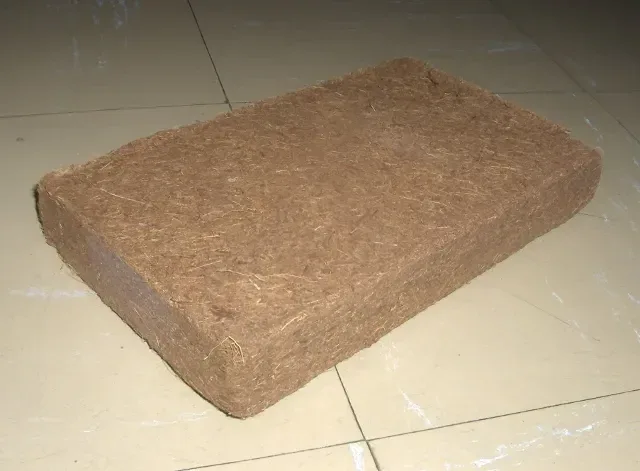
Cocopeat is the powdered husk of coconut. It holds water like a sponge, stays light, and is cheap and easy to find all over India. It is sold as compressed bricks. A 650 g brick costs about Rs 60 to 100 and swells to roughly 8 to 9 litres once soaked. A 5 kg block gives about 70 litres and works out cheaper if you have many pots.
Buy washed, low EC cocopeat. Unwashed cocopeat can carry salt from the coastal processing units, which burns tender roots. If you are not sure, soak the brick, squeeze it out, then rinse it once more in fresh water before use.
Perlite
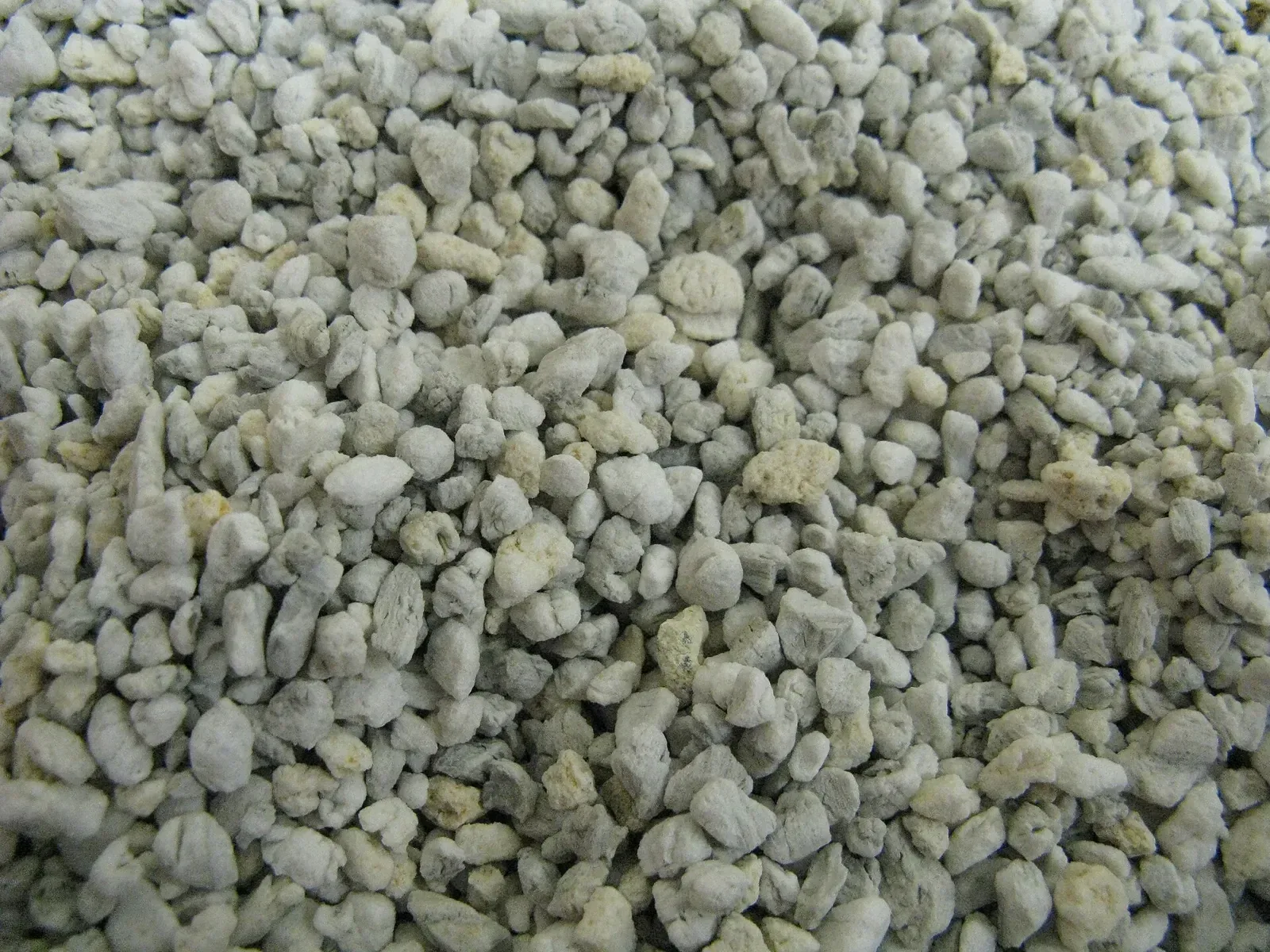
Perlite is volcanic glass that is heated until it pops like popcorn. The white bits do not rot and do not hold much water. Their job is to keep air pockets open in the mix. A 1 kg pack, which is about 8 to 10 litres, costs around Rs 200 to 350 online or at larger nurseries.
Vermicompost
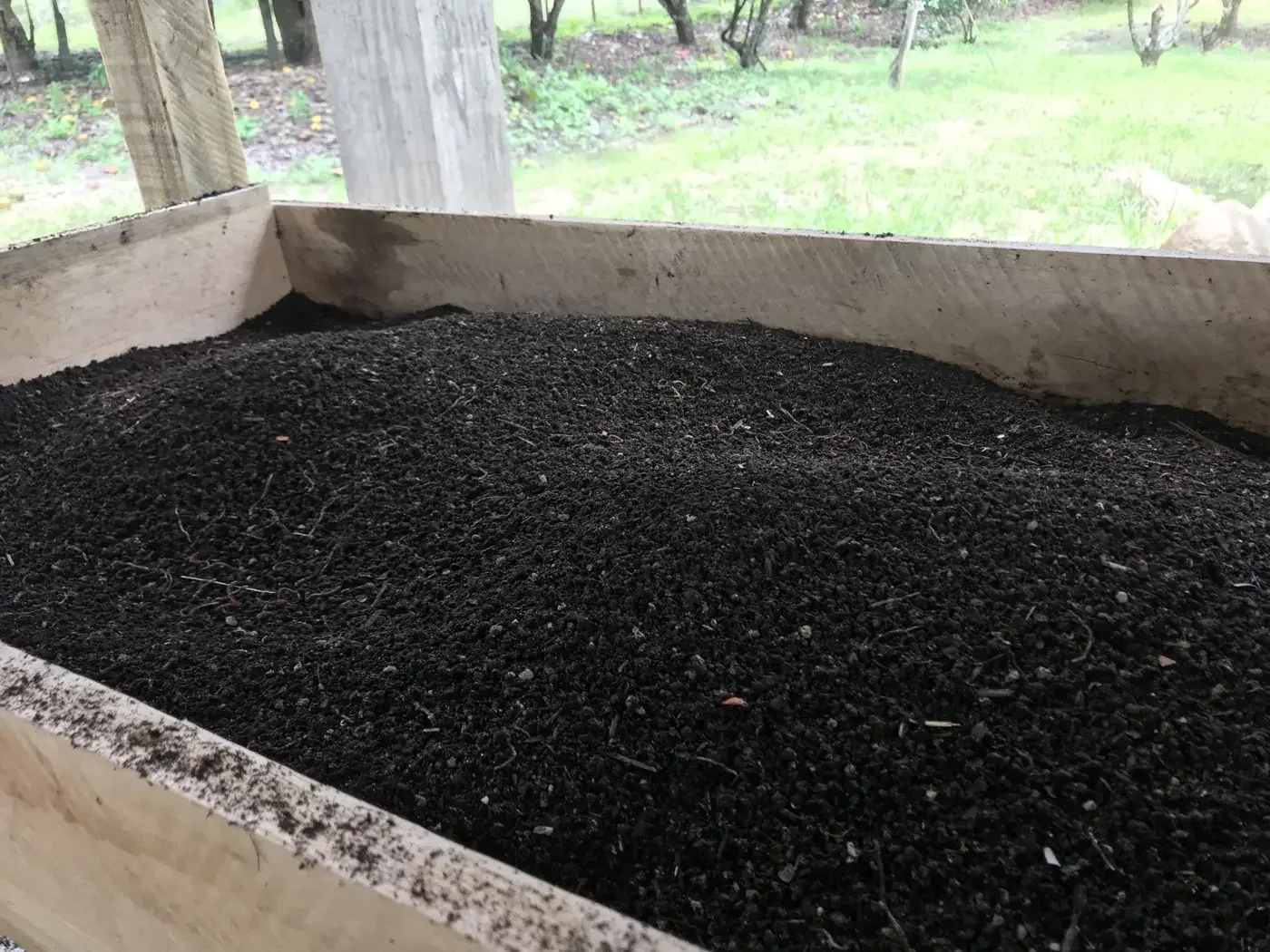
Vermicompost adds slow food and helpful microbes. It also holds water, so too much of it makes the mix heavy. Good vermicompost is dark, crumbly and smells like wet earth. A 5 kg bag costs about Rs 150 to 250.
Garden soil
A small amount of red garden soil gives the mix some weight so tall plants do not tip over, and it holds minerals that cocopeat lacks. Take it from a clean spot, not a construction site, and spread it in the sun for two or three days to dry out pests and weed seeds.
Useful extras
- Coarse river sand: a cheap swap for perlite. Wash it well. It is heavy, so use it in floor pots, not hanging baskets.
- Coco chips or pine bark: chunky pieces that keep the mix open for a long time. Good for monstera, philodendron and palms.
- Neem cake powder: a handful per 10 litres of mix helps keep soil pests and fungus gnats down.
- Wood charcoal pieces: optional. They keep the mix open and absorb some odour.
My base ratio for most indoor plants
For the common foliage plants in Indian homes, such as money plant, philodendron, rubber plant, aglaonema and monstera, I use this mix by volume:
- 2 parts cocopeat
- 1 part perlite
- 1 part vermicompost
- 1 part garden soil
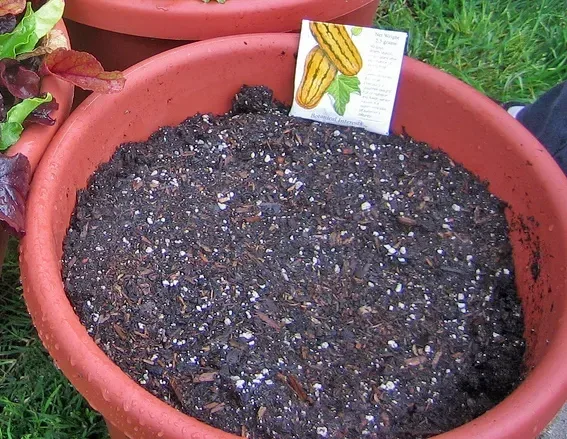
That works out to 40 percent cocopeat and 20 percent of each of the rest. Use any measuring container you like: a mug for small pots, a paint bucket for big batches. What matters is that the parts stay in proportion.
Changes for different plant groups
| Plant group | Mix by volume | Why |
|---|---|---|
| Foliage plants: money plant, philodendron, rubber plant, aglaonema | 2 cocopeat, 1 perlite, 1 vermicompost, 1 soil | Holds moisture but drains well |
| Moisture lovers: peace lily, ferns, calathea | 3 cocopeat, 1 perlite, 1 vermicompost, 1 soil | Stays evenly damp without going soggy |
| Succulents and dry lovers: snake plant, ZZ plant, jade, aloe | 1 cocopeat, 2 perlite or coarse sand, 1 soil, half part vermicompost | Dries out fast and protects against rot |
| Palms and big aroids: areca palm, monstera | Base mix plus 1 part coco chips or bark | Extra air for thick roots |
For snake plant and ZZ plant, the drier mix makes the biggest difference. Our snake plant care routine explains how this mix and less frequent watering go together. If your peace lily keeps wilting between waterings, the moisture lover mix above suits it better, and the peace lily care guide covers the rest.
How to make the mix, step by step
- Soak the cocopeat brick in a bucket with about 4 to 5 litres of water for 30 minutes. Break it up with your hands.
- Squeeze out the extra water. If the brick was unwashed, rinse it once more and squeeze again.
- Spread a plastic sheet or old bedsheet on the balcony floor. Measure out each ingredient in parts.
- Mix everything with your hands or a small trowel until the colour looks even. Add neem cake now if you are using it.
- Do the squeeze test. Take a fistful and press it. It should hold shape for a moment and then crumble when poked. If water drips out, it is too wet. Spread it out for an hour.
- Store any extra in a sack or bucket with a loose lid, in the shade.
Drainage hole matters more than stones
Every pot needs at least one hole at the bottom. Without it, no mix can save the plant. Many people put a layer of stones or broken pot pieces at the bottom for drainage. It does not help. Water does not move easily from fine mix into a coarse layer, so it collects just above the stones, and the wet zone sits even closer to the roots. Instead, cover the hole with a piece of mesh or a flat stone so the mix does not wash out, and fill the rest of the pot with mix.
Decorative ceramic pots without holes can still be used. Keep the plant in a plastic nursery pot with holes and place it inside. Empty any water that collects in the outer pot within half an hour of watering.
Common potting mix mistakes
- Pure cocopeat: it has almost no food, stays wet in low light, and dries into a hard, water repelling lump if you forget to water.
- Too much vermicompost: anything above about a third of the mix holds too much water and invites fungus gnats.
- Fresh cow dung: it is too strong, it smells, and it brings pests indoors. Use only fully dried, aged manure, and only outdoors if possible.
- Pressing the mix down hard: firm it gently with your fingers and let the first watering settle it.
- Reusing old mix from a plant that rotted: it can carry the same fungus. Spread it in hot sun for a week or throw it out.
When to change the mix
Even good mix breaks down. Cocopeat and vermicompost slowly turn fine and dense, and the pot starts to drain poorly. Repot or refresh the mix every one to two years, or sooner if you see these signs:
- Roots coming out of the drainage hole or circling the top
- Water rushing straight through without soaking in
- A white crust on the soil or pot rim
- Soil that stays wet for more than a week even in summer
The best time to repot in most of India is February to March, as growth picks up, or September to October, once the heavy rain is over. Avoid repotting in the middle of the monsoon, when the mix stays damp for too long. If a plant already has soft, smelly roots, our jade plant root rot guide shows how to clean the roots before you put them into fresh, dry mix.
After potting: water and food
Water the plant once, slowly, until water runs out of the hole. Then wait. Fresh mix holds more water than old, tired soil, so the next watering will be later than you expect. Check with your finger before you water again, as explained in how often to water indoor plants.
Do not feed for two to three months. The vermicompost in the mix is enough for now. After that, follow the light feeding plan in our fertilizer for indoor plants guide.
If you are potting plants for a dim room, lean towards the airier side of these ratios, since the pot will dry slowly. Our list of the best indoor plants for bedroom spaces notes which plants need the drier mix.
Watch: making potting soil and potting mix
This video shows the difference between a soil based mix and a soilless mix, with cocopeat, vermicompost and perlite measured out by hand.
Comments
No comments yet — share what worked in your climate.