
A bedroom is a tricky place for a plant. The curtains stay shut for most of the day, the AC runs all night, and the room is empty for long hours. Many plants sold as bedroom plants slowly fade in these conditions. The right choice depends less on what the label says and more on how much light your bedroom window gives and who else shares the room.
This guide is part of our indoor plants for Indian homes series.
First, the truth about plants and bedroom air
You will read everywhere that some plants purify the air or give oxygen all night. The idea comes from a NASA study from 1989 that tested plants in small sealed chambers. A real bedroom is very different. It has doors, windows, fans and air leaking in and out all the time.
A 2019 review of many such studies found that to match the air cleaning done by normal ventilation, you would need somewhere between 10 and 1,000 plants per square metre of floor. Nobody sleeps in a jungle like that. Opening a window for ten minutes does more for your air than any number of pots on a shelf.
The same goes for oxygen. Snake plant and a few succulents do open their pores at night and take in a little carbon dioxide, but the amount is tiny next to what one sleeping person breathes out. On the other side, plants that release carbon dioxide at night also do so in amounts too small to harm anyone. Sleeping with plants in the room is safe.
So why keep plants in a bedroom at all? Because they look good, they make a room feel calmer, and caring for them is a pleasant small routine. That is reason enough. Just pick plants for the light you have, not for health claims.
Check your bedroom light before you buy
- Bright room: a large east or south facing window with some sun for a few hours. Most plants on this list will do well here.
- Medium room: a window with light but no direct sun, such as a north window or one facing a nearby building. Choose the low light plants below.
- Dark room: a small window, heavy curtains always closed, or light only from a tubelight. Only ZZ plant and snake plant cope, and even they grow very slowly.
A quick test: at noon, hold your hand 30 cm above the spot. A clear shadow means bright light. A soft, blurry shadow means medium light. No shadow means low light. For very dim rooms, see our full list of indoor plants that grow without sunlight.
The best plants for a bedroom
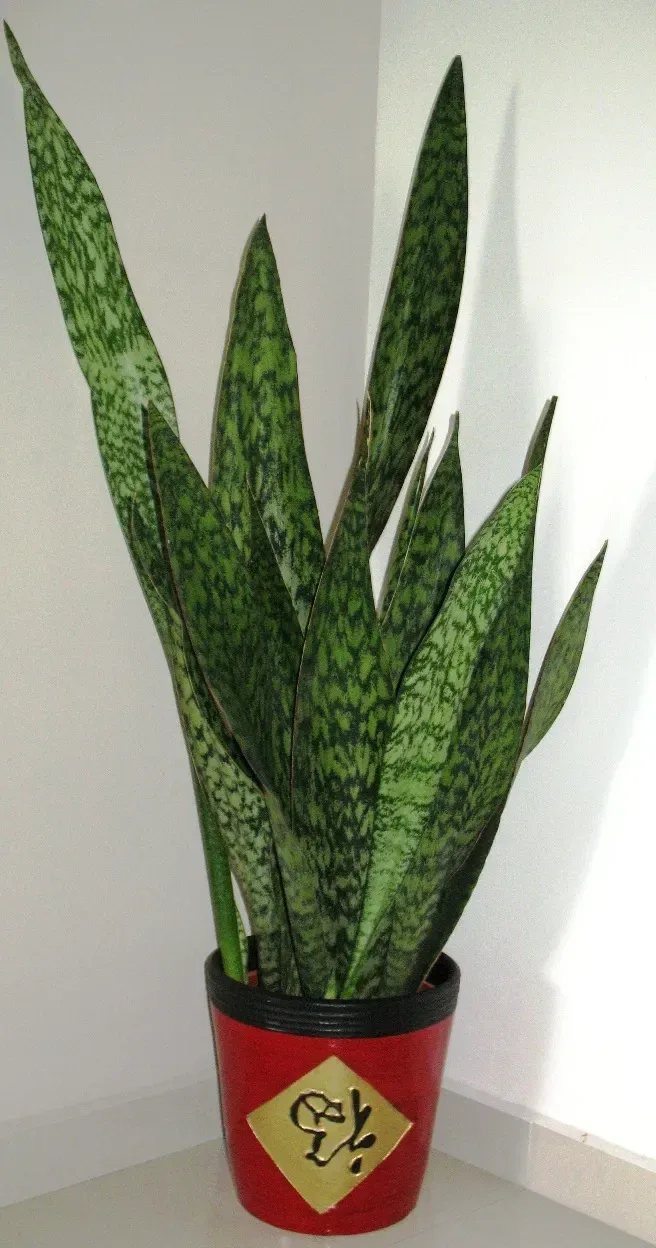
Snake plant
The easiest bedroom plant in India. It handles low light, dry AC air and missed waterings. Water only when the soil is dry all the way down, which can be every two to four weeks in a cool room. A small plant costs about Rs 150 to 300 at most nurseries. Its leaves are mildly toxic and can upset a pet's stomach if chewed. Our snake plant care routine has a season wise watering plan.
ZZ plant
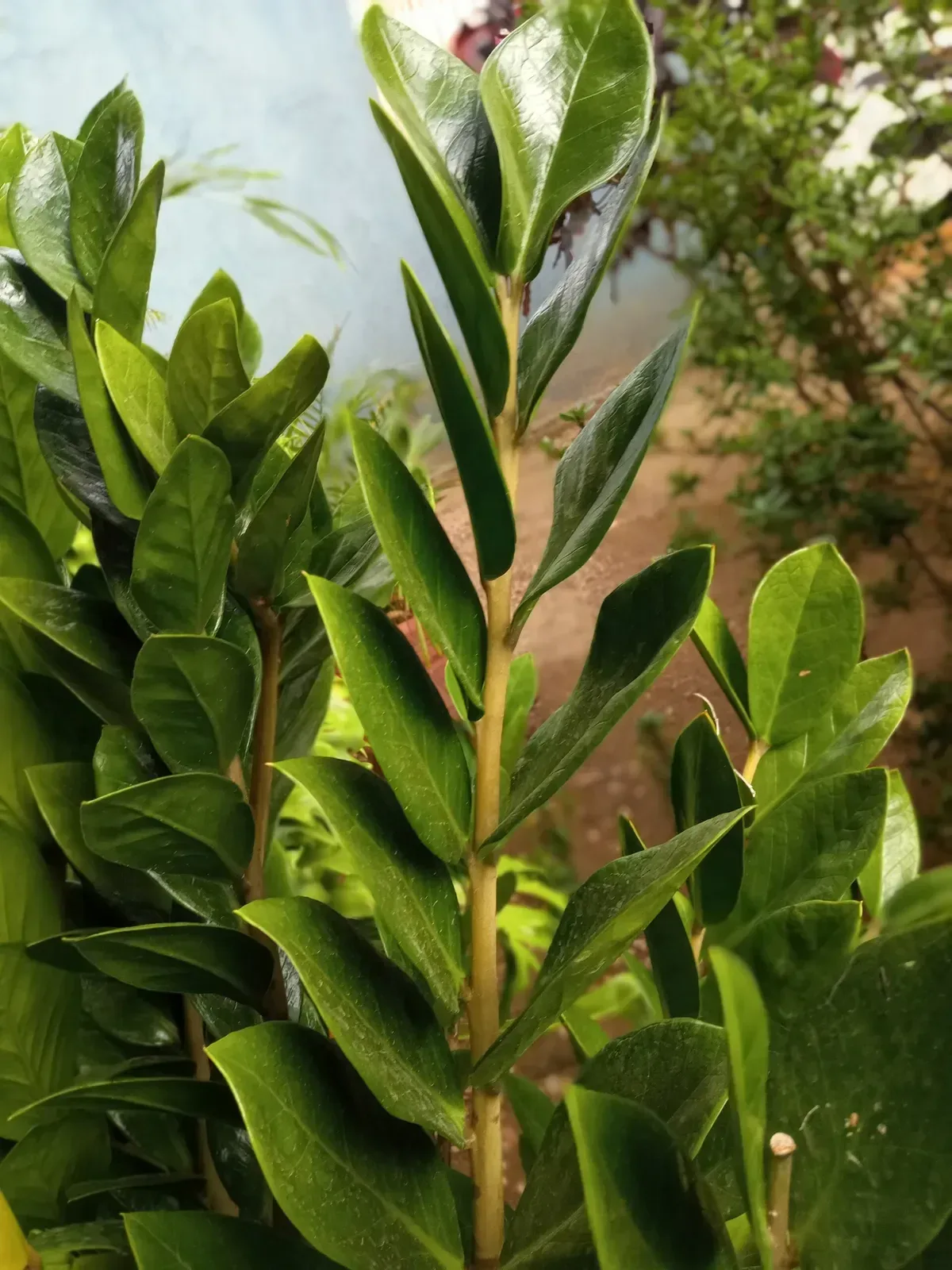
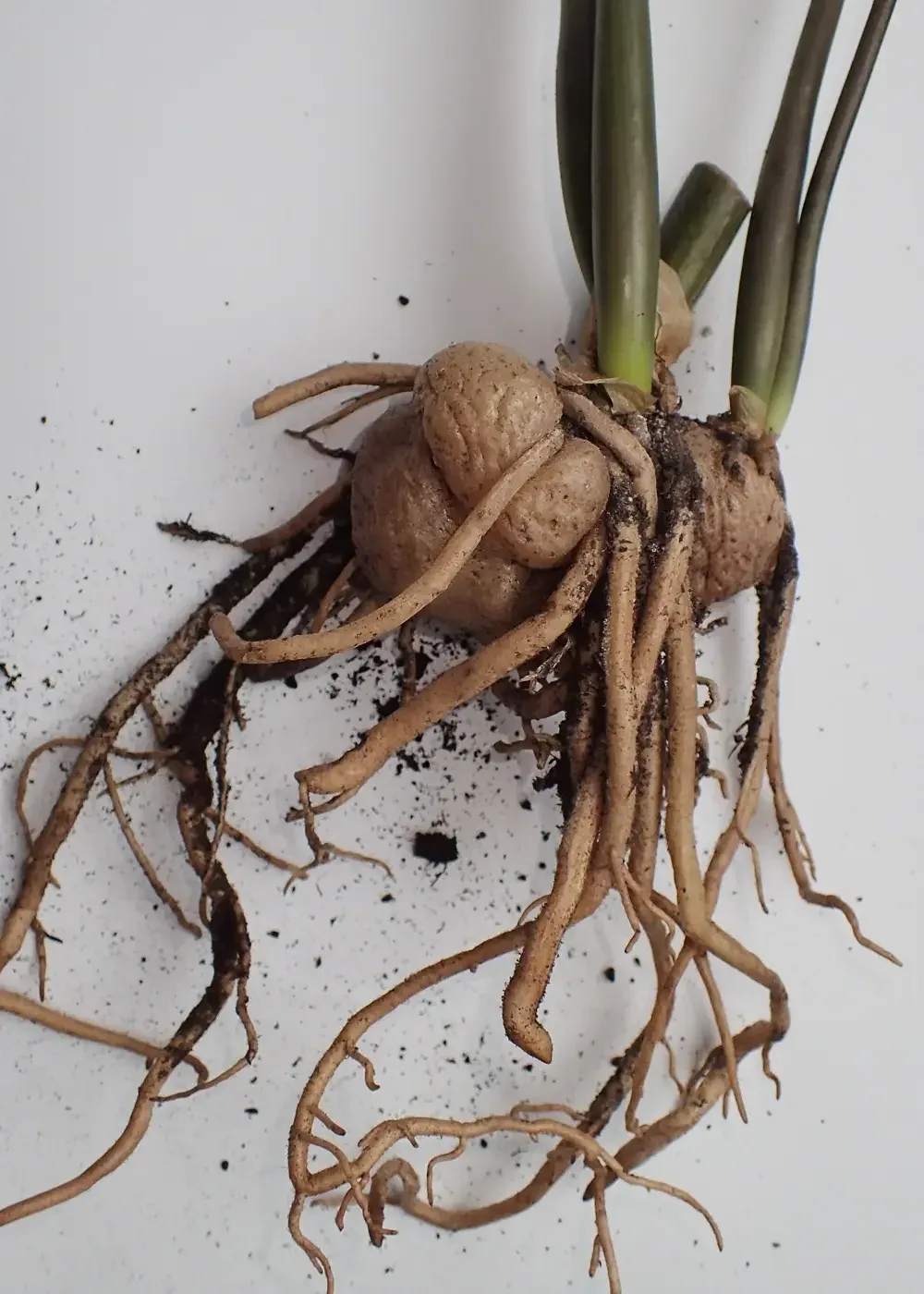
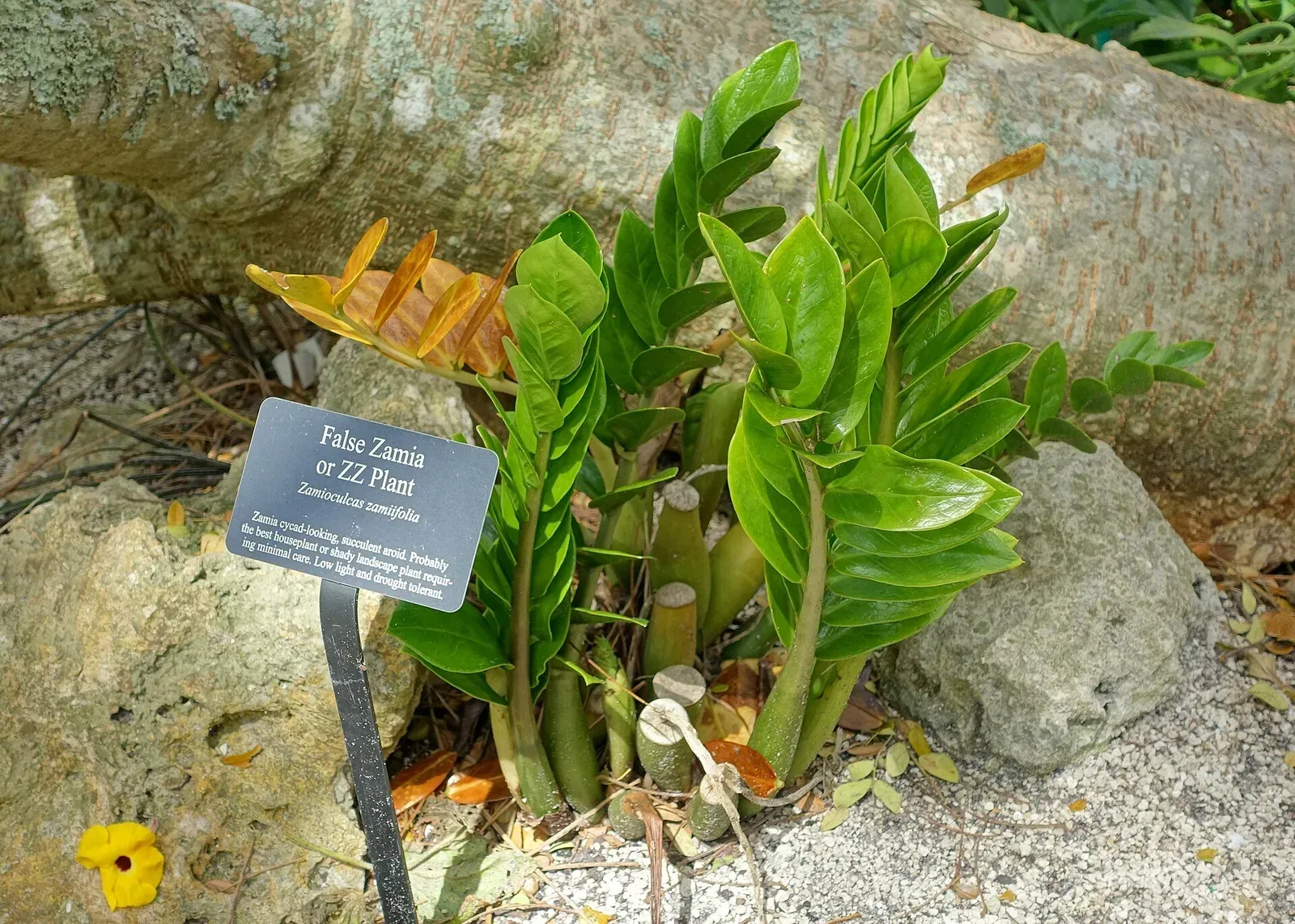
Glossy dark leaves and thick underground stems that store water. It is the best choice for a room with weak light. Overwatering is the only thing that kills it. It is toxic if eaten, so keep it on a high shelf if you have a crawling baby or a dog that chews. See ZZ plant low light care for placement ideas.
Money plant (pothos)
Grows in soil or in a glass jar of water, and trails nicely from a shelf or cupboard top. It tolerates medium light, but in a dark room the vines get long and bare. The sap and leaves are toxic to cats, dogs and children if chewed, so let it hang out of reach.
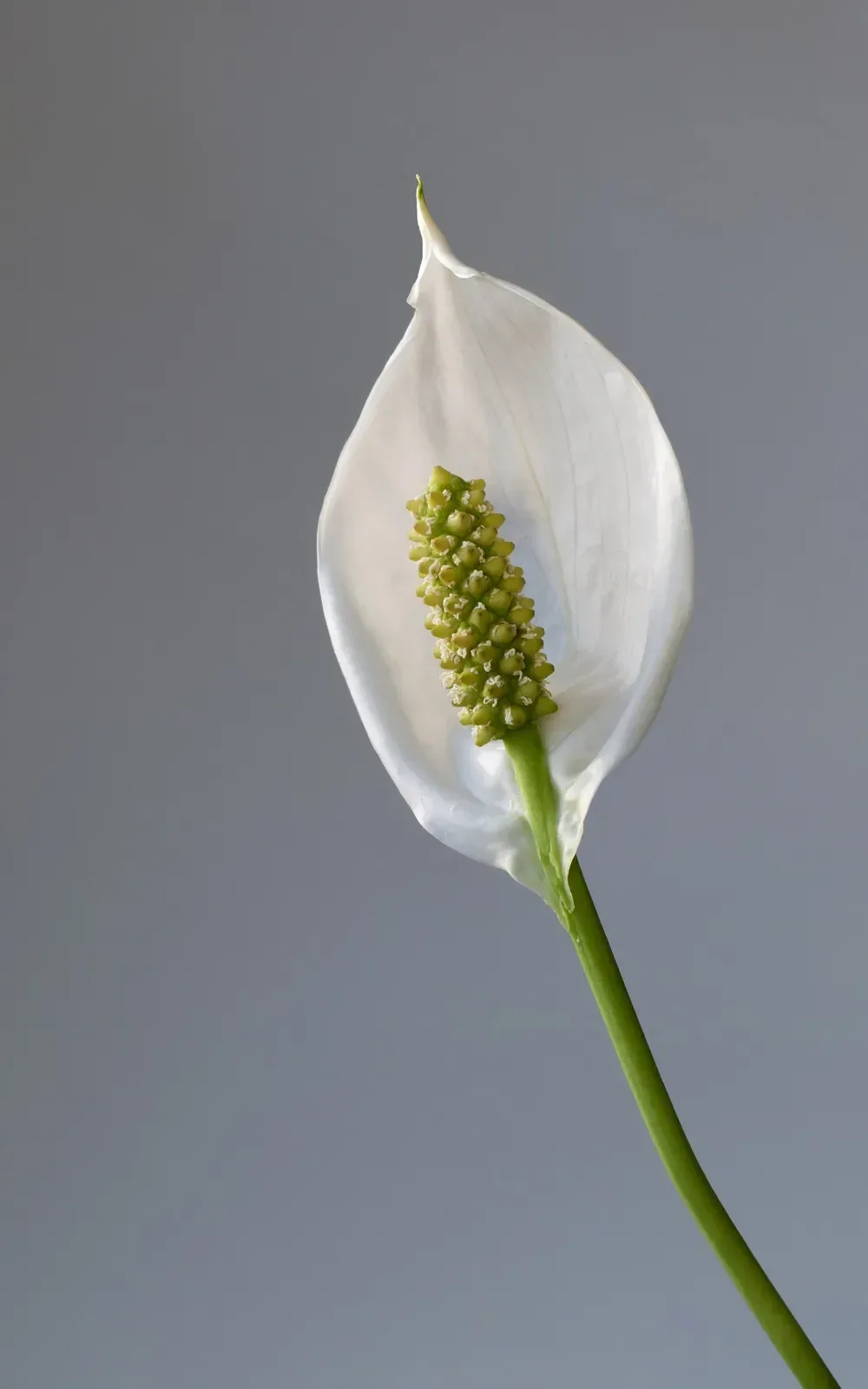
Peace lily
One of the few flowering plants that blooms in medium light. It droops dramatically when thirsty and perks up within hours of watering, which makes it easy to read. It likes humidity, so keep it away from the direct blast of the AC. Despite the name, it is not a true lily. It is toxic if chewed, causing mouth pain and drooling in pets, so keep it away from cats.
Spider plant
Arching striped leaves and baby plants that hang on long stems. It needs medium to bright light and regular water. It is non toxic to cats and dogs, which makes it one of the best picks for homes with pets. Cats do like to chew it, so a hanging pot helps the plant more than the cat.
Parlour palm and areca palm
Both are non toxic to pets and give a soft, leafy look to a corner. Parlour palm stays small and copes with medium light. Areca palm needs bright light near a window and grows big, so it suits only a large bedroom. Dry AC air causes brown tips on both. Our areca palm brown tips guide explains how to stop it.
Aglaonema
Patterned leaves in green, silver, pink or red. The dark green types handle low light better than the pink and red ones. It is toxic if chewed, like most plants in the same family as money plant and peace lily.
Aloe vera
Only for a bedroom with a sunny windowsill. In a dim room, aloe turns pale, stretches and falls over. It is toxic to pets if eaten.
Pet and child safety at a glance
| Plant | Light | Safe for pets |
|---|---|---|
| Snake plant | Low to bright | No, mildly toxic |
| ZZ plant | Low to medium | No, toxic |
| Money plant (pothos) | Medium | No, toxic |
| Peace lily | Medium | No, toxic |
| Spider plant | Medium to bright | Yes |
| Parlour palm | Medium | Yes |
| Areca palm | Bright | Yes |
| Aglaonema | Low to medium | No, toxic |
| Aloe vera | Bright, some sun | No, toxic |
Toxic here means the plant can cause mouth irritation, drooling, vomiting or an upset stomach if chewed or eaten. These are rarely life threatening, but call a vet or doctor if a child or pet eats a large amount. Fallen leaves are the usual problem, so pick them up quickly.
Plants to avoid in the bedroom
- Raat ki rani and other strongly scented night flowers: the heavy scent gives some people headaches in a closed room. Enjoy them on the balcony instead.
- True lilies, such as Asiatic and Easter lilies: very dangerous for cats, even the pollen.
- Sun lovers like tulsi, hibiscus, mogra and roses: they get weak and pest prone indoors.
- Any plant you tend to overwater: wet soil in a closed room grows mould and fungus gnats, which is a real problem for people with allergies.
Care tips for bedroom plants
Keep them away from the AC
The cold, dry stream from a split AC causes brown leaf edges and curling. Place plants at least 1.5 to 2 metres away from the unit and out of its direct line.
Water less than you think
A bedroom with closed curtains dries pots slowly. Always check the soil with a finger before watering. Pots without drainage holes are the main cause of rot in bedrooms, so use a nursery pot with holes inside any decorative pot.
Use an airy mix
Low light and slow drying need a mix that drains well. Our guide to potting mix for indoor plants gives the exact ratios, including a drier mix for snake plant and ZZ plant.
Open the curtains when you can
Open the curtains during the day, or move the plant to a brighter room on weekends. Turn the pot a quarter turn every week so it does not lean toward the window.
Wipe the leaves
Indian cities are dusty, and a layer of dust blocks light. Wipe the large leaves with a damp cloth every two weeks.
Watch: choosing houseplants by light
This short video from the Royal Horticultural Society explains how to judge the light in a room and match a plant to it, with simple watering advice that suits bedrooms well.
Comments
No comments yet — share what worked in your climate.