
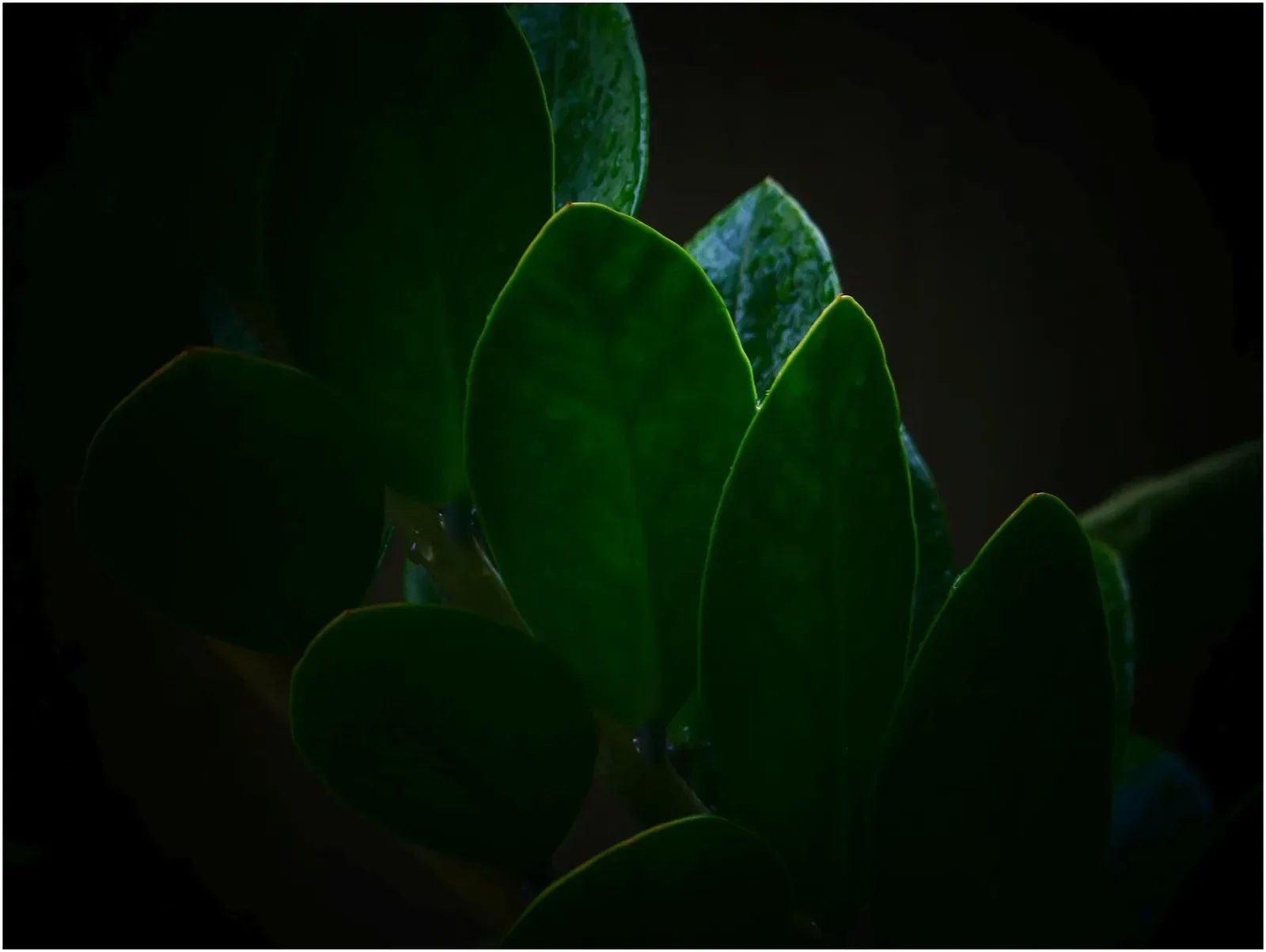
| ☀️ Light | Low light |
|---|---|
| 💧 Water | Low (allow soil to dry) |
| 🪴 Soil | Loose, free-draining houseplant mix |
| 🌡️ Temp | 15°C – 30°C |
| 🐾 Safety | Cats: toxic · Dogs: toxic (ASPCA Animal Poison Control) |
| 📏 Mature size | 80 cm |
Where It Grows & Climate Tolerance
Pet & Companion Animal Toxicity (ZZ Plant Care in India: When to Plant, Water and Repot)
Light — Medium to bright indirect light supports growth. Low light is tolerated. Water — Let the potting mix dry through its depth, then water thoroughly and drain. Soil — Use a loose, free-draining potting mix in a pot with drainage holes. Temperature — Aim for 18–30°C and keep above 15°C, away from hot glass and cold drafts.
Care instructions
Care Guide & Maintenance Routine
For established ZZ plants, use deep soil dryness to decide when to water. Protect from cold, heavy rain and harsh sun.
Light & Sunlight
Low light is tolerated, but medium to bright indirect light supports better growth. Avoid harsh midday and afternoon sun. A completely dark room needs suitable artificial plant lighting.
Watering Schedule
Let an established plant’s mix dry through its depth before watering. Check 5–8 cm down and deeper in large pots. Water thoroughly and drain. Two to four weeks is only a rough example, and dim rooms, monsoon humidity or cool winters can require longer.
Potting Mix & Drainage
Loose, free-draining houseplant mix
Temperature & Humidity
Aim for 18–30°C indoors and keep above 15°C. In North India, bring balcony plants indoors before cold winter nights. Protect from peak summer heat and direct AC drafts.
When to Plant or Repot ZZ Plant in India
March–April is usually the best time to plant or repot ZZ plant in North India, once nights stay above 15°C. Repot a nursery plant only when its pot or mix needs changing.
In South and coastal India, February–March or a mild, warm spell after the local heavy-rain season can work. September–October suits some places, but Chennai's wet season often arrives then. Choose warm conditions and a sheltered space over a fixed national date.
Avoid routine repotting during North India's December–January cold, peak May–June heat, or prolonged heavy rain. A plant with rotting roots needs prompt attention in any month.
For propagation, divide a crowded clump so each piece has a firm rhizome, healthy roots and a leaf stalk. Leaflet cuttings also work, but making a rhizome and fresh growth takes months.
How to Care for ZZ Plant
- Choose the pot. Use drainage holes and a container about 2–4 cm wider than the root ball. Empty the saucer or outer cover pot after watering.
- Prepare the soil. Combine two parts houseplant potting mix with one part perlite or pumice as a starting point. Improve drainage if the mix stays wet for weeks.
- Check before watering. Let an established plant's mix dry through its depth. Check 5–8 cm down with a wooden skewer, and deeper in a large pot. A dry surface can hide wet soil below. Water thoroughly, let excess drain, then wait for the mix to dry again.
- Adjust to the room. Two to four weeks between waterings is only a rough example. Dim rooms, monsoon weather and cool winters can mean a longer wait. Check weekly without automatically adding water.
- Provide filtered light. Medium to bright indirect light encourages fuller growth. Shield leaves from harsh midday and afternoon sun.
- Feed lightly. One or two feeds during active warm-season growth are usually enough. Use a balanced houseplant fertilizer at half the labelled strength. Skip feeding stressed plants and plants making no growth.
- Clean the leaves. Wipe dust off gently with a damp cloth. Remove fully yellow or dead stalks with clean tools. Routine trimming and leaf-shine products are unnecessary.
ZZ Plant Indoor Care
In AC rooms, avoid direct vent airflow. Check soil before weekend office watering.
A north-facing or filtered east-facing window often works well. South- and west-facing windows may need a sheer curtain. Buildings, trees and distance from glass change the light, so judge the actual spot.
Office plants need daylight or suitable artificial lighting. Read the detailed ZZ plant indoor care routine or compare indoor plants for office desks.
A bedroom is suitable when it has usable light and safe placement. See bedroom plant choices. Our guide to plants for rooms without direct sunlight explains the limits of low light.
During monsoon, shelter pots from rain and allow airflow. Cloudy, humid weather slows drying. Skip misting.
ZZ Plant Growing Guide
Zamioculcas zamiifolia plant care starts with patience. Growth arrives in bursts, with quiet gaps between new shoots. An established indoor plant commonly reaches about 60–90 cm. Older plants can approach 120 cm in favourable conditions.
Check for repotting every two to three years. Crowded rhizomes, a distorted pot or roots filling the container matter more than the date.
Division gives a larger plant sooner. To try leaf propagation, place a healthy leaflet's cut end in a small pot of airy propagation mix. Keep it warm, in indirect light, with the mix barely moist while rooting. Adult watering intervals do not suit every cutting. Expect several months, sometimes longer, before obvious growth.
ZZ Plant Uses
ZZ plant's glossy foliage suits an office reception, bright bedroom corner or shaded indoor entrance. Allow room for its upright leaves.
It makes a low-maintenance gift for a traveller with a bright room. Include watering instructions and a pet-safety note.
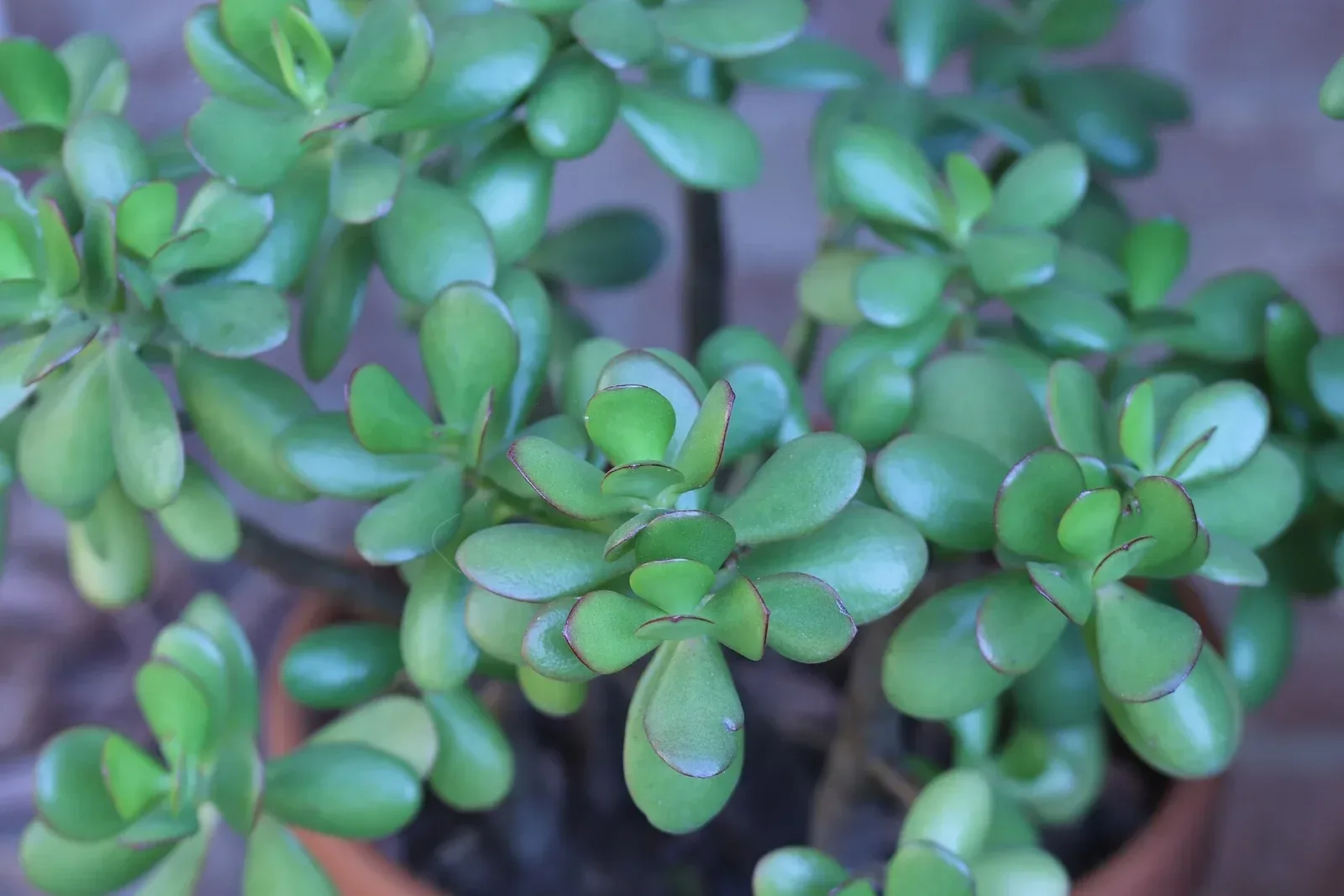
For comparison, snake plant care covers another upright houseplant. Compare brighter-window jade plant care and trailing money plant too.
Pet and Child Safety
ZZ plant is toxic to cats and dogs. Its calcium oxalate crystals can irritate the mouth when chewed. Keep every part away from pets and young children.
Wear gloves when cutting or dividing it, and wash your hands afterwards. If a pet chews the plant, contact a veterinarian. Seek medical advice if a child chews it or sap irritates their eyes.
Common Problems
- Yellow leaves. Check soil moisture first. Several yellow stalks with wet soil suggest overwatering. One ageing lower leaflet can yellow naturally.
- Mushy stems. Soft, dark bases or soft rhizomes suggest rot. Inspect the roots and follow the ZZ plant root rot recovery guide and stem rot advice.
- Wrinkled stems. Very dry soil may signal prolonged thirst. Wrinkling with wet soil can mean root rot, because damaged roots cannot absorb water.
- Brown tips. Check harsh sun, vent exposure, fertilizer buildup and drying history. Move the pot away from heat and review care before adding fertilizer.
Seasonal rhythm
Seasonal Calendar
| Month | Care Tasks | Seasonal Focus |
|---|---|---|
| Jan | Protect from frost/heat | Keep above 15°C in northern homes. Check deep soil dryness and skip feeding. |
| Feb | Protect from frost/heat | Watch for new shoots. Repot crowded plants in warm southern rooms, and wait through northern cold. |
| Mar | Repot | Repot or divide crowded plants once nights stay above 15°C. Feed lightly if growing. |
| Apr | Repot, Protect from frost/heat | Continue necessary repotting before severe heat. Protect new leaves from strong sun. |
| May | Protect from frost/heat | Shield from hot balcony sun. Check weekly and water only when soil is dry. |
| Jun | Routine check | Keep away from rain as monsoon arrives locally. Empty saucers and inspect drainage. |
| Jul | Routine check | Keep under cover during heavy rain. Allow longer drying time and check for soft bases. |
| Aug | Routine check | Maintain airflow. Clean leaves and inspect for pests without routine misting. |
| Sep | Fertilize | Consider a second light feed if actively growing. Repot only in mild, settled weather. |
| Oct | Routine check | Adjust to local rain and cooler nights. Shelter coastal pots during late monsoon. |
| Nov | Protect from frost/heat | Bring northern balcony plants inside before nights fall below 15°C. Extend watering intervals as drying slows. |
| Dec | Protect from frost/heat | Protect from cold windows and drafts. Skip routine repotting and fertilizer in cool conditions. |
Diagnostics
Common Problems & Troubleshooting
Yellow leaves with wet soil can indicate overwatering. Soft, dark bases suggest rot. Wrinkling with dry soil may mean prolonged thirst, while wrinkling with wet soil can signal root damage. Check sun, heat and fertilizer buildup for brown tips.
Pests & seasonal watch: Check leaf joints for scale or mealybugs. During monsoon, shelter the pot from rain and watch for yellow leaves or soft bases in wet soil.
- Root rot — Roots turn brown and mushy in soil that stays wet.
- Overwatering — Soil stays wet, leaves yellow or droop, and the pot feels heavy.
- Edema — Corky or blistered spots on leaf undersides after the plant takes up more water than it can lose.
- Stem rot — The stem goes soft, dark or black at soil level and the top collapses.
Care encyclopedia · 7 guides
Guides & Articles for ZZ Plant Care in India: When to Plant, Water and Repot
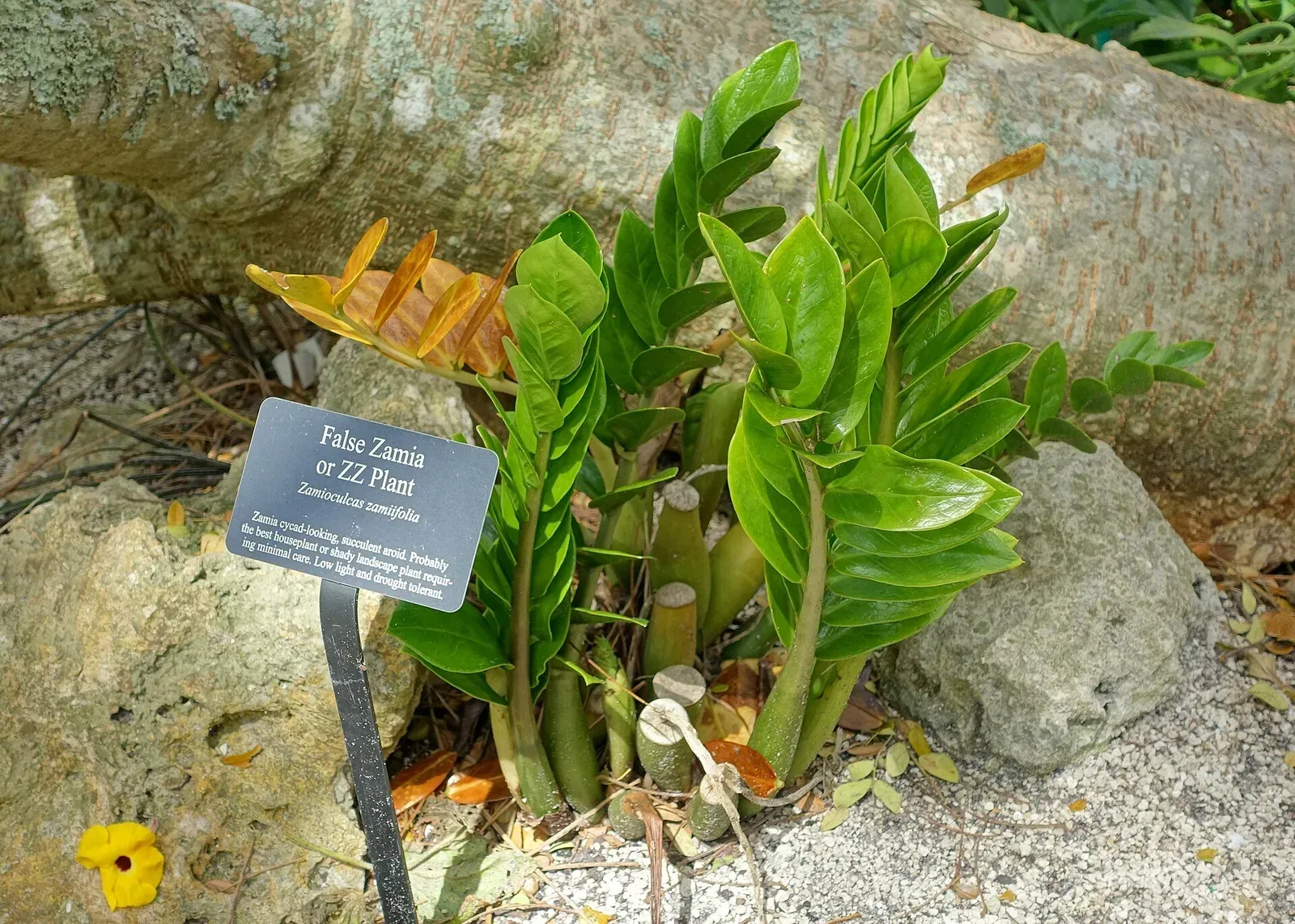
ZZ Plant Low-Light Office Care
A set-and-forget routine for desks and windowless corners.
Read guide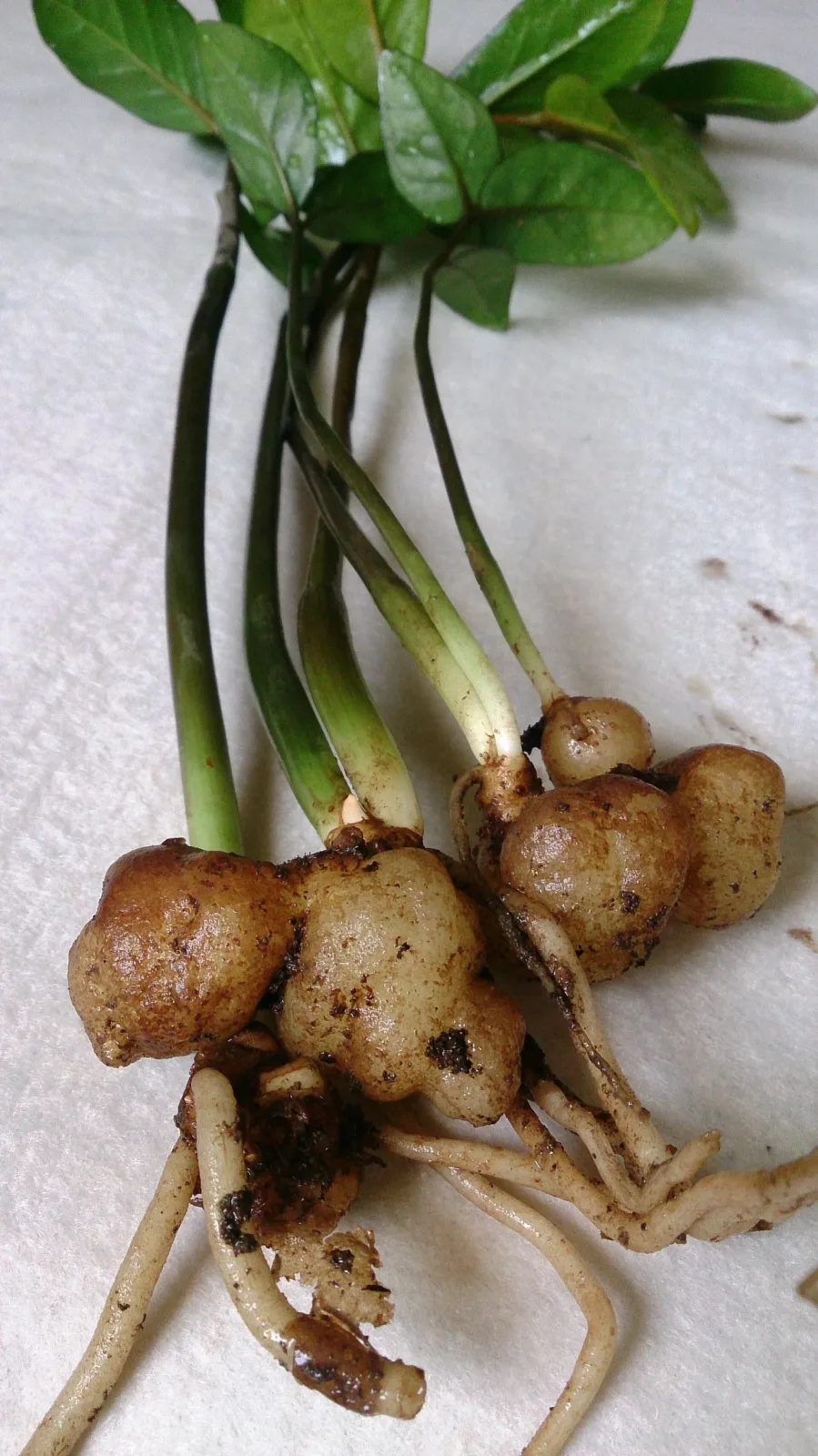
ZZ Plant Rhizome Rot Recovery
What to do when stems yellow and rhizomes go soft.
Read guide
Indoor Plants for Office Desk in Indian Homes
Compact indoor plants that survive Indian office desks under AC, tubelight and weekend neglect, with pot and watering rules that keep roots healthy.
Read guide
Best Indoor Plants for Bedroom: Honest Picks for Indian Homes
Bedroom plants that cope with low light and AC, which ones are safe around pets and children, and what plants can and cannot do for your air.
Read guide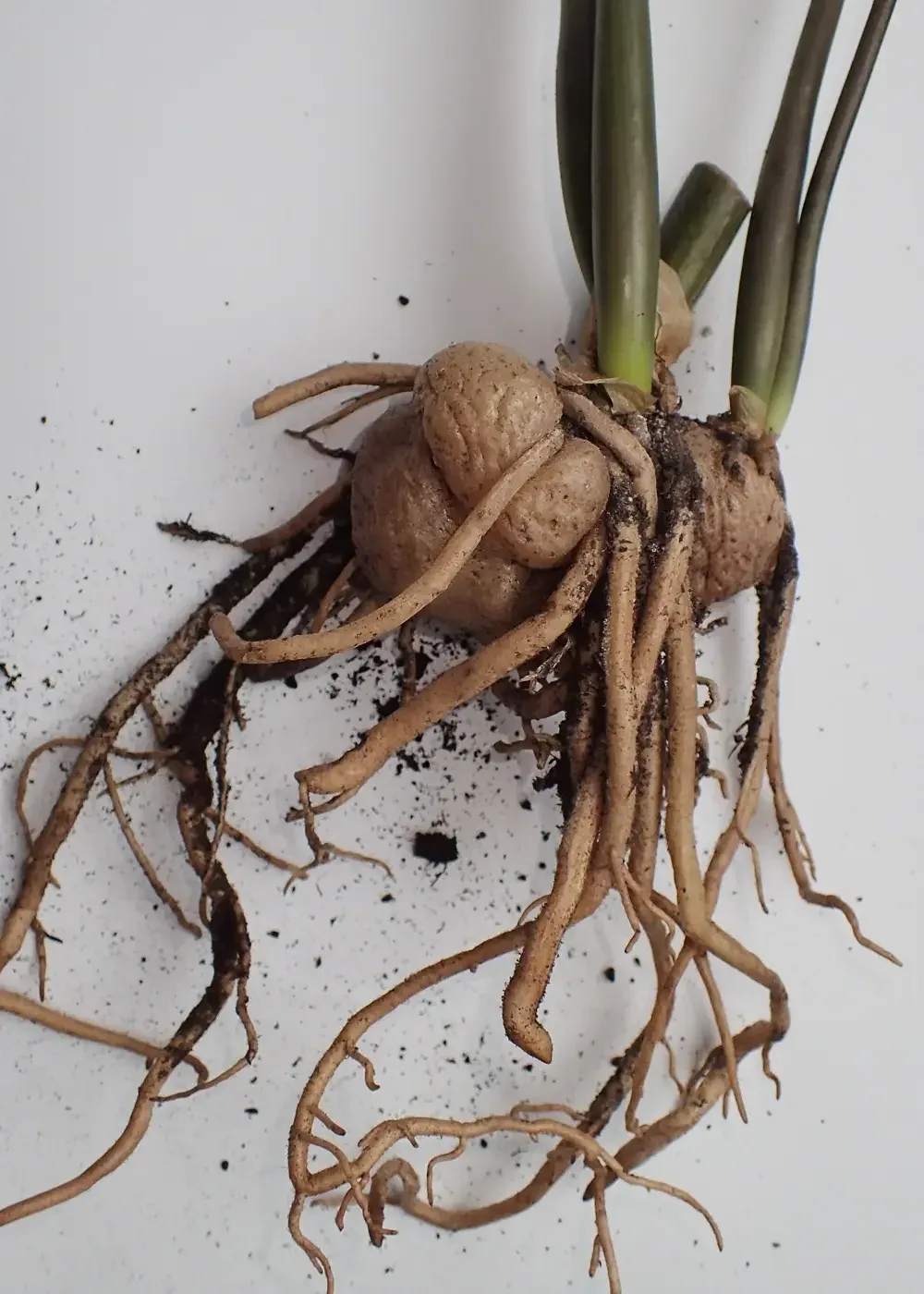
Indoor Plants That Grow Without Sunlight
Ten hardy plants for dim rooms, passages and offices, and how to keep them healthy in low light.
Read guide
10 Houseplants That Cope With Dry Winter Air in North Indian Homes
When heaters and closed windows dry the air in a North Indian winter, some houseplants cope better than others. Ten plants that handle dry rooms, with notes for the South, coasts and hills.
Read guide
12 Plants for a North-Facing Balcony in India, From Bright Shade to Deep Cover
Look up from the pot. A railing with open sky, a shelf under a chajja and a windy corner suit different plants. Here is what to grow in each spot.
Read guideQ&A
Frequently Asked Questions
How often should I water a ZZ plant in India?
Water when the potting mix has dried through its depth. Check 5–8 cm down and deeper in larger pots, then water thoroughly and drain. Two to four weeks is only a rough example. Low light, monsoon humidity and cool weather often lengthen the interval.
When should I plant or repot a ZZ plant in India?
March–April usually works well in North India once nights stay above 15°C. In warm southern and coastal homes, choose a mild spell outside the local heavy-rain season. Repot when crowded, rather than every year. Treat rotting roots promptly even outside the preferred season.
Is ZZ plant safe for cats, dogs and children?
ZZ plant is toxic to cats and dogs and should stay away from young children. Chewing releases irritating calcium oxalate crystals. Keep leaves, cuttings and rhizomes out of reach. Contact a veterinarian after pet ingestion, or seek medical advice if a child chews the plant.
Why are my ZZ plant leaves turning yellow?
Check the soil and stem bases before watering again. Several yellow leaves with persistently wet soil can indicate overwatering or root damage. One old lower leaflet may yellow naturally. Harsh sun and cold can also cause stress. Soft, dark bases need a closer root inspection.
Can a ZZ plant grow in low light or a bedroom?
Yes, if the room receives some usable daylight or suitable artificial light. Growth slows in dim conditions, and watering usually becomes less frequent. A filtered east-facing or reasonably bright north-facing window often works. Keep bedroom plants away from pets, children and direct AC airflow.
How fast does a ZZ plant grow?
ZZ plant grows slowly indoors and often produces new shoots in bursts. Months without fresh leaves can be normal when existing foliage is healthy. Better indirect light and warmth support growth. Many indoor plants reach 60–90 cm, with older specimens sometimes growing taller in favourable conditions.
Does a ZZ plant need fertilizer?
It needs little feeding. Give a balanced houseplant fertilizer at half the labelled strength once or twice during active warm-season growth. Follow product directions and avoid feeding dry roots, sick plants or plants resting in low light. Extra fertilizer will not fix poor light or root rot.
Can a ZZ plant stay outdoors during the monsoon?
Use a covered, shaded balcony that keeps rain out of the pot and allows airflow. Prolonged wet soil can rot rhizomes even when drainage holes are present. Move it indoors if rain keeps reaching the mix. Let soil dryness determine watering, and protect it from harsh sun.
Similar Botanical Matches
Keep exploring
Related plants
Grower field notes
Reader Field Notes in India
Share how this plant performs in your local India climate.