
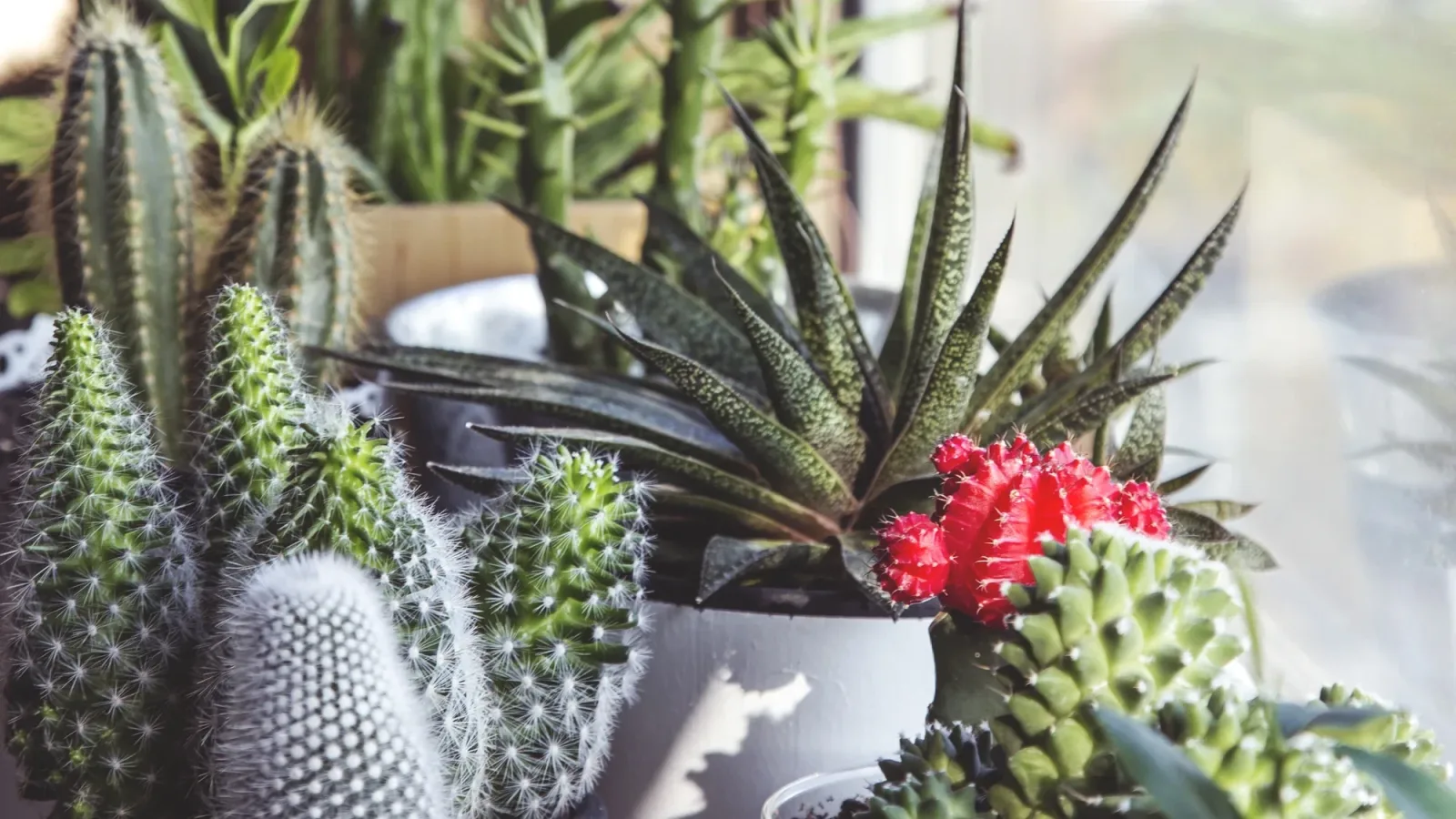
In the northern plains, winter rooms often feel dry. Windows stay shut against the cold, and a room heater or blower takes more moisture out of the air. Leaves that were fine in the monsoon can get thin brown edges, even when you have not under-watered the pot. This is common in Delhi, Punjab, Haryana, western Uttar Pradesh and Rajasthan from December into February. It is a different problem from frost on an open terrace, which we cover in our winter plant care guide for India.
South of the Vindhyas, and along the coast, the air in the house usually stays more humid. In the hills, rooms can be both cold and dry. The ten plants below are chosen because they store water in leaves, stems or roots, or because they already live with low humidity. They are not a cure-all, and brown tips can have other causes, so treat this as a placement guide, not a diagnosis. For a wider indoor shortlist, see indoor plants for Indian homes. If the pot sits on a north-facing balcony rather than in a closed, heated room, use our plants for a north-facing balcony in India guide instead.
Quick picks
- Best in a dim, dry room: snake plant (sansevieria) or ZZ plant
- Best on a bright winter windowsill: jade plant or aloe vera (gwarpatha)
- Best trailing plant: burro's tail or money plant
- Best if you already have a heater in the room: keep any plant a few feet away from the blower, even these ten
- Skip for a dry room: peace lily, calathea and most ferns. They prefer moister air; see our peace lily humidity guide
Comparison at a glance
| Plant | Hindi / common name | Light in winter | Water in a dry room | Pet safety | Region note |
|---|---|---|---|---|---|
| Snake plant | sansevieria, mother-in-law's tongue | Low to bright, no harsh noon sun | When the mix is dry deep in the pot | Toxic if eaten | All regions; a good choice in a closed North Indian room |
| ZZ plant | Zamioculcas, ZZ | Low to medium | When the mix is dry | Toxic if eaten | All regions, including offices with dry air-conditioning |
| Jade plant | crassula, money tree (not the same as pothos) | Bright light, some morning sun | When the mix is dry | Toxic if eaten | Likes the dry northern winter; needs more shade and less water on the humid coast |
| Aloe vera | gwarpatha, ghee-kunwar | Bright light | When the mix is dry | Toxic if eaten | Happy in a bright North Indian room; in heavy coastal rain keep it under cover |
| Rubber plant | rubber, Ficus elastica | Bright, indirect | When the top of the mix is dry | Toxic if eaten | Keep off cold glass and away from blowers in the North |
| Money plant | money plant, pothos | Medium to bright, indirect | When the top of the mix is dry | Toxic if eaten | All regions indoors; brown tips still appear if it sits next to a heater |
| Burro's tail | sedum, donkey's tail | Bright light | When the mix is dry | Non-toxic to cats and dogs | Best in a bright, dry room; protect from monsoon wet |
| Golden barrel cactus | golden barrel | The brightest window you have | Sparingly, only when the mix is dry | Not verified on our profile; spines are the main risk | Suits dry northern winters; keep almost dry in a cold room |
| Adenium | desert rose, adenium | Bright light, some sun | Little in winter; the caudex stores water | Toxic if eaten | In the North it often rests in winter; do not keep the mix wet |
| Panda plant | Kalanchoe tomentosa | Bright light | When the mix is dry | Toxic if eaten | Handles dry indoor air well; keep drier still in a cold North Indian room |
Why North Indian rooms feel so dry
Two things often happen together. Outdoor air in the northern plains can already be dry in winter, and then a closed room with a heater or blower dries it further. Leaves lose water faster than the roots can replace it. A pot near a west-facing window can also get a short burst of strong afternoon sun on a clear January day, which stresses a thin-leaved plant even more.
In Chennai, Kochi or Mumbai, the same plants may need the opposite care: watch for wet mix and poor airflow, not for desert-dry air. In hill stations such as Shimla, Nainital or Darjeeling, nights are colder, so keep pots off icy window glass, even if the air is dry. Our guide to watering indoor plants is useful in every region, because the rule is still to water only when the mix needs it, not on a fixed weekday.
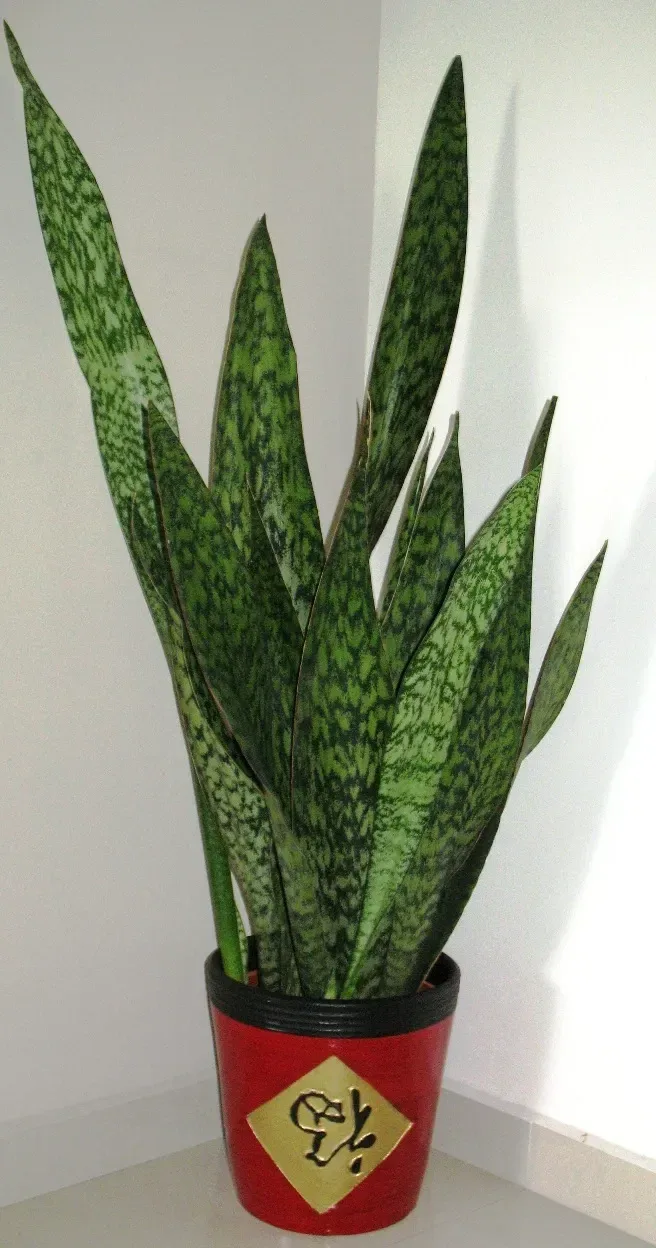
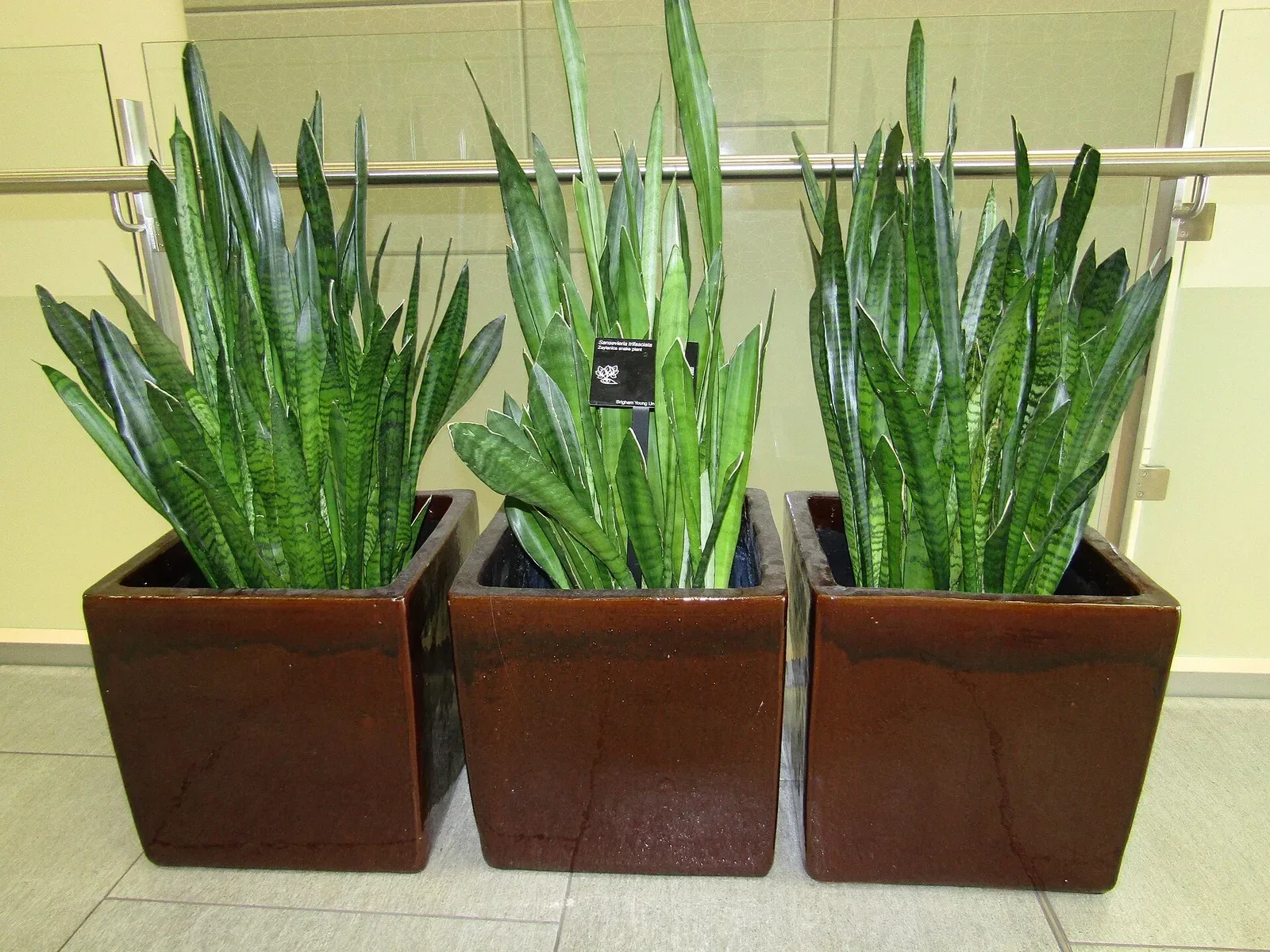
1. Snake plant (sansevieria)
- Light: Low to bright. A little morning sun is fine; harsh midday sun on glass can scorch the leaves.
- Water: Wait until the mix is dry well down the pot. In a cool, dry North Indian room this may be much less often than in the monsoon.
- Pet safety: Toxic if eaten, as noted on our snake plant profile.
Snake plant is one of the most reliable choices for a bedroom or living room that stays closed in winter. The thick leaves hold water, so the plant is slower to wilt in dry air than a fern or a peace lily. Put it where it still sees daylight, and keep it away from the heater. For day-to-day care, use our snake plant care routine for India.
In the South and on the coast, the same plant is more often killed by wet mix than by dry air. Use a pot with a clear drainage hole and empty the saucer.
2. ZZ plant
- Light: Low to medium. It will grow more slowly in a dim corner, but it copes.
- Water: When the mix is dry. The potato-like rhizomes store water, so it is safer to wait than to keep the pot damp.
- Pet safety: Toxic if eaten. See our ZZ plant profile.
ZZ plant is a good desk or hallway plant in winter, including in rooms that use a blower for an hour or two in the evening. Do not stand it right in the airflow. If you already grow it in an office, our ZZ plant low-light office guide covers placement in more detail.
3. Jade plant
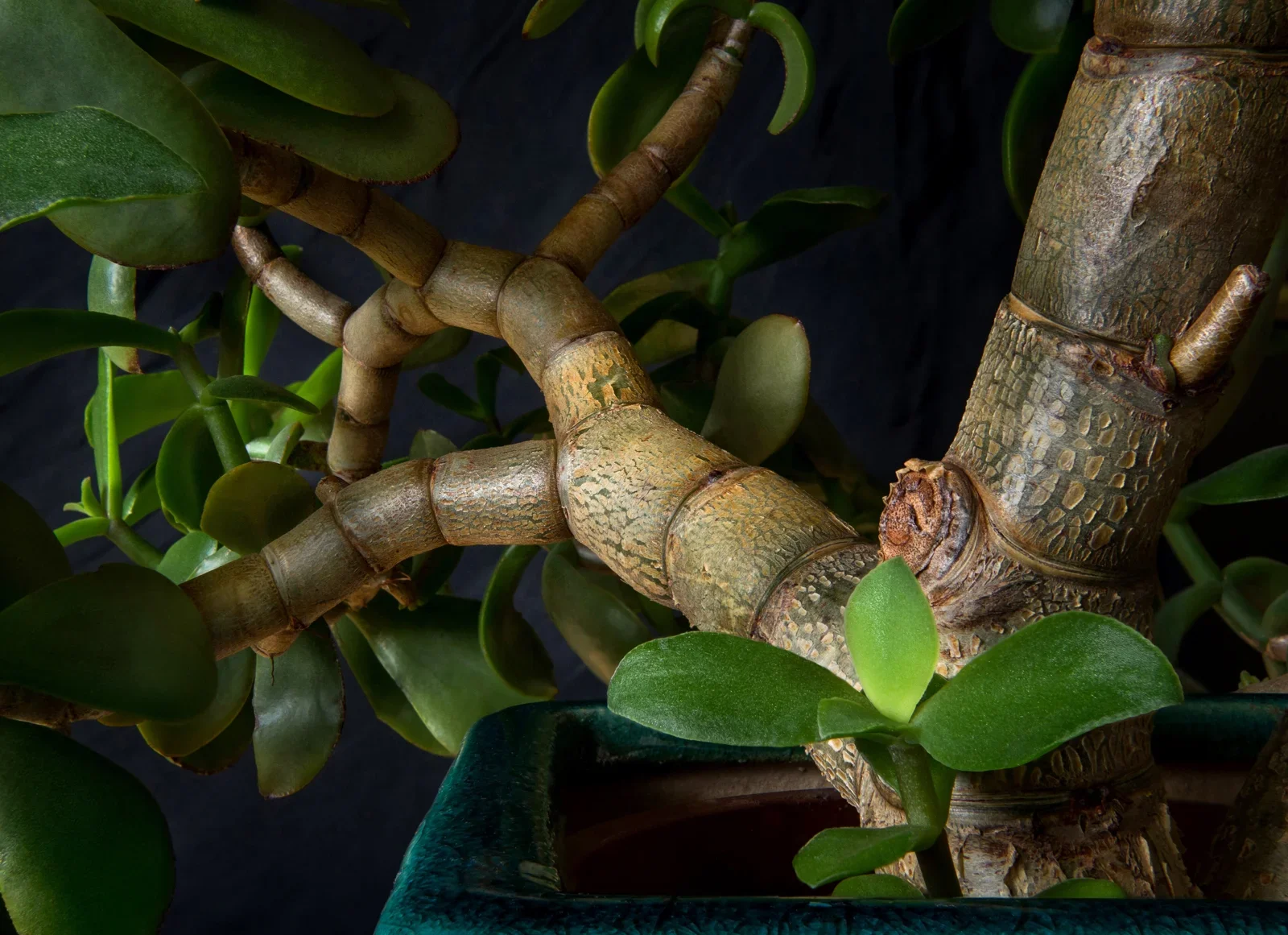
- Light: Bright light, with some gentle morning sun if you can give it.
- Water: When the mix is dry. The leaves should feel firm, not shrivelled and not soft.
- Pet safety: Toxic if eaten. See our jade plant profile.
Jade (crassula) likes the kind of dry, bright winter that the northern plains often have indoors. A window that gets morning sun in Delhi or Jaipur is usually enough. In a humid coastal flat, give it more air and water less often, or the stems can rot. If you also keep jade on a balcony in the warmer months, see our jade balcony care guide.
4. Aloe vera (gwarpatha)
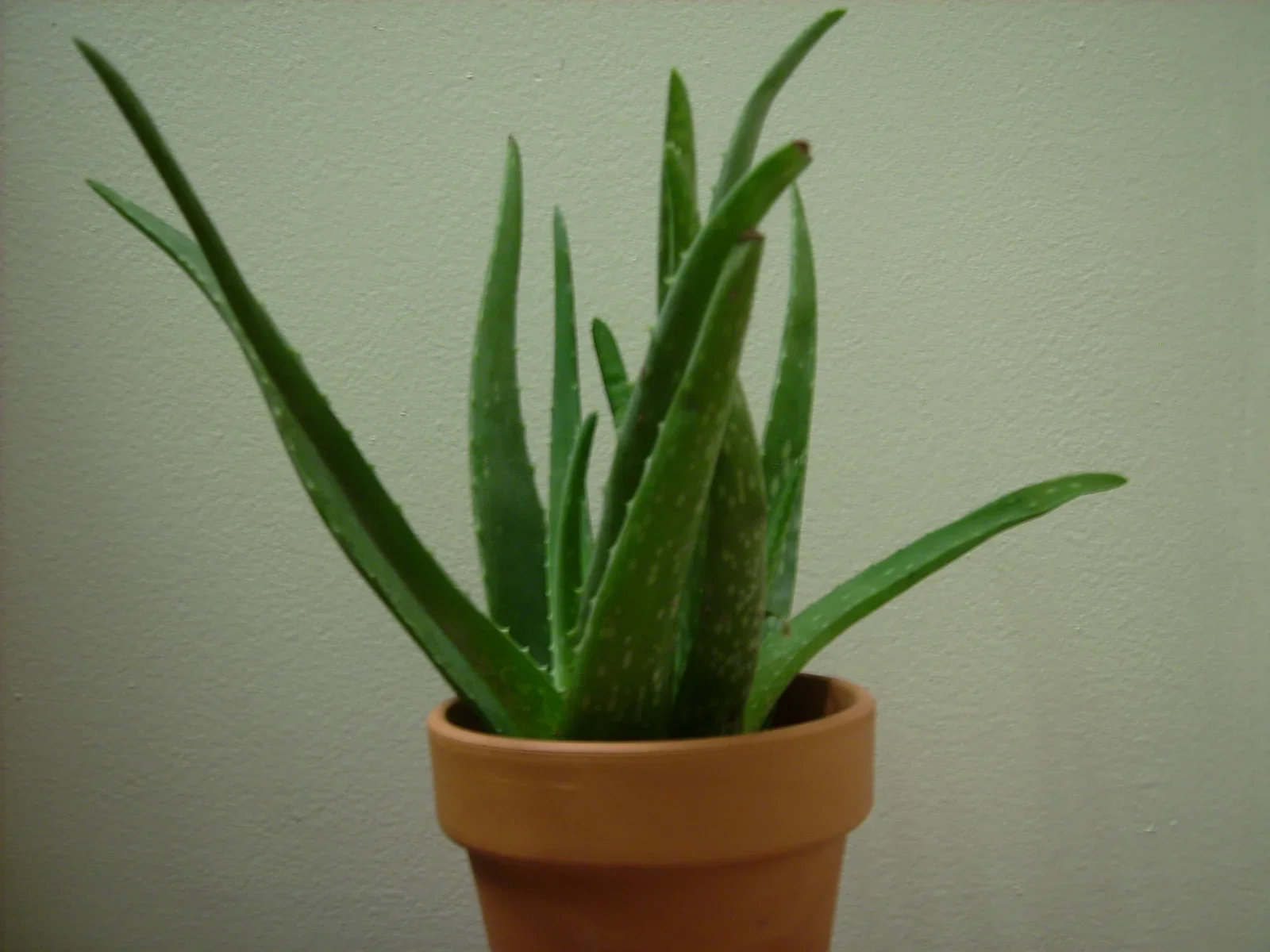
- Light: Bright light. A south or east window in winter is helpful in the North.
- Water: When the mix is dry. Cold, wet soil is a bigger risk than dry air.
- Pet safety: Toxic if eaten. See our aloe vera profile.
Aloe, or gwarpatha, is a familiar kitchen-window plant across India. In a dry North Indian room it usually holds up well, as long as you do not water it as often as you did in the monsoon. In Bengaluru, Pune and on the coast, the same advice applies in the cooler months, with extra care that rain does not sit in the pot. Our aloe pot care and harvest guide covers potting and how to take a leaf.
5. Rubber plant
- Light: Bright, indirect light. A little morning sun is useful in winter.
- Water: When the top of the mix is dry. Wipe dust off the large leaves so they can use the weaker winter light.
- Pet safety: Toxic if eaten. See our rubber plant profile.
Rubber plant is a little more demanding than snake plant or ZZ, but it still copes with ordinary dry indoor air better than a prayer plant or a fern. The two things that set it back in the North are a heater aimed at the leaves, and leaves pressed against a cold window pane at night. In the South it can stay in a bright room year-round, as long as the mix drains.
6. Money plant (pothos)
- Light: Medium to bright, indirect light.
- Water: When the top of the mix is dry. In water-grown jars, top up with fresh water and do not let the stems sit in a stale, warm jar next to a heater.
- Pet safety: Toxic if eaten. See our money plant profile.
Money plant is not a succulent, but it is tougher than many tropical climbers and is already in many Indian homes. It will often live through a dry winter if you keep it out of the hot airflow and give it daylight. Brown edges can still appear; move it first, then look at watering, rather than assuming one cause. It is a good trailing option where you do not want a cactus on a high shelf.
7. Burro's tail
- Light: Bright light. A bright window without a heater in front of it is ideal.
- Water: When the mix is dry. The beads store water; they wrinkle when the plant is truly dry.
- Pet safety: Non-toxic to cats and dogs, as noted on our burro's tail profile.
This trailing sedum is one of the few plants on this list that is both dry-air tolerant and noted as non-toxic on our profile, which makes it a sensible hanging or shelf plant in a home with pets, as long as the pot is stable. The beads drop off if the stems are knocked, so keep it out of a doorway. On the humid coast, give it a quick-draining mix and a cover from monsoon rain.
8. Golden barrel cactus
- Light: The brightest safe window you have in winter.
- Water: Sparingly, and only when the mix is dry. In a cold room, wait even longer.
- Pet safety: Not verified on our golden barrel profile. The spines are a reason to keep it out of reach anyway.
A barrel cactus is built for dry air. In a North Indian living room it often needs more light than people expect, so a dull corner will not do. In the hills, keep it off freezing glass. This is not a plant for a dim bathroom, even if that room feels dry.
9. Adenium (desert rose)
- Light: Bright light, with some sun if the plant is used to it.
- Water: Little in winter. The swollen stem (caudex) stores water, and a wet mix in the cold is the usual way this plant is lost.
- Pet safety: Toxic if eaten. See our adenium profile.
In much of North and central India, adenium slows down or rests in winter. Leaves may drop. That can be normal rest, not a reason to water more. A bright, dry verandah or a very bright room suits it better than a dark, heated corner. In frost-prone nights, move it in, then take it back to bright light by day. In Kerala, coastal Karnataka and other warm, humid belts it may keep some leaves, but the mix must still drain.
10. Panda plant
- Light: Bright light, out of harsh midday sun through glass.
- Water: When the mix is dry. The felted leaves help it cope with dry air.
- Pet safety: Toxic if eaten, as noted on our panda plant profile. Kalanchoe should be kept away from pets.
Panda plant is a small succulent that sits happily on a bright shelf through a dry northern winter. It does not need misting. In a coastal monsoon it needs the same quick-draining mix as the other succulents on this list, and a spot where the pot can dry.
What actually helps in a dry room
You do not need a special spray schedule. A few placement habits matter more:
- Keep plants out of the direct path of a room heater, blower or kitchen chimney.
- Pull pots a little back from cold window glass at night in the northern plains and the hills, then return them to the light by day.
- Group pots together if you like, but still water each pot on its own, when its mix is dry.
- Wipe dust off large leaves so they can use the weaker winter light.
- If you want a humidity-loving plant such as tulsi in the same house, give it a different, brighter and slightly more sheltered spot, and see our guide to a tulsi plant drying in winter.
Watch: winter indoor plant care
Sources
- India Meteorological Department seasonal bulletins describe cold waves and dry winter conditions in the northern plains. Use them as weather context, not as a plant-care recipe.
- GardenOrbit plant profiles linked above, for light, watering and pet safety.
- Plant care in winter in India for frost, cold winds and terrace pots, which is a separate problem from dry indoor air.


Comments
No comments yet — share what worked in your climate.