
| ☀️ Light | Bright indirect light |
|---|---|
| 💧 Water | Low (allow soil to dry) |
| 🪴 Soil | Cactus or succulent mix; gritty and fast draining |
| 🌡️ Temp | 10°C – 35°C |
| 🐾 Safety | Cats: toxic · Dogs: toxic |
| 📏 Mature size | 45 cm |
Where It Grows & Climate Tolerance
Pet & Companion Animal Toxicity (Panda Plant (Kalanchoe tomentosa))
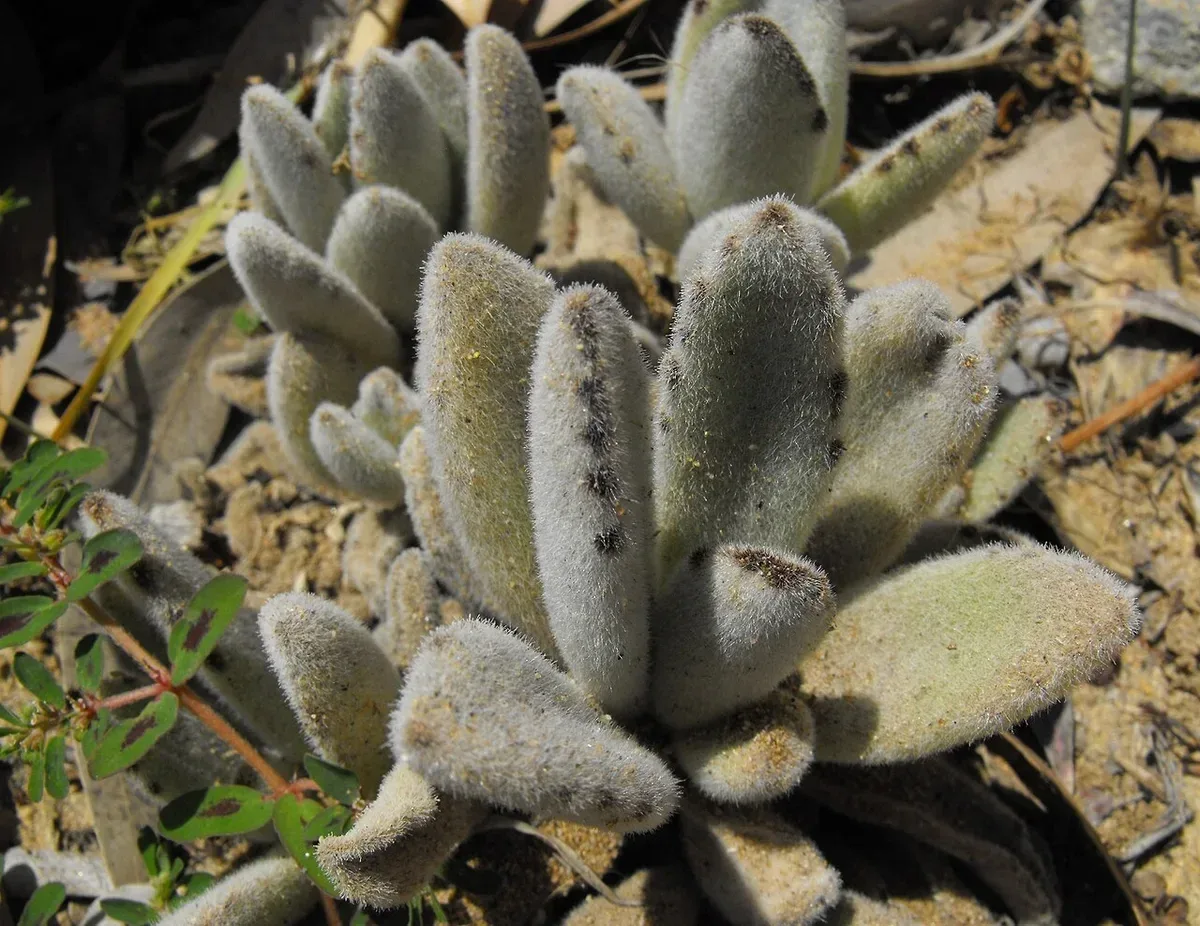
Panda plant (Kalanchoe tomentosa) is a slow-growing succulent from Madagascar with thick, spoon-shaped leaves covered in soft silvery fuzz and edged with chocolate-brown spots. It wants bright light, gritty soil and very little water, stays compact for years in a pot, and is toxic to cats and dogs.
Care instructions
Care Guide & Maintenance Routine
Give bright light with some direct morning sun, but shade from harsh afternoon sun. Plant in a cactus or succulent mix in a pot with drainage. Water thoroughly, then let the mix dry out completely. Keep it above about 10°C and dry in cool weather. Root new plants from leaves or offsets.
Light & Sunlight
NC State Extension says it prefers bright, indirect light for at least six hours a day, with protection from the sun in very hot climates to prevent leaf burn. Too little light makes it leggy.
Watering Schedule
NC State advises letting the soil dry out between waterings. Wrinkled or shrivelled leaves suggest too little water; yellow or mushy leaves and stems suggest too much. Water less in cool or dull weather.
Potting Mix & Drainage
Cactus or succulent mix; gritty and fast draining
Temperature & Humidity
NC State says it grows best at 16 to 24°C (60 to 75°F), is intolerant of extreme heat and is not cold hardy, suiting outdoor gardens only in USDA zones 9 to 11. Keep it above about 10°C and away from frost. NC State gives a mature size of 30 to 90 cm; pot plants usually stay around 30 to 45 cm.
About the panda plant
The panda plant is a semi-woody succulent in the stonecrop family. NC State notes it comes from east-central Madagascar and that the name tomentosa means covered with fine hairs. Thick, oblong leaves grow in loose rosettes along upright stems. They are pale grey-green and coated in soft, silvery felt, with a row of rust or chocolate-brown spots along the tips and edges. The brown markings and fuzzy texture are where the common names panda plant and pussy ears come from.
It grows slowly. NC State gives an eventual size of 30 to 90 cm tall and up to 90 cm wide outdoors in warm climates, but potted plants usually stay well under half a metre for many years.
Cultivars
- 'Chocolate Soldier': faster and more clumping, with thinner, longer leaves edged reddish brown.
- 'Cinnamon': long, oval, russet leaves densely covered in fuzz, darkening almost to black in full sun.
- 'Teddy Bear': rounder, chocolate-brown leaves with nearly black tips.
All three are described by NC State and are grown the same way.
Light
NC State recommends bright, indirect light for at least six hours a day, with protection from harsh sun in very hot climates. Indoors, a south or west window filtered by a sheer curtain, or an east window with morning sun, is ideal. In low light, stems stretch and the leaves spread apart. Turn the pot a quarter-turn every week or two so it grows evenly.
Soil and pots
Use a cactus or succulent mix, as NC State recommends. If you only have general potting soil, mix roughly equal parts with perlite, pumice or coarse sand. Choose a pot with a drainage hole and not much wider than the roots. Terracotta dries faster than plastic or glazed pots and gives more room for error.
Watering
Water thoroughly until it runs out of the bottom, then wait until the mix is completely dry before watering again. NC State notes shrivelled or wrinkled leaves can indicate underwatering, and yellow or mushy leaves and stems can indicate overwatering. In winter or dull weather, water only occasionally. Avoid wetting the fuzzy leaves; water at the base, and never leave the pot sitting in a saucer of water.
Temperature and humidity
NC State gives an ideal range of 16 to 24°C and notes the plant prefers low humidity, dislikes extreme heat and is not cold hardy. Normal room conditions suit it. Keep it away from cold windows in winter and from heaters that blast hot, dry air.
Feeding
Panda plants need very little fertiliser. Two or three feeds in spring and summer with a cactus or balanced fertiliser at half the label rate are enough. Do not feed in winter.
Keeping the leaves clean
The felt on each leaf traps dust, and water spots linger on it. Instead of wiping or spraying, brush the leaves gently with a soft, dry paintbrush or a clean make-up brush every few weeks. This also lets you spot pests early.
Repotting
Repot every two or three years in spring, or when roots fill the pot. Handle the plant by the stem or wear soft gloves, because the leaves bruise and snap off easily. Use fresh mix and wait a few days before watering so any broken roots can heal.
Propagation
NC State suggests leaf cuttings or offshoots, and notes this species is more difficult to propagate than many succulents. Twist off a healthy leaf, let the base dry for a day or two, and lay it on dry, gritty mix in bright shade. Mist lightly every few days. Roots and a small rosette appear in several weeks. Stem tips cut from a leggy plant root faster. Offsets that form at the base can be separated with their own roots when you repot.
Outdoors in warm climates
Where there is no frost, NC State notes it can be used in borders, rock gardens and succulent gardens. Choose a bed with sharp drainage and light afternoon shade, or keep it in a pot that can be moved under cover during heavy rain.
Pests and problems
- Root rot: soft, black stems at soil level after overwatering. Cut off healthy tops and reroot them.
- Mealybugs: white, cottony specks hidden among the hairs and in leaf joints. Remove with a soft brush dipped in rubbing alcohol.
- Spider mites: fine speckling and webbing in hot, dry rooms.
- Leggy growth: not enough light.
- Leaf burn: brown, crisp patches after sudden exposure to hot sun.
Brown spots along the leaf edges are a normal feature of this plant, not a disease. Other spots or yellowing can have several causes, so check watering and light first.
Safety
ASPCA lists Kalanchoe species as toxic to dogs and cats, and NC State lists the panda plant as poisonous if eaten and a problem for cats, dogs and children. Keep it on a high shelf if pets or small children chew plants.
Common mistakes
- Watering on a fixed schedule rather than when the mix is dry.
- Using a pot without a drainage hole.
- Moving it from a dim room straight into hot sun.
- Misting the leaves.
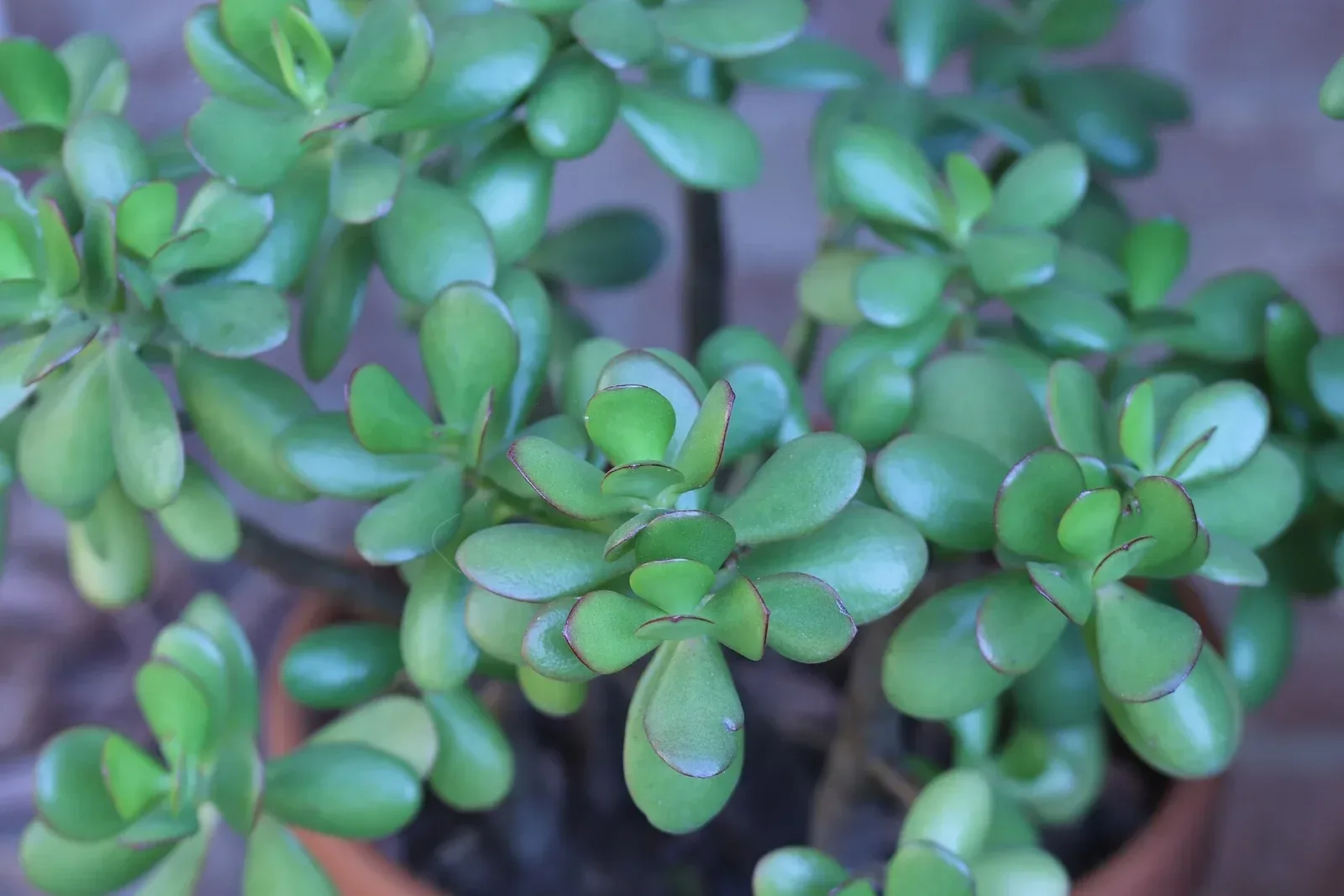
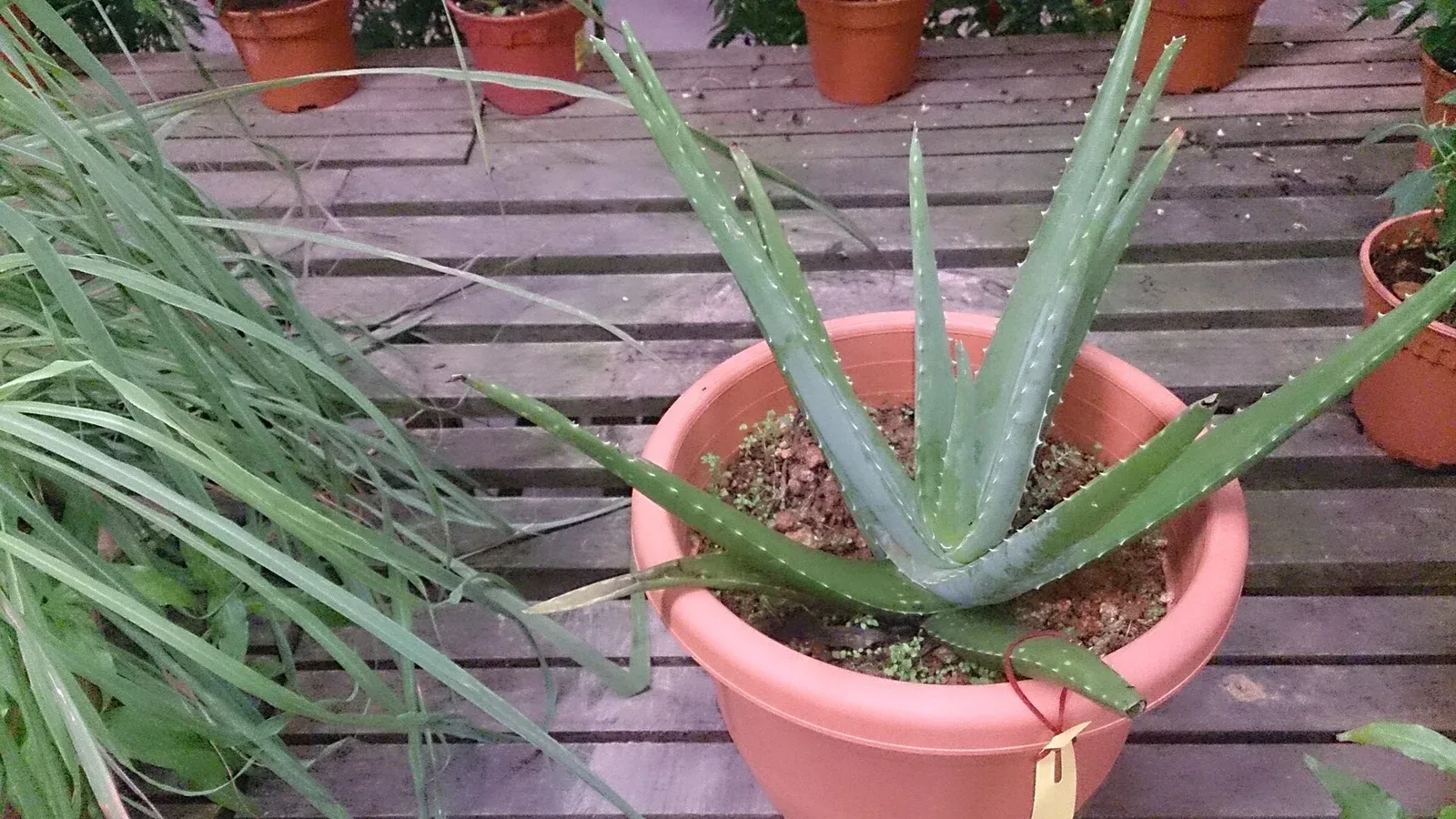
For other easy succulents, see jade plant, echeveria, haworthia, burro's tail and string of pearls. The flowering kalanchoe is a close relative.
India and Canada in brief
Indoors, the care is the same everywhere. What changes is the hard season: weeks of rain and humid heat in one market, short, dim days and furnace-dried air in the other. The market sections cover where to keep it and when to water less.
Seasonal rhythm
Seasonal Calendar
A month-by-month calendar for Panda Plant (Kalanchoe tomentosa) in Global is coming soon. See the light, water and temperature notes above.
Diagnostics
Common Problems & Troubleshooting
Root rot and mushy stems from overwatering; shrivelled leaves from underwatering; stretched, leggy stems in low light; scorched leaves in hot sun; leaf drop after cold.
Pests & seasonal watch: NC State lists mealybugs and spider mites. Mealybugs hide among the hairs at leaf bases and are easy to miss. Fungus gnats appear only if the mix stays wet.
Care encyclopedia · 1 guide
Guides & Articles for Panda Plant (Kalanchoe tomentosa)
Q&A
Frequently Asked Questions
How often should I water a panda plant?
Only when the mix has dried out completely, as NC State advises. That may be every two to three weeks in warm months and much less in winter.
Why are the leaves wrinkled?
NC State notes shrivelled or wrinkled leaves can mean underwatering. Check the mix: if it is bone dry, water thoroughly. If the mix is wet, look at the stem and roots for rot.
Why is my panda plant leggy?
Too little light. NC State lists inadequate sunlight as the usual cause. Move it to a brighter spot and cut back the stretched stem to root as a new plant.
Can it go in direct sun?
Some gentle morning sun is fine. NC State warns that full, hot sun can cause leaf burn, especially in very hot climates.
Is it easy to propagate?
Leaf cuttings and offsets work, but NC State notes the fuzzy leaves make it slower than many succulents. Be patient and keep the mix only slightly damp.
Is the panda plant toxic to cats and dogs?
Yes. ASPCA lists Kalanchoe species as toxic to dogs and cats, and NC State lists the panda plant as poisonous if eaten.
Will it flower?
Rarely indoors. NC State notes small tubular flowers form in summer on mature plants, mainly outdoors in warm climates.
What are 'Chocolate Soldier' and 'Teddy Bear'?
Cultivars described by NC State. 'Chocolate Soldier' has longer, thinner leaves with reddish-brown edges; 'Teddy Bear' has rounder, darker brown leaves.
What is the lowest temperature it tolerates?
It is not cold hardy. NC State gives an ideal range of 16 to 24°C. Keep it above about 10°C and away from frost.
Similar Botanical Matches
Keep exploring
Related plants
Grower field notes
Reader Field Notes in Global
Share how this plant performs in your local Global climate.